About Lucy's Barge
Lucy's Barge is a shipwreck dive site located in the waters of Sint Maarten, a Dutch territory in the Caribbean. The barge, which sank in 1991, rests at a depth of approximately 55 to 60 feet (16.7 to 18.3 meters). While the wreck is significantly broken apart due to storm damage over the years, key components like the engine block and propeller are still recognizable, offering distinct points of interest for divers. The site has transformed into a vibrant artificial reef, supporting a rich diversity of marine life. Soft corals now encase the fragmented structure, providing shelter and sustenance for numerous species. Divers can expect to find a variety of creatures seeking refuge or hunting among the wreckage and corals. Lucy's Barge is particularly known as a sanctuary for various eels and crustaceans, making it an excellent spot for observing these creatures in their natural habitat. Green, Hawksbill, and Loggerhead turtles are also frequently seen here, often gliding gracefully through the water or resting near the wreck. Additionally, the wreck's proximity to Proselyte Reef allows for potential combined dive experiences, offering an extended exploration of St. Maarten's underwater landscape. This site caters to certified divers who can comfortably navigate its moderate depth. The calm conditions typically found in St. Maarten's protected areas make it an enjoyable and accessible wreck dive, providing ample opportunity for observation and underwater photography amidst its rich ecosystems.
Highlights
1991 barge wreck55-60 ft depthEngine block and propellerSoft coral growthLobsters and moray eelsGreen and Hawksbill TurtlesCaribbean Reef Sharks
Season calendar
Best months to dive here
Jan
Feb
Mar
Apr
May
Jun
Jul
Aug
Sep
Oct
Nov
Dec
Good
Dive site facts: Lucy's Barge
- Depth
- 16.7–18.3 m / 55–60 ft
- Typical dive
- 16.7–18.3 m, 55–60 min
- Current
- Mild to moderate
- Visibility
- 20–36 m / 65–120 ft (variable)
- Water temperature
- 25–30 °C / 77–88 °F
- Entry
- Boat / negative entry possible
- Level
- Open Water Diver
- Dive type
- Wreck, reef, photography
- Region / port
- Sint Maarten (Netherlands Antilles)
- Coordinates
- 18.0333° N, 63.0957° W
Conditions & Currents
St. Maarten's dive sites, including Lucy's Barge, are typically located off the coast and are considered open ocean, although the Man of War Shoal Marine Park area often provides protected conditions. Surface chop can be more pronounced in winter due to stronger trade winds from the northeast, while summer months generally bring calmer seas. Northerly swells from December to March can temporarily reduce visibility and influence surface conditions. Divers should always check local forecasts and dive conditions, as site selection is weather-dependent and may change based on wind and wave patterns. Average visibility can reach up to 120 feet (36 meters) in calm seas, but it can be reduced during periods of stronger currents or swells. Light to moderate currents are generally expected, making for comfortable diving for most certified divers. Divers should plan their gas consumption factoring
Marine life & sighting chances
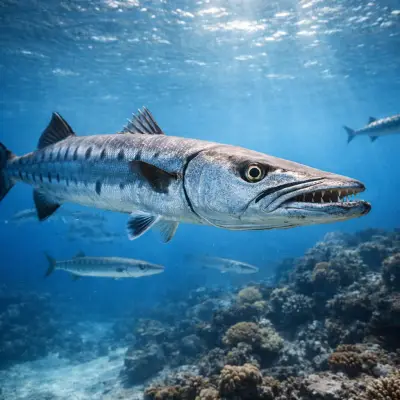
Barracuda
common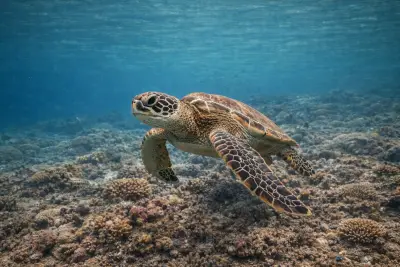
Green Turtle
common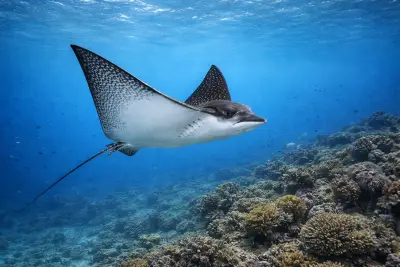
Eagle Ray
occasional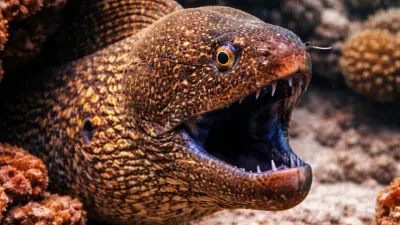
Moray Eel
common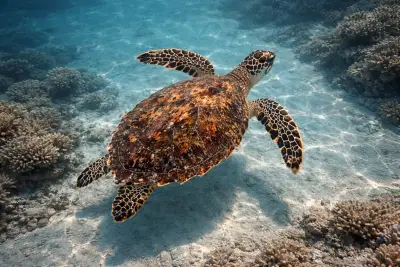
Hawksbill Turtle
occasional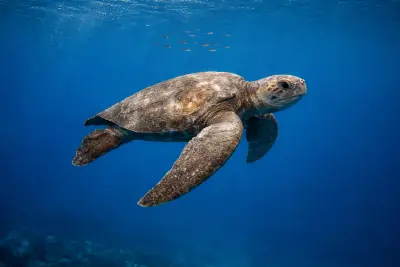
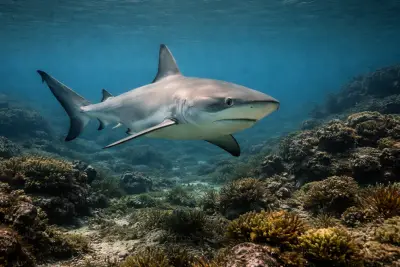
Caribbean Reef Shark
occasional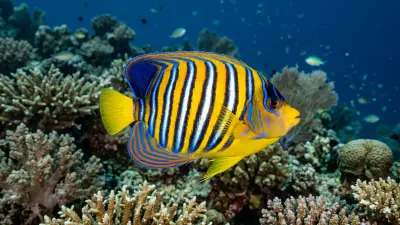
Angelfish
common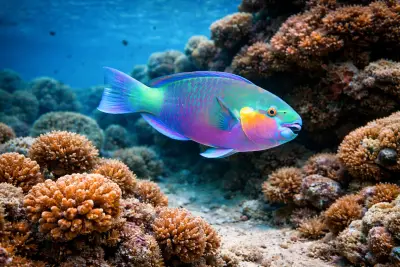
Parrotfish
common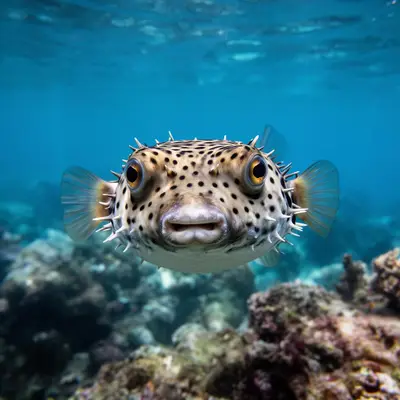
Pufferfish
occasional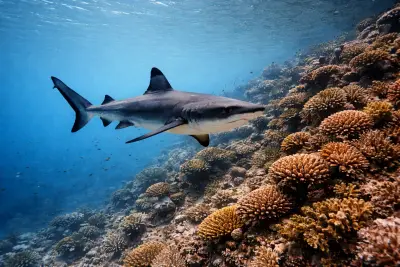
Blacktip Reef Shark
occasional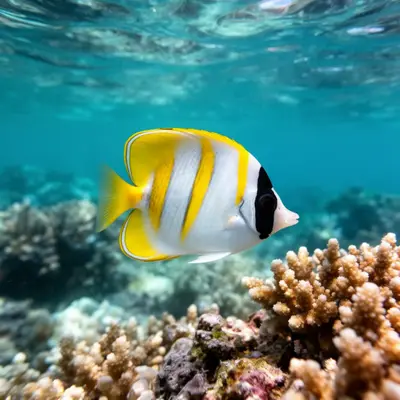
Butterfly Fish
occasional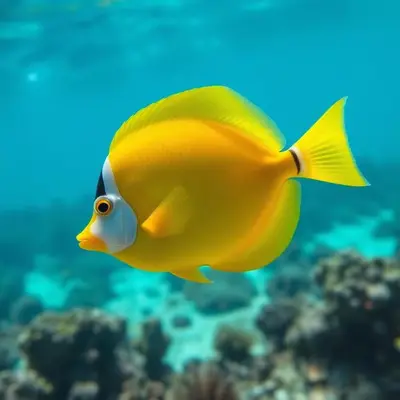
Surgeonfish
occasional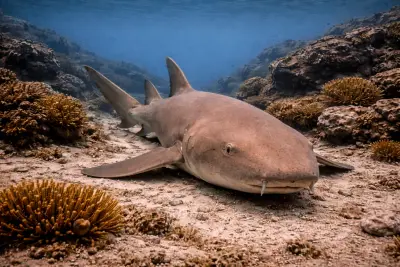
Nurse Shark
occasionalDive profile & how the dive runs
Dives at Lucy's Barge typically begin with a descent directly to the wreck, which lies between 55 to 60 feet deep. The wreck is broken up, so the dive plan usually involves exploring the various sections of the scattered barge, including recognizable features like the engine block and propeller. Divers will circumnavigate the wreckage, paying close attention to the soft coral growth and looking for resident marine life such as lobsters and moray eels hiding within the crevices. The relatively shallow depth allows for extended bottom time, often around 50 to 60 minutes, enabling thorough exploration. The dive typically concludes with a slow ascent, including a safety stop, often performed in the surrounding clear waters before returning to the surface boat. This site's proximity to Proselyte Reef means that some itineraries may integrate parts of both sites.
Underwater photography
Lucy's Barge, with its scattered wreck components and abundant marine life, offers excellent opportunities for wide-angle and macro photography. For capturing the overall structure and scale of the wreck, a wide-angle lens is ideal. The soft corals draped over the wreckage create a colorful backdrop, and natural light penetrates well due to the site's moderate depth. When focusing on the smaller inhabitants like lobsters, moray eels, and various reef fish, a macro lens will be beneficial. Ensure proper buoyancy control to avoid disturbing the delicate coral and stirring up sediment. Using strobes can enhance colors and bring out details in darker areas of the wreck. Be patient and observe marine life to capture natural behaviors, especially the often-shy eels and crustaceans. For turtles, a medium wide-angle lens works well.
Combine with nearby dive sites
- Proselyte Reef
Close to Lucy's Barge, allowing for potential combined exploration.
- The Gregory
A purpose-sunk wreck lying upside down, surrounded by soft coral and sponges.
- The Bridge
Features multiple sunken installations on a sandy bottom, attracting varied marine life.
- The Porpoise
A tugboat wreck sitting upright on a sandy bottom, with sponge growth and abundant wildlife.
Getting there & logistics
To reach Lucy's Barge, divers typically fly into Princess Juliana International Airport (SXM) in St. Maarten. Dive trips usually depart from various dive centers located on the Dutch side of the island. Most dive operators in St. Maarten offer daily two-tank dive excursions, which often include sites like Lucy's Barge. There are no specific marine park fees mentioned for this particular site, but some dive operations may include general marine park contributions in their pricing. Trips can vary from single-day excursions to multi-day dive packages, often combining wreck dives with visits to nearby reef sites. The convenient boat access to dive sites ensures efficient transfers and maximizes underwater time.
Safety & environment
St. Maarten does not have a recompression chamber directly on the island, meaning any serious decompression sickness cases would require evacuation to a facility in a neighboring island or territory, such as Puerto Rico or Saba. Therefore, comprehensive dive insurance, like that provided by DAN, is strongly recommended for all divers visiting Lucy's Barge. Divers should always be medically fit to dive and carry proof of certification. Although Lucy's Barge is not a complex wreck, its fragmented nature means divers should avoid attempting penetration. Always dive within your training limits and comfort level. Pay attention to your dive guide's briefing regarding local conditions and emergency procedures. If you feel unwell or congested, it is advisable to postpone diving. Plan for 24 hours between your last dive and flying.
Who it suits — and who it doesn't
Suited for
- Certified Open Water Divers
- Wreck enthusiasts
- Underwater photographers
- Divers seeking marine life encounters
- Divers comfortable with moderate depths
Less suited for
- Uncertified divers
- Divers prone to seasickness in choppier conditions
- Technical divers seeking deep or complex wrecks
- Divers unwilling to carry dive insurance
FAQ
Lucy's Barge FAQ
What is the depth of Lucy's Barge and what type of certification is needed?
Lucy's Barge lies at a depth of approximately 55 to 60 feet (16.7 to 18.3 meters). This depth range makes it accessible for Open Water certified divers, making it a popular choice for many. You should always dive within the limits of your certification and experience.
What kind of marine life can I expect to see at Lucy's Barge?
Lucy's Barge is home to a variety of marine life. You can commonly spot lobsters and moray eels hiding within the wreckage. Turtles, including Green, Hawksbill, and occasionally Loggerhead species, are frequent visitors, along with barracuda, angelfish, and parrotfish. Caribbean Reef Sharks are also sometimes seen in the area.
Is the wreck of Lucy's Barge intact, or is it broken up?
The wreck of Lucy's Barge is significantly broken up due to its sinking in 1991 and subsequent storm damage. While it is not a fully intact wreck, key features such as the engine block and propeller are still identifiable. The fragmented sections have created numerous hideaways for marine life.
Can snorkelers visit Lucy's Barge?
Due to its depth of 55 to 60 feet, Lucy's Barge is not suitable for snorkeling. The site is intended for scuba divers who can reach and explore the wreck at its designated depth. Shallow reef sites are available for snorkelers in St. Maarten.
What are the typical water conditions at Lucy's Barge?
The water temperature at Lucy's Barge, like most of St. Maarten, is warm, ranging from 25°C to 30°C (77°F to 88°F) throughout the year. Visibility can be excellent, often reaching up to 120 feet (36 meters) in calm conditions. Currents are generally mild to moderate, but it's always wise to check local conditions on the day of your dive.
Why dive Lucy's Barge from a liveaboard?
Lucy's Barge is one of St. Maarten's signature dive sites. A liveaboard sleeps you on the water and puts you in the water for three to four guided dives per day, including dawn and night dives that day-boat operators rarely offer. You skip the daily commute back to port and reach quieter, less-crowded sites in the same region on a single trip.
Below are the liveaboards that include Lucy's Barge on their St. Maarten itineraries.
Liveaboards diving Lucy's Barge
These liveaboards may visit Lucy's Barge on selected itineraries — the exact dive sites depend on departure, weather and conditions.
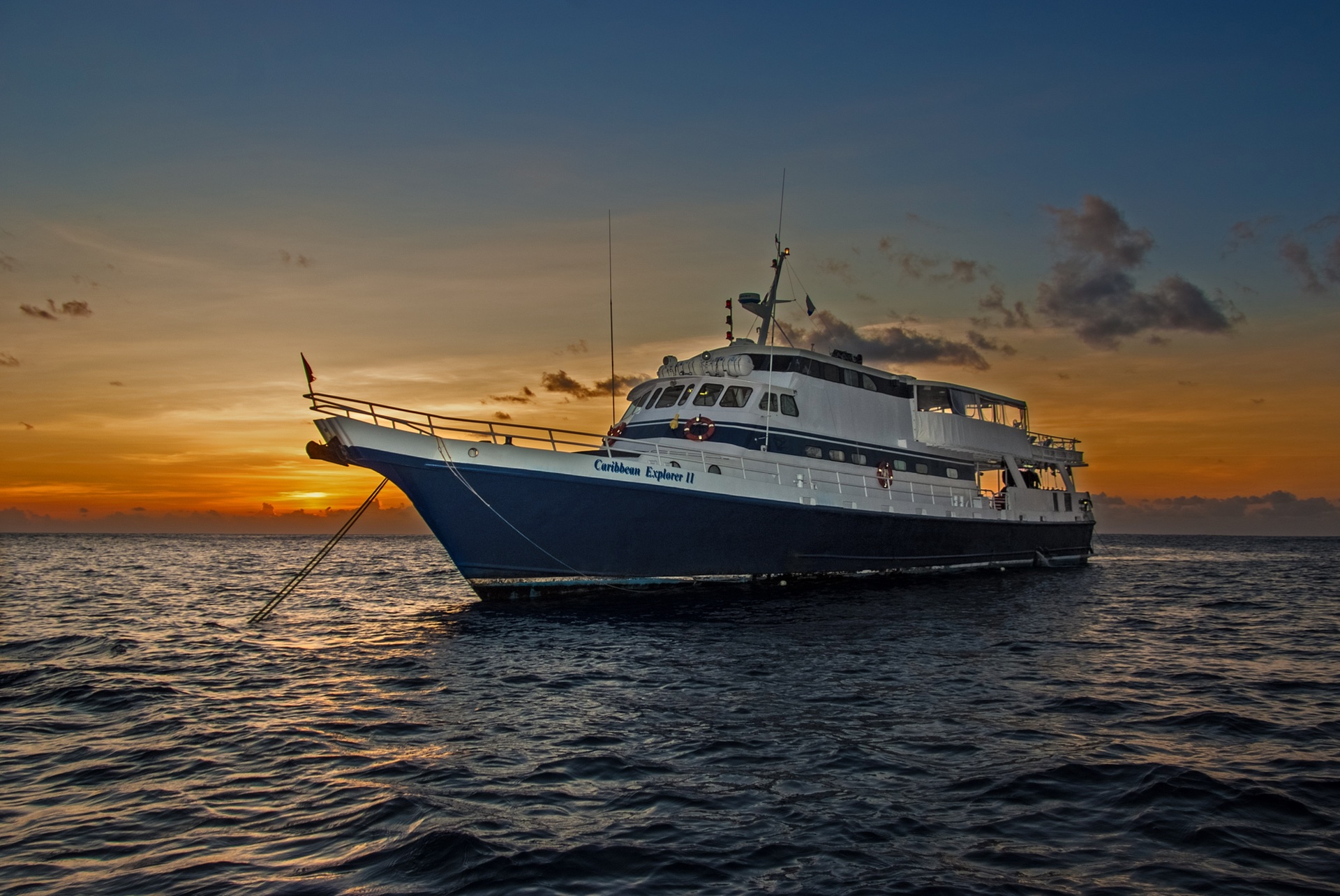
Caribbean Explorer II
St. Maarten
18 guests
$249/day
Dive sites similar to Lucy's Barge
Same character, same waters — six more sites divers love for the exact same reasons.Compare seasons, access and liveaboard routes — then pick the site that fits your trip best.
© Esri — Maxar, Earthstar, GIS
Proselyte Reef
St. Maarten
Proselyte Reef, located off the south coast of Sint Maarten near Philipsburg, is the island's most renowned dive site.
- Suitable for
- Beginner
- Current
- Mild
- Access
- Liveaboard or dayboat
- Depth
- ≤ 15 m
- Theme
- Reef
© Esri — Maxar, Earthstar, GIS
Little Bay
St. Maarten
Little Bay, situated in St. Maarten, offers an easily accessible dive and snorkel site, distinguishing itself with a unique underwater sculpture park located directly off the beach.
- Suitable for
- Beginner
- Current
- No current
- Access
- Shore / dayboat
- Depth
- 6–6 m
- Theme
- Reef
La Renee is a deep, open-water wreck situated off the coast of Saint Martin, accessible only by boat.
- Suitable for
- Advanced
- Current
- Moderate
- Access
- Liveaboard or dayboat
- Depth
- 40–40 m
- Theme
- Reef
Big Momma is a natural coral reef system located within the protected Man of War Shoal Marine Park in St. Maarten, known for its extensive coral formations surrounding a sandy seabed.
- Suitable for
- Beginner
- Current
- Mild
- Access
- Liveaboard or dayboat
- Depth
- 12–50 m
- Theme
- Reef
© Esri — Maxar, Earthstar, GIS
Carib Ghost
St. Maarten
The Carib Ghost, also known as Carib Cargo or RORO, is a prominent wreck dive site in St. Maarten, situated off Philipsburg.
- Suitable for
- Beginner
- Current
- Mild
- Access
- Liveaboard or dayboat
- Depth
- 26–26 m
- Theme
- Reef
© Esri — Maxar, Earthstar, GIS
Basse Espagnole
St. Maarten
Located in the Réserve Naturelle de St. Martin on the French side of the island, Basse Espagnole is celebrated for its thriving coral life and preserved marine environment.
- Suitable for
- Beginner
- Current
- Mild
- Access
- Liveaboard or dayboat
- Depth
- ≤ 18 m
- Theme
- Reef