About Cauldron (Shotgun)
The Cauldron, also known as The Shotgun, stands as North Komodo's premier drift dive, celebrated for its dramatic underwater topography and potent currents. Positioned in the channel between Gili Lawa Laut and Gili Lawa Darat, this site acts as a natural funnel for vast water movements, shaping a distinctive 'bowl' and a high-velocity channel. Its strong, nutrient-rich currents attract an abundance of large pelagic species, making it a hotspot for thrilling encounters. Diving the Cauldron offers a journey through diverse underwater landscapes. The experience begins on a gently sloping reef, transitioning into a coral rubble area before descending into the Cauldron's basin. Here, divers can explore a 'fish bowl' where schools of surgeonfish and snappers congregate. The climax arrives in the 'Shotgun' channel, where divers are propelled by the current alongside mantas, sharks, and giant trevally. The dive concludes in a beautiful hard coral garden known as the 'Chinese Shop', which often serves as a manta ray cleaning station. While the Cauldron is renowned for its exhilarating drift, it also offers a different experience during slack tide, allowing for a more leisurely exploration of macro life such as pygmy seahorses, frogfish, and nudibranchs. However, the true 'Shotgun' experience unfolds on a falling tide, which creates the powerful currents that define this dive. Water temperatures typically range from 27°C to 29°C, and visibility can be excellent, though it varies with current strength. This site is largely tide-dependent, requiring careful planning to ensure both safety and the optimal dive experience. It is best suited for advanced divers comfortable with strong currents and drift diving techniques. The dive offers a unique blend of high-speed action and rich marine biodiversity, making it an unforgettable adventure in Komodo National Park.
Highlights
The Shotgun Channel driftManta ray cleaning stationSchools of pelagic fishWhite-tip reef sharksDramatic underwater funnelPygmy seahorses and frogfish
Season calendar
Best months to dive here
Jan
Feb
Mar
Apr
May
Jun
Jul
Aug
Sep
Oct
Nov
Dec
Good
Dive site facts: Cauldron (Shotgun)
- Depth
- Up to 25 m
- Typical dive
- 12–25 m, 30–45 min
- Current
- Strong drift, tide-dependent
- Visibility
- 20–30 m
- Water temperature
- 27–29°C
- Entry
- Tender / negative entry
- Level
- Advanced, strong current experience
- Dive type
- Drift, pelagic, macro (slack tide)
- Night dive
- Not typical
- Region / port
- North Komodo / Labuan Bajo
- Coordinates
- 8°27'07"S 119°39'15"E
Conditions & Currents
The Cauldron is famous for its very strong, tide-dependent currents that funnel between two islands, creating the renowned 'Shotgun' effect. Diving on a falling tide delivers an exhilarating drift through the channel, while slack tide offers a calmer experience suitable for macro photography. Divers must be advanced, highly experienced with drift diving, and comfortable in powerful water movement, often requiring a reef hook for observation. The currents bring nutrient-rich water, which can sometimes reduce visibility temporarily, but typically range from 20-30 meters. Entry is usually a negative entry from a tender, and precise timing by the dive guide is crucial for a safe and rewarding dive, ensuring divers are not caught in unpredictable surges.
Marine life & sighting chances
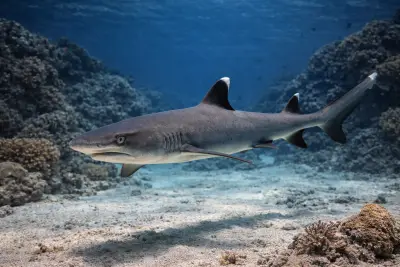
White-tip Reef Shark
common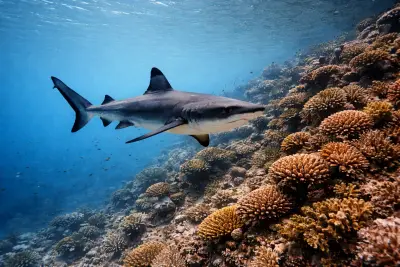
Black-tip Reef Shark
common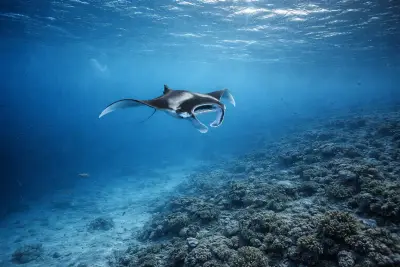
Manta Ray
May to August · common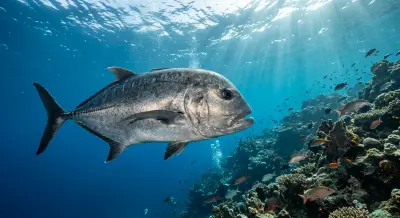
Giant Trevally
common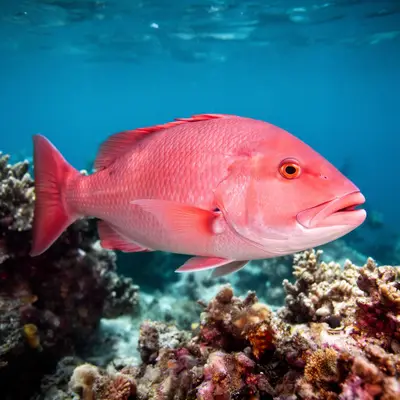
Schooling Snappers
common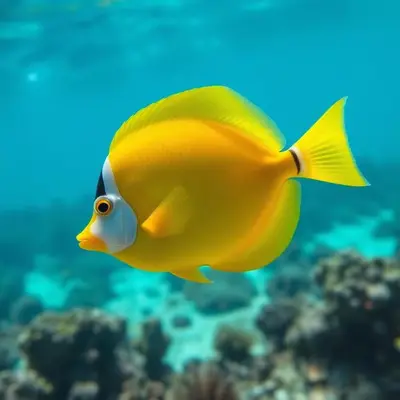
Surgeonfish
common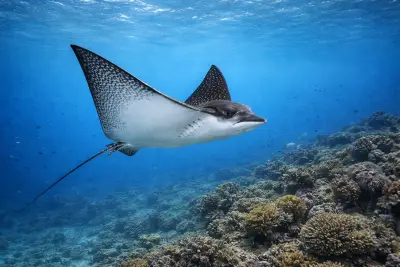
Eagle Ray
Manta season · occasional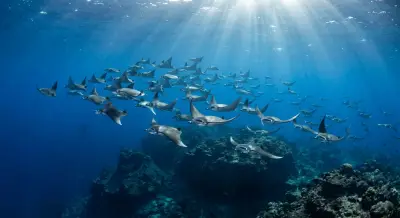
Devil Ray
Manta season · occasional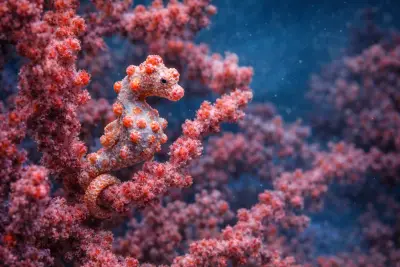
Pygmy Seahorse
occasional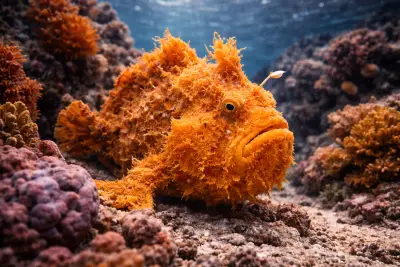
Frogfish
occasional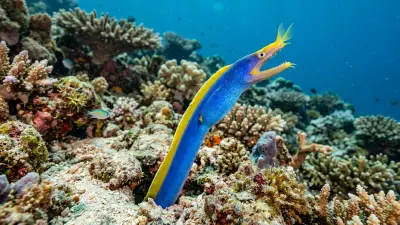
Ribbon Eel
occasional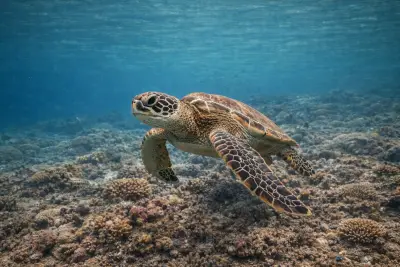
Green Turtle
occasionalDive profile & how the dive runs
A typical dive at the Cauldron commences on a sloping coral reef that gently descends to a white sandy bottom at 23 meters. Here, you can observe garden eels and schooling glassfish, with white-tip reef sharks often found resting. The reef transitions into a coral rubble runway, which is excellent for spotting macro life like pygmy seahorses and frogfish. This area leads to the 'fish bowl,' a large crack where surgeonfish and snappers gather in significant numbers. The highlight is the 'Shotgun' channel, where a falling tide propels you along a wall, offering sightings of mantas, sharks, and giant trevally. The exhilarating drift culminates in the 'Chinese Shop,' a vibrant hard coral garden that frequently serves as a manta ray cleaning station, where the safety stop is performed amidst an abundance of schooling fish.
Underwater photography
The Cauldron offers diverse photographic opportunities, from wide-angle pelagic action in the Shotgun to macro subjects during calmer conditions. For the thrilling drift through the channel, a wide-angle lens is essential to capture the scale of schooling fish, manta rays, and sharks against the dramatic topography. Fast shutter speeds are advisable to freeze action in the strong currents. During slack tide, switch to a macro setup to focus on the pygmy seahorses, frogfish, and nudibranchs found in the coral rubble. Strong strobes are beneficial for both wide-angle and macro shots, helping to restore vibrant colors at depth. Excellent buoyancy control is paramount, particularly in the strong current areas, to avoid disturbing the reef and ensure sharp images. Always maintain a respectful distance from marine life, especially mantas at cleaning stations, and avoid blocking their path.
Combine with nearby dive sites
- Castle Rock
Famous for massive shark action and schooling fish in strong currents.
- Crystal Rock
Known for drift diving, reef sharks, and abundant schooling fish.
- Batu Bolong
A pinnacle teeming with fish and vibrant corals, suited for experienced divers due to currents.
- Manta Point (North)
Reliable manta ray encounters at a feeding and cleaning station.
Getting there & logistics
Access to the Cauldron typically involves flying into Labuan Bajo (LBJ) in Flores, Indonesia. From there, divers embark on either day trips or multi-day liveaboard excursions. Day boats like Smaug or Shiryu can take approximately 1 hour 45 minutes to reach the site, while speedboats like Mushu cut travel time to under 50 minutes. Most Komodo dive itineraries combine North Komodo sites such as the Cauldron with other renowned spots like Castle Rock and Crystal Rock. Park fees for Komodo National Park are mandatory and usually included in liveaboard or dive package costs. Liveaboard trips generally range from 3 to 7 nights, offering the most comprehensive way to explore the region's diverse dive sites.
Safety & environment
Diving the Cauldron demands a high level of experience due to its extremely strong and unpredictable currents, requiring advanced certification and extensive drift diving proficiency. Divers must rigorously adhere to their dive guide's instructions and stay in close proximity, as currents can shift rapidly. Negative entries are common to quickly descend beneath the most intense surface currents. The nearest recompression chamber is located in Bali, necessitating comprehensive dive insurance that covers emergency medical evacuation. Be prepared for potentially long transit times for medical assistance in this remote region. Always carry a surface marker buoy (SMB) and a reef hook, and ensure your dive computer is set for safe, multi-level diving profiles.
Who it suits — and who it doesn't
Suited for
- Advanced Open Water divers
- Divers with strong current experience
- Thrill-seeking drift divers
- Pelagic and shark enthusiasts
- Underwater photographers with wide-angle setups
Less suited for
- Open Water divers
- Beginner divers
- Divers uncomfortable with strong currents
- Divers prone to seasickness
- Those seeking calm, leisurely dives
FAQ
Cauldron (Shotgun) FAQ
What is the 'Shotgun' at The Cauldron?
The 'Shotgun' refers to the exhilarating section of The Cauldron dive site where powerful, tide-driven currents funnel through a narrow, rocky channel. Divers are propelled along by this current, creating a fast-paced drift experience. It's renowned for high-speed encounters with pelagic species like manta rays and sharks.
Is The Cauldron suitable for beginner divers?
No, The Cauldron is not suitable for beginner divers. It is an advanced dive site due to its extremely strong and potentially unpredictable currents. Divers require significant experience with drift diving and excellent buoyancy control to safely navigate the site, particularly the 'Shotgun' channel.
What marine life can I expect to see at The Cauldron?
The strong currents at The Cauldron attract a rich array of marine life. You can expect to see white-tip and black-tip reef sharks, giant trevally, and large schools of snappers and surgeonfish. Manta rays are frequently spotted, especially at the 'Chinese Shop' cleaning station, and occasionally eagle and devil rays pass through.
When is the best time of year to dive The Cauldron?
The prime diving season for The Cauldron, and Komodo in general, runs from April through June, extending into August for manta ray sightings. During these months, water temperatures are comfortable, visibility is typically excellent, and the currents are generally more predictable, allowing for optimal 'Shotgun' experiences.
How do dive operators manage the strong currents at The Cauldron?
Dive operators manage the strong currents by carefully timing dives with the tides. They plan to dive the 'Shotgun' on a falling tide for the exhilarating drift, or during slack tide for a calmer, macro-focused dive. Experienced dive guides lead the way, providing detailed briefings and ensuring divers are prepared for negative entries and rapid current changes.
Can I do macro photography at The Cauldron?
Yes, macro photography is possible at The Cauldron, particularly during slack tide conditions. The coral rubble areas and quieter sections of the reef are home to pygmy seahorses, frogfish, ribbon eels, and nudibranchs. During strong current periods, however, the focus is generally on wide-angle photography of the pelagic action.
Why dive Cauldron (Shotgun) from a liveaboard?
Cauldron (Shotgun) is one of Komodo, Indonesia's signature dive sites. A liveaboard sleeps you on the water and puts you in the water for three to four guided dives per day, including dawn and night dives that day-boat operators rarely offer. You skip the daily commute back to port and reach quieter, less-crowded sites in the same region on a single trip.
Below are the liveaboards that include Cauldron (Shotgun) on their Komodo, Indonesia itineraries.
Liveaboards diving Cauldron (Shotgun)
These liveaboards may visit Cauldron (Shotgun) on selected itineraries — the exact dive sites depend on departure, weather and conditions.
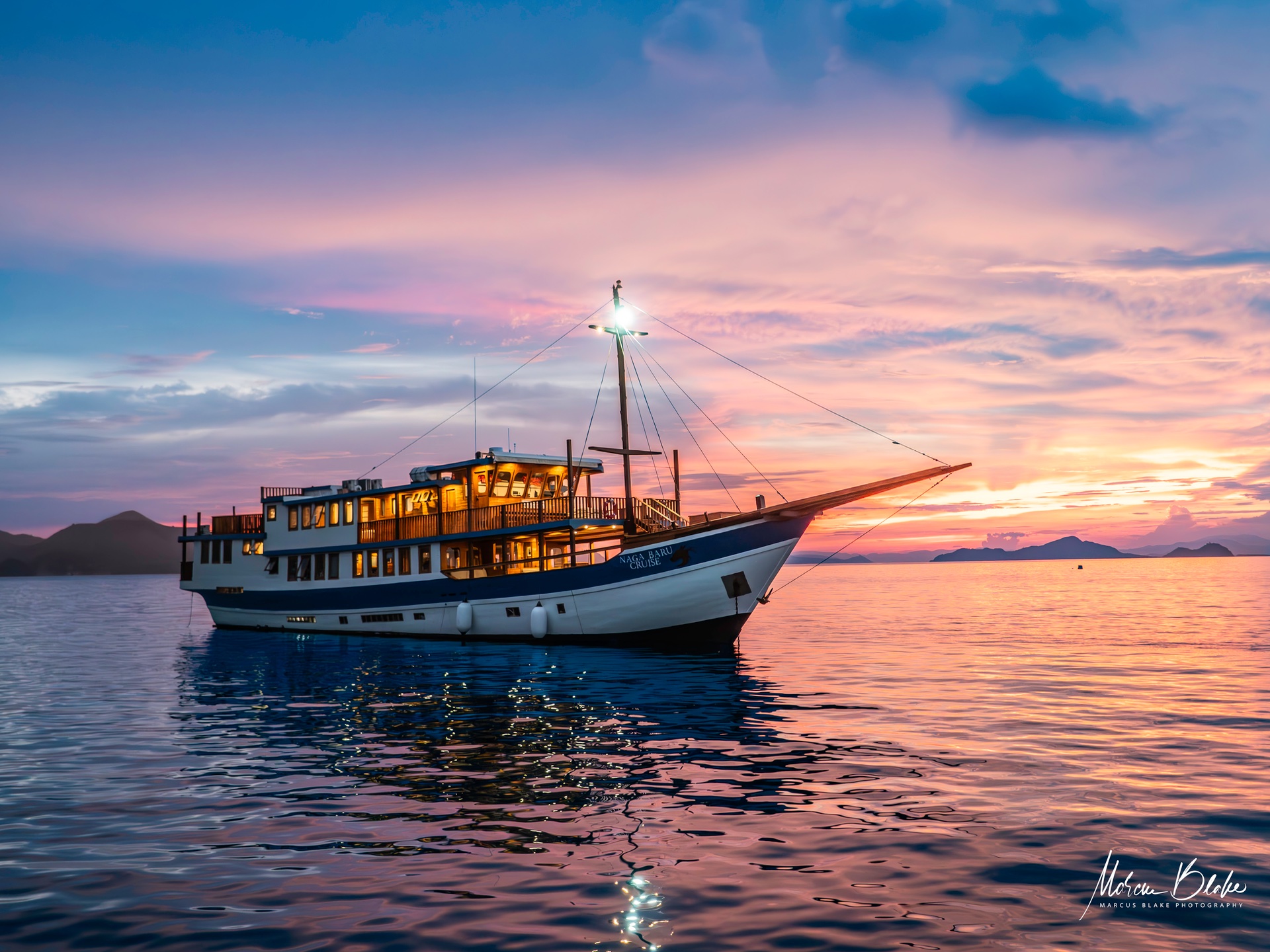
Naga Biru
Indonesia
12 guests40 m
$274/day
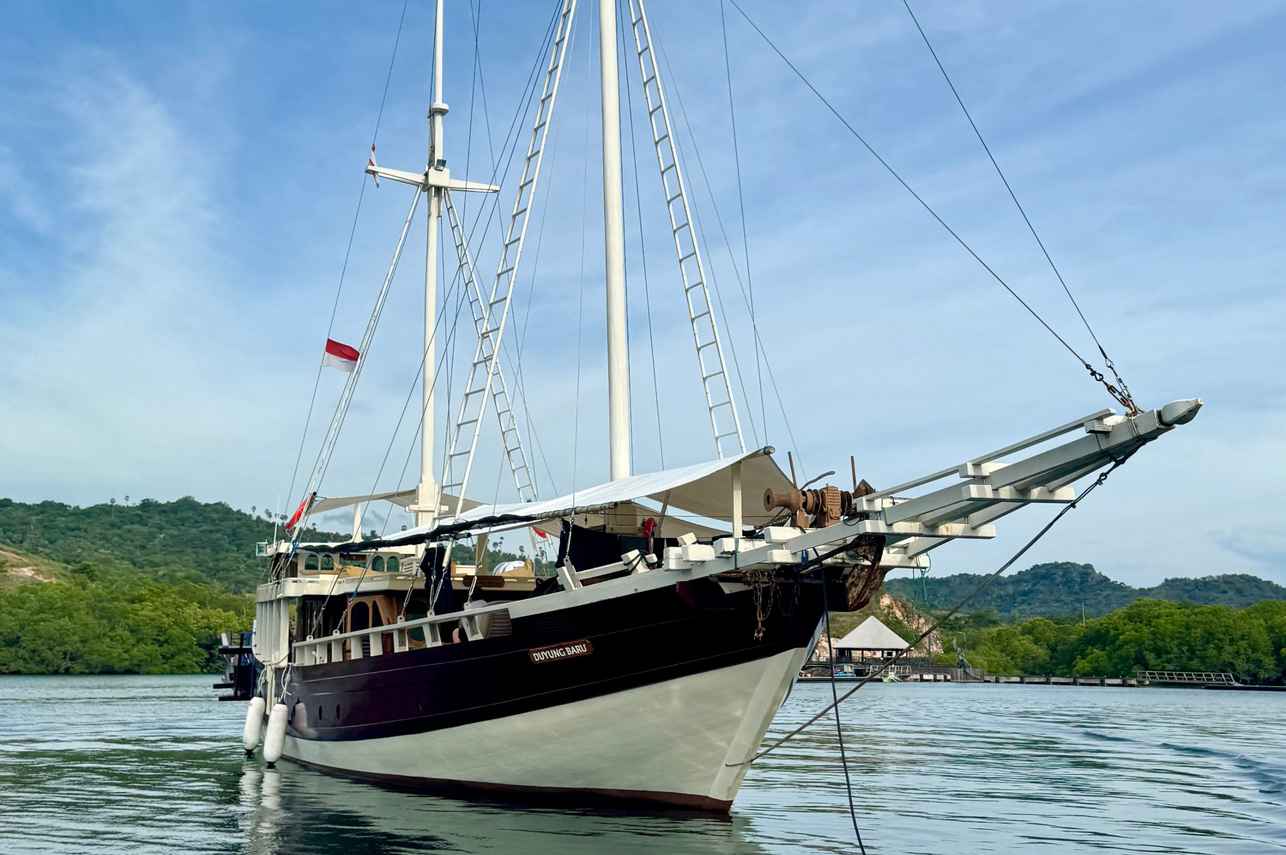
Ecopro Duyung Baru
Indonesia
6 guests27 m
$361/day
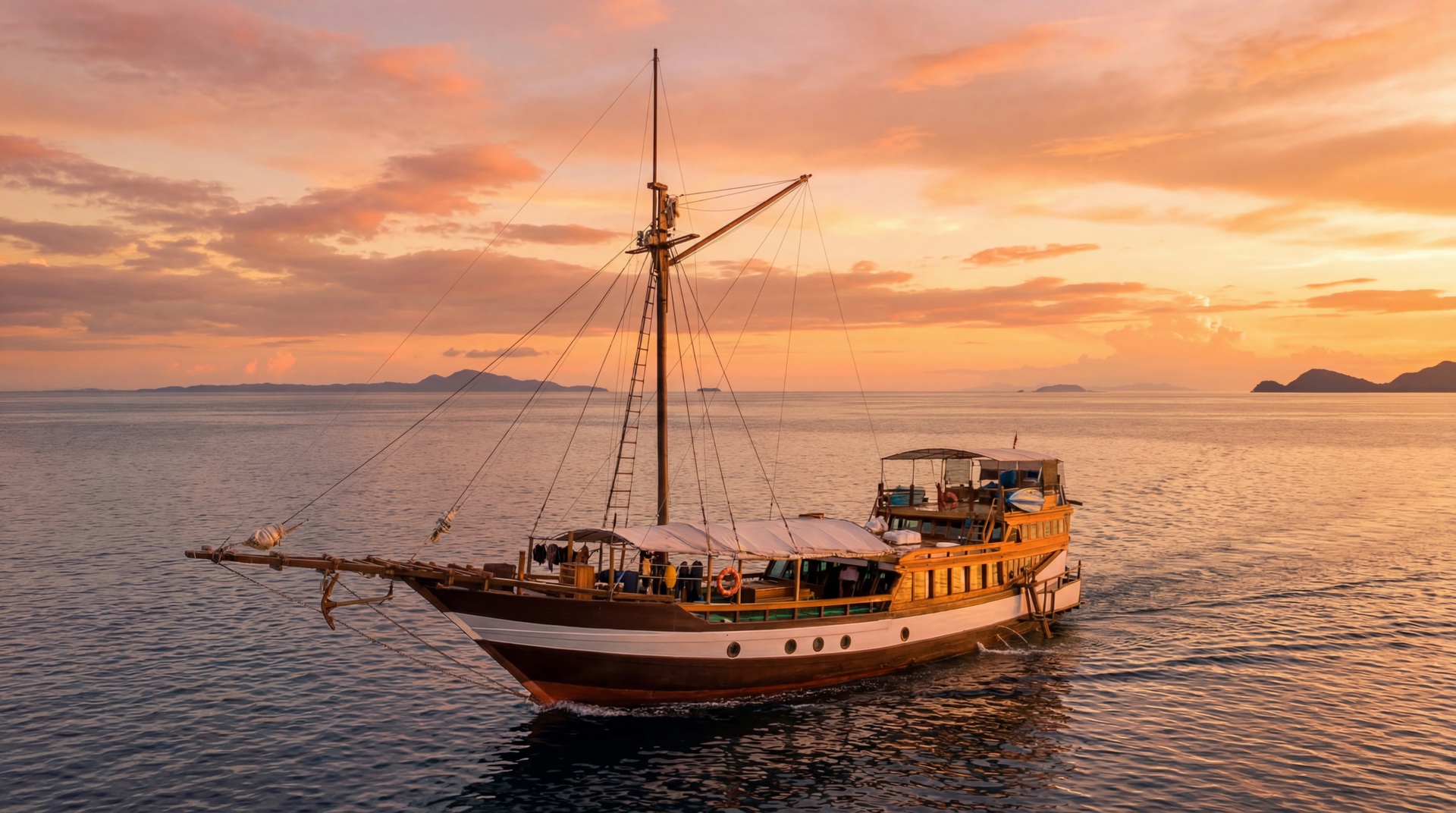
Wellenreng
Indonesia
9 guests25 m
$427/day
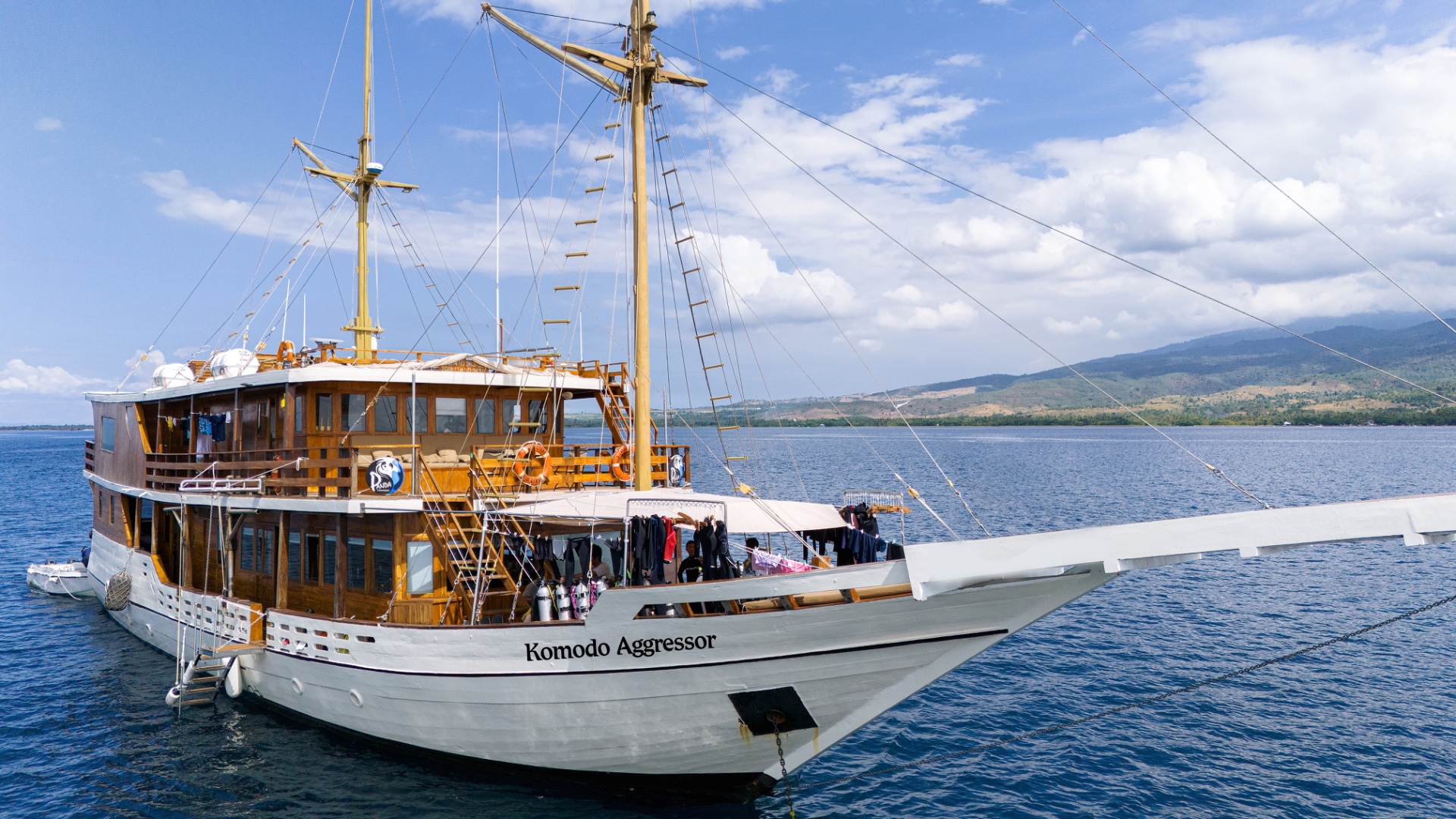
Komodo Aggressor
Komodo, Indonesia
16 guests29 m
$312/day
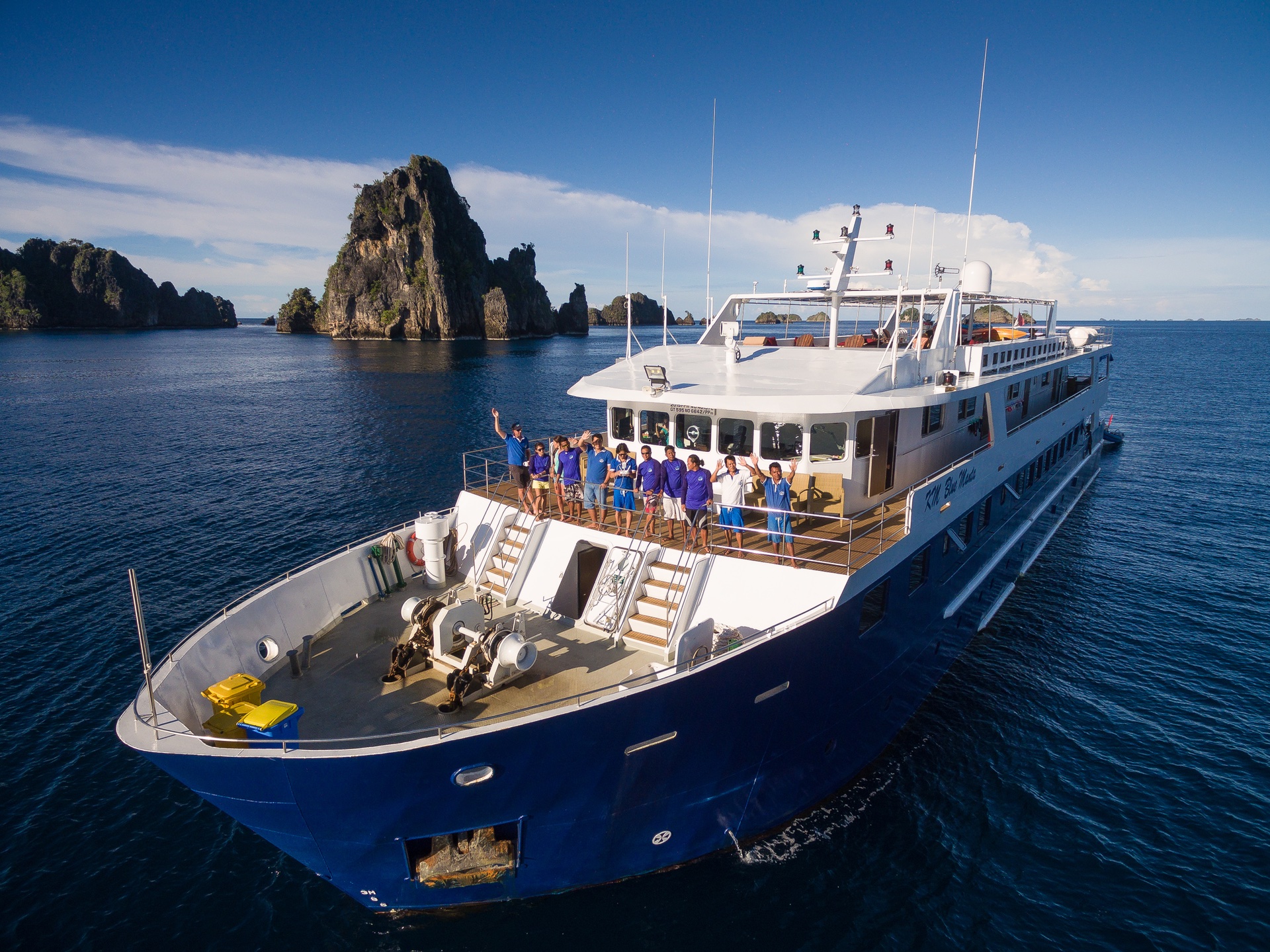
Blue Manta
Indonesia
20 guests45 m
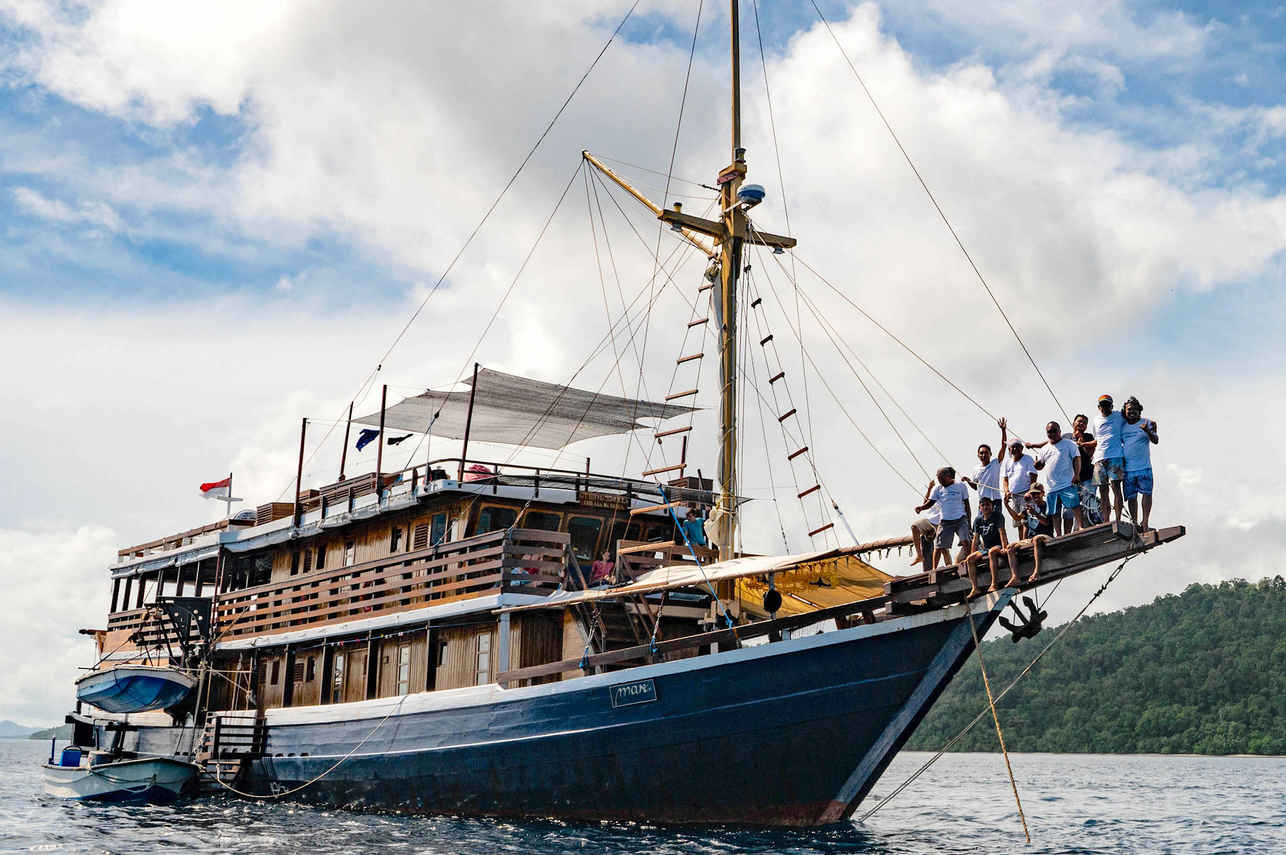
Mari
Indonesia
14 guests32.2 m
$328/day
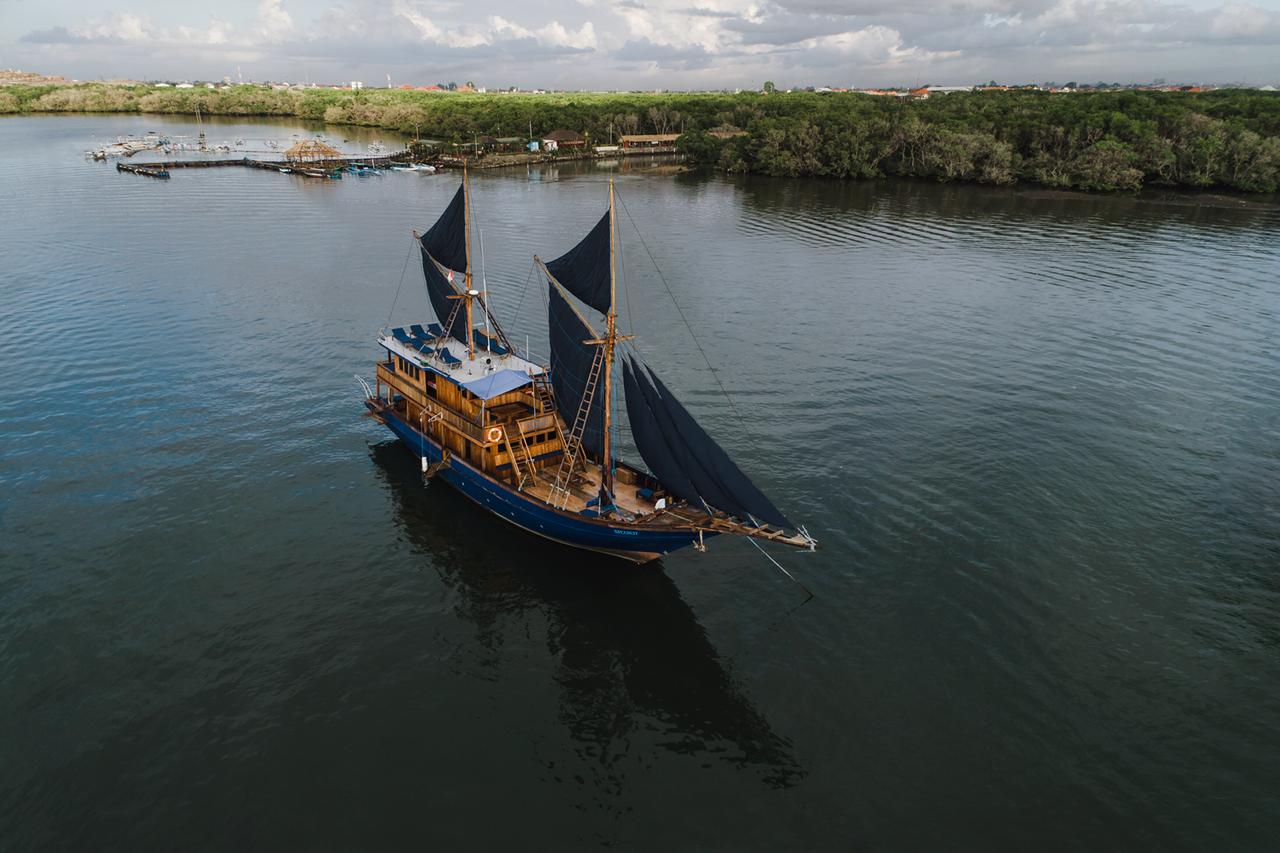
Situju7
Komodo, Indonesia
10 guests32.7 m
$362/day
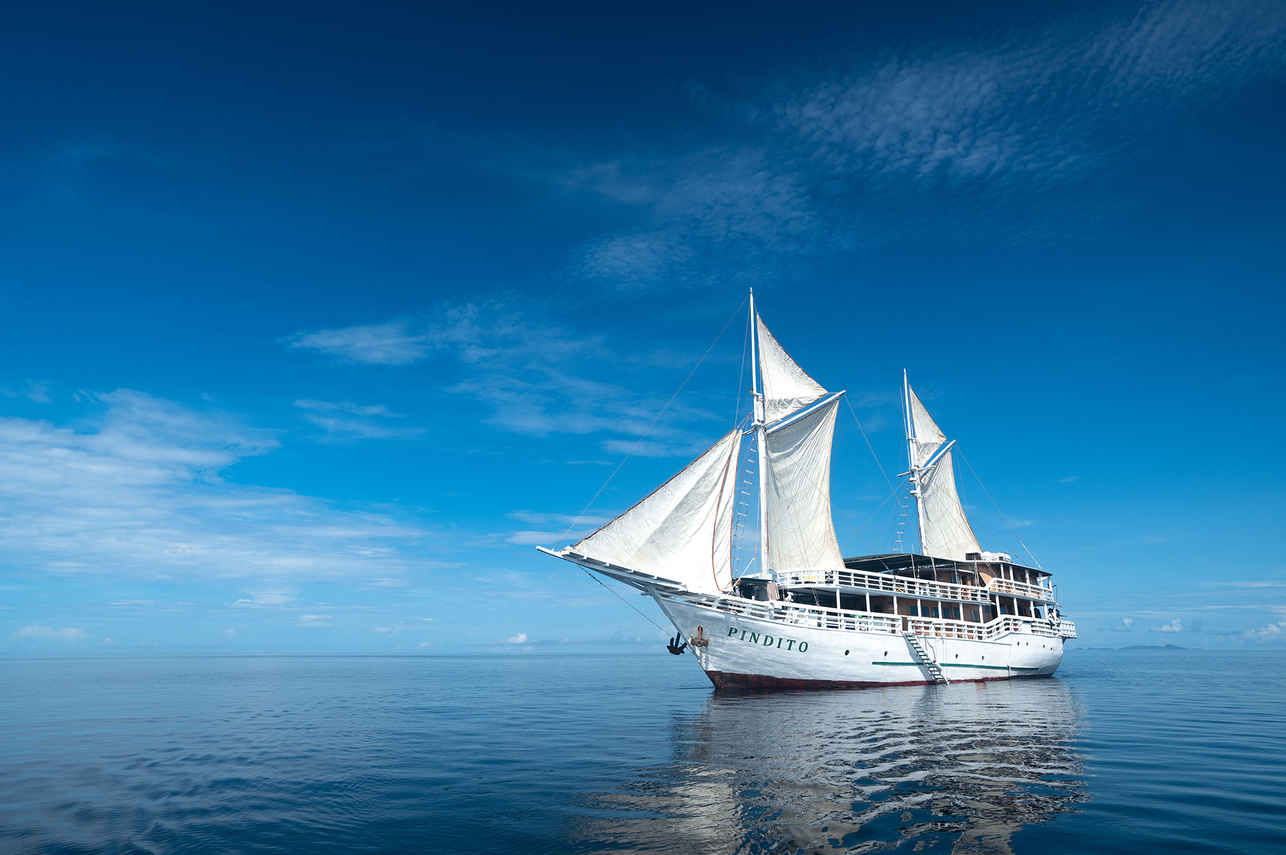
Pindito
Indonesia
16 guests37.79 m
$533/day
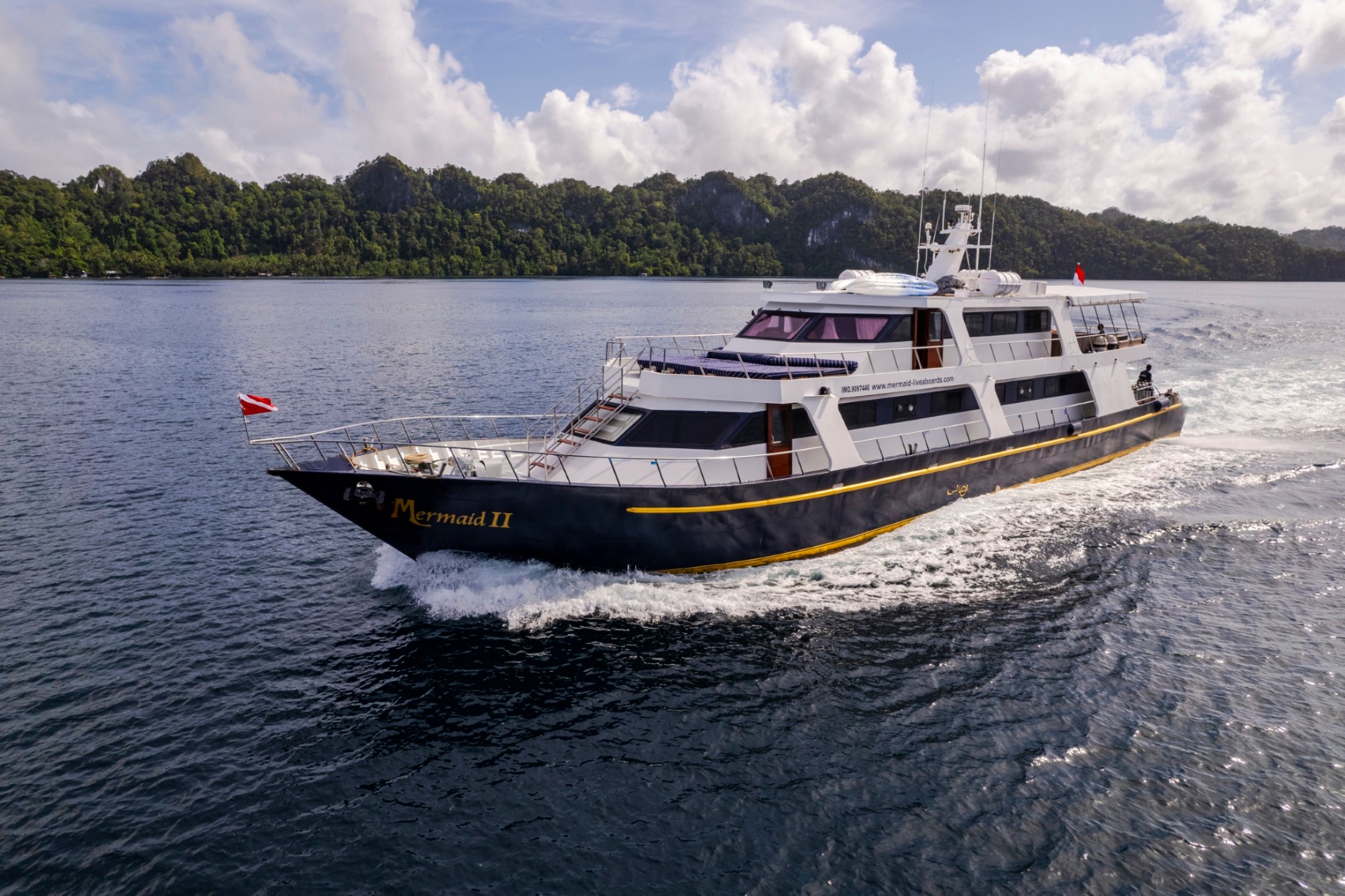
Mermaid II
Komodo, Indonesia
18 guests
$355/day
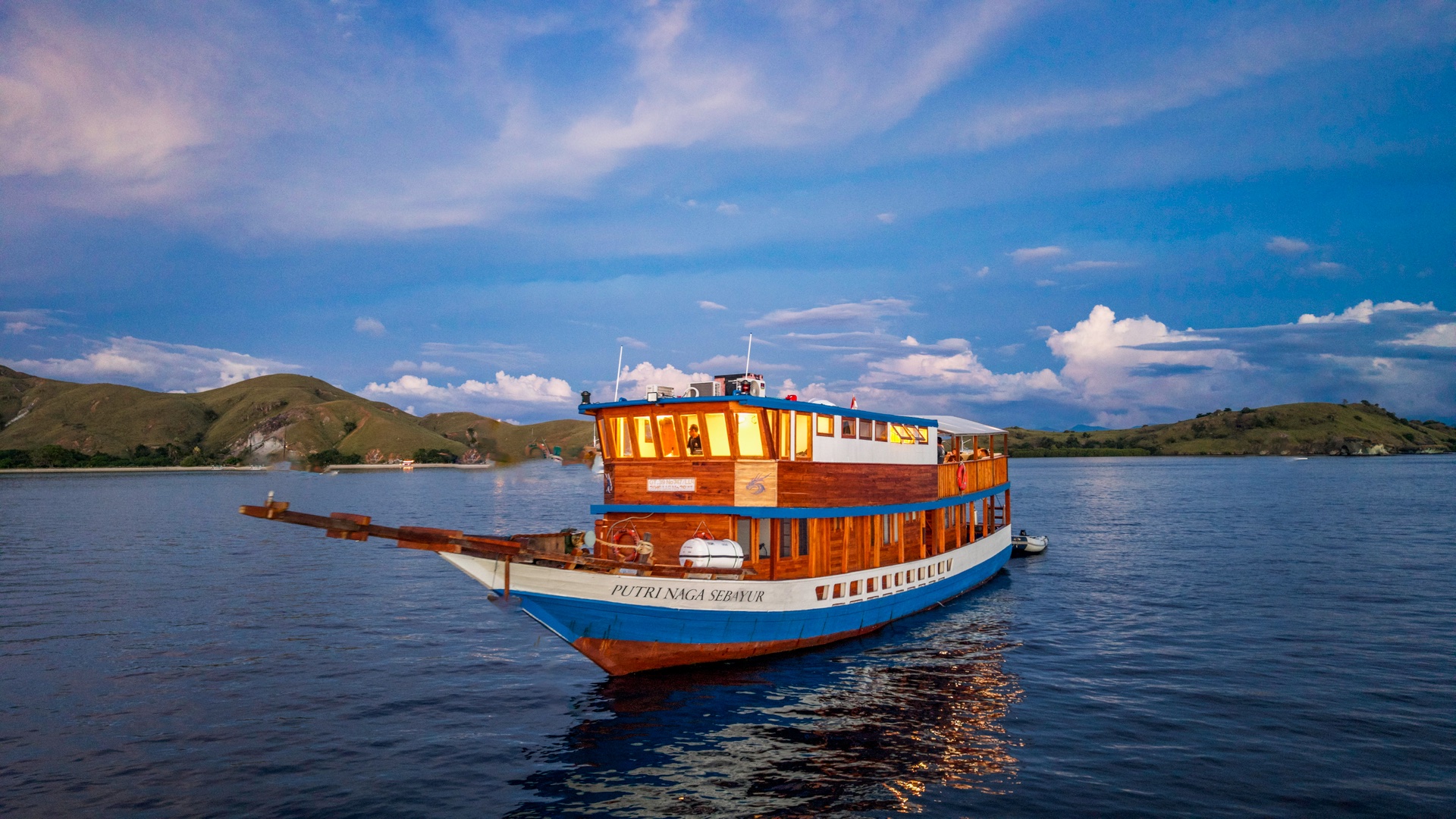
Putri Naga
Komodo, Indonesia
6 guests25 m
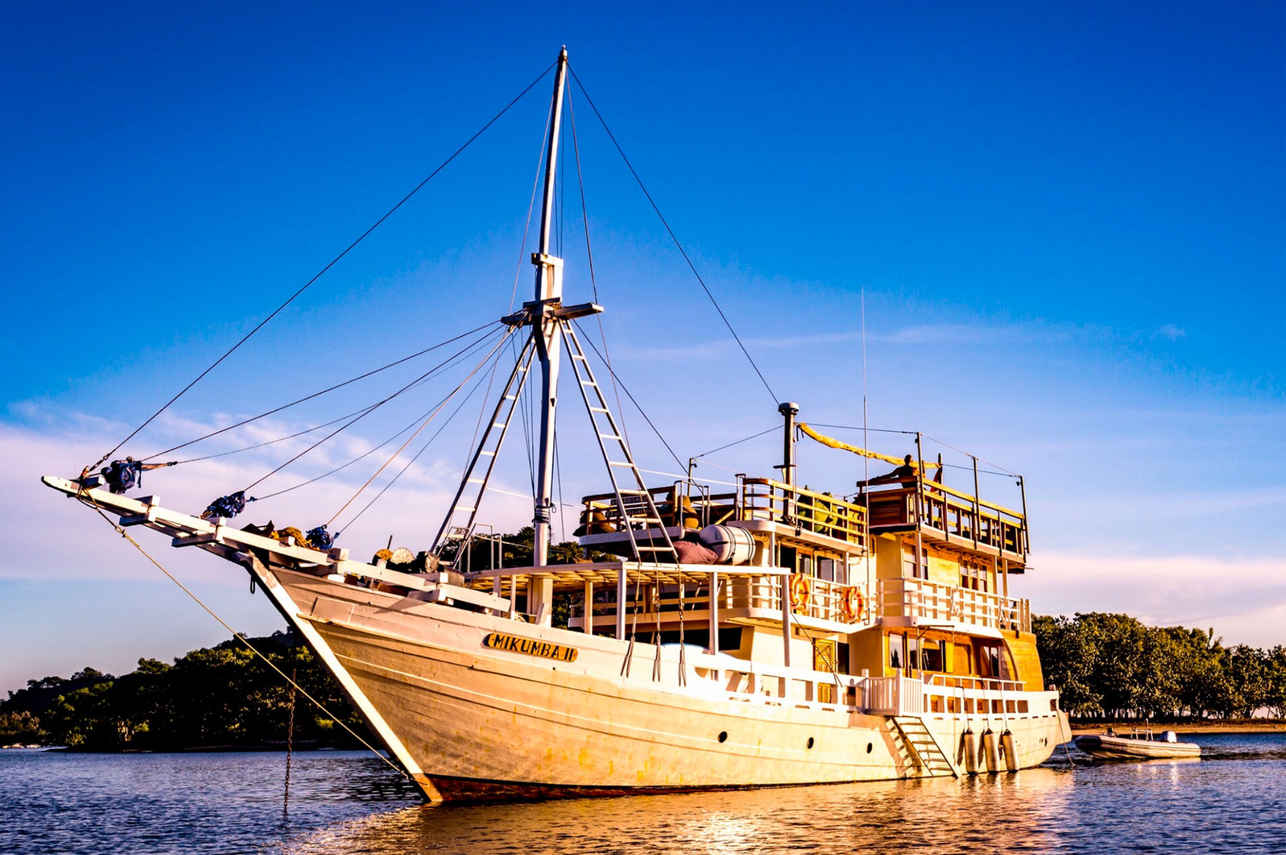
Mikumba Dua
Indonesia
10 guests30 m
$335/day
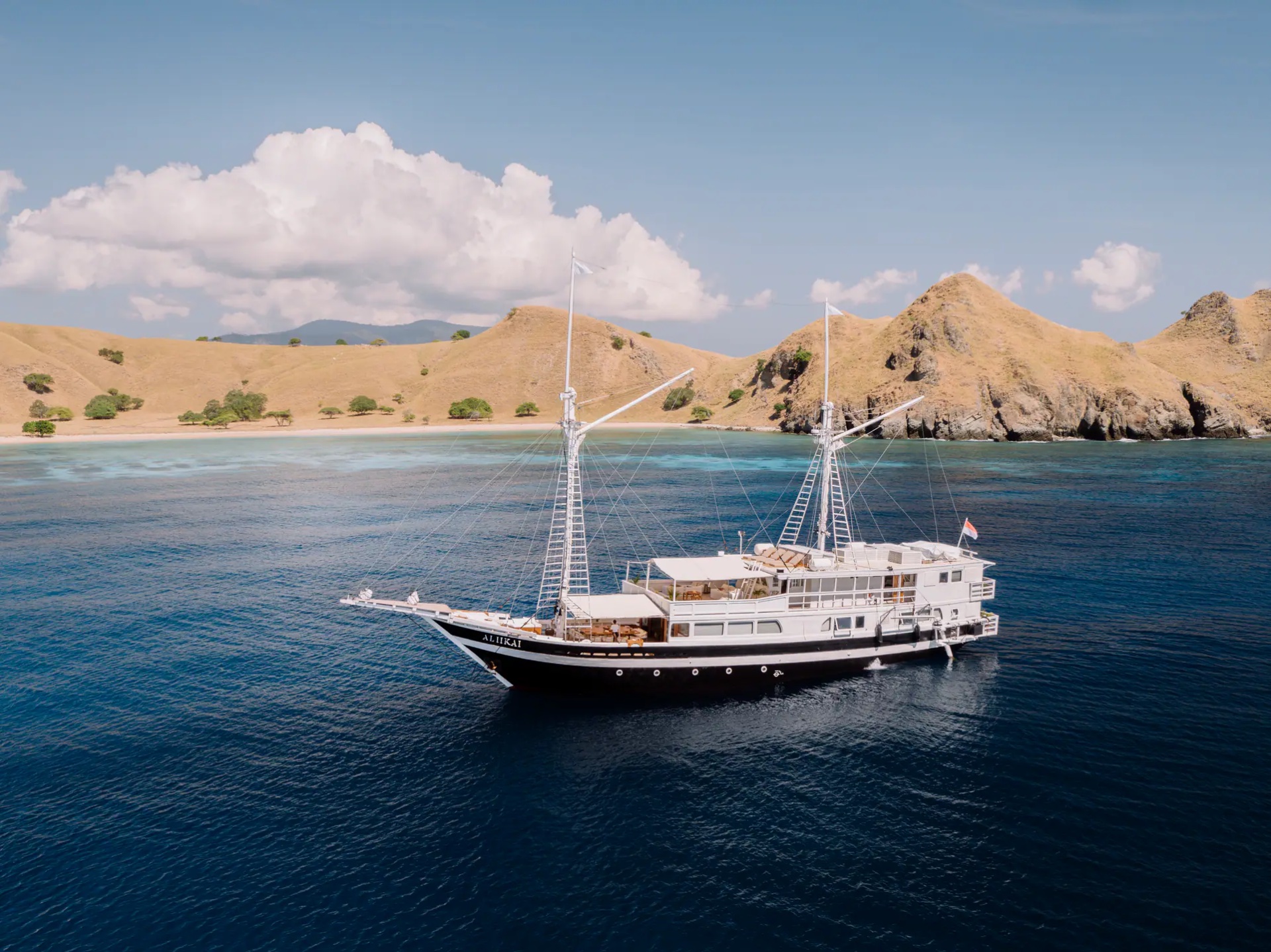
Aliikai Voyage
Indonesia
15 guests40 m
$658/day
Dive sites similar to Cauldron (Shotgun)
Same character, same waters — six more sites divers love for the exact same reasons.Compare seasons, access and liveaboard routes — then pick the site that fits your trip best.
© Esri — Maxar, Earthstar, GIS
Siaba Kecil
Komodo, Indonesia
Siaba Kecil is a distinct dive site located in the central part of Komodo National Park, positioned in a channel where waters flow between the north and south.
- Suitable for
- Intermediate
- Current
- Strong
- Access
- Liveaboard only
- Depth
- 8–25 m
- Theme
- Drift / Reef
© Esri — Maxar, Earthstar, GIS
Castle Rock
Komodo, Indonesia
Castle Rock, an iconic dive site within Komodo National Park, is celebrated as one of Indonesia's premier destinations for exhilarating underwater encounters.
- Suitable for
- Advanced
- Current
- Strong
- Access
- Liveaboard or dayboat
- Depth
- 5–35 m
- Theme
- Drift / Pinnacle
© Esri — Maxar, Earthstar, GIS
Pink Beach
Komodo, Indonesia
Pink Beach is a renowned dive site within Komodo National Park, famous for its unique pink-hued sands, a result of microscopic red foraminifera.
- Suitable for
- Intermediate
- Current
- Strong
- Access
- Liveaboard or dayboat
- Depth
- 1–15 m
- Theme
- Drift / Reef
© Esri — Maxar, Earthstar, GIS
Batu Bolong
Komodo, Indonesia
Batu Bolong, meaning "Hollow Rock" in Bahasa Indonesian, is a renowned dive site in Komodo National Park, situated in the central Lintah Strait between Komodo Island and Tatawa Besar.
- Suitable for
- Advanced
- Current
- Strong
- Access
- Liveaboard or dayboat
- Depth
- 10–30 m
- Theme
- Drift / Pinnacle
© Esri — Maxar, Earthstar, GIS
Komodo Corner
Komodo, Indonesia
Komodo Corner, or Police Corner, is a captivating dive site situated on the south side of Siaba Besar Island within Central Komodo National Park.
- Suitable for
- Advanced
- Current
- Strong
- Access
- Liveaboard or dayboat
- Depth
- 5–30 m
- Theme
- Cave & cavern / Drift
© Esri — Maxar, Earthstar, GIS
Nisaleme Island
Komodo, Indonesia
Nisaleme Island is a notable dive site within Komodo National Park, an area celebrated for its rich marine biodiversity located between the Flores Sea and the Savu Sea.
- Suitable for
- Advanced
- Current
- Ripping
- Access
- Liveaboard only
- Depth
- —
- Theme
- Drift