About The Cauldron
The Cauldron, also known as The Shotgun, is a world-class dive site located in the northern reaches of Komodo National Park. This site is famed for its dramatic topography and the powerful currents that funnel nutrient-rich waters, creating an incredibly dynamic marine environment. Divers can expect exhilarating drift dives, characterized by strong and sometimes unpredictable currents, making it an ideal location for adrenaline-seeking divers. The topography features a 'cauldron' shaped depression and a narrow channel, which acts like a funnel, intensifying the current to create the 'Shotgun' effect. Depths typically range from 15 to 30 meters, with clear visibility often exceeding 25 meters, allowing for expansive views of the pelagic life. The site is characterized by pristine hard and soft corals that thrive in the current-swept environment, attracting a diverse array of reef fish and larger predators. Marine life encounters are a major highlight, with frequent sightings of grey reef sharks, white-tip reef sharks, massive schools of trevally and barracuda, and occasionally manta rays. The powerful currents ensure a constant flow of food, making The Cauldron a hunting ground for apex predators and a vibrant ecosystem for all marine species. This site is best dived during specific tidal conditions and requires advanced diving skills due to the strong currents. Accessing The Cauldron is typically done via liveaboard or day boats from Labuan Bajo, often as part of an itinerary exploring both North and Central Komodo. Divers must be prepared for negative entries and comfortable with reef hooks to manage the currents, ensuring a safe and thrilling experience at one of Komodo's most iconic dive sites.
Highlights
Adrenaline-fueled drift divesThe 'Shotgun' channelMassive schools of trevallyFrequent shark encountersPristine hard and soft coralsDynamic pelagic action
Season calendar
Best months to dive here
Jan
Feb
Mar
Apr
May
Jun
Jul
Aug
Sep
Oct
Nov
Dec
Good
Dive site facts: The Cauldron
- Depth
- 15–30 m
- Typical dive
- 18–25 m, 45–55 min
- Current
- Strong to very strong (The Shotgun)
- Visibility
- 20–30 m
- Water temperature
- 27–29°C
- Entry
- Tender / negative entry
- Level
- Expert / Advanced Open Water with current experience
- Dive type
- Drift, pelagic, wall
- Night dive
- Not suitable
- Region / port
- North Komodo National Park
- Coordinates
- -8.5856, 119.5089
Conditions & Currents
The Cauldron is notorious for its powerful and often unpredictable currents, giving rise to its alternative name, 'The Shotgun.' These currents are a defining feature of the dive and require divers to have advanced experience and excellent buoyancy control. Entry is almost always a negative entry, where divers descend quickly to reach the sheltered parts of the reef or use reef hooks to secure themselves against the current. The currents can shift in direction and strength, particularly as divers navigate the 'cauldron' shaped depression and the narrow channel. Slack tide offers a brief window for a less intense drift, but strong currents can still be present. Visibility is generally excellent, often exceeding 25 meters, even with the plankton-rich waters that fuel the abundant marine life. Divers must be attentive to their guide's instructions, as careful timing and precise movements a
Marine life & sighting chances
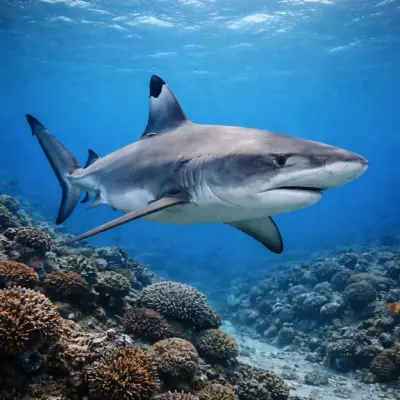
Grey Reef Shark
All year · common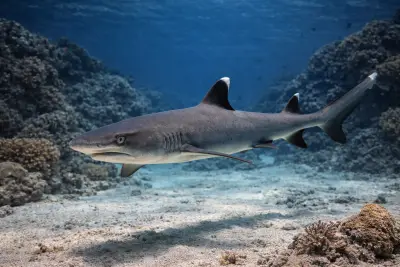
White-tip Reef Shark
All year · common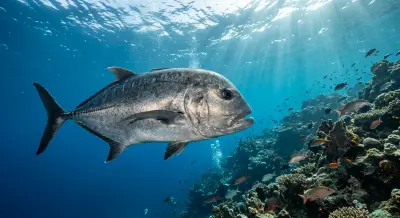
Giant Trevally
All year · common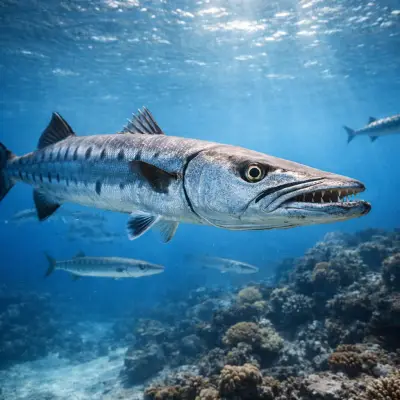
Chevron Barracuda
All year · common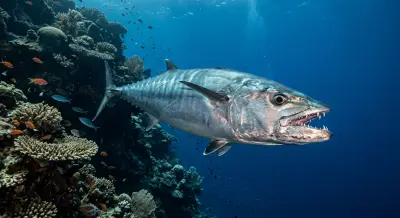
Dogtooth Tuna
All year · occasional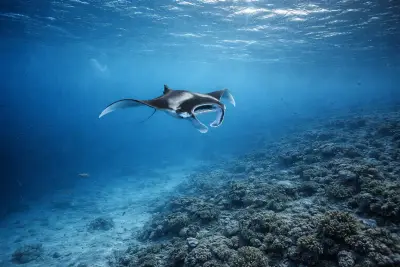
Manta Ray
March-August · occasional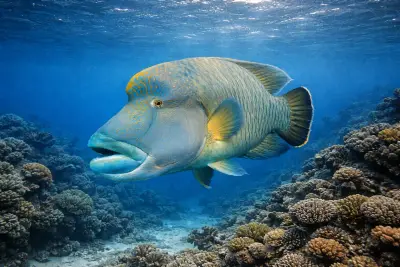
Napoleon Wrasse
All year · occasional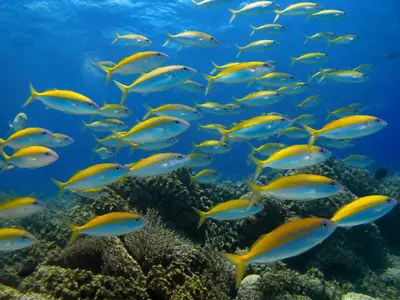
Fusilier schools
All year · common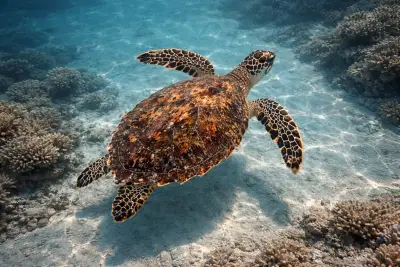
Hawksbill Turtle
All year · occasional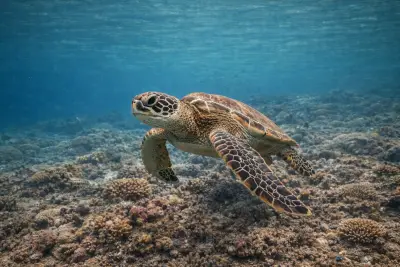
Green Sea Turtle
All year · occasionalDive profile & how the dive runs
A typical dive at The Cauldron often begins with a negative entry from a tender, dropping quickly to the main reef structure to avoid being swept away by the strong surface currents. The initial descent targets a depth of around 18-20 meters, where divers can begin to explore the 'cauldron' depression, often holding onto rocks or using reef hooks to observe the abundant marine life. From here, the dive becomes a dynamic drift through the narrow channel, known as 'The Shotgun,' where the current accelerates, propelling divers past schooling fish and pelagic predators. Buoyancy control is paramount to navigate the varying depths and current strengths. The drift usually continues along the wall, gradually ascending as air consumption dictates, and concluding with a safety stop in a more sheltered area before a surface pickup by the boat. The entire dive is a high-adrenalin experience, demanding constant awareness of surroundings and excellent dive skills.
Underwater photography
The Cauldron is primarily a wide-angle photographer's paradise, offering incredible opportunities for capturing massive schools of fish, pelagic encounters, and dramatic reefscapes. A fisheye or wide-angle lens is essential to encompass the sheer scale of the marine action, especially when schools of trevally or barracuda are swirling around you, or when sharks patrol the blue. Due to the strong currents, maintaining stable positioning can be challenging, so practice your buoyancy control beforehand. Using strobes is highly recommended to bring out the vibrant colors of the corals and fish against the often deep blue backdrop. Be prepared for quick composition changes as the action unfolds rapidly around you. Focus on capturing the dynamism of the current and the abundance of life it supports.
Combine with nearby dive sites
- Crystal Rock
Another advanced site known for pelagic action and strong currents.
- Castle Rock
A submerged seamount famous for shark encounters and schooling fish.
- Manta Point
Reliable manta ray encounters in the southern channel.
- Tatawa Kecil
Offers diverse marine life and drift dives, suitable for advanced divers.
Getting there & logistics
Access to The Cauldron typically begins with flights to Labuan Bajo (LBJ) in Flores, Indonesia. From Labuan Bajo, divers embark on liveaboards or day trips to Komodo National Park. Liveaboard trips usually range from 3 to 7 days, combining dives in the North, Central, and sometimes Southern Komodo. Park entrance fees and diving permits are required and are usually managed by the dive operator. It is common for itineraries to pair The Cauldron with other renowned northern sites like Crystal Rock and Castle Rock, optimizing the travel time within the park and ensuring divers experience the full range of Komodo's strong current dives.
Safety & environment
Diving at The Cauldron demands a high level of experience due to its very strong and often unpredictable currents. Divers must be proficient in negative entries, drift diving techniques, and comfortable using reef hooks. It is crucial to dive with reputable operators and experienced guides who are intimately familiar with the site's tidal patterns. Always carry an SMB (Surface Marker Buoy) for safety in case of separation from the group due to current. The nearest recompression chamber is located in Bali, emphasizing the need for comprehensive dive insurance and adherence to safe diving practices. Emergency evacuation from Komodo National Park can be complex and time-consuming, highlighting the importance of prevention and preparedness.
Who it suits — and who it doesn't
Suited for
- Advanced Open Water divers with significant current experience
- Photographers with wide-angle setups looking for pelagic action
- Divers seeking high-adrenaline drift dives
- Experienced divers who enjoy challenging conditions
Less suited for
- Beginner or Open Water certified divers
- Divers uncomfortable with strong currents
- Divers with limited buoyancy control
- Those prone to seasickness on fast boat rides
FAQ
The Cauldron FAQ
What kind of marine life can I expect at The Cauldron?
At The Cauldron, you can expect to see an incredible array of marine life, particularly large schools of fish like giant trevally and chevron barracuda. It is a known hunting ground for grey reef sharks and white-tip reef sharks. Occasionally, lucky divers may also spot dogtooth tuna and even manta rays, especially during peak seasons.
Why is it called 'The Shotgun'?
The Cauldron is also known as 'The Shotgun' due to a narrow channel within the dive site that funnels the powerful currents. When the tidal flow is strong, water rushes through this channel with immense force, creating an exhilarating and fast-paced drift dive that resembles being shot through a cannon.
Is The Cauldron suitable for all divers?
No, The Cauldron is not suitable for all divers. It is considered an expert-level dive site due to its consistently strong and sometimes unpredictable currents. Divers need to be Advanced Open Water certified with substantial experience in drift diving and excellent buoyancy control to safely navigate this challenging environment.
What is the best way to dive The Cauldron?
The best way to dive The Cauldron is with an experienced dive guide from a reputable operator, typically as part of a liveaboard or day trip from Labuan Bajo. Guides are crucial for timing dives according to tidal conditions and leading divers through the complex current patterns, ensuring a safe and rewarding experience.
What equipment is recommended for diving The Cauldron?
Beyond standard dive gear, it is highly recommended to carry a reef hook for securing yourself in strong currents and an SMB (Surface Marker Buoy) for safety in case of surfacing away from the boat. A well-maintained BCD and regulator are also essential, given the demanding nature of the dive.
Why dive The Cauldron from a liveaboard?
The Cauldron is one of Indonesia's signature dive sites. A liveaboard sleeps you on the water and puts you in the water for three to four guided dives per day, including dawn and night dives that day-boat operators rarely offer. You skip the daily commute back to port and reach quieter, less-crowded sites in the same region on a single trip.
Below are the liveaboards that include The Cauldron on their Indonesia itineraries.
Liveaboards diving The Cauldron
These liveaboards may visit The Cauldron on selected itineraries — the exact dive sites depend on departure, weather and conditions.
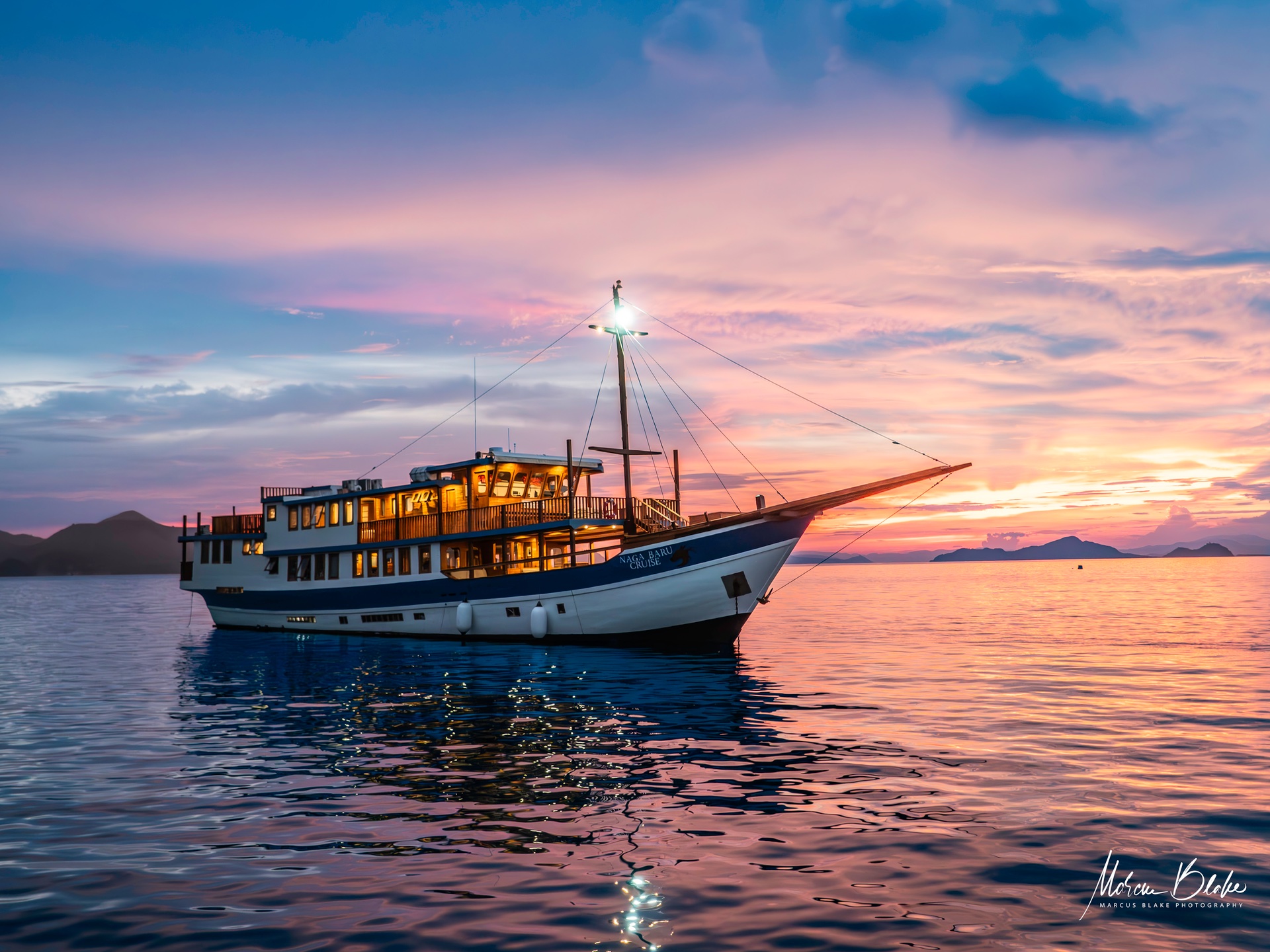
Naga Biru
Indonesia
12 guests40 m
$274/day
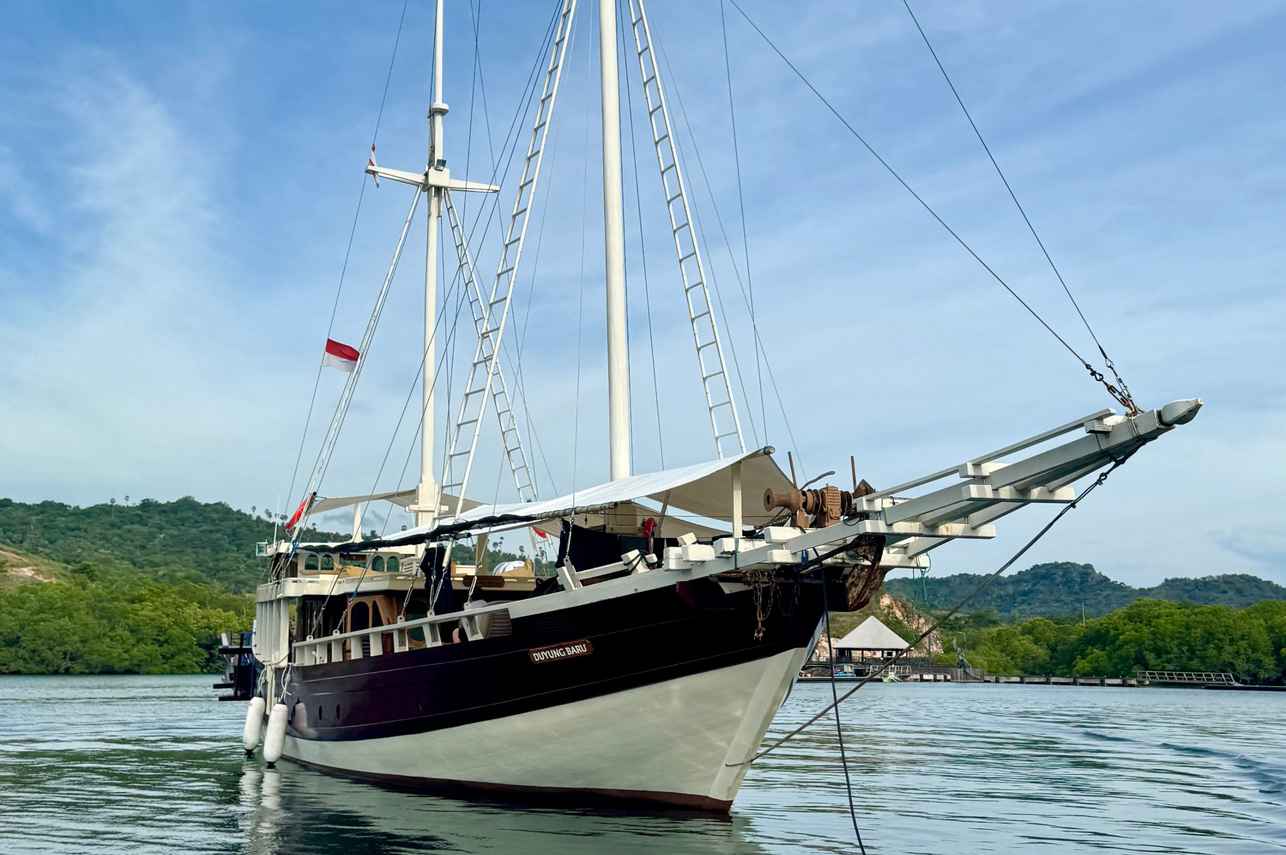
Ecopro Duyung Baru
Indonesia
6 guests27 m
$361/day
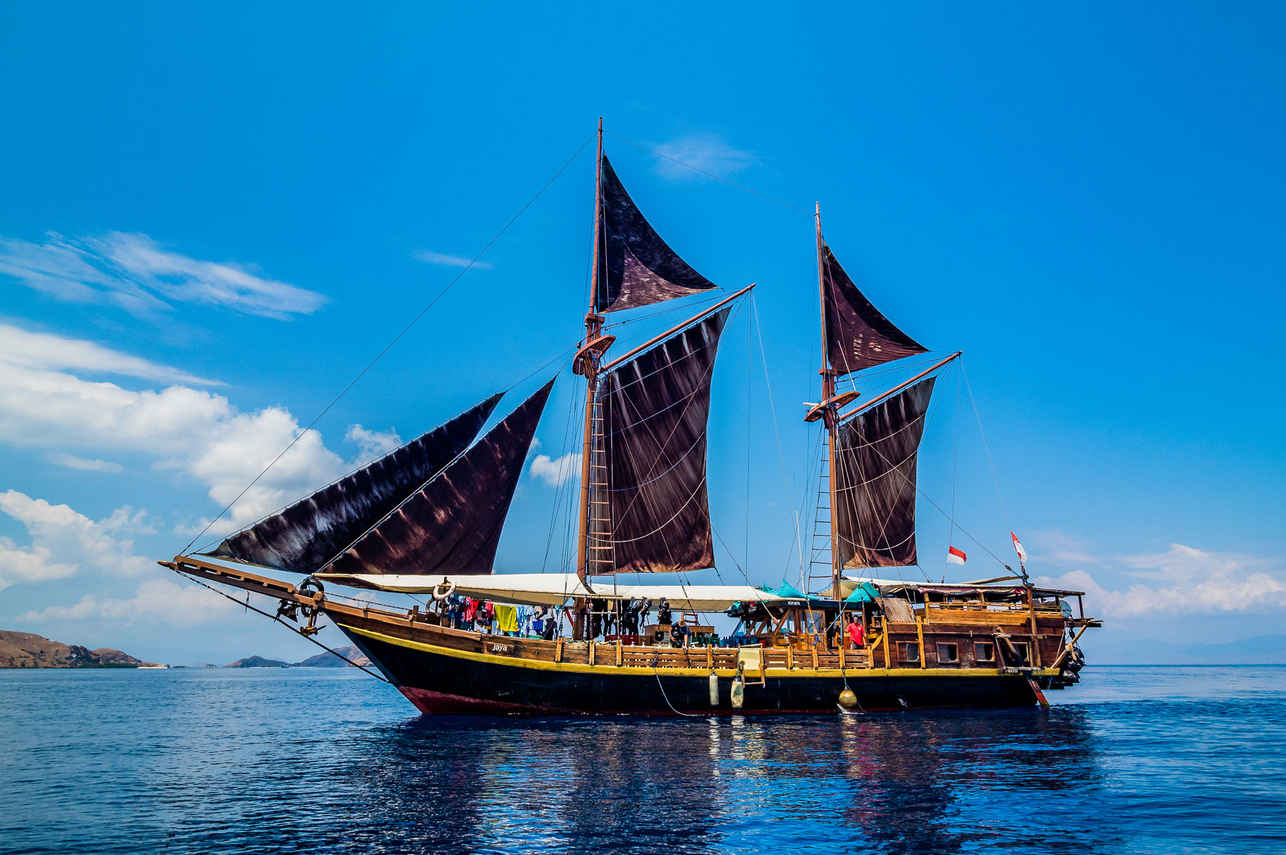
Jaya
Indonesia
14 guests23 m
$280/day
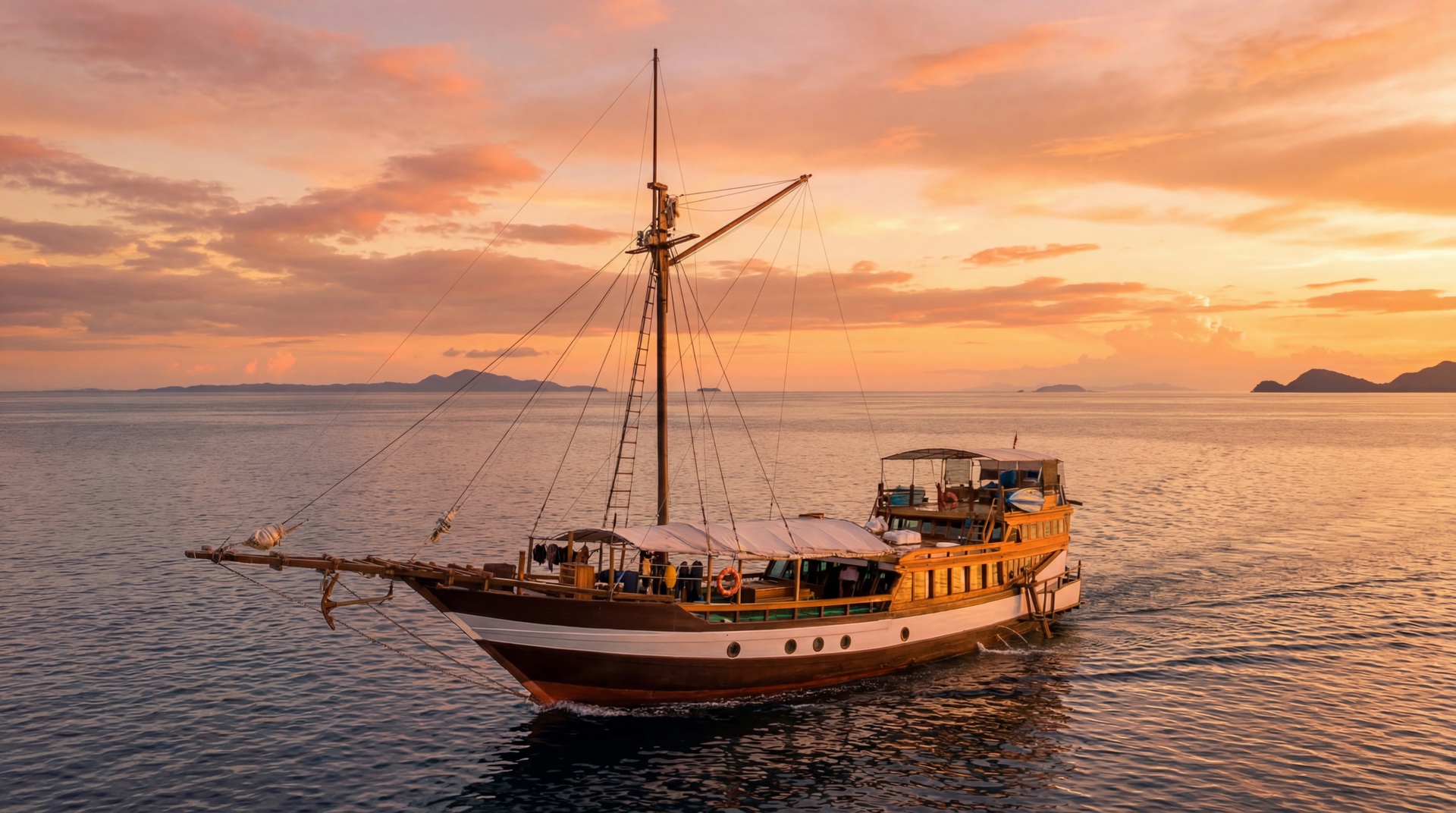
Wellenreng
Indonesia
9 guests25 m
$427/day
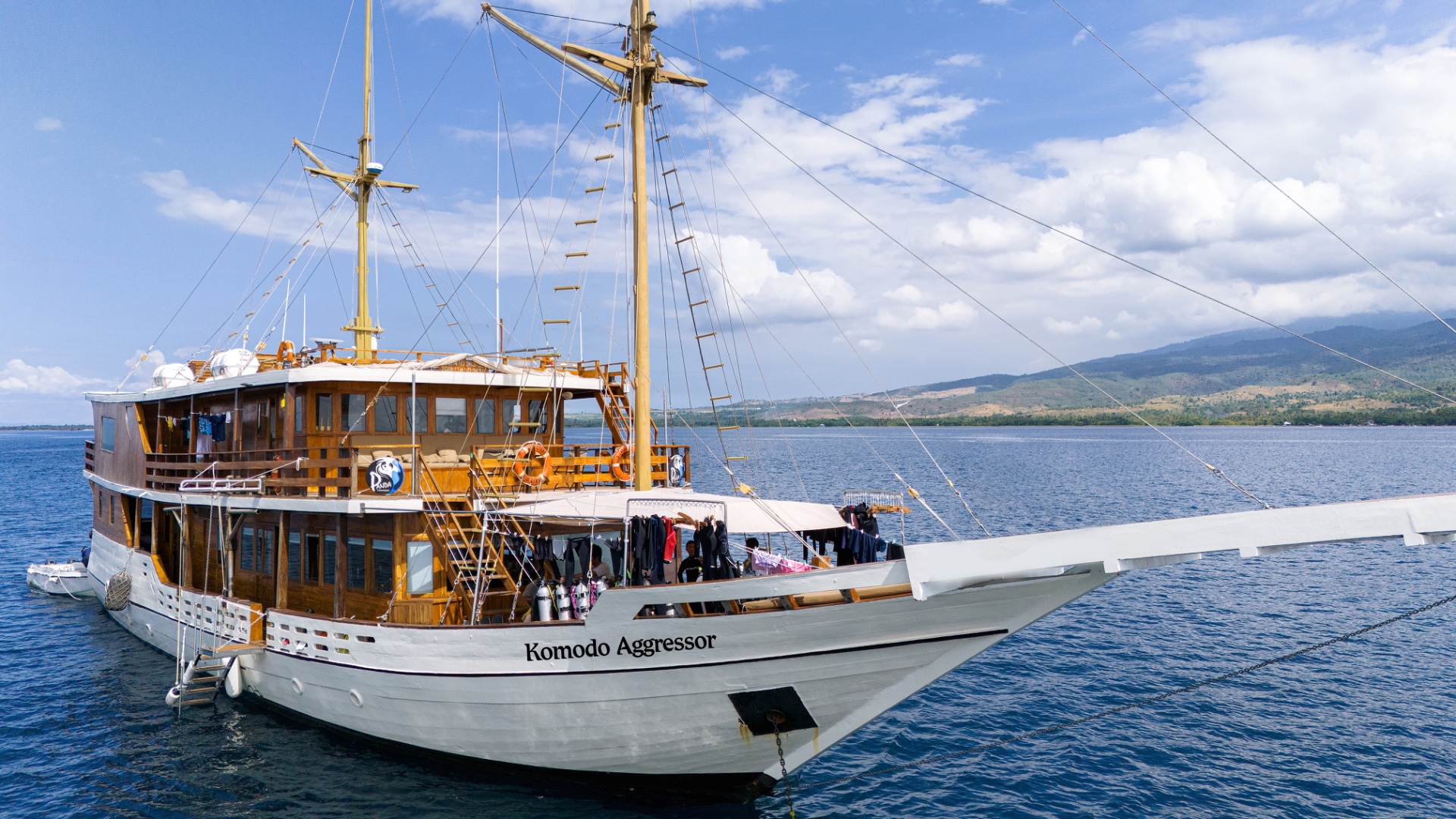
Komodo Aggressor
Komodo, Indonesia
16 guests29 m
$312/day
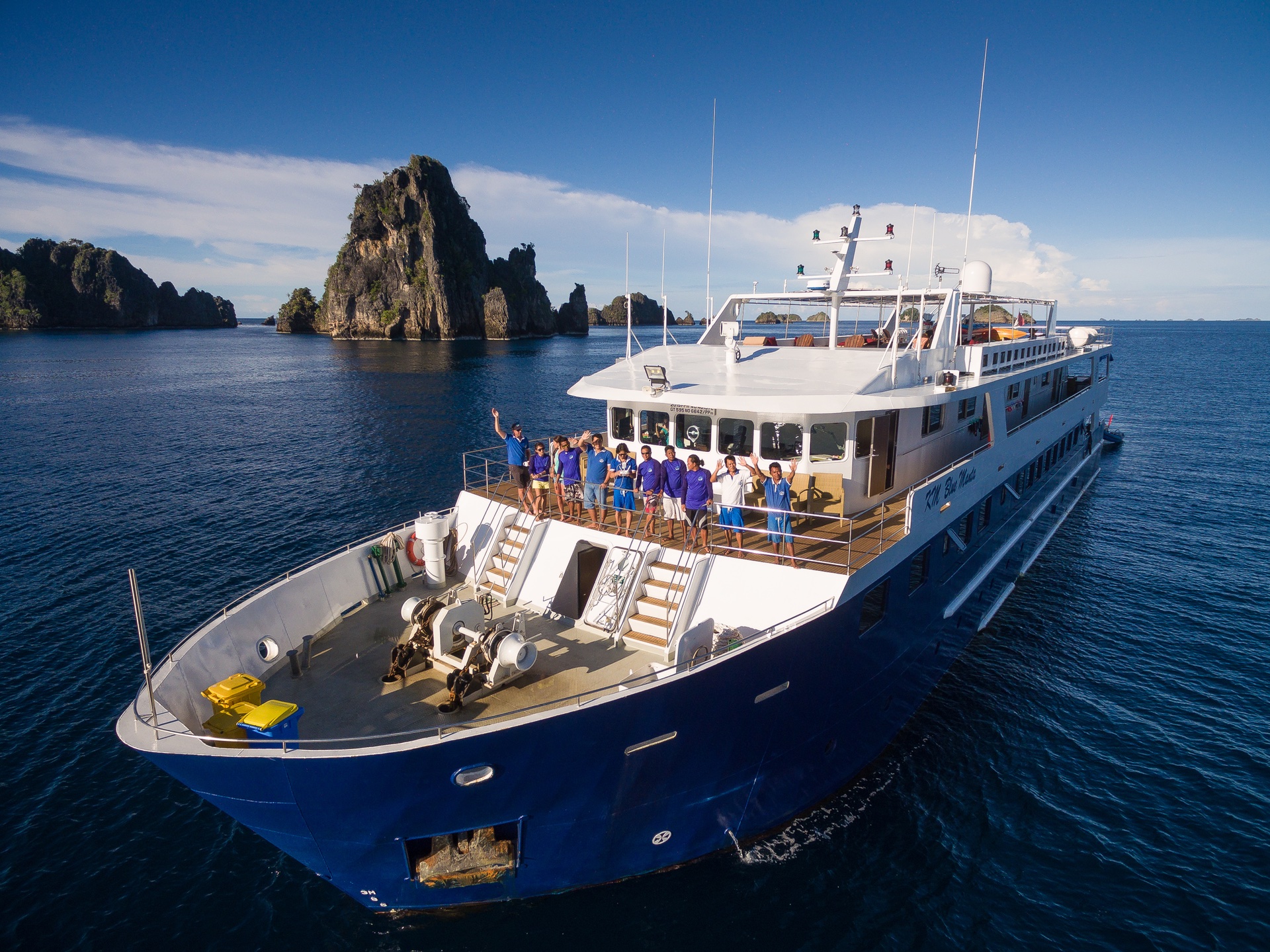
Blue Manta
Indonesia
20 guests45 m
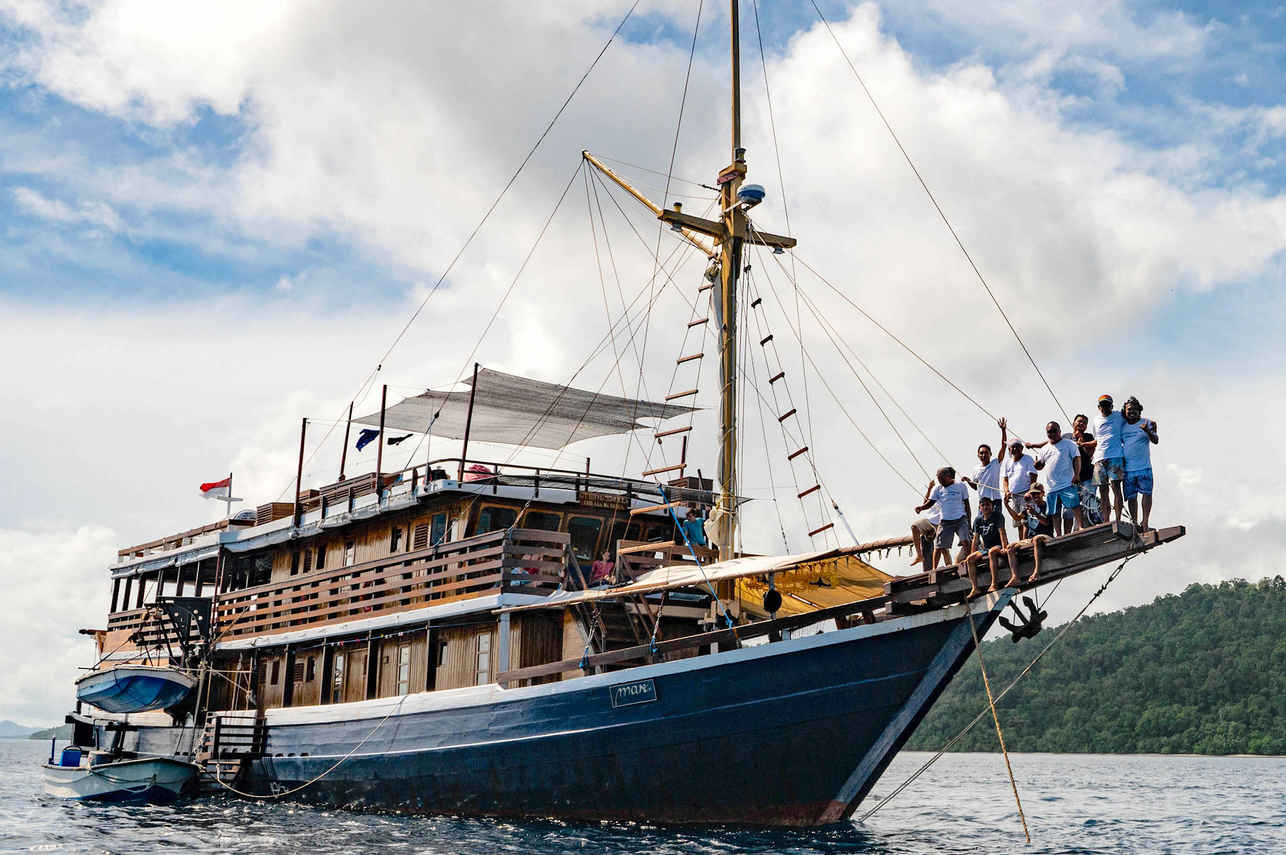
Mari
Indonesia
14 guests32.2 m
$328/day
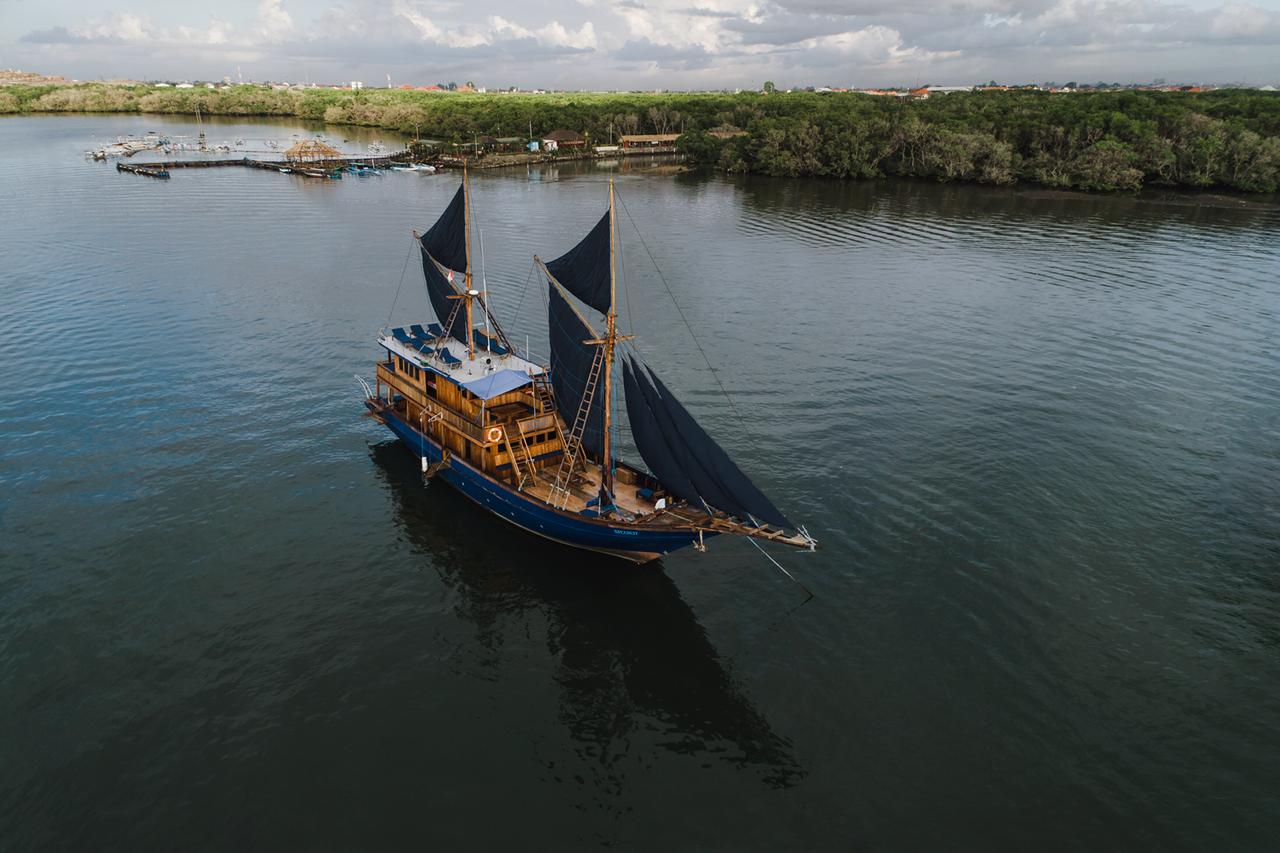
Situju7
Komodo, Indonesia
10 guests32.7 m
$362/day
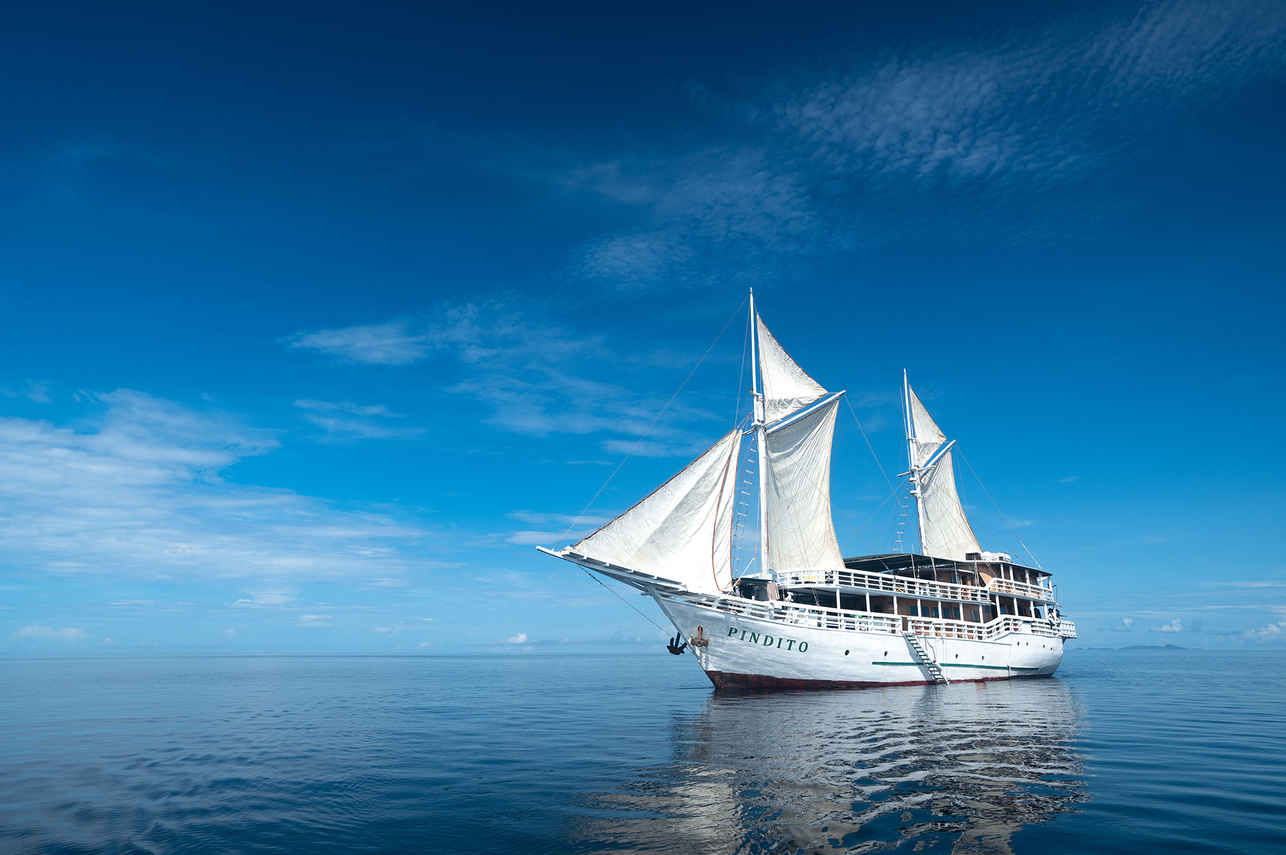
Pindito
Indonesia
16 guests37.79 m
$533/day
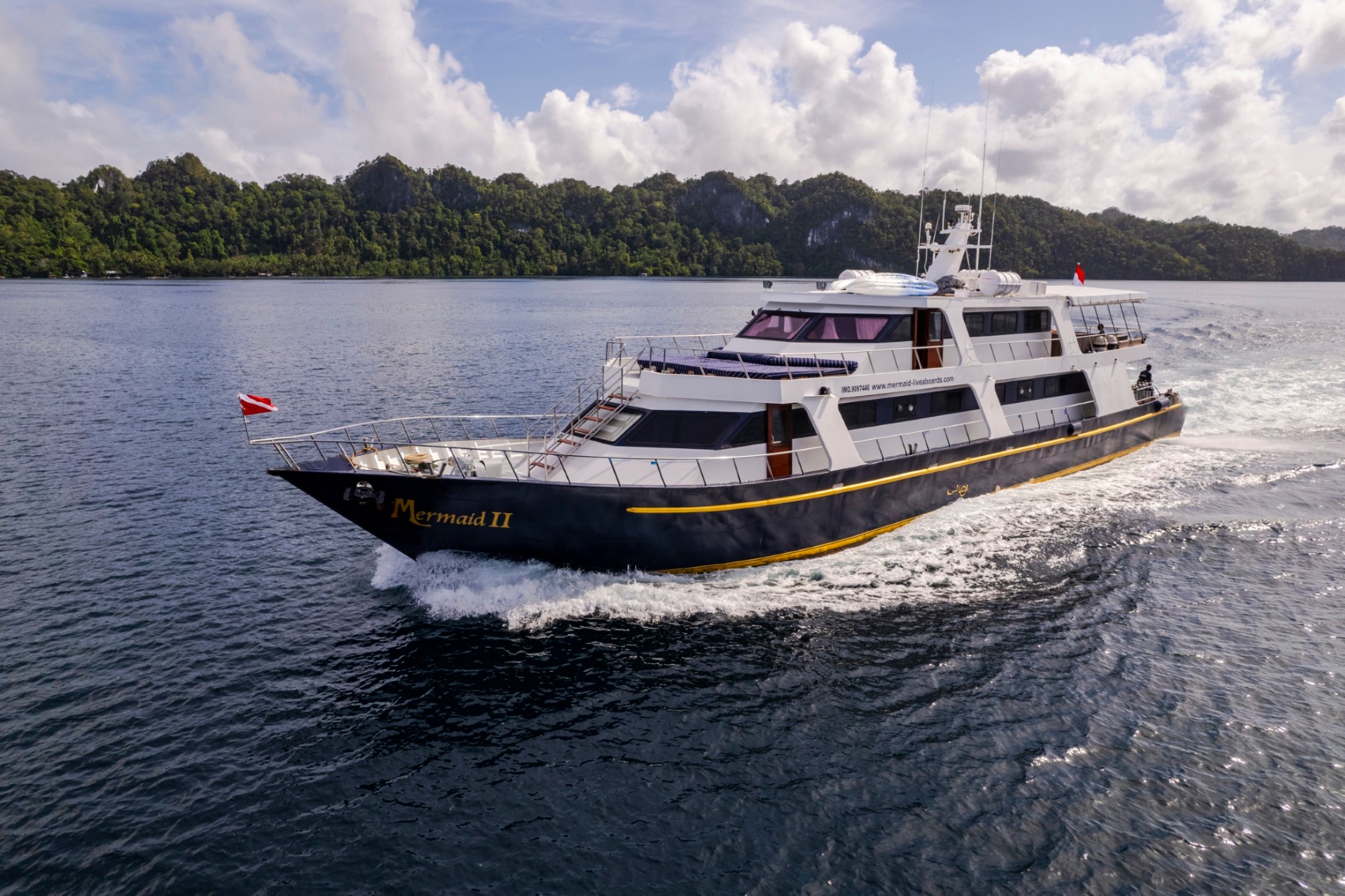
Mermaid II
Komodo, Indonesia
18 guests
$355/day
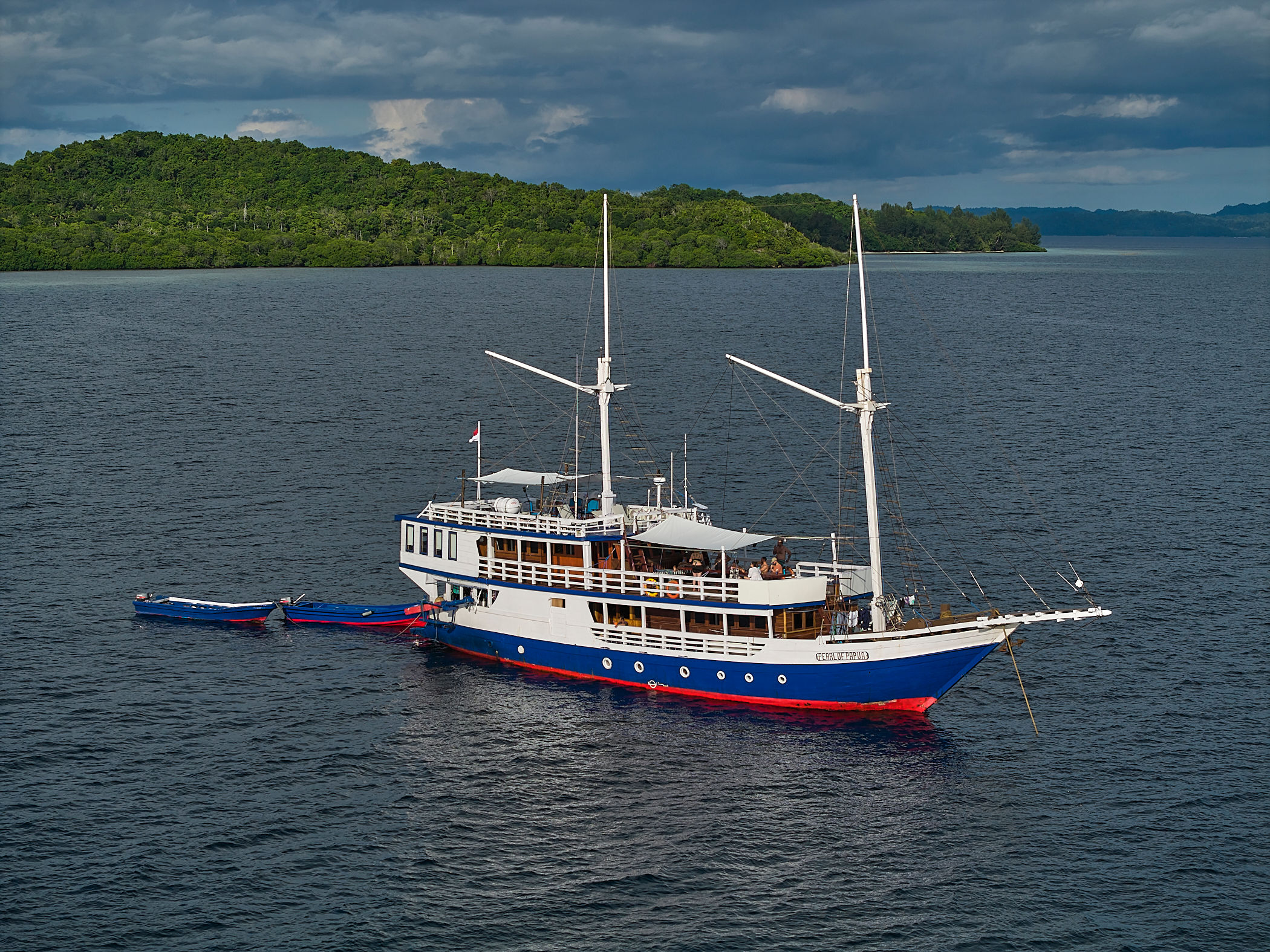
Pearl of Papua
Raja Ampat, Indonesia
14 guests30 m
$303/day
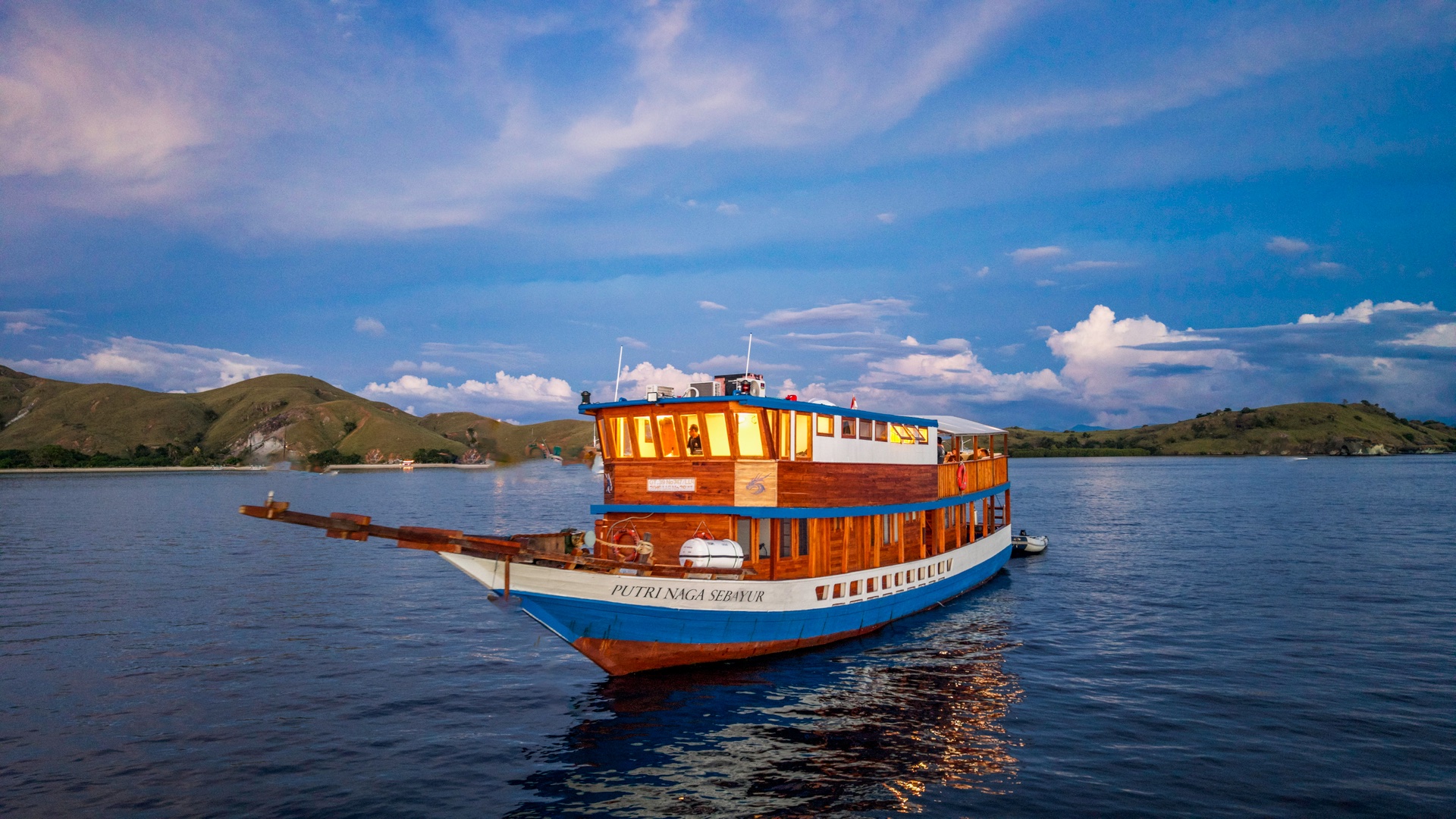
Putri Naga
Komodo, Indonesia
6 guests25 m
Dive sites similar to The Cauldron
Same character, same waters — six more sites divers love for the exact same reasons.Compare seasons, access and liveaboard routes — then pick the site that fits your trip best.
© Esri — Maxar, Earthstar, GIS
Shark Close
Indonesia
Shark Close is an exhilarating dive site in the Indonesian portion of Borneo, renowned for its strong currents and abundant marine life.
- Suitable for
- Advanced
- Current
- Strong
- Access
- Liveaboard or dayboat
- Depth
- 5–25 m
- Theme
- Channel / Drift
© Esri — Maxar, Earthstar, GIS
Raymond’s Point
Indonesia
Raymond's Point is a distinguished dive site located south of Mike's Point within the Bunaken National Marine Park, renowned for its dramatic vertical wall.
- Suitable for
- Advanced
- Current
- Strong
- Access
- Dayboat
- Depth
- 5–35 m
- Theme
- Reef / Wall
© Esri — Maxar, Earthstar, GIS
Manado Tua
Indonesia
Manado Tua, or 'Old Manado,' is one of five islands that form the Bunaken Marine Park, a celebrated marine protected area in North Sulawesi, Indonesia.
- Suitable for
- Intermediate
- Current
- Moderate
- Access
- Dayboat
- Depth
- 5–80 m
- Theme
- Wall / Drift
© Esri — Maxar, Earthstar, GIS
Kakaban Jellyfish Lake
Indonesia
Kakaban Jellyfish Lake is a unique marine lake located on Kakaban Island, part of the Derawan Archipelago in East Kalimantan, Indonesia.
- Suitable for
- Advanced
- Current
- Strong
- Access
- Dayboat
- Depth
- 5–30 m
- Theme
- Wall / Drift
© Esri — Maxar, Earthstar, GIS
Melissa Garden
Indonesia
Melissa Garden stands out as one of Raja Ampat's most spectacular dive sites, celebrated for its expansive and pristine coral gardens.
- Suitable for
- Intermediate
- Current
- Moderate
- Access
- Liveaboard only
- Depth
- 5–25 m
- Theme
- Reef / Drift
© Esri — Maxar, Earthstar, GIS
Turtle Traffic
Indonesia
Turtle Traffic is a prominent reef dive site located off Maratua Island in Indonesia, celebrated for its high density of sea turtles.
- Suitable for
- Intermediate
- Current
- Moderate
- Access
- Dayboat
- Depth
- 5–18 m
- Theme
- Reef / Drift