About Canyon Dive (Kaş)
Kaş Canyon in Antalya, Turkey, offers a unique double-feature dive experience that combines a dramatic canyon with a historical shipwreck. Located in the five islands area off the coast of Kaş, divers typically enter via boat and can surface-swim to the top and backside of the island before descending. The dive begins shallow, leading into a narrow gorge with two steep walls that drop to approximately 20 meters, revealing impressive cave formations. Following the right wall out of the canyon, divers encounter the Dimitris wreck, also known as the "Cotton Wreck," a 1968 steel freighter resting between 27 and 42 meters, its cargo scattered across the seabed. The canyon walls are home to nudibranchs, and the area is known for occasional sightings of Mediterranean monk seals. Amberjacks and ornate wrasses are also common. Visibility in Kaş is exceptional year-round, often exceeding 30 meters, ensuring a clear view of the diverse marine life and underwater topography. The dive site offers a blend of natural beauty and historical intrigue, making it a compelling destination for those seeking both topography and wreck exploration. While the dive starts shallow, the presence of a shipwreck at greater depths and the possibility of strong southerly currents, particularly at the canyon entrance, necessitate a certain level of experience. An underwater memorial to Gökhan Türe is also found on the way to the wreck at around 30 meters. Early morning is often the best time to dive this site for optimal conditions.
Highlights
Canyon diveGroupersMoray eelsDramatic walls
Season calendar
Best months to dive here
Jan
Feb
Mar
Apr
May
Jun
Jul
Aug
Sep
Oct
Nov
Dec
Excellent
Good
Off-Season
Dive site facts: Canyon Dive (Kaş)
- Depth
- 5–42 m
- Typical dive
- 12–32 m, 44 min
- Current
- Occasional strong southerly current
- Visibility
- 8–40 m
- Water temperature
- 16–28°C
- Entry
- Boat / surface swim
- Level
- Advanced Open Water
- Dive type
- Wreck, canyon, cave, topography
- Region / port
- Kaş, Antalya, Turkey
- Coordinates
- 36.1522, 29.6272
Conditions & Currents
Strong currents are common; drift-diving experience and an SMB or reef hook are recommended. Dive profiles here run between roughly 12 and 42 metres, so plan your gas and no-decompression limits around the deeper part of the site. It is usually briefed as a dive for advanced divers. It can be dived from a liveaboard or a day boat, depending on where you start the trip. Because the flow can pick up quickly, drift profiles, a surface marker buoy and a tight group are standard practice here, and the crew's briefing always overrides any general description.
Marine life & sighting chances
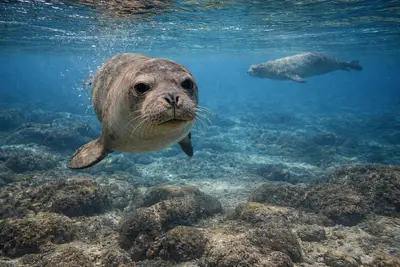
Mediterranean monk seal
occasional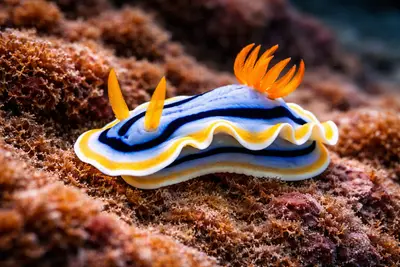
Nudibranch
occasional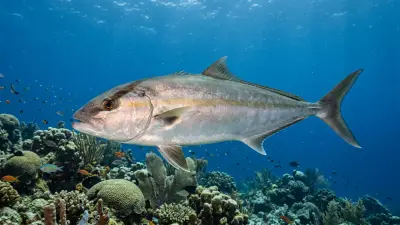
Great Amberjack
occasional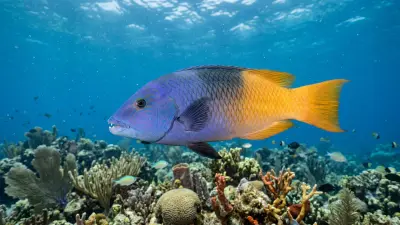
Ornate Wrasse
common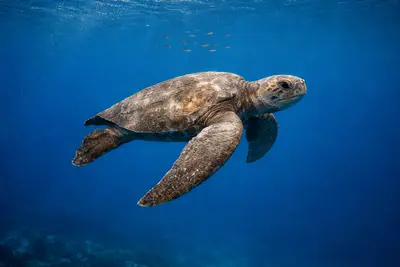
Loggerhead turtle
occasional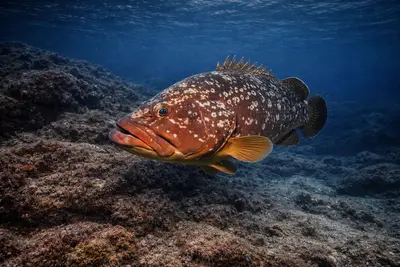
Grouper
common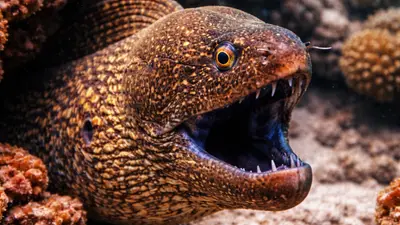
Moray eel
occasional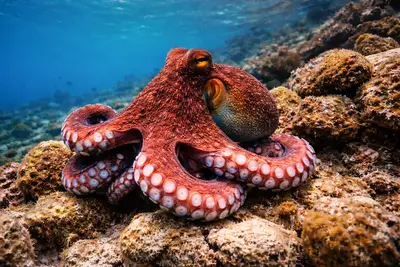
Octopus
occasional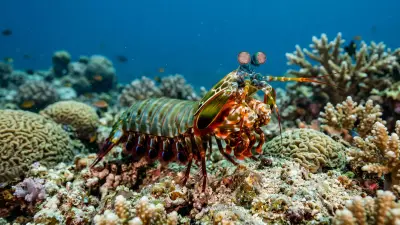
Red shrimp
common
Button coral
commonDive profile & how the dive runs
Your dive at Kaş Canyon begins as a boat entry, often followed by a surface swim around the island's backside to a descent point. You'll enter a narrow gorge, with walls dropping to approximately 20 meters. Be prepared for potential strong southerly currents as you navigate this section. Inside the canyon, explore a cave where light from the surface penetrates, illuminating walls adorned with button coral and red shrimp. After exiting the canyon, follow the right wall, gradually descending towards the "Dimitris" wreck, a steel freighter that sank in 1968. The wreck lies between 27 to 42 meters, with cotton cargo scattered across the seabed. Look for an underwater memorial at around 30 meters. The safety stop typically occurs during the ascent from the wreck towards shallower areas of the canyon.
Underwater photography
Kaş Canyon offers excellent opportunities for both wide-angle and macro photography. Use a wide-angle lens to capture the impressive scale of the canyon walls, the dramatic light shafts entering the cave, and the entirety of the "Dimitris" wreck. For the smaller inhabitants like nudibranchs, red shrimp, and button coral within the canyon and cave, switch to a macro lens. Given the variable visibility and depth, external strobes are highly recommended to bring out true colors and add contrast, especially on the wreck and inside the cave. Practice good buoyancy control, particularly in the narrow canyon sections and around the fragile cave walls, to avoid stirring up sediment or damaging marine life. Maintain a respectful distance from any Mediterranean monk seals encountered.
Combine with nearby dive sites
- Italian WWII Plane Wreck (Kaş)
The Italian WWII Plane Wreck, known locally as "Flying Fish," offers a compelling dive into history off the coast of Kaş.
- Fener Adası (Kaş)
Fener Adası, situated near Kaş, is a highly favored dive site due to its proximity and diverse underwater topography.
- Kaş Tunnel
Kaş Tunnel, located off the coast of Kaş in Antalya, Turkey, offers a distinctive boat-access dive experience.
- Lighthouse Reef (Kaş)
Lighthouse Reef is a prominent dive site near Kaş, Turkey, celebrated for its crystal-clear waters and diverse underwater landscape.
- Amphora Reef
Amphora Reef, located near Kaş on Turkey's southwestern coast, is a distinguished dive site renowned for its historical artifacts and…
Getting there & logistics
Kaş is located on Turkey's southwest coast, within the Antalya province. The closest major airports are Antalya (AYT) and Dalaman (DLM), both approximately 2.5 hours' drive away. From these airports, you can arrange transfers or rent a car to reach Kaş. Dive trips to Kaş Canyon typically depart from Kaş harbor as boat dives. Most dive operators in Kaş offer daily trips combining multiple dive sites. There are no specific marine park fees for diving in Kaş, but dive package costs cover boat transport and guide services. It's common to combine a Kaş diving trip with exploring the town's historical Lycian monuments and enjoying its relaxed atmosphere. Dive seasons generally run from May to November, with peak conditions in September and October offering warm water and excellent visibility.
Safety & environment
For diving in Kaş, the nearest recompression chamber is located in Antalya. In case of a dive emergency, evacuation would primarily involve boat transfer back to Kaş and then overland transport to Antalya. Comprehensive dive insurance is highly recommended, covering medical emergencies, evacuation, and recompression treatment. At Kaş Canyon, specific hazards include potential strong southerly currents, particularly at the canyon entrance, which can make navigation challenging. Divers should be experienced in current management. The dive also involves depths up to 42 meters, requiring Advanced Open Water certification or equivalent and proper deep dive training. Maintain strict depth and no-decompression limits, and adhere closely to your dive guide's instructions, especially within the narrow canyon and wreck areas. Avoid touching fragile cave walls or wreck artifacts.
Who it suits — and who it doesn't
Suited for
- Experienced divers comfortable with deeper profiles and potential currents
- Divers interested in wreck and geological feature exploration
- Underwater photographers seeking diverse subjects (wide-angle and macro)
- Advanced Open Water certified divers
Less suited for
- Beginner divers or those without advanced certification
- Divers uncomfortable with potential strong currents
- Individuals prone to seasickness, though dive sites are close to shore
- Divers expecting abundant soft coral reefs
FAQ
Canyon Dive (Kaş) FAQ
What is the 'Dimitris' wreck at Kaş Canyon?
The 'Dimitris' is a steel freighter that ran aground near the islands in 1968. It is locally known as the 'Cotton Wreck' due to the cotton cargo that was scattered across the seabed when it sank. The wreck lies between 27 and 42 meters deep, offering an interesting historical element to the canyon dive.
Are there any specific current considerations when diving Kaş Canyon?
Yes, divers should be aware of the potential for a strong southerly current, especially when entering the canyon's narrow gorge. It is advisable to dive with experienced guides who can manage these conditions and to be comfortable with current diving techniques. Early morning dives are often recommended to potentially avoid stronger currents.
What marine life can I expect to see in Kaş Canyon?
While the canyon is primarily known for its topography and wreck, you might encounter Mediterranean monk seals, nudibranchs on the canyon walls, great amberjacks, and ornate wrasses. The cave sections host red shrimp and button coral, adding to the smaller creatures you might observe. Loggerhead turtles and groupers are also occasionally spotted in the wider Kaş region.
What is the best time of year to dive Kaş Canyon?
The main diving season in Kaş runs from May to November. For optimal conditions, September and October are highly recommended, as the water retains its summer warmth, and visibility can reach up to 40 meters, while crowds are generally smaller than in peak summer months. May also offers good conditions with cooler water and fewer tourists.
Is Kaş Canyon suitable for all levels of divers?
Kaş Canyon is primarily recommended for Advanced Open Water certified divers due to its depth, which can reach 42 meters, and the potential for strong currents. The combination of deep wreck exploration, canyon navigation, and cave elements requires a higher level of experience and comfort in challenging dive conditions. Beginner divers should consider other, shallower sites in the Kaş area.
Why dive Canyon Dive (Kaş) from a liveaboard?
Canyon Dive (Kaş) is one of Turkey's signature dive sites. A liveaboard sleeps you on the water and puts you in the water for three to four guided dives per day, including dawn and night dives that day-boat operators rarely offer. You skip the daily commute back to port and reach quieter, less-crowded sites in the same region on a single trip.
Below are the liveaboards that include Canyon Dive (Kaş) on their Turkey itineraries.
Liveaboards diving Canyon Dive (Kaş)
These liveaboards may visit Canyon Dive (Kaş) on selected itineraries — the exact dive sites depend on departure, weather and conditions.
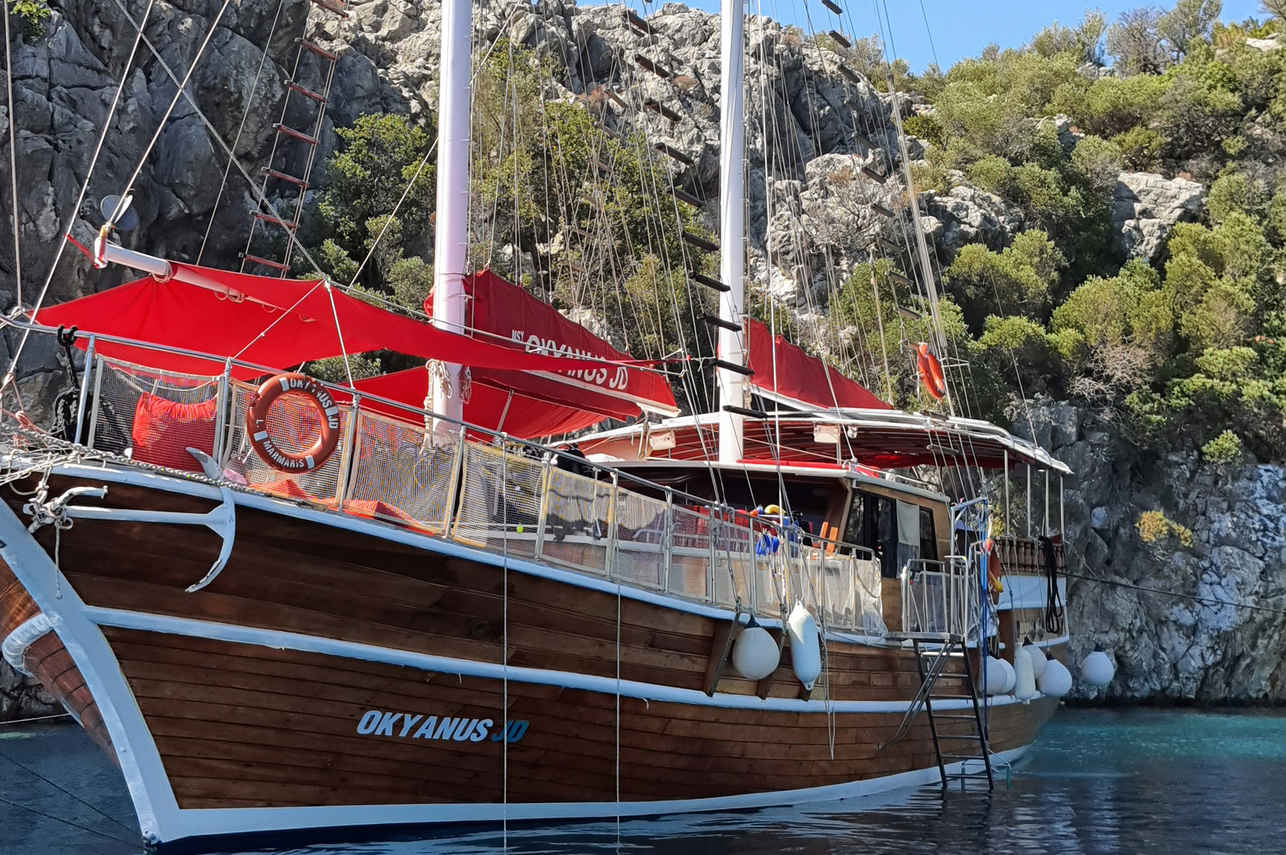
Okyanus JD
Turkey
12 guests24 m
$157/day
Dive sites similar to Canyon Dive (Kaş)
Same character, same waters — six more sites divers love for the exact same reasons.Compare seasons, access and liveaboard routes — then pick the site that fits your trip best.
© Esri — Maxar, Earthstar, GIS
Besmi Island
Turkey
Besmi Island, also known as Besmi Adası, is a challenging yet rewarding dive site located off Turkey's southwestern coast near Fethiye and southwest of Kaş.
- Suitable for
- Advanced
- Current
- Strong
- Access
- Dayboat
- Depth
- 4–60 m
- Theme
- Reef / Wall
© Esri — Maxar, Earthstar, GIS
Gökova Bay Canyon
Turkey
Gökova Bay Canyon is a renowned dive site in Turkey, celebrated for its unique underwater topography, which contrasts sharply with typical Mediterranean dive experiences.
- Suitable for
- Advanced
- Current
- Strong
- Access
- Liveaboard or dayboat
- Depth
- 15–35 m
- Theme
- Wall
© Esri — Maxar, Earthstar, GIS
Kızıl Island
Turkey
Kızıl Island, known locally as Kızılada, is a prominent dive site situated near Fethiye on Turkey's southwestern coast.
- Suitable for
- Intermediate
- Current
- Mild
- Access
- Dayboat
- Depth
- 8–40 m
- Theme
- Reef / Wall
© Esri — Maxar, Earthstar, GIS
Rambo Cave
Turkey
Rambo Cave is a captivating coastal cavern located near Alanya in Antalya, Turkey.
- Suitable for
- Intermediate
- Current
- Moderate
- Access
- Liveaboard or dayboat
- Depth
- 3–15 m
- Theme
- Cave & cavern
© Esri — Maxar, Earthstar, GIS
The Mexican Hat Cold Water Cave is an intriguing dive site situated near Afkule, roughly 300 meters past the main Afkule cave complex, off the coast of Fethiye, Turkey.
- Suitable for
- Advanced
- Current
- Mild
- Access
- Dayboat
- Depth
- ≤ 30 m
- Theme
- Cave & cavern / Cavern