About Five Rocks
Five Rocks, located near Puerto Plata in the Dominican Republic, is a distinctive dive site characterized by massive coral accumulations forming rock-like structures. These impressive formations begin at a shallow depth of 4 meters and descend to 25 meters, creating a diverse underwater landscape. The site is renowned for its excellent water visibility and rich biodiversity, making it a captivating destination for underwater exploration. Diving at Five Rocks unveils a dynamic ecosystem where colorful soft corals and various sponges thrive, providing shelter and sustenance for numerous marine species. Schools of reef fish gracefully navigate the coral maze, while moray eels, lobsters, crabs, and octopuses can be spotted within the crevices and along the coral structures. This vibrant environment offers continuous discovery for divers, whether on their first visit or returning for more. The consistently warm waters, ranging from 27°C to 29°C year-round, ensure comfortable diving conditions. Visibility often reaches up to 30 meters, allowing for clear views of the expansive coral formations and marine inhabitants. Its accessibility via a short boat trip from the nearest beach makes Five Rocks a convenient addition to any dive itinerary in the Puerto Plata area, promising memorable encounters with the Caribbean's underwater beauty. Five Rocks is considered an intermediate dive, suitable for Open Water divers, offering an engaging experience without requiring advanced certifications. The calm conditions and clear waters contribute to a relaxed yet exciting dive, perfect for those looking to immerse themselves in a thriving coral reef system.
Highlights
Huge coral rock formationsAbundant reef fish schoolsMoray eels and lobstersColorful soft corals and spongesExcellent water visibility
Season calendar
Best months to dive here
Jan
Feb
Mar
Apr
May
Jun
Jul
Aug
Sep
Oct
Nov
Dec
Excellent
Good
Dive site facts: Five Rocks
- Depth
- 4–25 m
- Current
- None
- Visibility
- Up to 30 m
- Water temperature
- 27–29°C
- Entry
- Boat
- Level
- Novice
- Dive type
- Coral reef, wall
- Region / port
- Puerto Plata
- Coordinates
- 19.754, -70.54
Conditions & Currents
Currents at Five Rocks are generally minimal to non-existent, creating a serene diving environment suitable for newer divers and those focused on photography. This lack of strong currents contributes to the often-excellent visibility, which can extend up to 30 meters. Divers can anticipate a calm entry and exit from the dive boat, typically a short ride from shore. The consistent water temperature, averaging 27-29°C, means thermoclines are not a significant concern. The stable conditions allow for extended bottom times and relaxed exploration of the coral formations and marine life without the need for specialized current diving techniques.
Marine life & sighting chances
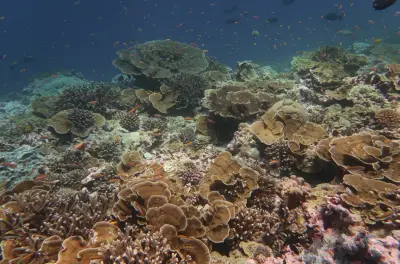
Schools of reef fish
Year-round · common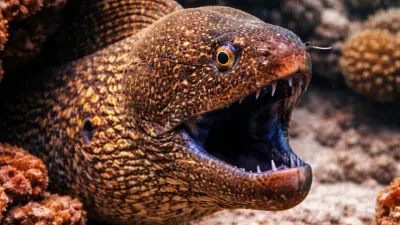
Moray eels
Year-round · occasional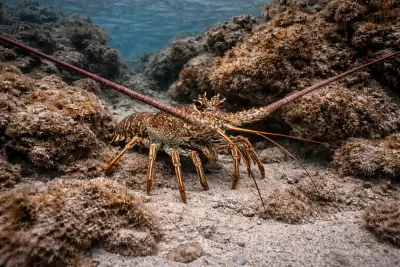
Lobsters
Year-round · occasional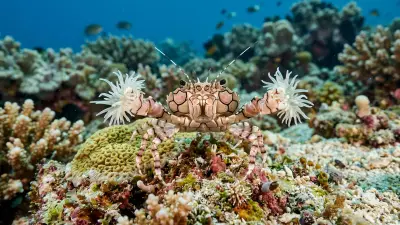
Crabs
Year-round · occasional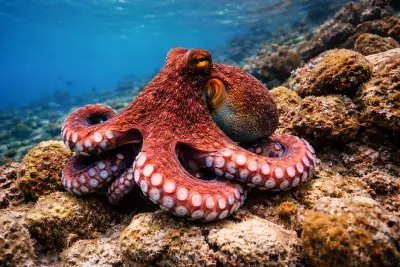
Octopuses
Year-round · occasional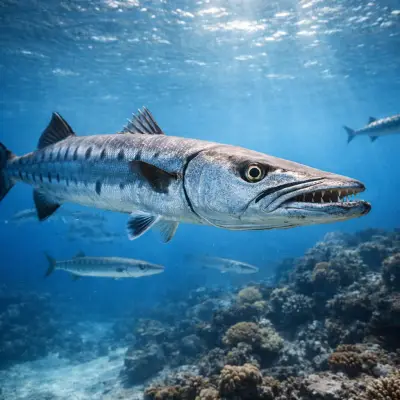
Barracudas
Year-round · occasional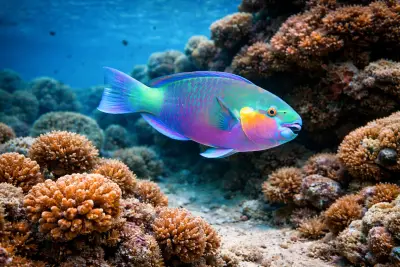
Parrotfish
Year-round · common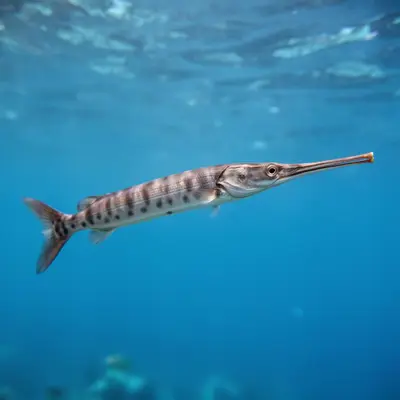
Trumpetfish
Year-round · common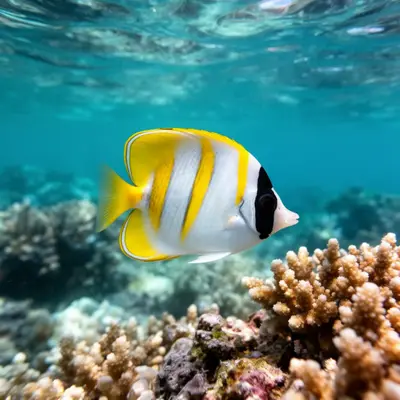
Butterflyfish
Year-round · common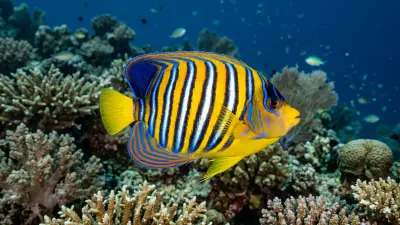
Angelfish
Year-round · commonDive profile & how the dive runs
A typical dive at Five Rocks begins with a short boat ride from the shore of Sosua, offering a gentle entry into the clear waters. Descending to the coral formations, divers will find the top of the 'rocks' starting at 4 meters. The dive then progresses down the coral wall, exploring the various ledges and crevices that extend to a maximum depth of 25 meters. The route often involves navigating around the base of these impressive coral structures, observing schools of reef fish, moray eels, and crustaceans nestled within. Turn points are usually determined by air consumption or dive time, ensuring ample opportunity to explore the site's rich biodiversity. The ascent is gradual, allowing for a thorough safety stop while observing the shallower coral gardens.
Underwater photography
Five Rocks offers excellent opportunities for underwater photography, particularly for wide-angle shots that capture the grandeur of its massive coral formations. The clear water, often with visibility up to 30 meters, and relatively shallow depths starting at 4 meters, allow for ample natural light penetration, making it ideal for capturing vibrant coral colors. For macro enthusiasts, the intricate details of soft corals, sponges, and hidden creatures like lobsters, crabs, and octopuses provide compelling subjects. Consider bringing a strobe to enhance colors, especially in deeper sections or within shadowed crevices. Good buoyancy control is essential to avoid disturbing the delicate coral ecosystem while framing shots.
Combine with nearby dive sites
- Ray Point
Intermediate dive site in the Sosua area
- The Wall
Also known as Mini Wall, an intermediate dive in the Puerto Plata area
- Three Rocks
A beginner dive site also in the Puerto Plata area
- El Bajón
El Bajón is a celebrated dive site situated off the coast of Bayahibe in the Dominican Republic, offering divers an exceptional underwater…
Getting there & logistics
Access to Five Rocks typically involves flying into Gregorio Luperón International Airport (POP) in Puerto Plata, which is the closest international airport. From there, it's a short transfer to Sosua, a popular departure point for local dive boats. Dive trips to Five Rocks are usually conducted as day trips, often combined with other nearby sites in the Sosua/Puerto Plata area. There are no specific park fees mentioned for this site, and dive packages often include equipment and boat transfers. It's recommended to coordinate with local dive operators in Sosua for specific trip timings and booking, as they manage the short boat journeys to the site.
Safety & environment
Safety at Five Rocks is enhanced by generally calm conditions and the site's intermediate depth range. While currents are typically absent, divers should always monitor conditions and follow their dive guide's instructions. The nearest recompression chamber is located in Santo Domingo, which is a considerable distance from Puerto Plata, emphasizing the importance of proper dive planning, adherence to depth limits, and conservative profiles. Comprehensive dive insurance, such as DAN, is strongly recommended for all divers. Always dive with a reputable local operator, ensure your equipment is well-maintained, and maintain good buoyancy control to protect the delicate coral environment and ensure personal safety.
Who it suits — and who it doesn't
Suited for
- Open Water certified divers
- Underwater photographers
- Divers seeking vibrant coral reefs
- Divers preferring calm conditions
- Marine life observers
Less suited for
- Divers seeking strong currents or drift dives
- Those uninterested in coral topography
- Divers only interested in large pelagics
FAQ
Five Rocks FAQ
What kind of marine life can I expect to see at Five Rocks?
At Five Rocks, you can expect to encounter a rich variety of Caribbean marine life. Common sightings include schools of diverse reef fish, moray eels, lobsters, crabs, and octopuses hidden within the coral formations. Barracudas are also occasionally spotted patrolling the area. The site is particularly vibrant with colorful soft corals and sponges, providing a thriving habitat for many smaller creatures.
What are the typical dive conditions at Five Rocks?
Dive conditions at Five Rocks are generally excellent and very favorable. The water temperature consistently ranges from 27°C to 29°C year-round, ensuring comfortable diving. Visibility is often outstanding, reaching up to 30 meters, allowing for clear views of the extensive coral structures. Currents are typically none or very mild, making it a relaxed dive suitable for various experience levels.
Is Five Rocks suitable for beginner divers?
Yes, Five Rocks is considered suitable for novice or Open Water certified divers. Its maximum depth of 25 meters, combined with calm conditions and excellent visibility, makes it an accessible site for those with basic certification. However, having some prior dive experience is always beneficial for comfort and enjoyment of the dive.
How do I get to Five Rocks?
Five Rocks is typically accessed by a short boat trip from the nearby beach, usually from Sosua in the Puerto Plata area. Divers usually fly into Gregorio Luperón International Airport (POP) in Puerto Plata and then transfer to Sosua to arrange dive excursions with local operators. Day trips are common, often combining Five Rocks with other nearby dive sites.
Can I do underwater photography at Five Rocks?
Five Rocks is an excellent site for underwater photography. The extensive coral formations and abundant marine life provide numerous subjects for both wide-angle and macro photography. The clear water and good light penetration, especially at shallower depths, contribute to vibrant shots. Photographers should maintain good buoyancy control to avoid damaging the delicate coral structures.
Why dive Five Rocks from a liveaboard?
Five Rocks is one of Dominican Republic's signature dive sites. A liveaboard sleeps you on the water and puts you in the water for three to four guided dives per day, including dawn and night dives that day-boat operators rarely offer. You skip the daily commute back to port and reach quieter, less-crowded sites in the same region on a single trip.
Below are the liveaboards that include Five Rocks on their Dominican Republic itineraries.
Liveaboards diving Five Rocks
These liveaboards may visit Five Rocks on selected itineraries — the exact dive sites depend on departure, weather and conditions.
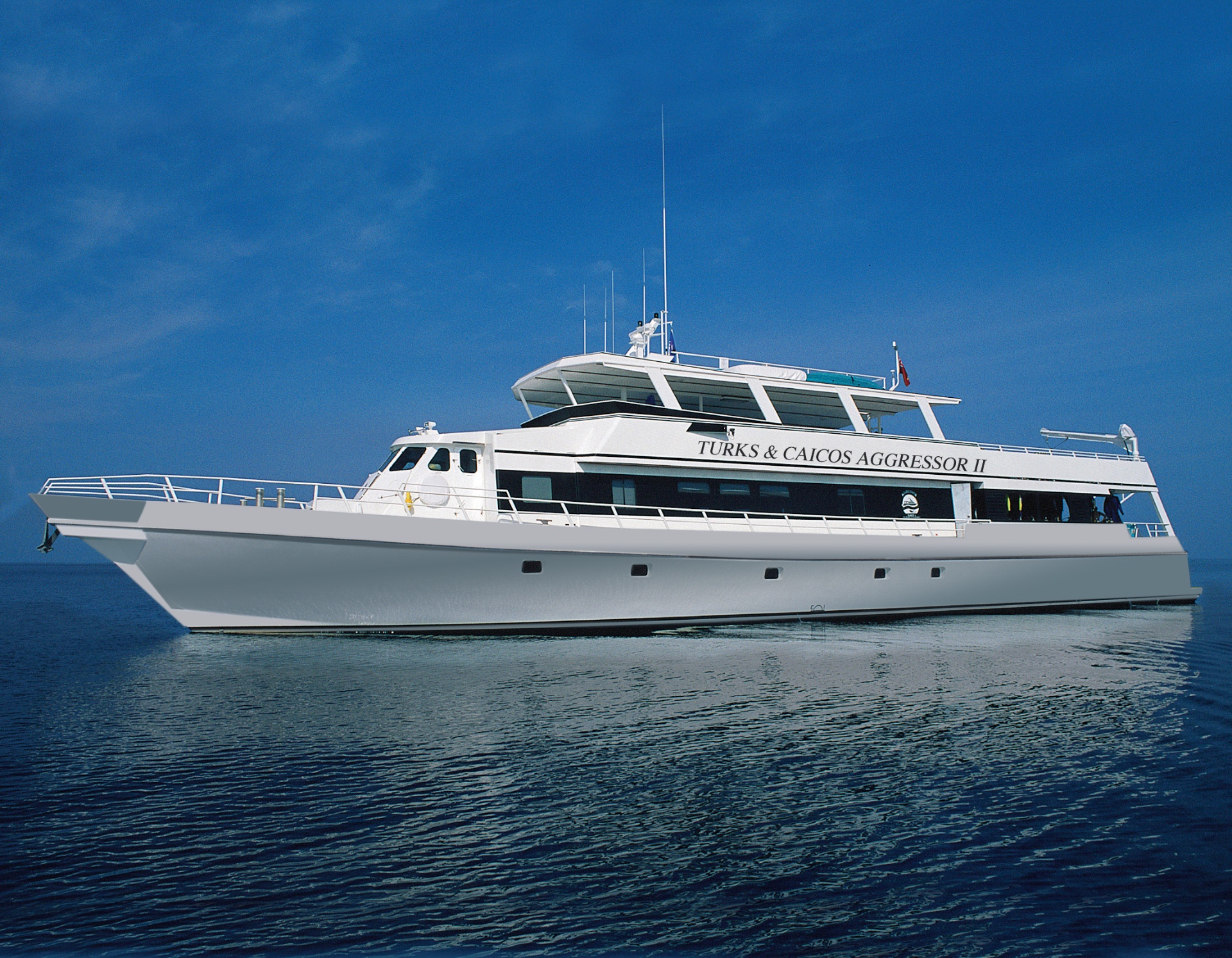
Turks & Caicos Aggressor II
Turks & Caicos
18 guests36.6 m
$287/day
Dive sites similar to Five Rocks
Same character, same waters — six more sites divers love for the exact same reasons.Compare seasons, access and liveaboard routes — then pick the site that fits your trip best.
© Esri — Maxar, Earthstar, GIS
Canal Saona
Dominican Republic
Saona Island Reef, located within Cotubanamá National Park off the southeastern coast of the Dominican Republic, is a well-regarded dive site known for its rich coral ecosystems and abundant marine species.
- Suitable for
- Intermediate
- Current
- Moderate
- Access
- Liveaboard or dayboat
- Depth
- 20–20 m
- Theme
- Reef
El Peñon is a highly-regarded dive site located within the protected Parque Nacional del Este, near Bayahibe in the Dominican Republic.
- Suitable for
- Beginner
- Current
- No current
- Access
- Dayboat
- Depth
- 7–28 m
- Theme
- Reef
El Limón is a notable shipwreck site located within the La Caleta Underwater National Park, close to Santo Domingo.
- Suitable for
- Advanced
- Current
- Mild
- Access
- Dayboat
- Depth
- 30–30 m
- Theme
- Wreck / Reef
© Esri — Maxar, Earthstar, GIS
Sosua Marine Reserve
Dominican Republic
The Sosua Marine Reserve offers a premier diving experience directly accessible from Playa Sosua on the north coast of the Dominican Republic.
- Suitable for
- Beginner
- Current
- Mild
- Access
- Dayboat
- Depth
- 5–18 m
- Theme
- Reef
The Dominican Republic presents a varied underwater landscape, suitable for divers of all levels, with its calm Caribbean seas off the south coast providing ideal conditions for…
- Suitable for
- Intermediate
- Current
- Moderate
- Access
- Liveaboard or dayboat
- Depth
- 5–26 m
- Theme
- Reef