About King Cruiser Wreck
The King Cruiser Wreck, a former 85-meter car and passenger ferry, transformed into one of Thailand's most celebrated artificial reefs after its unexpected sinking on May 4, 1997. Following a navigational error, the vessel struck Anemone Reef on its route between Phuket and the Phi Phi Islands, settling upright on a sandy bottom at a maximum depth of 33 meters. Miraculously, all 561 passengers and crew were successfully evacuated, leaving behind a magnificent underwater ecosystem. Over the past two decades, the wreck has been colonized by an extraordinary array of marine life. Its four decks, once bustling with passengers, now provide shelter for immense schools of yellow snapper, barracudas, and fusiliers. While some structural deterioration, including the collapse of the top stern deck in 2003, means penetration is no longer considered safe, the exterior and upper levels offer extensive exploration opportunities for advanced divers. The site is characterized by moderate to strong currents, influencing visibility and requiring careful dive planning. Despite the challenges, the King Cruiser remains a premier destination for its incredible biodiversity, including frequent sightings of leopard sharks and rare whale sharks during high season. Its strategic location near other popular dive sites like Anemone Reef makes it a staple on many liveaboard itineraries. This vibrant wreck serves as a testament to the ocean's resilience, showcasing how a man-made disaster can evolve into a flourishing haven for countless species. Divers can expect a dynamic experience, navigating the wreck's exterior to discover a rich tapestry of soft corals, nudibranchs, and resident predatory fish.
Highlights
85-meter car ferry wreckUpright on sandy bottomMassive schools of fishResident lionfish and scorpionfishPotential whale shark sightingsVibrant artificial reefEngine room and car decksCaptain's cabin
Season calendar
Best months to dive here
Jan
Feb
Mar
Apr
May
Jun
Jul
Aug
Sep
Oct
Nov
Dec
Good
Dive site facts: King Cruiser Wreck
- Depth
- 12–35 m
- Typical dive
- 18–32 m, 45–60 min
- Current
- Moderate / Strong
- Visibility
- 5–20 m
- Water temperature
- 27–29 °C
- Entry
- Descent line
- Level
- Advanced & experienced
- Dive type
- Wreck, artificial reef, pelagic
- Region / port
- Phuket / Andaman Sea
- Coordinates
- 7.8234, 98.5789
Conditions & Currents
The King Cruiser Wreck experiences moderate to strong currents, which are a defining characteristic of this dive site. Divers should be prepared for varying current strengths, which can impact buoyancy control and navigation. Due to the exposed location, conditions can shift, sometimes requiring a descent line for entry and ascent to manage the stronger surface currents. Once on the wreck, currents can be less pronounced, allowing for more relaxed exploration, but they can still sweep across the structure. Visibility also fluctuates, ranging from 5 to 20 meters, influenced by currents, plankton blooms, and seasonal changes. Divers with experience in current are best suited for this site, and a thorough dive brief from your guide is crucial to understanding the day's conditions and planning an appropriate dive profile.
Marine life & sighting chances
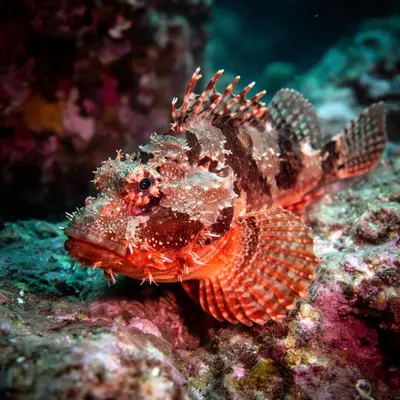
Scorpionfish
common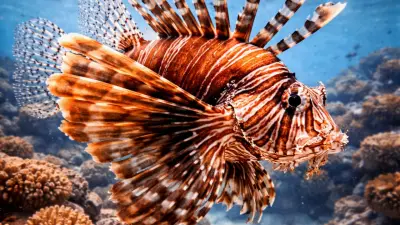
Lionfish
common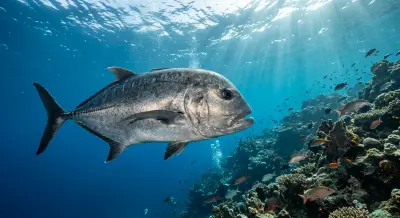
Trevally
common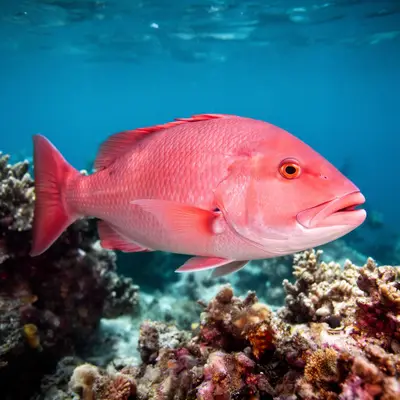
Snapper
common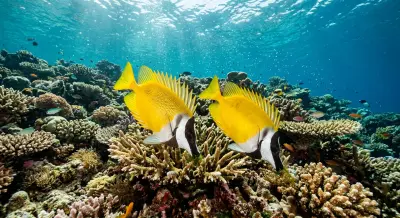
Rabbitfish
common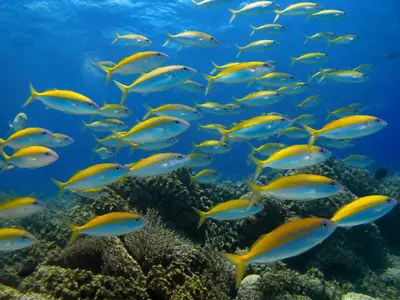
Fusilier
common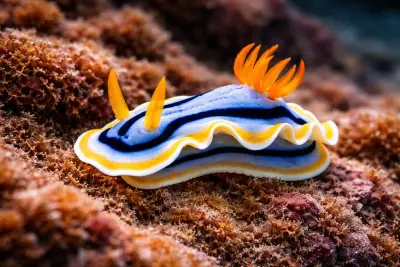
Nudibranch
occasional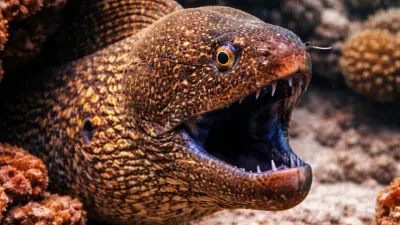
Eels
occasional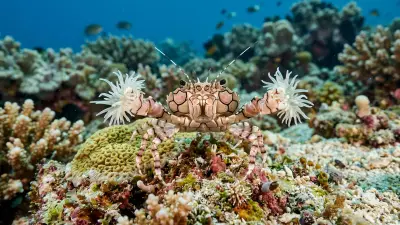
Crabs
occasional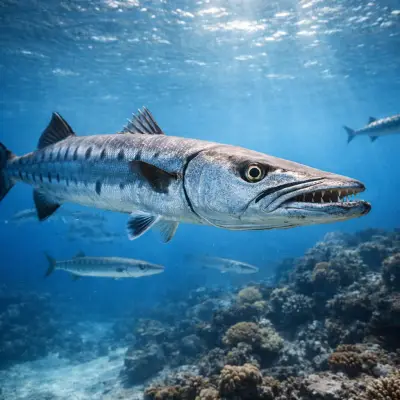
Barracuda
occasional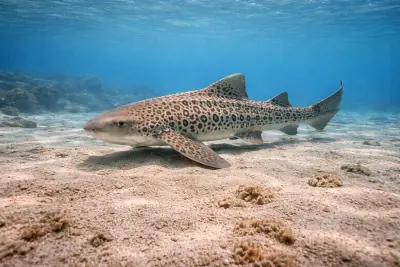
Leopard shark
occasional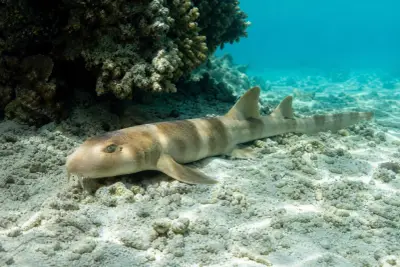
Gray bamboo shark
occasional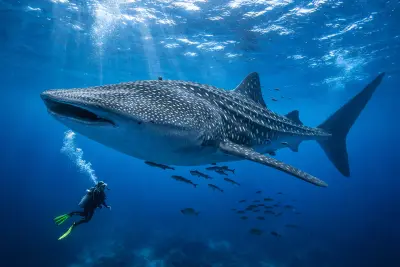
Whale shark
High season · rareDive profile & how the dive runs
Your dive at King Cruiser typically begins with a descent down a mooring line, often positioned on the wreck's north side, to combat the sometimes strong currents. The deepest parts of the wreck, including the propellers and sandy bottom, lie around 32-33 meters, making this an ideal starting point for advanced divers to explore. From there, you'll gradually ascend, surveying the engine room and car decks at approximately 25 meters, where large schools of yellow snapper frequently gather. The passenger deck level, at 18-22 meters, offers views of the remains of seating and structural elements. Continue upwards to the wheelhouse and captain's cabin at 12 meters, a common spot for circling schools of bigeye trevally. The dive concludes with a safety stop around the smokestacks, which reach up to 6-7 meters, providing an excellent shallow reef experience before surfacing.
Underwater photography
The King Cruiser Wreck offers fantastic opportunities for wreck and wide-angle photography, especially with its grand scale and abundant schooling fish. A wide-angle lens is ideal for capturing the entire 85-meter structure and the vast schools of snapper, trevally, and barracudas that swirl around it. For macro enthusiasts, numerous scorpionfish and lionfish blend seamlessly with the rusting steel, requiring a keen eye and a macro lens to highlight their camouflage. Visibility can be variable, so consider using strobes to cut through any murkiness and bring out the vibrant colors of soft corals and marine life. Maintaining excellent buoyancy is crucial, both for safety given the wreck's deteriorated state and to avoid stirring up sediment that could compromise your shots. Be mindful of potential currents; a good technique is to find sheltered spots on the wreck for stable shots.
Combine with nearby dive sites
- Anemone Reef
The submerged rock where the King Cruiser sank.
- Shark Point
Known for leopard sharks and vibrant coral gardens.
- Koh Doc Mai
A wall dive with rich macro life and soft corals.
- Koh Phi Phi — Bida Nai
Features caves, swim-throughs, and diverse marine species.
- Koh Phi Phi — Bida Nok
Offers impressive rock formations and pelagic encounters.
- Racha Yai — Bay 1
A popular site for training and calmer conditions.
Getting there & logistics
Diving the King Cruiser Wreck typically begins from Phuket, Thailand's largest island, with most dive boats departing from Chalong Pier. Phuket International Airport (HKT) serves as the primary gateway, handling millions of passengers annually. Day trips to the wreck are common, often combined with dives at nearby Anemone Reef and Shark Point. Liveaboard itineraries also include the King Cruiser as part of longer trips exploring the Andaman Sea, sometimes extending to the Phi Phi Islands. A typical dive trip might last a full day for day-trippers, while liveaboards can range from 2 days/2 nights to longer expeditions. No specific permits are mentioned for this wreck, but divers should ensure they are properly certified for advanced diving, given the depth and potential currents.
Safety & environment
Diving the King Cruiser Wreck requires a high level of preparedness due to its depth, potential for strong currents, and the deteriorated state of the wreck. Penetration into the interior is generally considered unsafe due to structural collapses, and divers should strictly adhere to guidelines from their dive guides. The nearest recompression chambers are located on Phuket at the Hyperbaric Service in Patong, Vachira Phuket Hospital, and Bangkok Phuket Hospital, making emergency medical care accessible. Divers should always carry valid dive insurance that covers recompression therapy and emergency evacuation. It's crucial to maintain excellent buoyancy control to avoid contact with the wreck, which is home to numerous camouflaged scorpionfish, and to prevent stirring up sediment. Always dive with a reputable operator and experienced guide who can provide accurate briefings on current conditions and safe diving practices specific to the site.
Who it suits — and who it doesn't
Suited for
- Advanced and experienced divers
- Wreck enthusiasts
- Underwater photographers
- Divers seeking pelagic encounters
- Those comfortable with moderate to strong currents
Less suited for
- Novice or Open Water divers
- Divers without current experience
- Those prone to claustrophobia (due to general wreck environment)
- Divers expecting easy penetration
FAQ
King Cruiser Wreck FAQ
What caused the King Cruiser Wreck to sink?
The King Cruiser, a passenger and car ferry, sank on May 4, 1997, after striking the submerged Anemone Reef. The incident occurred during a routine journey between Phuket and the Phi Phi Islands. All 561 passengers and crew were successfully evacuated before the vessel fully submerged.
Is it safe to penetrate the King Cruiser Wreck?
No, penetration into the King Cruiser Wreck is generally not considered safe. The wreck has significantly deteriorated over time, with the top deck at the stern collapsing in 2003. While the exterior offers ample exploration, entering the interior poses structural risks.
What kind of marine life can be seen at the King Cruiser Wreck?
The King Cruiser Wreck is teeming with marine life, acting as a vibrant artificial reef. You can expect to see large schools of yellow snapper, trevally, barracuda, and fusiliers. Resident lionfish and scorpionfish are common, and lucky divers might spot leopard sharks, gray bamboo sharks, or even whale sharks during the high season.
What are the typical diving conditions at the King Cruiser Wreck?
Diving conditions at the King Cruiser Wreck can be challenging. Expect moderate to strong currents, which can vary in strength. Visibility ranges from 5 to 20 meters, influenced by currents and plankton. Water temperatures are consistently warm, between 27-29°C.
What certification level is required to dive the King Cruiser Wreck?
Due to its depth and potential for strong currents, the King Cruiser Wreck is recommended for advanced and experienced divers. Divers should be comfortable with deeper dives and have experience managing currents. Nitrox is often recommended to maximize bottom time at these depths.
Why dive King Cruiser Wreck from a liveaboard?
King Cruiser Wreck is one of Thailand's signature dive sites. A liveaboard sleeps you on the water and puts you in the water for three to four guided dives per day, including dawn and night dives that day-boat operators rarely offer. You skip the daily commute back to port and reach quieter, less-crowded sites in the same region on a single trip.
Below are the liveaboards that include King Cruiser Wreck on their Thailand itineraries.
Liveaboards diving King Cruiser Wreck
These liveaboards may visit King Cruiser Wreck on selected itineraries — the exact dive sites depend on departure, weather and conditions.
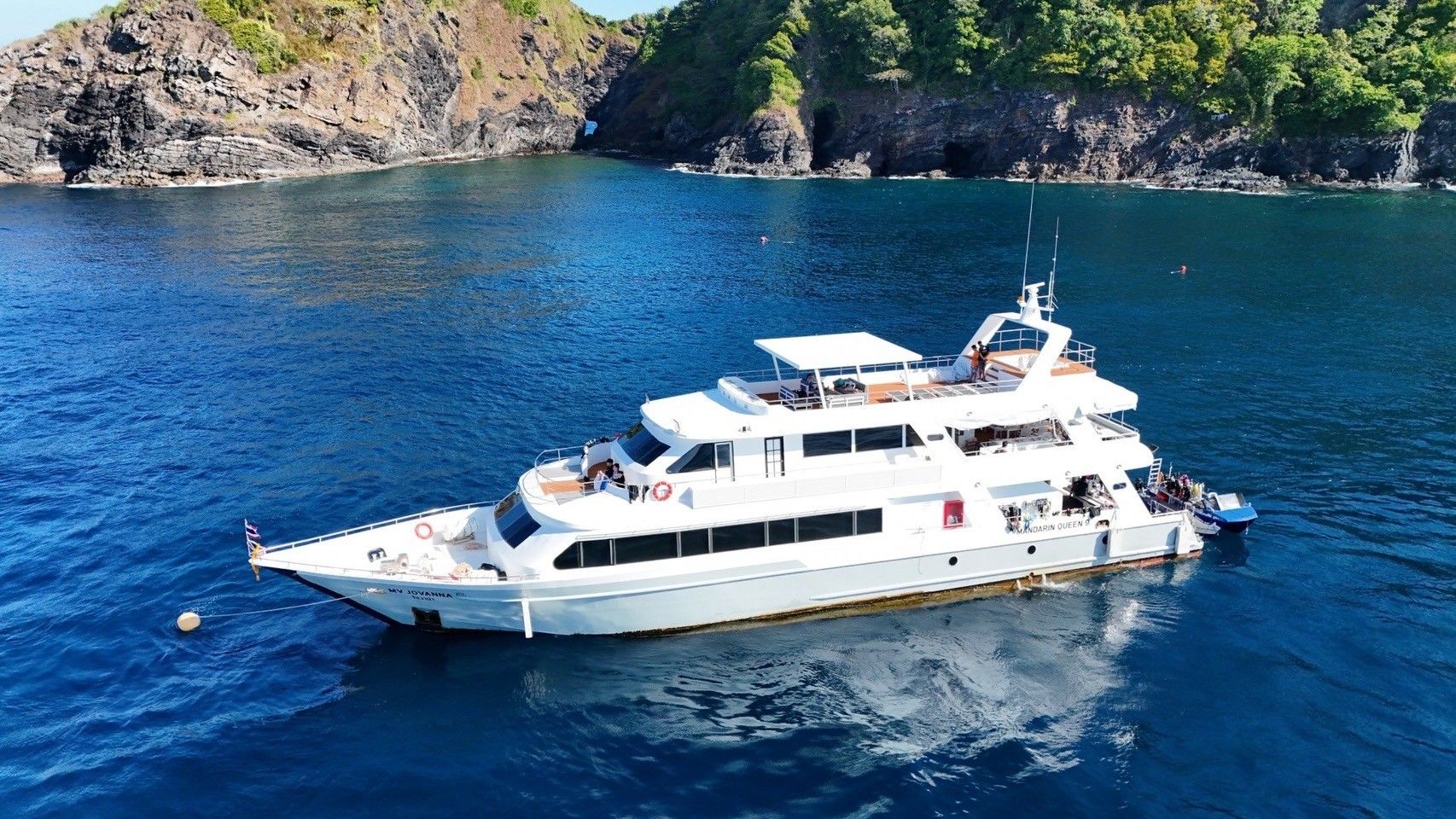
Mandarin Queen 9
Thailand
26 guests37.5 m
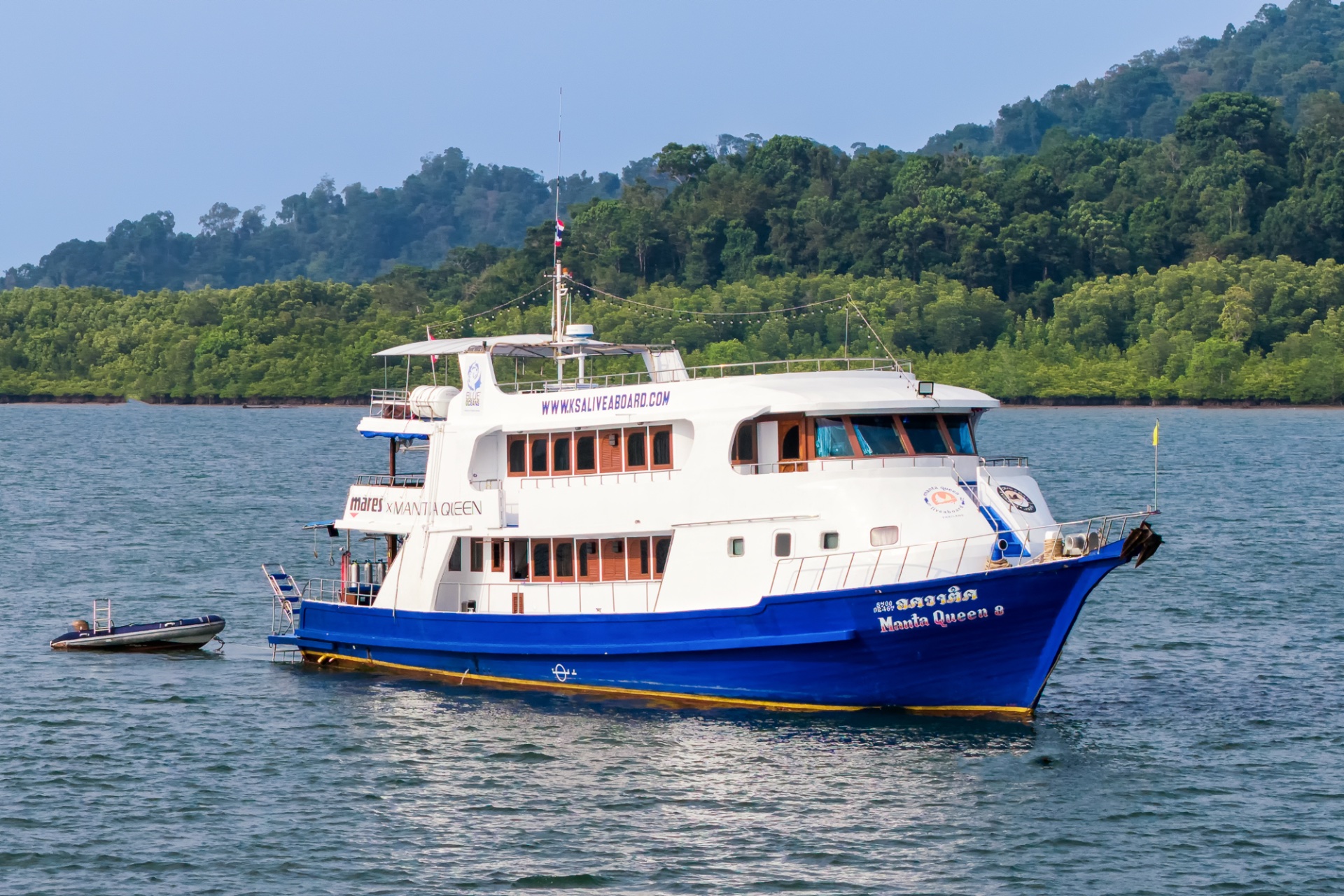
Manta Queen 8
Thailand
24 guests
$127/day
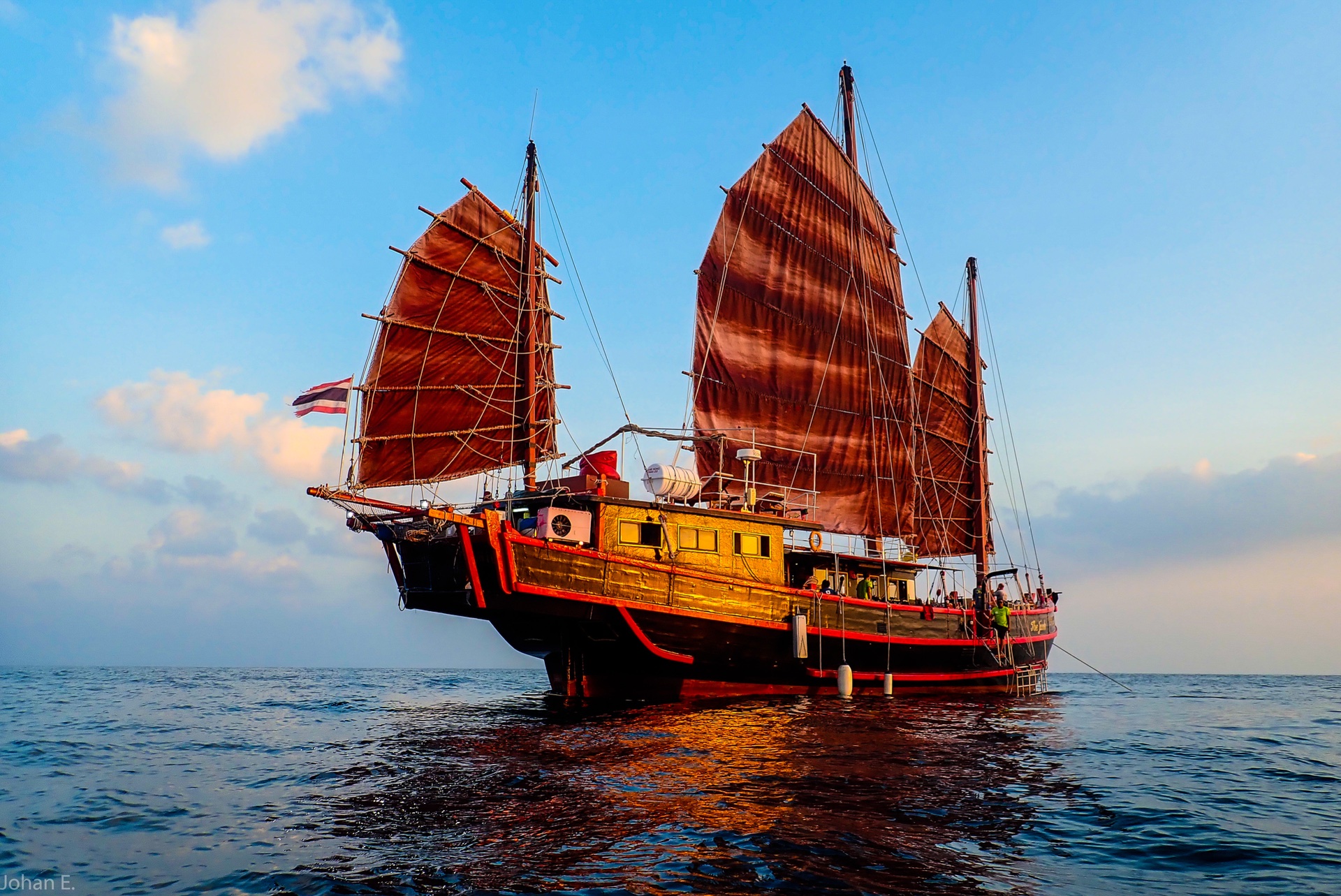
The Junk
Thailand
18 guests33 m
$163/day
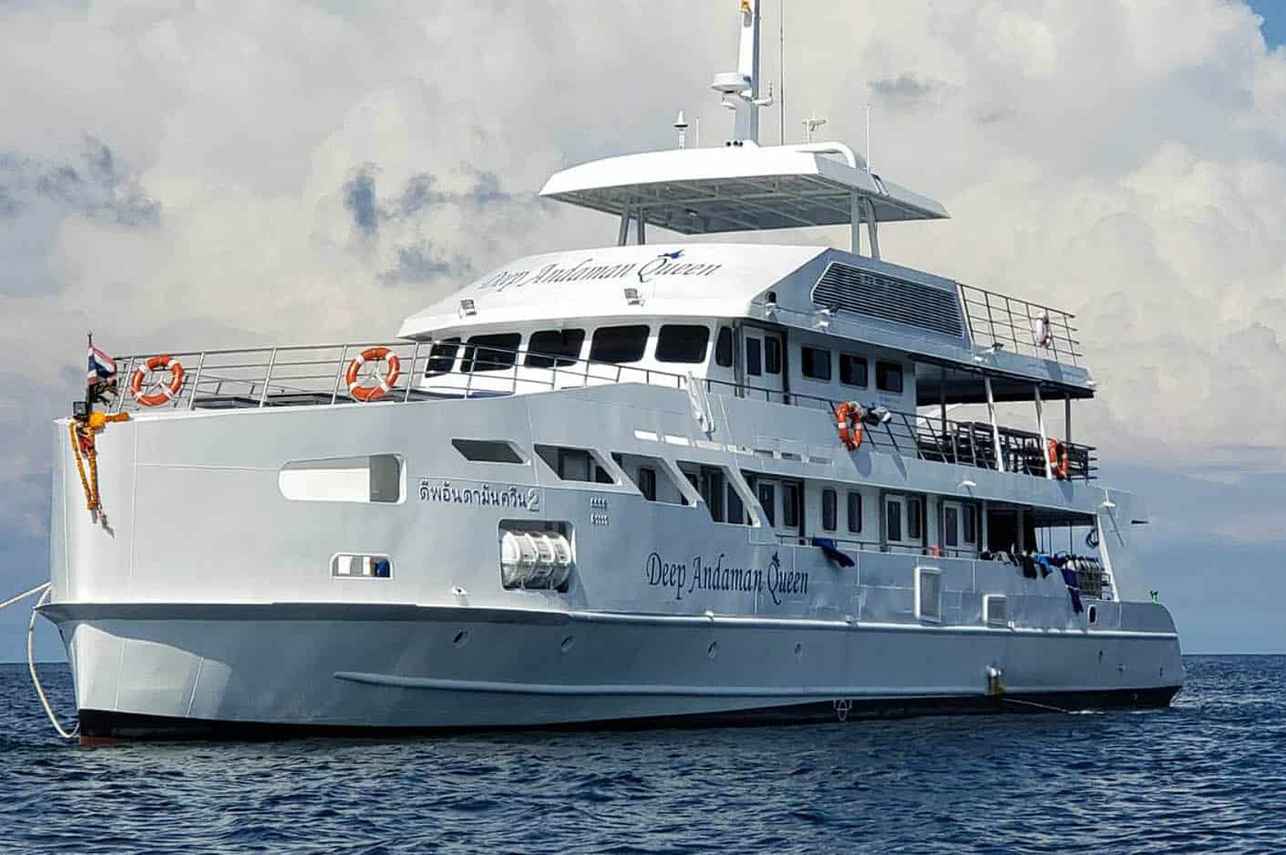
Deep Andaman Queen
Thailand
23 guests30.5 m
$194/day
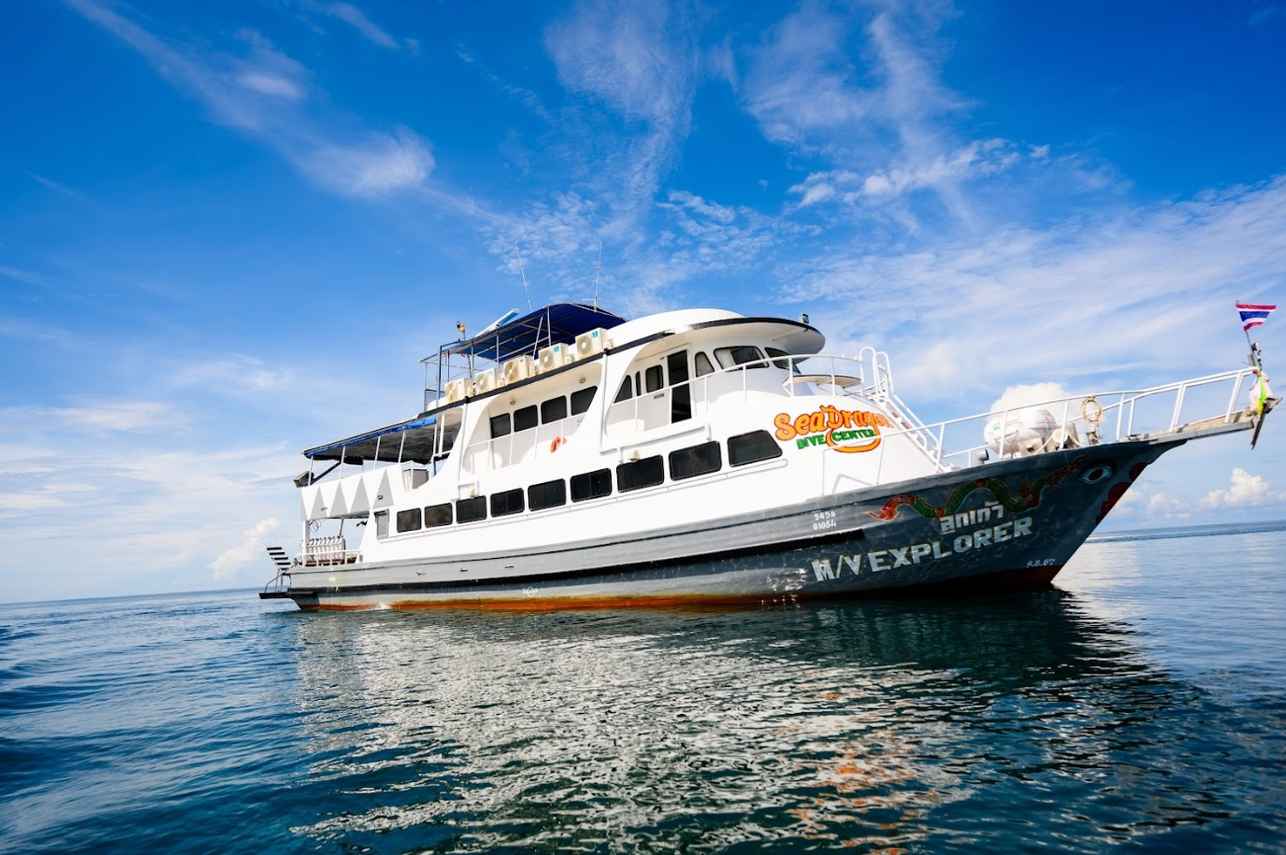
Explorer
Thailand
16 guests25 m
$150/day
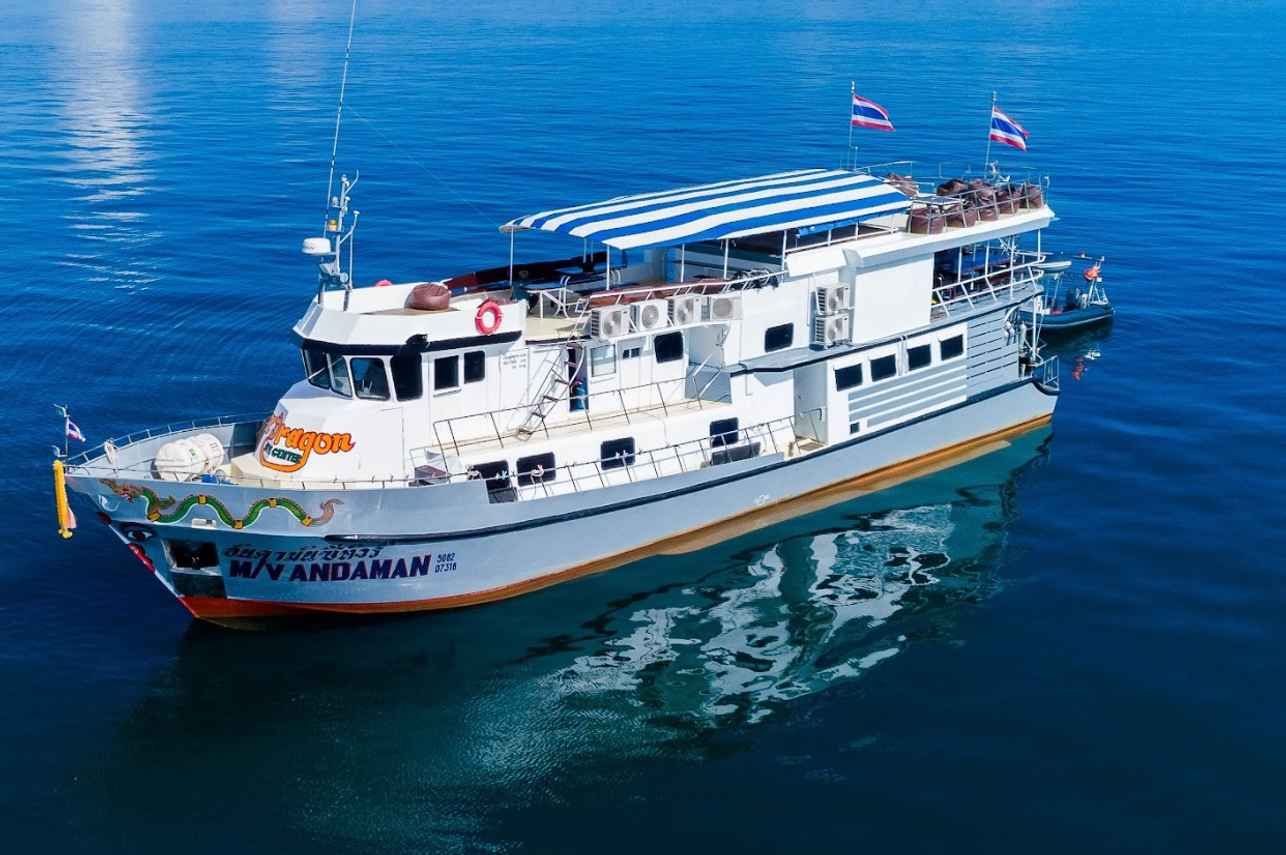
Andaman
Thailand
20 guests26 m
$108/day
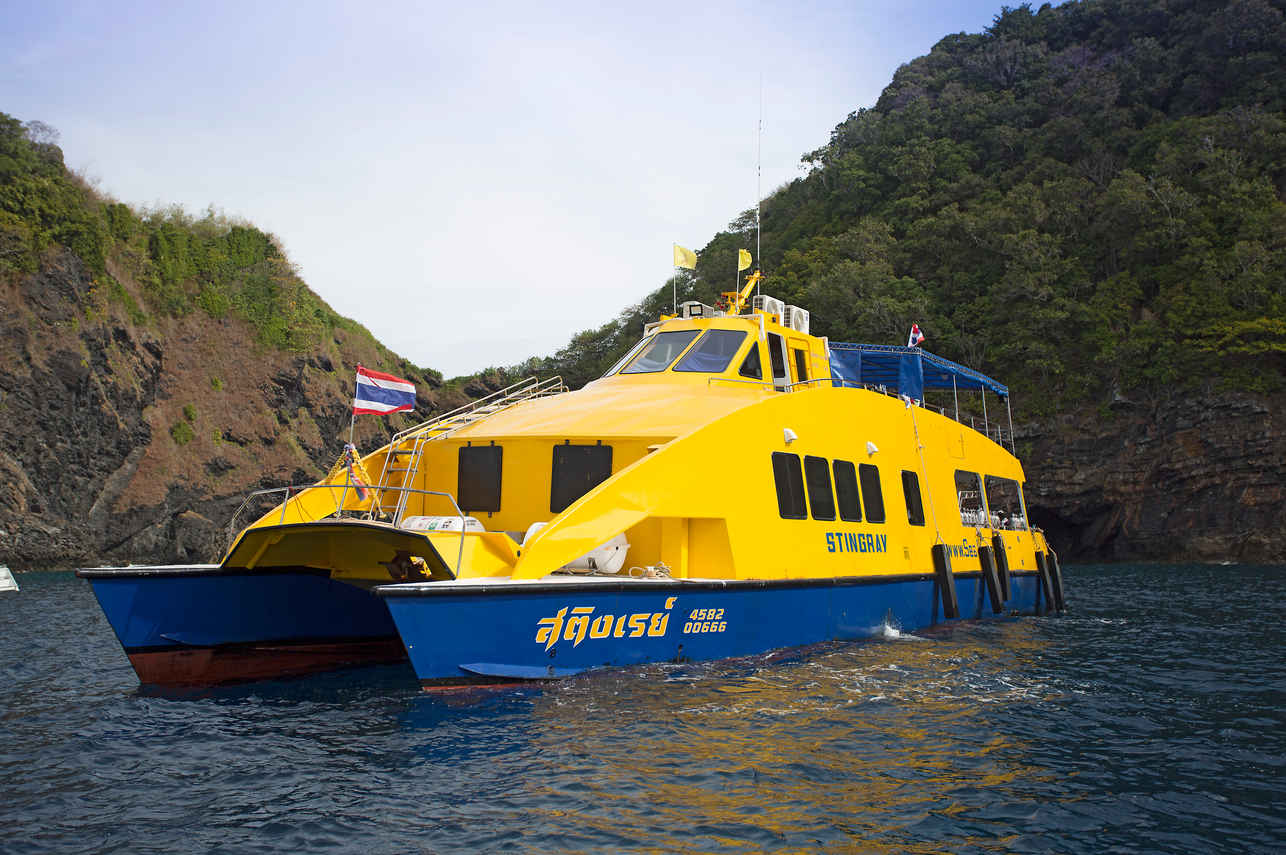
Stingray
Thailand
8 guests24 m
$245/day
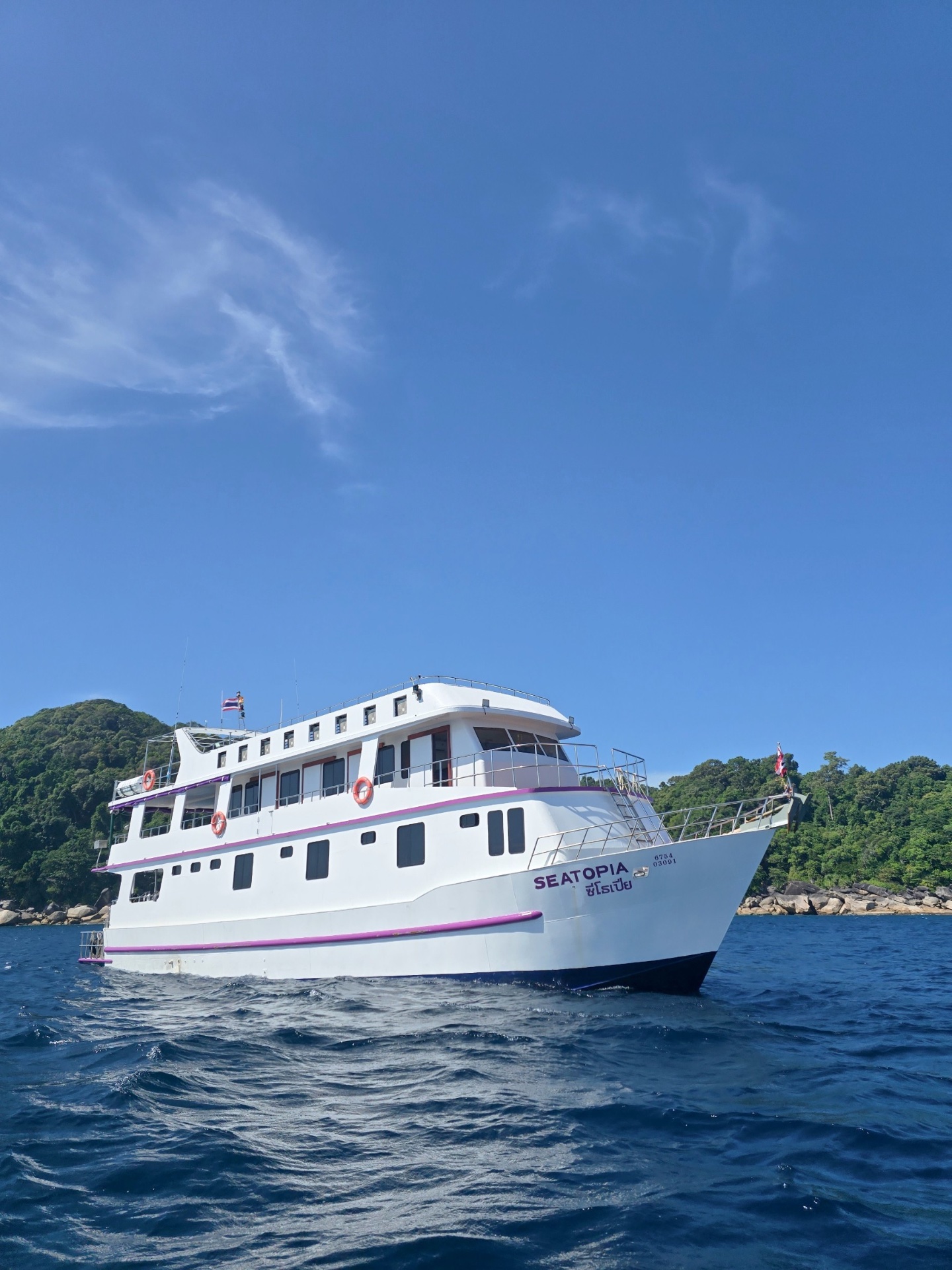
Seatopia
Thailand
24 guests24 m
Dive sites similar to King Cruiser Wreck
Same character, same waters — six more sites divers love for the exact same reasons.Compare seasons, access and liveaboard routes — then pick the site that fits your trip best.
© Esri — Maxar, Earthstar, GIS
Racha Yai — Bay 1
Thailand
Racha Yai Bay 1 is a highly sought-after dive destination located on the northeastern side of Racha Yai Island, south of Phuket.
- Suitable for
- Beginner
- Current
- Strong
- Access
- Liveaboard or dayboat
- Depth
- 5–25 m
- Theme
- Reef / Wreck
© Esri — Maxar, Earthstar, GIS
HTMS Sattakut Wreck
Thailand
The HTMS Sattakut Wreck is a 48-meter long, decommissioned U.S. Navy vessel deliberately sunk in 2011 to create an artificial reef near Koh Tao in the Gulf of Thailand.
- Suitable for
- Intermediate
- Current
- Mild
- Access
- Liveaboard or dayboat
- Depth
- 18–30 m
- Theme
- Wreck
© Esri — Maxar, Earthstar, GIS
HTMS Chang Wreck
Thailand
The HTMS Chang Wreck, an impressive artificial reef, is Thailand's largest purpose-sunk vessel, resting off the coast of Koh Chang in the Gulf of Thailand.
- Suitable for
- Advanced
- Current
- Ripping
- Access
- Liveaboard or dayboat
- Depth
- 12–30 m
- Theme
- Wreck
© Esri — Maxar, Earthstar, GIS
Beacon Reef
Thailand
Beacon Reef, sometimes referred to as Beacon Bay or Beacon Point, is a cherished dive site within Thailand's Similan Islands National Park.
- Suitable for
- Beginner
- Current
- Moderate
- Access
- Liveaboard or dayboat
- Depth
- 5–25 m
- Theme
- Reef / Wreck
Hin Raab is a prominent dive site located in the eastern Gulf of Thailand, near Koh Chang, offering an exceptional underwater experience with its rich coral biodiversity and thriving marine life.
- Suitable for
- Intermediate
- Current
- Moderate
- Access
- Dayboat
- Depth
- 5–22 m
- Theme
- Reef / Pinnacle
© Esri — Maxar, Earthstar, GIS
Christmas Point
Thailand
Christmas Point, located on Similan Island number 9 (Koh Ba-Ngu), stands out as one of the Similan Islands' most iconic dive sites.
- Suitable for
- Intermediate
- Current
- Strong
- Access
- Liveaboard or dayboat
- Depth
- 2–40 m
- Theme
- Pinnacle