About Theos Wreck
Theo's Wreck is the remains of the M/S Logona, a 228-foot cargo vessel originally built in Norway in 1954. Located about 1.5 miles off the coast of Grand Bahama Island, west of Silver Point, it was intentionally sunk in October 1982 to create an artificial reef. The wreck now lies on a sandy patch at approximately 105 feet, with its upper sections reaching a shallower depth of about 60 feet. This positioning on the edge of the continental shelf attracts a diverse array of marine life. While Hurricane Matthew reportedly caused some damage, twisting the stern, the bow remains intact, and the wreck continues to be a popular dive site. It is adorned with rich vegetation, sponges, and gorgonians, providing a vibrant habitat for numerous species. Divers can explore cutaways that lead into the cargo hold, revealing parts of the ship's history, such as a cat head winch. The site is known for its excellent visibility and minimal currents, making it accessible for divers to navigate around and within the wreck. Its depth profile, with both deeper and shallower sections, supports a variety of species, from schools of jacks to large moray eels and groupers. The proximity to deeper waters also means occasional sightings of pelagic life. Typically, Theo's Wreck is part of a two-tank dive trip, often paired with sites like Shark Alley or Moray Reef. It offers opportunities for both day and night dives, with its interior penetrations providing an exciting experience for those who explore it during daylight before venturing in at night.
Highlights
228-foot cargo vesselIntentionally sunk artificial reefAbundant sponges and gorgoniansCargo hold penetrationMassive propellersProximity to continental shelfExcellent visibilityDiverse marine inhabitants
Season calendar
Best months to dive here
Jan
Feb
Mar
Apr
May
Jun
Jul
Aug
Sep
Oct
Nov
Dec
Excellent
Good
Dive site facts: Theos Wreck
- Depth
- 20–33 m
- Typical dive
- 20–33 m, 30–60 min
- Current
- Minimal
- Visibility
- 16–30 m
- Water temperature
- 24–31°C
- Entry
- Boat from surface / buoy line descent
- Level
- Experienced recommended
- Dive type
- Wreck, artificial reef, marine life
- Night dive
- Possible
- Region / port
- Grand Bahama Island
- Coordinates
- 26.47, -78.75
Conditions & Currents
Currents at Theo's Wreck are generally minimal, contributing to excellent visibility that often allows divers to see the wreck from the surface upon descent. This calm environment makes for a comfortable dive experience, even for those with less current-diving experience. Entry is typically a giant stride from a moored boat, with a descent line guiding divers down to the wreck. Exiting involves ascending back up the line to the boat. Surge is not a significant factor at this site due to its depth. Visibility can reach up to 30 meters or more, providing clear views of the wreck and marine life, although heavy rainfall in the wet season might slightly reduce it in nearshore environments. Thermoclines are generally not a prominent feature, but water temperatures do vary seasonally. Divers should monitor air consumption closely, as the depth can lead to faster gas usage.
Marine life & sighting chances
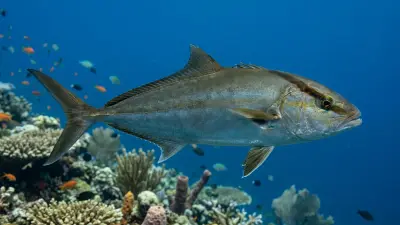
Jacks
common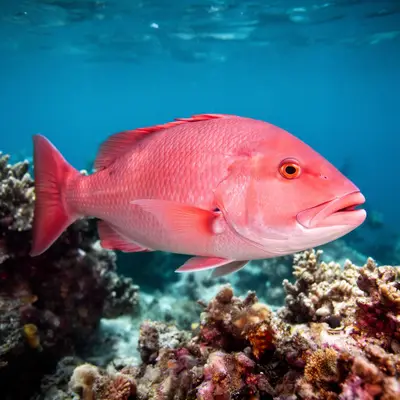
Snapper
common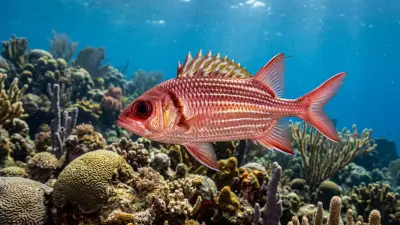
Squirrelfish
common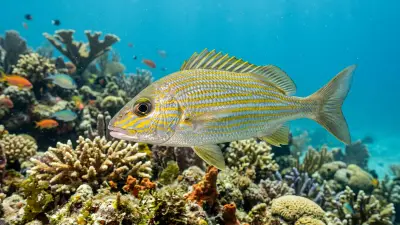
Grunts
common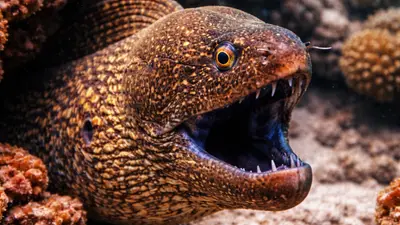
Green Moray Eel
common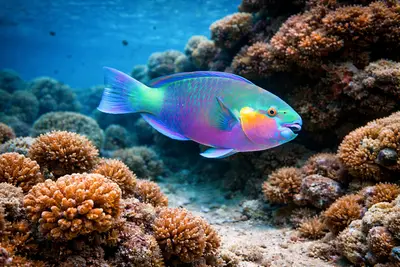
Parrotfish
common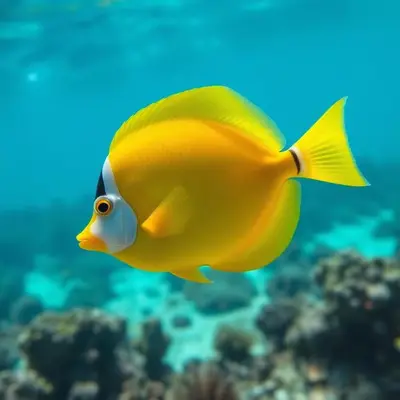
Surgeonfish
common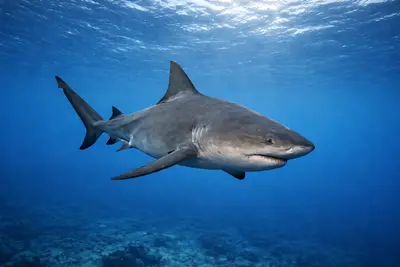
Sharks
occasional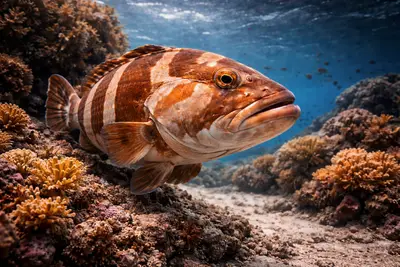
Nassau Grouper
occasional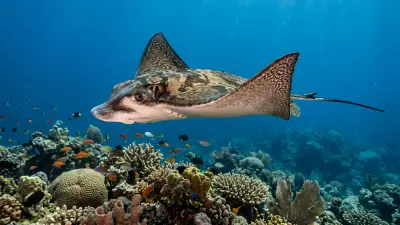
Rays
occasional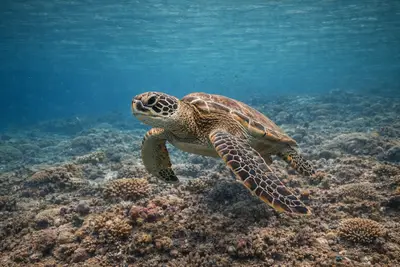
Turtles
occasional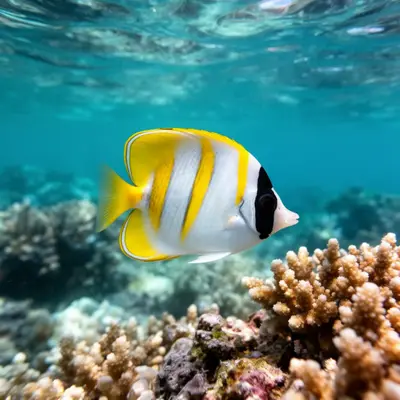
Butterflyfish
commonGargantuan Jewfish
rareDive profile & how the dive runs
Your dive at Theo's Wreck typically begins with a descent down a mooring line attached to the wreck's bow. As you descend, the M/S Logona, now Theo's Wreck, slowly comes into view, appearing massive in the clear water. The wreck rests on its port side, with the bow mostly intact. Divers often begin exploring the upper sections of the wreck, around 20 meters, which are heavily encrusted with corals and sponges. From there, you can navigate towards the stern, observing the vibrant marine life inhabiting the ship's structure. Several cutaways allow for penetration into the cargo hold, where you might encounter resident green morays and old ship machinery like a cat head winch. Maintain awareness of your air consumption due to the depth, especially when exploring interior sections. The stern, while twisted from hurricane damage, still presents interesting features, including the ship's massive propellers, one of which is partially buried in the sand. The turnaround point is often determined by air supply, allowing sufficient time for a slow ascent and a safety stop along the mooring line or in the shallower parts of the wreck. Keep an eye out into the blue for potential pelagic sightings attracted by the nearby continental shelf drop-off.
Underwater photography
Theo's Wreck offers excellent opportunities for wide-angle photography, capturing the imposing scale of the 228-foot cargo vessel and its transformation into an artificial reef. A fisheye lens is ideal for showcasing the entire structure, especially the intact bow and the massive propellers. Given the wreck's depth (down to 33m), strobes are essential to bring out the vibrant orange sponges, gorgonians, and other colorful encrusting life that cover the hull. For interior shots within the cargo hold, a powerful video light or multiple strobes will help illuminate the darker areas and highlight the historical elements like the cat head winch. Maintaining excellent buoyancy control is crucial to avoid disturbing the silty bottom inside the wreck and to protect the delicate marine growth on its exterior. When photographing marine life such as the resident green moray eels or schooling fish, approach slowly and respectfully to capture natural behaviors without stress. The clear Bahamian waters mean ambient light can reach considerable depths, but strobes will ensure true color rendition.
Combine with nearby dive sites
Getting there & logistics
Access to Theo's Wreck typically begins by flying into Freeport Grand Bahama International Airport (FPO). From there, local dive operators, such as UNEXSO or Grand Bahamas Scuba, provide day trips to the site. Trips often depart from Freeport and are commonly part of a two-tank dive, combining Theo's Wreck with another nearby site like Shark Alley or Moray Reef. Liveaboard itineraries operating out of Freeport may also include Theo's Wreck, offering multi-day diving experiences across the region. It's recommended to arrive in the Bahamas at least one day prior to your dive trip to ensure you are well-rested. While permits are not generally required for diving Theo's Wreck, specific shark diving excursions, if combined, might incur additional costs or require specialized briefings. Ensure your passport has at least six months of validity beyond your intended stay.
Safety & environment
Diving Theo's Wreck requires adherence to standard safety protocols and an awareness of the site's characteristics. The nearest recompression chamber is located in Freeport on Grand Bahama Island, which is the primary departure point for dives to this wreck. In case of a dive emergency, evacuation would typically involve transport by boat back to Freeport, followed by land transport to the medical facility. Divers are strongly advised to have comprehensive dive insurance that covers emergency medical treatment and evacuation. Site-specific hazards include the wreck's depth, which necessitates careful air management, especially when exploring interior sections. Although currents are usually minimal, always be prepared for potential changes. Penetration into the wreck should only be undertaken by appropriately trained and equipped divers, following strict wreck diving guidelines to prevent entanglement or disorientation. Always dive with a buddy and follow your dive guide's instructions.
Who it suits — and who it doesn't
Suited for
- Experienced wreck divers
- Underwater photographers seeking large subjects
- Divers interested in artificial reef ecosystems
- Divers comfortable with depths down to 33 meters
- Those looking for minimal current conditions
Less suited for
- Beginner divers without wreck or deep dive experience
- Divers prone to narcosis at depth
- Those uncomfortable with enclosed spaces (for penetration)
- Individuals without adequate dive insurance
FAQ
Theos Wreck FAQ
What is the history of Theo's Wreck?
Theo's Wreck was originally the M/S Logona, a 228-foot Norwegian cargo vessel built in 1954. After being used by the Bahama Cement Company, it was intentionally sunk in October 1982 to create an artificial reef and diving attraction, rather than being decommissioned in deep international waters. It was named after Thanassis Galanopoulous, an engineer and scuba enthusiast who suggested sinking the vessel in shallower waters.
How deep is Theo's Wreck and what is its condition?
The wreck rests on a sandy bottom at approximately 33 meters (105 feet), with its upper sections accessible at about 20 meters (60 feet). While Hurricane Matthew in 2016 reportedly twisted the stern, the bow remains intact. The wreck is largely covered in vibrant marine growth, including sponges and corals, and offers several cutaways for interior exploration into the cargo hold.
What marine life can I expect to see at Theo's Wreck?
Theo's Wreck is a thriving artificial reef, home to a variety of marine species. You can commonly spot large schools of jacks, snapper, squirrelfish, and grunts. Green moray eels are frequently seen peeking from crevices, and parrotfish and surgeonfish are abundant. Occasional sightings of Nassau groupers, rays, turtles, and even sharks are possible, especially due to its proximity to the continental shelf.
Can I penetrate Theo's Wreck?
Yes, Theo's Wreck offers several cutaways that allow divers to penetrate the interior, notably into the cargo hold. These access points were created specifically for diver entry. However, wreck penetration should only be attempted by divers with appropriate training, experience, and equipment for overhead environments, always adhering to safe wreck diving practices.
Is Theo's Wreck suitable for beginner divers?
Theo's Wreck is generally recommended for experienced divers due to its depth, reaching over 30 meters. While currents are usually minimal and visibility is excellent, the depth and the option for wreck penetration require advanced skills and careful air management. Beginner divers might find the depth challenging and should ideally gain more experience before visiting this site.
What kind of photography is best at Theo's Wreck?
Wide-angle photography is excellent at Theo's Wreck to capture the sheer size of the vessel and its transformation into a vibrant artificial reef. You can showcase the intact bow, the massive propellers, and the extensive coral growth. Given the depth, external strobes are highly recommended to restore natural colors. For interior shots, additional lighting will be necessary.
Why dive Theos Wreck from a liveaboard?
Theos Wreck is one of Bahamas's signature dive sites. A liveaboard sleeps you on the water and puts you in the water for three to four guided dives per day, including dawn and night dives that day-boat operators rarely offer. You skip the daily commute back to port and reach quieter, less-crowded sites in the same region on a single trip.
Below are the liveaboards that include Theos Wreck on their Bahamas itineraries.
Liveaboards diving Theos Wreck
These liveaboards may visit Theos Wreck on selected itineraries — the exact dive sites depend on departure, weather and conditions.
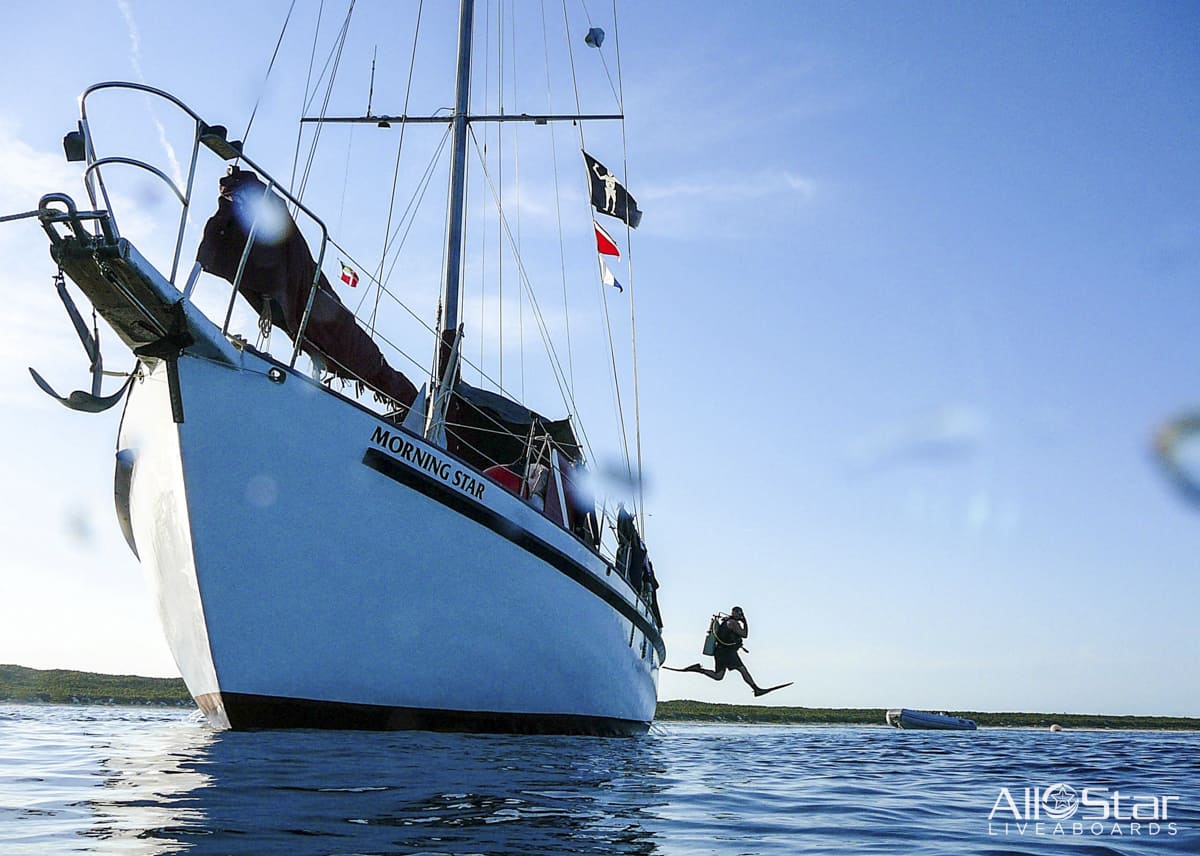
All Star Blackbeards Morning Star
Bahamas
24 guests19.81 m
$156/day
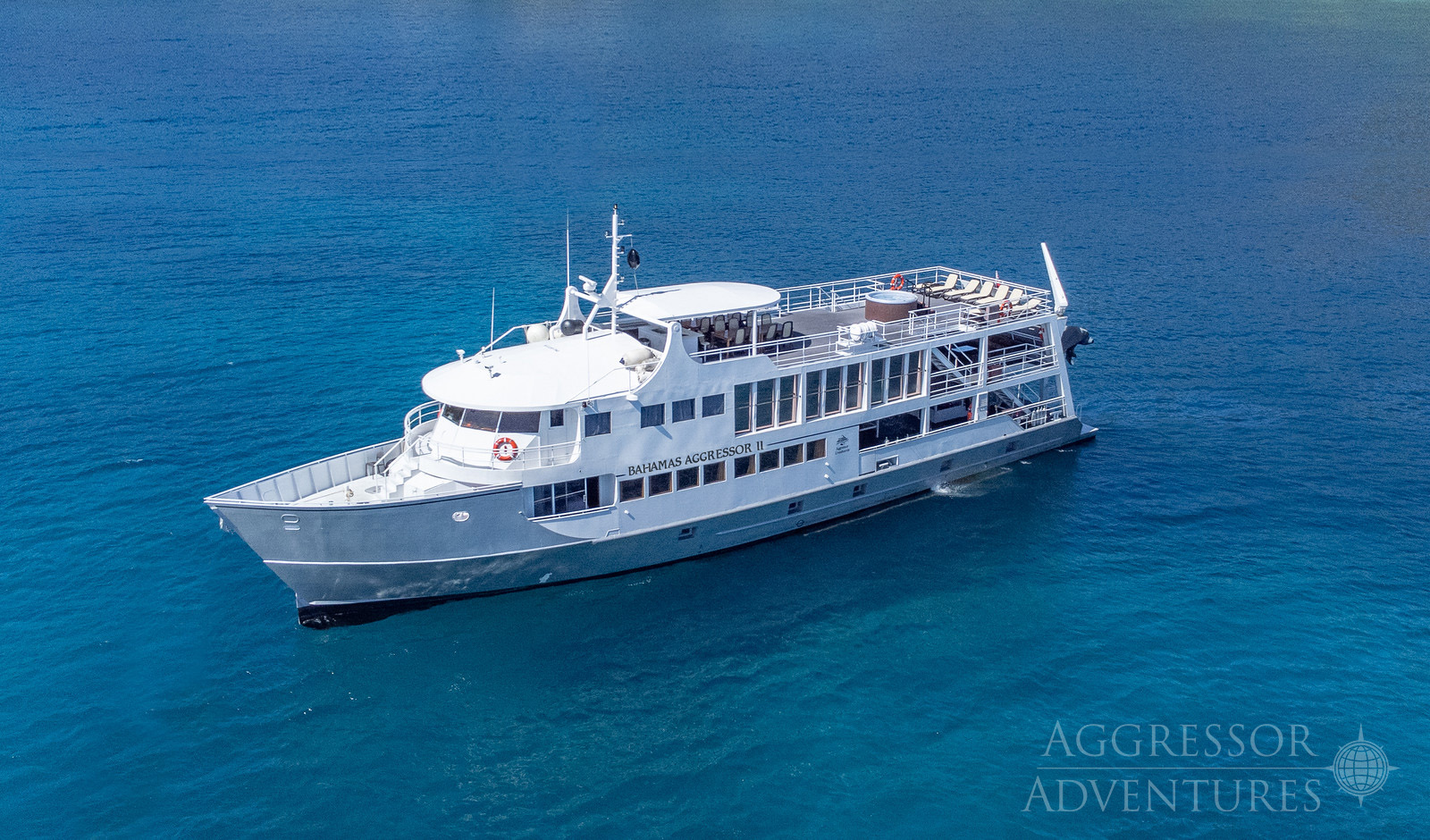
Bahamas Aggressor II
Bahamas
20 guests33.5 m
$328/day
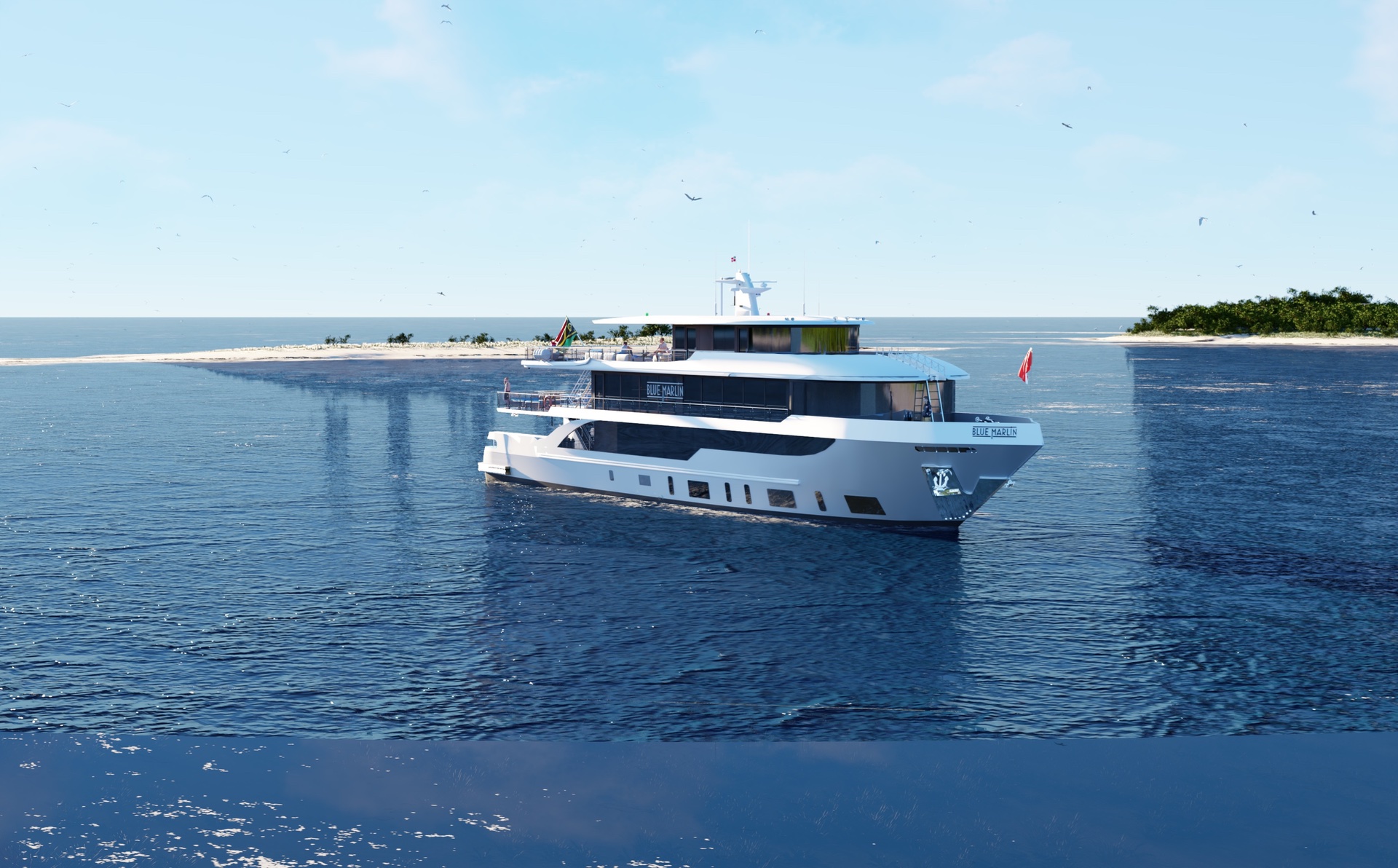
Blue Marlin
Bahamas
26 guests42 m
$318/day
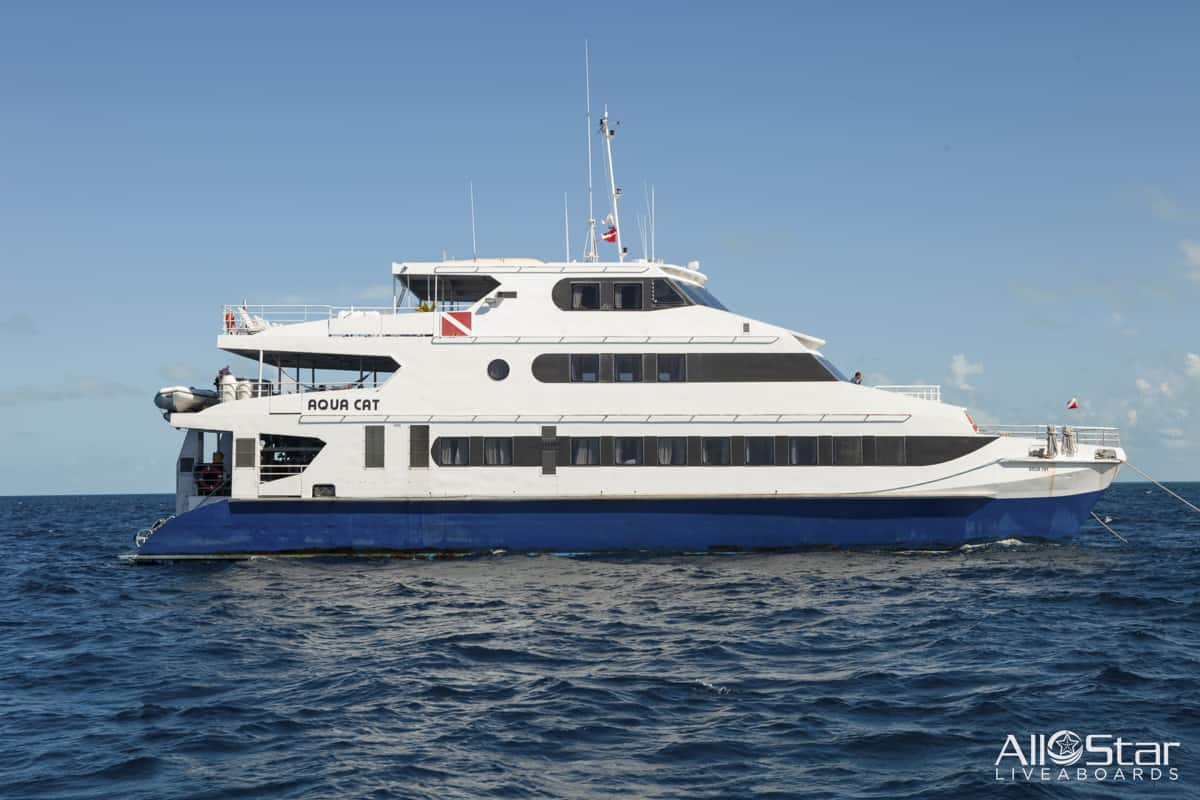
All Star Aqua Cat
Bahamas
30 guests31.09 m
$312/day
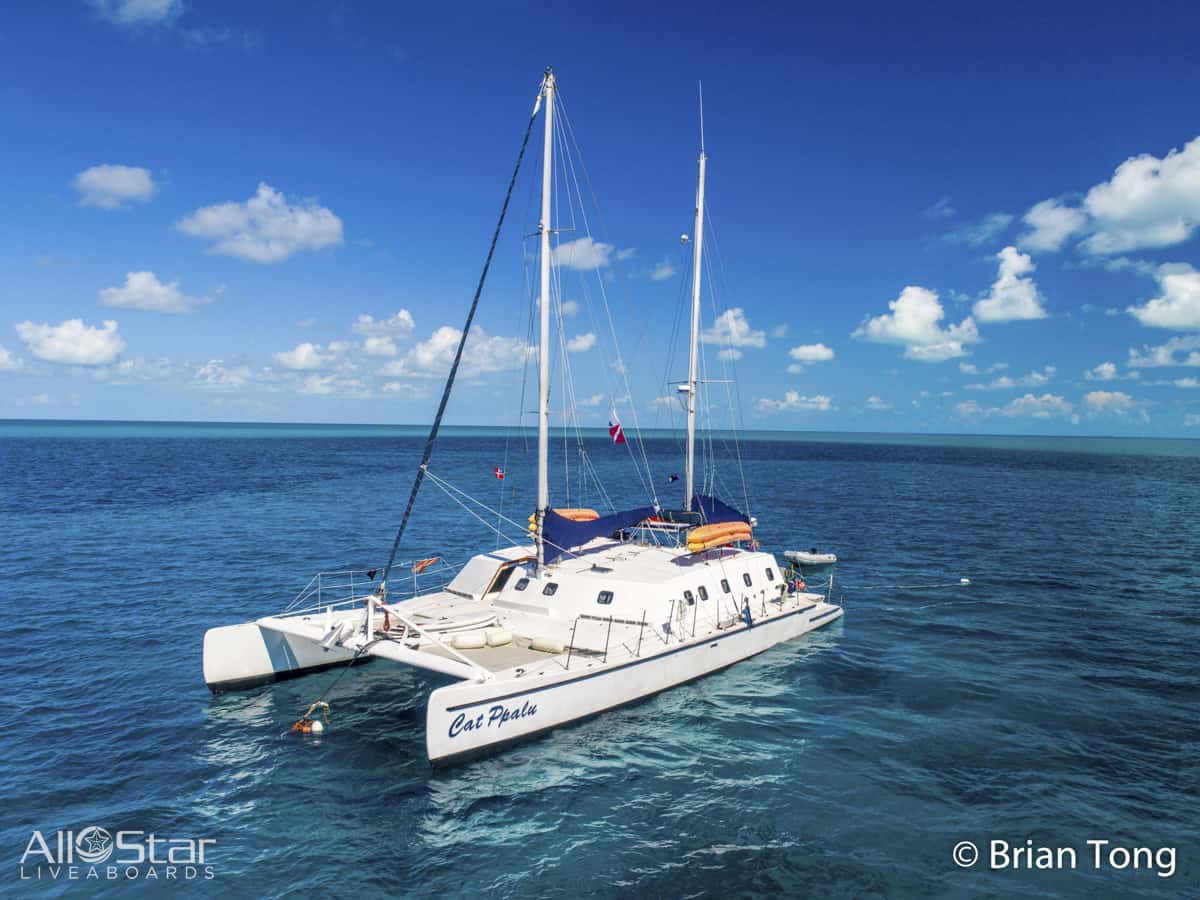
All Star Cat Ppalu
Bahamas
12 guests20 m
$237/day
Dive sites similar to Theos Wreck
Same character, same waters — six more sites divers love for the exact same reasons.Compare seasons, access and liveaboard routes — then pick the site that fits your trip best.
The Bimini Barge
Bahamas
The Bimini Barge is a prominent wreck dive located on the extreme northwestern edge of the Great Bahama Bank, just a short distance from the deep wall and the powerful Gulf Stream currents.
- Suitable for
- Intermediate
- Current
- Moderate
- Access
- Liveaboard or dayboat
- Depth
- 30–30 m
- Theme
- Wreck / Drift
Austin Smith Wreck
Bahamas
The Austin Smith Wreck, originally named HMBS Flamingo, was a 90-foot Bahamian Defense Force cutter that was decommissioned in 1995. Intended for use as an artificial reef, it…
- Suitable for
- Intermediate
- Current
- Moderate
- Access
- Liveaboard only
- Depth
- 18–18 m
- Theme
- Wreck / Reef
Twin Sister Wrecks
Bahamas
The Twin Sister Wrecks offer a compelling paired wreck dive experience off New Providence, presenting two small tanker hulls that rest at differing depths.
- Suitable for
- Intermediate
- Current
- Mild
- Access
- Dayboat
- Depth
- 13–30 m
- Theme
- Wreck
Vanaheim
Bahamas
The Vanaheim is a captivating wreck dive located off North Eleuthera, an island chain celebrated for its diverse underwater landscapes.
- Suitable for
- Beginner
- Current
- Mild
- Access
- Dayboat
- Depth
- 8–10 m
- Theme
- Wreck / Reef
Carnarvon
Bahamas
The Carnarvon is a prominent wreck site located on the infamous Devil's Backbone, a shallow, rocky reef stretching along the northern coast of Eleuthera.
- Suitable for
- Beginner
- Current
- Mild
- Access
- Dayboat
- Depth
- 7–8 m
- Theme
- Wreck / Reef
Cobia Cage
Bahamas
The Cobia Cage off Eleuthera in the Bahamas presents a truly unique underwater landscape.
- Suitable for
- Beginner
- Current
- No current
- Access
- Liveaboard only
- Depth
- 15–27 m
- Theme
- Wreck