About Sapona Wreck
The SS Sapona, a concrete-hulled cargo steamer, offers a unique and accessible wreck diving experience off the coast of Bimini. This historic vessel ran aground during a hurricane in 1926 and later served as a target for military bombing practice during WWII, leaving a fascinating and partially exposed structure to explore. Its shallow depth of 4.5 to 6 meters makes it ideal for divers of all levels, snorkelers, and even visible from the surface. The wreck's structure is surprisingly intact, with broken hull sections and old storage rooms still identifiable. Over the decades, the Sapona has transformed into a vibrant artificial reef, heavily encrusted with corals and sponges, supporting a diverse array of marine life. Schools of grunts and soldierfish now congregate around its various compartments, while nurse sharks often seek shelter beneath its hull. Positioned in the clear, warm waters of Bimini, the Sapona benefits from excellent visibility typical of the region, often exceeding 24 meters. Its calm, shallow environment makes for relaxed exploration, contrasting with the dramatic history it holds. This site not only provides an exciting dive but also serves as a historical landmark. For divers, the SS Sapona is a photogenic playground, allowing for easy penetration into some sections and close-up encounters with resident marine species. Its accessibility and historical significance firmly place it among the top wreck dives in the Caribbean, appealing to anyone from novice divers to experienced wreck enthusiasts and underwater photographers.
Highlights
Concrete-hulled cargo steamerShallow water wreck (4.5–6 m)WWII bombing targetRum-running historyAbundant fish schoolsNurse shark sightingsAccessible swim-throughsExcellent for photographers
Season calendar
Best months to dive here
Jan
Feb
Mar
Apr
May
Jun
Jul
Aug
Sep
Oct
Nov
Dec
Excellent
Good
Dive site facts: Sapona Wreck
- Depth
- 4.5–6 m
- Typical dive
- 4.5–6 m, 45–60 min
- Current
- Mild to none
- Visibility
- 24–30 m
- Water temperature
- 24–30°C
- Entry
- Boat
- Level
- Beginner to Advanced
- Dive type
- Wreck, Artificial Reef, Snorkel
- Night dive
- Possible
- Region / port
- Bimini, Bahamas
- Coordinates
- 25.6513, -79.2936
Conditions & Currents
The SS Sapona Wreck generally experiences mild currents due to its shallow, sheltered location. Visibility is consistently excellent, often ranging from 24 to 30 meters, as the Gulf Stream's influence keeps the water clear. Divers can expect comfortable water temperatures, from 24°C in winter to 30°C in summer, making thermoclines unlikely at this shallow depth. Entry and exit are typically easy boat entries, with no specific surge issues to note. These conditions make the site suitable for all certification levels, including beginners and snorkelers, without requiring advanced current experience or special gas planning beyond standard no-decompression limits.
Marine life & sighting chances
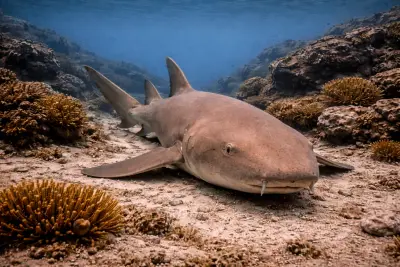
Nurse Shark
Year-round · common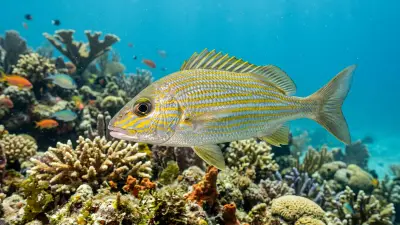
Grunt
Year-round · common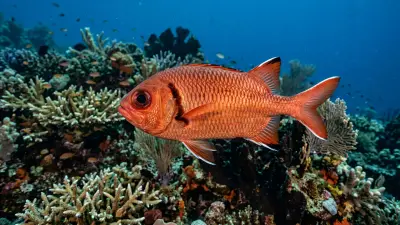
Soldierfish
Year-round · common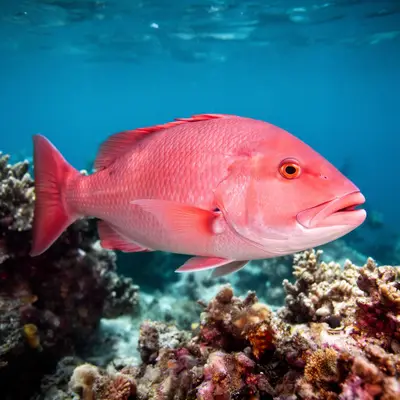
Schoolmaster Snapper
Year-round · common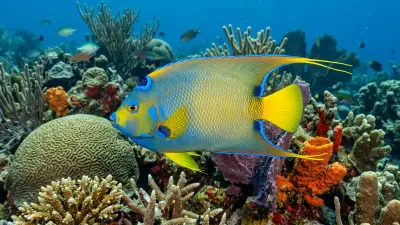
Queen Angelfish
Year-round · occasional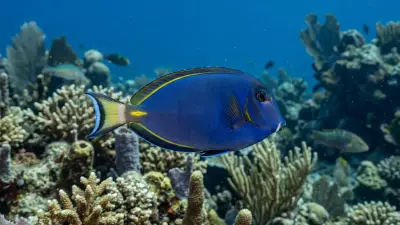
Blue Tang
Year-round · occasional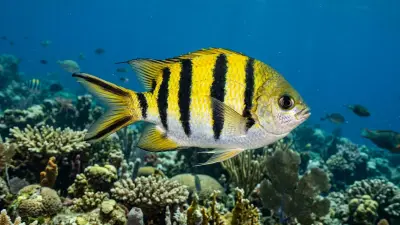
Sergeant Major
Year-round · common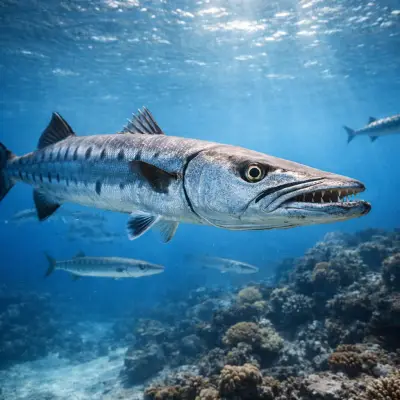
Barracuda
Year-round · occasional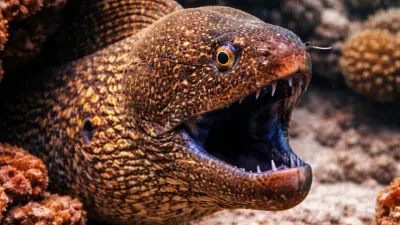
Green Moray Eel
Year-round · occasional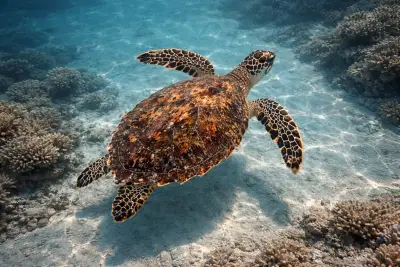
Hawksbill Turtle
Year-round · occasionalDive profile & how the dive runs
A typical dive on the SS Sapona Wreck begins with a short boat ride from Bimini. The wreck is so shallow that much of it is visible from the surface, allowing for an easy entry, often a giant stride, directly onto or next to the wreck. Divers will spend the entire dive exploring the various sections of the concrete hull, which rests in 4.5 to 6 meters of water. You can swim through broken hull sections, peer into former storage rooms, and observe the extensive marine growth that has colonized the vessel. The dive usually involves circling the wreck, paying close attention to schools of grunts and soldierfish that inhabit its nooks and crannies, and looking for resting nurse sharks beneath the stern. Given the shallow depth, bottom times are long, often 45-60 minutes, allowing for thorough exploration without depth limitations. The safety stop is naturally integrated into the entire dive profile as the wreck itself is well within safety stop depths.
Underwater photography
The SS Sapona Wreck is a photographer's dream due to its shallow depth, excellent visibility, and striking silhouette. For wide-angle shots, a fisheye lens is ideal to capture the grandeur of the wreck against the clear blue water, especially with the partial emergence of the ship above the surface. Natural light is abundant, but strobes will help bring out the vibrant colors of the coral growth and schooling fish. For tighter shots of nurse sharks, grunts, and soldierfish hiding in the wreck's crevices, a standard port and wide-angle lens, or even a macro lens, can be effective. Buoyancy control is crucial, especially when maneuvering inside the hull sections, to avoid stirring up sand and maintaining respect for the fragile marine life. Due to the shallow nature, ambient light photography is often sufficient, but strobes provide superior color rendition.
Combine with nearby dive sites
- Bimini Barge
A deeper wreck for advanced divers with potential currents.
- Victory Reef
A sloping wall with pelagic action, including hammerheads and tuna.
- Bull Run
A drift dive known for larger marine life and stronger currents.
- Bimini Road
A mysterious limestone formation in shallow water, often linked to Atlantis legends.
- Turtle Rocks
Three rock formations attracting spotted eagle rays and sharks.
Getting there & logistics
Diving the SS Sapona Wreck is typically part of a dive package from Bimini, which is easily accessible from South Florida. Flights arrive at South Bimini Airport (BIM), with connections often through Miami (MIA) or Fort Lauderdale (FLL). Liveaboards and land-based operators depart from various ports in Bimini. Day trips to the Sapona are common, often combined with other shallow reef dives or shark encounters in the Bimini area. No specific permits are generally required for recreational diving at the Sapona Wreck, with fees usually covered by dive operator packages. Travelers should plan to arrive at least one day prior to any liveaboard departure to ensure a relaxed start to their trip.
Safety & environment
Bimini has established dive operations that prioritize safety. While the SS Sapona Wreck is a shallow dive, all divers should adhere to standard safety protocols, including buddy diving and respecting depth limits. There is no recompression chamber directly on Bimini; the nearest medical facilities with hyperbaric chambers are typically in Florida, necessitating medical evacuation in case of a serious dive emergency. Therefore, comprehensive dive insurance covering medical treatment and evacuation is highly recommended. Divers should maintain neutral buoyancy to avoid contact with the wreck's structure or marine life and should never penetrate sections if not properly trained or if the conditions are unsafe. Always follow your dive guide's instructions and stay hydrated.
Who it suits — and who it doesn't
Suited for
- Beginner divers
- Snorkelers
- Underwater photographers
- Wreck enthusiasts
- Families with young divers
- History buffs
Less suited for
- Divers seeking deep, challenging wreck penetrations
- Divers looking for strong currents and pelagic action
- Divers preferring pristine, untouched coral reefs
- Those who dislike shallow water diving
FAQ
Sapona Wreck FAQ
What is the history of the SS Sapona Wreck?
The SS Sapona was a concrete-hulled cargo steamer built in 1911. It ran aground during a hurricane in 1926 off Bimini. Following its grounding, the wreck was used as a rum-running depot during Prohibition and later as a target for bombing practice by the US military during World War II.
How deep is the SS Sapona Wreck?
The SS Sapona Wreck sits in very shallow water, typically ranging from 4.5 to 6 meters (15 to 20 feet). This makes it an ideal site for beginner divers, snorkelers, and even visible from the surface. Its shallow depth allows for extended bottom times and excellent natural light.
What marine life can be seen at the Sapona Wreck?
The Sapona Wreck has become a thriving artificial reef system. Divers commonly encounter large schools of grunts and soldierfish, various reef fish, and nurse sharks resting beneath the wreck's hull. The structure is also encrusted with a variety of corals and sponges.
Is the SS Sapona Wreck suitable for snorkelers?
Yes, the SS Sapona Wreck is exceptionally suitable for snorkelers. Its very shallow depth means much of the wreck is just beneath the surface, making it easily visible and accessible. Snorkelers can clearly see the structure and observe abundant marine life without needing to dive deep.
Can you penetrate the SS Sapona Wreck?
While parts of the wreck are broken, allowing for swims through hull sections and into former storage rooms, caution should be exercised. Many sections are open and accessible due to damage, making for interesting exploration. However, divers should only attempt penetration within their training limits and with appropriate guidance.
What kind of currents can be expected at the Sapona Wreck?
The SS Sapona Wreck is generally known for mild to no currents. Its relatively sheltered, shallow position typically protects it from stronger flows. This makes for a relaxed dive experience, suitable for divers of all experience levels, including those less comfortable with strong water movement.
Why dive Sapona Wreck from a liveaboard?
Sapona Wreck is one of Bahamas's signature dive sites. A liveaboard sleeps you on the water and puts you in the water for three to four guided dives per day, including dawn and night dives that day-boat operators rarely offer. You skip the daily commute back to port and reach quieter, less-crowded sites in the same region on a single trip.
Below are the liveaboards that include Sapona Wreck on their Bahamas itineraries.
Liveaboards diving Sapona Wreck
These liveaboards may visit Sapona Wreck on selected itineraries — the exact dive sites depend on departure, weather and conditions.
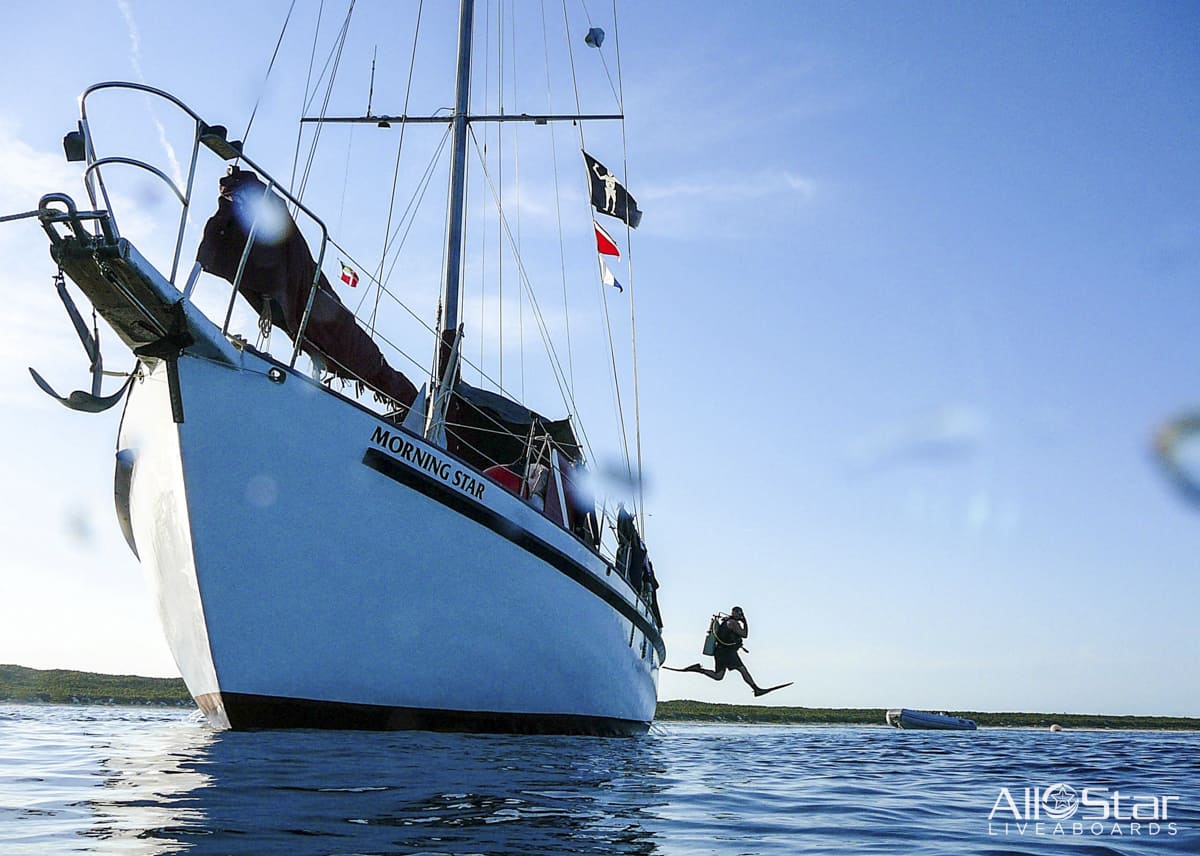
All Star Blackbeards Morning Star
Bahamas
24 guests19.81 m
$156/day
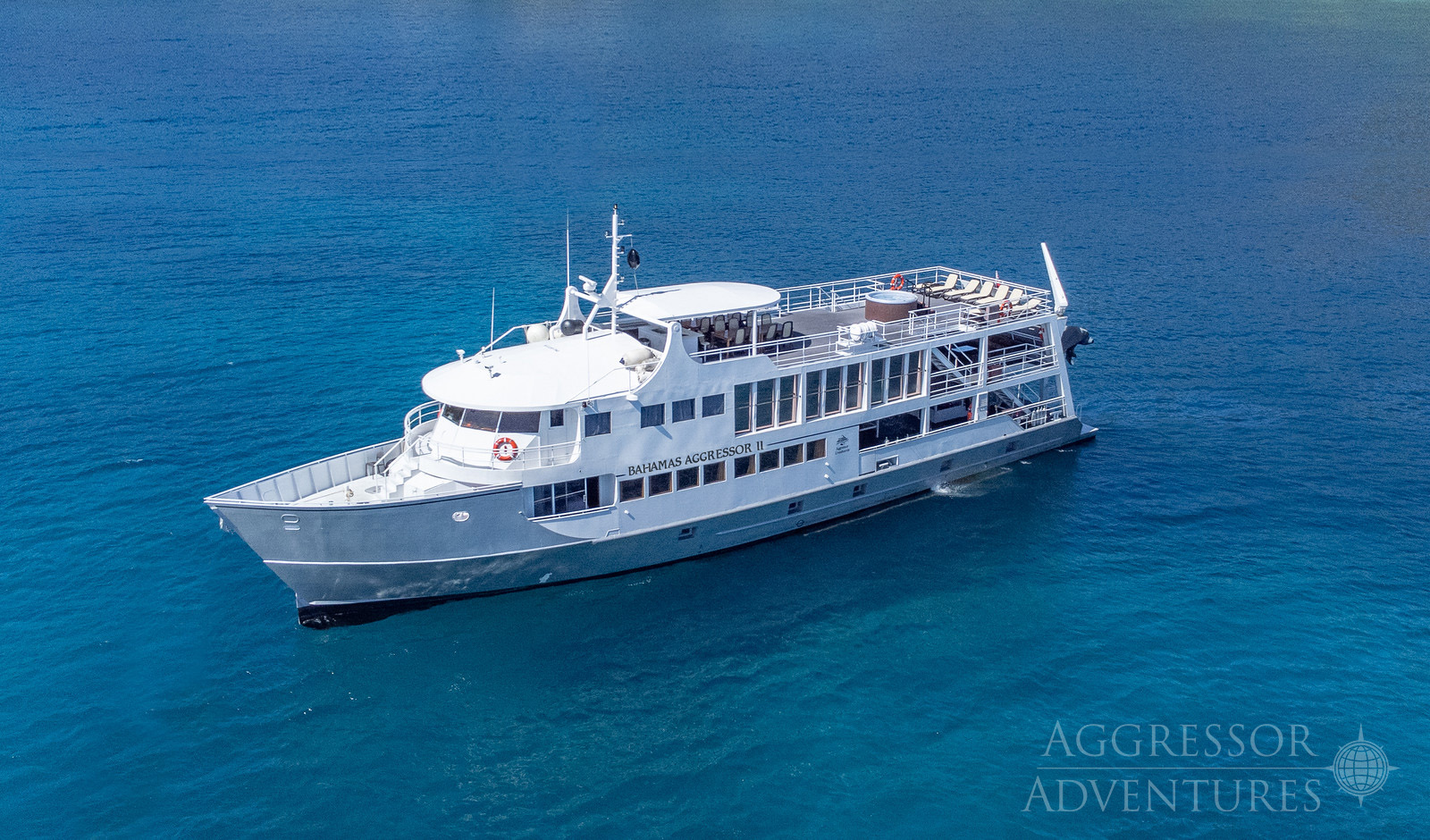
Bahamas Aggressor II
Bahamas
20 guests33.5 m
$328/day
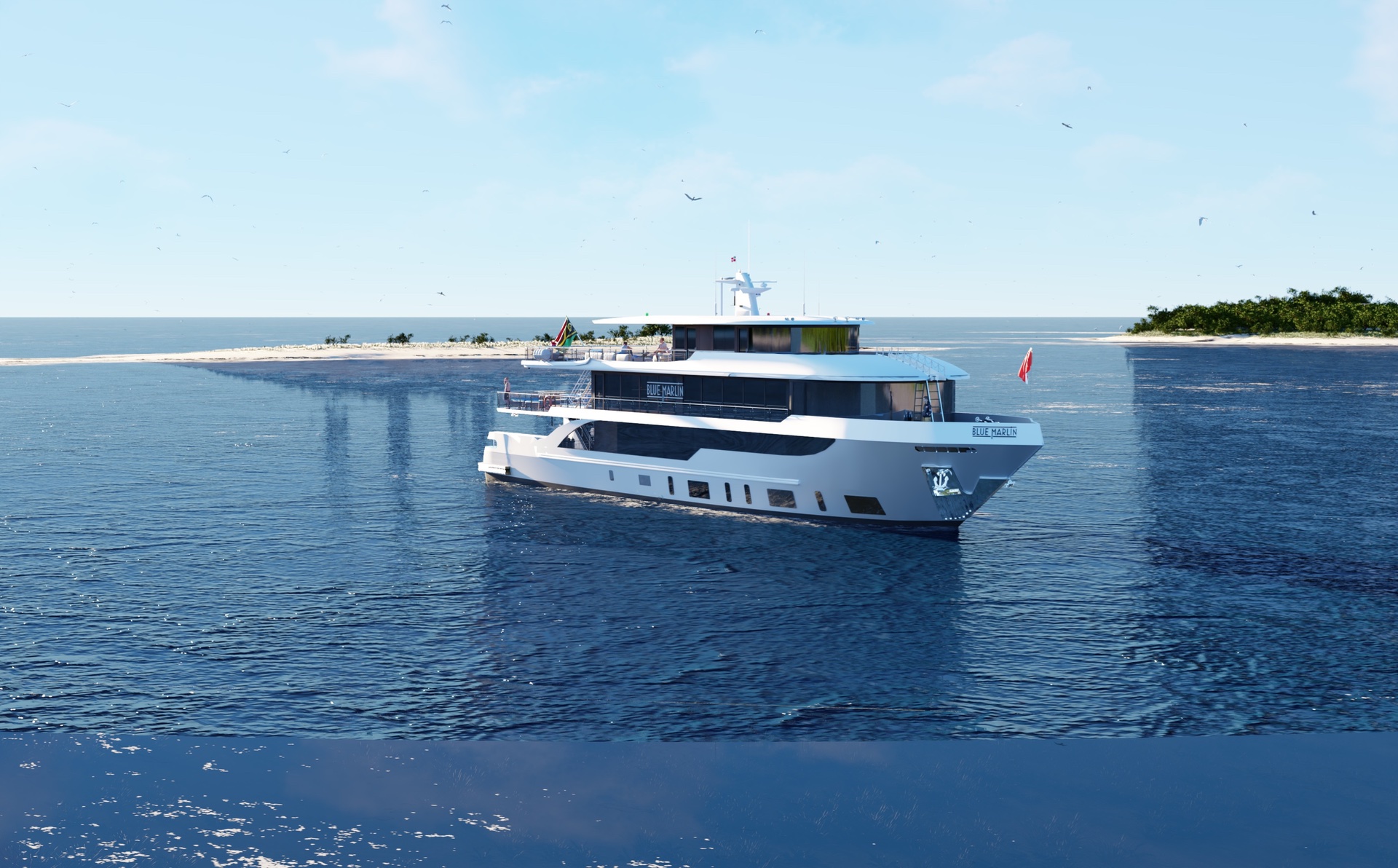
Blue Marlin
Bahamas
26 guests42 m
$318/day
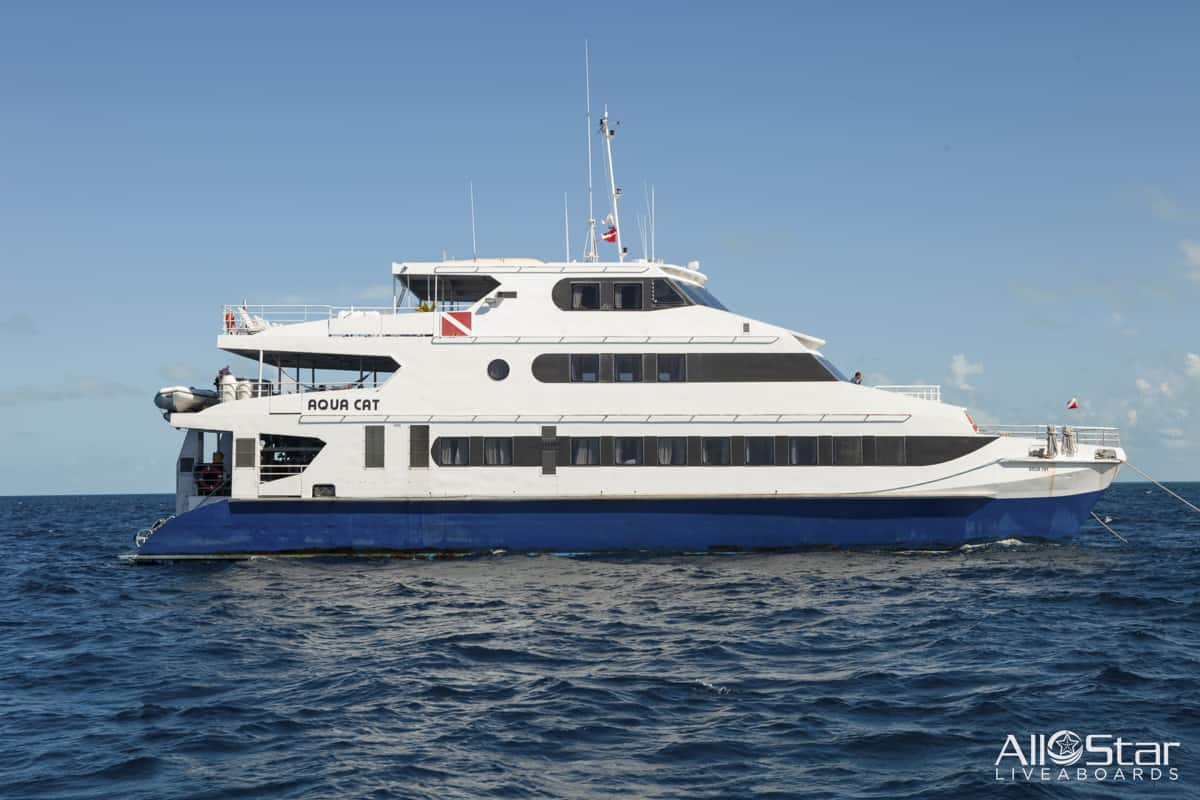
All Star Aqua Cat
Bahamas
30 guests31.09 m
$312/day
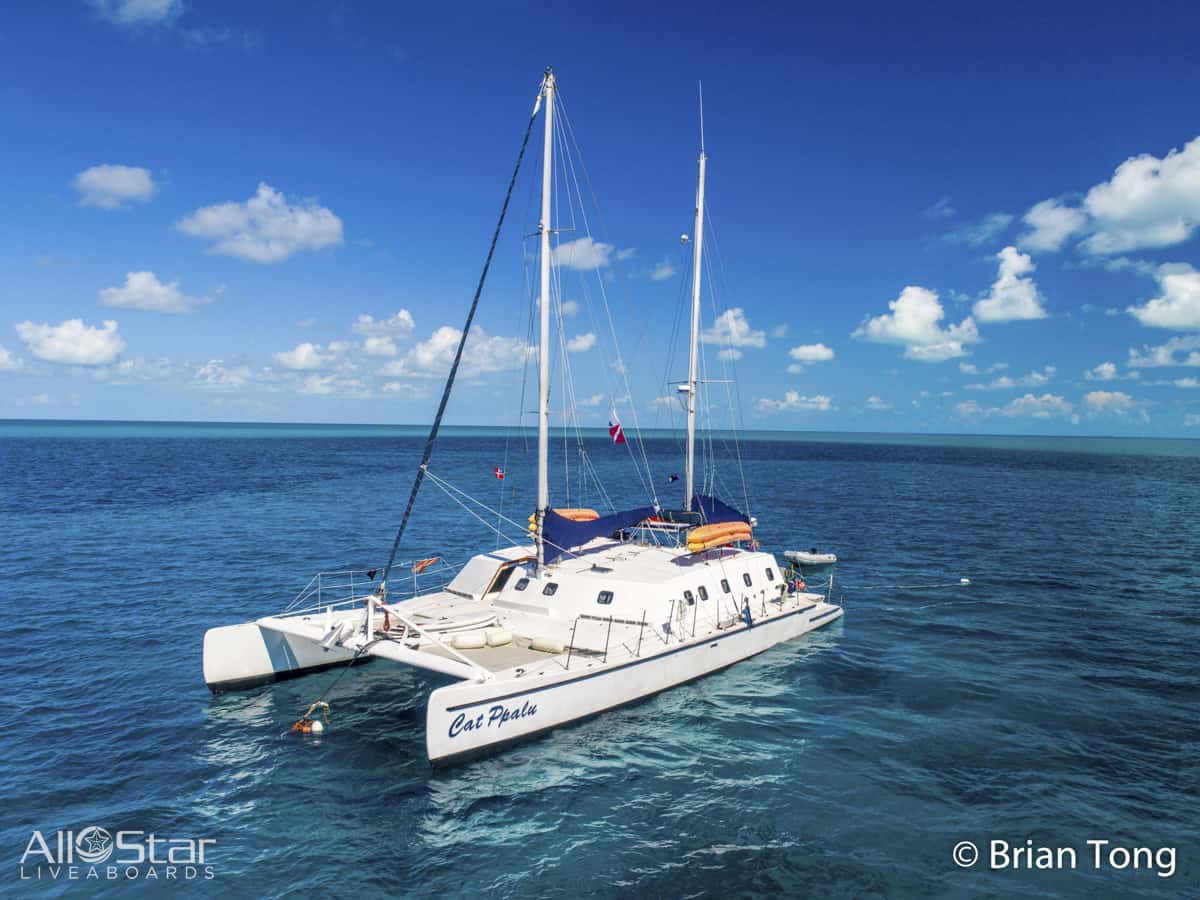
All Star Cat Ppalu
Bahamas
12 guests20 m
$237/day
Dive sites similar to Sapona Wreck
Same character, same waters — six more sites divers love for the exact same reasons.Compare seasons, access and liveaboard routes — then pick the site that fits your trip best.
© Esri — Maxar, Earthstar, GIS
The Bimini Barge
Bahamas
The Bimini Barge is a prominent wreck dive located on the extreme northwestern edge of the Great Bahama Bank, just a short distance from the deep wall and the powerful Gulf Stream currents.
- Suitable for
- Intermediate
- Current
- Moderate
- Access
- Liveaboard or dayboat
- Depth
- 30–30 m
- Theme
- Wreck / Drift
© Esri — Maxar, Earthstar, GIS
Twin Sister Wrecks
Bahamas
The Twin Sister Wrecks offer a compelling paired wreck dive experience off New Providence, presenting two small tanker hulls that rest at differing depths.
- Suitable for
- Intermediate
- Current
- Mild
- Access
- Dayboat
- Depth
- 13–30 m
- Theme
- Wreck
The Vanaheim is a captivating wreck dive located off North Eleuthera, an island chain celebrated for its diverse underwater landscapes.
- Suitable for
- Beginner
- Current
- Mild
- Access
- Dayboat
- Depth
- 8–10 m
- Theme
- Wreck / Reef
The Carnarvon is a prominent wreck site located on the infamous Devil's Backbone, a shallow, rocky reef stretching along the northern coast of Eleuthera.
- Suitable for
- Beginner
- Current
- Mild
- Access
- Dayboat
- Depth
- 7–8 m
- Theme
- Wreck / Reef
© Esri — Maxar, Earthstar, GIS
Cobia Cage
Bahamas
The Cobia Cage off Eleuthera in the Bahamas presents a truly unique underwater landscape.
- Suitable for
- Beginner
- Current
- No current
- Access
- Liveaboard only
- Depth
- 15–27 m
- Theme
- Wreck
© Esri — Maxar, Earthstar, GIS
Austin Smith
Bahamas
The Austin Smith wreck, also known as the HMBS Flamingo, is a former 90-foot Bahamian Defense Force Cutter that was decommissioned in 1995. Originally intended as an artificial…
- Suitable for
- Intermediate
- Current
- Moderate
- Access
- Liveaboard only
- Depth
- 18–18 m
- Theme
- Wreck / Reef