About The Elbow at Turneffe
The Elbow, located at the southern extremity of Turneffe Atoll, stands as one of Belize's premier dive destinations, renowned for its strong currents and abundant marine life. This unique site is part of the Turneffe Atoll Marine Reserve, a protected area within the vast Mesoamerican Reef system, emphasizing its ecological significance. The topography features a dramatic wall that plunges into deep blue, adorned with impressive gorgonian fans and diverse coral formations. The converging currents here act as a natural magnet, drawing in a rich array of pelagic species and large schools of fish, making it a thrilling drift dive experience. Diving at The Elbow is best experienced during Belize's dry season, from November to May, when water conditions are calm, and visibility is at its peak. While large pelagics like eagle rays and reef sharks are frequent visitors from March to May, the site consistently offers encounters with various marine creatures year-round. Due to the significant currents, this site is best suited for experienced divers comfortable with drift diving. Access is primarily via liveaboard or extended day trips from the mainland, ensuring a pristine and less crowded underwater adventure far from more accessible, shallower reefs.
Highlights
High-voltage drift diveAbundant pelagic marine lifeDramatic wall divingTowering gorgonian fansStrong, nutrient-rich currentsSchools of jacks and snapper
Season calendar
Best months to dive here
Jan
Feb
Mar
Apr
May
Jun
Jul
Aug
Sep
Oct
Nov
Dec
Good
Dive site facts: The Elbow at Turneffe
- Depth
- 18–40 m
- Typical dive
- 18–30 m, 45–55 min
- Current
- Strong
- Visibility
- 20–40 m
- Water temperature
- 26–29°C
- Entry
- Tender / Negative entry
- Level
- Advanced, current experience required
- Dive type
- Drift, Wall, Pelagic encounters
- Night dive
- Not typical
- Region / port
- Turneffe Atoll
- Coordinates
- 17.16, -87.79
Conditions & Currents
The Elbow is characterized by significant, often strong currents that converge at the atoll's southern point. These currents, which are the main draw of the site, funnel a wealth of nutrients, attracting large pelagic species and schooling fish. Divers should be prepared for a high-voltage drift dive, requiring excellent buoyancy control and comfort with moving water. Entry is typically a negative or rapid descent from a tender to ensure immediate depth. Visibility at this site can vary with the currents but generally remains good, often exceeding 20 meters, though strong currents can sometimes reduce it. Divers must plan their gas consumption carefully, considering the potential for a longer-than-expected drift. Surface conditions can also be choppy due to the prevailing winds and currents, making surface interval management and re-boarding important considerations. This site is not sui
Marine life & sighting chances
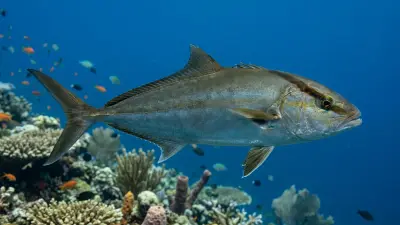
Jacks
common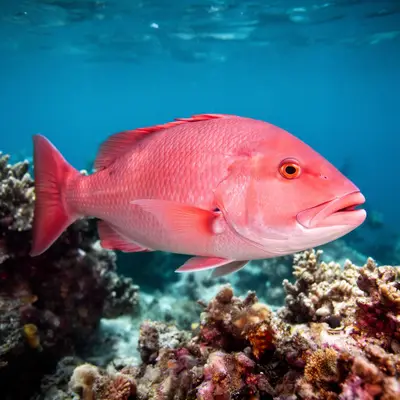
Snapper
common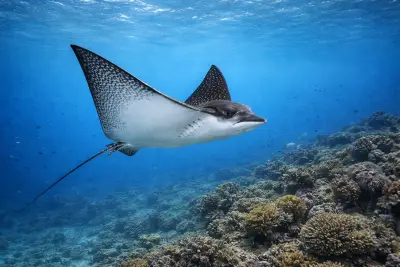
Spotted Eagle Ray
March–May · occasional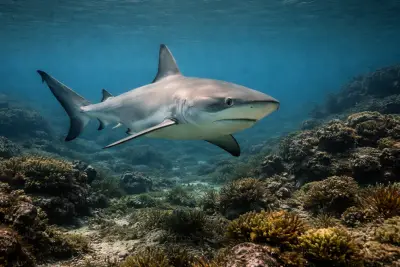
Caribbean Reef Shark
March–May · occasional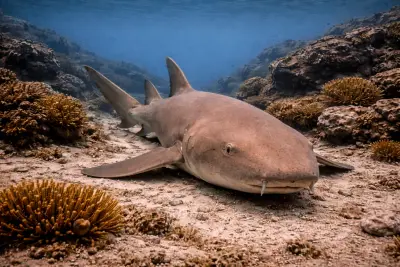
Nurse Shark
occasional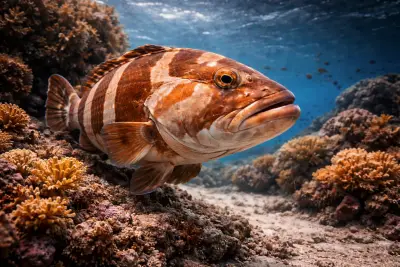
Nassau Grouper
occasional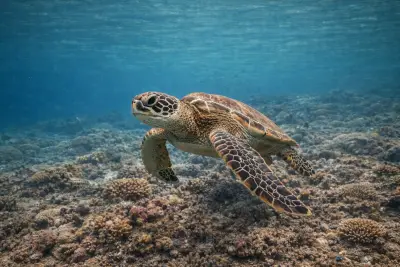
Green Sea Turtle
occasional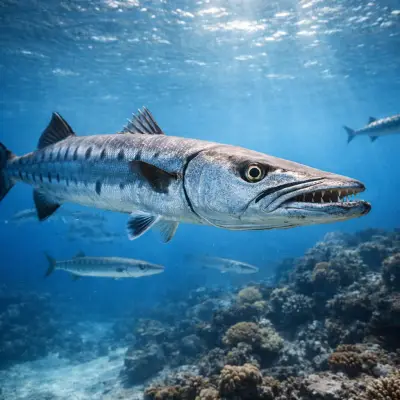
Barracuda
common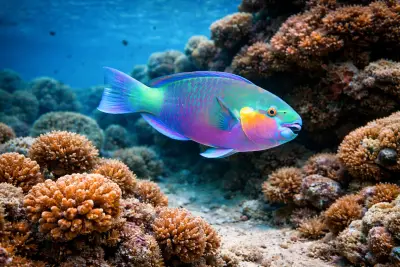
Parrotfish
common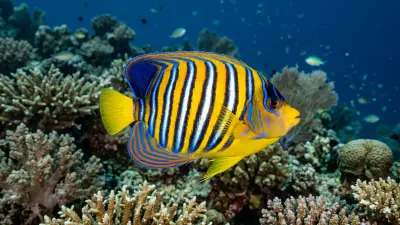
Angelfish
common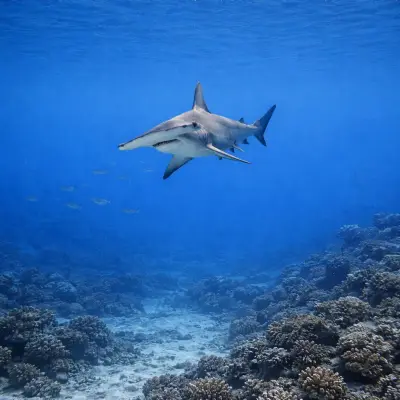
Hammerhead Shark
rare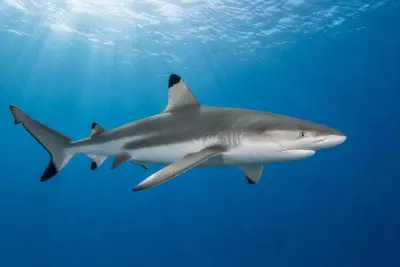
Blacktip Shark
occasionalDive profile & how the dive runs
Diving The Elbow typically begins with a negative entry from a tender directly into the strong currents. Divers quickly descend to the reef wall, aiming to position themselves along the southern tip where the currents are most pronounced. The dive primarily involves drifting along the wall, which plunges from approximately 18 meters down to over 40 meters, allowing divers to observe the pelagic action attracted by the nutrient-rich water. The route follows the contour of the atoll's edge, often moving past towering gorgonian fans and soft corals. The turn point is determined by gas consumption and current strength, after which the group may ascend slightly shallower to continue observing marine life. The safety stop is generally performed in the blue, maintaining constant visual contact with the group and deploying an SMB for boat retrieval, as the drift continues through the safety stop.
Underwater photography
The Elbow is a prime location for wide-angle photography, capturing the dramatic wall, large schools of fish, and pelagic encounters. A wide-angle lens is essential for documenting the vastness of the reef and the impressive gorgonian fans. For fast-moving subjects like sharks and eagle rays, quick shutter speeds and continuous autofocus are beneficial. Strobes are highly recommended to bring out the vibrant colors of the corals and fish against the deep blue background, especially as you descend deeper along the wall. Given the strong currents, maintaining good buoyancy is crucial for stable shots and avoiding contact with the reef. Patience and anticipation are key to capturing the fleeting moments of pelagic action. Be mindful of your position relative to the current and your dive buddy, as the environment can be dynamic.
Combine with nearby dive sites
- Half Moon Caye Wall
Often combined with Turneffe Atoll on liveaboard itineraries.
- Great Blue Hole
A geological wonder, typically part of extended liveaboard trips that include Turneffe.
- Long Caye Wall
Another wall dive in Lighthouse Reef Atoll, sometimes visited on the same trip.
- Hol Chan Marine Reserve
A popular shallow reef for beginners, accessible from Ambergris Caye, often as an add-on.
Getting there & logistics
Access to The Elbow at Turneffe Atoll typically begins by flying into Philip S.W. Goldson International Airport (BZE) near Belize City. From there, transfer to Turneffe is exclusively by boat, usually arranged through liveaboard operators or dive resorts on the atoll. Boat journeys from Belize City's marinas to Turneffe Atoll take approximately 1.5 to 2 hours. Most liveaboards offer 7 to 10-night itineraries that combine Turneffe Atoll with other premier sites like Lighthouse Reef and the Great Blue Hole. Shorter 4 to 5-night options focusing on Turneffe and Lighthouse Reef are also available. Advance booking is crucial, especially during peak season, due to the remote nature of the atoll and the limited availability of liveaboard spaces. Marine park fees are generally included in liveaboard packages.
Safety & environment
Diving at The Elbow requires a high level of preparedness due to strong currents and deep wall diving. Divers must be comfortable with drift diving, maintaining buoyancy in dynamic conditions, and performing open-ocean safety stops. The nearest recompression chamber is located in San Pedro, Ambergris Caye, necessitating a potentially lengthy evacuation by boat and then by air if required. Comprehensive dive insurance, including coverage for emergency medical treatment and evacuation, is mandatory for all divers. Always dive with a well-maintained signal marker buoy (SMB) and a whistle for surface visibility. Stay in close proximity to your dive buddy and follow the dive guide's instructions closely, especially regarding entry, descent, and ascent procedures. Respect the marine environment by avoiding contact with corals and marine life, and never attempt to feed or harass animals.
Who it suits — and who it doesn't
Suited for
- Advanced divers with current experience
- Photographers seeking pelagic action
- Drift diving enthusiasts
- Divers seeking large marine animal encounters
- Liveaboard guests exploring outer atolls
Less suited for
- Beginner divers or those new to currents
- Divers with limited buoyancy control
- Individuals prone to seasickness
- Divers seeking macro-focused experiences
- Those preferring calm, shallow dives
FAQ
The Elbow at Turneffe FAQ
What kind of marine life can I expect to see at The Elbow?
The Elbow is famous for its pelagic encounters due to strong currents. Divers frequently see large schools of jacks and snapper, along with occasional sightings of spotted eagle rays, Caribbean reef sharks, and nurse sharks. Green sea turtles, barracuda, and various reef fish are also common.
Is The Elbow suitable for all levels of divers?
No, The Elbow is recommended for advanced divers with prior experience in strong currents. The significant drift and deep wall mean that excellent buoyancy control and comfort in dynamic underwater conditions are essential for a safe and enjoyable dive.
What are the typical diving conditions at The Elbow?
The site is known for strong, often high-voltage currents that funnel nutrients, attracting abundant marine life. Visibility is generally good, ranging from 20 to 40 meters, and water temperatures are consistently warm, between 26-29°C. Surface conditions can be choppy depending on wind and current.
How do you access The Elbow at Turneffe Atoll?
Access to The Elbow is primarily via liveaboard vessels or specialized dive resorts located on Turneffe Atoll. Most trips depart from Belize City, requiring a boat transfer of about 1.5 to 2 hours to reach the remote atoll. Day trips are extensive but possible.
When is the best time of year to dive The Elbow for pelagic sightings?
While pelagics can be seen year-round, the dry season from March to May offers the best conditions for encounters with larger species like eagle rays and reef sharks. During this period, the visibility is at its peak, and sea conditions are generally calmer.
Why dive The Elbow at Turneffe from a liveaboard?
The Elbow at Turneffe is one of Belize's signature dive sites. A liveaboard sleeps you on the water and puts you in the water for three to four guided dives per day, including dawn and night dives that day-boat operators rarely offer. You skip the daily commute back to port and reach quieter, less-crowded sites in the same region on a single trip.
Below are the liveaboards that include The Elbow at Turneffe on their Belize itineraries.
Liveaboards diving The Elbow at Turneffe
These liveaboards may visit The Elbow at Turneffe on selected itineraries — the exact dive sites depend on departure, weather and conditions.
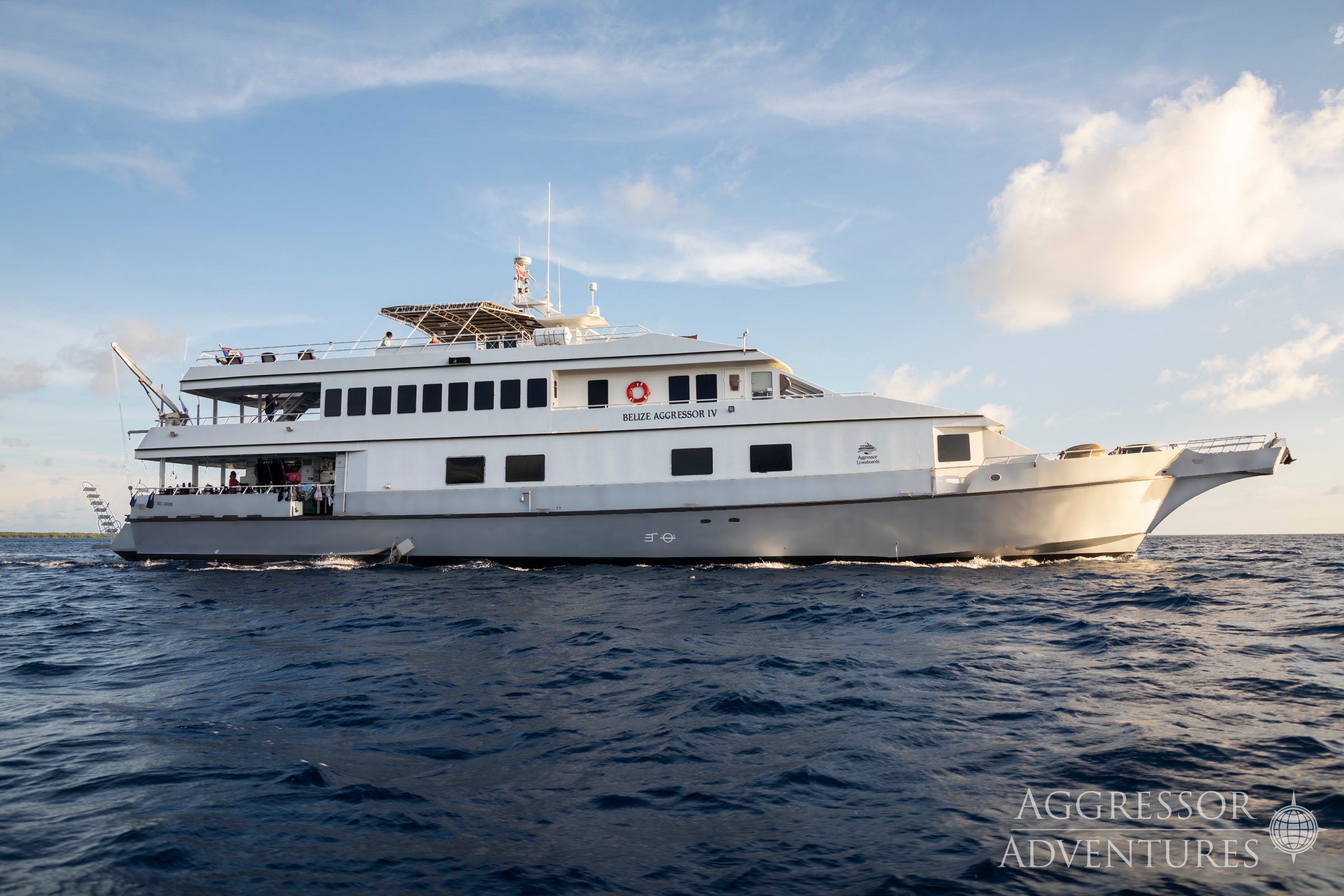
Belize Aggressor IV
Belize
20 guests42.1 m
$356/day
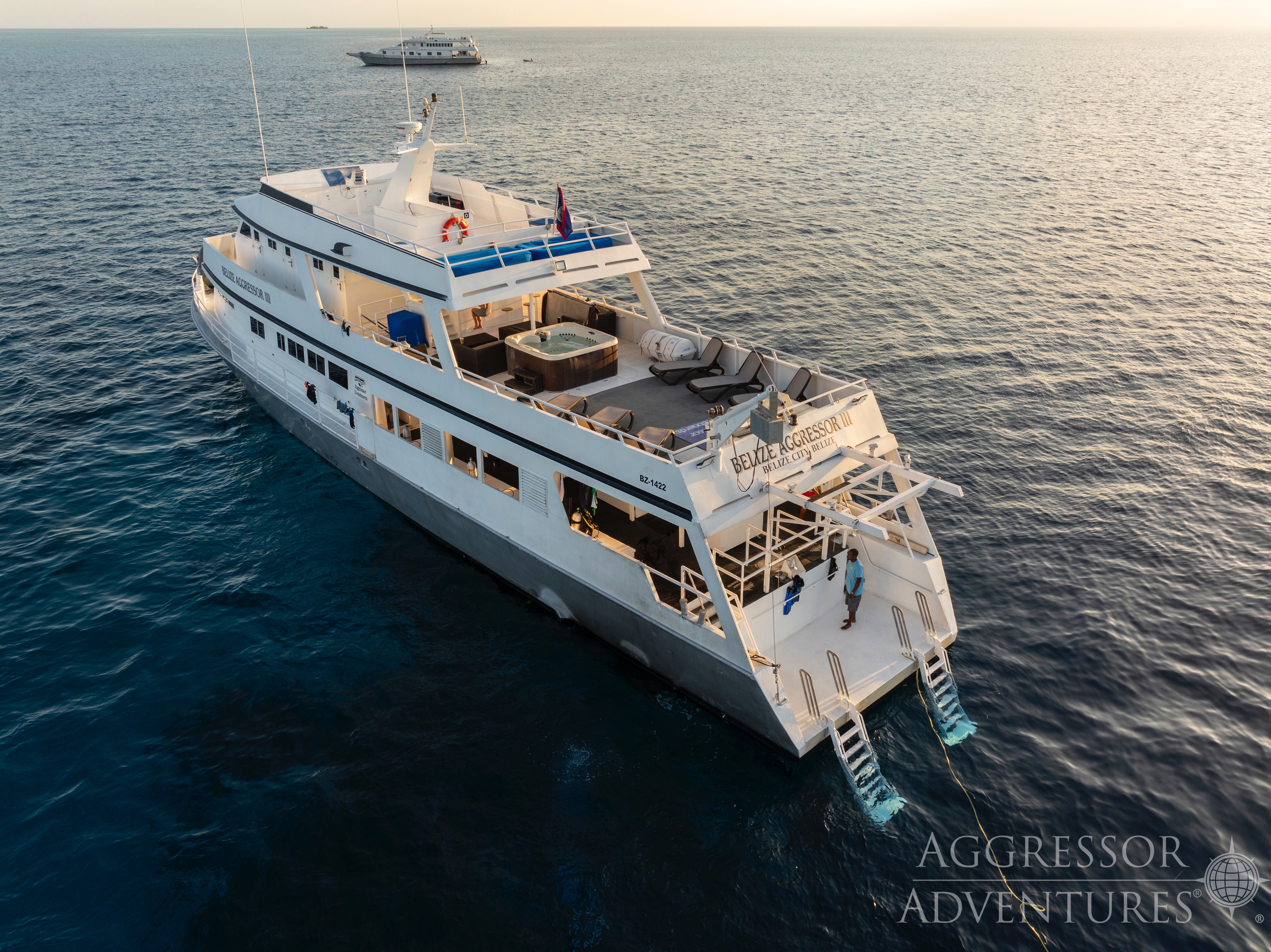
Belize Aggressor III
Belize
18 guests33.5 m
$336/day
Dive sites similar to The Elbow at Turneffe
Same character, same waters — six more sites divers love for the exact same reasons.Compare seasons, access and liveaboard routes — then pick the site that fits your trip best.
© Esri — Maxar, Earthstar, GIS
Carrie Bow Caye Reef
Belize
Carrie Bow Caye is a small sand caye positioned directly on the Belize Barrier Reef, hosting a continuous coral reef monitoring program by the Smithsonian Institution since 1972.…
- Suitable for
- Intermediate
- Current
- Moderate
- Access
- Liveaboard or dayboat
- Depth
- 4–30 m
- Theme
- Reef / Wall
© Esri — Maxar, Earthstar, GIS
Ambergris Caye
Belize
Ambergris Caye, the largest and most popular of Belize's offshore cayes, offers unparalleled diving along 40 kilometers of the Belize Barrier Reef, situated less than a mile offshore.
- Suitable for
- Intermediate
- Current
- Mild
- Access
- Dayboat
- Depth
- 15–60 m
- Theme
- Reef / Wall
© Esri — Maxar, Earthstar, GIS
Long Caye Ridge
Belize
Long Caye Ridge is a highly-rated dive site situated within Belize's Lighthouse Reef Atoll, an area renowned for its pristine conditions due to its distance from the mainland.
- Suitable for
- Intermediate
- Current
- No current
- Access
- Liveaboard only
- Depth
- 21–21 m
- Theme
- Reef
© Esri — Maxar, Earthstar, GIS
Silver Caves
Belize
Silver Caves offers a distinctive diving experience within the Lighthouse Reef Atoll, one of Belize's healthiest reef systems.
- Suitable for
- Advanced
- Current
- Mild
- Access
- Liveaboard only
- Depth
- 18–28 m
- Theme
- Reef / Cave & cavern
© Esri — Maxar, Earthstar, GIS
Sayonara Wreck
Belize
The Sayonara Wreck offers an engaging intermediate dive experience southwest of the Turneffe Islands in Belize.
- Suitable for
- Intermediate
- Current
- Moderate
- Access
- Liveaboard only
- Depth
- 12–18 m
- Theme
- Wreck / Reef