About Sayonara Wreck
The Sayonara Wreck offers an engaging intermediate dive experience southwest of the Turneffe Islands in Belize. This steel-hulled vessel rests in a listing position, its structure providing a fascinating artificial reef that has been extensively colonized by a variety of hard and soft corals, as well as sponges. The continuous growth of these marine organisms softens the metallic framework, creating a dynamic living environment with high fish activity. This site is situated in close proximity to the natural reef, which allows for a rich diversity of fish populations to move freely between the wreck and the surrounding habitats. Divers can observe a wide array of tropical marine life utilizing the wreck's openings and encrusted sections for shelter and foraging. The waters around Turneffe Atoll are known for excellent underwater visibility, often exceeding 30 meters, making the Sayonara Wreck a captivating subject for exploration. Water temperatures are consistently warm, averaging between 26 and 29 degrees Celsius, providing comfortable diving conditions year-round. Access to the Sayonara Wreck is exclusively by boat. Divers should be prepared for moderate currents that can occasionally be present at the site, influencing the dive. The experience caters to intermediate divers, blending the historical appeal of a shipwreck with the thriving biodiversity of a coral reef.
Highlights
Steel-hulled shipwreckArtificial reef ecosystemAbundant hard and soft coralsNumerous spongesDiverse fish populationsModerate currentsClear visibilityTurneffe Atoll location
Season calendar
Best months to dive here
Jan
Feb
Mar
Apr
May
Jun
Jul
Aug
Sep
Oct
Nov
Dec
Excellent
Good
Dive site facts: Sayonara Wreck
- Depth
- 12–18 m
- Current
- Moderate
- Visibility
- ~30 m
- Water temperature
- 26–29°C
- Entry
- Boat
- Level
- Intermediate
- Dive type
- Wreck, reef
- Region / port
- Turneffe Atoll
- Coordinates
- 17.2267° N, 87.9464° W
Conditions & Currents
Divers at the Sayonara Wreck should anticipate moderate currents, which can occasionally influence the dive. These currents are a characteristic feature of the Turneffe Atoll, particularly on the eastern reefs and prominent headlands where marine life congregates. While the currents are generally manageable, they necessitate careful air management and navigation, especially for those less experienced in drift diving. Entry to the site is exclusively via boat, ensuring controlled access. Visibility in the Turneffe Atoll is consistently excellent, often ranging from 30 to 40 meters, though localized conditions can vary with currents. Water temperatures remain warm throughout the year, between 26 and 29°C.
Marine life & sighting chances

French Angelfish
common
Grey Angelfish
common
Stoplight Parrotfish
common
Schoolmaster Snapper
common
Bluestriped Grunt
common
Yellowtail Damselfish
common
Redband Parrotfish
common
Sea turtles
occasional
Eagle rays
occasional
Moray eels
occasional
Lobsters
occasionalDive profile & how the dive runs
Diving at the Sayonara Wreck begins with a boat entry, typically deploying divers southwest of the Turneffe Islands. The steel-hulled vessel lies at depths ranging from 12 to 18 meters, presenting a distinct listing position. Divers generally explore the wreck's exterior, observing its structural details and the extensive coral and sponge growth that has transformed it into an artificial reef. The route often involves circumnavigating the main hull, paying close attention to openings and encrusted sections where smaller marine life seeks shelter. Given the moderate currents, a drift dive profile may be adopted, allowing divers to move with the flow while observing the thriving ecosystem. The dive typically concludes with a safety stop conducted either over the wreck or along the adjacent natural reef, leveraging the generally excellent visibility.
Underwater photography
The Sayonara Wreck offers rich opportunities for underwater photography, particularly for wide-angle and macro shots. Its intact hull, adorned with vibrant hard and soft corals and sponges, creates compelling structural compositions for wide-angle lenses. Consider bringing a dome port to capture the entire wreck in the clear waters. For macro enthusiasts, the wreck's encrusted surfaces and numerous crevices host a variety of small reef fish, crabs, and nudibranchs, ideal for a macro lens. Due to the moderate currents, stable buoyancy is crucial for sharp images. External strobes are highly recommended to bring out the true colors of the corals and marine life, as the wreck sits within the shallower photic zone where natural light penetration is good.
Combine with nearby dive sites
- Rendez-vous Point
An advanced wall dive known for pelagic encounters.
- Turtle Ridge
Intermediate dive in Turneffe Islands.
- Coco Point
Intermediate dive in Turneffe Islands.
- Calabash Cut
Intermediate dive in Turneffe Islands.
- Black Beauty
Wall and reef dive, suitable for intermediate divers.
- The Elbow
Famous for large fish aggregations and moderate currents.
Getting there & logistics
Access to the Sayonara Wreck is primarily via liveaboard or resort-based day boats departing from Turneffe Atoll. The closest international airport is Philip S. W. Goldson International Airport (BZE) near Belize City. From there, transfers to Turneffe Atoll are typically arranged by resorts or liveaboard operators, often involving a boat transfer. Most diving trips to Turneffe Atoll range from 4 to 7 days, allowing divers to explore numerous sites within the atoll. The Sayonara Wreck is often integrated into itineraries that also visit other Turneffe sites like The Elbow or various wall dives. There are no specific individual permits required for diving this wreck beyond those covered by dive operators operating within the Turneffe Atoll Marine Reserve.
Safety & environment
Diving at the Sayonara Wreck requires adherence to standard safety protocols due to the presence of moderate currents. Divers should maintain excellent buoyancy control and be proficient in current management techniques. Always dive with a reputable operator and ensure your dive insurance covers scuba diving activities in Belize, including potential evacuation and recompression chamber treatment. The nearest recompression chamber is located in San Pedro on Ambergris Caye, requiring boat transport which can take several hours depending on sea conditions and location within Turneffe Atoll. Emergency procedures and evacuation plans should be thoroughly understood before commencing any dive. It is crucial to respect marine life and avoid disturbing the corals and structure of the wreck to ensure its preservation.
Who it suits — and who it doesn't
Suited for
- Intermediate certified divers
- Wreck and reef exploration
- Photographers seeking artificial reef subjects
- Divers comfortable with moderate currents
- Liveaboard guests exploring Turneffe Atoll
Less suited for
- Absolute beginner divers
- Divers uncomfortable with currents
- Those prone to seasickness on boat transfers
- Divers expecting deep, dark wreck penetrations
FAQ
Sayonara Wreck FAQ
What kind of wreck is the Sayonara Wreck?
The Sayonara Wreck is a steel-hulled vessel that now serves as an artificial reef. Its structure is largely intact and has become heavily colonized by a diverse array of corals and sponges, attracting numerous fish species. It provides an excellent example of how wrecks can transform into thriving marine habitats over time.
What is the typical depth and visibility at the Sayonara Wreck?
The Sayonara Wreck is found at depths ranging from 12 to 18 meters, making it accessible to intermediate divers. Visibility at the site is generally excellent, often around 30 meters, which allows for clear views of the wreck and its surrounding marine life.
Are there strong currents at the Sayonara Wreck?
Divers should be prepared for moderate currents at the Sayonara Wreck. These currents can influence the dive, so good buoyancy control and experience diving in currents are beneficial for a comfortable and safe experience at this site.
What marine life can I expect to see at the Sayonara Wreck?
The Sayonara Wreck is home to a variety of fish, including French and Grey Angelfish, Stoplight Parrotfish, Schoolmaster Snapper, and Bluestriped Grunt. You can also spot Yellowtail Damselfish, Atlantic Long-spined Sea Urchins, Redband Parrotfish, and occasionally sea turtles, eagle rays, moray eels, and lobsters utilizing the wreck for shelter.
How do I get to the Sayonara Wreck?
The Sayonara Wreck is located southwest of the Turneffe Islands and is exclusively accessed by boat. Divers typically visit the site as part of a liveaboard itinerary or through day trips organized by resorts located within the Turneffe Atoll.
Why dive Sayonara Wreck from a liveaboard?
Sayonara Wreck is one of Belize's signature dive sites. A liveaboard sleeps you on the water and puts you in the water for three to four guided dives per day, including dawn and night dives that day-boat operators rarely offer. You skip the daily commute back to port and reach quieter, less-crowded sites in the same region on a single trip.
Below are the liveaboards that include Sayonara Wreck on their Belize itineraries.
Liveaboards diving Sayonara Wreck
These liveaboards may visit Sayonara Wreck on selected itineraries — the exact dive sites depend on departure, weather and conditions.
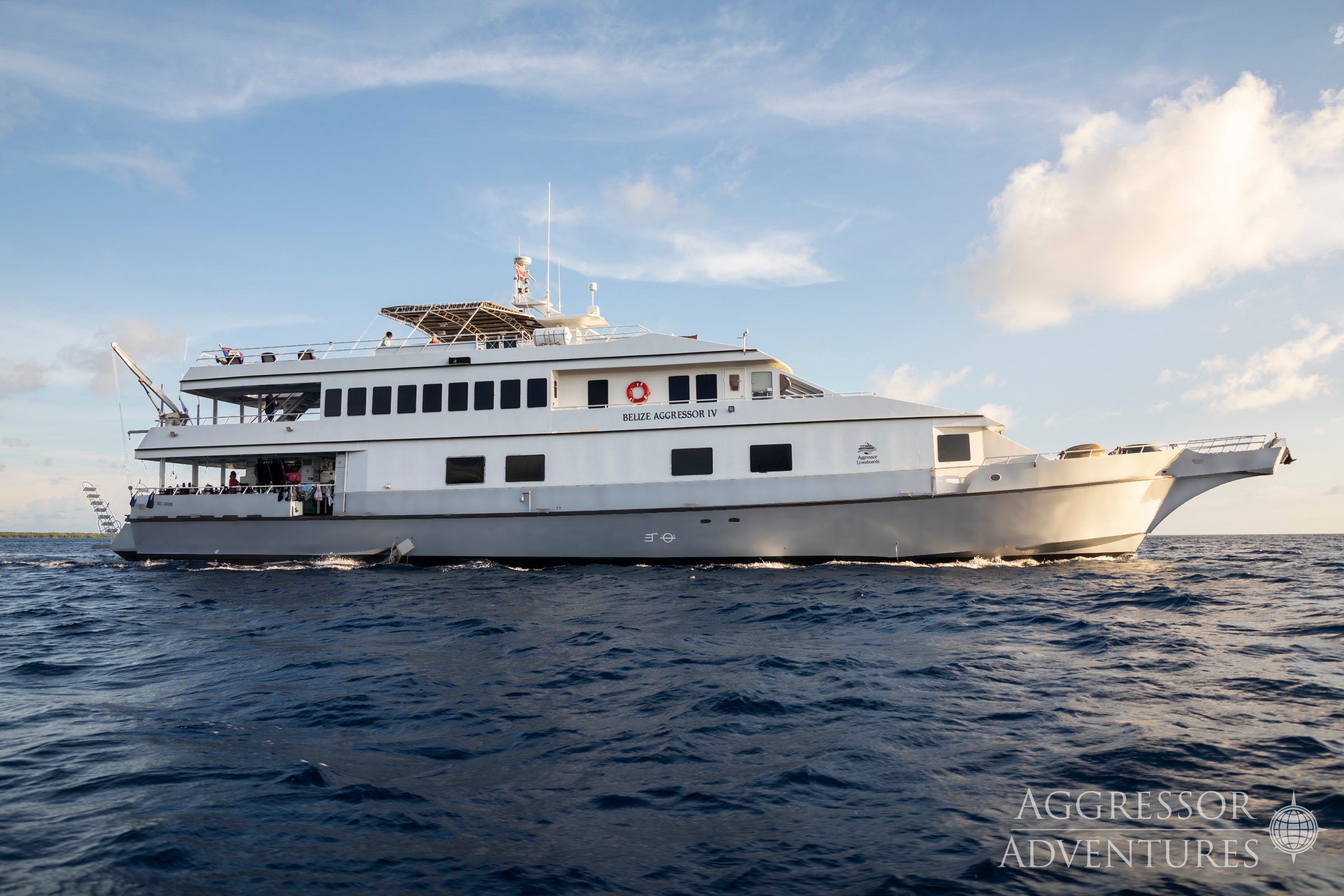
Belize Aggressor IV
Belize
20 guests42.1 m
$356/day
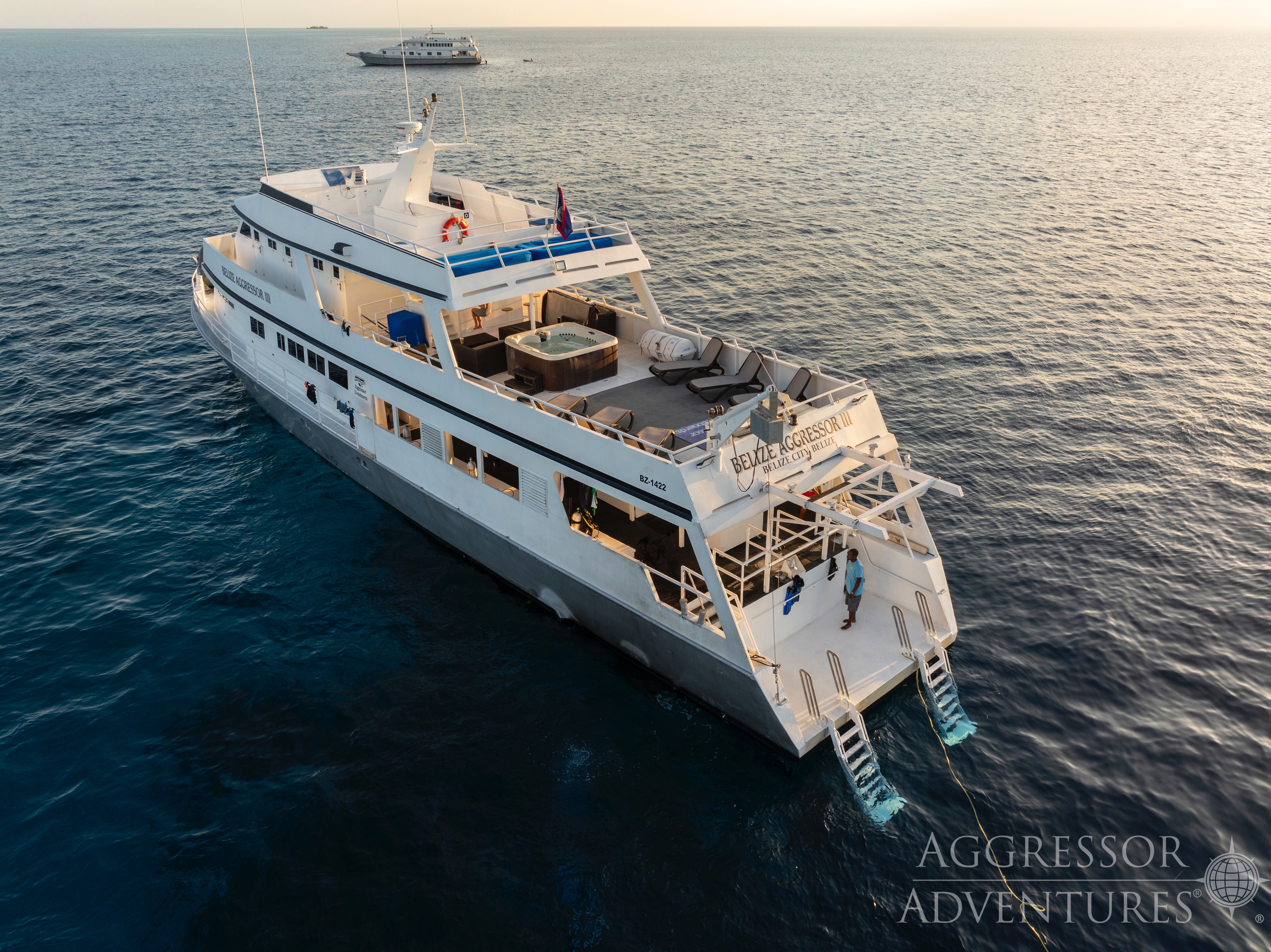
Belize Aggressor III
Belize
18 guests33.5 m
$336/day
Dive sites similar to Sayonara Wreck
Same character, same waters — six more sites divers love for the exact same reasons.Compare seasons, access and liveaboard routes — then pick the site that fits your trip best.
© Esri — Maxar, Earthstar, GIS
Silver Caves
Belize
Silver Caves offers a distinctive diving experience within the Lighthouse Reef Atoll, one of Belize's healthiest reef systems.
- Suitable for
- Advanced
- Current
- Mild
- Access
- Liveaboard only
- Depth
- 18–28 m
- Theme
- Reef / Cave & cavern
Cozumel's western coast features a dramatic reef shelf that plunges thousands of feet into the ocean.
- Suitable for
- Intermediate
- Current
- Mild
- Access
- Liveaboard or dayboat
- Depth
- 15–27 m
- Theme
- Reef
© Esri — Maxar, Earthstar, GIS
North Wall
Cayman Islands
The North Wall of Grand Cayman stands as one of the most celebrated and visually striking dive regions, stretching along the island's northern coastline.
- Suitable for
- Advanced
- Current
- Mild
- Access
- Liveaboard or dayboat
- Depth
- 50–100 m
- Theme
- Reef
© Esri — Maxar, Earthstar, GIS
Lighthouse Reef
Cayman Islands
Lighthouse Reef, situated near the West End dock of Cayman Brac, provides a distinctive shallow reef diving experience.
- Suitable for
- Beginner
- Current
- Strong
- Access
- Shore / dayboat
- Depth
- 10–25 m
- Theme
- Reef
© Esri — Maxar, Earthstar, GIS
Long Caye Ridge
Belize
Long Caye Ridge is a highly-rated dive site situated within Belize's Lighthouse Reef Atoll, an area renowned for its pristine conditions due to its distance from the mainland.
- Suitable for
- Intermediate
- Current
- No current
- Access
- Liveaboard only
- Depth
- 21–21 m
- Theme
- Reef
Roatán, part of the Bay Islands of Honduras, offers a diverse underwater landscape situated along the Mesoamerican Barrier Reef System, which is the second largest barrier reef globally.
- Suitable for
- Intermediate
- Current
- Moderate
- Access
- Liveaboard or dayboat
- Depth
- 9–40 m
- Theme
- Reef