About Hol Chan Marine Reserve
Hol Chan Marine Reserve, meaning "little channel" in Mayan, is a protected area integral to the Mesoamerican Barrier Reef, the world's second-largest barrier system. Situated just off the southern tip of Ambergris Caye, near San Pedro, this reserve was established in 1987 to revitalize marine life after overfishing. It encompasses approximately 18 square kilometers of diverse habitats including coral reefs, seagrass beds, and mangrove forests, with its core feature being the Hol Chan Cut, a natural break in the reef. The topography of Hol Chan Cut starts shallow, around 1.5 meters, and gradually slopes to a maximum depth of 9 meters. This channel is characterized by robust coral formations, such as elkhorn, staghorn, finger, star, and brain corals, alongside gorgonian sea fans and sponges. Beyond the main cut, areas like Eagle Ray Canyons offer deeper formations down to 24 meters, creating a rich, multi-level environment. Night dives here also reveal a different dynamic, with various creatures emerging from their daytime hiding spots. The reserve boasts an impressive array of marine life, with over 160 fish species, 40 coral species, and five sponge species identified. Divers frequently encounter schools of horse-eye jacks, snapper, blue tangs, triggerfish, hogfish, and parrotfish. Turtles, including green, loggerhead, and hawksbill, are common sightings, as are moray eels, spotted eagle rays, and nurse sharks, especially in Shark Ray Alley. The mangrove areas serve as vital nurseries for many species, including snappers and angelfish. Hol Chan is accessible year-round, with consistently warm water temperatures between 26-29°C (79-84°F) and excellent visibility, often ranging from 18-30 meters. While generally suitable for all diver levels due to its shallow nature, strong outgoing currents can occur in the channel, requiring divers to stay low and close to the reef. Entry is typically made from a boat, and a certified guide is mandatory for all visitors.
Highlights
Hol Chan Cut natural reef channelShark Ray Alley nurse sharksEagle Ray Canyons formationsRobust coral gardensGiant sea turtlesSpotted eagle raysMoray eels and lobstersNight diving experience
Season calendar
Best months to dive here
Jan
Feb
Mar
Apr
May
Jun
Jul
Aug
Sep
Oct
Nov
Dec
Excellent
Good
Dive site facts: Hol Chan Marine Reserve
- Depth
- 1.5–9 m (5–30 ft)
- Typical dive
- 3–9 m (10–30 ft), 40–50 min
- Current
- Light to moderate in channel
- Visibility
- 15–30 m (50–100 ft)
- Water temperature
- 26–29°C (79–84°F)
- Entry
- Boat
- Level
- Beginner
- Dive type
- Reef, drift, marine park
- Night dive
- Possible
- Region / port
- Ambergris Caye, Belize
- Coordinates
- 17.8631, -87.9678
Conditions & Currents
Currents at Hol Chan Marine Reserve are generally light, though the main Hol Chan Cut can experience strong outgoing tidal flows, which divers should be aware of. Mornings typically offer the calmest conditions, ideal for leisurely dives. The site's shallow nature means surge can sometimes be present but is generally manageable. Visibility is consistently excellent, often reaching 30 meters (100 feet), providing clear views of the abundant marine life and coral structures. Given the potential for currents in the cut, careful entry and exit techniques are advised, and divers should maintain good buoyancy control to avoid contact with the healthy coral. Boat traffic can be significant due to the site's popularity, so surface interval awareness is crucial, though dives are typically guided to ensure safety.
Marine life & sighting chances

Nurse Shark
common
Stingray
common
Green Sea Turtle
common
Hawksbill Sea Turtle
occasional
Spotted Eagle Ray
occasionalSouthern Stingray
common
Goliath Grouper
occasional
Caribbean Spiny Lobster
common
Octopus
occasional
Moray Eel
common
Schoolmaster Snapper
common
Barracuda
common
French Grunt
commonDive profile & how the dive runs
Your dive at Hol Chan Marine Reserve typically begins with a boat ride from San Pedro or Caye Caulker to the designated mooring buoy in Zone A. After a back-roll entry, you'll descend into the Hol Chan Cut, which starts at a shallow 1.5 meters (5 feet) and slopes down to a maximum depth of 9 meters (30 feet). The dive often follows the natural channel, allowing you to explore the vibrant coral formations on either side. You'll navigate through gardens of elkhorn, staghorn, and brain coral, observing the diverse fish life that shelters within. Keep an eye out for nurse sharks and stingrays along the sandy bottom and pelagic species in the blue. The route is often guided, with your guide pointing out hidden creatures like octopuses or lobsters. Toward the end of the dive, you'll gradually ascend, making your safety stop in the shallower areas, often accompanied by schools of grunts and snappers, before surfacing near the boat.
Underwater photography
Hol Chan Marine Reserve offers fantastic opportunities for wide-angle and macro photography due to its diverse marine life and shallow, well-lit reefs. For capturing the expansive coral formations and schools of fish, a wide-angle lens is ideal. Consider bringing external strobes to bring out the true colors of the corals and fish, as natural light can sometimes fall flat at greater depths. For macro subjects like nudibranchs, crabs, or small reef fish, a macro lens will serve you well. Maintain excellent buoyancy control to avoid stirring up sediment or damaging the delicate corals. Be mindful of other divers and snorkelers, especially in the shallower sections, and avoid harassing marine life for the perfect shot. The clear water and abundance of subjects mean you'll rarely be without something interesting to photograph.
Combine with nearby dive sites
- Shark Ray Alley
Adjacent to Hol Chan, primarily for snorkeling with nurse sharks and stingrays.
- Caye Caulker Marine Reserve
Further south, offering diverse reefs and marine life similar to Hol Chan.
- Tackle Box Canyons
Near San Pedro, known for its deep, narrow canyons and vertical walls.
- Esmeralda
A popular reef dive site close to Ambergris Caye, known for reef sharks.
Getting there & logistics
Access to Hol Chan Marine Reserve primarily occurs via guided boat trips departing from San Pedro on Ambergris Caye or Caye Caulker. Travelers typically fly into Philip S.W. Goldson International Airport (BZE) near Belize City, then transfer to either island via a short domestic flight or a water taxi. The reserve has a mandatory entrance fee, which is usually included in liveaboard packages or day trip costs. Most dive operators manage all permits and registration. Trips to Hol Chan are often half-day excursions, sometimes combined with a visit to Shark Ray Alley, or integrated into longer liveaboard itineraries that explore other parts of the Belize Barrier Reef and outer atolls. Given its protected status, all diving and snorkeling activities within the reserve must be guided, ensuring adherence to park regulations and a safe, enjoyable experience.
Safety & environment
Diving at Hol Chan Marine Reserve is generally considered safe, but divers should be aware of a few key considerations. The nearest recompression chamber is located in San Pedro, Ambergris Caye, approximately 6.5 kilometers (4 miles) away, which can be reached by boat. Evacuation in a dive emergency would typically involve rapid boat transfer to San Pedro for initial assessment and then potential air transport to a larger medical facility if required. Therefore, comprehensive dive insurance covering medical emergencies and evacuation is strongly recommended. Site-specific hazards include occasional strong outgoing currents in the Hol Chan Cut, requiring good buoyancy control to avoid coral contact, and high boat traffic on the surface, necessitating vigilance during ascents and safety stops. Divers must adhere to park rules, which prohibit touching or feeding marine life, collecting specimens, and anchoring outside designated areas. Always follow your guide's instructions for a safe and responsible dive.
Who it suits — and who it doesn't
Suited for
- Beginner divers
- Snorkelers
- Underwater photographers
- Divers seeking abundant marine life
- Families with mixed experience levels
- Divers interested in marine conservation
Less suited for
- Technical divers seeking extreme depths
- Divers expecting remote, pristine solitude
- Those uninterested in guided group dives
- Divers seeking challenging currents or walls
FAQ
Hol Chan Marine Reserve FAQ
What kind of marine life can I expect to see at Hol Chan?
Hol Chan Marine Reserve is teeming with diverse marine life. You can commonly expect to encounter numerous nurse sharks, various species of stingrays, and three types of sea turtles, including green and hawksbill turtles. The reef is also home to large schools of snapper, grunts, barracuda, groupers, and a vibrant array of reef fish, along with occasional sightings of spotted eagle rays, octopuses, and spiny lobsters.
Is Hol Chan suitable for beginner divers?
Yes, Hol Chan Marine Reserve is an excellent site for beginner divers and those seeking an easy, relaxed dive. The maximum depth is around 9 meters (30 feet), and conditions are generally calm with excellent visibility. Guided tours are standard, ensuring a safe and informative experience for less experienced divers.
Are there strong currents at Hol Chan?
While currents are generally light throughout much of the reserve, the main Hol Chan Cut can experience moderate to strong outgoing tidal currents. Dive guides are experienced in navigating these conditions and will plan dives accordingly. Divers should maintain good buoyancy control and be prepared for potential drift.
Can I snorkel at Hol Chan Marine Reserve?
Yes, Hol Chan is extremely popular for snorkeling, particularly in its shallower areas and at Shark Ray Alley. Many guided tours combine both diving and snorkeling. Snorkelers can enjoy clear waters and abundant marine life, including close encounters with nurse sharks and stingrays.
How do I get to Hol Chan Marine Reserve?
Hol Chan Marine Reserve is typically accessed by guided boat trips from nearby San Pedro on Ambergris Caye or Caye Caulker. These trips are easily arranged through local dive shops and tour operators. Most tours include transportation, guides, and any necessary park fees.
Is night diving permitted at Hol Chan?
Yes, night diving is permitted and highly recommended at Hol Chan Marine Reserve. The site transforms after dark, offering a chance to see nocturnal creatures emerge, such as sleeping parrotfish, hunting crabs, and octopuses. Night dives provide a unique perspective on the reef's ecosystem and are typically arranged through local dive operators.
Why dive Hol Chan Marine Reserve from a liveaboard?
Hol Chan Marine Reserve is one of Belize's signature dive sites. A liveaboard sleeps you on the water and puts you in the water for three to four guided dives per day, including dawn and night dives that day-boat operators rarely offer. You skip the daily commute back to port and reach quieter, less-crowded sites in the same region on a single trip.
Below are the liveaboards that include Hol Chan Marine Reserve on their Belize itineraries.
Liveaboards diving Hol Chan Marine Reserve
These liveaboards may visit Hol Chan Marine Reserve on selected itineraries — the exact dive sites depend on departure, weather and conditions.
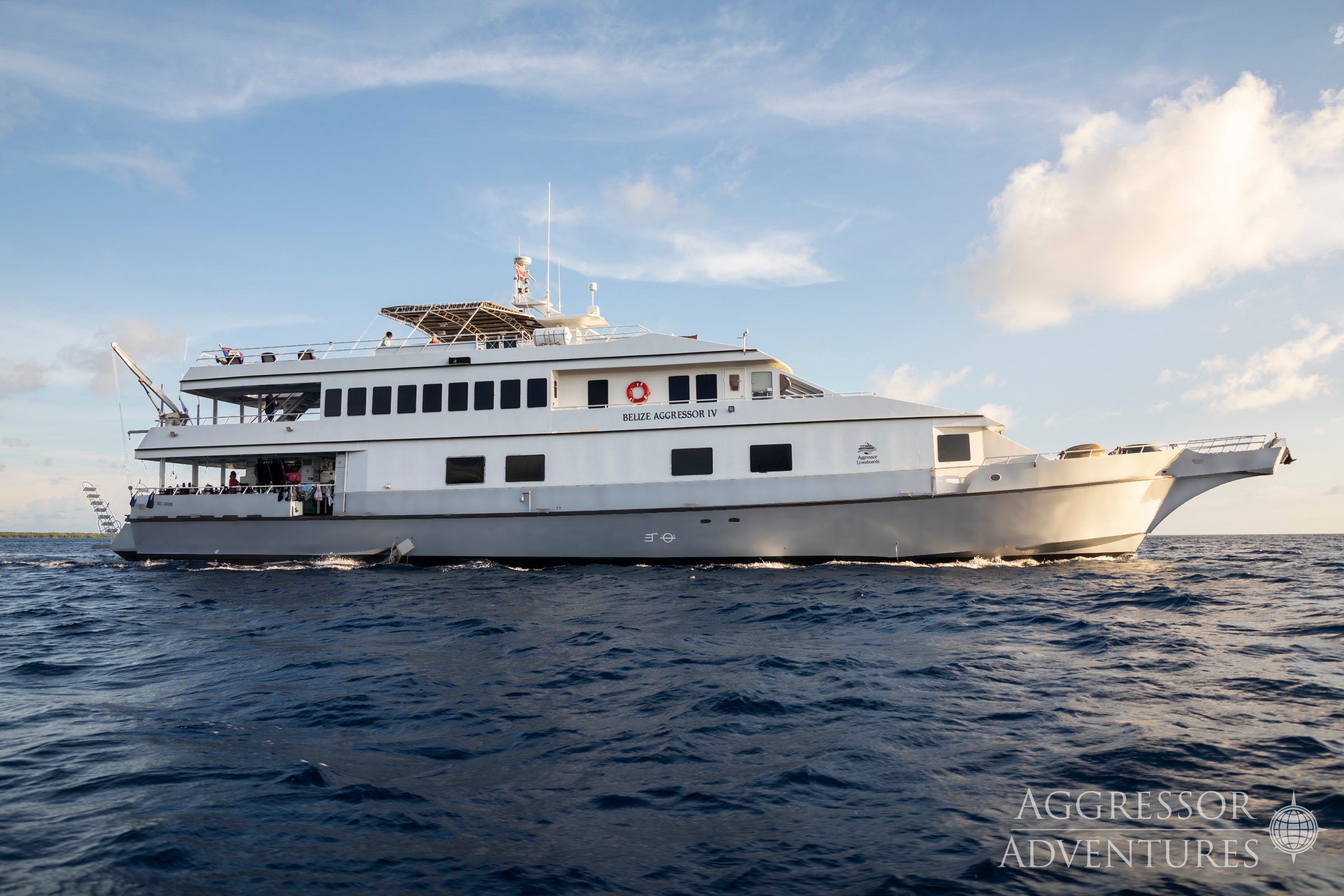
Belize Aggressor IV
Belize
20 guests42.1 m
$356/day
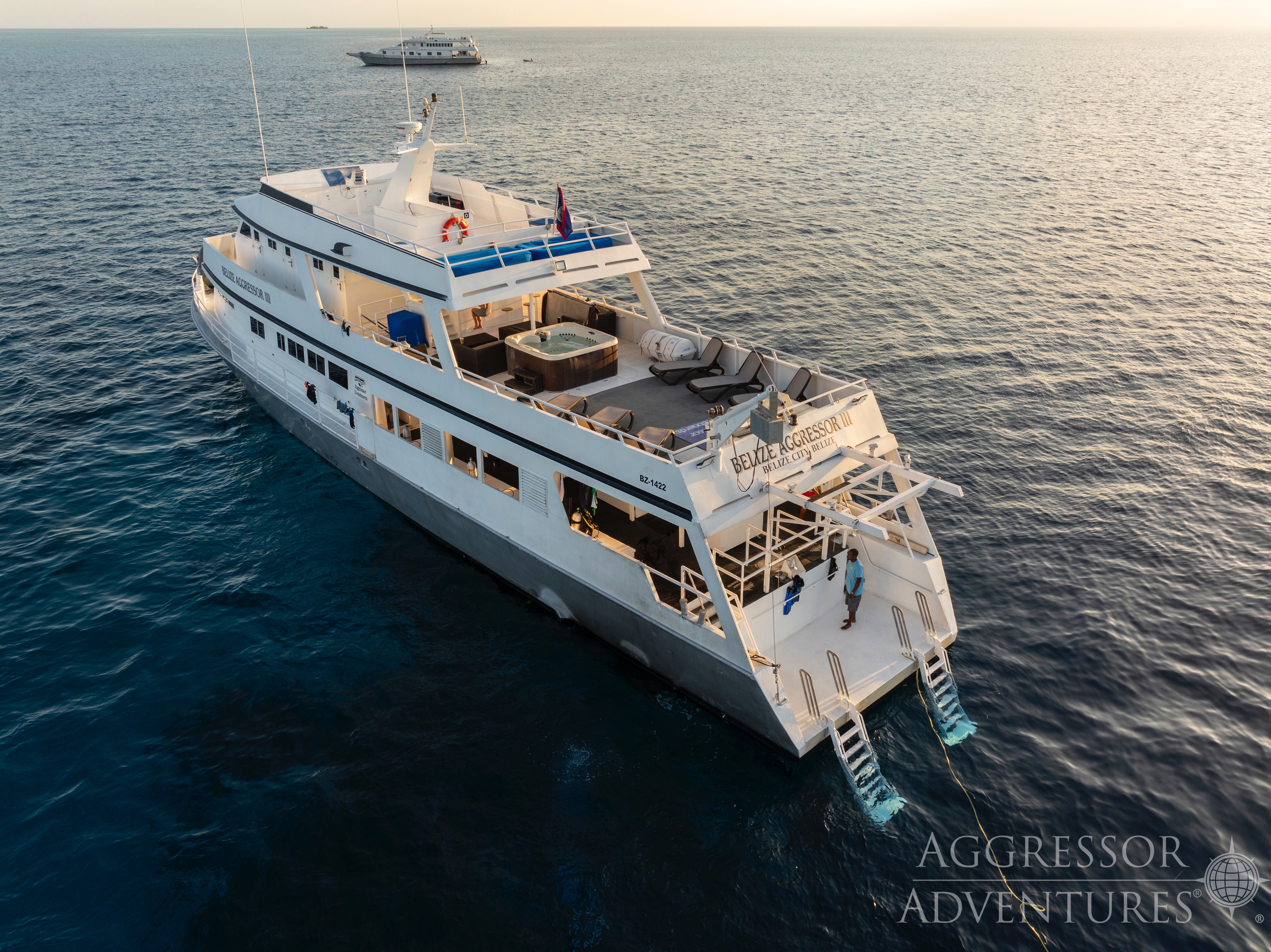
Belize Aggressor III
Belize
18 guests33.5 m
$336/day
Dive sites similar to Hol Chan Marine Reserve
Same character, same waters — six more sites divers love for the exact same reasons.Compare seasons, access and liveaboard routes — then pick the site that fits your trip best.
© Esri — Maxar, Earthstar, GIS
Silver Caves
Belize
Silver Caves offers a distinctive diving experience within the Lighthouse Reef Atoll, one of Belize's healthiest reef systems.
- Suitable for
- Advanced
- Current
- Mild
- Access
- Liveaboard only
- Depth
- 18–28 m
- Theme
- Reef / Cave & cavern
Cozumel's western coast features a dramatic reef shelf that plunges thousands of feet into the ocean.
- Suitable for
- Intermediate
- Current
- Mild
- Access
- Liveaboard or dayboat
- Depth
- 15–27 m
- Theme
- Reef
© Esri — Maxar, Earthstar, GIS
North Wall
Cayman Islands
The North Wall of Grand Cayman stands as one of the most celebrated and visually striking dive regions, stretching along the island's northern coastline.
- Suitable for
- Advanced
- Current
- Mild
- Access
- Liveaboard or dayboat
- Depth
- 50–100 m
- Theme
- Reef
© Esri — Maxar, Earthstar, GIS
Lighthouse Reef
Cayman Islands
Lighthouse Reef, situated near the West End dock of Cayman Brac, provides a distinctive shallow reef diving experience.
- Suitable for
- Beginner
- Current
- Strong
- Access
- Shore / dayboat
- Depth
- 10–25 m
- Theme
- Reef
© Esri — Maxar, Earthstar, GIS
Long Caye Ridge
Belize
Long Caye Ridge is a highly-rated dive site situated within Belize's Lighthouse Reef Atoll, an area renowned for its pristine conditions due to its distance from the mainland.
- Suitable for
- Intermediate
- Current
- No current
- Access
- Liveaboard only
- Depth
- 21–21 m
- Theme
- Reef
Roatán, part of the Bay Islands of Honduras, offers a diverse underwater landscape situated along the Mesoamerican Barrier Reef System, which is the second largest barrier reef globally.
- Suitable for
- Intermediate
- Current
- Moderate
- Access
- Liveaboard or dayboat
- Depth
- 9–40 m
- Theme
- Reef