About Caye Caulker Marine Reserve
Caye Caulker Marine Reserve is a protected reef and channel system situated directly offshore from Caye Caulker, offering accessible and vibrant diving experiences. This local reserve features expansive coral canyons, intricate reef fingers, and sheltered inner-reef sections, showcasing a healthy ecosystem just a short boat ride from town. Divers here encounter a rich variety of marine life, including numerous reef fish, rays, and nurse sharks, amidst abundant live corals and juvenile fish. The reserve's topography ranges from shallow training grounds at 2-10 meters to standard reef dives typically reaching 18-21 meters, accommodating a wide range of diver experience levels. Water temperatures remain consistently warm throughout the year, enhancing comfort during dives. The reserve is known for its generally manageable currents, though conditions can vary, particularly in channel sections or during prevailing winds. Visibility is often excellent, allowing for clear views of the dynamic underwater scenery. This site provides an ideal setting for relaxed dives, offering colorful and diverse underwater encounters. It is particularly well-suited for beginner courses, refresher dives, and casual fun dives, with many operators combining dives with snorkel stops at popular areas like Shark and Ray Alley, known for frequent sightings of nurse sharks and stingrays.
Highlights
Healthy, vibrant coral reefsAbundant juvenile fishNurse shark encountersSouthern stingray sightingsPossible hammerhead sightingsCalm, warm Caribbean watersAccessible coral canyonsReef fingers and channels
Season calendar
Best months to dive here
Jan
Feb
Mar
Apr
May
Jun
Jul
Aug
Sep
Oct
Nov
Dec
Excellent
Good
Off-Season
Nov – May (Dry Season)
Calm seas, best visibility up to 40m, whale shark season at Gladden Spit in April-May.
Jun – Aug (Wet Season)
Still diveable with warm waters. Occasional rain and reduced visibility, but fewer crowds.
Sep – Oct (Hurricane)
Peak hurricane season. Most operators remain open but weather can be unpredictable.
Dive site facts: Caye Caulker Marine Reserve
- Depth
- 2–21 m
- Typical dive
- 17 m, 46 min
- Current
- Mild
- Visibility
- 18–30 m
- Water temperature
- 26–29°C
- Entry
- Boat
- Level
- Beginner to Advanced
- Dive type
- Reef, drift, shark encounter
- Night dive
- Possible
- Region / port
- Caye Caulker, Belize
- Coordinates
- 17.7539, -88.0072
Conditions & Currents
Caye Caulker Marine Reserve typically experiences light to mild currents, making it generally suitable for divers of all levels. While conditions are often calm, currents can become more noticeable around channel sections and exposed areas, particularly with prevailing winds. Entry and exit are primarily boat-based, and surface conditions can occasionally be choppy, requiring careful adherence to guide briefings. Visibility usually ranges from 18 to 30 meters, though it can be influenced by weather and tidal patterns. Water temperatures are consistently warm, averaging 26-29°C, eliminating the need for thick wetsuits. Thermoclines are generally not an issue at typical dive depths within the reserve. Divers should stay close to mooring lines or buoys and treat the reserve as a guided marine-park dive, focusing on situational awareness, especially near channels where currents can build.
Marine life & sighting chances

Nurse Shark
common
Southern Stingray
common
Spotted Eagle Ray
occasional
Hawksbill Sea Turtle
occasional
Caribbean Reef Shark
occasional
Goliath Grouper
occasional
Snapper
common
Angelfish
common
Moray Eel
occasional
Barracuda
occasional
Parrotfish
common
Lobster
occasional
Hammerhead Shark
rareDive profile & how the dive runs
Dives in Caye Caulker Marine Reserve typically begin with a short boat ride from the island, leading to mooring points within the protected area. Entry is usually a backward roll or giant stride from the boat, followed by a descent to the reef. Routes often explore coral canyons and reef fingers, with depth progression tailored to the site and diver experience, commonly ranging from 2-10 meters for training to 18-21 meters for certified divers. Divers navigate alongside vibrant reef structures, observing various fish, rays, and corals. The dive typically involves a gradual exploration of the reef, with the turn point determined by air consumption and bottom time limits. Safety stops are conducted at the designated 5-meter depth, often near the mooring line or drift point, before ascending back to the boat for exit.
Underwater photography
Caye Caulker Marine Reserve offers excellent opportunities for both wide-angle and macro photography, thanks to its healthy reefs and diverse marine life. For wide-angle shots, a fisheye or wide-angle rectilinear lens is ideal to capture the extensive coral canyons and reef structures, as well as the frequently encountered nurse sharks and stingrays in Shark Ray Alley. Due to generally mild currents and good visibility, lighting conditions are often favorable, allowing for natural light photography in shallower areas. For macro enthusiasts, a 60mm or 105mm lens will be rewarding, capturing intricate details of juvenile fish, anemones, and smaller reef inhabitants. External strobes are highly recommended to bring out the vibrant colors of corals and marine life, especially in deeper sections of the reef or on overcast days. Practice excellent buoyancy control to avoid disturbing the delicate coral formations and marine life, ensuring clear shots and protecting the protected ecosystem.
Combine with nearby dive sites
- Shark Ray Alley
Famous for interactions with nurse sharks and southern stingrays.
- Hol Chan Marine Reserve
A highly diverse protected area with a channel cutting through the barrier reef.
- Turneffe Atoll
The largest of Belize's three atolls, known for pelagic encounters and rich biodiversity.
- Half Moon Caye Wall
Renowned for dramatic drop-offs, abundant marine life, and excellent visibility.
- Great Blue Hole
A UNESCO World Heritage site known for its unique geological formations and stalactites.
Getting there & logistics
Travelers typically fly into Philip S. W. Goldson International Airport (BZE) near Belize City, then transfer to Caye Caulker via a 10-minute domestic flight or a 45-minute scenic water taxi. Once on the island, dive shops are centrally located and easily accessible on foot. Daily boat trips provide convenient access to local reef sites and marine reserves. Most operators offer two-dive morning trips to the reserve, often including a snorkel stop. Marine park fees, typically around $10 USD, are usually included in dive packages. Overnight trips to more distant atolls like Lighthouse Reef and Turneffe Atoll are also available from Caye Caulker, ranging from 3-day/2-night adventures to full-day excursions for iconic sites like the Great Blue Hole.
Safety & environment
Caye Caulker Marine Reserve is a protected area, and adherence to marine park regulations is mandatory, including no anchoring or fishing activity outside designated zones. Dive guides provide thorough briefings, and divers should always follow their instructions, staying with the group and respecting buoyancy limits to protect the delicate ecosystem. The nearest recompression chamber is approximately 35 km away, emphasizing the importance of responsible diving practices and comprehensive dive insurance. Specific hazards include potential boat traffic, especially in busy areas, and currents that can build in channel sections, necessitating careful monitoring of dive profiles. Divers must possess appropriate certifications (PADI Open Water minimum for most dives) and maintain good physical health. Evacuation procedures typically involve boat transfer to the mainland and then to medical facilities, underscoring the need for reliable communication and emergency preparedness.
Who it suits — and who it doesn't
Suited for
- Beginner divers seeking calm, shallow conditions
- Underwater photographers due to good visibility and healthy corals
- Divers interested in frequent encounters with nurse sharks and stingrays
- Those looking for relaxed, colorful reef dives
- Divers seeking to combine diving with a laid-back island experience
Less suited for
- Technical divers looking for extreme depths
- Divers expecting strong currents and large pelagic action on every dive
- Those uninterested in reef and macro photography
- Divers who prefer remote, untouched dive sites without other visitors
- Individuals seeking shore-entry diving opportunities
FAQ
Caye Caulker Marine Reserve FAQ
What marine life can I expect to see in Caye Caulker Marine Reserve?
You can anticipate seeing a rich variety of Caribbean marine life, including healthy coral formations, numerous reef fish, angelfish, snapper, grouper, and moray eels. Frequent encounters with docile nurse sharks and southern stingrays are common, especially in areas like Shark Ray Alley. Occasional sightings of hawksbill sea turtles, spotted eagle rays, and even hammerheads are also possible.
Is Caye Caulker Marine Reserve suitable for beginner divers?
Yes, Caye Caulker Marine Reserve is highly suitable for beginner divers. Many sites within the reserve feature shallow depths, minimal currents, and excellent visibility, making it an ideal location for introductory dives, refresher courses, and earning certifications. Local operators specifically market the area for its calm and accessible conditions.
What are the typical dive depths in the reserve?
The depth range within Caye Caulker Marine Reserve varies, accommodating different experience levels. Shallow training and introductory sections often range from 2 to 10 meters. For certified divers, standard local reef dives commonly explore depths between 18 and 21 meters, offering vibrant coral structures and diverse marine life.
When is the best time of year to dive at Caye Caulker Marine Reserve?
The dry season, from November to May, is generally considered the most reliable time for diving in the reserve, offering calmer seas and clearer waters. Specifically, March to June often provides peak visibility, making it an excellent period for optimal underwater viewing and photography. Diving is possible year-round, but conditions are most stable during these months.
Are there any specific regulations I need to be aware of when diving here?
As a marine protected area, strict regulations apply to preserve its ecosystem. Divers must adhere to non-extractive snorkeling and diving rules, and certain preservation areas are entirely off-limits except for emergencies. Anchoring and fishing activities are restricted by zone and licensing rules. Always follow your dive guide's instructions to ensure compliance and protect the marine environment.
Can I do night dives in Caye Caulker Marine Reserve?
Yes, night dives are offered within the protected waters of the Caye Caulker Marine Reserve. These dives provide a unique perspective as the reef transforms after sunset, revealing nocturnal creatures. They are typically calm, shallow, and suitable for certified divers looking for a peaceful and surreal nighttime exploration experience.
Why dive Caye Caulker Marine Reserve from a liveaboard?
Caye Caulker Marine Reserve is one of Belize's signature dive sites. A liveaboard sleeps you on the water and puts you in the water for three to four guided dives per day, including dawn and night dives that day-boat operators rarely offer. You skip the daily commute back to port and reach quieter, less-crowded sites in the same region on a single trip.
Below are the liveaboards that include Caye Caulker Marine Reserve on their Belize itineraries.
Liveaboards diving Caye Caulker Marine Reserve
These liveaboards may visit Caye Caulker Marine Reserve on selected itineraries — the exact dive sites depend on departure, weather and conditions.
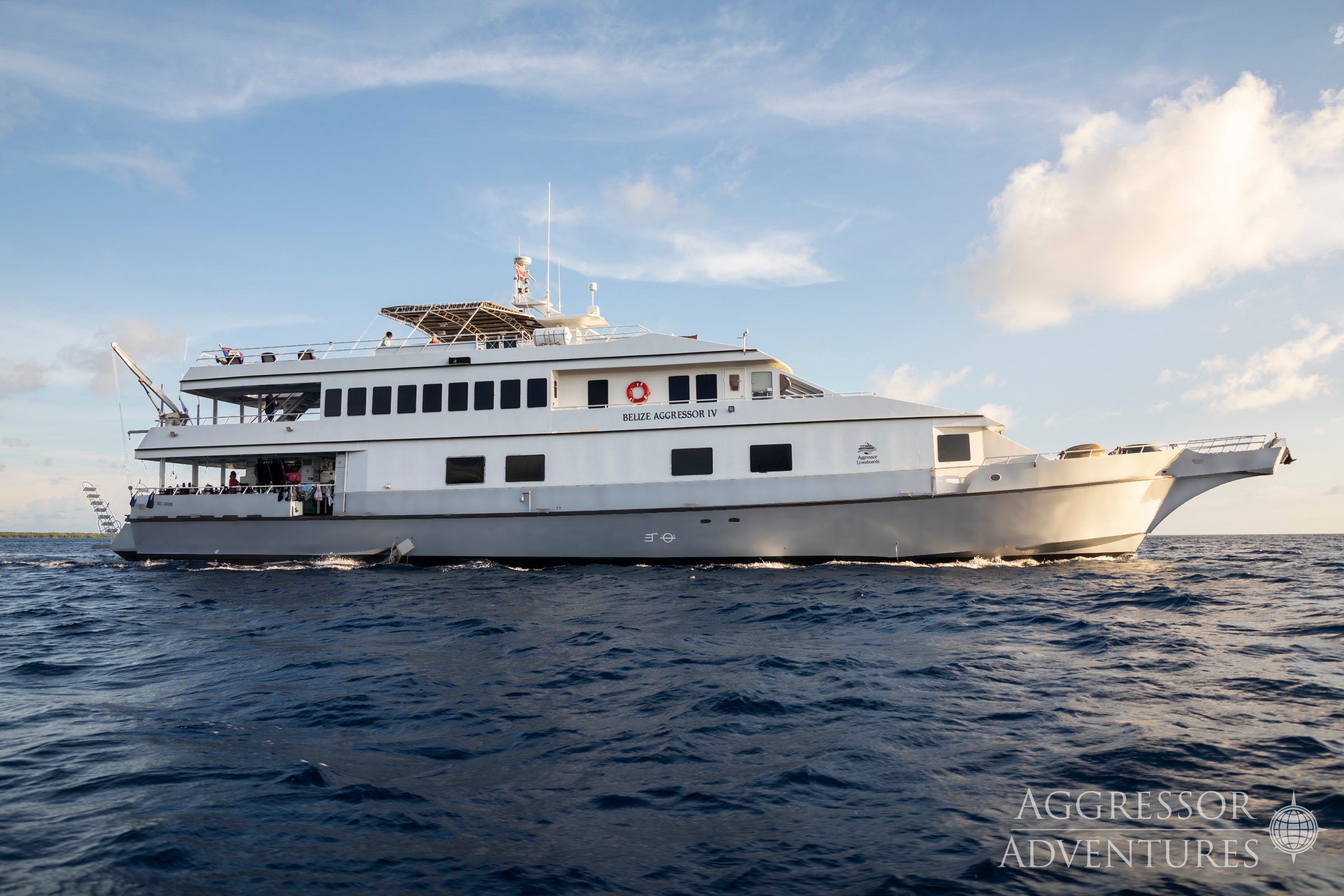
Belize Aggressor IV
Belize
20 guests42 m
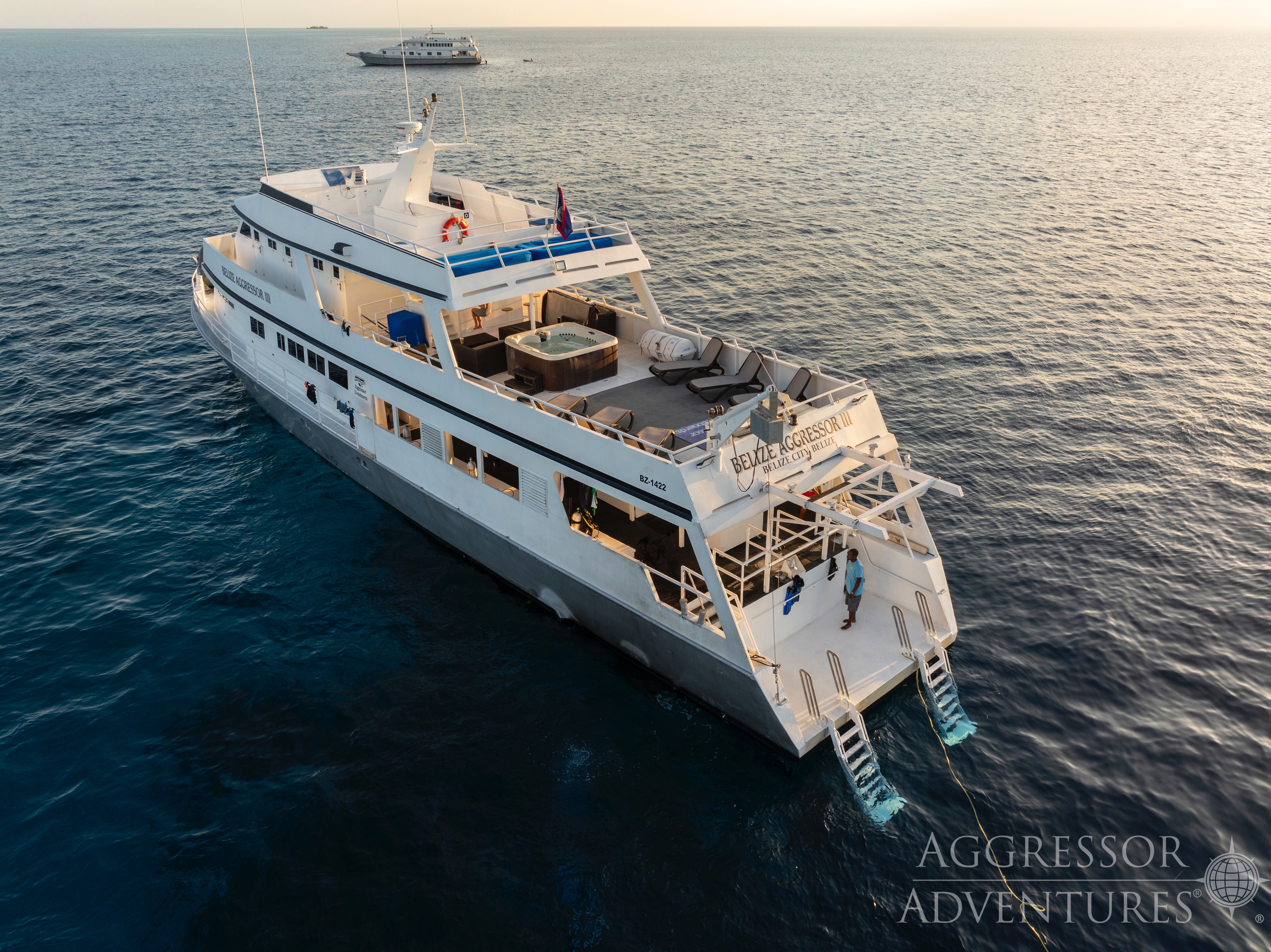
Belize Aggressor III
Belize
18 guests34 m
Dive sites similar to Caye Caulker Marine Reserve
Same character, same waters — six more sites divers love for the exact same reasons.Compare seasons, access and liveaboard routes — then pick the site that fits your trip best.
© Esri — Maxar, Earthstar, GIS
3 Fathom Wall
Cayman Islands
3 Fathom Wall is an exciting and fish-filled dive site located in the Cayman Islands, specifically at the intersection of the renowned Bloody Bay Wall.
- Suitable for
- Intermediate
- Current
- Mild
- Access
- Liveaboard only
- Depth
- ≤ 3000 m
- Theme
- Reef
While specific details for a dive site named "3 Riff" are not present in the provided sources, general diving conditions and characteristics for the Dominican Republic…
- Suitable for
- Advanced
- Current
- Mild
- Access
- Dayboat
- Depth
- 30–55 m
- Theme
- Reef
The dive site known as 3 Rocks is located off the coast of Sosúa in Puerto Plata, Dominican Republic, offering an accessible and lively underwater experience.
- Suitable for
- Beginner
- Current
- Mild
- Access
- Dayboat
- Depth
- 2–8 m
- Theme
- Reef
4 Amigos is a notable dive site located in the Bay Islands of Honduras, an area renowned for its extensive Mesoamerican Barrier Reef System, which is the world's second-longest.
- Suitable for
- Intermediate
- Current
- Moderate
- Access
- Liveaboard or dayboat
- Depth
- 9–40 m
- Theme
- Reef
© Esri — Maxar, Earthstar, GIS
6 Toed Cat
Mexico
The dive site known as "6 Toed Cat" is not a recognized dive location in Mexico; rather, it refers to the polydactyl felines, many with six toes, that inhabit the Ernest Hemingway Home and Museum in Key West, Florida.
- Suitable for
- Beginner
- Current
- Mild
- Access
- Liveaboard or dayboat
- Depth
- —
- Theme
- Reef
© Esri — Maxar, Earthstar, GIS
Aaron's Backyard
Honduras
Aaron's Backyard is a noted dive site within the Roatan Marine Park in Honduras, part of the extensive Mesoamerican Barrier Reef System.
- Suitable for
- Intermediate
- Current
- Moderate
- Access
- Liveaboard or dayboat
- Depth
- 9–40 m
- Theme
- Reef