About Carrie Bow Caye Reef
Carrie Bow Caye is a small sand caye positioned directly on the Belize Barrier Reef, hosting a continuous coral reef monitoring program by the Smithsonian Institution since 1972. The reef system in front of the caye exhibits a classic spur-and-groove topography, making it a globally significant research site. The reef crest starts at a shallow 4 to 8 meters, with sand channels gradually descending to approximately 30 meters at the wall edge. This diverse structure supports healthy stands of mountainous star coral, brain coral, sheet coral, and pillar coral. Divers will also encounter impressive deep-water sea fans, large barrel sponges, and elephant-ear sponges, creating a vibrant underwater landscape. Marine life includes schools of horse-eye jacks, mutton snappers, and schoolmasters, alongside midnight parrotfish and various angelfish species. Large groupers are common, and both hawksbill turtles and southern stingrays are frequently sighted. Caribbean reef sharks are known to patrol the wall edge, adding an exciting element to the dive. Typically, currents are moderate, and visibility ranges from 20 to 30 meters, making it a manageable and rewarding dive for intermediate levels. Access is primarily by boat, either from Dangriga or via liveaboard, often combined with other sites in the South Water Caye Marine Reserve.
Highlights
Smithsonian research stationSpur-and-groove reef formationHealthy hard coral varietiesAbundant spongesHawksbill turtlesCaribbean reef sharksModerate currentsExcellent visibility
Best Season
The best diving conditions are typically experienced from April to June, offering excellent visibility and calmer seas. While diving is possible year-round, the dry season from November to May generally provides the most stable weather.
Dive site facts: Carrie Bow Caye Reef
- Depth
- 4–30 m
- Current
- Moderate
- Visibility
- 20–30 m
- Entry
- Boat
- Level
- Intermediate
- Dive type
- Reef, wall
- Region / port
- Dangriga, South Water Caye Marine Reserve
- Coordinates
- 17.3640° N, 87.8431° W
Conditions & Currents
Currents at Carrie Bow Caye Reef are generally moderate, making for a manageable dive experience, particularly along the reef crest and spur-and-groove formations. Divers should nonetheless be prepared for potential stronger flows, especially towards the wall edge where the reef drops into deeper waters. Visibility is consistently good, usually between 20 to 30 meters, though heavy rainfall during the wet season might occasionally impact it. Entry is exclusively by boat, requiring careful planning of gas consumption, especially if exploring deeper sections near the wall. Divers must maintain good buoyancy control to avoid contact with the fragile coral structures, especially in areas with surge.
Marine life & sighting chances

Horse-eye jack
common
Mutton snapper
commonSchoolmaster snapper
common
Midnight parrotfish
common
French angelfish
common
Queen angelfish
common
Grouper
common
Hawksbill turtle
common
Southern stingray
common
Caribbean reef shark
occasional
Queen triggerfish
occasional
Trumpetfish
occasionalDive profile & how the dive runs
Your dive at Carrie Bow Caye Reef typically begins with a boat entry onto the reef crest, which ranges from 4 to 8 meters deep. From this shallow and vibrant section, you will gradually descend through the spur-and-groove formations, exploring the healthy coral gardens. The dive then follows the sloping sand channels down to approximately 30 meters at the wall edge, allowing you to observe the deeper coral stands and sponges. Divers usually navigate along the reef structure, keeping an eye on the blue for passing pelagics like Caribbean reef sharks, while also focusing on the abundant reef fish and macro life nestled among the corals. The turnaround point is generally dictated by air consumption or no-decompression limits, after which you will slowly ascend back towards the shallower reef for your safety stop before surfacing near the boat.
Underwater photography
Carrie Bow Caye Reef offers diverse photography opportunities, from expansive reefscapes to intricate macro subjects. A wide-angle lens is ideal for capturing the grandeur of the spur-and-groove formations, the vast coral stands, and schools of fish. Keep an eye out for Caribbean reef sharks or hawksbill turtles passing by the wall edge to frame compelling shots. For capturing the detailed textures of angelfish, parrotfish, or intricate sponges, a macro lens will be beneficial, especially in the shallower reef areas. Natural light is excellent on the reef crest, but strobes are recommended to bring out the true colors of corals and marine life at deeper depths. Achieving perfect buoyancy control is crucial to avoid damaging delicate corals and to position yourself for optimal shots without disturbing the environment.
Combine with nearby dive sites
Getting there & logistics
Carrie Bow Caye Reef is primarily accessed by boat, typically originating from Dangriga on the mainland, or occasionally from other cayes like Tobacco Caye. Liveaboard itineraries also visit this site, often as part of a wider exploration of the South Water Caye Marine Reserve. The nearest international airport is Belize City's Philip S. W. Goldson International Airport (BZE), from which domestic flights or ground transfers can connect to Dangriga. The site is frequently included in multi-day dive packages or liveaboard trips due to its location on the barrier reef. There may be park fees associated with diving within the South Water Caye Marine Reserve.
Safety & environment
Diving at Carrie Bow Caye Reef requires adherence to standard safety protocols, including meticulous dive planning and careful gas management, particularly when exploring the deeper sections or encountering moderate currents. The nearest recompression chamber is located in San Pedro, Ambergris Caye, necessitating a potentially lengthy evacuation by boat and possibly air, depending on the severity and location. Divers should ensure they have comprehensive dive insurance that covers medical emergencies and evacuation. Site-specific hazards are minimal but include potential encounters with marine life such as Caribbean reef sharks and stingrays, which should be observed respectfully from a distance. Good buoyancy control is paramount to protect the fragile coral ecosystem.
Who it suits — and who it doesn't
Suited for
- Intermediate divers seeking diverse reef and wall topography
- Divers interested in marine biology and research sites
- Underwater photographers capturing wide-angle and macro subjects
- Divers who appreciate healthy coral formations and moderate currents
Less suited for
- Absolute beginner divers without prior experience
- Divers unwilling to manage moderate currents
- Divers seeking only large pelagic encounters
- Divers who prefer shore-based diving
FAQ
Carrie Bow Caye Reef FAQ
What makes Carrie Bow Caye Reef unique among Belize dive sites?
Carrie Bow Caye Reef is unique due to its direct proximity to a long-running Smithsonian Institution research station, which has continuously monitored the reef since 1972. This scientific presence underscores the site's ecological significance and often means the reef benefits from careful preservation, offering divers a pristine environment.
What kind of coral formations can I expect to see at Carrie Bow Caye Reef?
The reef features a classic spur-and-groove formation, with a crest around 4-8 meters deep and channels descending to 30 meters. You will encounter healthy stands of mountainous star coral, brain coral, sheet coral, and pillar coral, alongside large barrel sponges and deep-water sea fans that contribute to the reef's rich topography.
Are there opportunities to see large marine animals or sharks?
Yes, Carrie Bow Caye Reef is known for sightings of larger marine life. You can often see schools of horse-eye jacks and large groupers. Caribbean reef sharks are also regularly observed patrolling the deeper wall edge, and hawksbill turtles along with southern stingrays are common visitors.
What are the typical diving conditions at Carrie Bow Caye Reef?
Diving conditions are generally favorable with moderate currents, making the site accessible for intermediate divers. Visibility is consistently good, usually ranging from 20 to 30 meters, providing clear views of the extensive reef system and marine inhabitants.
Is Carrie Bow Caye Reef suitable for underwater photography?
Absolutely. The site offers excellent opportunities for both wide-angle and macro photography. The healthy coral formations, diverse fish schools, and potential for larger marine life sightings provide a wide range of subjects. Good buoyancy control is key to capturing stunning images while protecting the delicate reef.
Why dive Carrie Bow Caye Reef from a liveaboard?
Carrie Bow Caye Reef is one of Belize's signature dive sites. A liveaboard sleeps you on the water and puts you in the water for three to four guided dives per day, including dawn and night dives that day-boat operators rarely offer. You skip the daily commute back to port and reach quieter, less-crowded sites in the same region on a single trip.
Below are the liveaboards that include Carrie Bow Caye Reef on their Belize itineraries.
Liveaboards diving Carrie Bow Caye Reef
These liveaboards may visit Carrie Bow Caye Reef on selected itineraries — the exact dive sites depend on departure, weather and conditions.
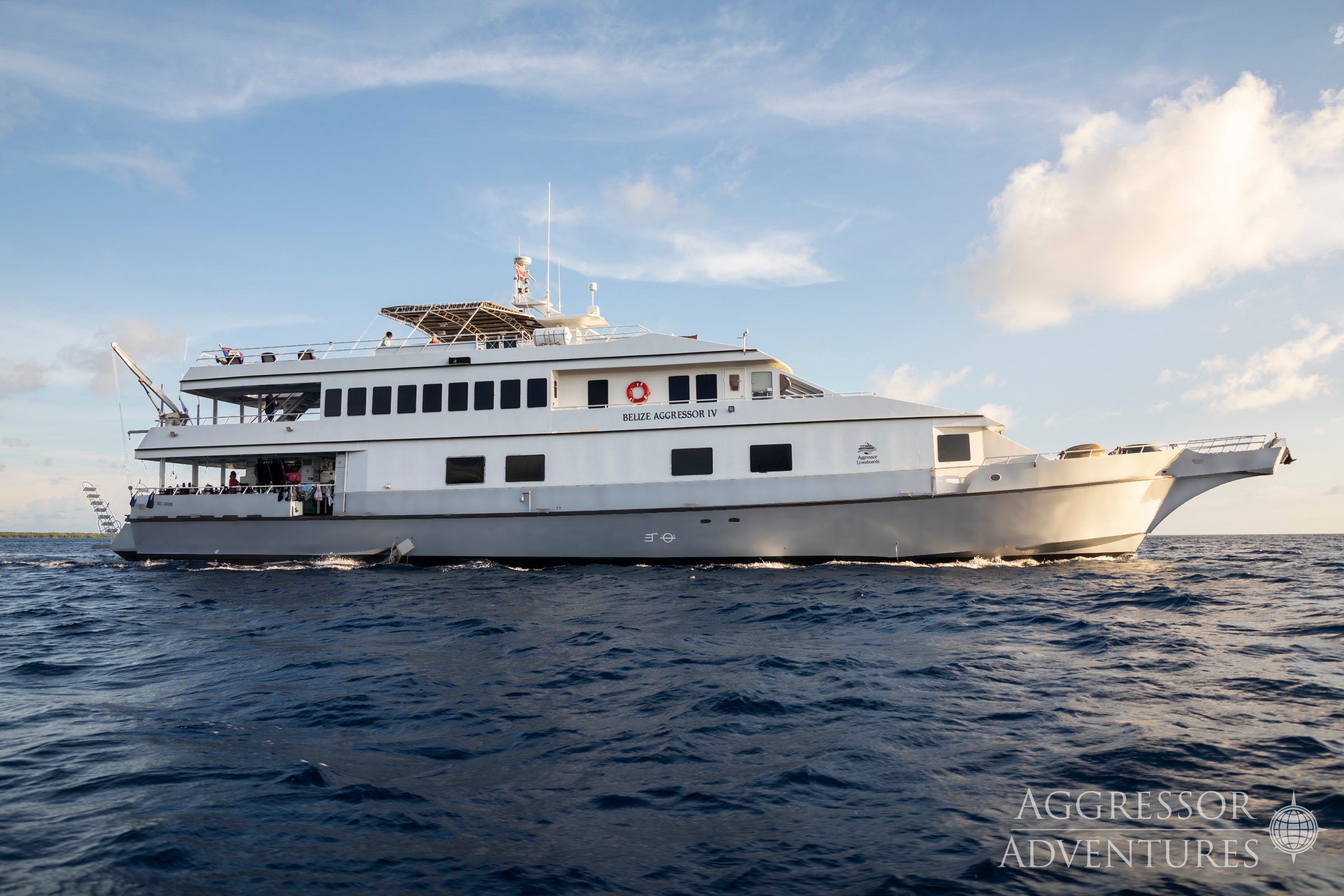
Belize Aggressor IV
Belize
20 guests42.1 m
$356/day
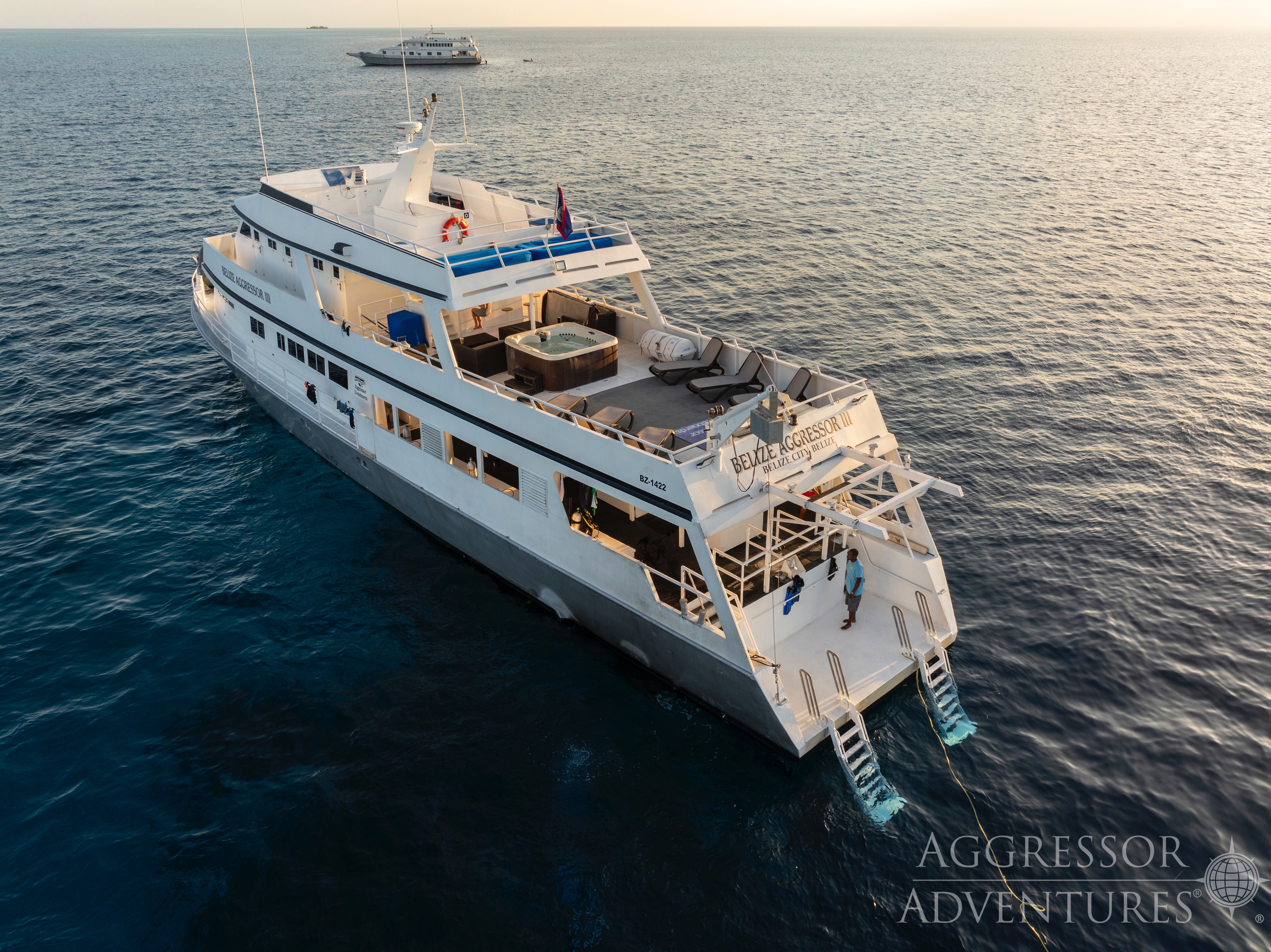
Belize Aggressor III
Belize
18 guests33.5 m
$336/day
Dive sites similar to Carrie Bow Caye Reef
Same character, same waters — six more sites divers love for the exact same reasons.Compare seasons, access and liveaboard routes — then pick the site that fits your trip best.
© Esri — Maxar, Earthstar, GIS
Ambergris Caye
Belize
Ambergris Caye, the largest and most popular of Belize's offshore cayes, offers unparalleled diving along 40 kilometers of the Belize Barrier Reef, situated less than a mile offshore.
- Suitable for
- Intermediate
- Current
- Mild
- Access
- Dayboat
- Depth
- 15–60 m
- Theme
- Reef / Wall
© Esri — Maxar, Earthstar, GIS
Long Caye Ridge
Belize
Long Caye Ridge is a highly-rated dive site situated within Belize's Lighthouse Reef Atoll, an area renowned for its pristine conditions due to its distance from the mainland.
- Suitable for
- Intermediate
- Current
- No current
- Access
- Liveaboard only
- Depth
- 21–21 m
- Theme
- Reef
© Esri — Maxar, Earthstar, GIS
Silver Caves
Belize
Silver Caves offers a distinctive diving experience within the Lighthouse Reef Atoll, one of Belize's healthiest reef systems.
- Suitable for
- Advanced
- Current
- Mild
- Access
- Liveaboard only
- Depth
- 18–28 m
- Theme
- Reef / Cave & cavern
© Esri — Maxar, Earthstar, GIS
Sayonara Wreck
Belize
The Sayonara Wreck offers an engaging intermediate dive experience southwest of the Turneffe Islands in Belize.
- Suitable for
- Intermediate
- Current
- Moderate
- Access
- Liveaboard only
- Depth
- 12–18 m
- Theme
- Wreck / Reef
Esmeralda Canyon, a standout dive site within the Belize Barrier Reef, is located about 30 minutes by boat from Ambergris Caye, a main hub for reef diving.
- Suitable for
- Beginner
- Current
- Strong
- Access
- Liveaboard or dayboat
- Depth
- 13–25 m
- Theme
- Reef