About South Water Caye Wall
South Water Caye Wall is a spectacular dive site located within the South Water Caye Marine Reserve, Belize's largest marine protected area and a UNESCO World Heritage site. Situated on the seaward edge of the Belize Barrier Reef, this site features a healthy reef crest starting between 10 and 14 meters, which then plunges into a dramatic vertical wall extending past 35 meters into the deep Caribbean. This diverse topography supports an impressive array of marine life and corals, including massive plate corals, mountainous star corals, large barrel sponges, and deep-water gorgonians. The wall is a vibrant habitat for numerous species, making every dive a dynamic experience. You can expect to encounter large schools of horse-eye jacks, mutton snappers, and schoolmasters. French and queen angelfish, midnight parrotfish, and queen triggerfish are common, alongside various large groupers. Southern stingrays patrol the sandy patches at the wall's shoulder, and Caribbean reef sharks frequently pass by. Hawksbill turtles are also reliable visitors to this thriving ecosystem. Conditions at South Water Caye Wall are generally favorable, with moderate currents and excellent visibility typically ranging from 20 to 30 meters. Access to the site is primarily by boat from Dangriga or Tobacco Caye, and it forms part of critical research programs conducted by the Smithsonian Institution at the nearby Carrie Bow Caye field station. The site offers versatile dive profiles suitable for intermediate divers, with deeper sections appealing to those with advanced certifications.
Highlights
Dramatic wall drop-offMassive plate coralsAbundant schooling fishCruising Caribbean reef sharksHawksbill turtle sightingsLarge barrel spongesUNESCO World Heritage site
Season calendar
Best months to dive here
Jan
Feb
Mar
Apr
May
Jun
Jul
Aug
Sep
Oct
Nov
Dec
Excellent
Good
Off-Season
Nov – May (Dry Season)
Calm seas, best visibility up to 40m, whale shark season at Gladden Spit in April-May.
Jun – Aug (Wet Season)
Still diveable with warm waters. Occasional rain and reduced visibility, but fewer crowds.
Sep – Oct (Hurricane)
Peak hurricane season. Most operators remain open but weather can be unpredictable.
Dive site facts: South Water Caye Wall
- Depth
- 5–35 m
- Typical dive
- 12–25 m
- Current
- Moderate
- Visibility
- 20–30 m
- Water temperature
- 26–31°C
- Entry
- Boat
- Level
- Intermediate (Open Water for reef, AOWD for wall)
- Dive type
- Wall, coral reef
- Region / port
- Dangriga, Stann Creek
- Coordinates
- 16.8167, -88.0667
Conditions & Currents
Currents at South Water Caye Wall are generally moderate, making it a manageable wall dive for intermediate skill levels. While currents are predictable, divers should be prepared for potential stronger flows, especially on the outer reef where the wall drops into deeper waters. Visibility is reliably good, ranging from 20 to 30 meters, though it can be affected by rainfall runoff during the wet season. Entry to the site is exclusively by boat, typically involving a descent onto the reef crest before exploring the wall. Divers should plan their gas consumption carefully, especially when exploring deeper sections of the wall, and maintain good buoyancy control to avoid contact with the delicate coral formations.
Marine life & sighting chances

Spotted eagle ray
occasional
Green moray eel
common
Great barracuda
common
Nassau grouper
occasional
Southern stingray
occasional
Hawksbill turtle
occasional
Queen angelfish
common

Horse-eye jack
common
Mutton snapper
common
Midnight parrotfish
common
French angelfish
commonDive profile & how the dive runs
Your dive at South Water Caye Wall typically begins with a boat entry directly onto the reef crest, which lies between 10 and 14 meters deep. From this shallower section, you'll gradually descend towards the dramatic wall, exploring the vibrant coral gardens that define the reef top. The dive then follows the vertical drop-off, allowing you to observe the extensive plate corals, barrel sponges, and gorgonians clinging to the wall as it plunges past 35 meters. Divers often cruise along the wall, keeping an eye on the blue for passing pelagics like Caribbean reef sharks and eagle rays, while also focusing on the abundant reef fish and macro life nestled within the corals. The turn point is usually determined by gas consumption or no-decompression limits, after which you'll ascend back towards the shallower reef, completing a safety stop around 5 meters before surfacing near the boat.
Underwater photography
South Water Caye Wall offers diverse photographic opportunities, from wide-angle reefscapes to macro subjects. A wide-angle lens is ideal for capturing the expansive wall, large coral formations, and schools of fish. Look for opportunities to frame reef sharks or eagle rays cruising in the blue against the dramatic drop-off. For closer shots of angelfish, parrotfish, or intricate sponge details, a macro lens can be rewarding, especially in the shallower sections. Natural light is excellent on the reef top, but strobes are recommended to bring out the true colors of the corals and marine life on the deeper wall. Buoyancy control is paramount to avoid disturbing the delicate corals and to position yourself for optimal shots without finning into the wall.
Combine with nearby dive sites
- Carrie Bow Caye Reef
A classic spur-and-groove reef system with rich coral formations and diverse fish life, near a Smithsonian research station.
- Tobacco Caye
Known for its accessible reef and opportunities for encounters with various marine species.
- Glovers Reef Atoll
One of the few true atolls in the Caribbean, offering walls and a vibrant lagoon.
- Gladden Spit
A seasonal aggregation point for whale sharks from March to June.
- Laughing Bird Caye
A protected national park known for its pristine reef and birdlife.
- Silk Cayes
Often visited for snorkeling and diving, with opportunities to see nurse sharks and stingrays.
Getting there & logistics
Access to South Water Caye Wall typically involves boat transfers from mainland ports such as Dangriga or from nearby cayes like Tobacco Caye. Divers usually fly into Philip S. W. Goldson International Airport (BZE) near Belize City, then take a domestic flight or ground transfer to their departure point. Trips to this site are frequently integrated into liveaboard itineraries exploring Belize's southern reef systems, which offer multiple dives daily including night dives. Day trips are also possible from various resorts in the Stann Creek district. The dive site is within the South Water Caye Marine Reserve, which is a UNESCO World Heritage site, and standard marine park fees may apply, often included in dive package costs.
Safety & environment
Diving at South Water Caye Wall requires adherence to standard dive safety protocols, including proper depth and time management. Given the wall topography and potential for moderate currents, advanced open water certification is recommended for exploring deeper sections. Always dive within your training limits and with a reputable operator. The nearest recompression chamber is located in San Pedro on Ambergris Caye, requiring potentially lengthy evacuation by boat and air from this southern location. Comprehensive dive insurance, covering medical emergencies and evacuation, is therefore strongly advised. Pay attention to your guide's briefing regarding current conditions and entry/exit procedures, and maintain excellent buoyancy control to protect the fragile coral ecosystem.
Who it suits — and who it doesn't
Suited for
- Advanced Open Water divers seeking wall dives
- Photographers (wide-angle and macro)
- Divers interested in diverse coral formations
- Those looking for pelagic encounters
- Divers comfortable with moderate currents
Less suited for
- Beginner Open Water divers (for wall sections)
- Divers unwilling to travel by boat
- Those who prefer purely calm, current-free sites
FAQ
South Water Caye Wall FAQ
What kind of marine life can I expect to see at South Water Caye Wall?
You can anticipate encountering large schools of horse-eye jacks, mutton snappers, and schoolmasters. Common sightings also include French and queen angelfish, midnight parrotfish, and various large groupers. Southern stingrays patrol the sandy areas, and there's a chance to see Caribbean reef sharks and hawksbill turtles along the wall.
What are the typical dive conditions like at South Water Caye Wall?
Conditions are generally favorable with moderate currents and excellent visibility, usually ranging from 20 to 30 meters. Water temperatures are warm, typically between 26 and 31°C, making for comfortable diving year-round. However, visibility can be reduced during the wet season due to runoff.
Is South Water Caye Wall suitable for beginner divers?
The site is generally rated as intermediate due to the wall drop-off and potential for moderate currents. While the shallower reef crest is accessible to Open Water divers, exploring the deeper wall sections and navigating currents is better suited for divers with an Advanced Open Water certification and some experience.
How do I get to South Water Caye Wall?
Access to the dive site is primarily by boat. Most dive operators depart from Dangriga or Tobacco Caye. Many liveaboards in Belize also include South Water Caye Wall in their itineraries, providing a convenient way to visit this and other remote sites.
When is the best time of year to dive South Water Caye Wall?
The period from February through October typically offers the most favorable conditions, with good visibility and comfortable temperatures. April to June is often cited as an excellent time for peak underwater clarity and fewer tourists, though diving is generally good year-round.
What type of corals can be seen on the wall?
The wall is adorned with a diverse array of corals and sponges. You'll find massive plate corals, mountainous star coral, large barrel sponges, deep-water gorgonians, and vibrant yellow tube sponges, all contributing to the colorful and intricate reef structure.
Why dive South Water Caye Wall from a liveaboard?
South Water Caye Wall is one of Belize's signature dive sites. A liveaboard sleeps you on the water and puts you in the water for three to four guided dives per day, including dawn and night dives that day-boat operators rarely offer. You skip the daily commute back to port and reach quieter, less-crowded sites in the same region on a single trip.
Below are the liveaboards that include South Water Caye Wall on their Belize itineraries.
Liveaboards diving South Water Caye Wall
These liveaboards may visit South Water Caye Wall on selected itineraries — the exact dive sites depend on departure, weather and conditions.
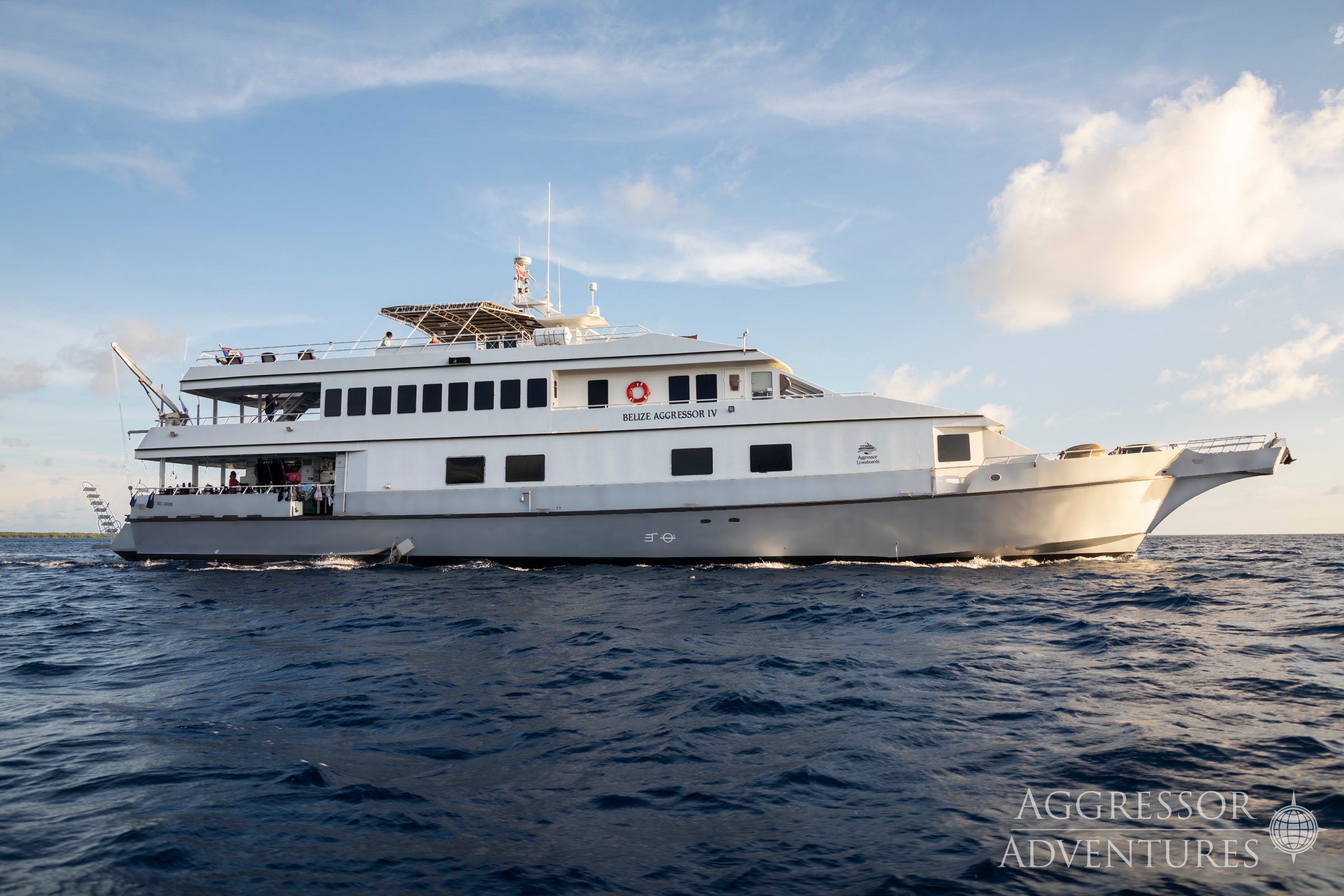
Belize Aggressor IV
Belize
20 guests42 m
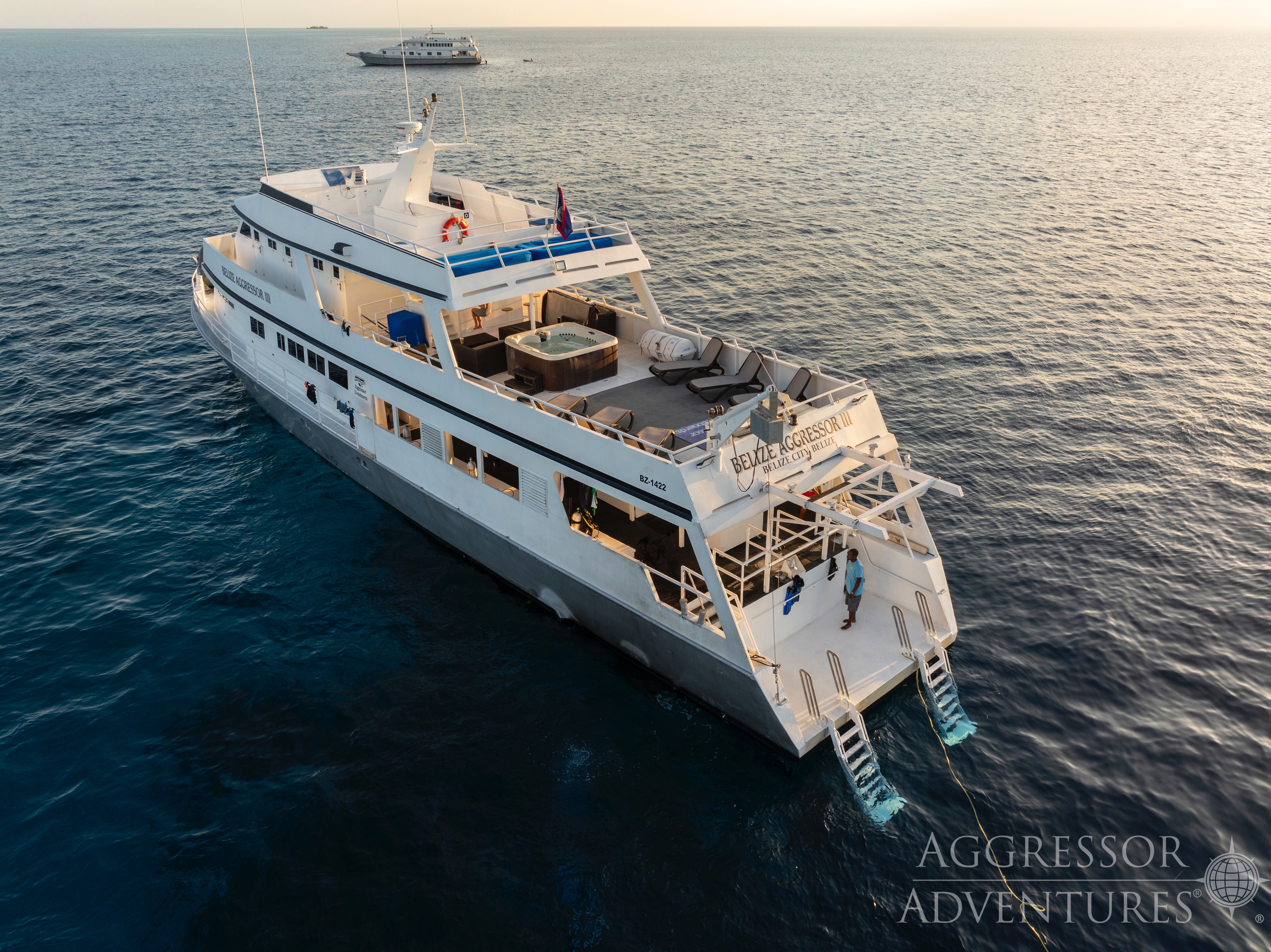
Belize Aggressor III
Belize
18 guests34 m
Dive sites similar to South Water Caye Wall
Same character, same waters — six more sites divers love for the exact same reasons.Compare seasons, access and liveaboard routes — then pick the site that fits your trip best.
© Esri — Maxar, Earthstar, GIS
3 Fathom Wall
Cayman Islands
3 Fathom Wall is an exciting and fish-filled dive site located in the Cayman Islands, specifically at the intersection of the renowned Bloody Bay Wall.
- Suitable for
- Intermediate
- Current
- Mild
- Access
- Liveaboard only
- Depth
- ≤ 3000 m
- Theme
- Reef
While specific details for a dive site named "3 Riff" are not present in the provided sources, general diving conditions and characteristics for the Dominican Republic…
- Suitable for
- Advanced
- Current
- Mild
- Access
- Dayboat
- Depth
- 30–55 m
- Theme
- Reef
The dive site known as 3 Rocks is located off the coast of Sosúa in Puerto Plata, Dominican Republic, offering an accessible and lively underwater experience.
- Suitable for
- Beginner
- Current
- Mild
- Access
- Dayboat
- Depth
- 2–8 m
- Theme
- Reef
4 Amigos is a notable dive site located in the Bay Islands of Honduras, an area renowned for its extensive Mesoamerican Barrier Reef System, which is the world's second-longest.
- Suitable for
- Intermediate
- Current
- Moderate
- Access
- Liveaboard or dayboat
- Depth
- 9–40 m
- Theme
- Reef
© Esri — Maxar, Earthstar, GIS
6 Toed Cat
Mexico
The dive site known as "6 Toed Cat" is not a recognized dive location in Mexico; rather, it refers to the polydactyl felines, many with six toes, that inhabit the Ernest Hemingway Home and Museum in Key West, Florida.
- Suitable for
- Beginner
- Current
- Mild
- Access
- Liveaboard or dayboat
- Depth
- —
- Theme
- Reef
© Esri — Maxar, Earthstar, GIS
Aaron's Backyard
Honduras
Aaron's Backyard is a noted dive site within the Roatan Marine Park in Honduras, part of the extensive Mesoamerican Barrier Reef System.
- Suitable for
- Intermediate
- Current
- Moderate
- Access
- Liveaboard or dayboat
- Depth
- 9–40 m
- Theme
- Reef