About Gladden Spit
Gladden Spit, located about 30 miles east of Placencia, Belize, is a renowned marine reserve famous for seasonal whale shark encounters. This unique area within the Belize Barrier Reef ecosystem features topography that supports mass fish-spawning events, particularly of black and cubera snappers, which in turn attract large aggregations of whale sharks. Divers can experience an active underwater environment, often finding themselves immersed in schools of horse-eye or Carville jacks, alongside various other pelagic species attracted to the spawning cycles. Dolphins, Caribbean reef sharks, bull sharks, and even hammerhead sharks are frequent visitors. The dive experience at Gladden Spit is primarily focused on encountering whale sharks, offering both diving and snorkeling opportunities for a range of skill levels. The unique aspect here is the chance to witness whale sharks feeding on fish eggs, an event unique to this location. While currents can vary, the site is generally considered accessible for intermediate divers, though beginners can join snorkeling tours. Expeditions typically last a full day, including boat travel to and from the site. This site forms part of the broader southern Belize diving itinerary which includes other diverse sites like Glover's Reef and South Water Caye. Even when whale sharks are not present, the dives offer a vibrant display of marine life, including healthy coral, abundant reef fish, and possible encounters with other large marine animals. The general conditions in Belize are consistent, with warm waters and good visibility. However, observing whale sharks specifically requires precise timing relative to lunar cycles and fish spawning. The unique blend of spawning activity and large pelagic encounters makes Gladden Spit a truly exceptional dive destination.
Highlights
Whale shark encountersMass fish-spawning eventsDiverse shark speciesLarge schools of jacksDolphins sightingsBelize Barrier Reef ecosystem
Season calendar
Best months to dive here
Jan
Feb
Mar
Apr
May
Jun
Jul
Aug
Sep
Oct
Nov
Dec
Excellent
Dive site facts: Gladden Spit
- Depth
- 10–30 m (33–100 ft) for whale shark encounters, deeper for other areas
- Typical dive
- 30–60 minutes, dependent on whale shark activity
- Current
- Moderate to strong
- Visibility
- 12–24 m (40–80 ft), can be higher
- Water temperature
- 26–29°C (79–84°F)
- Entry
- Boat / negative entry for drift dives
- Level
- Advanced Open Water recommended, experience with currents beneficial
- Dive type
- Pelagic, drift, reef
- Region / port
- Placencia, Southern Belize
- Coordinates
- 16.5167, -88.0167
Conditions & Currents
Currents at Gladden Spit are typically moderate to strong, influenced by the northerly flow of surface currents in the Western Caribbean, which can create southerly counter currents around the atolls. These currents are crucial for the drift diving experience, where divers are carried along by the water movement. A comprehensive briefing detailing current direction, descent timing, and exit procedures is essential for safety and enjoyment. Divers should be prepared for varying conditions, which necessitate good buoyancy control and streamlined gear to conserve energy and air. Boat pick-up coordination is vital as divers will surface away from the entry point. Visibility can fluctuate with current and wind conditions, but generally remains good offshore.
Marine life & sighting chances

Whale shark
March–June · occasional
Cubera snapper
March–June (spawning) · commonDog snapper
March–June (spawning) · common
Caribbean reef shark
Year-round · common
Nurse shark
Year-round · common
Eagle ray
Year-round · occasional
Green sea turtle
Year-round · occasional
Hawksbill sea turtle
Year-round · occasional
Barracuda
Year-round · common
Grouper
Year-round · common
Tarpon
Year-round · occasional
Schooling jacks
Year-round · commonDive profile & how the dive runs
Dives at Gladden Spit are exclusively conducted from boats, often involving a negative entry to quickly descend and minimize drift on the surface. Divers typically follow the lead of the guide, drifting with the current over deeper offshore waters where whale sharks are most likely to be encountered. The maximum depth for whale shark viewing is usually between 10 to 30 meters, as the whale sharks feed on snapper eggs closer to the surface. Dive time is highly dependent on whale shark activity and air consumption, often ranging from 30 to 60 minutes. The dive concludes with a safety stop in the shallower sections of the water column, after which divers are picked up by the boat, which trails the group. Strict guidelines for interaction with whale sharks are followed to ensure minimal disturbance.
Underwater photography
Gladden Spit offers incredible wide-angle photography opportunities, especially during whale shark season. A fisheye or wide-angle lens (e.g., 16-35mm on full-frame or similar) is ideal for capturing these large subjects and the expansive blue water. Natural light is often sufficient for whale shark encounters, as they are typically observed in the upper water column. For capturing snapper spawning, strobes can highlight the vibrant colors and action. Maintaining good buoyancy is crucial to avoid disturbing the marine life and to compose shots effectively while drifting. Be mindful of not chasing or crowding the whale sharks, and respect the designated safe viewing distances to ensure ethical interactions. Prepare your camera system in advance, as the action can be fast-paced once a whale shark is spotted.
Combine with nearby dive sites
- Silk Cayes
Part of the same marine reserve, offering reef diving and snorkeling.
- Glovers Reef Atoll
One of Belize's three offshore atolls, known for diverse reefs and walls.
- South Water Caye Wall
Offers vibrant wall diving with rich coral formations and marine life.
- Laughing Bird Caye
A protected national park with shallow reefs ideal for snorkeling and diving.
Getting there & logistics
Access to Gladden Spit typically begins with international flights to Philip S. W. Goldson International Airport (BZE) near Belize City. From there, domestic flights are taken to Placencia, which serves as the primary departure point for trips to Gladden Spit. Dive operators in Placencia offer day trips or multi-day packages to the marine reserve. Trips are often concentrated during the whale shark season from March to June, especially around the full moon. Marine park fees are usually included in dive package costs. Liveaboards operating in Belize might also include Gladden Spit in their itineraries, particularly during peak whale shark months, allowing for more extensive exploration of offshore sites.
Safety & environment
Diving at Gladden Spit, especially during whale shark season, requires careful attention to safety protocols due to potential currents and the nature of pelagic encounters. Divers should ensure they have adequate insurance covering dive accidents and potential medical evacuations. The nearest recompression chamber is located in San Pedro, Ambergris Caye, making evacuation a consideration for serious incidents. Divers must adhere strictly to guide instructions, particularly regarding maintaining distance from whale sharks and managing air consumption during drift dives. Good buoyancy control is essential. It is also advised to stay with your buddy and the group to prevent separation in the open ocean. Always perform a thorough gear check before entering the water.
Who it suits — and who it doesn't
Suited for
- Advanced Open Water Divers
- Divers seeking large pelagic encounters
- Underwater photographers with wide-angle setups
- Experienced drift divers
- Divers interested in marine biology and spawning events
Less suited for
- Beginner Open Water Divers
- Divers uncomfortable with currents or open ocean conditions
- Individuals prone to seasickness
- Divers with limited buoyancy control
- Those expecting guaranteed whale shark sightings (encounters are seasonal and not guaranteed)
FAQ
Gladden Spit FAQ
What makes Gladden Spit unique for diving?
Gladden Spit is unique due to its seasonal aggregation of whale sharks, drawn by the mass spawning of cubera and dog snappers. This natural phenomenon offers a rare opportunity to witness these gentle giants feeding in their natural habitat, making it a premier destination for pelagic encounters.
When is the best time to see whale sharks at Gladden Spit?
The prime whale shark season at Gladden Spit runs from March to June. Sightings are most frequent around the full moon periods during these months, as this correlates with the snapper spawning cycles that attract the whale sharks to the area.
What is the typical dive experience like at Gladden Spit?
Dives at Gladden Spit are often drift dives in open ocean conditions. Divers descend into deeper waters, moving with the current, while actively searching for whale sharks. The focus is on pelagic encounters rather than reef exploration, with strict guidelines in place to ensure respectful interactions with marine life.
Are there any specific rules for diving with whale sharks?
Yes, strict rules are enforced to protect the whale sharks. These include maintaining a respectful distance, not touching the animals, avoiding flash photography directly at them, and refraining from blocking their path. These guidelines ensure minimal disturbance to their natural behavior.
What other marine life can be seen at Gladden Spit?
Beyond whale sharks, divers can encounter large schools of snapper, various reef sharks like Caribbean reef sharks and nurse sharks, and occasional sightings of eagle rays and sea turtles. The general area is also rich with typical Caribbean reef fish and healthy coral formations, particularly closer to the nearby Silk Cayes.
Why dive Gladden Spit from a liveaboard?
Gladden Spit is one of Belize's signature dive sites. A liveaboard sleeps you on the water and puts you in the water for three to four guided dives per day, including dawn and night dives that day-boat operators rarely offer. You skip the daily commute back to port and reach quieter, less-crowded sites in the same region on a single trip.
Below are the liveaboards that include Gladden Spit on their Belize itineraries.
Liveaboards diving Gladden Spit
These liveaboards may visit Gladden Spit on selected itineraries — the exact dive sites depend on departure, weather and conditions.
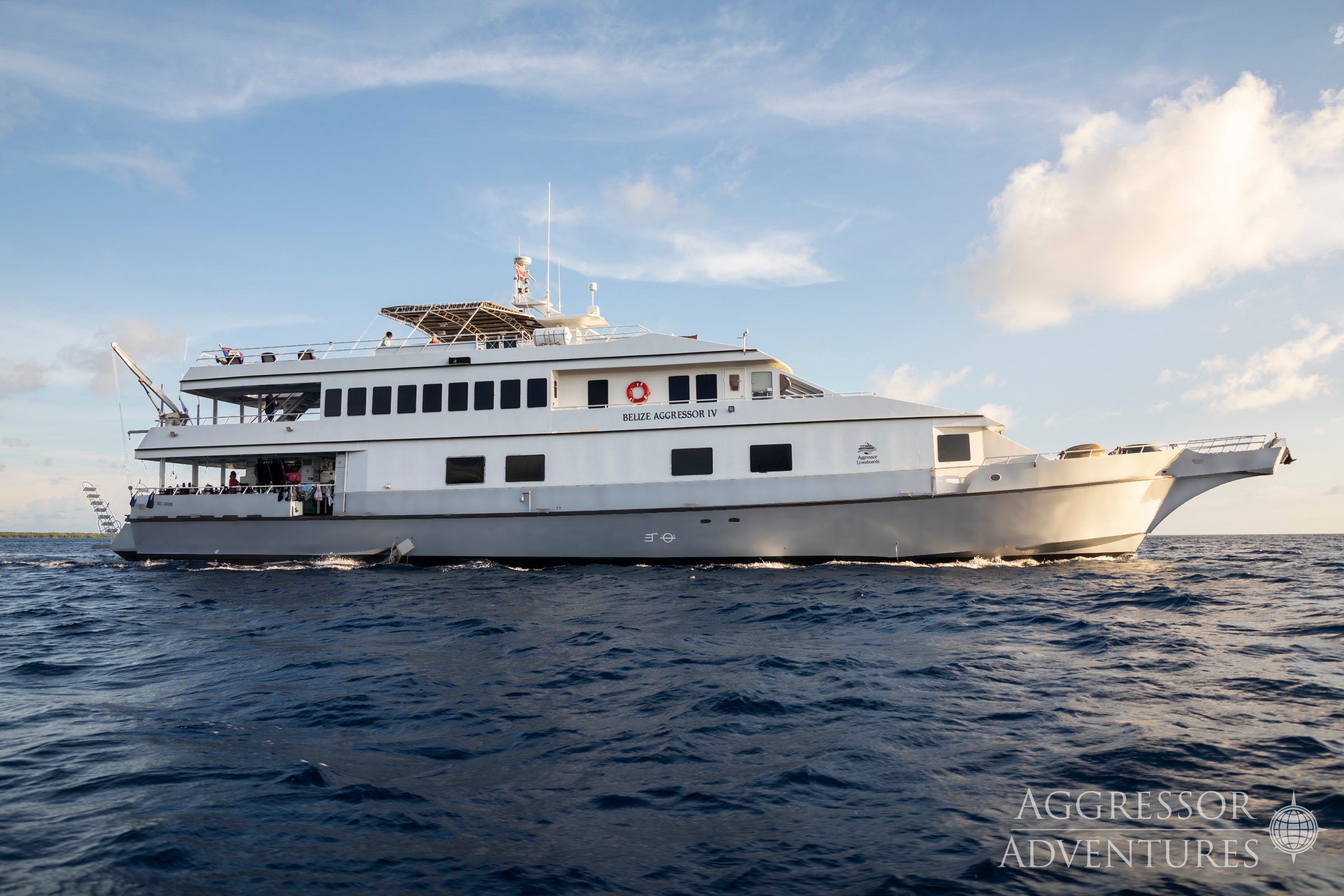
Belize Aggressor IV
Belize
20 guests42.1 m
$356/day
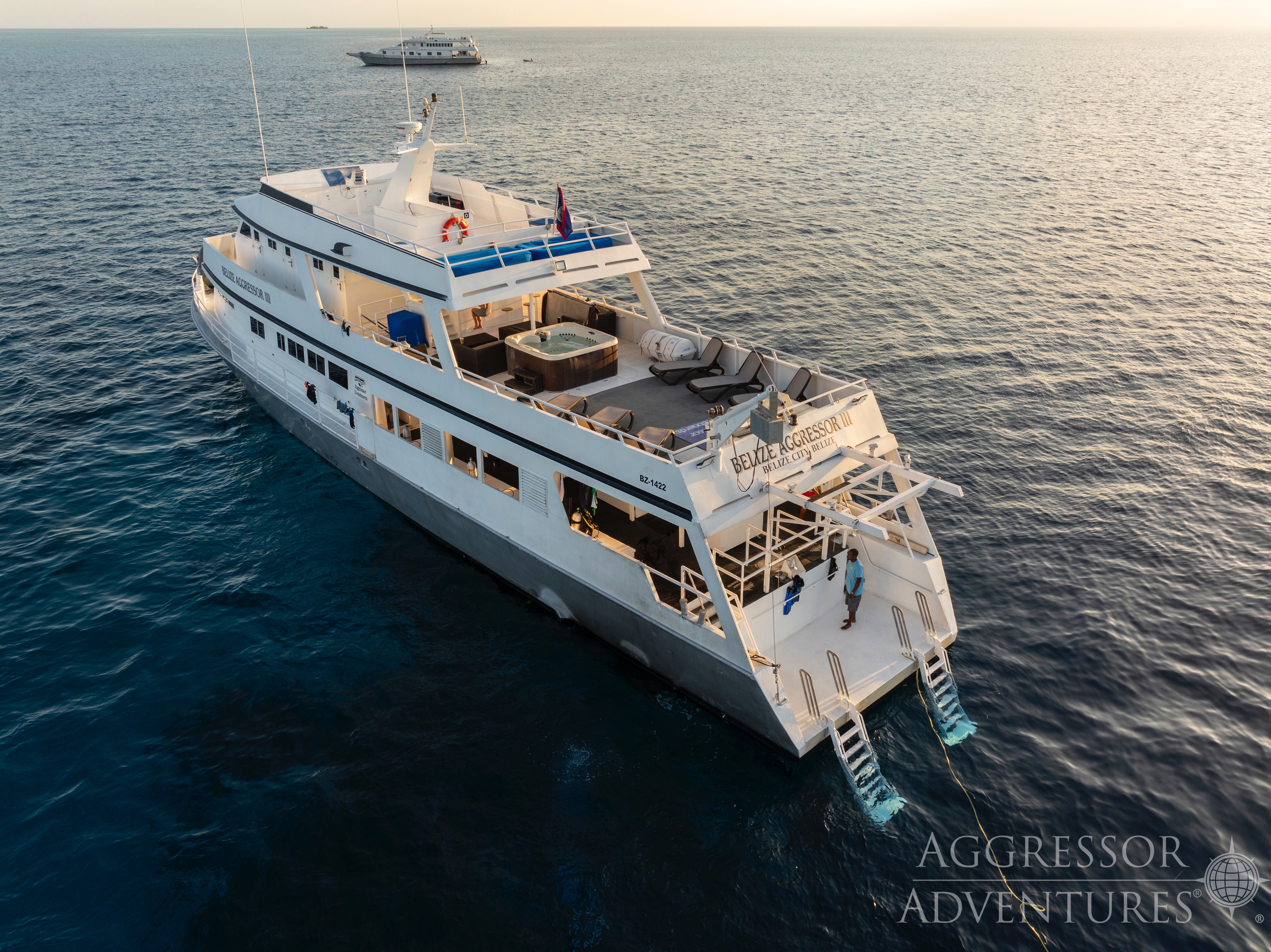
Belize Aggressor III
Belize
18 guests33.5 m
$336/day
Dive sites similar to Gladden Spit
Same character, same waters — six more sites divers love for the exact same reasons.Compare seasons, access and liveaboard routes — then pick the site that fits your trip best.
© Esri — Maxar, Earthstar, GIS
Carrie Bow Caye Reef
Belize
Carrie Bow Caye is a small sand caye positioned directly on the Belize Barrier Reef, hosting a continuous coral reef monitoring program by the Smithsonian Institution since 1972.…
- Suitable for
- Intermediate
- Current
- Moderate
- Access
- Liveaboard or dayboat
- Depth
- 4–30 m
- Theme
- Reef / Wall
© Esri — Maxar, Earthstar, GIS
Ambergris Caye
Belize
Ambergris Caye, the largest and most popular of Belize's offshore cayes, offers unparalleled diving along 40 kilometers of the Belize Barrier Reef, situated less than a mile offshore.
- Suitable for
- Intermediate
- Current
- Mild
- Access
- Dayboat
- Depth
- 15–60 m
- Theme
- Reef / Wall
© Esri — Maxar, Earthstar, GIS
Long Caye Ridge
Belize
Long Caye Ridge is a highly-rated dive site situated within Belize's Lighthouse Reef Atoll, an area renowned for its pristine conditions due to its distance from the mainland.
- Suitable for
- Intermediate
- Current
- No current
- Access
- Liveaboard only
- Depth
- 21–21 m
- Theme
- Reef
© Esri — Maxar, Earthstar, GIS
Silver Caves
Belize
Silver Caves offers a distinctive diving experience within the Lighthouse Reef Atoll, one of Belize's healthiest reef systems.
- Suitable for
- Advanced
- Current
- Mild
- Access
- Liveaboard only
- Depth
- 18–28 m
- Theme
- Reef / Cave & cavern
© Esri — Maxar, Earthstar, GIS
Sayonara Wreck
Belize
The Sayonara Wreck offers an engaging intermediate dive experience southwest of the Turneffe Islands in Belize.
- Suitable for
- Intermediate
- Current
- Moderate
- Access
- Liveaboard only
- Depth
- 12–18 m
- Theme
- Wreck / Reef