About Silk Cayes
The Silk Cayes, also known as the Silk Patches, are a cluster of small, sandy islands within the Gladden Spit and Silk Cayes Marine Reserve, a protected area forming part of the Belize Barrier Reef. This site is celebrated for its exceptionally healthy coral ecosystems, teeming with diverse reef fish and larger pelagic species. Its sheltered position within the wider reef system offers generally calm conditions, making it accessible for a range of diving and snorkeling experiences. The topography here features shallow patch reefs that gradually slope to deeper walls, creating a multi-level underwater landscape. Depths typically range from a few meters down to 20-30 meters on the outer edges, providing varied environments for marine inhabitants. The vibrant hard and soft corals are a highlight, creating intricate structures that house a multitude of creatures. Marine life at Silk Cayes is prolific year-round, with common sightings of nurse sharks, stingrays, and various reef fish. The area gains international fame during the spring months, particularly April to June, when whale sharks aggregate near Gladden Spit to feed on snapper spawn, often passing through the Silk Cayes vicinity. This seasonal event draws divers eager to encounter these gentle giants. Diving at Silk Cayes typically involves boat access from mainland towns like Placencia. The experience is characterized by good visibility and warm waters, offering opportunities for both leisurely exploration of the shallow coral gardens and deeper dives along the reef's drop-offs. It's an ideal location for underwater photography due to the clear water and abundance of subjects.
Highlights
Pristine coral gardensSeasonal whale shark encountersAbundant reef fishNurse shark sightingsProtected marine reserveShallow patch reefsExcellent visibility
Season calendar
Best months to dive here
Jan
Feb
Mar
Apr
May
Jun
Jul
Aug
Sep
Oct
Nov
Dec
Excellent
Dive site facts: Silk Cayes
- Depth
- 5–30 m
- Typical dive
- 10–25 m, 50–60 min
- Current
- Mild to moderate
- Visibility
- 15–30 m
- Water temperature
- 26–29°C
- Entry
- Boat / giant stride
- Level
- Open Water Diver
- Dive type
- Reef, pelagic, macro
- Night dive
- Possible
- Region / port
- Southern Belize / Placencia
- Coordinates
- 16.7333, -88.1667
Conditions & Currents
Currents at Silk Cayes are generally mild, especially within the sheltered areas of the patch reefs, making it suitable for less experienced divers. However, conditions can vary, and divers should be prepared for occasional moderate currents, particularly on the outer reef walls. The prevailing surface currents in the Western Caribbean tend to flow northerly, but localized counter-currents are common around the barrier reef and atolls. Entry and exit are typically straightforward from a boat, often involving a back-roll or giant stride. Visibility is consistently good, often ranging from 15 to 30 meters, though heavy rainfall can temporarily reduce clarity closer to shore. Divers should maintain good buoyancy control to avoid disturbing the delicate coral formations.
Marine life & sighting chances

Whale Shark
April–June · occasional
Nurse Shark
common
Stingray
common
Caribbean Reef Shark
occasional
Green Moray Eel
common
Hawksbill Turtle
common
Loggerhead Turtle
occasional
Grouper
October-December · commonSchooling Fish (various species)
common
Snapper
April–June · common
Barracuda
common
Eagle Ray
occasionalDive profile & how the dive runs
Dives at Silk Cayes typically begin with a boat mooring directly over a patch reef. After a giant stride entry, descent is controlled to the top of the reef, often around 5-10 meters. Divers then explore the vibrant coral gardens, navigating between coral heads and observing reef fish at shallower depths. The dive gradually progresses towards the outer edges where the reef slopes down to about 20-30 meters. This area offers opportunities to spot larger pelagics cruising along the deeper sections. The turn point is usually based on air consumption and no-decompression limits, after which divers ascend back to the shallower reef for their safety stop. The entire dive allows for leisurely exploration of the rich ecosystem, focusing on both macro and wide-angle subjects. The boat typically remains on site for easy re-entry.
Underwater photography
Silk Cayes offers excellent opportunities for both wide-angle and macro photography due to its clear waters and diverse marine life. For wide-angle shots, a fisheye or wide rectilinear lens is ideal to capture the expansive coral gardens and vibrant reefscapes. During whale shark season (April–June), a wide-angle lens is essential for capturing these majestic animals. External strobes are recommended to bring out the true colors of the corals and fish, especially in deeper sections or on overcast days. For macro subjects, a 60mm or 105mm lens will serve well to photograph the smaller reef inhabitants. Patience and good buoyancy are crucial to avoid damaging the delicate corals and to get close to shy creatures. Pay attention to ambient light for stunning sunburst effects in the shallow areas.
Combine with nearby dive sites
Getting there & logistics
Access to Silk Cayes is primarily via boat trips from coastal towns in southern Belize, with Placencia being the most common departure point. Divers typically fly into Philip S. W. Goldson International Airport (BZE) near Belize City, then take a domestic flight or ground transfer to Placencia. Dive tours to Silk Cayes are usually full-day excursions, often combined with other sites within the Gladden Spit and Silk Cayes Marine Reserve. Marine park fees are generally included in organized dive packages. Liveaboards operating in Belize may also include Silk Cayes in their itineraries, offering multi-day access to remote reef systems.
Safety & environment
Diving at Silk Cayes is generally safe, given the mild currents and clear visibility. However, divers should always carry valid dive insurance that covers emergency medical treatment and evacuation, as the nearest recompression chamber is located in San Pedro, Ambergris Caye, a significant distance from Silk Cayes. Emergency evacuations from this remote marine reserve would typically involve boat transport to the mainland followed by road or air transfer. Adherence to dive plans, buddy procedures, and maintaining excellent buoyancy control are crucial to protect the delicate coral environment. Always follow your dive guide's instructions, especially regarding interaction with marine life, to ensure both diver safety and environmental preservation.
Who it suits — and who it doesn't
Suited for
- Open Water certified divers
- Underwater photographers
- Marine life enthusiasts
- Beginner and intermediate divers
- Snorkelers
Less suited for
- Divers seeking extreme drift dives
- Those uninterested in reef ecosystems
- Divers who prefer solely deep wreck exploration
- Divers without valid dive insurance
FAQ
Silk Cayes FAQ
What kind of marine life can I expect to see at Silk Cayes?
Silk Cayes is renowned for its vibrant marine life, including common sightings of nurse sharks, stingrays, and various colorful reef fish. During the whale shark season from April to June, it's a prime location for encountering these majestic filter feeders. You can also spot turtles, groupers, and a wide array of hard and soft corals.
Is Silk Cayes suitable for beginner divers?
Yes, Silk Cayes is highly suitable for beginner divers. The dive sites typically feature shallow patch reefs with mild currents and excellent visibility, making for a relaxed and enjoyable experience. Many operators also offer guided snorkeling tours here, catering to non-divers.
When is the best time to see whale sharks at Silk Cayes?
The peak season for whale shark sightings around Silk Cayes and the nearby Gladden Spit is from April to June. These gentle giants aggregate during this period to feed on the spawn of snapper. Booking your trip during these months significantly increases your chances of encountering them.
What is the typical depth and visibility at Silk Cayes?
Diving depths at Silk Cayes usually range from 5 meters on the shallow reef tops down to about 30 meters on the outer slopes. Visibility is consistently good, often ranging between 15 to 30 meters, providing clear views of the abundant marine life and healthy coral formations.
How do I get to Silk Cayes?
Silk Cayes is typically accessed by boat from Placencia, a coastal town in southern Belize. Visitors usually fly into Belize City's international airport (BZE), then take a domestic flight or ground transfer to Placencia. From there, local dive operators run daily excursions to the marine reserve.
Why dive Silk Cayes from a liveaboard?
Silk Cayes is one of Belize's signature dive sites. A liveaboard sleeps you on the water and puts you in the water for three to four guided dives per day, including dawn and night dives that day-boat operators rarely offer. You skip the daily commute back to port and reach quieter, less-crowded sites in the same region on a single trip.
Below are the liveaboards that include Silk Cayes on their Belize itineraries.
Liveaboards diving Silk Cayes
These liveaboards may visit Silk Cayes on selected itineraries — the exact dive sites depend on departure, weather and conditions.
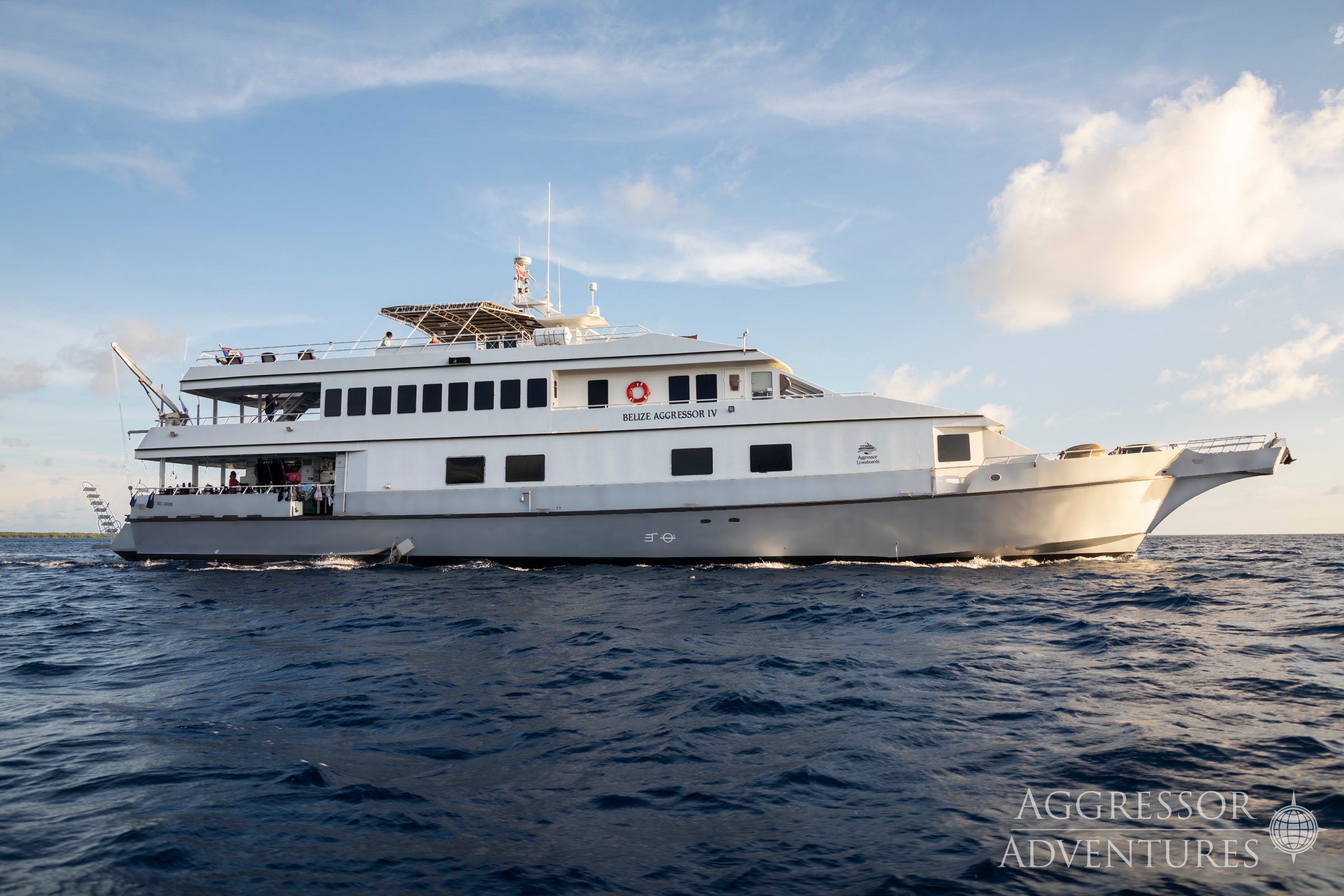
Belize Aggressor IV
Belize
20 guests42.1 m
$356/day
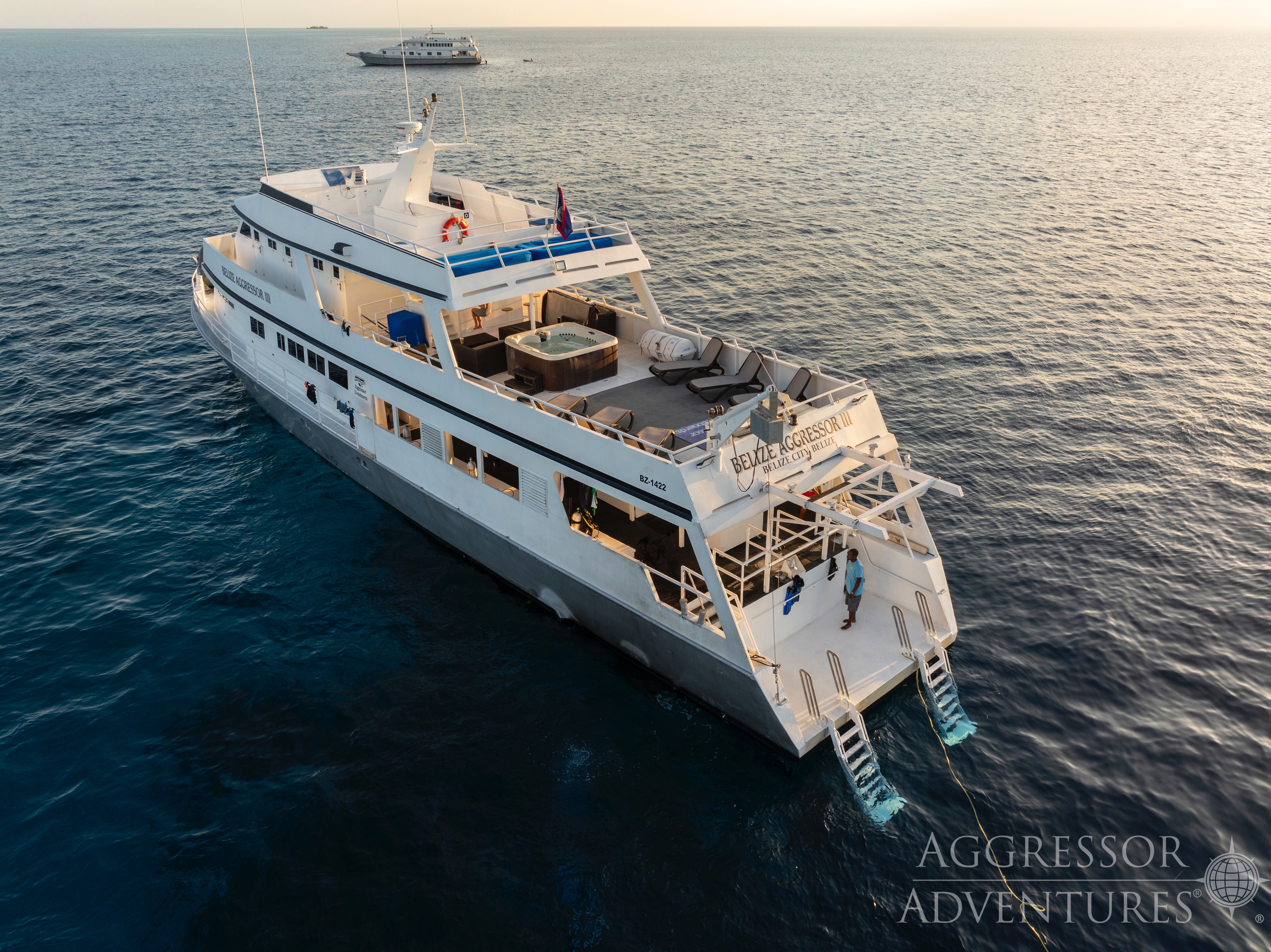
Belize Aggressor III
Belize
18 guests33.5 m
$336/day
Dive sites similar to Silk Cayes
Same character, same waters — six more sites divers love for the exact same reasons.Compare seasons, access and liveaboard routes — then pick the site that fits your trip best.
© Esri — Maxar, Earthstar, GIS
Carrie Bow Caye Reef
Belize
Carrie Bow Caye is a small sand caye positioned directly on the Belize Barrier Reef, hosting a continuous coral reef monitoring program by the Smithsonian Institution since 1972.…
- Suitable for
- Intermediate
- Current
- Moderate
- Access
- Liveaboard or dayboat
- Depth
- 4–30 m
- Theme
- Reef / Wall
© Esri — Maxar, Earthstar, GIS
Ambergris Caye
Belize
Ambergris Caye, the largest and most popular of Belize's offshore cayes, offers unparalleled diving along 40 kilometers of the Belize Barrier Reef, situated less than a mile offshore.
- Suitable for
- Intermediate
- Current
- Mild
- Access
- Dayboat
- Depth
- 15–60 m
- Theme
- Reef / Wall
© Esri — Maxar, Earthstar, GIS
Long Caye Ridge
Belize
Long Caye Ridge is a highly-rated dive site situated within Belize's Lighthouse Reef Atoll, an area renowned for its pristine conditions due to its distance from the mainland.
- Suitable for
- Intermediate
- Current
- No current
- Access
- Liveaboard only
- Depth
- 21–21 m
- Theme
- Reef
© Esri — Maxar, Earthstar, GIS
Silver Caves
Belize
Silver Caves offers a distinctive diving experience within the Lighthouse Reef Atoll, one of Belize's healthiest reef systems.
- Suitable for
- Advanced
- Current
- Mild
- Access
- Liveaboard only
- Depth
- 18–28 m
- Theme
- Reef / Cave & cavern
© Esri — Maxar, Earthstar, GIS
Sayonara Wreck
Belize
The Sayonara Wreck offers an engaging intermediate dive experience southwest of the Turneffe Islands in Belize.
- Suitable for
- Intermediate
- Current
- Moderate
- Access
- Liveaboard only
- Depth
- 12–18 m
- Theme
- Wreck / Reef