About Sapodilla Cayes
Sapodilla Cayes Marine Reserve, a remote jewel in southern Belize, offers pristine diving within one of the Caribbean's most untouched reef systems. These fourteen barrier islands, including the leased Tom Owens Caye, are part of a conservation effort, with some operators focusing on lionfish eradication and marine surveys. The topography includes vibrant coral formations, dramatic walls, and shallow reef systems teeming with life. Dives often occur just 5 to 10 minutes from the cayes, making boat travel quick and efficient. Divers encounter an abundance of marine life, from various reef fish to larger pelagics. Frequent sightings include Caribbean reef sharks, nurse sharks, eagle rays, and sea turtles like hawksbills and loggerheads. Macro enthusiasts will delight in finding colorful nudibranchs, seahorses, and the endemic white-spotted toadfish. The area is also known for its healthy coral, with vibrant elkhorn, brain, cactus, and staghorn corals forming intricate habitats. Visibility is often exceptional, even during periods of less favorable weather. The typical dive experience involves multiple dives per day, ranging from conservation-focused activities to recreational exploration. Ocean currents in this region of the Western Caribbean generally flow in a northerly direction, with a southerly counter-current directly in front of the barrier reef. Entry to dives is typically a roll-off from the boat, with a ladder for re-entry. Day trips from Placencia or Punta Gorda are common, with options for overnight stays on some cayes. The remote location and focus on conservation provide a unique diving adventure, suitable for various skill levels.
Highlights
Remote DivingWhale SharksUntouched ReefsBiodiversity
Season calendar
Best months to dive here
Jan
Feb
Mar
Apr
May
Jun
Jul
Aug
Sep
Oct
Nov
Dec
Excellent
Dive site facts: Sapodilla Cayes
- Depth
- 5–30+ m
- Current
- Mild to moderate drift
- Visibility
- 20–40 m
- Water temperature
- 26–29°C
- Entry
- Boat
- Level
- Open Water Diver to Advanced
- Dive type
- Reef, drift, wall
- Night dive
- Possible
- Region / port
- Southern Belize / Punta Gorda
- Coordinates
- 16.1333, -88.2667
Conditions & Currents
Currents around the Sapodilla Cayes generally follow the northerly flow of surface water in the Western Caribbean, though local conditions near the barrier reef can create southerly counter currents. These currents are typically mild to moderate, making for comfortable drift dives where the boat tracks divers. However, some areas may experience stronger flows, necessitating careful entry procedures and an awareness of descent timing to avoid separation from the group. Visibility remains consistently high at offshore sites, rarely affected by mainland runoff due to the reserve's southern location. Divers should always follow their guide's briefing regarding current direction and exit plans to ensure a safe and enjoyable dive.
Marine life & sighting chances

Caribbean reef shark
common
Nurse shark
occasional
Spotted eagle ray
common
Green sea turtle
common
Hawksbill sea turtle
occasional
Loggerhead sea turtle
occasional
Nassau grouper
October-December · occasional
Barracuda
common
Jack
common
Dolphin
occasional
Manatee
rare
Seahorse
occasionalDive profile & how the dive runs
Dives at Sapodilla Cayes typically begin with a backward roll or giant stride entry from a dive boat, positioning divers directly over the reef. Depending on the site and current, you'll either descend to an anchored line or begin a drift dive. The route generally follows the reef wall or slope, gradually descending to depths between 12 to 25 meters, where healthy coral formations and abundant marine life are most prominent. Your guide will lead the way, pointing out interesting critters and ensuring a relaxed pace. As you progress, the dive might turn back towards shallower areas, allowing for a natural ascent profile and an extended safety stop. Surface marker buoys are deployed during safety stops, especially during drift dives, to alert the boat for pickup. The dive usually concludes with an easy exit back onto the vessel.
Underwater photography
The Sapodilla Cayes offer fantastic opportunities for both wide-angle and macro photography due to the clear visibility and diverse marine life. For wide-angle shots, a fisheye or wide-angle lens is ideal to capture the expansive coral formations, reef structures, and passing pelagics like sharks and rays. The dry season, from April to June, provides peak visibility, making it perfect for capturing dramatic underwater landscapes. For macro subjects, including seahorses, blennies, and nudibranchs, a 60mm or 105mm macro lens will be beneficial. Consider using strobes to bring out the true colors of the corals and fish, especially in deeper sections or for macro close-ups. Buoyancy control is paramount to avoid disturbing the delicate reef environment. Night dives can also yield unique macro subjects like octopuses and crustaceans.
Combine with nearby dive sites
- Gladden Spit
Known for whale shark sightings during spawning seasons.
- Tobacco Caye
Offers shallow reef diving and snorkelling closer to the mainland.
- South Water Caye Wall
Features dramatic wall dives along the barrier reef.
- Laughing Bird Caye
A national park with vibrant reef systems and shallow dives.
- Glovers Reef Atoll
One of Belize's three offshore atolls, offering diverse reef and wall dives.
Getting there & logistics
Access to the Sapodilla Cayes is primarily from Placencia or Punta Gorda in southern Belize, which can be reached via domestic flights from Philip S.W. Goldson International Airport (BZE) near Belize City. Liveaboards often include the Sapodilla Cayes in their week-long itineraries, combining them with other southern sites. Day trips from mainland resorts are also available but involve longer boat rides. Marine park fees are typically included in dive package prices. It is advisable to book trips several months in advance, especially during the high season, to secure your preferred dates and operators. Ensure you clarify all inclusions and exclusions, such as equipment rental or any additional fees.
Safety & environment
Diving at Sapodilla Cayes requires standard dive safety precautions. The nearest recompression chamber is located in San Pedro on Ambergris Caye, requiring potentially lengthy evacuation by boat and then air, which can be challenging depending on weather conditions. It is therefore crucial to carry comprehensive dive insurance that covers emergency medical treatment and evacuation. Always dive within your training and comfort limits, and maintain excellent buoyancy control to protect the fragile coral ecosystems. Follow your dive guide's instructions diligently, especially regarding currents and marine life interactions. Staying hydrated and well-rested is also key to safe diving in the tropical climate.
Who it suits — and who it doesn't
Suited for
- Experienced divers seeking pristine, remote reefs
- Underwater photographers looking for clear water and diverse subjects
- Divers interested in shark and ray encounters
- Those who appreciate healthy coral ecosystems
- Divers seeking a tranquil, less crowded experience
Less suited for
- Divers seeking wreck diving exclusively
- Beginners without good buoyancy control in currents
- Those prone to seasickness on longer boat journeys
- Divers expecting large pelagic encounters year-round (except specific seasons)
- Individuals who prefer resort-style diving with immediate shore access
FAQ
Sapodilla Cayes FAQ
What kind of marine life can I expect to see at Sapodilla Cayes?
The Sapodilla Cayes are home to a wide array of Caribbean marine life. Divers commonly encounter Caribbean reef sharks, spotted eagle rays, and various species of sea turtles such as green, hawksbill, and loggerhead. The vibrant reefs also host numerous species of colourful reef fish, barracuda, and jacks. Occasionally, dolphins are spotted, and during specific seasons, Nassau grouper aggregations can be observed.
What are the typical diving conditions like?
Diving conditions at Sapodilla Cayes are generally excellent, with water temperatures ranging from 26°C to 29°C year-round. Visibility is consistently good, often exceeding 20-40 meters, particularly at offshore sites and during the dry season. Currents can vary from mild to moderate, making for pleasant drift dives, though specific sites might experience stronger flows requiring attention to dive briefings.
Is Sapodilla Cayes suitable for beginner divers?
The Sapodilla Cayes offer sites suitable for various skill levels. While some areas feature deeper profiles or moderate currents that are better for more experienced divers, many shallow reef sites are accessible and enjoyable for Open Water certified divers. Good buoyancy control is always recommended to protect the fragile coral and navigate any currents comfortably. Always discuss your experience level with your chosen dive operator.
How do I get to Sapodilla Cayes?
To reach Sapodilla Cayes, you typically fly into Philip S.W. Goldson International Airport (BZE) in Belize City, then take a domestic flight to Placencia or Punta Gorda in southern Belize. From there, access is by boat, either via a liveaboard itinerary or day trips offered by local dive operators. It's advisable to arrange transfers and dive packages in advance.
Are there any marine park fees for diving at Sapodilla Cayes?
Yes, as the Sapodilla Cayes are part of a protected marine reserve and a component of Belize's UNESCO World Heritage Site, marine park fees are applicable. These fees contribute to the conservation and management of the protected area. Most reputable dive operators will include these fees within their dive package prices, but it is always good practice to confirm this when booking your trip.
Why dive Sapodilla Cayes from a liveaboard?
Sapodilla Cayes is one of Belize's signature dive sites. A liveaboard sleeps you on the water and puts you in the water for three to four guided dives per day, including dawn and night dives that day-boat operators rarely offer. You skip the daily commute back to port and reach quieter, less-crowded sites in the same region on a single trip.
Below are the liveaboards that include Sapodilla Cayes on their Belize itineraries.
Liveaboards diving Sapodilla Cayes
These liveaboards may visit Sapodilla Cayes on selected itineraries — the exact dive sites depend on departure, weather and conditions.
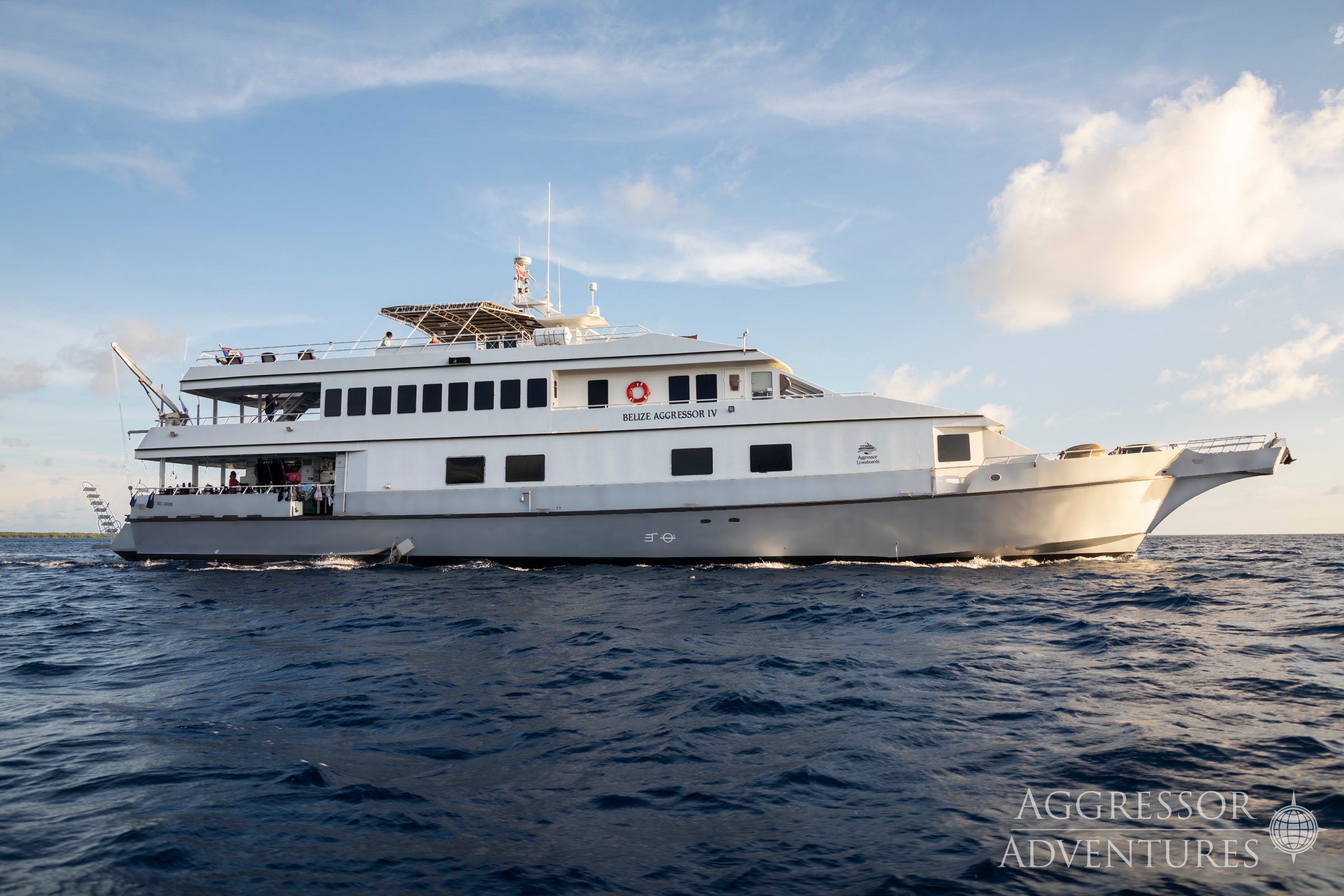
Belize Aggressor IV
Belize
20 guests42.1 m
$356/day
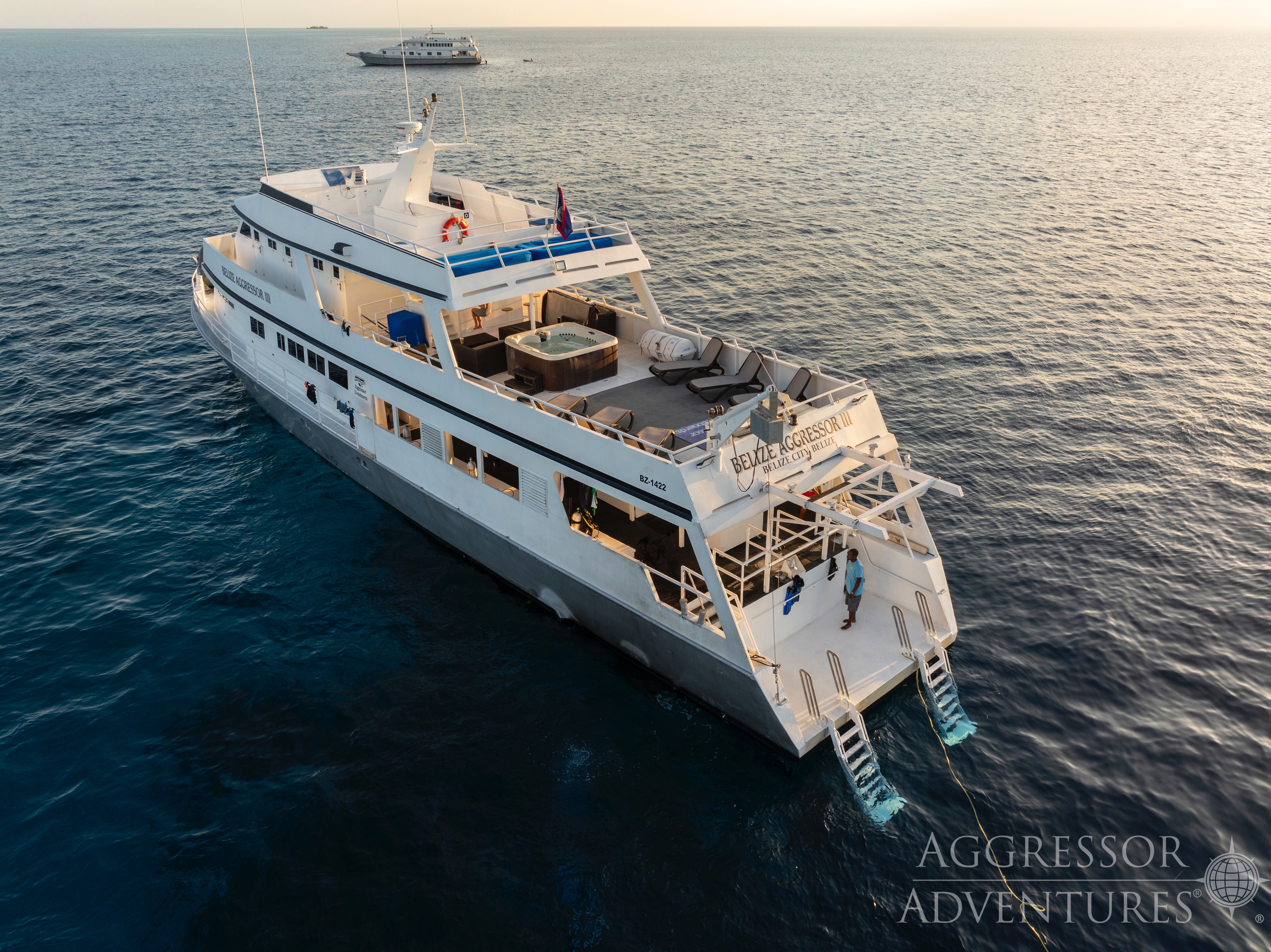
Belize Aggressor III
Belize
18 guests33.5 m
$336/day
Dive sites similar to Sapodilla Cayes
Same character, same waters — six more sites divers love for the exact same reasons.Compare seasons, access and liveaboard routes — then pick the site that fits your trip best.
© Esri — Maxar, Earthstar, GIS
Carrie Bow Caye Reef
Belize
Carrie Bow Caye is a small sand caye positioned directly on the Belize Barrier Reef, hosting a continuous coral reef monitoring program by the Smithsonian Institution since 1972.…
- Suitable for
- Intermediate
- Current
- Moderate
- Access
- Liveaboard or dayboat
- Depth
- 4–30 m
- Theme
- Reef / Wall
© Esri — Maxar, Earthstar, GIS
Ambergris Caye
Belize
Ambergris Caye, the largest and most popular of Belize's offshore cayes, offers unparalleled diving along 40 kilometers of the Belize Barrier Reef, situated less than a mile offshore.
- Suitable for
- Intermediate
- Current
- Mild
- Access
- Dayboat
- Depth
- 15–60 m
- Theme
- Reef / Wall
© Esri — Maxar, Earthstar, GIS
Long Caye Ridge
Belize
Long Caye Ridge is a highly-rated dive site situated within Belize's Lighthouse Reef Atoll, an area renowned for its pristine conditions due to its distance from the mainland.
- Suitable for
- Intermediate
- Current
- No current
- Access
- Liveaboard only
- Depth
- 21–21 m
- Theme
- Reef
© Esri — Maxar, Earthstar, GIS
Silver Caves
Belize
Silver Caves offers a distinctive diving experience within the Lighthouse Reef Atoll, one of Belize's healthiest reef systems.
- Suitable for
- Advanced
- Current
- Mild
- Access
- Liveaboard only
- Depth
- 18–28 m
- Theme
- Reef / Cave & cavern
© Esri — Maxar, Earthstar, GIS
Sayonara Wreck
Belize
The Sayonara Wreck offers an engaging intermediate dive experience southwest of the Turneffe Islands in Belize.
- Suitable for
- Intermediate
- Current
- Moderate
- Access
- Liveaboard only
- Depth
- 12–18 m
- Theme
- Wreck / Reef