About Doc’s Retreat
Doc's Retreat is a dive site near Roatan, Honduras, part of the extensive Mesoamerican Barrier Reef System, the second-largest coral reef globally. Roatan's unique topography features a mountainous backbone surrounded by these extensive coral reefs, with dive sites showcasing dramatic drop-offs and vibrant coral gardens. The underwater landscape at Doc's Retreat includes massive coral walls that descend into great depths, providing a rich environment for diverse marine species. Shallower areas offer sand patches and coral gardens, which can transition into canyons and steep drop-offs before reaching the main wall. The site benefits from Roatan's year-round warm water temperatures, typically ranging from 25-29°C (78-84°F) and excellent visibility, often exceeding 30 meters (100 feet). While specific seasonality for Doc's Retreat is not detailed, the region experiences consistent marine life sightings throughout the year. The dry season, from March to October, often brings the calmest seas and best visibility. Diving here involves exploring intricate coral formations and observing a wide array of reef creatures. Given Roatan's reputation for ease of diving, Doc's Retreat likely offers accessible conditions, allowing divers to immerse themselves in the rich biodiversity of this Caribbean paradise.
Highlights
Mesoamerican Barrier Reef SystemDramatic coral wallsVibrant coral gardensAbundant reef fishClear Caribbean watersSteep drop-offs
Season calendar
Best months to dive here
Jan
Feb
Mar
Apr
May
Jun
Jul
Aug
Sep
Oct
Nov
Dec
Excellent
Good
Dive site facts: Doc’s Retreat
- Depth
- 5–40+ m
- Current
- Mild to moderate, drift potential
- Visibility
- 18–30+ m
- Water temperature
- 25–29°C (78–84°F)
- Entry
- Boat dive
- Level
- All levels, AOWD recommended for deeper sections
- Dive type
- Reef, wall, drift
- Night dive
- Possible in Roatan
- Region / port
- Roatan, Honduras
- Coordinates
- 16.3400° N, 86.6475° W
Conditions & Currents
Currents at dive sites around Roatan, including Doc's Retreat, are generally gentle, contributing to the island's reputation for easy diving. However, some sites, particularly those where different currents meet or with specific topography, may experience stronger flows. For instance, sites like 'Texas' are known for potential stronger currents due to nutrient upwelling, which can bring schooling fish and healthy coral growth. Drift diving is a common technique in the region, suggesting that divers should be prepared for varying current strengths where the current dictates the dive trajectory rather than the diver's propulsion. Entry and exit procedures for drift dives often involve negative entry to quickly get below the surface and careful boat tracking for pickup. Visibility is consistently good, ranging from 18 to 30 meters (60 to 100 feet) or better year-round, although it can be r
Marine life & sighting chances
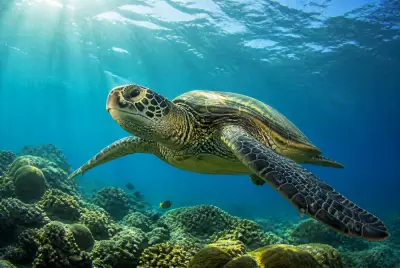
Sea turtles
common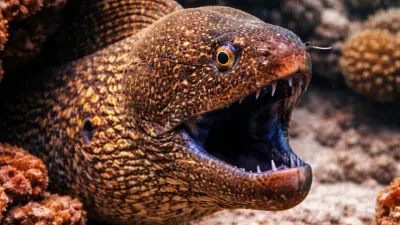
Moray eels
common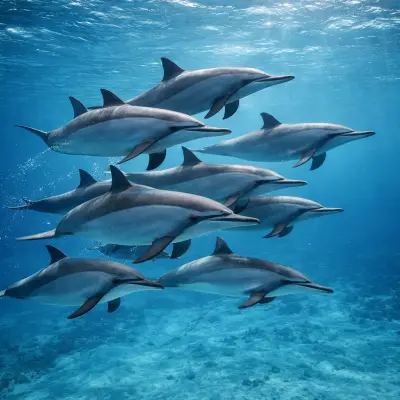
Dolphins
occasional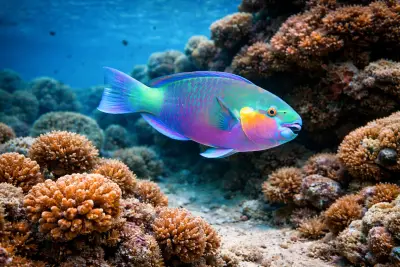
Parrotfish
common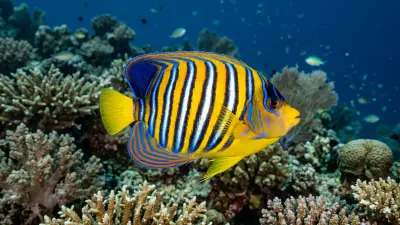
Angelfish
common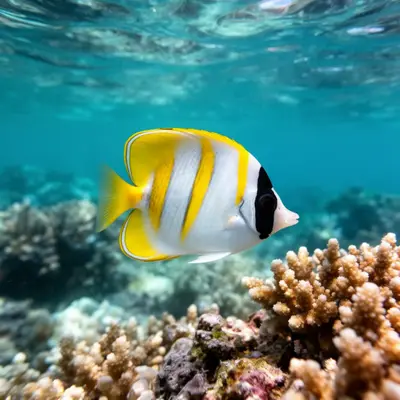
Butterflyfish
common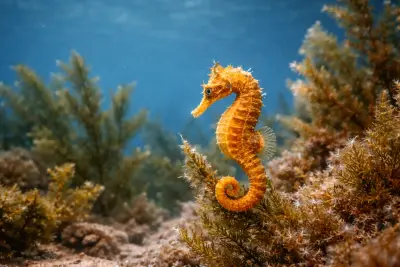
Seahorses
occasional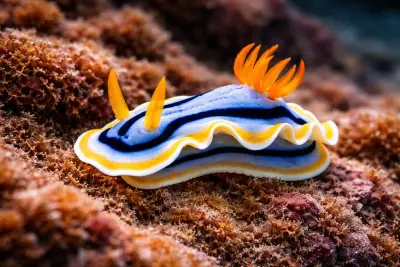
Nudibranchs
occasional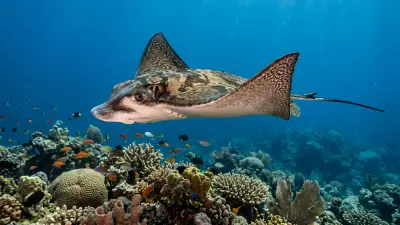
Rays
occasional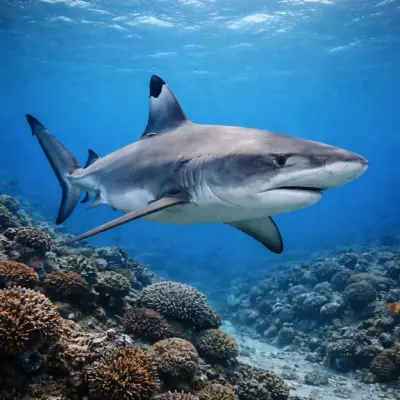
Reef sharks
occasional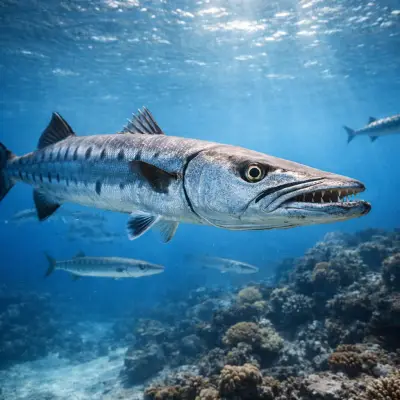
Barracudas
occasional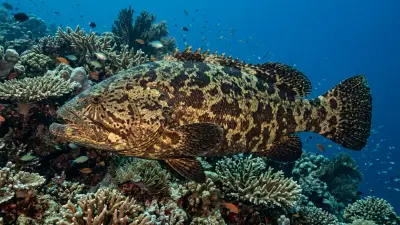
Groupers
occasional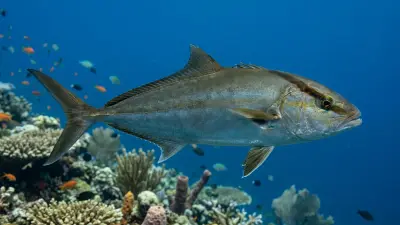
Schools of jacks
occasional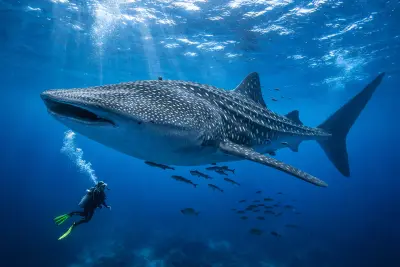
Whale sharks
March, April · rareDive profile & how the dive runs
Divers typically access Doc's Retreat via boat, entering the water for a drift dive along the reef. Initial depths might range from 5 to 18 meters, exploring coral gardens and shallower sections of the reef before progressing towards the deeper wall. The dive profile involves following the natural contours of the reef, which can include sand patches, canyons, and dramatic drop-offs that descend into much greater depths. Buoyancy control is crucial, especially when navigating near the wall or through overhangs. Turnaround points are determined by air consumption and planned dive time, often before reaching maximum desired depth. The ascent will be slow and controlled, culminating in a safety stop at 5 meters (15 feet) for at least three minutes, allowing for nitrogen off-gassing and surface condition checks. The boat will then track and pick up divers at the end of the drift.
Underwater photography
Doc's Retreat, with its vibrant coral walls and abundant reef life, offers excellent opportunities for wide-angle and macro photography. Wide-angle lenses are ideal for capturing the dramatic drop-offs, extensive coral formations, and schools of fish in the clear Roatan waters, especially given the visibility often exceeding 30 meters. For macro subjects like seahorses, nudibranchs, or the intricate details of corals, a macro lens is essential. Strobes are highly recommended to bring out the true colors of the reef and marine life, particularly at deeper sections of the wall where natural light diminishes. Prioritize excellent buoyancy control to avoid damaging delicate corals and to maintain stable shots in potential currents. Be mindful of subject etiquette, especially with larger animals like turtles or eels, giving them space and avoiding harassment. With the excellent visibility, photographers can often capture stunning ambient light shots in shallower areas, but artificial light will enhance color saturation.
Combine with nearby dive sites
- Hole in the Wall
Hole in the Wall is a celebrated dive site in Roatan, part of the extensive Mesoamerican Barrier Reef System, which is the second-largest…
- Toon Town
Toon Town is a distinctive dive site located within the Cayos Cochinos archipelago, which forms part of Honduras' Bay Islands.
- Coco Sea Mount
Coco Sea Mount is a distinctive offshore dive site near Roatan, characterized by its isolation and exposed blue-water environment.
- Black Coral Wall
Black Coral I and II are prominent dive sites within Cuba's renowned Jardines de la Reina marine reserve, an area celebrated for its…
- Inside Outside
The Inside Outside dive site in Roatan, Honduras, earns its name from the abundant cracks and swim-throughs that characterize its unique…
- Anka’s Place
Anka’s Place is a dive site located on Roatan, one of the Bay Islands of Honduras, which forms part of the second largest barrier reef…
Getting there & logistics
Access to Doc's Retreat is primarily through liveaboards or dive resorts operating from Roatan, Honduras. Roatan is served by direct flights from major hubs like Atlanta and Houston, arriving at Juan Manuel Gálvez International Airport (RTB). Most dive operators arrange transfers from the airport to their facilities, with Coco View Resort, for example, located on the protected south shore of Roatan. Dive trips typically involve daily boat excursions to various sites around the island, often including multiple dives per day. There are no specific park fees mentioned for diving this site, but general marine park regulations apply to protect the Mesoamerican Barrier Reef. Trips can range from a few days to a week or more, allowing divers to explore a variety of Roatan's world-class dive sites in combination.
Safety & environment
For diving at Doc's Retreat and other Roatan sites, divers should maintain appropriate insurance coverage, including emergency medical and evacuation. While the nearest recompression chamber is generally available in Roatan, evacuation to mainland facilities might be necessary for severe cases, underscoring the importance of comprehensive insurance. Site-specific hazards are minimal due to typically calm seas and clear visibility, but divers should always be aware of potential currents and adhere to dive guide instructions, especially during drift dives. Standard safe diving practices such as proper buddy procedures, maintaining good buoyancy control, monitoring air supply, and performing safety stops at 5 meters (15 feet) for at least three minutes are paramount to ensure a safe and enjoyable experience.
Who it suits — and who it doesn't
Suited for
- Divers seeking vibrant coral reef ecosystems
- Photographers looking for clear water and diverse subjects
- Divers comfortable with wall and drift diving
- Those who appreciate consistent warm water temperatures
- Divers of all experience levels, with deeper options for advanced divers
Less suited for
- Divers uncomfortable with potential mild currents
- Individuals who prefer cold water diving
- Those seeking extreme wreck penetrations
- Divers who require highly predictable, current-free environments
FAQ
Doc’s Retreat FAQ
What kind of marine life can I expect to see at Doc's Retreat?
Doc's Retreat is part of the incredibly biodiverse Mesoamerican Barrier Reef. You can commonly spot sea turtles, moray eels, parrotfish, angelfish, and butterflyfish. Occasional sightings include rays, reef sharks, barracudas, groupers, and schools of jacks. Whale sharks are rarely seen, but peak sightings occur in March and April.
When is the best time of year to dive Doc's Retreat?
While diving is excellent year-round, the dry season from March through October offers the best conditions. April is often considered ideal due to warmer water, calm seas, and excellent visibility, which can exceed 30 meters. This period also offers a higher chance of spotting whale sharks.
Are there strong currents at Doc's Retreat?
Currents at Doc's Retreat are generally mild to moderate, making for comfortable diving. However, Roatan's dive sites can feature drift diving opportunities, where currents help propel you along the reef. Your dive guide will provide a thorough briefing on current conditions and entry/exit procedures to ensure a safe experience.
What is the typical depth and visibility at Doc's Retreat?
The dive site offers a range of depths, from shallow coral gardens starting around 5 meters down to dramatic walls that extend to 40 meters and beyond. Visibility is consistently excellent in Roatan, typically ranging from 18 to 30 meters (60 to 100 feet) or even better, especially during the dry season.
How do I get to Doc's Retreat?
Doc's Retreat is typically accessed via boat trips from dive resorts on Roatan. You would fly into Juan Manuel Gálvez International Airport (RTB) on Roatan, which has direct flights from certain US cities. Resorts then arrange transportation and daily dive excursions to sites like Doc's Retreat.
Why dive Doc’s Retreat from a liveaboard?
Doc’s Retreat is one of Honduras's signature dive sites. A liveaboard sleeps you on the water and puts you in the water for three to four guided dives per day, including dawn and night dives that day-boat operators rarely offer. You skip the daily commute back to port and reach quieter, less-crowded sites in the same region on a single trip.
Below are the liveaboards that include Doc’s Retreat on their Honduras itineraries.
Liveaboards diving Doc’s Retreat
These liveaboards may visit Doc’s Retreat on selected itineraries — the exact dive sites depend on departure, weather and conditions.
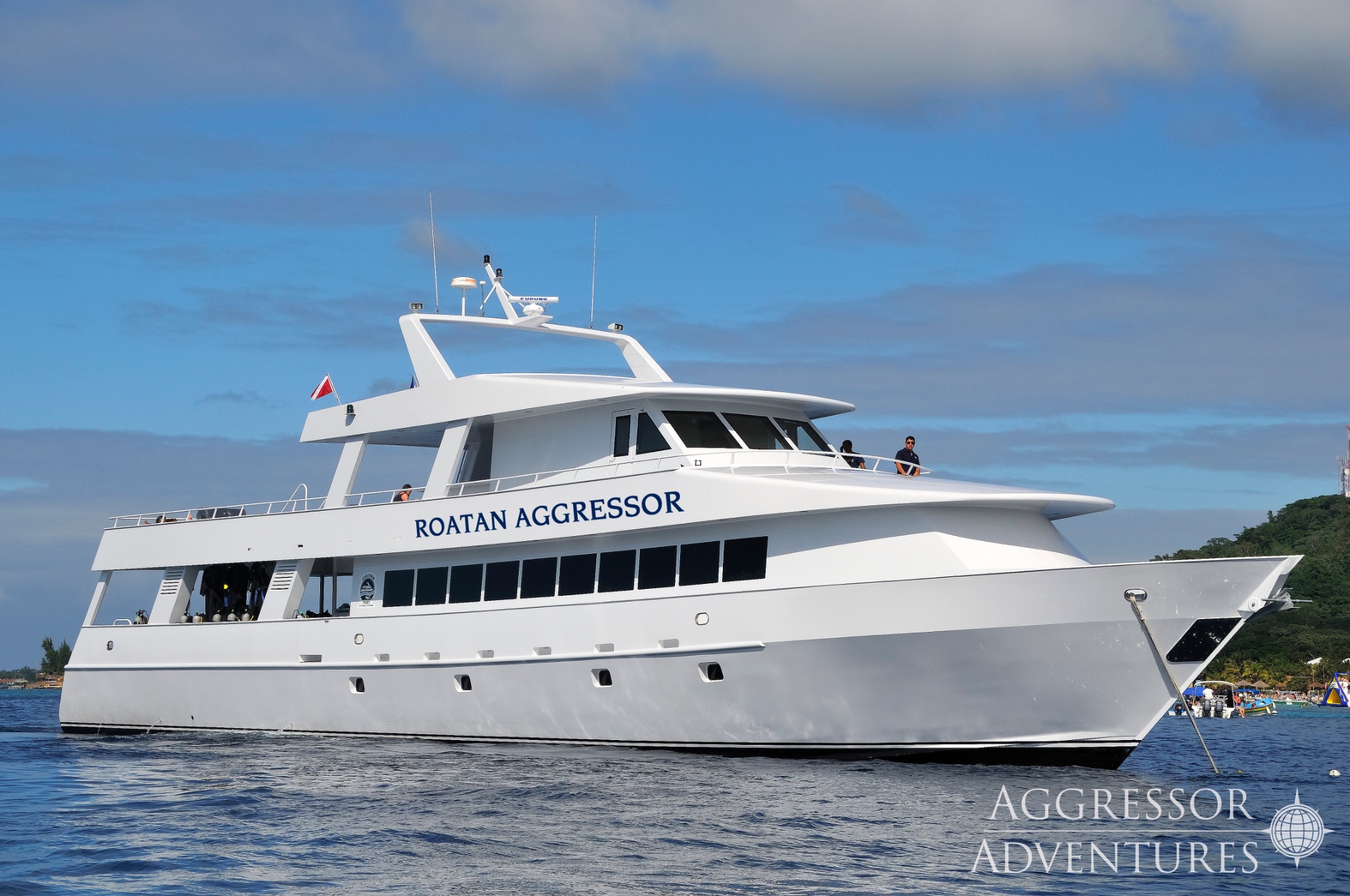
Roatan Aggressor
Honduras
18 guests31.1 m
$309/day
Dive sites similar to Doc’s Retreat
Same character, same waters — six more sites divers love for the exact same reasons.Compare seasons, access and liveaboard routes — then pick the site that fits your trip best.
© Esri — Maxar, Earthstar, GIS
Satoshi’s Grave
Honduras
Satoshi’s Grave is a distinctive wreck site located on the southern shore of Roatan, specifically the Wreck of Mr. Bud.
- Suitable for
- Beginner
- Current
- Moderate
- Access
- Liveaboard or dayboat
- Depth
- 18–18 m
- Theme
- Wreck / Reef
© Esri — Maxar, Earthstar, GIS
Butcher's Bank
Honduras
Butcher's Bank is a celebrated dive site in Roatan, Honduras, widely regarded as one of the island's most enjoyable locations, particularly for novice divers.
- Suitable for
- Beginner
- Current
- Mild
- Access
- Dayboat
- Depth
- 12–18 m
- Theme
- Reef
© Esri — Maxar, Earthstar, GIS
Wreck of the Aguila
Honduras
The Wreck of the Aguila, affectionately known as 'The Eagle,' is a 60-meter (200-foot) cargo ship purposefully sunk in 1997 to create an artificial reef within recreational diving limits.
- Suitable for
- Intermediate
- Current
- Mild
- Access
- Dayboat
- Depth
- 20–33 m
- Theme
- Wreck / Reef
© Esri — Maxar, Earthstar, GIS
Al's Garden
Honduras
Al's Garden is a notable dive site located in Roatan, part of Honduras's Bay Islands, a region renowned for its vibrant underwater topography and diverse marine ecosystems.
- Suitable for
- Intermediate
- Current
- Moderate
- Access
- Liveaboard or dayboat
- Depth
- 9–40 m
- Theme
- Reef
© Esri — Maxar, Earthstar, GIS
Aaron's Backyard
Honduras
Aaron's Backyard is a noted dive site within the Roatan Marine Park in Honduras, part of the extensive Mesoamerican Barrier Reef System.
- Suitable for
- Intermediate
- Current
- Moderate
- Access
- Liveaboard or dayboat
- Depth
- 9–40 m
- Theme
- Reef
Roatán, part of the Bay Islands of Honduras, offers a diverse underwater landscape situated along the Mesoamerican Barrier Reef System, which is the second largest barrier reef globally.
- Suitable for
- Intermediate
- Current
- Moderate
- Access
- Liveaboard or dayboat
- Depth
- 9–40 m
- Theme
- Reef