About Coco Sea Mount
Coco Sea Mount is a distinctive offshore dive site near Roatan, characterized by its isolation and exposed blue-water environment. Unlike the more protected island reefs, this raised reef formation is a magnet for schooling fish and larger pelagic species, making it a dynamic and often exhilarating experience for divers. The topography consists of a submerged structure that rises from the depths, supporting rich coral growth and attracting marine life. Depths can vary, offering both vibrant reef sections and deeper areas where divers can encounter impressive schools of fish and larger predators drawn to the nutrient-rich currents that sweep the seamount. The marine life at Coco Sea Mount is particularly notable for its pelagic encounters. Divers frequently observe jacks, barracuda, snappers, and groupers, alongside various reef fish. Eagle rays and sea turtles are common sights, and there's a good chance of spotting reef sharks. The best time to experience this abundance is typically from March to August when conditions are calm. This site generally requires boat access and is often part of liveaboard itineraries. Given its offshore nature and potential for stronger currents, it offers a more advanced diving experience, promising thrilling encounters for those seeking a vibrant, open-water adventure in the Bay Islands.
Highlights
Offshore reef formationPelagic encountersJacks, barracuda, snappersVibrant coral growthPotential for reef sharksExcellent visibilityEagle rays and turtlesExposed blue-water diving
Season calendar
Best months to dive here
Jan
Feb
Mar
Apr
May
Jun
Jul
Aug
Sep
Oct
Nov
Dec
Excellent
Good
Dive site facts: Coco Sea Mount
- Current
- Varies, can be strong
- Visibility
- 18–36 m
- Water temperature
- 24–31 °C
- Entry
- Boat
- Level
- Advanced recommended
- Dive type
- Seamount, pelagic, drift
- Region / port
- Roatan, Honduras
- Coordinates
- 16.3353° N, 86.6430° W
Conditions & Currents
Coco Sea Mount, being an exposed offshore reef, is subject to varying current strengths, which are a defining characteristic of the site. While currents can range from mild to strong, they play a crucial role in bringing nutrient-rich waters to the seamount, attracting significant marine activity. Divers should anticipate drift diving conditions, where thorough pre-dive briefings covering entry procedures, descent timing, and boat pick-up plans are essential for safety and enjoyment. The boat will track and pick up divers, making clear communication signals vital. Visibility at the seamount is often excellent, frequently exceeding 18 to 30 meters, and can extend beyond 36 meters in the dry season. Water temperatures generally range from 24 to 29°C, with highs up to 31°C in summer, so a 3mm wetsuit is usually sufficient, though some divers might prefer a shorty or even no wetsuit during
Marine life & sighting chances
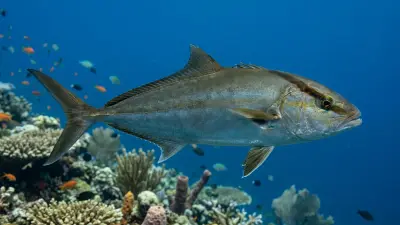
Jacks
March-August · common
Barracuda
March-August · common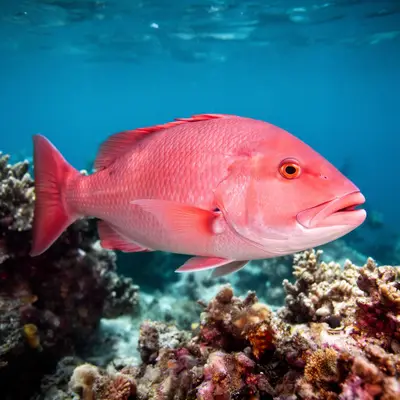
Snappers
March-August · common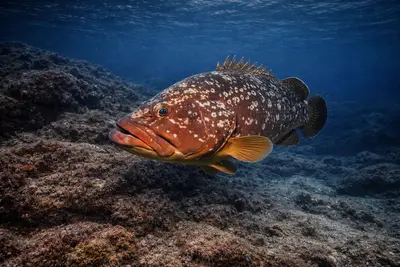
Groupers
March-August · common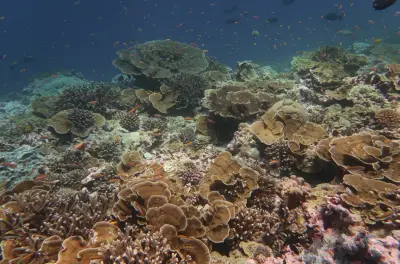
Reef fish
March-August · common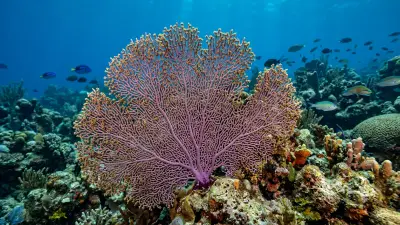
Sea fans
March-August · common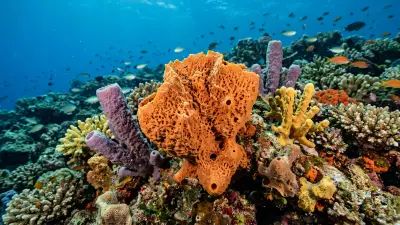
Sponges
March-August · common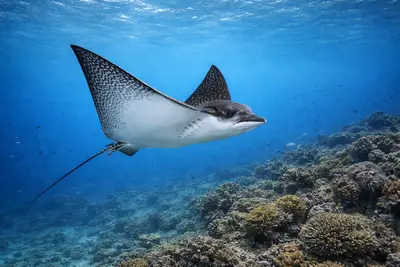
Eagle rays
March-August · occasionalSea turtles
March-August · occasional
Reef sharks
March-August · occasionalDive profile & how the dive runs
Diving Coco Sea Mount typically involves a boat entry, often as a drift dive due to its exposed location and currents. Divers should listen carefully to the briefing for current direction, expected depth limits, and specific communication signals. Descent timing is crucial to stay with the group and on the seamount structure, aiming for a rapid, controlled drop to the desired depth. The dive then progresses along the submerged reef, allowing the current to carry divers past schools of jacks, barracuda, snappers, and groupers. Keep an eye out for eagle rays and reef sharks that frequent the area. Navigation relies heavily on the dive guide, who will lead the group along the most productive sections of the seamount. Turn points are dictated by air consumption and bottom time, with an emphasis on maintaining depth and group cohesion. The safety stop is conducted as a drifting ascent, often with a deployed surface marker buoy, where the boat follows the divers for a comfortable and safe pick-up, ensuring everyone is accounted for after surfacing.
Underwater photography
Coco Sea Mount offers excellent wide-angle photography opportunities due to its frequently outstanding visibility and abundant schooling fish, as well as potential for larger pelagics like sharks and eagle rays. A fisheye or wide-angle lens (e.g., 8-15mm or 16-35mm equivalent) is highly recommended to capture the expansive reefscape and large animal encounters. Consider using dual strobes to properly illuminate subjects and bring out the vibrant colors of corals and fish against the clear blue background. Patience is key when waiting for schools of jacks or barracuda to position themselves for a dramatic shot. Maintaining excellent buoyancy is paramount in the potentially strong currents to avoid disturbing the reef and to get stable shots. While macro subjects are present, the primary draw here is the larger scene, so plan your setup accordingly. Ethical photography includes giving marine life space, especially sharks and turtles, and avoiding any actions that could stress or alter their natural behavior.
Combine with nearby dive sites
- Hole in the Wall
Hole in the Wall is a celebrated dive site in Roatan, part of the extensive Mesoamerican Barrier Reef System, which is the second-largest…
- Duppy Waters
Duppy Waters is a prominent dive site located in the Bay Islands of Honduras, specifically on the north side of Utila.
- Jack Neal Point
Jack Neal Point is a captivating dive site located off the western coast of Roatan, Honduras, nestled within the larger Mesoamerican…
- Odyssey
A popular wreck dive.
- Mary's Place
Known for dramatic topography and vertical walls.
Getting there & logistics
Accessing Coco Sea Mount typically involves travel to Roatan, Honduras, with flights commonly arriving at Juan Manuel Gálvez International Airport (RTB). From there, divers usually transfer to a liveaboard vessel, as this offshore site is a common stop on liveaboard itineraries exploring the Bay Islands. Trips often depart from various ports around Roatan. Liveaboard durations can vary, frequently ranging from 7 to 10 days, allowing for comprehensive exploration of multiple dive sites across the region. There are generally no specific dive site permits or fees beyond the liveaboard package. Coco Sea Mount is usually combined with other popular Roatan sites, offering a diverse experience that includes both wall dives and other offshore encounters. Some dive operations also offer special trips to the seamounts of Cayos Cochinos, which are approximately 18 miles offshore, suggesting similar logistics for distant seamount dives.
Safety & environment
For diving Coco Sea Mount, comprehensive dive insurance that includes emergency medical evacuation and recompression chamber coverage is crucial due to its offshore location. The nearest recompression chamber is located in Roatan, but evacuation from an offshore site can be complex and time-consuming. Divers must be proficient in drift diving techniques and maintain excellent buoyancy control to manage potential strong currents, which are a characteristic hazard of this exposed seamount. Always adhere strictly to the dive brief, staying close to the dive guide and group, and be prepared to deploy a surface marker buoy (SMB) at the end of the dive for boat pick-up. Surface interval procedures are critical, as boat traffic around offshore sites can vary. Proper air management and conservative dive planning are essential, particularly given the varying depths and potential for nitrogen narcosis in deeper sections. Always dive within your training and experience limits, and ensure all gear is in excellent working condition.
Who it suits — and who it doesn't
Suited for
- Experienced divers comfortable with currents
- Divers seeking pelagic encounters and large schools of fish
- Underwater photographers with wide-angle setups
- Liveaboard guests seeking offshore adventures
- Divers interested in diverse reef ecosystems
Less suited for
- Beginner divers or those uncomfortable with currents
- Divers prone to seasickness on exposed waters
- Divers preferring sheltered, calm reef environments
- Those without advanced dive certifications
- Divers looking exclusively for macro photography
FAQ
Coco Sea Mount FAQ
What kind of marine life can I expect at Coco Sea Mount?
At Coco Sea Mount, you can anticipate seeing a vibrant array of marine life, particularly larger pelagic species. Common sightings include schools of jacks, barracuda, snappers, and groupers. Divers also frequently encounter eagle rays, sea turtles, and there's a good possibility of spotting reef sharks attracted to the nutrient-rich waters.
Is Coco Sea Mount suitable for beginner divers?
Coco Sea Mount is generally more suited for experienced divers. Its exposed offshore location means currents can be strong and variable. Divers should be comfortable with drift diving techniques, have excellent buoyancy control, and be prepared for potential deeper profiles, making it less ideal for beginners.
When is the best time of year to dive Coco Sea Mount?
The prime diving season for Coco Sea Mount is typically from March to August. During these months, the weather conditions are generally calmer, and visibility is at its best. This period offers the most comfortable diving experience and the highest chances of encountering the abundant marine life that frequents the seamount.
What are the typical water conditions at the dive site?
Water conditions at Coco Sea Mount are usually excellent, with visibility often ranging from 18 to 30 meters, and even up to 36 meters during the dry season. Water temperatures are warm, generally between 24 and 29°C, and can reach up to 31°C in the summer. Currents can be present and vary in strength, defining the drift diving experience.
How do liveaboards typically incorporate Coco Sea Mount into their itineraries?
Liveaboards exploring the Bay Islands often include Coco Sea Mount as a highlight in their itineraries, particularly when focusing on offshore and pelagic-rich sites. Given its distance from shore and unique characteristics, it's typically visited as part of a multi-day trip. These trips combine it with other renowned Roatan dive sites, providing a comprehensive diving experience across the region.
Why dive Coco Sea Mount from a liveaboard?
Coco Sea Mount is one of Honduras's signature dive sites. A liveaboard sleeps you on the water and puts you in the water for three to four guided dives per day, including dawn and night dives that day-boat operators rarely offer. You skip the daily commute back to port and reach quieter, less-crowded sites in the same region on a single trip.
Below are the liveaboards that include Coco Sea Mount on their Honduras itineraries.
Liveaboards diving Coco Sea Mount
These liveaboards may visit Coco Sea Mount on selected itineraries — the exact dive sites depend on departure, weather and conditions.
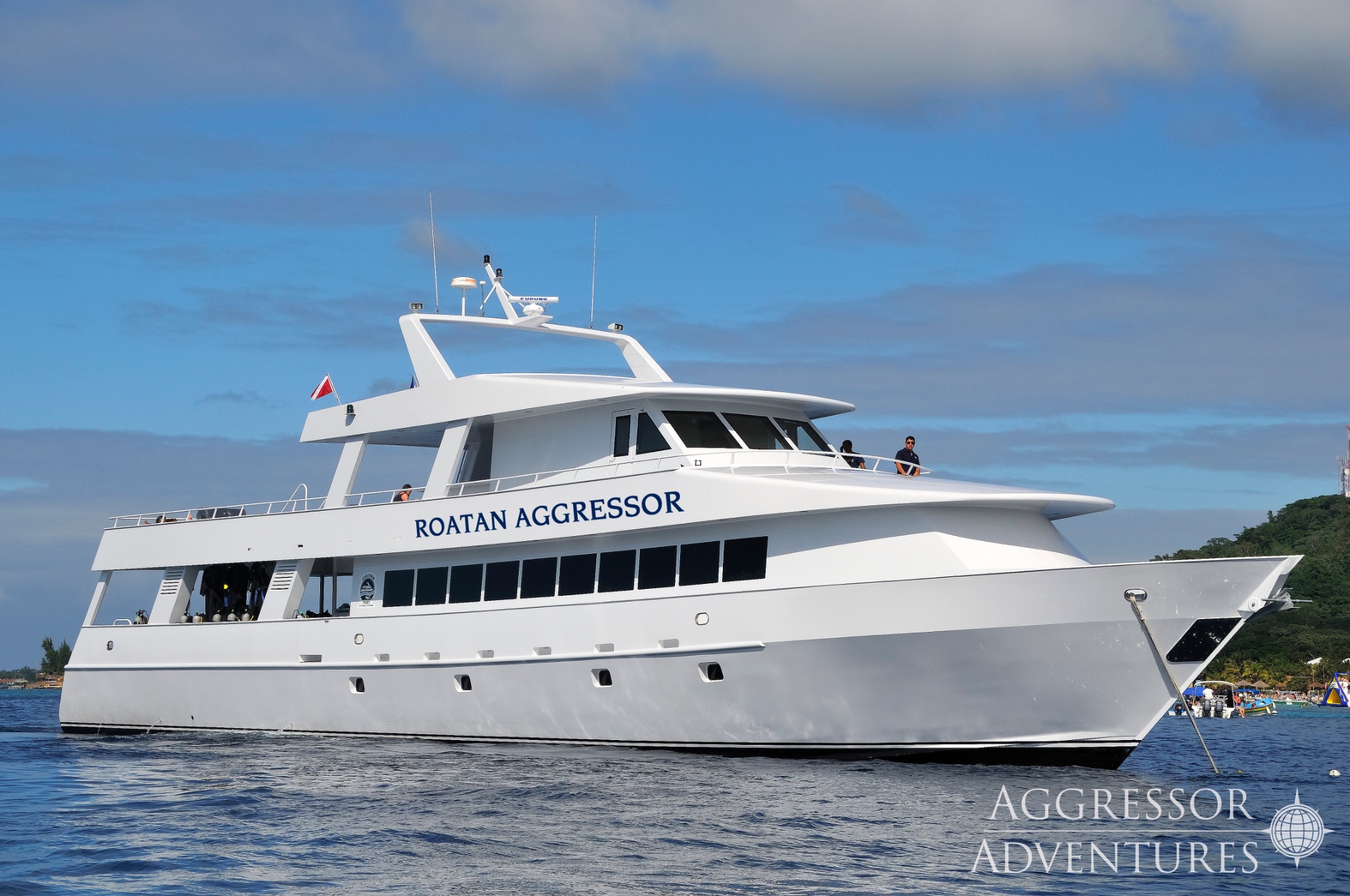
Roatan Aggressor
Honduras
18 guests31.1 m
$309/day
Dive sites similar to Coco Sea Mount
Same character, same waters — six more sites divers love for the exact same reasons.Compare seasons, access and liveaboard routes — then pick the site that fits your trip best.
© Esri — Maxar, Earthstar, GIS
Satoshi’s Grave
Honduras
Satoshi’s Grave is a distinctive wreck site located on the southern shore of Roatan, specifically the Wreck of Mr. Bud.
- Suitable for
- Beginner
- Current
- Moderate
- Access
- Liveaboard or dayboat
- Depth
- 18–18 m
- Theme
- Wreck / Reef
© Esri — Maxar, Earthstar, GIS
Butcher's Bank
Honduras
Butcher's Bank is a celebrated dive site in Roatan, Honduras, widely regarded as one of the island's most enjoyable locations, particularly for novice divers.
- Suitable for
- Beginner
- Current
- Mild
- Access
- Dayboat
- Depth
- 12–18 m
- Theme
- Reef
© Esri — Maxar, Earthstar, GIS
Wreck of the Aguila
Honduras
The Wreck of the Aguila, affectionately known as 'The Eagle,' is a 60-meter (200-foot) cargo ship purposefully sunk in 1997 to create an artificial reef within recreational diving limits.
- Suitable for
- Intermediate
- Current
- Mild
- Access
- Dayboat
- Depth
- 20–33 m
- Theme
- Wreck / Reef
© Esri — Maxar, Earthstar, GIS
Al's Garden
Honduras
Al's Garden is a notable dive site located in Roatan, part of Honduras's Bay Islands, a region renowned for its vibrant underwater topography and diverse marine ecosystems.
- Suitable for
- Intermediate
- Current
- Moderate
- Access
- Liveaboard or dayboat
- Depth
- 9–40 m
- Theme
- Reef
© Esri — Maxar, Earthstar, GIS
Aaron's Backyard
Honduras
Aaron's Backyard is a noted dive site within the Roatan Marine Park in Honduras, part of the extensive Mesoamerican Barrier Reef System.
- Suitable for
- Intermediate
- Current
- Moderate
- Access
- Liveaboard or dayboat
- Depth
- 9–40 m
- Theme
- Reef
Roatán, part of the Bay Islands of Honduras, offers a diverse underwater landscape situated along the Mesoamerican Barrier Reef System, which is the second largest barrier reef globally.
- Suitable for
- Intermediate
- Current
- Moderate
- Access
- Liveaboard or dayboat
- Depth
- 9–40 m
- Theme
- Reef