About The Elbow
The Elbow is Turneffe Atoll's most exhilarating dive, situated at the atoll's southern tip where dynamic currents converge. This unique geometry creates a natural funnel, drawing in abundant marine life and making it a hotspot for pelagic encounters. The site plunges from a 20-meter reef crest, dropping sharply to beyond 40 meters into the Caribbean abyss. Here, the strong currents sweeping past the promontory are a magnet for schooling Atlantic spadefish, horse-eye jacks, and cubera snapper. Reef sharks are a common sight, navigating the nutrient-rich waters. The underwater landscape features walls adorned with vibrant soft corals, sponges, and patches of fire coral, showcasing the rich biodiversity of the Turneffe Atoll, which itself is home to over 500 fish species and 65 coral species. Diving The Elbow is an advanced experience, demanding solid buoyancy control, comfort with drift conditions, and proficiency at depth. Entry is typically by boat, often involving a negative descent to reach the active current zone. This site provides a dramatic and rewarding dive for those seeking high-octane pelagic action and a challenging underwater adventure.
Highlights
Pelagic hotspotStrong currentsSchooling fish aggregationsSteep wall drop-offsAdvanced drift diveReef shark encountersVibrant soft corals
Season calendar
Best months to dive here
Jan
Feb
Mar
Apr
May
Jun
Jul
Aug
Sep
Oct
Nov
Dec
Good
Dive site facts: The Elbow
- Depth
- 20–40 m
- Current
- Strong
- Visibility
- 20–40 m
- Water temperature
- 26–29°C
- Entry
- Boat / Negative entry
- Level
- Advanced
- Dive type
- Wall, Drift, Pelagic, Big Animals
- Region / port
- Turneffe Atoll, Belize
- Coordinates
- 17.226358, -87.824993
Conditions & Currents
The Elbow is renowned for its strong and variable currents, funnelled by the atoll's unique geometry, making it a definitive drift dive. Divers should expect brisk conditions, potentially requiring a negative entry to reach the desired depth and avoid being swept away from the wall. Currents can vary in strength, influenced by seasonal changes, with the wet season from May to October sometimes bringing stronger flows. Surge is also a characteristic feature of this site, especially on days with more active weather, so solid buoyancy control and strong finning are essential. Visibility typically ranges from 20 to 40 meters, but this can fluctuate with current intensity and seasonal variations. This dynamic environment is a magnet for large pelagic life, but it also necessitates advanced dive skills and careful gas planning.
Marine life & sighting chances
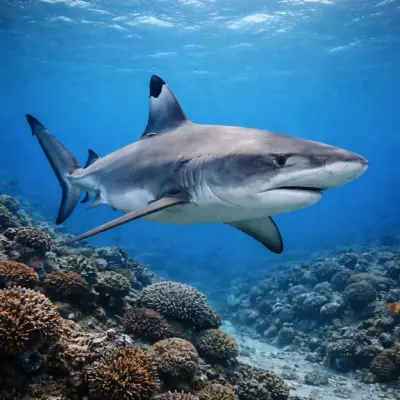
Reef shark
common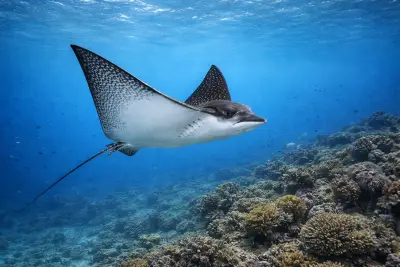
Eagle ray
common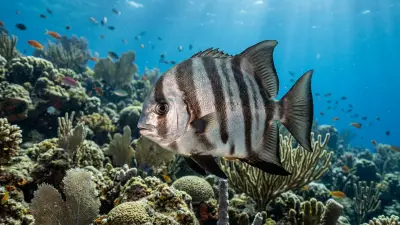
Atlantic spadefish
common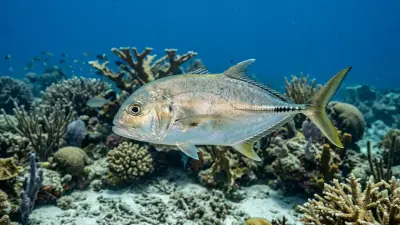
Horse-eye jack
common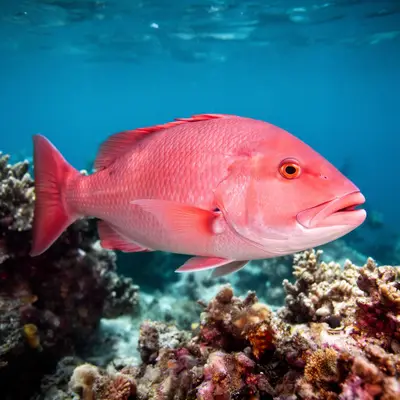
Cubera snapper
occasional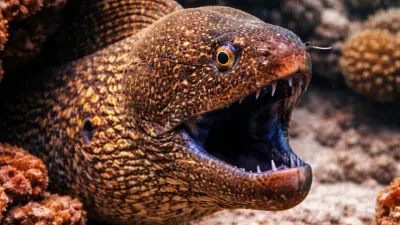
Green moray
occasional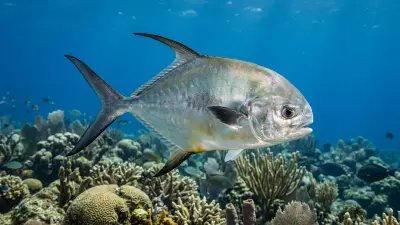
Permit
occasional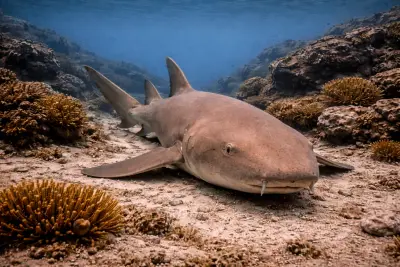
Nurse shark
occasional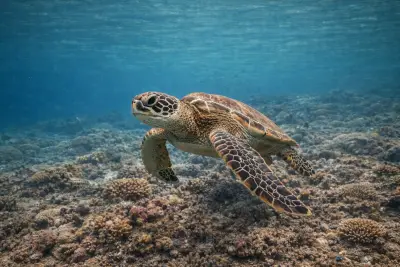
Green sea turtle
occasional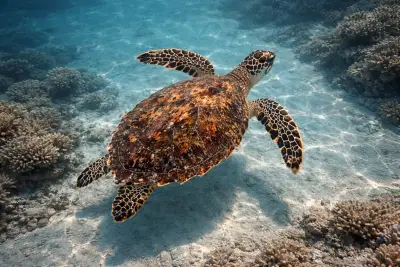
Hawksbill turtle
occasional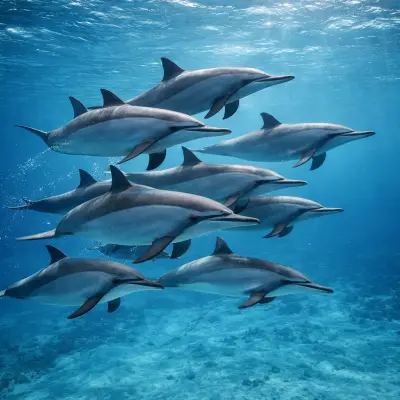
Spinner dolphin
rareDive profile & how the dive runs
Diving The Elbow typically begins with a boat entry, often requiring a negative descent due to the prevailing strong currents, aiming to reach the main wall around 20 meters. The dive then becomes a drift along the steep wall that plunges to depths beyond 40 meters, where the primary pelagic action is found. Divers maintain depth, navigating the currents while observing schooling Atlantic spadefish, horse-eye jacks, and occasional cubera snapper. The route follows the wall's contour, focusing on the active zone where pelagic fish and reef sharks are drawn in by the currents. The turn point is determined by gas consumption and no-decompression limits, after which divers ascend gradually while still drifting. The safety stop is usually conducted in the blue at shallower depths, typically around 5 meters, as the boat follows the divers' progress, picking them up at the end of the drift.
Underwater photography
Capturing The Elbow's dynamic environment requires preparation. For wide-angle photography, a fisheye or 16-35mm equivalent lens is ideal to encompass the schooling fish aggregations and the vastness of the wall drop-offs. Given the potential for lower light at deeper sections and during overcast conditions, external strobes are highly recommended to bring out the vibrant colors of soft corals and sponges. Buoyancy control is paramount to avoid contact with the wall in strong currents and to maintain stable shots of fast-moving pelagics. Consider pre-focusing and shooting at higher shutter speeds to freeze the action. Patience is key, as marine life often appears and disappears quickly in the current, offering fleeting opportunities for dramatic captures.
Combine with nearby dive sites
- Long Caye Wall
A beautiful wall dive at Lighthouse Reef Atoll with good visibility.
- Half Moon Caye Wall
Often combined with Blue Hole trips, featuring vertical walls, eagle rays, and reef sharks.
- Great Blue Hole
A bucket-list geological dive with stalactites at depth, usually done as a full-day trip with other sites.
- Glover's Wall
Part of the remote Glover's Reef Atoll, known for its extensive coral formations.
- Hol Chan Marine Reserve
A shallow, protected reef boasting incredible fish density, ideal for new divers or snorkelers.
Getting there & logistics
Access to The Elbow, located at Turneffe Atoll, is primarily via liveaboard vessels or long day trips from coastal towns like Belize City or Ambergris Caye. Belize City (BZE) serves as the main international airport gateway for most visitors. Day trips to Turneffe Atoll can be lengthy, often taking 1.5 to 2 hours by speedboat from the mainland, depending on conditions. Liveaboards typically offer week-long itineraries, combining Turneffe Atoll with other offshore sites like Lighthouse Reef Atoll and the Great Blue Hole, maximizing dive time at remote locations. Marine park fees are generally included in dive packages, as The Elbow lies within Turneffe's General Use Zone, part of Belize's Marine Protected Area network. Booking in advance, particularly for liveaboards and during peak season (March to June), is highly recommended.
Safety & environment
Diving at The Elbow demands a high level of preparedness due to its strong currents and significant depths, making it unsuitable for inexperienced divers. Divers must carry valid C-cards and dive insurance, such as DAN. The nearest recompression chamber is located in San Pedro, Ambergris Caye, requiring boat transfer and potentially a flight for severe cases, underscoring the importance of meticulous dive planning and adherence to limits. Site-specific hazards include unpredictable current changes, potential downcurrents, and the need for excellent buddy communication. Divers should be proficient in negative entries, drift diving techniques, and maintaining solid buoyancy in challenging conditions. Always follow the dive brief, stay with your guide, and ensure adequate gas supply for the planned depth and potential extended safety stops.
Who it suits — and who it doesn't
Suited for
- Advanced divers comfortable with strong currents
- Experienced divers seeking pelagic action
- Divers proficient in drift diving
- Photographers with wide-angle setups targeting big fish
- Those who appreciate challenging and dynamic dive environments
Less suited for
- Beginner divers or those with limited experience
- Divers uncomfortable with strong currents and negative entries
- Those new to drift diving
- Macro photographers primarily seeking stationary subjects
- Divers prone to seasickness on choppy boat rides
FAQ
The Elbow FAQ
What makes The Elbow a challenging dive site?
The Elbow is known for its strong and often unpredictable currents, which are funnelled by the atoll's unique geography. Divers must be comfortable with drift diving and capable of performing negative entries to reach the reef effectively. The site also features steep wall drop-offs that extend to depths beyond 40 meters, requiring advanced depth management skills.
What kind of marine life can I expect to see at The Elbow?
Due to the strong currents, The Elbow is a hotspot for pelagic species and large schooling fish. You can commonly expect to see large aggregations of Atlantic spadefish, horse-eye jacks, and cubera snapper. Reef sharks and eagle rays are also frequent visitors, drawn by the nutrient-rich water flow.
What is the typical depth and visibility at The Elbow?
The dive typically ranges from 20 meters down to beyond 40 meters, where the wall plunges into the deep blue. Visibility is generally excellent, often between 20 to 40 meters, though it can vary based on current strength and seasonal conditions. The clear waters allow for expansive views of the schooling fish and the wall's topography.
Is The Elbow suitable for all levels of divers?
No, The Elbow is classified as an advanced dive site. Divers need to possess solid buoyancy control, experience with drift diving, and comfort operating at depths up to 40 meters. The strong currents and open-water exposure mean it is not recommended for beginner or intermediate divers.
How do I get to The Elbow, and what's the best way to dive it?
The Elbow is part of Turneffe Atoll, accessible by day boat trips from mainland Belize or Ambergris Caye, or most commonly via liveaboard itineraries. Liveaboards offer the most convenient access, typically visiting The Elbow as part of a multi-day trip exploring the remote atolls. Day trips can be long, so liveaboards are often preferred for this site.
When is the best time of year to dive The Elbow?
While The Elbow is diveable year-round, the dry season from November to May generally provides the most stable weather and calmer sea conditions. April through June is often highlighted for its exceptional underwater visibility, making it a prime time to experience the site's pelagic action.
Why dive The Elbow from a liveaboard?
The Elbow is one of Belize's signature dive sites. A liveaboard sleeps you on the water and puts you in the water for three to four guided dives per day, including dawn and night dives that day-boat operators rarely offer. You skip the daily commute back to port and reach quieter, less-crowded sites in the same region on a single trip.
Below are the liveaboards that include The Elbow on their Belize itineraries.
Liveaboards diving The Elbow
These liveaboards may visit The Elbow on selected itineraries — the exact dive sites depend on departure, weather and conditions.
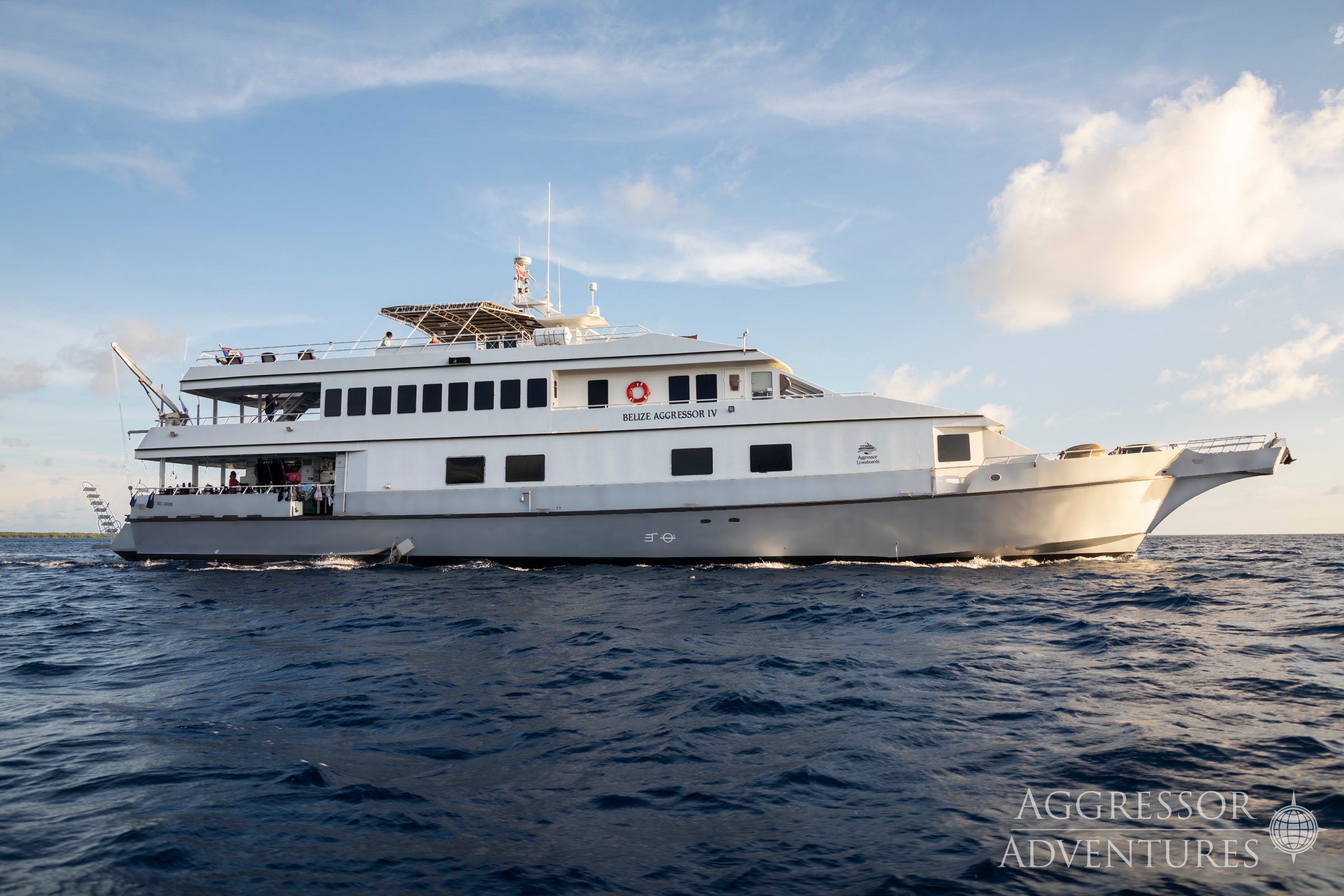
Belize Aggressor IV
Belize
20 guests42.1 m
$356/day
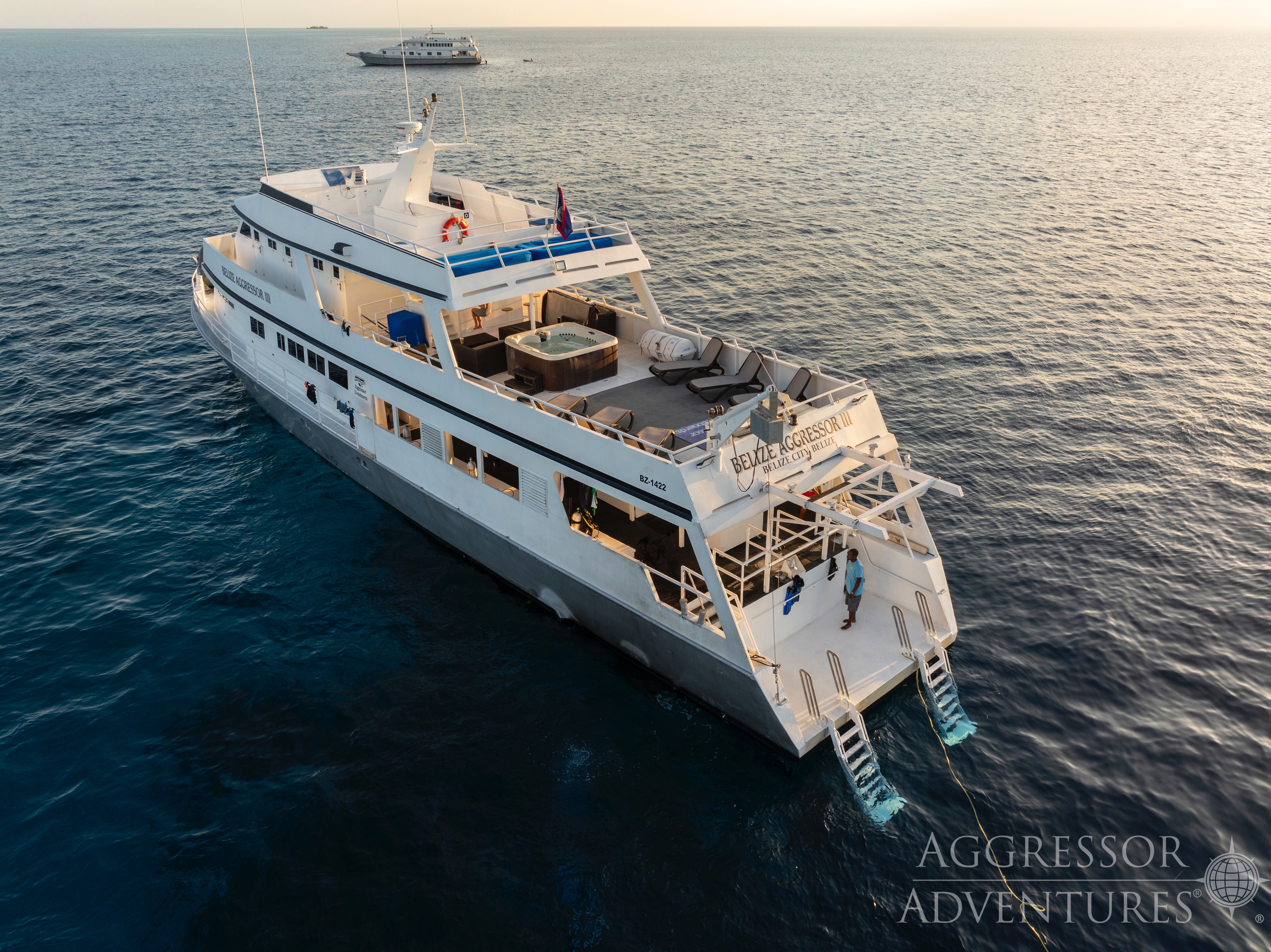
Belize Aggressor III
Belize
18 guests33.5 m
$336/day
Dive sites similar to The Elbow
Same character, same waters — six more sites divers love for the exact same reasons.Compare seasons, access and liveaboard routes — then pick the site that fits your trip best.
© Esri — Maxar, Earthstar, GIS
Carrie Bow Caye Reef
Belize
Carrie Bow Caye is a small sand caye positioned directly on the Belize Barrier Reef, hosting a continuous coral reef monitoring program by the Smithsonian Institution since 1972.…
- Suitable for
- Intermediate
- Current
- Moderate
- Access
- Liveaboard or dayboat
- Depth
- 4–30 m
- Theme
- Reef / Wall
© Esri — Maxar, Earthstar, GIS
Ambergris Caye
Belize
Ambergris Caye, the largest and most popular of Belize's offshore cayes, offers unparalleled diving along 40 kilometers of the Belize Barrier Reef, situated less than a mile offshore.
- Suitable for
- Intermediate
- Current
- Mild
- Access
- Dayboat
- Depth
- 15–60 m
- Theme
- Reef / Wall
© Esri — Maxar, Earthstar, GIS
Long Caye Ridge
Belize
Long Caye Ridge is a highly-rated dive site situated within Belize's Lighthouse Reef Atoll, an area renowned for its pristine conditions due to its distance from the mainland.
- Suitable for
- Intermediate
- Current
- No current
- Access
- Liveaboard only
- Depth
- 21–21 m
- Theme
- Reef
© Esri — Maxar, Earthstar, GIS
Silver Caves
Belize
Silver Caves offers a distinctive diving experience within the Lighthouse Reef Atoll, one of Belize's healthiest reef systems.
- Suitable for
- Advanced
- Current
- Mild
- Access
- Liveaboard only
- Depth
- 18–28 m
- Theme
- Reef / Cave & cavern
© Esri — Maxar, Earthstar, GIS
Sayonara Wreck
Belize
The Sayonara Wreck offers an engaging intermediate dive experience southwest of the Turneffe Islands in Belize.
- Suitable for
- Intermediate
- Current
- Moderate
- Access
- Liveaboard only
- Depth
- 12–18 m
- Theme
- Wreck / Reef