About Black Hills
Black Hills is a prominent offshore seamount located approximately one mile off the south coast of Utila, Honduras, within the Bay Islands. This dive site is celebrated for its unique topography, rising from deep water to within 10 meters of the surface, creating a natural magnet for marine life. It is part of the Mesoamerican Barrier Reef System, the second-largest barrier reef globally, ensuring a rich and diverse ecosystem. The seamount's structure allows for a compelling dive profile, with steep walls and ledges that descend to depths of 40 meters or more. Currents often sweep nutrients up the structure, attracting significant pelagic activity and schools of fish. This dynamic environment makes it a thrilling dive, particularly for those comfortable with blue-water descents and managing variable current conditions. Divers can expect to encounter large schools of horse-eye jacks, barracuda, and groupers, with frequent sightings of eagle rays and turtles patrolling the area. The site's healthy coral growth adds to its visual appeal, making it a vibrant underwater landscape. While accessible year-round, calmer seas during certain months can enhance the overall dive experience. Black Hills is primarily a boat dive, requiring a blue-water descent and ascent. Its challenging conditions make it best suited for experienced divers who can maintain buoyancy and manage strong currents. The site offers a compact circuit around the pinnacle, providing an opportunity to observe a wide array of marine species in a relatively concentrated area.
Highlights
Offshore seamount diveBlue-water descentDense fish schoolsFrequent eagle ray sightingsChallenging current experienceCompact pinnacle circuitHealthy coral formations
Season calendar
Best months to dive here
Jan
Feb
Mar
Apr
May
Jun
Jul
Aug
Sep
Oct
Nov
Dec
Excellent
Dive site facts: Black Hills
- Depth
- 10–40 m
- Typical dive
- 25–30 m, 50–60 min
- Current
- Moderate to strong
- Visibility
- 18–30 m
- Water temperature
- 24–31 °C
- Entry
- Boat / blue-water descent
- Level
- Advanced
- Dive type
- Pinnacle, pelagic, wall
- Region / port
- Utila, Honduras
- Coordinates
- 16.088, -86.902
Conditions & Currents
Black Hills is known for its strong currents, which can range from moderate to occasionally powerful, particularly when moving through the area's seamount structure. These currents are a primary reason for the abundant marine life, as they sweep nutrients up the pinnacle. Divers should be prepared for a blue-water descent and ascent, often requiring a comfortable negative entry and open-water safety stop. Maintaining position can be challenging, necessitating excellent buoyancy control and comfort with current diving techniques. Visibility can swing with conditions, sometimes exceeding 24 meters, but can be reduced when sediments are stirred up. Divers should always monitor the shot line and be prepared to turn the dive before conditions become too challenging.
Marine life & sighting chances

Barracuda
common
Eagle Ray
occasional
Hawksbill Turtle
occasional
Jackfish
common
Lionfish
occasional
Moray Eel
occasional
Wrasse
occasional
Grouper
common
Atlantic Spadefish
occasional
Nurse Shark
rare
Dolphin
rareDive profile & how the dive runs
Diving Black Hills typically begins with a boat ride to the offshore seamount, followed by a blue-water descent, often requiring a negative entry due to potential strong currents. You'll follow the shot line down to the top of the pinnacle, which starts around 10 meters, before circling the seamount. The dive usually progresses to depths between 25 and 30 meters, exploring the walls and ledges that drop to 40 meters and beyond. The circuit involves navigating around the pinnacle, observing the dense schools of fish and larger pelagics attracted by the currents. The turn point is often dictated by air consumption or current strength, prompting a gradual ascent along the seamount's profile. The safety stop is conducted in open water, requiring precise buoyancy control and attention to the boat's location for pickup, as there is no shore access.
Underwater photography
Black Hills offers excellent opportunities for wide-angle photography due to its pelagic action and dramatic seamount structure. A wide-angle lens is ideal for capturing the vast schools of horse-eye jacks, barracuda, and the occasional eagle ray in their natural schooling formations. Given the potential for strong currents, robust camera housing and secure handling are essential. Strobes can be beneficial for bringing out the vibrant colors of the corals and reef fish, particularly on deeper sections of the seamount. Be mindful of your buoyancy and position when shooting in current; prioritize staying safe and stable over getting the perfect shot. Patience is key for capturing marine life, especially the more transient pelagic species.
Combine with nearby dive sites
Getting there & logistics
Black Hills is accessed from Utila, one of Honduras's Bay Islands. Travelers typically fly into Juan Manuel Gálvez International Airport (RTB) in Roatan, then take a ferry or a short regional flight to Utila. Dive operators on Utila offer day trips to Black Hills as part of their itinerary. Dive packages usually include boat transfers, tanks, and guides. There are no specific park fees mentioned for this site, but general island tourism or conservation fees might apply as part of a dive package. Trips are generally for certified divers, with advanced certification highly recommended. Utila is known for its affordable diving and has a strong backpacker and dive community, making multi-day dive packages common.
Safety & environment
Diving at Black Hills requires careful attention to safety due to potentially strong currents and the offshore nature of the site. Divers should possess excellent buoyancy control and comfort with blue-water descents and ascents. The nearest recompression chamber is located in Roatan, emphasizing the importance of proper dive planning and adherence to limits. Dive operators typically provide detailed briefings on current conditions and emergency procedures, which must be followed diligently. It is highly recommended to have comprehensive dive insurance that covers emergency evacuation and recompression treatment. Always dive with a reputable operator, and ensure your equipment is well-maintained. Stay close to your dive guide, especially in currents, and be mindful of your air consumption and no-decompression limits.
Who it suits — and who it doesn't
Suited for
- Advanced divers comfortable with currents
- Photographers seeking pelagic action
- Divers interested in diverse marine life
- Those who enjoy offshore seamount diving
- Experienced divers seeking a challenge
Less suited for
- Beginner divers or those new to currents
- Divers with poor buoyancy control
- Individuals prone to seasickness
- Snorkelers or freedivers (due to depth and current)
- Those looking for a shallow, easy dive
FAQ
Black Hills FAQ
What kind of marine life can I expect to see at Black Hills?
Black Hills is teeming with marine life, particularly large schools of fish. You can commonly expect to see horse-eye jacks, barracuda, and groupers. Frequent sightings of eagle rays and occasional encounters with turtles and even dolphins are also possible due to the nutrient-rich currents around the seamount.
What is the typical depth and current at Black Hills?
The top of the Black Hills seamount is at approximately 10 meters, but the dive typically descends to depths between 25 and 30 meters, with walls dropping to over 40 meters. Currents here can range from moderate to strong, making it a challenging dive best suited for advanced divers comfortable with these conditions.
Is Black Hills suitable for all levels of divers?
No, Black Hills is generally considered an advanced dive site. The strong currents, blue-water descent, and significant depths require excellent buoyancy control, comfort in open water, and experience diving in challenging conditions. Beginners or those without current diving experience should choose other sites.
How do I access the Black Hills dive site?
Black Hills is an offshore seamount and is exclusively accessed by boat from Utila. Dive operators on the island arrange daily trips to the site, which usually involves a blue-water entry and exit. There is no shore access, and divers must rely on boat support throughout the dive.
When is the best time of year to dive Black Hills?
While Black Hills can be dived year-round, the dry season from March to May often offers the best conditions with optimal visibility and calmer seas, which can make the blue-water operations easier. Water temperatures remain warm throughout the year, typically between 24-31°C.
Why dive Black Hills from a liveaboard?
Black Hills is one of Honduras's signature dive sites. A liveaboard sleeps you on the water and puts you in the water for three to four guided dives per day, including dawn and night dives that day-boat operators rarely offer. You skip the daily commute back to port and reach quieter, less-crowded sites in the same region on a single trip.
Below are the liveaboards that include Black Hills on their Honduras itineraries.
Liveaboards diving Black Hills
These liveaboards may visit Black Hills on selected itineraries — the exact dive sites depend on departure, weather and conditions.
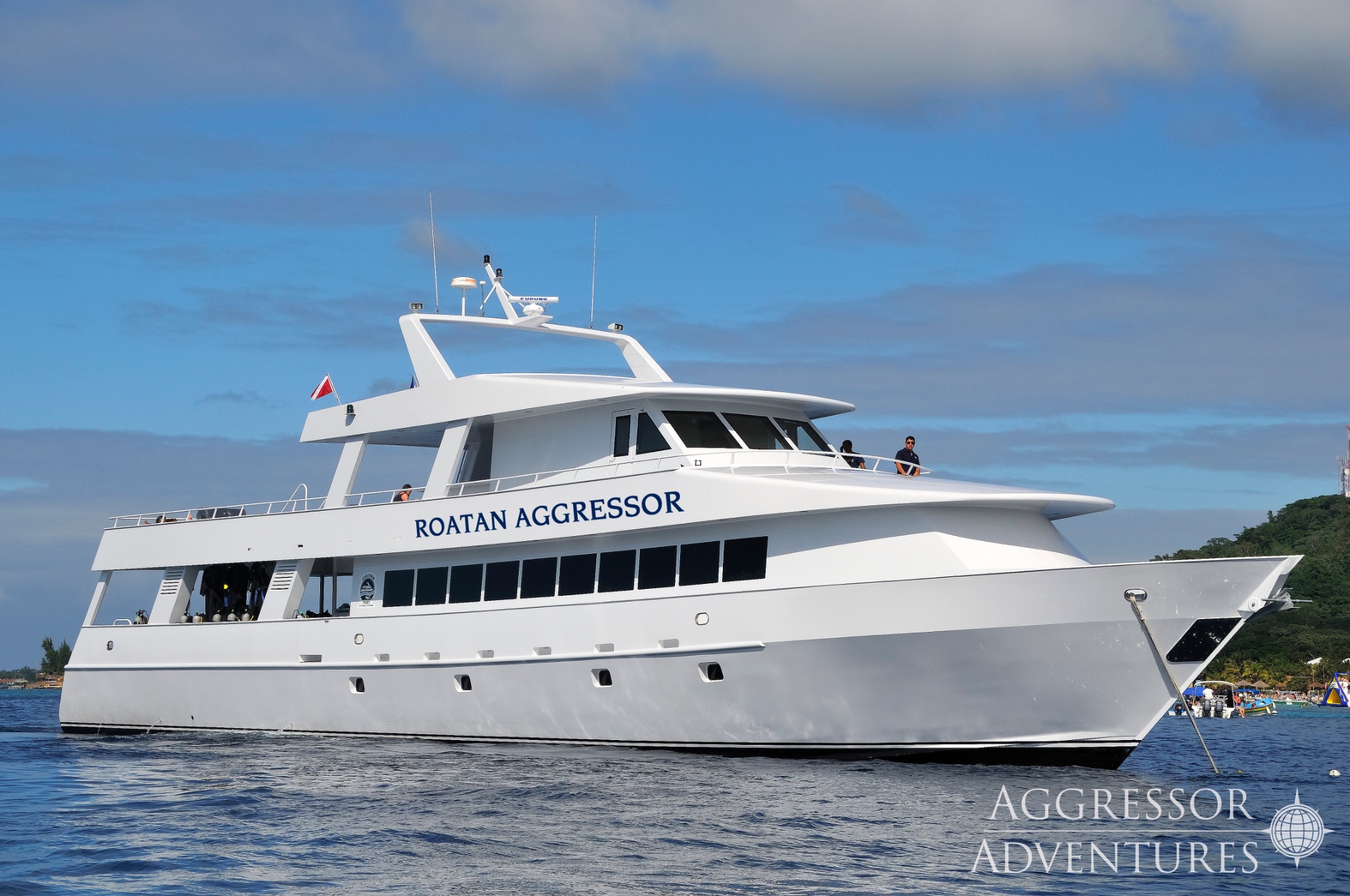
Roatan Aggressor
Honduras
18 guests31.1 m
$309/day
Dive sites similar to Black Hills
Same character, same waters — six more sites divers love for the exact same reasons.Compare seasons, access and liveaboard routes — then pick the site that fits your trip best.
© Esri — Maxar, Earthstar, GIS
Satoshi’s Grave
Honduras
Satoshi’s Grave is a distinctive wreck site located on the southern shore of Roatan, specifically the Wreck of Mr. Bud.
- Suitable for
- Beginner
- Current
- Moderate
- Access
- Liveaboard or dayboat
- Depth
- 18–18 m
- Theme
- Wreck / Reef
© Esri — Maxar, Earthstar, GIS
Addie's Garden
Honduras
Addie's Garden is one of 350 dive and snorkel sites located around Roatan, Honduras, within the Mesoamerican Barrier Reef System.
- Suitable for
- Intermediate
- Current
- Moderate
- Access
- Liveaboard or dayboat
- Depth
- 5–30 m
- Theme
- Reef
© Esri — Maxar, Earthstar, GIS
Blackish Point
Honduras
Blackish Point is a captivating shore-drift wall dive located on the north side of Utila, offering a unique blend of volcanic rock formations, soft corals, and an intricate network of caves, overhangs, and crevices.
- Suitable for
- Intermediate
- Current
- Mild
- Access
- Shore / dayboat
- Depth
- 11–27 m
- Theme
- Cave & cavern / Drift
© Esri — Maxar, Earthstar, GIS
Marie's Kitchen
Honduras
Marie's Kitchen is a distinguished dive site located in Roatan, Honduras, forming a crucial part of the Mesoamerican Barrier Reef System, which stands as the world's second-largest coral reef.
- Suitable for
- Intermediate
- Current
- Moderate
- Access
- Liveaboard or dayboat
- Depth
- 5–30 m
- Theme
- Reef
© Esri — Maxar, Earthstar, GIS
Butcher's Bank
Honduras
Butcher's Bank is a celebrated dive site in Roatan, Honduras, widely regarded as one of the island's most enjoyable locations, particularly for novice divers.
- Suitable for
- Beginner
- Current
- Mild
- Access
- Dayboat
- Depth
- 12–18 m
- Theme
- Reef
© Esri — Maxar, Earthstar, GIS
Black Coral Wall
Honduras
Black Coral Wall is a captivating dive site situated off the coast of Utila, Honduras, characterized by its extensive formations of black coral.
- Suitable for
- Intermediate
- Current
- Moderate
- Access
- Liveaboard only
- Depth
- ≤ 50 m
- Theme
- Wall