About Bev's Reef
Bev's Reef is a vibrant reef system located near Tufi on the northern coast of mainland Papua New Guinea, situated amidst a region characterized by stunning fjords. This site is particularly renowned for its active manta cleaning station, making it a sought-after destination for encountering these majestic pelagics. The reef's topography includes a wall dive, offering clear blue waters teeming with corals, diverse reef fish, and colorful sea squirts. Divers can explore a rich variety of marine life, including nudibranchs, schools of fusiliers and snappers, and whitetip reef sharks. The area is also frequented by a distinct, very friendly manta ray that is known to visit Bev's Reef and the nearby Marion's Reef. The Tufi region, where Bev's Reef is located, is part of the Coral Triangle, an area celebrated for its exceptional marine biodiversity. The reef exemplifies this richness with its pristine conditions and abundant life, a benefit of the low fishing pressure and local conservation efforts in the area. This ensures a healthy ecosystem that supports both macro critters and larger pelagic species, alongside fantastic soft and hard corals. Bev's Reef offers an accessible and enjoyable dive experience suitable for various skill levels. The site is characterized by relatively mild currents, making for easy diving conditions. It forms part of a mid-distance reef system from the Tufi resort. Visibility in the Tufi area generally averages around 30 meters, enhancing the appreciation of its underwater wonders. Divers can expect a relaxed experience while observing the reef's diverse inhabitants and the occasional friendly manta.
Highlights
Napoleon WrasseBumphead ParrotfishHard Corals
Season calendar
Best months to dive here
Jan
Feb
Mar
Apr
May
Jun
Jul
Aug
Sep
Oct
Nov
Dec
Excellent
Dive site facts: Bev's Reef
- Depth
- 5–600 m (to reef base), 5–7 m (reef top)
- Typical dive
- 10–25 m, 50–60 min
- Current
- Mild
- Visibility
- 30+ m
- Water temperature
- 26–29°C
- Entry
- Boat
- Level
- Open Water Diver
- Dive type
- Reef, pelagic, macro, cleaning station
- Night dive
- Possible
- Region / port
- Oro Province, Tufi
- Coordinates
- -2.55, 150.73
Conditions & Currents
Currents at Bev's Reef are generally gentle, making it suitable for a relaxed dive experience. These mild currents contribute to the health of the reef and attract schooling pelagics and filter feeders like manta rays. While drift dives can be planned, conditions typically allow for comfortable exploration of the reef's varied topography. Visibility remains excellent, often exceeding 30 meters, and water temperatures are consistently warm, ranging from 26-29°C. Divers should be aware that currents can occasionally bring in more significant pelagic activity, adding to the dynamic nature of the site.
Marine life & sighting chances
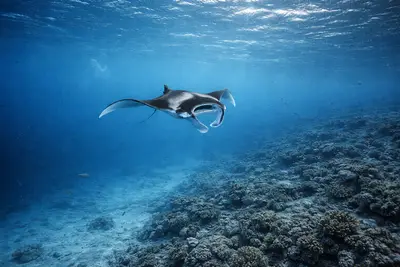
Manta Ray
common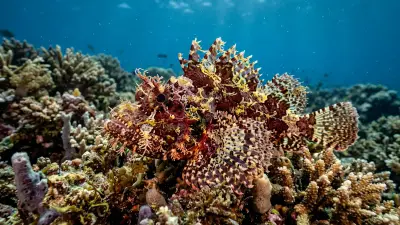
Rhinopias scorpionfish
occasional
Barracuda
occasionalWhite-tip reef shark
common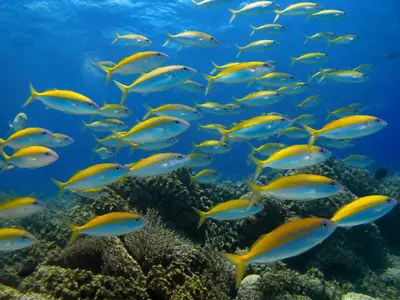
Fusilier
common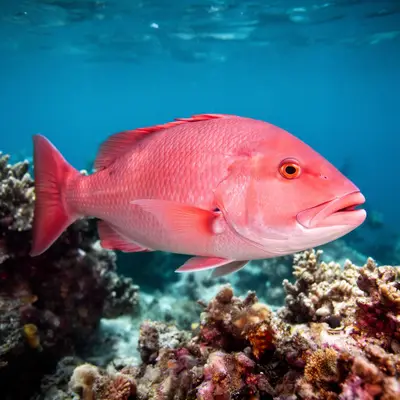
Snapper
common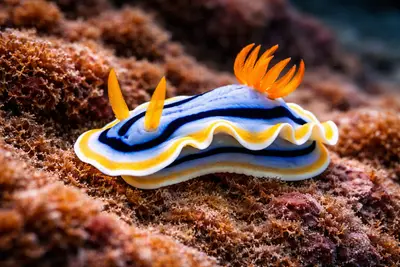
Nudibranch
common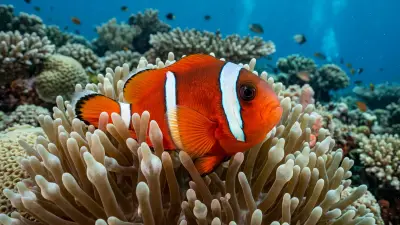
Anemonefish
common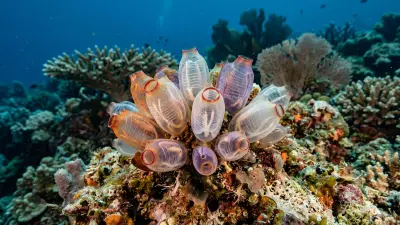
Sea squirt
common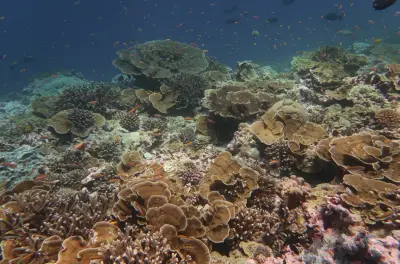
Reef fish
common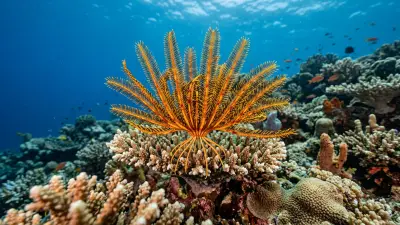
Crinoid
commonDive profile & how the dive runs
Dives at Bev's Reef typically begin with a boat drop directly onto the reef, often following a well-drawn dive site map provided by local guides. Divers descend to explore the vibrant coral walls and slopes, observing the diverse macro life and schooling reef fish. A common route involves slowly winding along the wall at depths between 15-25 meters, keeping an eye out for larger pelagics in the blue. The site is known for its manta ray cleaning station, where divers can often observe these majestic creatures. The dive concludes with a safety stop in the shallower sections of the reef, which are adorned with healthy corals, often around 5-7 meters, before ascending to the surface for boat pickup.
Underwater photography
Bev's Reef offers fantastic opportunities for both macro and wide-angle photography. For wide-angle shots, a fisheye or wide-angle lens will capture the impressive coral formations, schooling fish, and the graceful manta rays that frequent the cleaning station. When photographing manta rays, maintain a respectful distance and let them approach you. For macro enthusiasts, the reef teems with subjects like the elusive Rhinopias scorpionfish, nudibranchs, and various anemonefish. A macro lens with a diopter can be particularly effective for capturing intricate details of smaller critters. Good buoyancy control is essential to avoid disturbing the delicate corals and silt, especially when focusing on macro subjects.
Combine with nearby dive sites
- Magic Passage
Magic Passage stands out as Madang's premier channel dive, a site where powerful tidal currents create a rich environment, drawing in a…
- Fathers Reef
Fathers Reefs, located northeast of Kimbe Bay off New Britain Island in Papua New Guinea, are a series of offshore reefs formed from the…
- Planet Rock
Planet Rock is a renowned offshore seamount situated approximately 3 kilometers from Madang, Papua New Guinea.
- Bradford Shoals
Bradford Shoals is a prominent seamount located in the outer reaches of Kimbe Bay, off the northern coast of New Britain, Papua New Guinea.
- Witu Islands - Circle of Stars
Lama Shoal, evocatively named 'Circle of Stars' or 'Crack-A-Fat Reef,' is a premier dive site within the remote Witu Islands of Papua New…
Getting there & logistics
Access to Bev's Reef is primarily through Tufi Resort, located in Oro Province, Papua New Guinea. The resort is remote, accessible only by air via a 60-minute flight from Port Moresby, serviced exclusively by Tropicair twice a week on Mondays and Fridays. Guests benefit from private check-in at Tropicair's terminal, ensuring a smooth travel experience. Dive trips are typically organized directly by Tufi Resort, which provides all necessary equipment and guided excursions to various local dive sites, including Bev's Reef and Veale's Reef. Due to its isolated nature, there are no park fees as the resort operates on a system of payments to local reef owners, ensuring conservation efforts.
Safety & environment
Diving at Bev's Reef is generally considered safe, with local guides providing thorough briefings and supervision. However, due to its remote location, comprehensive dive insurance covering medical emergencies and evacuation is highly recommended. The nearest recompression chamber would likely be in Port Moresby, necessitating a medical evacuation by air in the event of a serious incident. Divers should always adhere to safe diving practices, maintain proper buoyancy control to protect the pristine corals, and follow all instructions from their dive masters. Be mindful of marine life, particularly the venomous Rhinopias, and observe from a respectful distance without touching.
Who it suits — and who it doesn't
Suited for
- Open Water divers
- Underwater photographers (macro & wide-angle)
- Divers seeking pristine reefs
- Manta ray enthusiasts
- Divers interested in unique critter sightings
Less suited for
- Divers uncomfortable with boat travel
- Those expecting crowded dive sites
- Divers seeking strong current drift dives exclusively
- Beginners without good buoyancy control
FAQ
Bev's Reef FAQ
What marine life can I expect to see at Bev's Reef?
Bev's Reef is renowned for its resident manta rays, often seen at a cleaning station. You can also spot white-tip reef sharks, barracudas, and schooling reef fish. Macro life is abundant, including various nudibranchs, anemonefish, and the rare Rhinopias scorpionfish.
What are the typical diving conditions at Bev's Reef?
The diving conditions are excellent with water temperatures ranging from 26-29°C and visibility often exceeding 30 meters. Currents are generally mild, making for comfortable dives suitable for most experience levels. The reef top is around 5-7 meters, making safety stops pleasant.
How do I get to Bev's Reef?
Bev's Reef is accessed via Tufi Resort in Oro Province. You'll need to fly into Port Moresby (Jacksons International Airport) and then take a connecting 60-minute flight with Tropicair directly to Tufi. The resort then arranges boat transfers to the dive site.
Is Bev's Reef suitable for beginners?
Yes, Bev's Reef is generally suitable for Open Water certified divers due to its typically mild currents and vibrant, accessible reef system. Good buoyancy control is always beneficial to protect the delicate corals and enhance your diving experience.
Can I do night dives at Bev's Reef?
Night dives are possible at Bev's Reef, offering a different perspective on the marine life. During night dives, you might encounter different nocturnal species and witness unique behaviors not seen during the day, adding to the allure of the site.
What makes Bev's Reef special for photographers?
Bev's Reef is a dream for photographers, offering both wide-angle opportunities with manta rays and schooling fish, and exceptional macro subjects like the elusive Rhinopias and colorful nudibranchs. The pristine coral health and clear visibility further enhance photographic potential.
Why dive Bev's Reef from a liveaboard?
Bev's Reef is one of Papua New Guinea's signature dive sites. A liveaboard sleeps you on the water and puts you in the water for three to four guided dives per day, including dawn and night dives that day-boat operators rarely offer. You skip the daily commute back to port and reach quieter, less-crowded sites in the same region on a single trip.
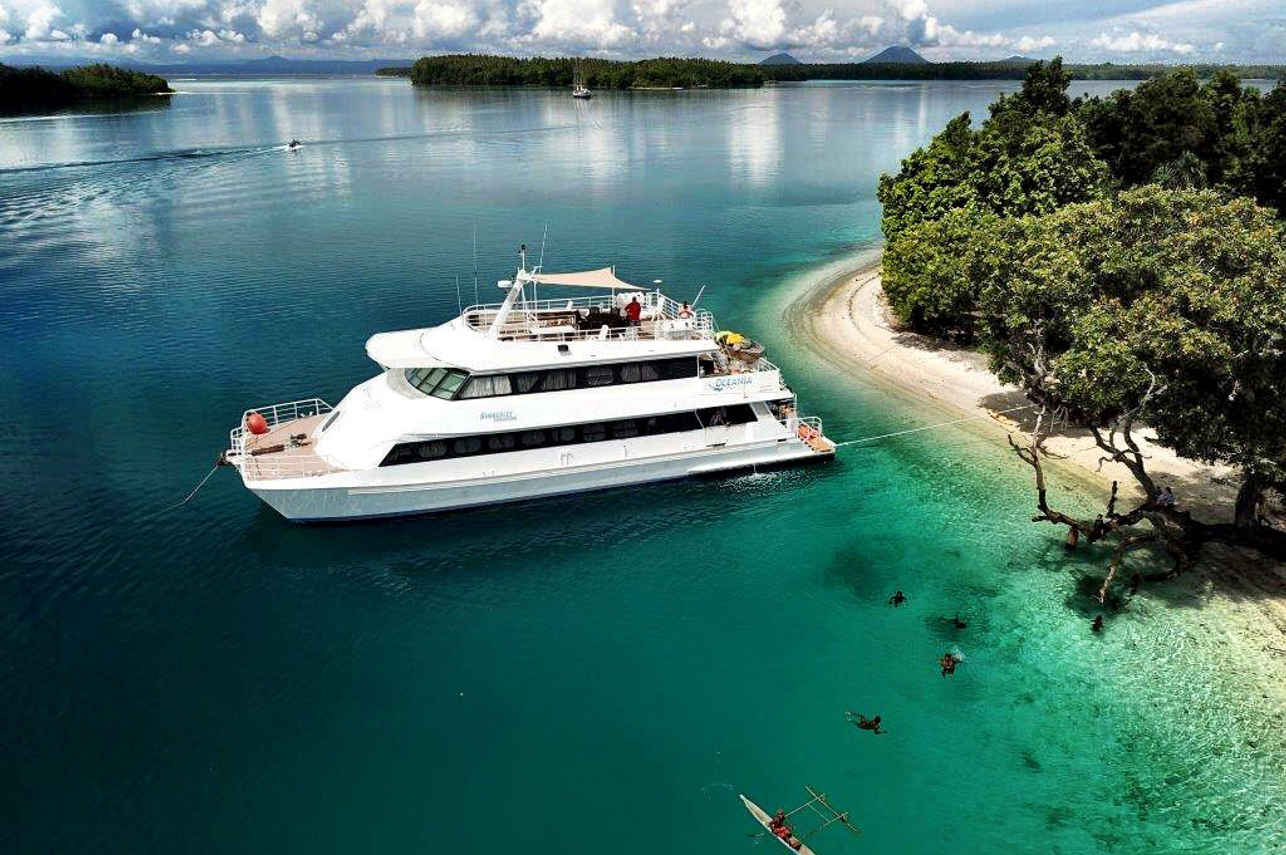
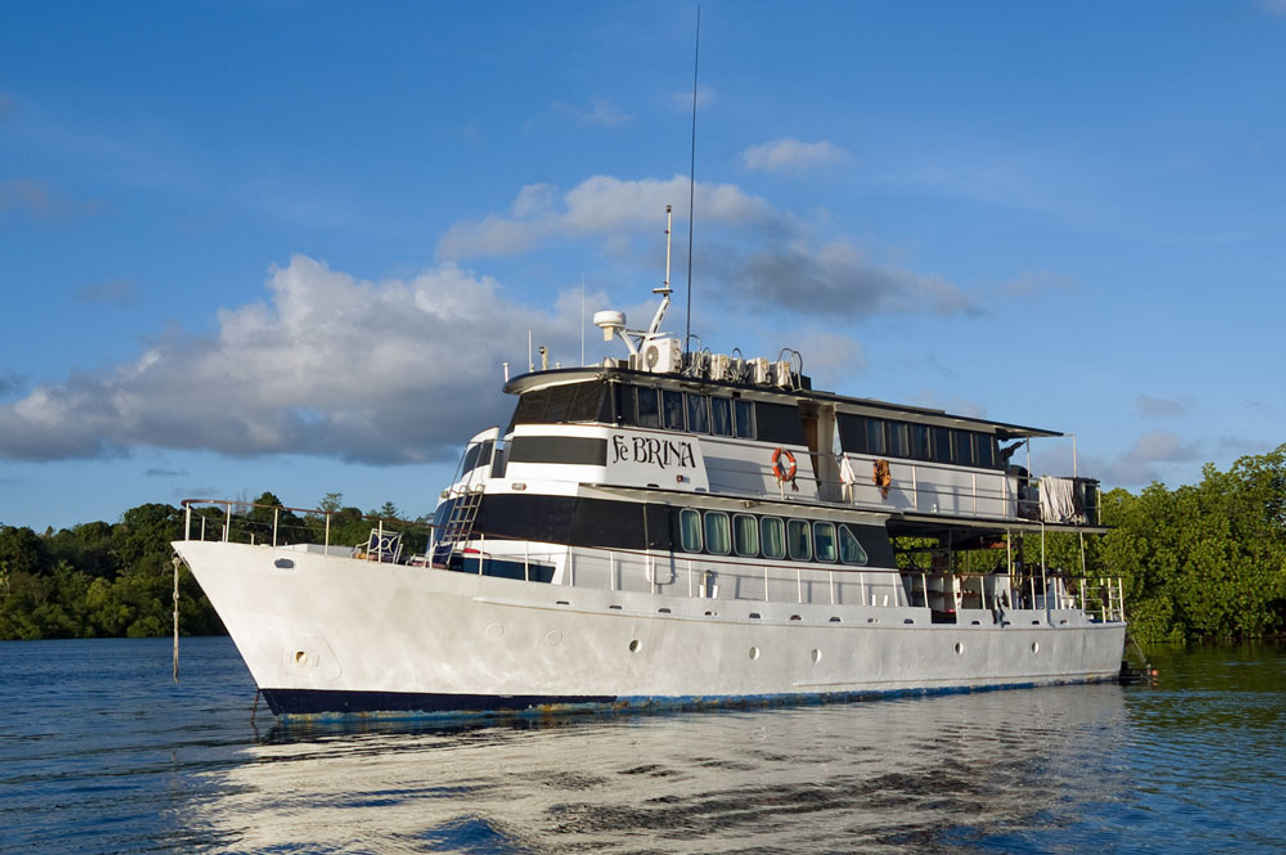
Below are the liveaboards that include Bev's Reef on their Papua New Guinea itineraries.
Liveaboards diving Bev's Reef
These liveaboards may visit Bev's Reef on selected itineraries — the exact dive sites depend on departure, weather and conditions.
Dive sites similar to Bev's Reef
Same character, same waters — six more sites divers love for the exact same reasons.Compare seasons, access and liveaboard routes — then pick the site that fits your trip best.
Giants at Home
Papua New Guinea
Giants at Home is a unique dive site nestled in a protected, shallow bay within Milne Bay, Papua New Guinea, specifically known as a thriving manta ray cleaning station.
- Suitable for
- Beginner
- Current
- Mild
- Access
- Liveaboard only
- Depth
- 1–8 m
- Theme
- Reef
Lissenung Island Reef
Papua New Guinea
Lissenung Island Reef is the house reef surrounding approximately two-thirds of Lissenung Island, located near Kavieng in Papua New Guinea.
- Suitable for
- Beginner
- Current
- Moderate
- Access
- Shore / dayboat
- Depth
- 2–10 m
- Theme
- Reef
Bermuda Drop
Papua New Guinea
Bermuda Drop is a notable wall drift dive located near Kavieng, Papua New Guinea, offering an experienced diver a journey along an impressive underwater cliff.
- Suitable for
- Advanced
- Current
- Moderate
- Access
- Liveaboard only
- Depth
- 3–26 m
- Theme
- Wall / Drift
Banana Bommie
Papua New Guinea
Banana Bommie is a prominent and highly regarded dive site situated at the northern mouth of Milne Bay in Papua New Guinea.
- Suitable for
- Advanced
- Current
- Moderate
- Access
- Liveaboard only
- Depth
- ≤ 40 m
- Theme
- Reef / Pinnacle
End Bommie
Papua New Guinea
End Bommie is a renowned dive site located in Bootless Bay, near Port Moresby, Papua New Guinea.
- Suitable for
- Advanced
- Current
- Strong
- Access
- Liveaboard or dayboat
- Depth
- 6–30 m
- Theme
- Reef / Wall
Lauadi
Papua New Guinea
Lauadi is a celebrated dive site within Milne Bay, Papua New Guinea, specifically recognized as the origin point of muck diving.
- Suitable for
- Beginner
- Current
- Moderate
- Access
- Shore / dayboat
- Depth
- 8–25 m
- Theme
- Reef