About Moucha Island Reef
Moucha Island Reef offers a diverse and protected underwater landscape in Djibouti, where the Red Sea meets the Gulf of Aden. As part of the country's first designated Marine Protected Area along with Maskali Island, this site boasts flourishing coral reefs largely untouched by mass tourism. Divers can expect vibrant coral gardens, impressive drop-offs, and an abundance of reef fish. The topography features healthy hard and soft corals that create a diverse ecosystem. While depths can vary, many areas are suitable for a range of dive levels, providing both shallow, colorful reef exploration and deeper sections for more experienced divers. The calm, warm waters contribute to an enjoyable diving experience. The marine life here is rich, with frequent sightings of various reef fish such as angelfish, butterflyfish, and parrotfish. Macro enthusiasts will also find nudibranchs and crustaceans among the corals. The healthy state of these reefs supports a thriving food chain, making it a reliable spot for diverse encounters. Located within the Gulf of Tadjoura, Moucha Island Reef is easily accessible from Djibouti City, making it an excellent choice for day trips or initial dives on a liveaboard itinerary. The area’s protected status ensures a well-preserved environment for captivating underwater exploration.
Highlights
Vibrant coral gardensDiverse reef fishDesignated marine protected areaAccessible from Djibouti CityHealthy hard and soft coralsMacro life encounters
Season calendar
Best months to dive here
Jan
Feb
Mar
Apr
May
Jun
Jul
Aug
Sep
Oct
Nov
Dec
Excellent
Good
Dive site facts: Moucha Island Reef
- Depth
- 5–30 m+
- Typical dive
- 10–25 m, 50–60 min
- Current
- Moderate
- Visibility
- 15–30 m+
- Water temperature
- 24–33°C
- Entry
- Boat, sometimes back-roll
- Level
- Open Water Diver
- Dive type
- Reef, coral garden, wreck
- Night dive
- Possible
- Region / port
- Gulf of Tadjoura, Djibouti
- Coordinates
- 11.6, 43.1833
Conditions & Currents
Currents at Moucha Island Reef are generally moderate, contributing to calm sea states within the protected Gulf of Tadjoura. This makes for relatively easy diving conditions. However, paying attention to the dive briefing is crucial, especially for any potential drift sections, to understand current direction and appropriate entry techniques.
Marine life & sighting chances
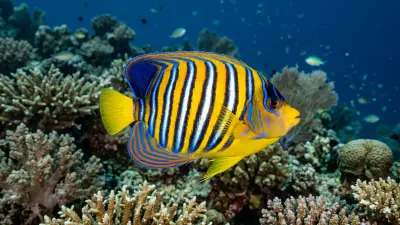
Angelfish
Year-round · common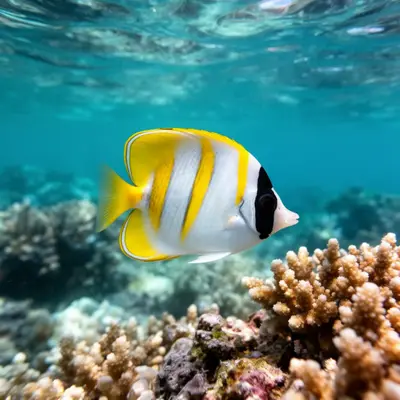
Butterflyfish
Year-round · common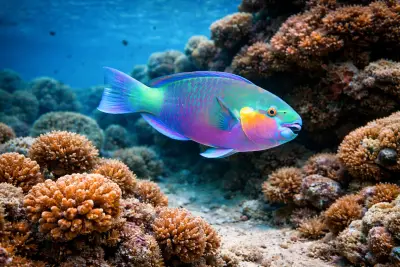
Parrotfish
Year-round · common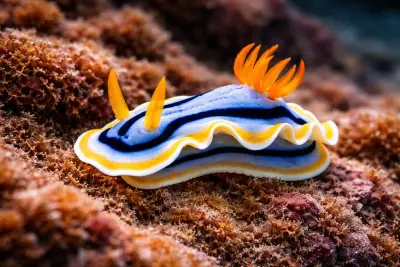
Nudibranch
Year-round · occasional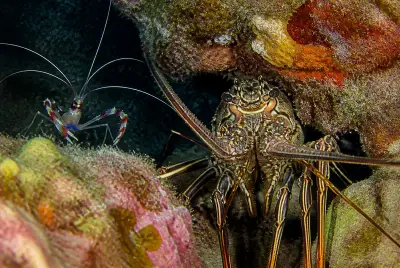
Crustaceans
Year-round · occasional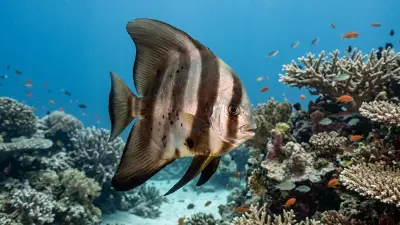
Batfish
Year-round · occasional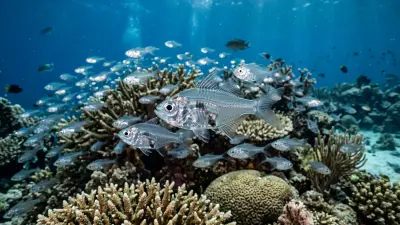
Glassfish
Year-round · occasional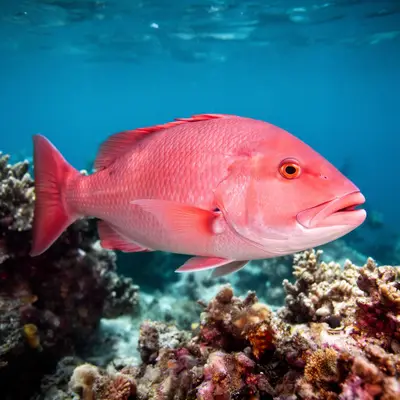
Snappers
Year-round · occasional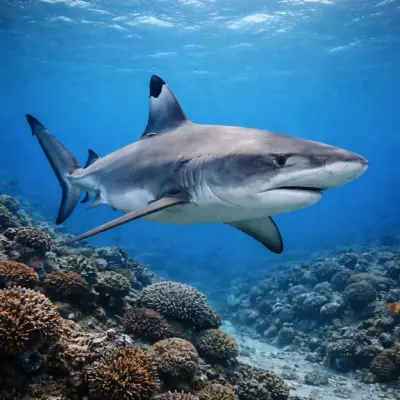
Grey reef sharks
Year-round · occasional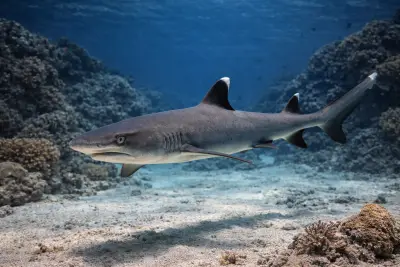
Whitetip reef sharks
Year-round · occasionalDive profile & how the dive runs
Dives at Moucha Island Reef often begin with a boat entry, sometimes requiring a back-roll for quick descent, especially if there's any surface current. Divers will typically explore the vibrant coral gardens and reef slopes that surround the island. The dive typically progresses along a reef wall or a gently sloping coral formation, maintaining depths suitable for varying experience levels. For those interested in the wreck, the Orchard Reefer, located near Moucha Island, provides an exciting additional element. This large cargo ship lies on its port side between 10m and 28m, allowing for exploration of its hull and interior ruptures, which are now encrusted with marine life. The dive usually concludes with a safety stop on the shallower parts of the reef before surfacing.
Underwater photography
Moucha Island Reef offers excellent opportunities for both wide-angle and macro photography. For the expansive coral gardens and reefscapes, a wide-angle lens is ideal to capture the vibrant colors and overall health of the reef. When exploring the Orchard Reefer wreck, a wide-angle lens can also highlight its impressive scale and the marine growth on its structure. For macro subjects such as nudibranchs and crustaceans found amongst the corals, a dedicated macro lens will be invaluable. Strobes are recommended to bring out the true colors, especially at deeper sections or inside the wreck's penetration points. Ensure excellent buoyancy control to avoid damaging the delicate corals and to maneuver safely within the wreck. Be mindful of potential low light conditions inside the wreck, adjusting ISO or using artificial light sources as needed.
Combine with nearby dive sites
- Maskali Island
Part of the same marine protected area, offering similar vibrant reefs.
- Orchard Reefer
A large cargo wreck located near Moucha Island, suitable for advanced divers.
- Gulf of Tadjoura – Whale Shark Area
Known for seasonal whale shark encounters, particularly from October to February.
- Le Goubet (Ghoubbet al-Kharab)
A deep bay known for juvenile whale sharks and unique geological features like the Djibouti Crack.
- Les Sept Frères (Seven Brothers Islands)
A diverse archipelago known for strong currents and large pelagic sightings.
Getting there & logistics
Most dive trips to Moucha Island Reef depart from Djibouti City, often from the Port de Pêche (Fish Market and Harbor). Liveaboard itineraries typically combine Moucha and Maskali Islands with other sites in the Gulf of Tadjoura, such as the whale shark areas of Ghoubbet al-Kharab, and the more distant Seven Brothers Islands. Visitors usually arrive via Djibouti-Ambouli International Airport (JIB). While Moucha Island is close enough for day trips, a liveaboard offers comprehensive access to the wider region. An e-Visa is required for entry into Djibouti, which should be applied for online before arrival, with the physical copy obtained at the airport. There are no specific park fees mentioned for Moucha Island Reef itself, but liveaboard costs will include diving permits.
Safety & environment
While diving in Djibouti offers generally calm conditions around Moucha Island, divers should always carry appropriate dive insurance that covers emergency medical treatment and evacuation. The nearest recompression chamber is likely in Djibouti City, but evacuation capabilities to more advanced medical facilities should be understood as part of your dive insurance coverage. Site-specific hazards include potential currents that can vary, especially when diving the Orchard Reefer wreck; paying close attention to the dive briefing is paramount. Always maintain neutral buoyancy to protect the fragile coral reefs. For wreck dives, ensure you are trained and equipped for overhead environments if contemplating penetration, and never dive beyond your certification limits. Adherence to responsible diving practices helps ensure a safe and enjoyable experience for all.
Who it suits — and who it doesn't
Suited for
- Open Water certified divers
- Underwater photographers
- Macro life enthusiasts
- Divers seeking healthy coral reefs
- Those interested in wreck diving (Orchard Reefer)
Less suited for
- Divers expecting extreme pelagic action (though possible)
- Those sensitive to warm water temperatures
- Divers preferring shore entries
- Individuals without valid dive insurance
FAQ
Moucha Island Reef FAQ
What kind of marine life can I expect at Moucha Island Reef?
Moucha Island Reef is known for its healthy coral gardens, which attract a wide variety of reef fish. You can frequently spot angelfish, butterflyfish, and parrotfish. Macro enthusiasts will also enjoy searching for nudibranchs and crustaceans among the corals and sandy patches. Occasionally, you might also see batfish, glassfish, and snappers schooling around the reef.
Is Moucha Island Reef suitable for beginner divers?
Yes, Moucha Island Reef is generally suitable for Open Water certified divers. The currents are typically moderate, and many areas of the reef are at shallower depths, making it accessible for less experienced divers. It's an excellent site for building confidence and enjoying vibrant coral ecosystems in calm, warm waters.
Can I dive a wreck near Moucha Island Reef?
Yes, the Orchard Reefer wreck is located near Moucha Island and offers an exciting dive for those interested in exploring artificial reefs. This large cargo ship lies between 10m and 28m depth, providing opportunities to see marine life colonizing the wreck structure. It's often included in dive itineraries covering the Moucha Island area.
What are the water conditions like at Moucha Island Reef?
The water conditions around Moucha Island Reef are typically warm, ranging from 24–33°C depending on the season, meaning a 3mm shorty or rash guard is usually sufficient. Visibility is generally good, often between 15 and 30 meters or more. Currents are moderate, making for comfortable and enjoyable drift dives or stationary explorations of the reefs.
Is Moucha Island Reef a protected area?
Yes, Moucha Island and its surrounding reefs are part of Djibouti's first designated Marine Protected Area, along with Maskali Island. This protection status helps preserve the vibrant coral ecosystems and marine biodiversity, contributing to the healthy and flourishing underwater environment you experience during your dives.
Why dive Moucha Island Reef from a liveaboard?
Moucha Island Reef is one of Djibouti's signature dive sites. A liveaboard sleeps you on the water and puts you in the water for three to four guided dives per day, including dawn and night dives that day-boat operators rarely offer. You skip the daily commute back to port and reach quieter, less-crowded sites in the same region on a single trip.
Below are the liveaboards that include Moucha Island Reef on their Djibouti itineraries.
Liveaboards diving Moucha Island Reef
These liveaboards may visit Moucha Island Reef on selected itineraries — the exact dive sites depend on departure, weather and conditions.
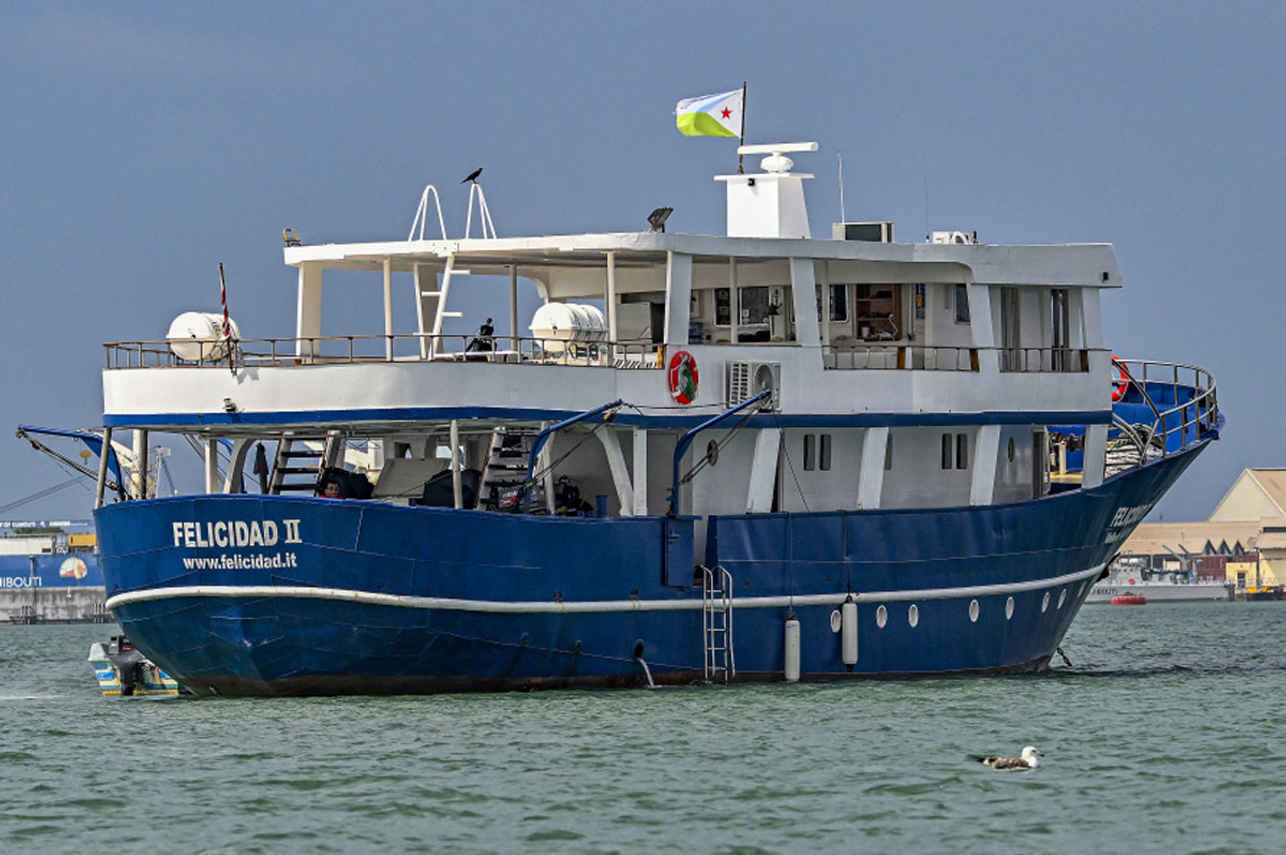
Felicidad II
Djibouti
18 guests30 m
$210/day
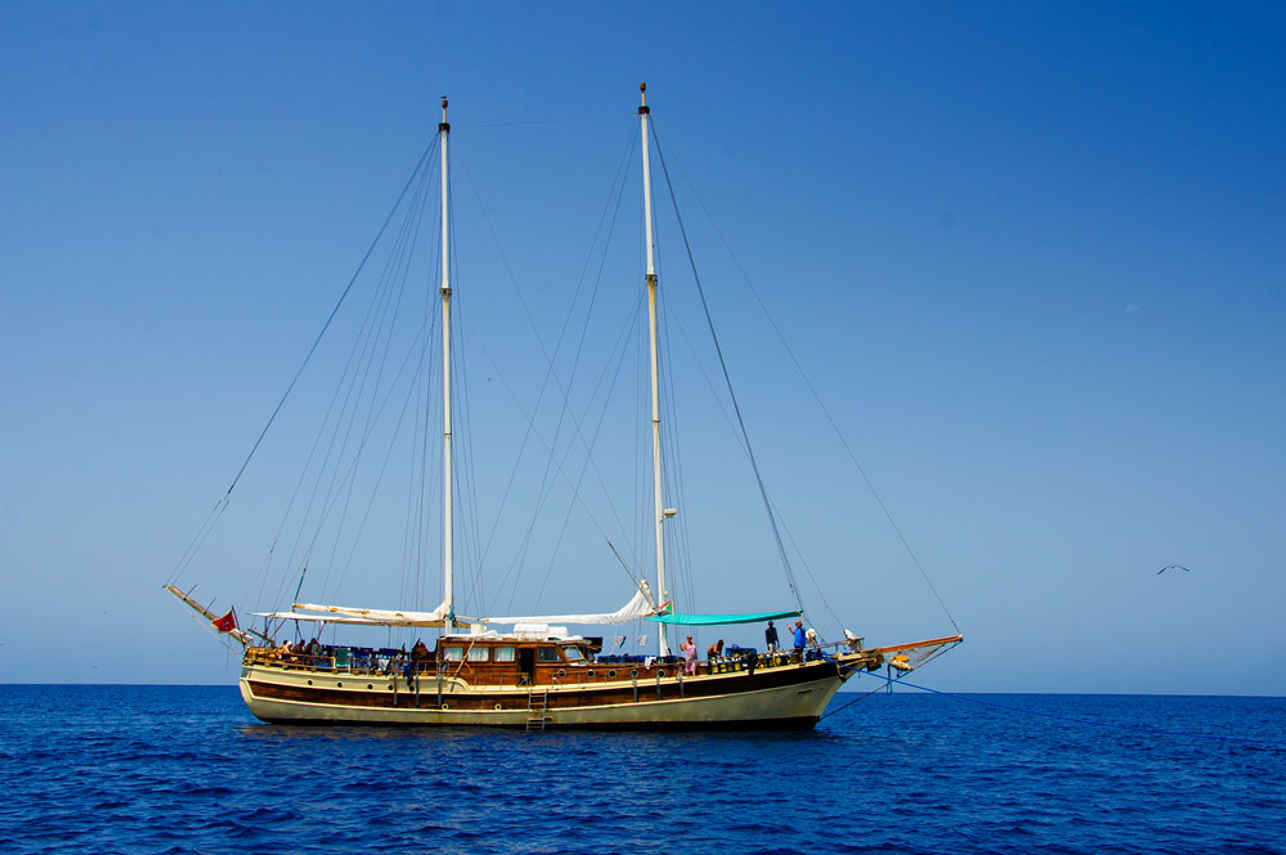
Elegante
Djibouti
14 guests25 m
$209/day
Dive sites similar to Moucha Island Reef
Same character, same waters — six more sites divers love for the exact same reasons.Compare seasons, access and liveaboard routes — then pick the site that fits your trip best.
© Esri — Maxar, Earthstar, GIS
Ghoubbet al Kharab
Djibouti
Ghoubbet al Kharab, also known as the Devil’s Goblet, is a deep bay connected to the Gulf of Tadjourah and the open ocean in Djibouti.
- Suitable for
- Advanced
- Current
- Strong
- Access
- Liveaboard only
- Depth
- 5–200 m
- Theme
- Drift / Reef
© Esri — Maxar, Earthstar, GIS
Moucha wrecks
Djibouti
The Moucha wrecks, including the notable Orchard Reefer and Le Fon, offer a distinctive dive experience within Djibouti's Gulf of Tadjoura, contrasting with the region's prevalent coral reefs.
- Suitable for
- Advanced
- Current
- Moderate
- Access
- Liveaboard or dayboat
- Depth
- 5–50 m
- Theme
- Wreck / Reef
© Esri — Maxar, Earthstar, GIS
Sable Blanc Reef
Djibouti
Sable Blanc Reef is a vibrant coral ecosystem located in Djibouti, nestled where the Red Sea meets the Gulf of Aden.
- Suitable for
- Intermediate
- Current
- Strong
- Access
- Shore / dayboat
- Depth
- 5–30 m
- Theme
- Drift / Reef
© Esri — Maxar, Earthstar, GIS
Cape Rouge
Djibouti
Cape Rouge is a notable dive site in Djibouti, known for its pristine underwater environment where the Red Sea meets the Indian Ocean.
- Suitable for
- Advanced
- Current
- Mild
- Access
- Liveaboard or dayboat
- Depth
- 15–40 m
- Theme
- Reef
© Esri — Maxar, Earthstar, GIS
La Vierge Rouge
Djibouti
La Vierge Rouge is situated in Djibouti, a unique diving destination where the Red Sea converges with the Indian Ocean.
- Suitable for
- Intermediate
- Current
- Moderate
- Access
- Liveaboard only
- Depth
- 15–40 m
- Theme
- Reef
© Esri — Maxar, Earthstar, GIS
Le Sec Aux Boutres
Djibouti
Le Sec Aux Boutres is a distinguished dive site located near Arta, Djibouti, celebrated for its rich marine biodiversity and stunning underwater scenery.
- Suitable for
- Intermediate
- Current
- Mild
- Access
- Dayboat
- Depth
- 10–30 m
- Theme
- Reef