About Ancla Del Pirata
Ancla del Pirata, or "Pirate's Anchor," is a popular and accessible dive site located in the waters off María la Gorda, on Cuba's westernmost tip within the Guanahacabibes National Park, a UNESCO Biosphere Reserve. This site is distinguished by a significant historical artifact: an 18th-century, two-ton anchor, now heavily encrusted with corals and crustaceans, creating an artificial reef that shelters diverse marine organisms. The underwater landscape here features attractive hard corals, spectacular gorgonians, and wide sandy channels that cut through the wall. Depths around the anchor are generally shallow, starting at approximately 18 meters, making it an ideal location for less experienced divers to explore a wall-and-channels environment without significant depth challenges. The site's protected location in Bahía de Corrientes contributes to calm, clear water conditions throughout the year. Marine life at Ancla del Pirata is abundant, with snappers, wrasse, jacks, angelfish, and squirrelfish commonly sighted among the coral formations. Barracudas are also known to patrol the waters above the corals. The site is a fine example of the historic ground tackle scattered along this coast, blending a touch of maritime history with thriving Caribbean reef ecosystems. Diving here typically involves a relaxed exploration of the anchor and surrounding coral structures. The mild conditions and moderate depths allow for extended bottom times and ample opportunity for observation, embodying the tranquil and rich underwater experience characteristic of the María la Gorda area.
Highlights
Historic 18th-century anchorCoral-encrusted artifactAbundant reef fishSpectacular gorgonian coralsCalm, clear watersBeginner-friendly depth
Season calendar
Best months to dive here
Jan
Feb
Mar
Apr
May
Jun
Jul
Aug
Sep
Oct
Nov
Dec
Excellent
Dive site facts: Ancla Del Pirata
- Depth
- 10–18 m
- Typical dive
- 18 m, 45–60 min
- Current
- Mild
- Visibility
- 20–30 m
- Water temperature
- 24–30°C
- Entry
- Day boat
- Level
- Beginner
- Dive type
- Wall, anchor, coral reef
- Region / port
- María la Gorda / Pinar del Río
- Coordinates
- 21.8417° N, 84.4983° W
Conditions & Currents
Currents at Ancla del Pirata are generally mild, contributing to the calm and clear water conditions characteristic of the María la Gorda area. Divers can anticipate a relaxed experience, allowing for unhurried exploration of the anchor and surrounding coral structures without exerting significant physical effort. Visibility at the site is consistently good, often ranging from 20 to 30 meters, though local conditions can cause minor fluctuations. The sheltered nature of Bahía de Corrientes mitigates stronger currents, ensuring relatively straightforward boat entries and exits. These gentle conditions make Ancla del Pirata enjoyable for divers of all experience levels and simplify gas planning, as current-related expenditure is minimal.
Marine life & sighting chances
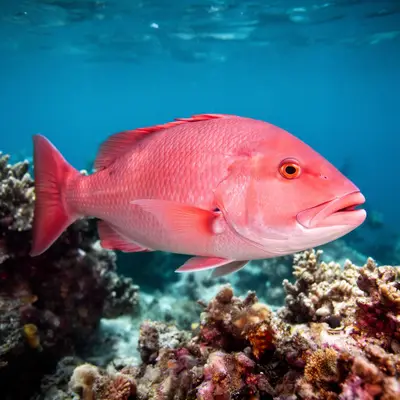
Snappers
common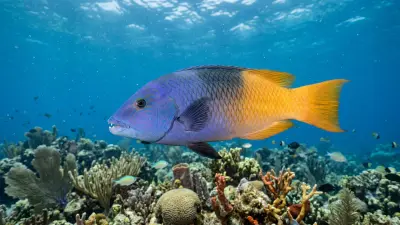
Wrasse
common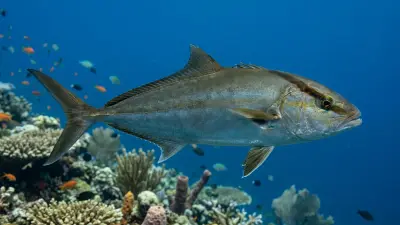
Jacks
common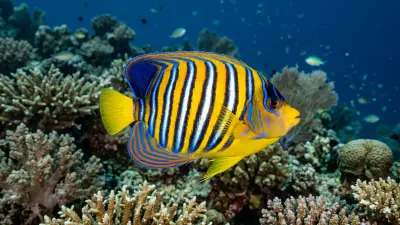
Angelfish
common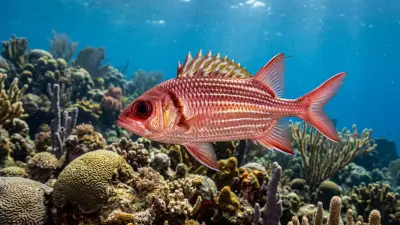
Squirrelfish
common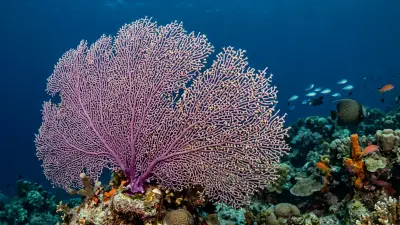
Gorgonians
common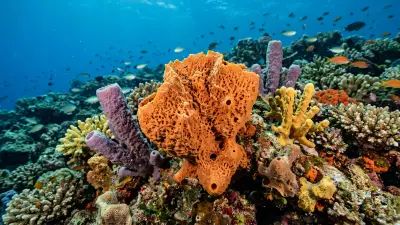
Sponges
common
Hard corals
common
Barracudas
occasionalDive profile & how the dive runs
Dives at Ancla del Pirata typically begin with a boat entry from the María la Gorda dive center, which is about 30 minutes away. Upon descent, divers will find the iconic 18th-century, two-ton anchor resting against coral promontories at approximately 18 meters. The dive usually involves exploring the anchor itself, observing the abundant marine life that has made it home, and then following the surrounding wall and sandy channels. The profile maintains a relatively shallow depth, typically between 10 to 18 meters, allowing for extended bottom time. Divers can drift along the wall, admiring the attractive hard corals, spectacular gorgonians, and encrusting sponges. The turning point is generally determined by air consumption or dive time, leading to a gradual ascent. A safety stop is conducted at 5 meters, often offering additional opportunities to observe reef fish in the shallower waters before surfacing near the boat.
Underwater photography
Ancla del Pirata offers excellent opportunities for wide-angle photography, particularly to capture the large 18th-century anchor against the backdrop of the coral-encrusted wall. A wide-angle lens will best convey the scale of this historic artifact and the surrounding reef structure. For capturing the smaller reef fish, crustaceans, and the intricate details of the sponges and gorgonians covering the anchor, a macro lens or close-up filters would be highly effective. The typically calm and clear waters with good natural light allow for vibrant colors without excessive artificial lighting, though strobes will enhance detail and color saturation. Practicing good buoyancy control is crucial to avoid disturbing the delicate coral and sediment around the anchor, ensuring clear shots and preserving the site.
Combine with nearby dive sites
- Valle de Coral Negro
Largest black coral formation in Cuba, wall dive.
- El Salón de María
Reef and grotto formation with swim-through, known for crinoids.
- Yemayá
Wall dive with a tunnel lined with purple vase sponges.
- Paraíso Perdido
Deep wall dive known for larger fish encounters like groupers and snappers.
Getting there & logistics
Access to Ancla del Pirata is managed through the Centro Internacional de Buceo María la Gorda, situated in the Guanahacabibes National Park at Cuba's western tip. Divers typically arrive via Havana's José Martí International Airport (HAV), followed by a 4.5–5 hour road transfer (approximately 300 km) to María la Gorda. There is no public transport for the final stretch, and a passport checkpoint is at La Bajada. Trips are usually day excursions from the single resort in María la Gorda, as the site is within a 20-minute boat ride. Park fees are often integrated into dive packages, emphasizing sustainable diving practices. María la Gorda acts as a remote, single-resort dive outpost, offering focused access to numerous sites including Ancla del Pirata.
Safety & environment
María la Gorda benefits from dedicated medical support at its dive center, which is equipped with first aid and oxygen, and has radio communication for emergencies. A medical doctor is typically on-site who may monitor diver health, such as blood pressure. For more serious incidents, Cuba maintains a national network of hyperbaric chambers in Havana, Matanzas, Isla de la Juventud, and Santiago de Cuba, with evacuation procedures in place. Divers should always have comprehensive dive insurance covering medical emergencies and evacuation. Site-specific hazards at Ancla del Pirata are minimal due to the mild currents and moderate depths, making it suitable for beginners. However, standard safe diving practices, including monitoring no-decompression limits and ascent rates, are always advised. Respecting marine life and avoiding contact with corals and the historic anchor is crucial for personal safety and site preservation.
Who it suits — and who it doesn't
Suited for
- Beginner divers seeking historical wreck elements
- Photographers interested in wide-angle and macro subjects
- Divers preferring calm, clear water conditions
- Those looking for a relaxed, shallow wall dive experience
- Marine life enthusiasts seeking varied reef fish
Less suited for
- Advanced divers seeking strong currents and deep wall dives
- Divers expecting large pelagic encounters
- Those looking for wreck penetration
- Divers uninterested in historical artifacts
- Individuals sensitive to basic, remote infrastructure
FAQ
Ancla Del Pirata FAQ
What makes Ancla del Pirata a unique dive site?
Ancla del Pirata stands out due to its namesake, a preserved two-ton, 18th-century pirate anchor that rests against vibrant coral formations. This historical artifact provides a unique focal point for the dive, blending maritime history with a thriving marine ecosystem. It's a rare opportunity to explore an old relic encrusted with new life.
Is Ancla del Pirata suitable for new divers?
Yes, Ancla del Pirata is considered ideal for novices and divers with less experience. Its maximum depth typically hovers around 18 meters, and the site is known for calm, clear waters and mild currents. These conditions make it a comfortable and safe environment for practicing skills and enjoying the underwater scenery.
What kind of marine life can I expect to see at the site?
The anchor and surrounding coral structures at Ancla del Pirata attract a variety of reef fish. You can commonly spot snappers, wrasse, jacks, angelfish, and squirrelfish. Additionally, the coral formations include sponges and gorgonians, and barracudas are occasionally seen patrolling the area.
How is Ancla del Pirata accessed?
The site is typically accessed via boat from the International Diving Center at María la Gorda. It's a relatively short boat ride, approximately 30 minutes, from the dive center's pier. María la Gorda itself is a remote outpost within Guanahacabibes National Park.
What are the typical dive conditions like?
Ancla del Pirata generally offers excellent dive conditions, characterized by very good visibility, often between 20 to 30 meters. The water temperature is warm, ranging from 24°C to 30°C throughout the year, making it comfortable for diving. Currents are typically mild, ensuring a relaxed and enjoyable dive experience.
Why dive Ancla Del Pirata from a liveaboard?
Ancla Del Pirata is one of Cuba's signature dive sites. A liveaboard sleeps you on the water and puts you in the water for three to four guided dives per day, including dawn and night dives that day-boat operators rarely offer. You skip the daily commute back to port and reach quieter, less-crowded sites in the same region on a single trip.
Below are the liveaboards that include Ancla Del Pirata on their Cuba itineraries.
Liveaboards diving Ancla Del Pirata
These liveaboards may visit Ancla Del Pirata on selected itineraries — the exact dive sites depend on departure, weather and conditions.
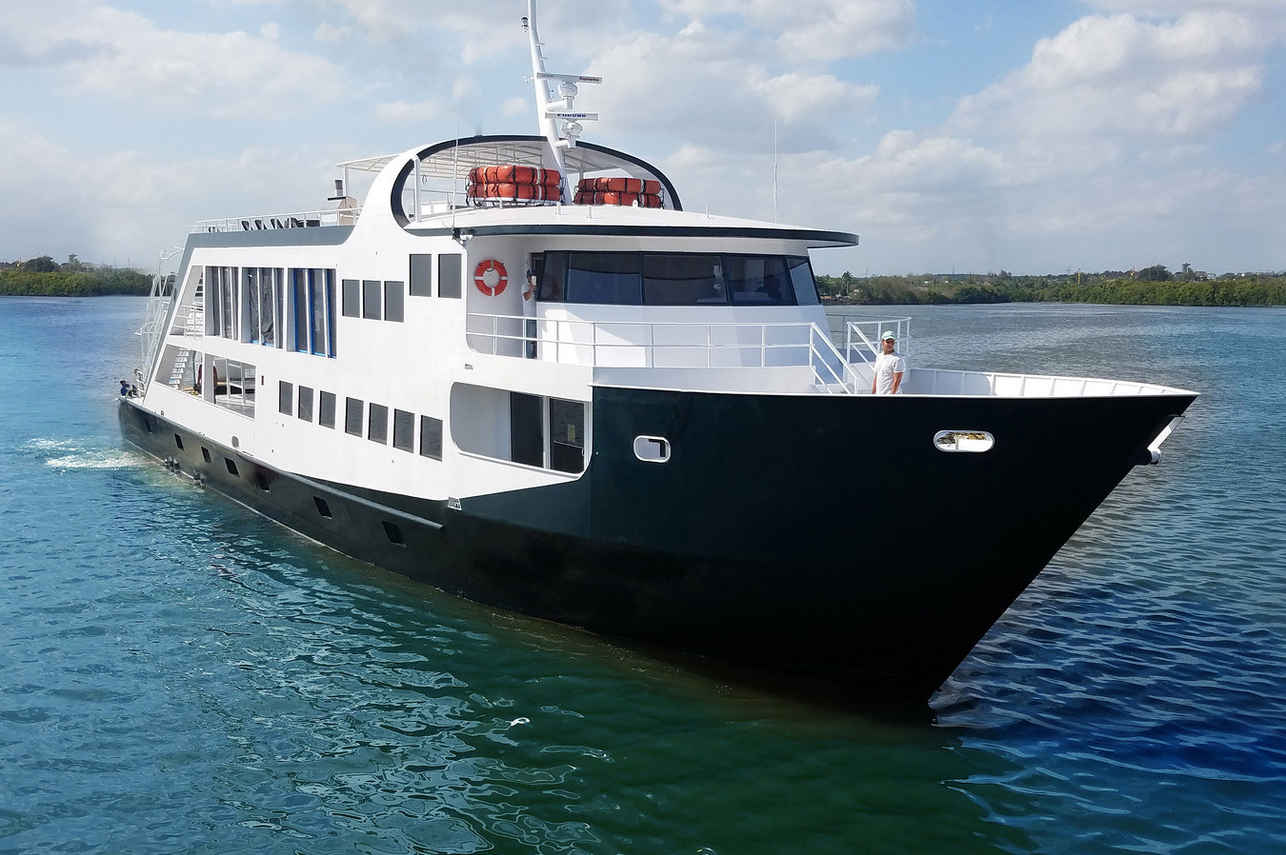
Jardines Avalon Fleet
Cuba
20 guests35.05 m
$494/day
Dive sites similar to Ancla Del Pirata
Same character, same waters — six more sites divers love for the exact same reasons.Compare seasons, access and liveaboard routes — then pick the site that fits your trip best.
© Esri — Maxar, Earthstar, GIS
El Almirante
Cuba
El Almirante is an advanced dive site located off the shores of Maria la Gorda, on Cuba's Guanahacabibes Peninsula.
- Suitable for
- Advanced
- Current
- Moderate
- Access
- Dayboat
- Depth
- 27–30 m
- Theme
- Wall / Reef
La Patana is a prominent dive site within the protected marine park of Jardines de la Reina, a vast archipelago stretching 150 kilometers off Cuba's southern coast.
- Suitable for
- Intermediate
- Current
- Mild
- Access
- Liveaboard only
- Depth
- 15–30 m
- Theme
- Reef / Wall
© Esri — Maxar, Earthstar, GIS
Arrecife Somero
Cuba
Arrecife Somero, located near Key Sigua within the UNESCO-recognized Zapata Swamp biosphere reserve, presents a unique reef crest forming a horseshoe shape.
- Suitable for
- Beginner
- Current
- Mild
- Access
- Liveaboard only
- Depth
- 2–5 m
- Theme
- Reef
© Esri — Maxar, Earthstar, GIS
Puente Escondido
Cuba
Puente Escondido is a notable dive site nestled within the Jardines de la Reina marine park, an expansive and highly protected area off Cuba's southern coast.
- Suitable for
- Beginner
- Current
- Mild
- Access
- Liveaboard only
- Depth
- ≤ 18 m
- Theme
- Reef
La Corona is a captivating dive site situated within the expansive 35-kilometer barrier reef off Playa Santa Lucía in Cuba's Camagüey province.
- Suitable for
- Beginner
- Current
- Mild
- Access
- Dayboat
- Depth
- 5–40 m
- Theme
- Reef / Wall
© Esri — Maxar, Earthstar, GIS
Cueva del Negro
Cuba
Cueva del Negro is a notable dive site located near Cayo Largo, an island off Cuba's southern coast, known for its extensive underwater features.
- Suitable for
- Intermediate
- Current
- No current
- Access
- Liveaboard or dayboat
- Depth
- 8–8 m
- Theme
- Reef