About Paraiso Perdido
Paraiso Perdido is an advanced dive site located off Maria la Gorda on the remote Guanahacabibes Peninsula in western Cuba. It is renowned for its dramatic wall diving along a pristine reef drop-off that plunges into the deep Caribbean Sea, making it a highlight among the more than thirty dive sites in the area. The topography is characterized by spectacular wall formations, beginning at approximately 30 meters, adorned with massive black coral trees, giant gorgonian fans, and an array of sponges in striking reds, purples, and oranges. The reef also features numerous interesting holes and crevices that provide shelter for diverse marine life, with dense sponge and fan growth increasing closer to the wall. While currents can be moderate to strong, they often attract larger marine creatures. Divers frequently encounter reef sharks, eagle rays, barracuda, and groupers patrolling the wall. Visibility at the site is consistently excellent, often exceeding 20 meters, and water temperatures are warm year-round, typically ranging from 27°C to 31°C. Due to its depth and the potential for strong currents, Paraiso Perdido is best suited for advanced divers. Access is typically via boat from the Maria la Gorda dive center, which is located on a white sandy beach. The site is a popular choice for those seeking untouched deep reef environments.
Highlights
Dramatic deep wall divingMassive black coral treesGiant gorgonian fansSpectacular sponge formationsLarge groupers and barracudaFrequent reef shark sightingsExceptional visibilityRemote, pristine reef
Season calendar
Best months to dive here
Jan
Feb
Mar
Apr
May
Jun
Jul
Aug
Sep
Oct
Nov
Dec
Excellent
Good
Dive site facts: Paraiso Perdido
- Depth
- 18–30 m
- Typical dive
- Not specified
- Current
- Moderate to strong
- Visibility
- 18–30 m
- Water temperature
- 27–31°C
- Entry
- Boat dive
- Level
- Advanced
- Dive type
- Wall, reef, megafauna
- Night dive
- Not specified
- Region / port
- Maria la Gorda, Pinar del Río
- Coordinates
- 21.7157° N, 80.3606° W
Conditions & Currents
Paraiso Perdido is known for potentially strong currents, which can be a defining feature of the dive experience. These currents are often beneficial, as they attract larger pelagic species such as tuna, rays, and barracudas to the wall. Divers should be prepared for varying current strengths, which may necessitate advanced buoyancy control and drift diving techniques. The currents are moderate during much of the year, but can intensify, particularly during certain tides or weather patterns. Entry is always by boat, and the dive operation at Maria la Gorda includes a medical doctor who monitors diver health, including blood pressure, before dives. Visibility at the site is consistently high, typically ranging from 18 to 30 meters, contributing to safe navigation even with currents.
Marine life & sighting chances

Black coral trees
common
Gorgonian fans
common

Large groupers
occasional
Barracuda
occasional
Reef sharks
occasional
Eagle rays
occasional
Sea turtles
occasional
Moray eels
occasional
Lobsters
occasional
Tarpon
occasional
Blue chromis
common
Angelfish
common
Snappers
commonDive profile & how the dive runs
Diving at Paraiso Perdido typically involves a boat entry to the site, which is located approximately 18 to 30 meters from the Maria la Gorda dive center. The dive usually begins by descending along the dramatic wall that starts at about 30 meters. Divers follow the wall, exploring its extensive formations of black coral, gorgonian fans, and vibrant sponges, which provide shelter for various reef fish and invertebrates. The route often involves drifting with the current, which can bring pelagic species into view. Turnaround is typically dictated by air consumption and no-decompression limits, allowing ample time for exploration. The ascent is gradual, often following sandy channels to shallower reef areas, where the safety stop is performed, usually at 5 meters. The site is known for its excellent visibility, aiding in navigation and observation throughout the dive.
Underwater photography
Paraiso Perdido offers fantastic opportunities for wide-angle photography due to its dramatic wall topography, extensive black coral formations, and impressive gorgonian fans. A fisheye or wide-angle rectilinear lens would best capture the scale of the wall and the vibrant sponge ecosystems. For larger marine life such as reef sharks, barracuda, and eagle rays, a wide-angle setup is also ideal. Strobes are essential to bring out the true colors of the corals and sponges at depth. Excellent buoyancy control is critical, especially when photographing close to the delicate wall structures and in potential currents. While macro subjects like moray eels and lobsters hide in crevices, the site's highlight is its expansive reefscape and large pelagic encounters, making it more suited for capturing the grand scene.
Combine with nearby dive sites
- Ancla del Pirata
A shallow site featuring an 18th-century pirate anchor, suitable for beginners.
- Salón de María
A cave dive with three entrances, rich in sponges and corals, accessible by boat.
- Las Cuevas de Bebo
Beginner-friendly site with shallow overhangs and small cave formations.
- El Almirante
A wall dive reaching 90+ feet, known for huge sponges, gorgonians, and black coral.
- El Jardin de la Gorgonia
A beginner-friendly site with abundant gorgonian fans and reef fish.
Getting there & logistics
Paraiso Perdido is accessed via the Maria la Gorda International Diving Center, located at the Hotel Maria la Gorda on Cuba's Guanahacabibes Peninsula. Transfers from Havana to Maria la Gorda typically take about 5 to 5.5 hours by bus or rental car, traversing through scenic tobacco and banana plantations. Divers often combine several days of diving in Maria la Gorda with a stay in Havana. The dive center, well-equipped with tanks and rental gear, offers daily boat dives. Although no specific permits are mentioned for Paraiso Perdido, divers should ensure their travel to Cuba complies with all regulations. The hotel provides accommodation and amenities, with dive packages arranged through tour operators or directly with the center.
Safety & environment
Diving at Paraiso Perdido requires advanced certification and experience, primarily due to the depth and potential for moderate to strong currents. The Maria la Gorda dive center is equipped with medical kits, oxygen, and radios on its dive boats. A medical doctor is reportedly on-site, conducting blood pressure checks before dives to ensure diver fitness, a practice noted in reviews from 1999. While specific recompression chamber locations are not detailed for this remote region, divers should always carry comprehensive dive insurance that covers emergency medical treatment and evacuation. Given the remote location, evacuation to a major medical facility could be lengthy. Divers must adhere to responsible diving practices, maintain excellent buoyancy, and follow the dive guide's instructions, especially regarding current management and dive profiles.
Who it suits — and who it doesn't
Suited for
- Advanced divers with deep diving experience
- Divers seeking dramatic wall diving
- Photographers interested in wide-angle reefscapes
- Divers looking for pelagic encounters
- Those who appreciate pristine, untouched reefs
Less suited for
- Beginner divers or those without advanced certification
- Divers uncomfortable with potential strong currents
- Individuals with poor buoyancy control
- Those seeking very shallow, easy-access sites
- Divers prone to seasickness on longer boat rides
FAQ
Paraiso Perdido FAQ
What kind of marine life can I expect to see at Paraiso Perdido?
Paraiso Perdido is home to an impressive array of marine life. You can frequently spot large groupers, barracuda, and reef sharks patrolling the wall. Eagle rays are also occasional visitors, and the vibrant corals and sponges harbor moray eels, lobsters, and various colorful reef fish like blue chromis and angelfish.
Is Paraiso Perdido suitable for beginner divers?
No, Paraiso Perdido is classified as an advanced dive site. Its deep wall, which starts around 30 meters, and the potential for strong currents require divers to have advanced certification, experience with deep dives, and excellent buoyancy control. Beginner-friendly sites are available elsewhere in Maria la Gorda.
How is the visibility and water temperature at Paraiso Perdido?
Visibility at Paraiso Perdido is consistently excellent, often ranging from 18 to 30 meters, providing clear views of the extensive wall and marine life. Water temperatures are warm year-round, typically hovering between 27°C and 31°C, making for comfortable diving conditions with minimal exposure protection needed.
What makes Paraiso Perdido a 'Lost Paradise'?
The nickname 'Lost Paradise' refers to the site's remote location and its virtually untouched, pristine deep reef environment. Divers are rewarded with dramatic wall topography, massive black coral formations, and abundant, healthy marine life that feels undisturbed, living up to its paradisiacal name.
How do I get to Paraiso Perdido and where do I stay?
Paraiso Perdido is accessed by boat from the Maria la Gorda International Diving Center, which is part of the Hotel Maria la Gorda. This hotel is located on the remote Guanahacabibes Peninsula, about a 5 to 5.5-hour drive from Havana. Divers typically stay at the Hotel Maria la Gorda, which serves as the base for dive operations in the area.
Why dive Paraiso Perdido from a liveaboard?
Paraiso Perdido is one of Cuba's signature dive sites. A liveaboard sleeps you on the water and puts you in the water for three to four guided dives per day, including dawn and night dives that day-boat operators rarely offer. You skip the daily commute back to port and reach quieter, less-crowded sites in the same region on a single trip.
Below are the liveaboards that include Paraiso Perdido on their Cuba itineraries.
Liveaboards diving Paraiso Perdido
These liveaboards may visit Paraiso Perdido on selected itineraries — the exact dive sites depend on departure, weather and conditions.
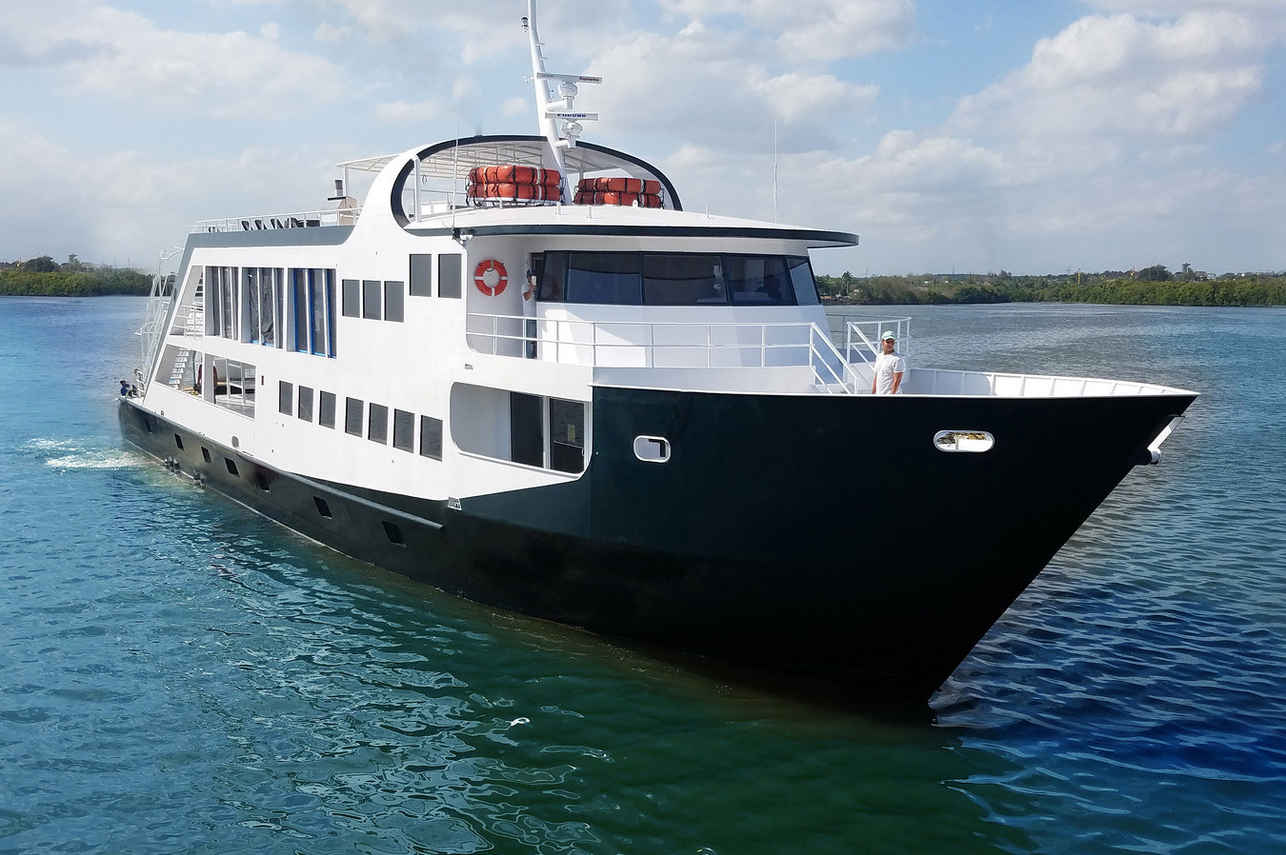
Jardines Avalon Fleet
Cuba
20 guests35.05 m
$494/day
Dive sites similar to Paraiso Perdido
Same character, same waters — six more sites divers love for the exact same reasons.Compare seasons, access and liveaboard routes — then pick the site that fits your trip best.
© Esri — Maxar, Earthstar, GIS
El Almirante
Cuba
El Almirante is an advanced dive site located off the shores of Maria la Gorda, on Cuba's Guanahacabibes Peninsula.
- Suitable for
- Advanced
- Current
- Moderate
- Access
- Dayboat
- Depth
- 27–30 m
- Theme
- Wall / Reef
La Patana is a prominent dive site within the protected marine park of Jardines de la Reina, a vast archipelago stretching 150 kilometers off Cuba's southern coast.
- Suitable for
- Intermediate
- Current
- Mild
- Access
- Liveaboard only
- Depth
- 15–30 m
- Theme
- Reef / Wall
© Esri — Maxar, Earthstar, GIS
Arrecife Somero
Cuba
Arrecife Somero, located near Key Sigua within the UNESCO-recognized Zapata Swamp biosphere reserve, presents a unique reef crest forming a horseshoe shape.
- Suitable for
- Beginner
- Current
- Mild
- Access
- Liveaboard only
- Depth
- 2–5 m
- Theme
- Reef
© Esri — Maxar, Earthstar, GIS
Puente Escondido
Cuba
Puente Escondido is a notable dive site nestled within the Jardines de la Reina marine park, an expansive and highly protected area off Cuba's southern coast.
- Suitable for
- Beginner
- Current
- Mild
- Access
- Liveaboard only
- Depth
- ≤ 18 m
- Theme
- Reef
© Esri — Maxar, Earthstar, GIS
Black Coral Wall
Cuba
Black Coral I and II are prominent dive sites within Cuba's renowned Jardines de la Reina marine reserve, an area celebrated for its healthy reefs and crystal-clear waters.
- Suitable for
- Advanced
- Current
- Mild
- Access
- Liveaboard or dayboat
- Depth
- 15–40 m
- Theme
- Wall