Philippines Liveaboard Diving
Divers Alert Network (DAN) logoFree dive insuranceincluded with every booking

Liveaboards in the Philippines

from $243 / day

6 of 13 · Philippines liveaboard routes, seasons & prices

MY Gypsy

Experience the Philippines' underwater wonders in intimate luxury.

  • En-Suite bathrooms
  • Aircon Cabins
  • Warm Water Showers
8 guestsfrom $337/day
Atlantis Adventurer

Explore the Philippines' underwater wonders from a luxurious and dedicated dive yacht.

  • En-Suite bathrooms
  • Aircon Cabins
  • Warm Water Showers
16 guestsfrom $421/day
Infiniti

Explore the Philippines' underwater wonders in comfort and style.

  • En-suite bathrooms
  • Aircon Cabins
  • Warm Water Showers
25 guestsfrom $310/day
Philippine Siren

A bespoke 131-foot diving platform merging high-end imaging facilities with teak craftsmanship, twin tenders, and sophisticated security.

  • Open-Air Eating Space
  • Air-Conditioned Interior Salon
  • 42-inch Television
16 guestsfrom $309/day
Philippines Aggressor II

Explore the Philippines' vibrant underwater world.

  • Interior Guest Lounge
  • In-Room Media Player
  • Staterooms with Climate Control
26 guestsfrom $243/day

Diving in the Coral Triangle: wrecks, walls and thresher sharks

Situated at the very heart of the Coral Triangle, the Philippines offers a level of marine biodiversity and geographical variety that is simply staggering. With over 7,600 islands, a Philippines liveaboard is the definitive way to navigate this sprawling archipelago, unlocking remote atolls and island-hopping between world-class regions in a single, seamless journey. This is not just a dive trip; it's an expedition across the epicenter of marine life, where every transition between anchorages reveals a completely new underwater ecosystem, from volcanic muck to pristine coral walls.

The itineraries themselves showcase this incredible range. A trip to the UNESCO World Heritage site of Tubbataha Reefs Natural Park, accessible only by liveaboard, immerses you in a pelagic wonderland of sheer drop-offs patrolled by reef sharks, manta rays, and seasonal whale sharks. In contrast, a Visayas itinerary combines the signature thresher shark encounters at Malapascua's cleaning stations with the vibrant, soft coral gardens of Apo Island, rightfully considered among the best dive sites the Philippines has to offer. This is a destination where you can explore historic WWII wrecks in the morning and hunt for pygmy seahorses in the afternoon.

Optimal conditions for Philippines diving are found during the dry season, which typically runs from late October through May. During this period, seas are calmer and visibility is at its peak, often exceeding 30 meters. Water temperatures remain a comfortable 26-30°C (79-86°F) year-round. It is crucial to note that the exclusive Tubbataha season is much shorter and highly sought-after, running only from mid-March to mid-June when the seas are reliably flat for the open-ocean crossing.

The Philippines is a destination for the diver who craves variety above all else. While accessible to confident intermediate divers, the premier liveaboard routes involving open-ocean crossings and potentially strong currents are best appreciated by experienced divers comfortable with a range of conditions. If your ideal trip involves witnessing thresher sharks one day, a million-strong sardine bait ball the next, and pristine hard coral reefs after that, then a Philippines liveaboard adventure will exceed every expectation.
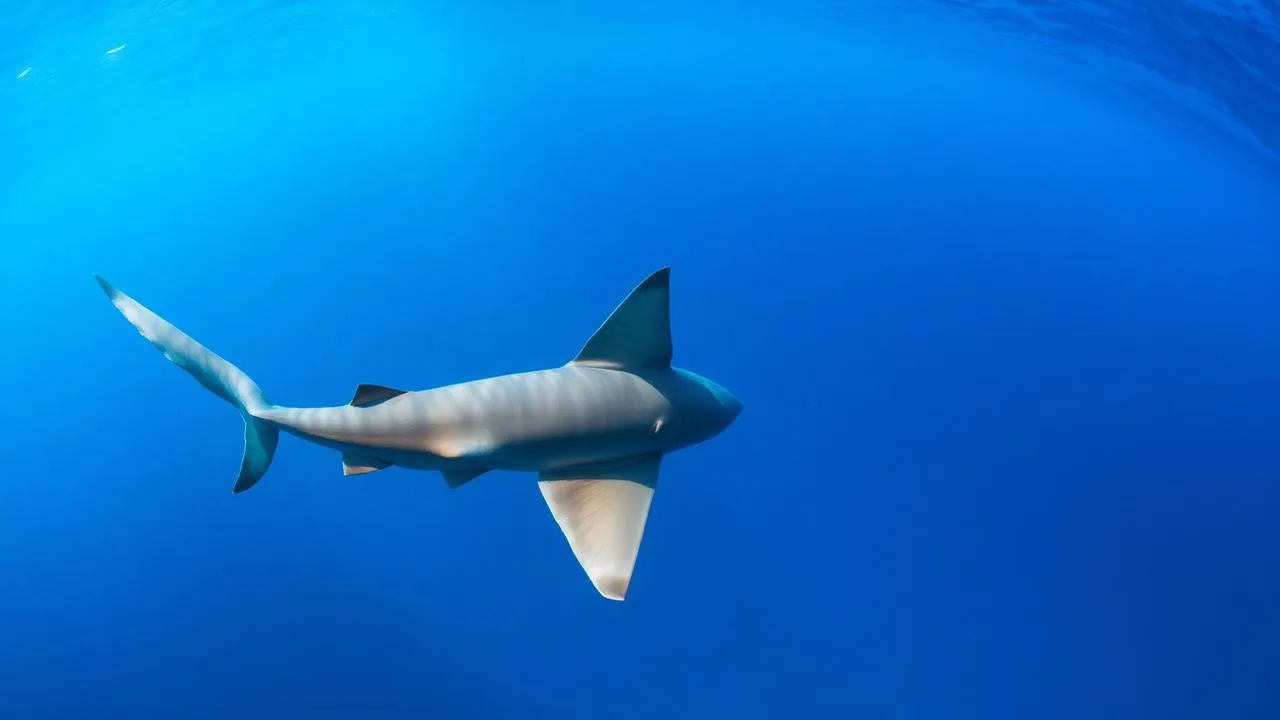
Why dive a liveaboard in the Philippines

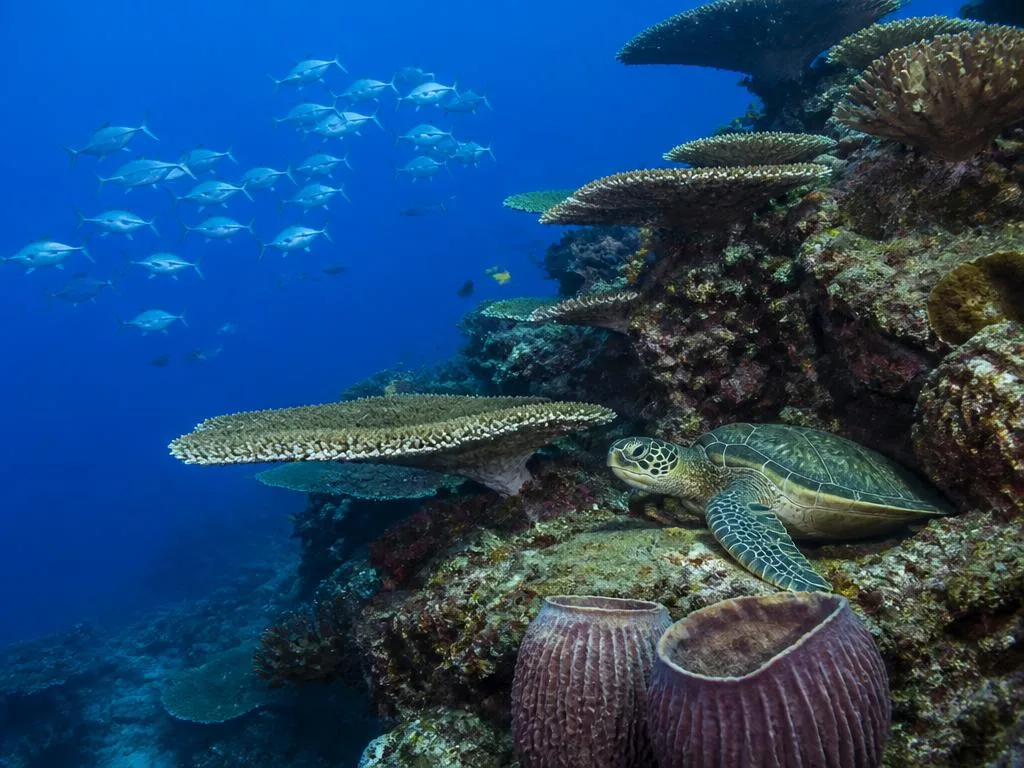
From legendary wrecks and thriving reefs to close-up encounters with iconic marine life, this destination offers the experiences divers dream about. Warm, clear waters and well-organized liveaboard routes make it easy to explore the best sites. These are the highlights that keep divers coming back year after year.

WWII wreck diving

Coron's Japanese WWII shipwrecks are among the world's most accessible and photogenic wreck dives.

Thresher sharks

Malapascua is the only place on Earth with reliable daily sightings of pelagic thresher sharks.

Coral Triangle heart

Over 2,000 fish species and 500 coral species — one of the highest marine biodiversity counts on the planet.

Sardine storms

Moalboal's resident sardine school of millions creates mesmerizing underwater tornadoes year-round.

Who a liveaboard in the Coral Triangle suits — and who it doesn't

From training bays to deep WWII wrecks and a shark-cleaning seamount, the Philippines spans the whole range — the island you pick decides which one you get.

Beginners

Open Water, from about 20 dives

Moalboal, Panglao and the house reefs around Puerto Galera are shallow, calm and cheap to train on, with sardine schools right off the beach.

Matching areas:MoalboalPanglaoPuerto Galera

Advanced divers

Advanced, from about 50 dives, early-morning profiles

Monad Shoal off Malapascua is the one reliable place on earth for daily sunrise thresher sharks at around 25 to 30 metres; Apo Reef and Tubbataha add current and blue water.

Matching areas:Monad ShoalApo ReefTubbataha Reefs

Deep and technical

Deep, Nitrox, Trimix; a real technical scene

Coron holds a fleet of Japanese WWII wrecks from roughly 10 to 40 metres, with the Irako and Okikawa Maru offering penetration; Malapascua and Coron both host established technical operators.

Matching areas:Coron BayIrako wreckKagemaru

Photo and video

Macro and wide-angle in the same week

Anilao is one of Asia’s top muck-macro destinations, Moalboal delivers the sardine tornado, Coron the wreck silhouettes.

Matching areas:AnilaoMoalboalCoron

Regions & routes

Choose the route that fits your experience and dream encounters — each region has its own season, character and story.

Best time to dive in the Philippines

The Philippines offers excellent diving year-round, with the best overall conditions found during the dry season from November to May when seas are calm and visibility is at its peak. However, the ideal time depends on your destination, as the highly sought-after Tubbataha Reefs Natural Park is only accessible from mid-March to mid-June. While the Visayas and Palawan are diveable for most of the year, it's wise to be mindful of the typhoon season, which typically runs from July to November.

👆 Click any month for detailed conditions
Excellent
Good
Off-Season

Dry Season (Dec–Apr)

Best diving conditions across most regions. Calm seas, excellent visibility. Tubbataha Reef accessible Mar–Jun only. Thresher sharks year-round at Malapascua.

Transition (May, Nov)

Weather shifts between seasons. Still excellent diving in many areas. Fewer crowds and lower prices. Some regions still offer perfect conditions.

Wet Season (Jun–Oct)

Typhoon season — mainly affects northern regions. Southern Visayas and Mindanao still offer good diving. Reduced visibility. Best prices and fewest crowds.

Underwater visibility

27m
(89ft)
20m
(66ft)
13m
(43ft)
Jan
Feb
Mar
Apr
May
Jun
Jul
Aug
Sep
Oct
Nov
Dec

Air & water temperature

35°C 30°C 25°C
27°
30°
27°
31°
28°
32°
29°
33°
29°
33°
29°
32°
28°
31°
28°
31°
28°
31°
28°
31°
28°
31°
27°
30°
Jan
Feb
Mar
Apr
May
Jun
Jul
Aug
Sep
Oct
Nov
Dec
Water
Air (Day)

Recommended wetsuit

3mm
3mm
3mm
3mm
3mm
3mm
3mm
3mm
3mm
3mm
3mm
3mm
Jan
Feb
Mar
Apr
May
Jun
Jul
Aug
Sep
Oct
Nov
Dec
3mm (warm)
Wetsuit Guide

What you'll see diving in the Coral Triangle

The Philippines showcases incredible marine life diversity, from iconic large species to rare macro critters. Encounters with thresher sharks are common year-round at Malapascua, while whale sharks appear seasonally in Tubbataha and can be seen in Oslob throughout the year. The reefs are also a haven for macro photographers, with frequent sightings of frogfish, pygmy seahorses, and a vast array of nudibranchs, alongside healthy populations of green and hawksbill turtles.

When to See What

Use this calendar as a guide: the highlighted months show when your chances are usually best. Wildlife follows its own rhythm, so sightings are never guaranteed — but we hope this makes planning a little easier. The Philippines' big animal encounters follow a distinct seasonal rhythm, making timing crucial for certain sightings. While thresher sharks can be seen reliably at Malapascua's cleaning stations year-round, whale sharks and manta rays are most frequently spotted in Tubbataha between March and June.

Species
Jan
Feb
Mar
Apr
May
Jun
Jul
Aug
Sep
Oct
Nov
Dec
Coris
Coris
Jellyfish
Jellyfish
Rabbitfish
Rabbitfish
Remora
Remora
Sandbar Shark
Sandbar Shark
Scad
Scad
Sea Hare
Sea Hare
Sea Slug
Sea Slug
Shovelnose Ray
Shovelnose Ray
Tambja morosa
Tambja morosa
Triplefin
Triplefin
Velvet Surgeonfish
Velvet Surgeonfish
Xenocrab
Xenocrab
Emperor Angelfish
Emperor Angelfish
Gorgonian
Gorgonian
★
Peak Season
Present
Rare/Absent

Tubbataha Reef and Monad Shoal: the best dive sites in the Philippines

A liveaboard is the only way to reach the pristine atolls of Tubbataha Reefs Natural Park, a UNESCO World Heritage site known for its sheer walls and pelagic action. Itineraries also grant access to Monad Shoal off Malapascua, the world's most reliable spot for thresher sharks, and the historic WWII fleet sunk in Coron Bay. Here, advanced divers can penetrate major wrecks like the Irako and Okikawa Maru, which have become thriving artificial reefs.

© Esri — Source: Esri, Maxar, Earthstar, GIS Community · Labels © Esri — HERE, Garmin, FAO, NOAA, USGS
1

Big La Laguna

Intermediate
5–35m / 16–115ftBest: April–September11.2160°, 122.0331°

Big La Laguna is a beach community situated on the western edge of the Sabang Peninsula, a popular dive region on Mindoro Island, Philippines. While the area is widely known as Puerto Galera, Big La Laguna provides a quieter, more spacious alternative to the bustling Sabang Beach, yet remains within a 15-minute walk of its amenities. It serves as a comfortable base for exploring the rich underwater landscape of the Coral Triangle, a global epicenter of marine biodiversity. Dive sites around Big La Laguna feature a variety of topographies, including shallow coral gardens, exciting current dives, sheer walls, and muck dive areas. The Verde Island Passage, a deep channel separating Mindoro from Luzon, flushes these waters with strong currents, contributing to excellent visibility and a dynamic marine environment. Depths range from shallow coral formations suitable for beginners to deeper sites for advanced and technical divers. This region boasts an extraordinary array of marine life, benefiting from its location within the Coral Triangle, which hosts 76% of known coral species and over 3,000 reef fish species. Divers can frequently encounter an abundance of colorful tropical fish, healthy hard and soft corals, feather stars, and various macro critters. Sea turtles are also common sightings. The best diving conditions, with calm seas and optimal visibility, typically occur from April to September, though diving is possible year-round. Diving from Big La Laguna is generally done via local 'banca' outrigger boats, with many of the 30 spectacular dive sites accessible within 20 minutes. Dive centers in the area cater to all skill levels, from open water to technical divers, emphasizing safety and local expertise due to potentially strong currents. The focus is on experiencing the rich marine environment that has been protected as a marine sanctuary for decades.

Tranquil beach community accessHeart of Coral TriangleDiverse dive site topographyRich macro and reef lifeWarm, clear water conditionsVariety of dive experiencesMarine protected areaConvenient boat access
2

Olympia Maru

WreckIntermediate
17–24m / 56–79ftBest: November–May, December–April11.9912°, 120.2152°

The Olympia Maru is a prominent Japanese cargo ship wreck from World War II, located within Coron Bay, Philippines. Sunk during a U.S. air raid in 1944, it now rests as an artificial reef, offering a compelling structure-first wreck profile for divers. This site is distinguished by its accessible depth and the opportunities it presents for both penetration and exploring external features. The wreck lies at depths up to 24 meters, with parts of the structure accessible from around 17 meters. It is known for its relatively intact hull, which has become a substrate for coral growth and a habitat for various marine species. Conditions typically feature light currents and moderate visibility, making it suitable for divers with good buoyancy control and an interest in wreck exploration. While specific seasonal marine life is not detailed, the wreck commonly hosts lionfish, barracuda, moray eels, crabs, and octopuses. Green turtles and eagle rays are also reported. The site's diverse ecosystem contributes to its appeal beyond just the historical artifact. Diving the Olympia Maru rewards confident divers who are proficient in navigation and buoyancy in overhead environments. It is typically accessed by boat from Coron, and dive planning should emphasize conservative gas management and buddy team protocols due to the nature of wreck diving. The site can be quite busy, indicating its popularity among the Coron wrecks.

WWII Japanese cargo ship wreckCoron Bay wreck divingAccessible wreck penetrationAtmospheric interior explorationDiverse reef fish habitatLionfish and barracuda sightingsGreen turtles and eagle rays
3

Manta Bowl

Advanced
14–50m / 46–164ftBest: November–June12.6110°, 123.7081°

Manta Bowl is a renowned submerged seamount located in the Ticao Pass, off the northern coast of Ticao Island in Masbate, Philippines. This unique underwater formation rises dramatically from depths exceeding 200 meters, with its plateau crest typically found between 14 and 24 meters, and slopes extending beyond 50 meters. Its strategic position within a nutrient-rich strait creates a vibrant ecosystem that acts as a magnet for a diverse array of marine life, particularly large pelagics. The site is celebrated for its thriving cleaning stations, where numerous Reef Manta Rays (Mobula alfredi) and larger Giant Oceanic Manta Rays (Mobula birostris) are regularly serviced by cleaner wrasse species. Beyond the iconic mantas, divers frequently encounter other significant pelagic species, including Whale Sharks (Rhincodon typus), especially from November to June, and various sharks such as Thresher, Hammerhead, Whitetip Reef, and Blacktip Reef sharks. Diving conditions at Manta Bowl are characterized by strong tidal currents, often exceeding 3 knots, and frequent upwelling and downwelling, necessitating advanced drift diving techniques. Visibility can be excellent, sometimes surpassing 30 meters, while water temperatures consistently range from 26°C to 30°C. Due to these challenging conditions and the typical depth profiles, an Advanced Open Water certification is required, ensuring divers are prepared for the dynamic environment.

World-renowned seamountManta ray cleaning stationsWhale shark encountersStrong currentsPelagic hotspotAdvanced drift diving
4

Balinghai Wall

Intermediate
8–24m / 26–79ftBest: November–June, January–February11.1984°, 122.0050°

Balinghai Wall is a notable dive site located on the northwest side of Boracay, known for its accessible wall and coral slope formations. Situated near Punta Bunga and Yapak, this site is easily reached by boat from Boracay's main dive areas. Its topography features a wall that starts in the shallow single digits and slopes down to approximately 24 meters, characterized by healthy corals and reef balls. The dive site is particularly celebrated for its diverse marine life thriving within these coral gardens and along the wall. Divers can expect to encounter a variety of reef fish and other creatures that find refuge in the abundant coral. The calm conditions and typically good visibility make Balinghai Wall an excellent spot for leisurely multi-level exploration and underwater photography. While considered beginner-friendly by some, its wall diving aspect with depths reaching 24 meters means it is also well-suited for Advanced Open Water certified divers. The mild currents enhance the experience, allowing divers to fully appreciate the unique underwater scenery and its inhabitants without excessive effort. This site provides a balanced diving experience, combining stunning visuals with manageable conditions for a wide range of skill levels.

Boracay wall divingHealthy coral slopeArtificial reef structuresMild currentsGood visibilityDiverse reef lifeBoat accessMulti-level exploration

Bucket-list dives worth booking early

A Philippines dive trip is defined by its unique bucket-list experiences that span from big animals to historic wrecks. Witnessing the elegant thresher sharks at Monad Shoal during a sunrise dive is an iconic moment, as is immersing yourself in the millions-strong sardine ball in Moalboal. For the ultimate adventure, an expedition to the remote Tubbataha Reefs, only accessible from March to June, offers unparalleled reef health and frequent shark encounters.

Underwater view of the dive site Thresher Shark Diving in the Philippines
1
Year-round

Malapascua

Dive with the elusive and elegant thresher sharks at Monad Shoal – one of the only places in the world where these pelagic beauties visit shallow cleaning stations.

Read more
Underwater view of the dive site Sardine Run in the Philippines
2
Year-round

Moalboal, Cebu

Snorkel above millions of sardines forming mesmerizing bait balls off Moalboal's coastline, creating one of the Philippines' most iconic underwater spectacles.

Read more
Underwater view of the dive site Tubbataha Reef Expedition in the Philippines
3
March – June

Sulu Sea

Join a liveaboard expedition to UNESCO-listed Tubbataha Reef, one of the world's top dive sites with pristine walls, sharks, and untouched coral gardens.

Read more

Above water: climate, shore trips and extra costs

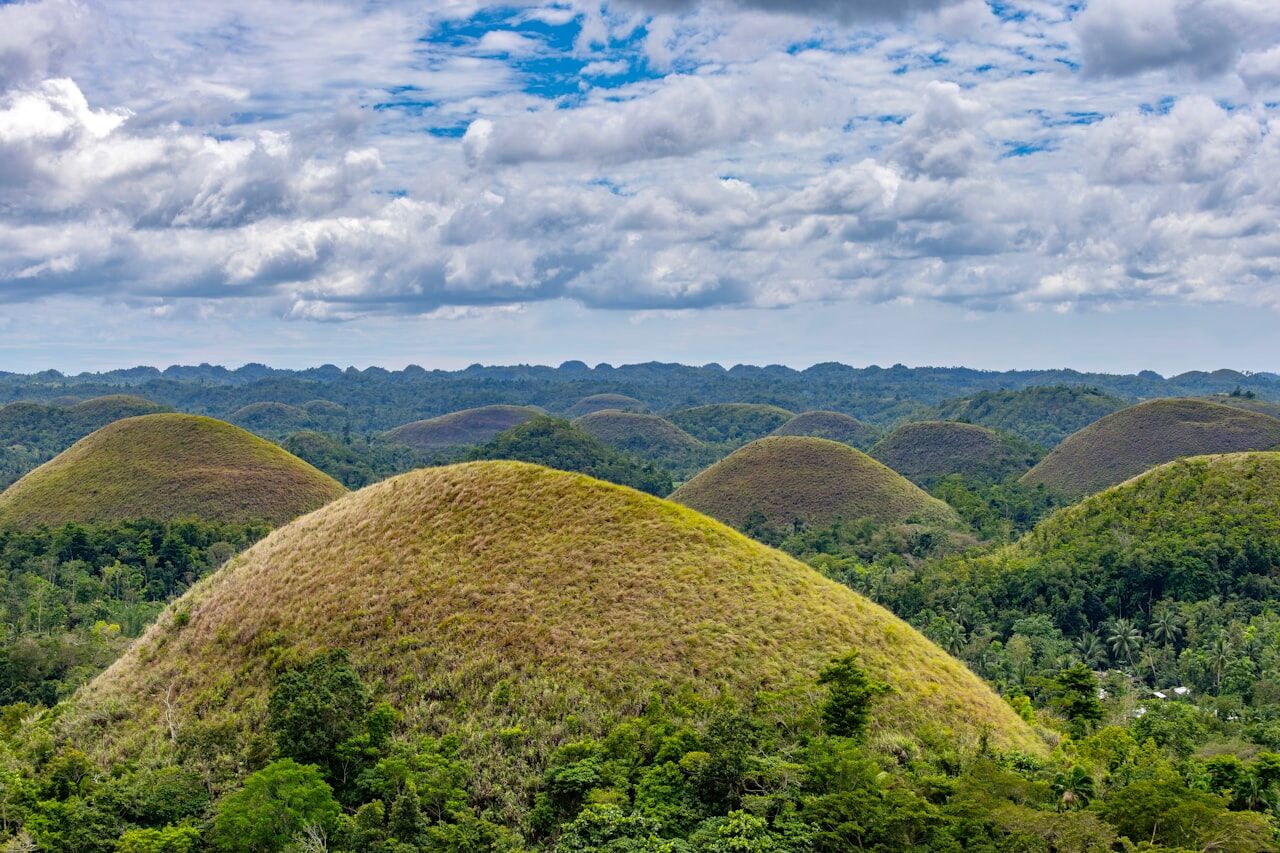
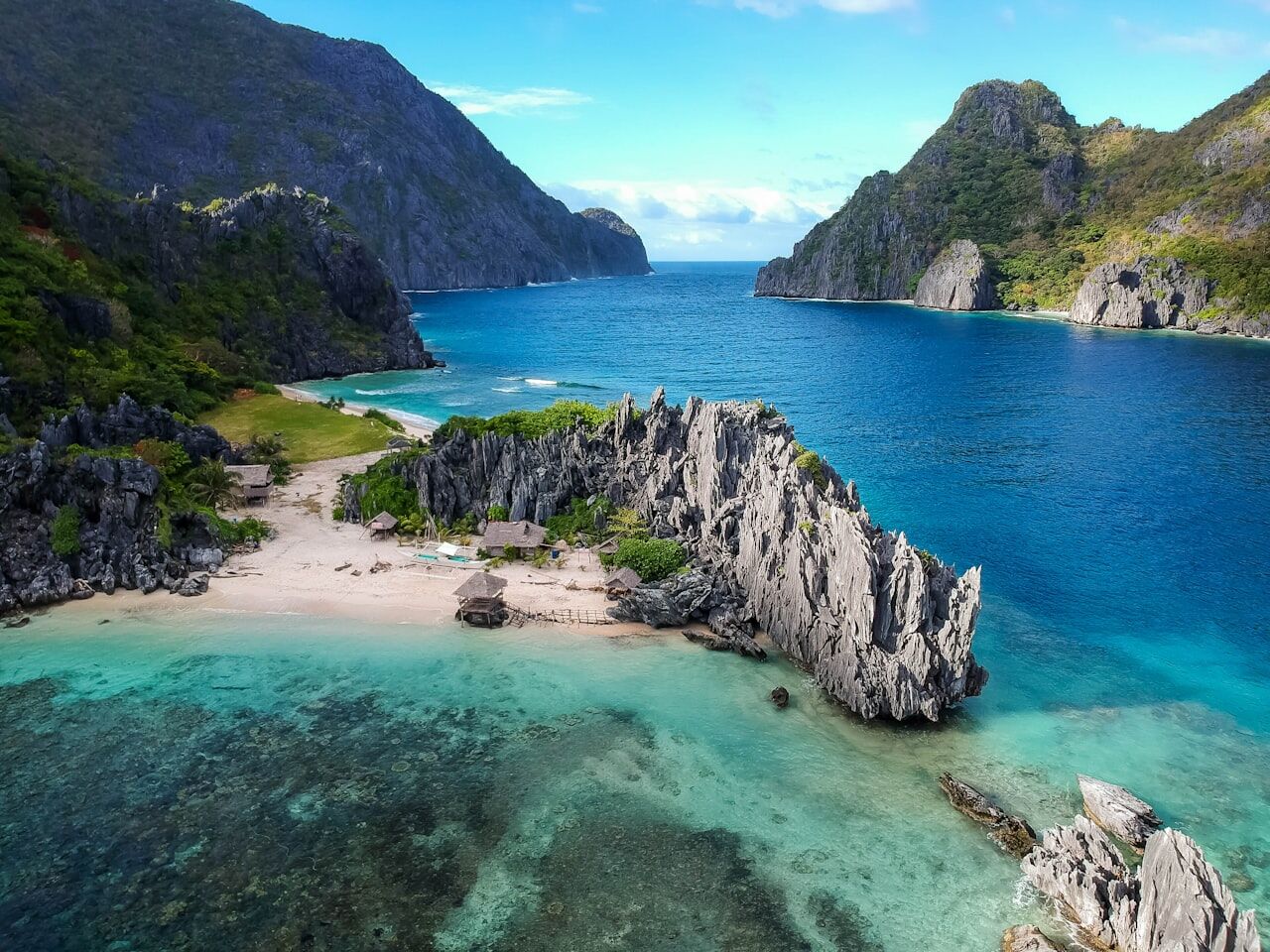
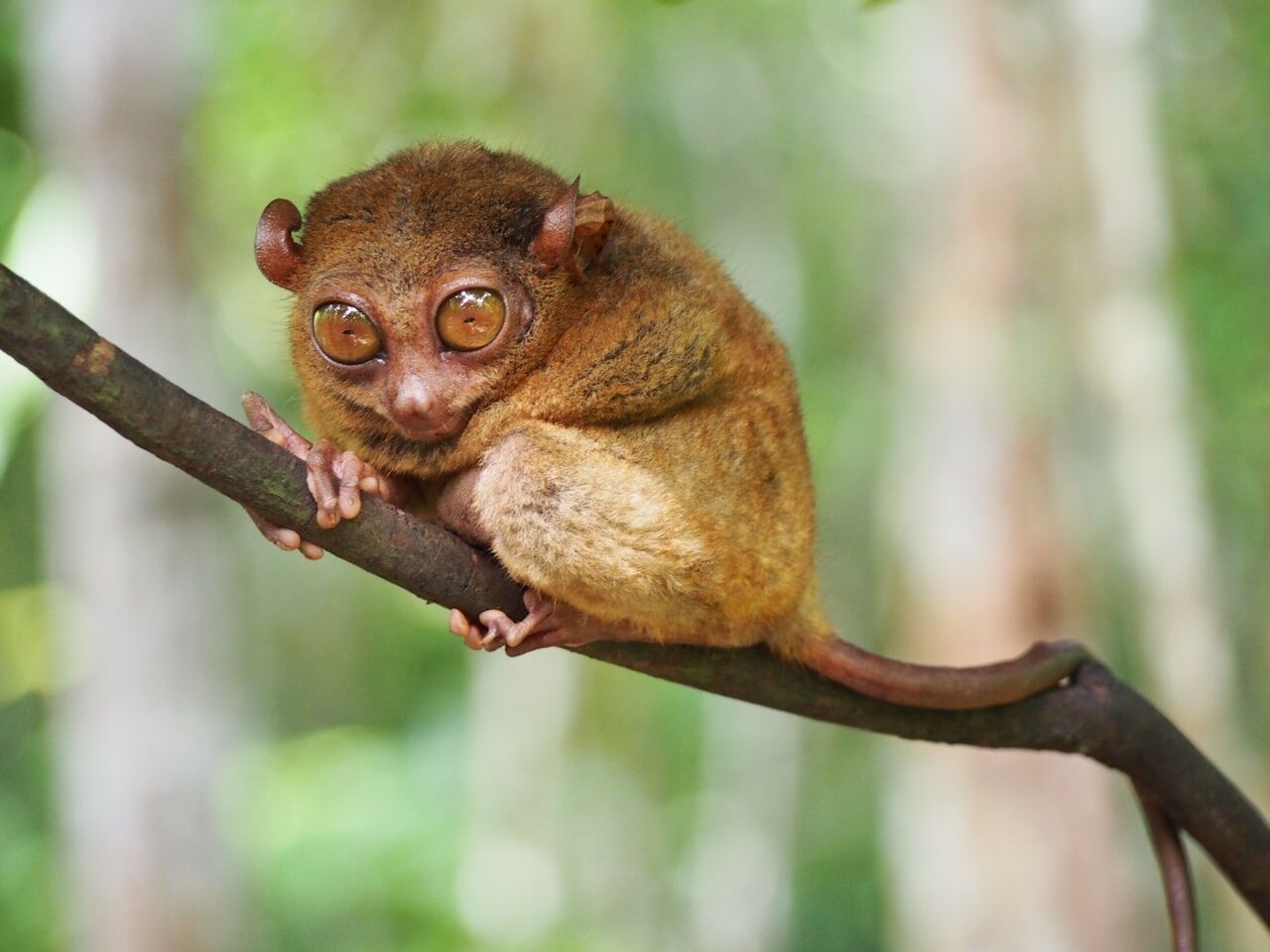
Extend your adventure beyond the reefs with stunning topside attractions that pair perfectly with a liveaboard trip. Before or after departing from Coron, hike to the iconic viewpoint over the crystal-clear Kayangan Lake. If your journey involves Palawan, explore the UNESCO-listed Underground River near Puerto Princesa. In the Visayas, add a land tour to see the famous Chocolate Hills and tiny tarsiers of Bohol, or go island hopping through the dramatic limestone karsts of El Nido.

Chocolate Hills of Bohol

Chocolate Hills of Bohol

Marvel at over 1,200 perfectly symmetrical hills that turn chocolate-brown during the dry season. This geological wonder is one of the Philippines' most iconic natural landmarks.

El Nido Island Hopping

El Nido Island Hopping

Explore the stunning limestone archipelago of El Nido in Palawan. Hidden lagoons, secret beaches, and towering karst cliffs create some of the most photogenic scenery in Southeast Asia.

Tarsier Sanctuary Visit

Tarsier Sanctuary Visit

Meet the tiny Philippine tarsier, one of the world's smallest primates, at its protected sanctuary in Bohol. These saucer-eyed nocturnal creatures are endemic to the Philippines.

Rice Terraces of Banaue

Rice Terraces of Banaue

Stand before the 2,000-year-old Ifugao Rice Terraces, carved into the mountains by hand. This UNESCO World Heritage Site is often called the "Eighth Wonder of the World."

What a liveaboard in the Philippines costs

The calendar below shows how liveaboard prices shift month by month, so you can see exactly when your money goes furthest. We want every diver to get the best possible value, which is why we highlight the seasons that balance great conditions with the fairest rates.

The Philippines offers excellent value, with liveaboard options ranging from affordable, traditional wooden boats to premium dive yachts, providing great access to the Coral Triangle's biodiversity. Costs fluctuate significantly with the seasons and itinerary. The short and highly coveted Tubbataha season from March to June commands the highest prices, while trips in the Visayas during the shoulder season can offer better deals.

$243–$421

per day liveaboard

$25–$60

per 2-tank dive trip

$15–$150

hotel per night

Prices reflect typical costs for mid-range to premium options. Budget alternatives may be available.

Getting to Manila and Cebu: flights and transfers

Reaching your Philippines liveaboard typically involves flying into a major international hub like Manila (MNL) or Cebu (CEB). From there, a short domestic flight will take you to the gateway airport for your trip, such as Puerto Princesa (PPS) for Tubbataha trips or Busuanga (USU) for Coron wrecks. Most nationalities receive a 30-day visa-free entry, and transfers from the local airport to your departure marina in places like Coron or Puerto Galera are usually straightforward.

Insider tips

🤿

The Philippines is one of the most affordable diving destinations in the world.

💰

Open Water certification courses start from $250 — among the cheapest globally.

🏨

Local guesthouses near dive sites cost $15–30/night.

🍽️

Eat at local eateries (carinderias) for meals under $2.

✈️

Domestic flights with Cebu Pacific offer fares from $30 between islands.

📅

Avoid Christmas/New Year peak season for lower prices.

Getting there

Ninoy Aquino International Airport

Manila • MNL

Main gateway with worldwide connections

Mactan-Cebu International Airport

Cebu • CEB

Gateway for Visayas diving with direct flights from Asia, Middle East, and Australia

Entry requirements

Visa-free for 30 days for most nationalities. Passport must be valid for 6+ months. Extension up to 36 months possible.

This information is provided without guarantee. Please visit the official website for the latest entry requirements.

Official Immigration Information →

Frequently asked questions about liveaboards in the Philippines

How much does a Philippines liveaboard cost in 2026?
Philippines liveaboards are generally more affordable than destinations like the Maldives, offering great value. When budgeting for your 2026 trip, remember to factor in additional costs like park fees (the Tubbataha fee is around $130), optional Nitrox, and crew tips, which are typically $150-$300 per guest for a week.
When is the best time for a liveaboard trip in the Philippines?
The best time depends on where you want to go. The legendary Tubbataha Reefs are only accessible from mid-March to mid-June, with April and May being peak season. For other top spots like the Visayas, the prime window is during the dry season from November to May for the calmest seas and best visibility.
Do I need an advanced certification for a Philippines liveaboard?
An Advanced Open Water certification is highly recommended for most Philippines itineraries, especially for remote Tubbataha. These trips often feature deep dives and potential currents to maximize encounters with schooling sharks and other pelagics. Some itineraries in the Visayas may be suitable for all levels, but having advanced training will open up more dive sites.
Which port do Philippines liveaboards depart from?
Departure ports vary based on the itinerary you choose. Liveaboards heading to the remote Tubbataha Reefs will depart from a port with access to the Sulu Sea. Trips exploring the Visayas region, including Malapascua and Cebu, will start from ports within the central islands, so always check your specific booking for travel planning.
What marine life can I see on a Philippines liveaboard?
The Philippines boasts incredible biodiversity, from huge pelagics to tiny critters. On a Tubbataha trip, you can expect to see schooling sharks, manta rays, and whale sharks. In the Visayas, you can dive with reliable thresher sharks at dawn in Malapascua and witness the famous sardine runs, while expert guides can also find macro life like hairy frogfish and blue-ringed octopus.
What should I pack for a Philippines liveaboard besides dive gear?
Definitely pack a 3mm wetsuit for the warm water (27-30°C), though it can be a bit cooler in Tubbataha. Bring a universal power adapter for your electronics and enough cash (USD or Philippine Pesos) for on-board expenses, park fees, and crew tips. Wi-Fi can be limited, especially in Tubbataha, so prepare to disconnect and enjoy the journey.
Is it safe to dive in the Philippines and what about medical support?
Yes, the main tourist and diving areas in the Philippines are considered safe for travelers. For dive-specific incidents, it's reassuring to know there are hyperbaric chambers located in Cebu, Subic Bay, and Manila. As with any dive travel, comprehensive dive and travel insurance is essential for peace of mind.

The Philippines compared with other liveaboard destinations

Honest, in-depth comparisons to help you decide between destinations, certifications, equipment and dive styles.

Indonesia vs Philippines Liveaboard: Where to Dive in the Coral Triangle?

Indonesia and the Philippines together form the heart of the Coral Triangle — the global epicenter of marine biodiversity. Both countries offer hundreds of islands, world-class macro photography, big-animal encounters and warm tropical water. Yet the two destinations attract slightly different divers: Indonesia is the bigger, more famous brand with iconic regions like Raja Ampat, Komodo and Lembeh. The Philippines is quieter, more affordable, and increasingly popular for thresher sharks, sardines and accessible muck diving. **Indonesia** has roughly 17,500 islands and the most diverse marine fauna on Earth. Its liveaboard fleet is the largest in Southeast Asia, with classic phinisi schooners and modern steel yachts plying routes through Komodo, Raja Ampat, Banda, Alor, Halmahera and the Forgotten Islands. Trip prices range widely — €1,500/week budget phinisis to €6,500/week luxury yachts. **Philippines** has 7,641 islands and a more compact dive scene. Liveaboards focus on Tubbataha (a UNESCO reef in the Sulu Sea), Visayas (Malapascua, Cebu, Bohol) and Coron (wreck diving). The Tubbataha season is short (March–June) which concentrates the best diving into a narrow window. Trip prices typically run 30–40% below comparable Indonesian routes. This guide compares biodiversity, dive style, cost, accessibility and which destination fits which type of diver.

Read comparison

Liveaboard vs Land-Based Diving: Which Trip Is Right for You?

Choosing between a liveaboard and a land-based dive trip is the most fundamental decision divers face when planning a serious diving holiday. The right answer depends on your priorities: maximum dive count and access to remote sites favor liveaboards; beach time, family flexibility and lower cost favor land-based resorts. Both formats have evolved significantly in the last decade, and the line between them has blurred — luxury dive resorts now offer multi-day expedition trips, while many liveaboards include topside excursions and even spa days. This guide compares the two formats across every meaningful dimension: cost per day, dives per day, marine life access, comfort, social dynamics, family-friendliness, and travel logistics. We'll also cover the hybrid models (resort + day-charter, or 'safari boat' itineraries) that try to capture the best of both worlds. If you're certified, in love with diving and want to maximize bottom time, a liveaboard is almost always the better choice — you can clock 25+ dives in a week and reach sites no day boat can. If you're traveling with non-divers, prefer land-based comfort, or want flexibility to take days off, a resort wins. We'll get into all the nuances below.

Read comparison

Thailand vs. Philippines: Your Next Liveaboard Destination

Choosing between Thailand and the Philippines for a liveaboard dive trip presents a delightful dilemma for any underwater enthusiast. Both Southeast Asian nations are celebrated for their vibrant marine biodiversity, dramatic underwater topographies, and the allure of exploring remote dive sites aboard a comfortable vessel. However, they offer distinct experiences that cater to different preferences and skill levels. Thailand, particularly its Andaman Sea coast, is renowned for its iconic limestone karsts, healthy coral reefs, and the chance to encounter pelagics like manta rays and whale sharks. Its liveaboard industry is well-established, offering a range of options from budget-friendly to luxury, primarily exploring the Similan and Surin Islands. The diving here is generally accessible, making it a popular choice for divers of all experience levels. The Philippines, an archipelago of over 7,000 islands, boasts an even greater diversity of dive environments, from deep walls and wrecks to macro havens and thresher shark encounters. Its liveaboard routes often venture into more remote areas like Tubbataha Reefs Natural Park, Malapascua, and Apo Reef, promising pristine conditions and unique marine encounters. While some areas are suitable for beginners, many premier sites require more advanced diving skills due to currents and depth. This comparison will help you navigate the nuances and decide which destination best suits your diving aspirations.

Read comparison
Plan your trip

Ready to dive?

Explore our expedition vessels and find your perfect trip to Philippines

4.8246 Reviews