Raja Ampat Liveaboard Diving
Divers Alert Network (DAN) logoFree dive insuranceincluded with every booking

Liveaboards in Raja Ampat

from $166 / day

6 of 55 · Raja Ampat liveaboard routes, seasons & prices

Jakaré

Discover Indonesia's underwater wonders aboard a traditional phinisi with modern comforts.

  • En-Suite bathrooms
  • Aircon Cabins
  • Warm Water Showers
12 guestsfrom $450/day
Scubaspa Zen

The Intersection of Indonesian Tradition, Five-Star Spa Culture, and Marine Discovery

  • In-Suite Electronic Safe
  • Paid High-Speed Wifi
  • Personal En-suite Restroom
20 guestsfrom $656/day
Fenides

Explore Indonesia's underwater wonders in luxury and comfort aboard the Fenides phinisi.

  • En-Suite bathrooms
  • Aircon Cabins
  • Warm Water Showers
11 guestsfrom $893/day
Mutiara Laut

Sail the Indonesian archipelago in unparalleled luxury aboard a traditional schooner.

  • En-Suite bathrooms
  • Aircon Cabins
  • Warm Water Showers
14 guestsfrom $791/day
Adelaar

Exclusive Indonesian nautical adventures featuring an exceptional staff-to-passenger proportion and quiet elegance.

  • Private Bathroom Facilities
  • On-Site Laundry Services
  • Individual Cabin Televisions
8 guestsfrom $472/day

Diving in the Coral Triangle: wrecks, walls and manta rays

For divers seeking the pinnacle of marine biodiversity, Raja Ampat is the undisputed global epicenter. Located in the heart of the Coral Triangle, this vast Indonesian archipelago hosts more documented fish and coral species than anywhere else on Earth. The sheer scale and remoteness of its 1,500 jungle-clad islands make a Raja Ampat liveaboard the only practical method for accessing its most pristine and far-flung reefs, navigating from one world-class site to the next in complete comfort.

The Raja Ampat diving experience is defined by its staggering variety. In the south, the kaleidoscopic soft coral gardens of Misool are patrolled by oceanic manta rays at iconic cleaning stations. Further north, the nutrient-rich currents of the Dampier Strait fuel incredible action at sites like Cape Kri, which holds the world record for fish species counted on a single dive. Exploring the best dive sites Raja Ampat offers means searching for camouflaged wobbegong sharks on sandy bottoms, drifting past massive schools of fusiliers, and navigating vibrant, healthy reef systems that feel untouched by time.

The primary liveaboard season runs from October to April, coinciding with the northwest monsoon which brings calmer seas and generally excellent surface conditions. During these months, divers can expect water temperatures between 28-30°C (82-86°F) and visibility that frequently exceeds 25 meters. While diving is possible year-round, this peak period offers the most reliable and comfortable conditions for navigating between the northern and southern regions of the marine park.

Raja Ampat is best suited for intermediate to advanced divers comfortable with currents, which can be strong and unpredictable, especially in the Dampier Strait. The destination rewards those with a keen eye for biodiversity and a passion for exploration. It is a photographer's dream and a pinnacle trip for seasoned divers looking to experience reef ecosystems at their most vibrant and complete. This is not a destination for a quick getaway, but a true expedition into the heart of the ocean's life force.

Why dive a liveaboard in Raja Ampat

From legendary wrecks and thriving reefs to close-up encounters with iconic marine life, this destination offers the experiences divers dream about. Warm, clear waters and well-organized liveaboard routes make it easy to explore the best sites. These are the highlights that keep divers coming back year after year.

Peak biodiversity

The most biodiverse marine region on Earth — 1,500+ fish species and 600 coral species (75% of all known).

Manta cleaning stations

Multiple manta ray cleaning stations with reliable encounters, including rare black mantas.

Pristine reef systems

Remote and protected reefs in near-pristine condition — some of the healthiest coral systems remaining.

Karst island paradise

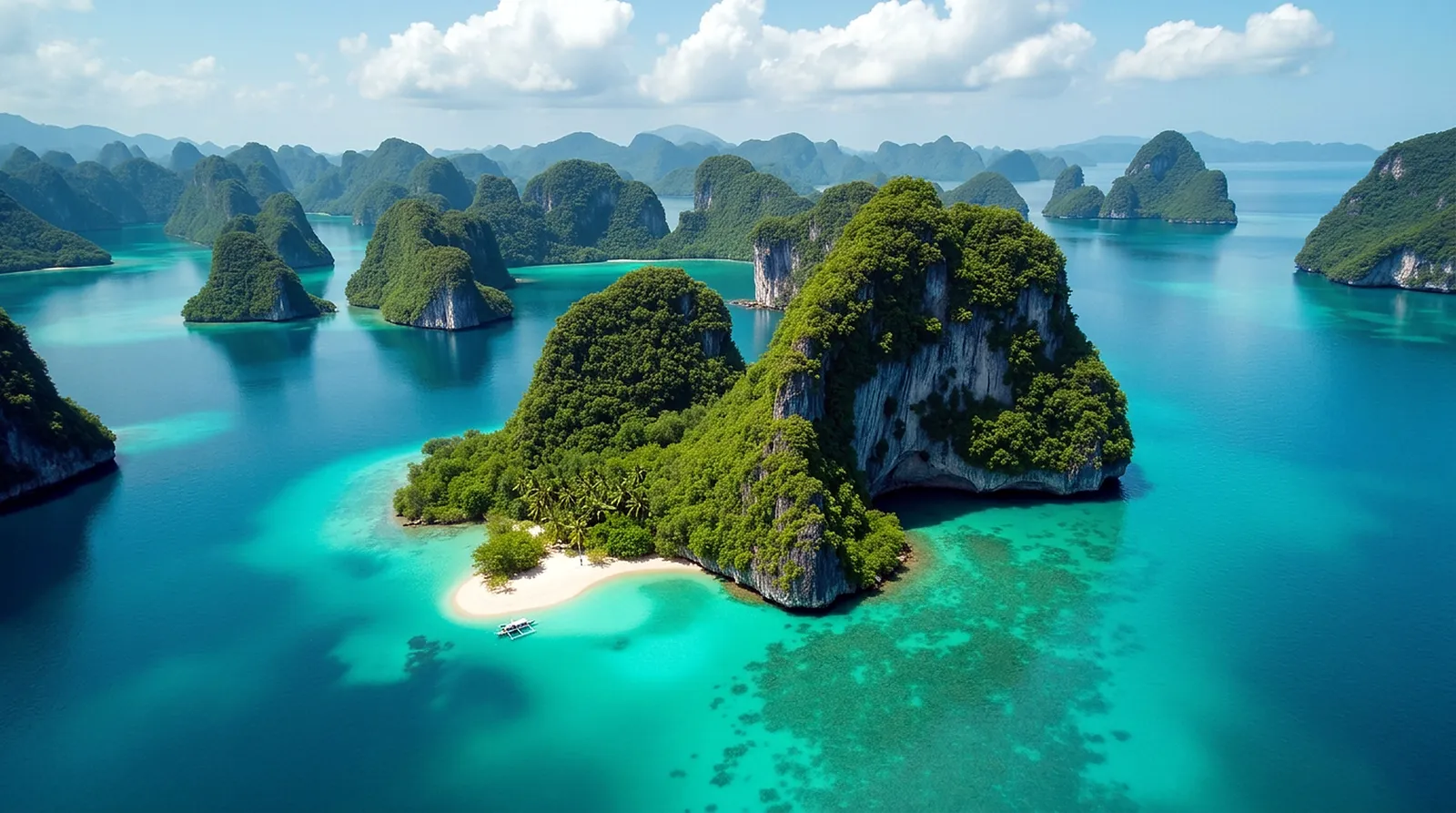
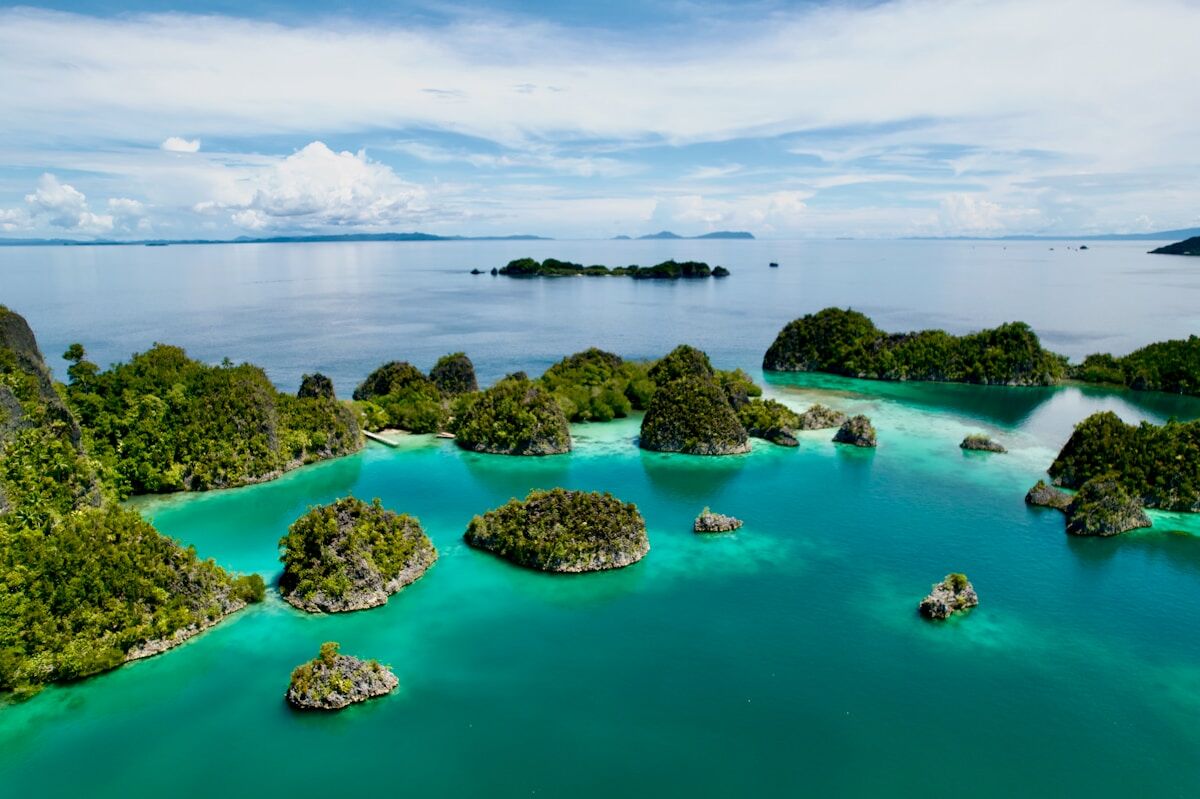
Dramatic limestone karst islands draped in jungle, creating a surreal above-water landscape.

Who a liveaboard in the Coral Triangle suits, and who it doesn't

Raja Ampat combines the richest reefs in the Coral Triangle with tidal current — the north and the south of the archipelago dive very differently.

Beginners

Open Water with guided profiles, best in the north

Sheltered bays and shallow reefs around Waigeo and the Dampier Strait fringes work at slack water; most operators ask for 20 to 30 logged dives on liveaboards.

Matching areas:WaigeoKriMansuar

Advanced divers

Advanced, current and drift experience

Dampier Strait sites such as Cape Kri and Blue Magic run strong tidal current; reef hooks, negative entries and blue-water safety stops are routine.

Matching areas:Dampier StraitMisoolFam Islands

Deep and technical

Deep, Nitrox; limited technical infrastructure

Most reefs top out in the recreational range and the action is in the top 30 metres. Southern seamounts drop deeper, but Raja Ampat is remote: the nearest chamber is in Sorong, so conservative profiles and Nitrox matter more than depth.

Matching areas:MisoolBoo WindowsMagic Mountain

Photo and video

Wide-angle, macro, small groups

Soft-coral walls, schooling fusiliers and reliable manta cleaning stations at Magic Mountain and Manta Sandy; pygmy seahorses and wobbegongs for macro.

Matching areas:MisoolManta SandyArborek

Best time to dive in Raja Ampat

The best time to dive Raja Ampat is during the main liveaboard season from October to April, when calmer seas and excellent surface conditions prevail. During these months, water temperatures are a warm 28-30°C and visibility often exceeds 25 meters, making for ideal diving. While diving is possible from June to September with fewer boats, this period experiences rougher seas, so the peak season offers the most reliable and comfortable conditions.

👆 Click any month for detailed conditions
Excellent
Good
Off-Season

Peak Season (Oct–Apr)

Calmest seas and best diving conditions. Manta ray season peaks Nov–Apr. Best visibility. Most liveaboards and resorts operate during this window.

Shoulder (May, Sep)

Transitional months with variable conditions. Still good diving on many sites. Fewer boats. Some operators offer shoulder-season discounts.

Rough Season (Jun–Aug)

Stronger winds and rougher seas, especially in exposed areas. Some dive sites inaccessible. Fewer operators running. Best for adventurous divers seeking solitude.

Underwater visibility

27m
(89ft)
20m
(66ft)
13m
(43ft)
Jan
Feb
Mar
Apr
May
Jun
Jul
Aug
Sep
Oct
Nov
Dec

Air & water temperature

34°C 30°C 26°C
29°
31°
29°
31°
29°
31°
29°
32°
29°
31°
28°
30°
28°
30°
28°
30°
28°
31°
29°
31°
29°
31°
29°
31°
Jan
Feb
Mar
Apr
May
Jun
Jul
Aug
Sep
Oct
Nov
Dec
Water
Air (Day)

Recommended wetsuit

3mm
3mm
3mm
3mm
3mm
3mm
3mm
3mm
3mm
3mm
3mm
3mm
Jan
Feb
Mar
Apr
May
Jun
Jul
Aug
Sep
Oct
Nov
Dec
3mm (warm)
Wetsuit Guide

What you'll see diving in the Coral Triangle

Raja Ampat’s incredible biodiversity means divers can encounter a huge range of species, from massive schools of fusiliers to camouflaged wobbegong sharks and tiny pygmy seahorses. Reef manta rays are a major highlight, with peak encounters at cleaning stations from October to April. Year-round residents include the endemic walking shark, whitetip and grey reef sharks, bumphead parrotfish, and countless reef fish that make every dive a discovery.

When to See What

Use this calendar as a guide: the highlighted months show when your chances are usually best. Wildlife follows its own rhythm, so sightings are never guaranteed, but we hope this makes planning a little easier. Raja Ampat’s most famous large animal encounters follow a distinct seasonal pattern, with reef manta ray sightings peaking between November and April. While wobbegong sharks and the endemic walking shark can be found throughout the year, the period from December to March offers the highest concentration of mantas at cleaning stations like Manta Sandy.

Species
Jan
Feb
Mar
Apr
May
Jun
Jul
Aug
Sep
Oct
Nov
Dec
Coris
Coris
Moyer's Dragonet
Moyer's Dragonet
Needlefish
Needlefish
Neon Damsel
Neon Damsel
Ornate Ghost Pipefish
Pilotfish
Pilotfish
Pipehorse
Pipehorse
Porcupine Ray
Porcupine Ray
Queenfish
Queenfish
Rabbitfish
Rabbitfish
Remora
Remora
Scad
Scad
Sea Hare
Sea Hare
Sea Slug
Sea Slug
Sea Squirt
Sea Squirt
★
Peak Season
Present
Rare/Absent

Cape Kri and Blue Magic: the best dive sites in Raja Ampat

A liveaboard is essential for reaching Raja Ampat's iconic but remote dive sites, which are spread across a vast archipelago. It allows you to travel between the current-swept pinnacles of the Dampier Strait, like world-record-holding Cape Kri and pelagic-magnet Blue Magic, and the southern gems of Misool. Only a boat can efficiently navigate to sites like the soft coral gardens of Melissa's Garden or the iconic arches of Boo Windows, far from any land-based infrastructure.

© EsriSource: Esri, Maxar, Earthstar, GIS Community · Labels © Esri, HERE, Garmin, FAO, NOAA, USGS
1

Yulliet Kecil

ReefIntermediate
5–30m / 16–98ftBest: October–May-0.8039°, 130.4782°

Yulliet Kecil is a captivating islet dive site situated in the Misool region of Raja Ampat, Indonesia. It lies just to the east of the main Yulliet Pulau island and near Romeo. This site is celebrated for its diverse and vibrant marine ecosystem, characteristic of the world-renowned biodiversity found throughout Raja Ampat, which boasts 75% of the planet's coral species and over 1,500 fish species. The dive begins with abundant coral formations visible from depths as shallow as 5 meters, gradually extending down through 10, 20, and reaching a maximum recorded depth of 23 meters. The underwater topography offers a dynamic environment where divers can explore these various depth bands. The site supports a rich array of reef fish and invertebrates, providing a comprehensive diving experience. Raja Ampat, in general, offers a mix of wall, drift, and reef diving experiences, and sites like Yulliet Kecil contribute to this diverse offering, making it suitable for varying preferences. Divers can anticipate encounters with a multitude of fish species, including angelfish, triggerfish, clownfish, and rockfish. The area's healthy coral reefs and prolific marine life are a constant draw. While specific seasonality for Yulliet Kecil's marine life isn't detailed, the broader Misool region is known for its rich biodiversity year-round, with the dry season generally offering optimal conditions for observing pelagic species. Raja Ampat's tropical waters maintain temperatures between 28-30°C. A typical dive duration at Yulliet Kecil is around 57 minutes. The site is generally accessible to divers of various certification levels, given the typical maximum depth and the general conditions of the region, though specific current information for this particular site is not provided. Safety protocols are conservative in this remote area, with no deco diving allowed, and dives are typically limited to 30 meters.

Vibrant coral formationsDiverse reef fish speciesAngelfish, triggerfish, clownfishGradually sloping reefIslet east of Yulliet PulauMisool region biodiversity
2

Cape Kri

ReefAdvanced
5–40m / 16–131ftBest: Visibility at Cape Kri typically range…-0.5543°, 130.6891°

Cape Kri, situated off the northern tip of Kri Island in Raja Ampat's Dampier Strait, is a legendary dive site renowned for its exceptional marine biodiversity. It gained fame when marine biologist Dr. Gerald Allen recorded an astonishing 374 fish species in a single dive here, setting a world record and cementing its status as one of Earth’s richest reefs. This site lies at the convergence of powerful ocean currents from the Pacific, which continuously deliver nutrient-rich waters, nurturing a vibrant and dynamic ecosystem. The topography features a sloping reef that descends from a few meters down to 40 meters, transitioning into a plateau adorned with an abundance of hard and soft corals, large sponges, and gorgonian sea fans. The upper reef provides an ideal setting for extended safety stops, bathed in sunlight and teeming with life. Dives often begin on the western side of the site, following the reef face, with potential use of reef hooks to observe the action at shallower depths before drifting towards the ridge between Kri and Koh islands. Marine life is extraordinarily rich and diverse. Divers can expect to see large schools of fusiliers, jacks, and chevron barracudas, alongside sweetlips, snappers, and batfish populating the reef. Predators like blacktip and whitetip reef sharks are common, while macro enthusiasts can find pygmy seahorses, nudibranchs, and various crustaceans. Hawksbill turtles are frequently observed, and even Napoleon wrasse, Queensland groupers, and bumphead parrotfish make appearances. Due to strong, nutrient-rich currents that can range from moderate to exhilarating, Cape Kri is best suited for intermediate to advanced divers. Most dives are planned around slack or incoming currents to maximize the experience. Visibility typically ranges from 20 to 30 meters, with water temperatures between 27-29°C year-round. Divers often experience drift dives, making buoyancy control and current awareness crucial for enjoying this vibrant, fast-paced environment.

World record fish biodiversityStrong, nutrient-rich currentsSchools of jacks and barracudasAbundant hard and soft coralsBlacktip and whitetip reef sharksPygmy seahorses and nudibranchsHawksbill turtlesDrift diving experience
3

Manta Sandy

Cleaning StationBeginner
10–18m / 33–59ftBest: December–April-0.5682°, 130.5741°

Manta Sandy, situated in the Dampier Strait southeast of Arborek Island, is a celebrated dive site in Raja Ampat, globally recognised for its consistent manta ray encounters. This site serves as a vital cleaning station where various manta species, including black reef mantas and oceanic mantas, visit for parasite removal by cleaner wrasse. The underwater landscape primarily features a gentle sand bank adorned with scattered bommies, which are home to the critical cleaning stations. The dive site reaches a maximum depth of 18 meters, though most activity and the primary cleaning stations are concentrated at around 16 meters. Visibility here is typically excellent, often ranging from 20 to 30 meters, providing unobstructed views of the mantas and the surrounding reef. Beyond the mantas, the site supports a diverse marine ecosystem, including various reef fish, turtles, and occasional sightings of unique creatures like the Pegasus sea moth. Diving here offers a unique opportunity to observe natural manta behaviour up close, with a focus on respectful interaction. Divers are guided to specific viewing areas behind a designated line to avoid disturbing the mantas during their cleaning process. The site is suitable for a wide range of divers, from beginners to experienced, depending on the day's current conditions, making it an accessible yet thrilling Raja Ampat experience.

Reliable manta ray encountersNatural manta cleaning stationMultiple manta speciesShallow sand bank divingExcellent visibilityDiverse reef fish
4

Blue Magic

PinnacleAdvanced
8–30m / 26–98ftBest: October–May, November–April-0.5380°, 130.6380°

Blue Magic, nestled in the Dampier Strait of Raja Ampat, stands as a premier dive site globally, celebrated for its high-energy pelagic encounters and rich marine biodiversity. This unique submerged seamount acts as a natural magnet, channeling nutrient-rich currents that draw in an extraordinary concentration of marine life, making every dive a dynamic experience. The topography of Blue Magic is defined by an underwater mountain that ascends from depths exceeding 30 meters to just 7 meters below the surface. This seamount accelerates tidal currents, creating ideal conditions for a thriving food chain. While the vibrant coral coverage and resident reef fish are spectacular in their own right, they often play a supporting role to the dramatic pelagic spectacle unfolding in the open blue. Divers frequently encounter large schools of fish, various shark species, and, most notably, manta rays that gather here to feed and visit cleaning stations. The site is characterized by moderate to strong currents, which are integral to its ecological richness and the constant flow of life. Water temperatures remain consistently warm throughout the year, ensuring comfortable diving conditions. Access to Blue Magic is typically via liveaboard or speedboat, often combined with other world-class sites in the Dampier Strait. Due to the prevailing currents and the nature of the dive, it is best suited for experienced divers comfortable with drift diving and negative entries, often requiring the use of a reef hook to fully appreciate the underwater theater.

Pelagic encounter capitalManta ray cleaning stationSubmerged seamount pinnacleMassive schooling fishShark feeding frenziesStrong current actionOceanic manta sightings

Bucket-list dives worth booking early

A trip to Raja Ampat is defined by experiences that exist nowhere else on Earth, from diving Cape Kri, the site with the world record for fish species, to encountering the unique walking shark on a night dive. Swimming with dozens of reef mantas at cleaning stations in the Dampier Strait is an unforgettable highlight. Above the water, kayaking through the hidden lagoons of the Wayag Islands provides the iconic imagery of this pristine archipelago.

Underwater view of the dive site Highest Marine Biodiversity in Raja Ampat, Indonesia
1
October – April

Central Raja Ampat

Dive the epicenter of marine biodiversity with over 1,500 fish species and 600 coral species – more than any other place on the planet, in pristine protected waters.

Read more
Underwater view of the dive site Manta Ray Aggregation in Raja Ampat, Indonesia
2
Year-round

Dampier Strait

Snorkel with dozens of reef manta rays at Manta Sandy and Manta Ridge, where these graceful giants gather year-round at cleaning stations.

Read more
Underwater view of the dive site Walking Shark Discovery in Raja Ampat, Indonesia
3
Year-round

Southern Raja Ampat

Witness the unique epaulette sharks that 'walk' on their fins across shallow reef flats at night – an evolutionary wonder found only in the Raja Ampat region.

Read more
Underwater view of the dive site Hidden Lagoon Kayaking in Raja Ampat, Indonesia
4
October – April

Wayag Islands

Paddle through hidden mushroom-shaped karst islands into secret lagoons surrounded by towering jungle-covered limestone cliffs and pristine turquoise waters.

Read more

Above water: climate, shore trips and extra costs

Beyond the world-class diving, Raja Ampat offers breathtaking topside adventures. Most liveaboard itineraries include a trek to the iconic viewpoints of Wayag or Pianemo, offering panoramic vistas of the jungle-clad karst islands and turquoise lagoons. Other unforgettable experiences include kayaking through hidden coves, visiting traditional Papuan villages built on stilts, and dawn hikes on Waigeo Island to witness the courtship dance of the endemic red bird of paradise.

Pianemo Karst Viewpoint

Pianemo Karst Viewpoint

Climb to the famous Pianemo viewpoint for a jaw-dropping panorama of mushroom-shaped limestone islands scattered across turquoise lagoons. This is one of Indonesia's most iconic vistas.

Wayag Island Lagoon

Wayag Island Lagoon

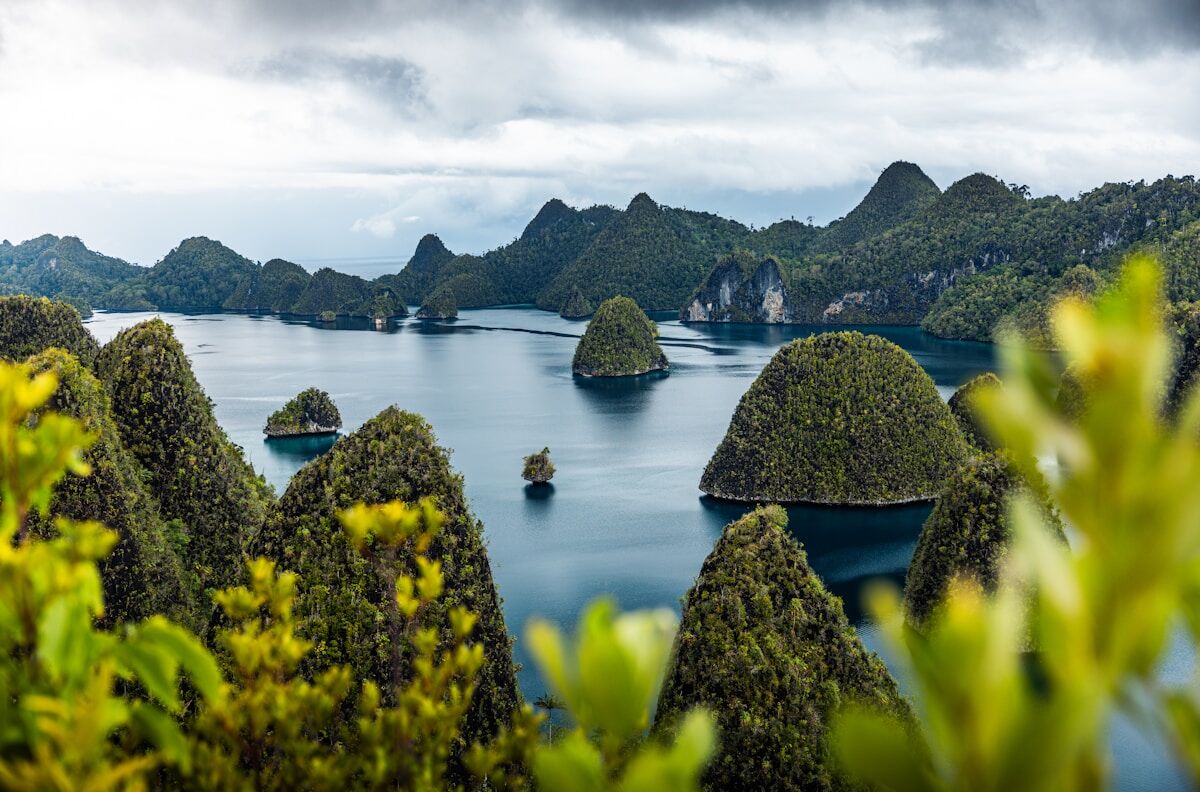
Trek to the summit of Wayag Island for the ultimate Raja Ampat panorama. The view of tiny rock islands rising from impossibly blue water has become the defining image of this archipelago.

Red Bird of Paradise

Red Bird of Paradise

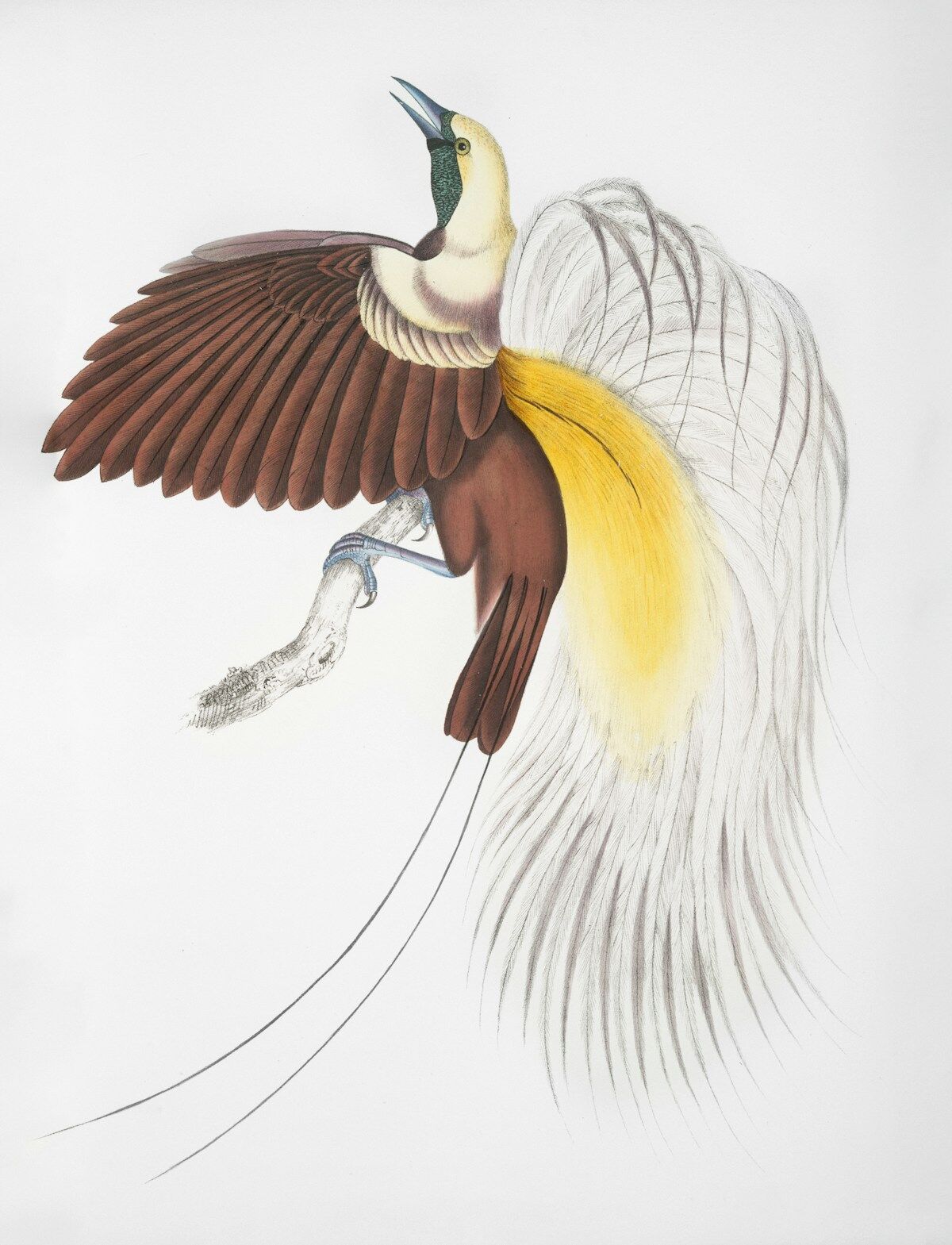
Wake before dawn to watch the spectacular courtship display of the red bird of paradise on Waigeo Island. These endemic birds perform elaborate dances in the forest canopy at first light.

Traditional Papuan Village Visit

Traditional Papuan Village Visit

Visit remote stilt villages built over the water and experience Papuan culture firsthand. Watch traditional sago processing, listen to local legends, and see hand-carved wooden art.

What a liveaboard in Raja Ampat costs

The calendar below shows how liveaboard prices shift month by month, so you can see exactly when your money goes furthest. We want every diver to get the best possible value, which is why we highlight the seasons that balance great conditions with the fairest rates.

Raja Ampat is a premium liveaboard destination, reflecting its remoteness and the logistical complexity of operating in the region. Prices vary significantly based on the season and the type of vessel, from traditional phinisi schooners to luxury yachts. The peak season from October to April, which offers the calmest seas, commands the highest rates, while the off-season from June to September may offer lower prices due to rougher conditions.

$166–$591

per day liveaboard

$60–$120

per 2-tank dive trip

$50–$300

hotel per night

Prices reflect typical costs for mid-range to premium options. Budget alternatives may be available.

Getting to Sorong: flights and transfers

Getting to your Raja Ampat liveaboard begins with a flight to Domine Eduard Osok Airport in Sorong (SOQ), the main gateway city, via domestic hubs like Jakarta (CGK) or Makassar (UPG). Most liveaboards depart directly from Sorong harbour, with transfers typically arranged by the operator. Most nationalities receive a 30-day visa on arrival, but a passport valid for at least six months and a pre-purchased Raja Ampat Marine Park permit are required for entry.

Insider tips

🍽️

Homestays on local islands start from $50/night including meals — a unique cultural experience.

🚢

Book liveaboards well in advance for early-bird discounts (up to 20% off).

💰

The marine park permit is valid for 1 year — plan multiple trips to maximize value.

✈️

Flights to Sorong via Makassar are cheaper than via Jakarta.

💰

Bring your own gear to avoid rental costs at remote locations.

Getting there

Domine Eduard Osok Airport

Sorong • SOQ

Gateway to Raja Ampat with flights from Jakarta (CGK) and Makassar (UPG) via Garuda, Lion Air, Sriwijaya

Entry requirements

Free 30-day visa on arrival for most nationalities. Passport must be valid for 6+ months. Raja Ampat Marine Park entry permit required (1,000,000 IDR for foreigners).

This information is provided without guarantee. Please visit the official website for the latest entry requirements.

Official Immigration Information →

Frequently asked questions about liveaboards in Raja Ampat

How much does a Raja Ampat liveaboard cost in 2026?
While boat prices vary, you should budget for significant extra costs for your 2026 trip. Plan to bring cash for mandatory park and conservation fees (around $200-300) and a standard crew tip, which is typically $250-450 per guest for the week.
When is the best time for a Raja Ampat liveaboard?
The main diving season is from October to April, when seas are calm and visibility is excellent. For the best chance of seeing large groups of manta rays, plan your trip between December and March. The shoulder months of October-November and April-May offer a great balance of good weather and fewer boats.
Do I need advanced certification for Raja Ampat liveaboards?
Raja Ampat is best suited for experienced divers due to its remote nature and current-swept passages. While specific certification requirements vary by boat, you should be comfortable with drift dives and have excellent buoyancy. A reef hook, dive computer, and surface marker buoy are essential pieces of personal gear.
Which port do Raja Ampat liveaboards depart from?
Nearly all Raja Ampat liveaboards use the port city of Sorong in West Papua as their departure and arrival point. You will typically fly into Sorong's airport (SOQ) to meet your vessel and begin your adventure into the archipelago.
What marine life can I see on a Raja Ampat liveaboard?
You'll be diving in the planet's most biodiverse marine ecosystem, home to 75% of all known coral species. Expect incredible soft coral walls in Misool, schooling fish, and regular encounters with manta rays at cleaning stations. Macro lovers will be thrilled with the chances to spot pygmy seahorses and elusive rhinopias.
What are the health and safety considerations for a Raja Ampat liveaboard?
Raja Ampat is a malaria-risk area, so you must consult a travel doctor about prophylaxis before you go. Because evacuation from remote sites can take 12-24 hours to the nearest chamber in Sorong, comprehensive dive insurance that includes hyperbaric coverage is non-negotiable.
What should I pack for a Raja Ampat liveaboard?
Water is warm (28-30°C), so a 3mm wetsuit is sufficient. Be sure to bring a reef hook for currents, and photographers will want both wide-angle and macro lenses. Most importantly, bring enough cash for tips and park fees, and a European two-pin (220V) adapter for charging your devices.

Raja Ampat compared with other liveaboard destinations

Honest, in-depth comparisons to help you decide between destinations, certifications, equipment and dive styles.

Indonesia vs Philippines Liveaboard: Where to Dive in the Coral Triangle?

Indonesia and the Philippines together form the heart of the Coral Triangle — the global epicenter of marine biodiversity. Both countries offer hundreds of islands, world-class macro photography, big-animal encounters and warm tropical water. Yet the two destinations attract slightly different divers: Indonesia is the bigger, more famous brand with iconic regions like Raja Ampat, Komodo and Lembeh. The Philippines is quieter, more affordable, and increasingly popular for thresher sharks, sardines and accessible muck diving. **Indonesia** has roughly 17,500 islands and the most diverse marine fauna on Earth. Its liveaboard fleet is the largest in Southeast Asia, with classic phinisi schooners and modern steel yachts plying routes through Komodo, Raja Ampat, Banda, Alor, Halmahera and the Forgotten Islands. Trip prices range widely — €1,500/week budget phinisis to €6,500/week luxury yachts. **Philippines** has 7,641 islands and a more compact dive scene. Liveaboards focus on Tubbataha (a UNESCO reef in the Sulu Sea), Visayas (Malapascua, Cebu, Bohol) and Coron (wreck diving). The Tubbataha season is short (March–June) which concentrates the best diving into a narrow window. Trip prices typically run 30–40% below comparable Indonesian routes. This guide compares biodiversity, dive style, cost, accessibility and which destination fits which type of diver.

Read comparison

Komodo vs Raja Ampat: Which Indonesian Liveaboard Should You Choose?

Komodo and Raja Ampat are the twin crowns of Indonesian liveaboard diving — both inside the Coral Triangle, both home to the highest marine biodiversity on Earth, and both increasingly featured on bucket lists. The choice between them used to be simple (Raja Ampat was harder to reach, Komodo was easier) but improved flight connections to Sorong have evened the playing field. Today the question is more about what kind of diving experience you want. **Komodo National Park** sits between Flores and Sumbawa in the Lesser Sunda Islands. Strong currents flush the channels between islands, fueling explosive growth of soft corals and massive schools of fish. Komodo divers move fast, often hooking in or drift-diving with manta rays at Karang Makassar, sharks at Castle Rock, and schooling barracuda at Crystal Bay. Topside, Komodo dragons stalk Rinca and Komodo islands — a unique combination no other dive destination offers. **Raja Ampat** lies further east, in West Papua, an archipelago of 1,500+ limestone islands rising from turquoise water. It holds the title of most biodiverse marine ecosystem on the planet: more than 1,500 fish species and 75% of the world's known coral species. Diving here is calmer overall (with notable exceptions like Cape Kri and Blue Magic), focused on macro life, immense schools of bait fish, walking sharks, wobbegongs, and reef tableaus that look painted. This guide breaks down marine life, cost, accessibility, dive difficulty and seasons so you can pick the right Indonesian liveaboard for your next trip.

Read comparison

Liveaboard vs Land-Based Diving: Which Trip Is Right for You?

Choosing between a liveaboard and a land-based dive trip is the most fundamental decision divers face when planning a serious diving holiday. The right answer depends on your priorities: maximum dive count and access to remote sites favor liveaboards; beach time, family flexibility and lower cost favor land-based resorts. Both formats have evolved significantly in the last decade, and the line between them has blurred — luxury dive resorts now offer multi-day expedition trips, while many liveaboards include topside excursions and even spa days. This guide compares the two formats across every meaningful dimension: cost per day, dives per day, marine life access, comfort, social dynamics, family-friendliness, and travel logistics. We'll also cover the hybrid models (resort + day-charter, or 'safari boat' itineraries) that try to capture the best of both worlds. If you're certified, in love with diving and want to maximize bottom time, a liveaboard is almost always the better choice — you can clock 25+ dives in a week and reach sites no day boat can. If you're traveling with non-divers, prefer land-based comfort, or want flexibility to take days off, a resort wins. We'll get into all the nuances below.

Read comparison
Plan your trip

Ready to dive?

Explore our expedition vessels and find your perfect trip to Raja Ampat

4.8246 Reviews