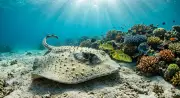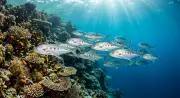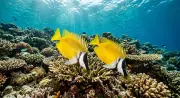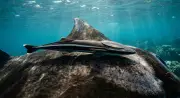

Fiji Liveaboard Diving
Divers Alert Network (DAN) logoFree dive insuranceincluded with every booking

Liveaboards in Fiji

from $547 / day

1 of 1 · Fiji liveaboard routes, seasons & prices

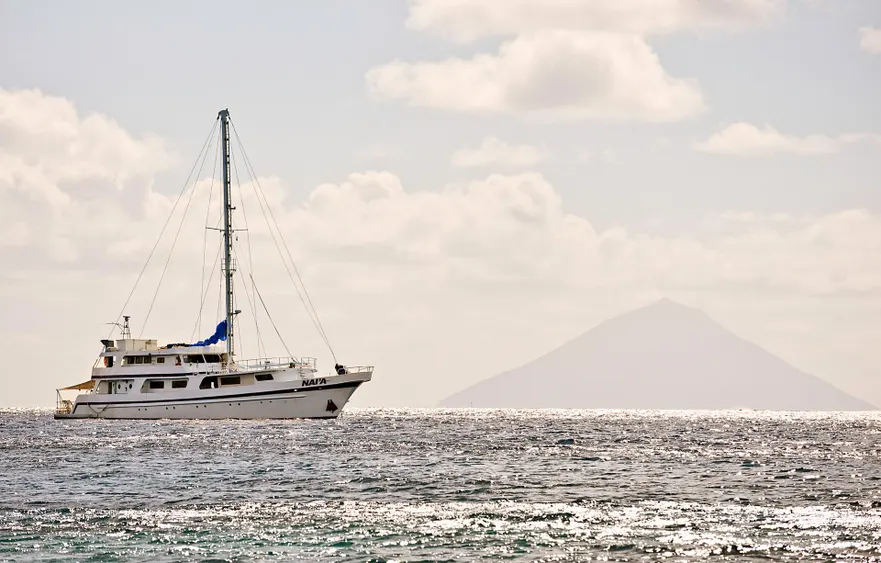
Nai'a

Discover Fiji's underwater wonders in comfort and style aboard the Nai'a.

  • Air-conditioned cabins
  • Private en-suite bathrooms
  • Ample storage space

4.8(272 reviews)

16 guestsfrom $547/day

Diving in the South Pacific: wrecks, walls and bull sharks

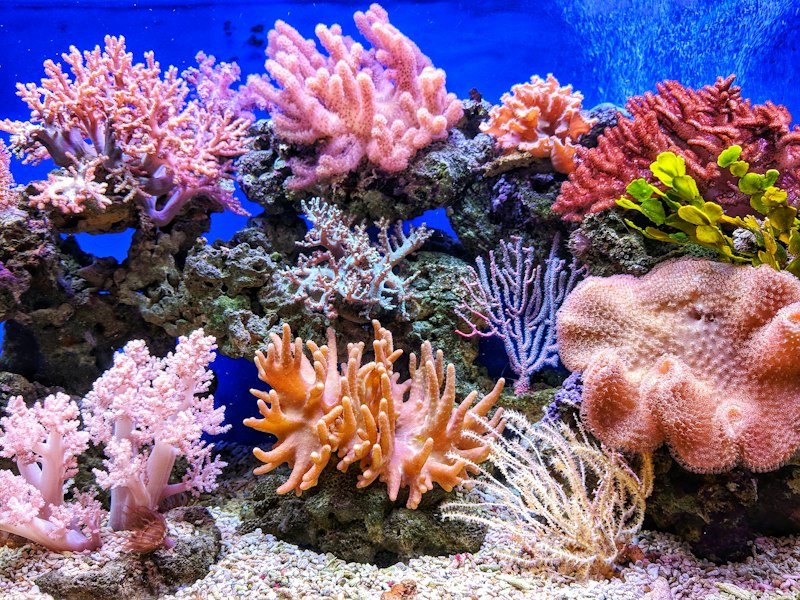
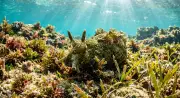
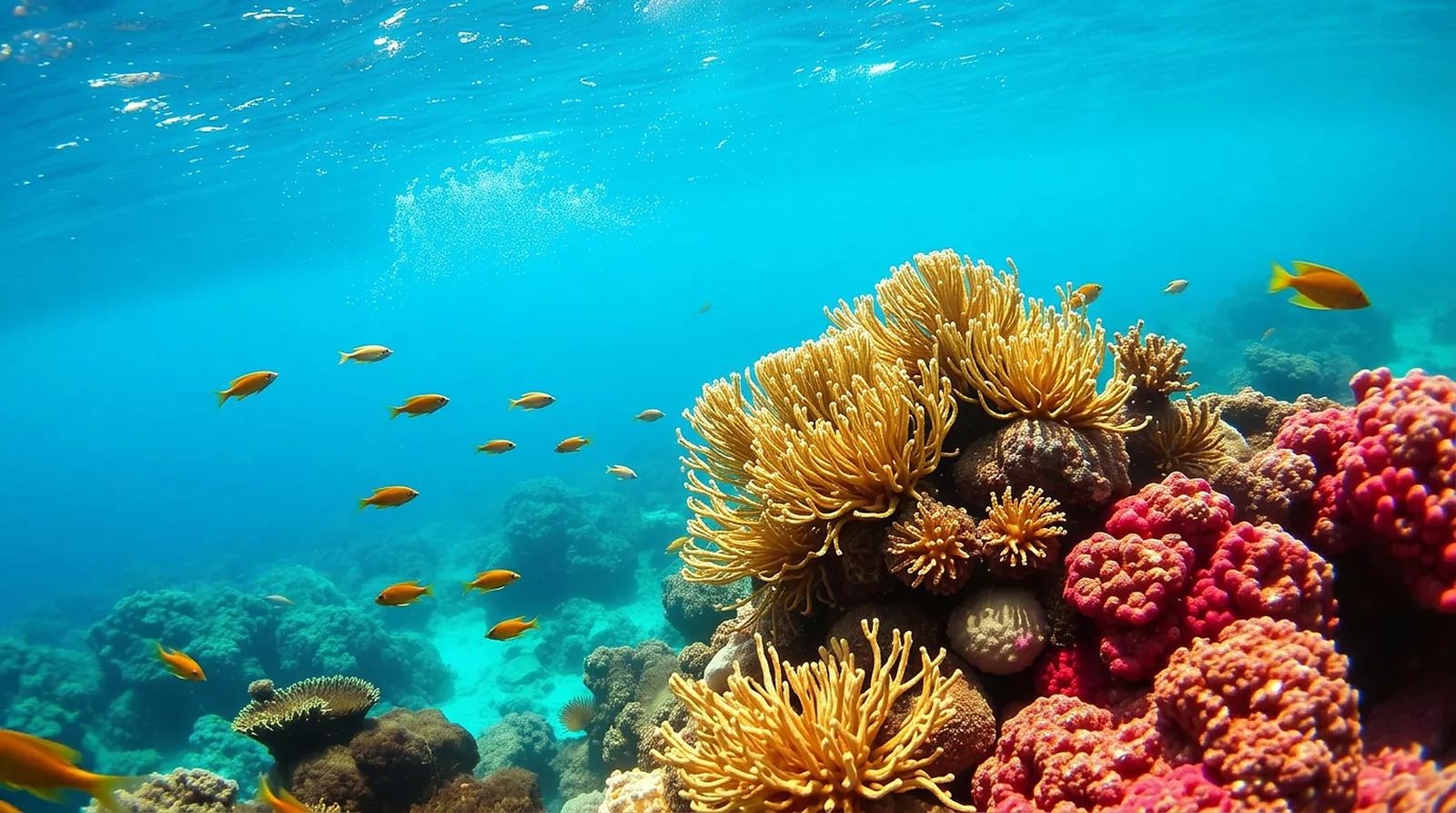
Scattered across 1.3 million square kilometers of the South Pacific, Fiji's 333 islands sit at the meeting point of warm tropical currents and cooler southern waters — a unique convergence that has earned the country its reputation as the Soft Coral Capital of the World. The combination of nutrient-rich upwellings, abundant sunlight, and protected lagoons creates conditions where soft corals reach extraordinary size and color intensity rarely seen elsewhere.

The Somosomo Strait, separating Vanua Levu from Taveuni, is home to the legendary Rainbow Reef and the Great White Wall — a sheer drop-off cloaked in white soft corals that bloom in unison when current sweeps along the wall. Divers describe descending past curtains of fluorescent yellow, magenta, and crimson dendronephthya corals as one of the most surreal experiences in tropical diving.

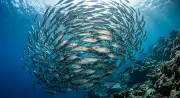
Bligh Water, the deep channel between Fiji's two main islands, is a current-swept wilderness of pinnacles and seamounts. Sites like E-6 and Mount Mutiny rise from 1,000 meters of blue water to within meters of the surface, attracting pelagic schools of barracuda, trevally, and the occasional bull or tiger shark. Visibility regularly exceeds 30 meters and the action runs from reef sharks to manta rays.

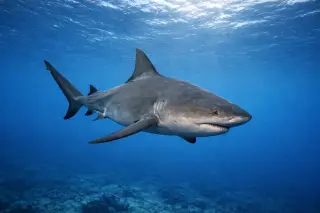
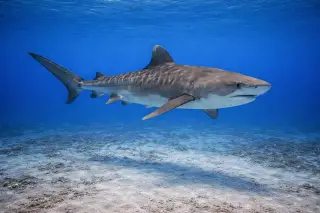
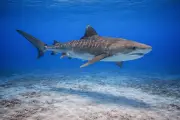
Beqa Lagoon, just south of Viti Levu, is famous for one of the most respected shark feeding programs in the world. Up to eight species — including bull sharks, lemon sharks, tawny nurse sharks, and the apex tiger shark — patrol the same arena, all without bait cages. The program funds local marine reserves and contributes to ongoing shark population research in the region.

The Lau Group and Northern Yasawas remain Fiji's last frontier. Reachable only by liveaboard, these remote chains offer untouched coral gardens, traditional Fijian villages, and reefs that see only a handful of divers each year. Hard coral coverage above 80 percent is common, and reef fish populations recall what the Pacific looked like decades ago.

Fijian culture is inseparable from the diving experience. Traditional sevusevu ceremonies welcome guests to village reefs, and the warmth of the locals — their famous "Bula!" greeting — is part of why so many divers return year after year. With water temperatures of 26–29°C, dry-season visibility above 30 meters, and seven distinct dive regions, Fiji offers something genuinely different on every itinerary.
Why dive a liveaboard in Fiji

From legendary wrecks and thriving reefs to close-up encounters with iconic marine life, this destination offers the experiences divers dream about. Warm, clear waters and well-organized liveaboard routes make it easy to explore the best sites. These are the highlights that keep divers coming back year after year.

Soft coral paradise

The world's densest and most colourful soft coral gardens

Shark encounters

Up to 8 shark species on a single Beqa Lagoon dive

Bula spirit

The warmest hospitality in the Pacific

Rainbow Reef

Legendary dive site in the Somosomo Strait

Who a liveaboard in the South Pacific suits — and who it doesn't

Fiji is the soft-coral capital: current-fed passes feed the colour, so the best sites are also the most demanding.

Beginners

Open Water, from about 20 dives, sheltered lagoons

Lagoon reefs in the Mamanuca and Yasawa groups are shallow, warm and gentle, with easy access from resorts.

Matching areas:Mamanuca IslandsYasawa Islands

Advanced divers

Advanced, current experience

The Somosomo Strait and Bligh Water passes run strong tidal current — Rainbow Reef and the Great White Wall are drift dives timed to the tide.

Matching areas:Somosomo StraitRainbow ReefBligh Water

Deep and technical

Deep, Nitrox; the Great White Wall profile

The Great White Wall is entered through a swim-through at around 25 metres and drops far beyond; Beqa Lagoon’s baited bull-shark dive sits near 30 metres.

Matching areas:Great White WallBeqa LagoonNigali Passage

Photo and video

Wide-angle: soft coral and sharks

Dense soft-coral cover on the Rainbow Reef, grey reef sharks at Nigali Passage, bull sharks at Beqa — current means shooting from a fixed position.

Matching areas:Rainbow ReefNigali PassageBeqa Lagoon

Best time to dive in Fiji

Fiji offers excellent year-round diving, but conditions change with the seasons. The dry season from April to October provides the best visibility, often exceeding 30 meters, and calmer seas, making it the peak liveaboard period. The wet season from November to March brings the warmest water and plankton-rich conditions that attract more pelagic species, with soft corals blooming vibrantly between rain showers.

👆 Click any month for detailed conditions
Excellent
Good
Off-Season

May–October

Dry season with best visibility up to 35m. Cooler water brings manta rays. Peak soft coral season.

April, November

Transition months with good conditions. Fewer tourists and competitive liveaboard rates.

December–March

Wet season with higher rainfall and reduced visibility. Warmer water. Cyclone season possible.

Underwater visibility

37m
(121ft)
24m
(77ft)
10m
(33ft)
Jan
Feb
Mar
Apr
May
Jun
Jul
Aug
Sep
Oct
Nov
Dec

Air & water temperature

33°C 28°C 23°C
29°
31°
29°
31°
29°
30°
28°
29°
27°
27°
26°
26°
25°
25°
25°
26°
26°
27°
27°
28°
28°
29°
29°
30°
Jan
Feb
Mar
Apr
May
Jun
Jul
Aug
Sep
Oct
Nov
Dec
Water
Air (Day)

Recommended wetsuit

3mm
3mm
3mm
3mm
3mm
5mm
5mm
5mm
5mm
3mm
3mm
3mm
Jan
Feb
Mar
Apr
May
Jun
Jul
Aug
Sep
Oct
Nov
Dec
3mm (warm)
5mm (moderate)
Wetsuit Guide

What you'll see diving in the South Pacific

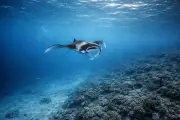
Fijian waters are famous for sharks and soft corals, with encounters virtually guaranteed. The Shark Reef Marine Reserve in Beqa Lagoon hosts up to eight species, including bull sharks and tiger sharks, on a single dive. From May to September, manta rays are a common sight at cleaning stations, while grey reef sharks, whitetips, and eagle rays patrol the nutrient-rich channels of Bligh Water and the Somosomo Strait year-round.

When to See What

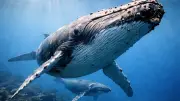
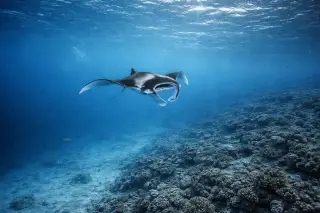
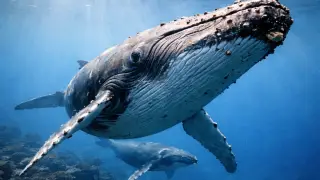
Use this calendar as a guide: the highlighted months show when your chances are usually best. Wildlife follows its own rhythm, so sightings are never guaranteed — but we hope this makes planning a little easier. The big animal encounters in Fiji follow a distinct seasonal pattern. The best time to see reef manta rays is during their peak season from May to September. Humpback whales also migrate through these waters, offering occasional sightings between July and October.

Species
Jan
Feb
Mar
Apr
May
Jun
Jul
Aug
Sep
Oct
Nov
Dec
Bull Shark
Bull Shark
Tiger Shark
Tiger Shark
Reef Manta Ray
Reef Manta Ray
Humpback Whale
Humpback Whale
Soft Coral
Soft Coral
Velvet Surgeonfish
Velvet Surgeonfish
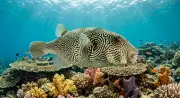
Map Puffer
Map Puffer
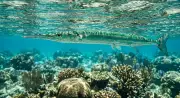
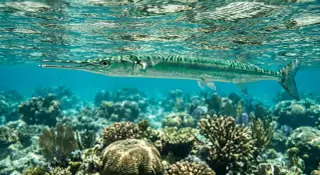
Needlefish
Needlefish
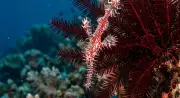
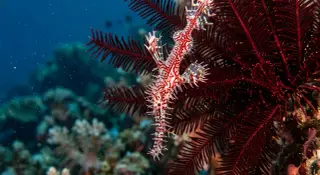
Ornate Ghost Pipefish
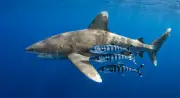
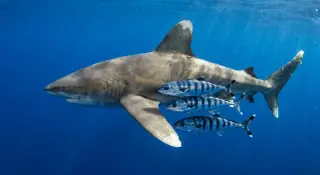
Pilotfish
Pilotfish
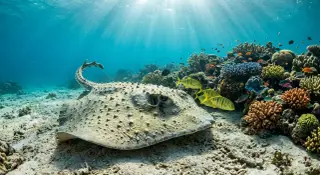
Porcupine Ray
Porcupine Ray
Queenfish
Queenfish
Rabbitfish
Rabbitfish
Remora
Remora
Scad
Scad
Peak Season
Present
Rare/Absent

Great White Wall and Rainbow Reef: the best dive sites in Fiji

A liveaboard is the only way to access Fiji’s most spectacular and remote sites. Boats can reach the famous pinnacles of Bligh Water, such as E-6, which rises from the deep ocean floor and acts as a magnet for pelagic life. Liveaboard expeditions also venture to the pristine and rarely dived reefs of the remote Lau Group, offering a glimpse of untouched coral gardens that are inaccessible from shore.

1

Jim's Alley

Beginner
Best: May–December-17.3928°, 115.6700°

Jim's Alley is a renowned soft coral garden located off Gau Island in Fiji's Koro Sea, forming part of a multi-stop diving itinerary in the region. This site lives up to Fiji's reputation as the 'Soft Coral Capital of the World,' showcasing an incredibly diverse ecosystem in relatively shallow waters. It is specifically characterized by three distinct bommies that act as anchors for an explosion of marine life. The topography features numerous hard and soft corals, sea fans, and whips, creating a lush underwater landscape. The site's shallow depth band allows for extended bottom times, perfect for observing the intricate details of the reef. Beyond the corals, the area is teeming with a vast array of reef fish species, making it a dynamic and colorful dive experience. A significant highlight of Jim's Alley is the frequent presence of a group of manta rays that regularly 'fly' through the channel close to the reef, offering incredible encounters. The site is also a paradise for macro enthusiasts, with abundant small creatures hiding among the corals and anemones. Visibility at Jim's Alley is typically excellent, especially during the cooler, drier months, enhancing the visual spectacle of its vibrant ecosystem. Diving here usually involves exploring the bommies and surrounding coral gardens, allowing divers to immerse themselves in the rich biodiversity. The dive profile is generally relaxed, suitable for various experience levels, and is often combined with other Koro Sea sites accessible via liveaboard.

Vibrant soft coral gardensThree coral bommiesFrequent manta ray sightingsDiverse reef fish speciesAbundant macro lifeSea fans and whipsExceptional underwater photographyShallow, colourful reef
2

Namalata Reef

ReefBeginner
Best: July–December, April–September-17.4658°, 115.5690°

Namalata Reefs are a collection of dive sites situated in the northern part of Kadavu Island, Fiji, specifically north of Vunisea. This region is part of the larger Kadavu archipelago, a destination celebrated for its untouched underwater environment and being off the main tourist paths. The reefs contribute to Kadavu's reputation for world-class scuba diving, offering a pristine example of the rich marine biodiversity found in Fiji. The topography of the Namalata reefs is not explicitly detailed, but generally, dive sites around Kadavu feature extensive barrier reefs and fringing reefs that often include caves, caverns, swim-throughs, and dramatic walls. Depths can vary, with areas accessible for recreational diving and others extending beyond 40 meters, hinting at diverse underwater landscapes. The waters surrounding Kadavu, including Namalata, are known for a healthy population of marine life. Divers can expect to encounter large pelagic species, schooling barracudas, and turtles. Manta rays are also commonly sighted in the general Kadavu area. The entire Fijian archipelago, often called the "Soft Coral Capital of the World," boasts an impressive array of 390 species of soft and hard corals, alongside 1,200 species of fish. While specific current and entry details for Namalata Reefs are not provided, diving in the area is typically accessible from local resorts. These sites are often best explored with a local guide who can ensure optimal timing for the best experience. The dive sites cater to a range of experience levels, from beginner to advanced, making it suitable for many divers.

Large pelagic speciesSchooling barracudasNumerous sea turtlesVibrant soft coralsAbundant reef fishManta ray encounters
3

Sam's Point

Advanced
827m / 2689ftBest: May–October-17.5398°, 115.5870°

Sam's Point is one of the celebrated patch reefs found within the Somosomo Strait, a narrow channel between Vanua Levu and Taveuni in Fiji. This region is world-renowned for its exceptional biodiversity and breathtaking soft coral diving, earning Fiji the title of the "soft coral capital of the world" by Jacques Cousteau. The Somosomo Strait's unique topography creates strong tidal currents that funnel nutrient-rich water across these reefs, fostering an unparalleled environment for coral growth and a thriving marine ecosystem. As a patch reef, Sam's Point is a submerged volcanic pinnacle, distinct from the strait's extensive fringing or barrier reefs. These isolated structures are dynamic habitats, constantly visited by pelagic species drawn to the abundance of food. The currents here are vital, bringing plankton and nutrients that fuel the entire food chain, resulting in a vibrant underwater spectacle. The site is characterized by an explosion of multi-colored soft corals that blanket its surfaces, creating scenes comparable to those found in dive magazines. Divers can anticipate encountering a wide variety of reef fish and invertebrates, all thriving in the nutrient-rich waters. The constant flow ensures healthy coral gardens and a lively environment. Diving Sam's Point typically involves navigating the currents, which are a defining feature of the Somosomo Strait. Dive operators schedule visits based on tidal conditions to optimize the experience, often allowing for drift dives. The site offers a chance to witness the intricate dance between current and marine life, making it a truly immersive and world-class Fijian dive.

Vibrant soft coral growthNutrient-rich Somosomo Strait currentsDiverse reef fish speciesIsolated volcanic patch reefExplosion of marine lifeDynamic pelagic visitors
4
540m / 16131ftBest: May–October, November–April-17.4938°, 115.6490°

Caesar's Rocks is a highly acclaimed dive site within Fiji's Beqa Lagoon, a region once dubbed "The Mecca of Pacific Diving." It is easily accessible from Viti Levu, the main island, making it a popular choice for divers seeking quality experiences without domestic flights to outer islands. The site is characterized by an impressive collection of bommies adorned with soft corals, showcasing a spectrum of pinks, reds, and oranges that captivate divers. The topography beneath the surface reveals a network of channels, caverns, and windows carved into these bommies. Every crevice and passage is bursting with vibrant coloration, providing a rich, immersive environment. Divers can explore a notable coral-lined tunnel situated around 15 meters deep, which is a prime location for capturing stunning underwater images. While Beqa Lagoon may not offer the sheer volume of reef fish found in other Fijian sites like Nigali or Namena, Caesar's Rocks presents a healthy variety of reef life. Expect to encounter numerous fish species, along with large gorgonian fans that provide shelter for smaller creatures. The area generally benefits from warm water temperatures averaging around 26°C and mild currents, making for comfortable diving. This site offers a visually spectacular dive experience, particularly for those who appreciate diverse coral structures and the chance to observe marine life in unique geological formations. The combination of colorful soft corals, intricate swim-throughs, and macro life ensures a memorable underwater adventure, suitable for divers keen on exploring Fiji's accessible yet vibrant reefs.

Vibrant soft coral bommiesChannels and cavernsCoral-lined tunnelGiant gorgonian fansAbundant reef fishUnique topographyExceptional photo opportunities

Bucket-list dives worth booking early

A diving trip to Fiji is defined by its iconic underwater encounters. Bucket-list experiences include descending into Beqa Lagoon’s Shark Reef Marine Reserve for close-up views of bull and tiger sharks. Another must-do is drifting along the Great White Wall in the Somosomo Strait, famous for its blanket of glowing white soft corals. Seeing majestic manta rays at cleaning stations between May and October completes the ultimate Fijian dive adventure.

Underwater view of the dive site Bull Shark Dive in Fiji
1
Year-round

Beqa Lagoon

Descend to Shark Reef Marine Reserve for guaranteed encounters with up to 8 species of sharks, including massive bull sharks fed by local dive operators.

Read more
Underwater view of the dive site Soft Coral Capital in Fiji
2
April – October

Taveuni

Drift through the Somosomo Strait, known as the soft coral capital of the world, where rainbow-colored soft corals blanket every surface in stunning profusion.

Read more
Underwater view of the dive site Manta Ray Season in Fiji
3
May – October

Yasawa Islands

Encounter majestic manta rays at cleaning stations and feeding areas throughout Fiji's nutrient-rich channels during the peak season.

Read more

Above water: climate, shore trips and extra costs

Between dives, Fiji offers a rich tapestry of cultural and natural topside activities. Many liveaboard itineraries include a visit to a traditional village, where you can participate in a welcoming kava ceremony. On land, you can hike to the beautiful Tavoro Waterfalls on Taveuni or witness the unique firewalking ceremony performed by the warriors of Beqa Island.

Traditional Kava Ceremony

Traditional Kava Ceremony

Participate in a sacred Fijian kava ceremony, a cornerstone of village culture. Share the earthy drink from a communal bowl as locals welcome you with songs and stories of island life.

Yasawa Islands Beach Day

Yasawa Islands Beach Day

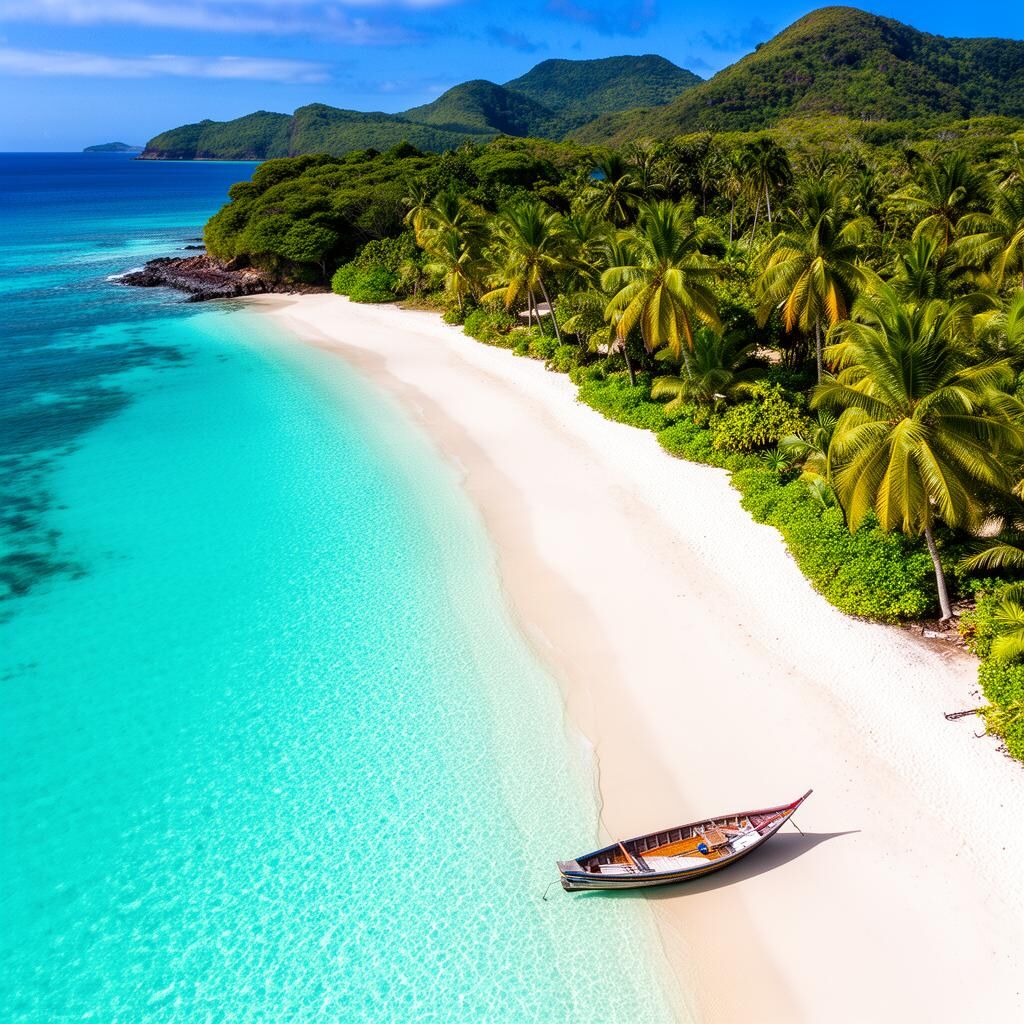
Relax on the pristine white-sand beaches of the remote Yasawa island chain. Crystal lagoons, swaying palms, and dramatic volcanic backdrops create a picture-perfect tropical paradise.

Navua River Rafting

Navua River Rafting

Raft through the lush Navua River Gorge on a bamboo bilibili raft. Towering canyon walls draped in tropical vegetation, hidden waterfalls, and traditional village visits make this a unique adventure.

Fijian Village Visit

Fijian Village Visit

Experience daily life in an authentic Fijian village. Learn about traditional crafts, meke dance performances, and the communal "lovo" earth oven feast cooked underground with hot stones.

What a liveaboard in Fiji costs

The calendar below shows how liveaboard prices shift month by month, so you can see exactly when your money goes furthest. We want every diver to get the best possible value, which is why we highlight the seasons that balance great conditions with the fairest rates.

As a remote Pacific destination, Fiji is a mid-range to premium liveaboard choice, with prices reflecting the quality of the diving and service. Costs are highest during the peak dry season from April to October when conditions are optimal. Longer, 10-night expedition trips to the far-flung Lau Group also command a premium due to the logistics and exclusivity of the itinerary.

$547–$547

per day liveaboard

$120–$250

per 2-tank dive trip

$60–$300

hotel per night

Prices reflect typical costs for mid-range to premium options. Budget alternatives may be available.

Getting to Nadi: flights and transfers

Getting to your Fiji liveaboard starts with an international flight into Nadi International Airport (NAN), with direct routes from Los Angeles, Sydney, Singapore, and Auckland. Most liveaboards depart from the nearby ports of Lautoka or Suva, and transfers are generally organized by the operator. A free 4-month visa is granted on arrival for most nationalities, making entry straightforward.

Insider tips

🤿

Visit during dry season shoulder months (May, Oct) – Excellent diving with lower prices than peak season

🏨

Choose outer island resorts over Denarau – Better diving access and more affordable packages

🍽️

Book liveaboard trips for remote reefs – All-inclusive pricing covers meals, dives and transfers

✈️

Travel midweek on Fiji Airways – Domestic flights to outer islands are cheaper on weekdays

🤿

Bring your own dive gear – Rental equipment adds up quickly, especially on remote islands

🤿

Look for multi-dive packages – Many operators offer significant discounts for 10+ dive bundles

Getting there

Nadi International Airport

NadiNAN

Main gateway with flights from Sydney, Auckland, Los Angeles, Singapore, Hong Kong

Entry requirements

Most nationalities receive a free 4-month visa on arrival. Valid passport with 6 months validity required.

This information is provided without guarantee. Please visit the official website for the latest entry requirements.

Official Immigration Information →

Frequently asked questions about liveaboards in Fiji

How much does a Fiji liveaboard cost in 2026?
Fiji liveaboard prices for 2026 vary based on the boat's comfort level and trip duration, but they offer great value by bundling accommodation, meals, and dives. A liveaboard is the best way to access remote reefs that day boats can't reach. Check specific boat itineraries for exact pricing and inclusions.
When is the best time of year for a Fiji liveaboard?
Diving in Fiji is excellent year-round, but the ideal season depends on your preference. Choose May to October for the dry season, which brings fantastic visibility (25-40m) and cooler water. For warmer seas, peak soft coral colour, and better chances of manta encounters, plan your trip between November and April.
What marine life can you see on a Fiji liveaboard?
Known as the Soft Coral Capital of the World, Fiji's remote sites like the Bligh Water and Somosomo Strait explode with colour. On a liveaboard, you can expect to see technicolour reefs, frequent shark action, and graceful manta rays. These pristine areas are inaccessible to day boats, promising a unique underwater experience.
Do I need to be an advanced diver for a Fiji liveaboard?
While not always mandatory, an advanced certification is highly recommended to get the most out of your Fiji liveaboard. Many of the best sites have strong currents where a reef hook is useful. Being comfortable with drift dives will allow you to safely enjoy the thrilling conditions and vibrant marine life.
Which port do Fiji liveaboards depart from?
Departure ports for Fiji liveaboards vary depending on the vessel and its specific itinerary, which is designed to reach the most remote dive regions. The exact port of departure and any included transfers will always be clearly stated in your booking confirmation from Blue Rides.
What should I pack for a Fiji liveaboard trip?
Pack a 3mm wetsuit for the warm season or a 5mm for the cooler winter months (May-Oct). A reef hook is essential for current dives, and a torch is great for swim-throughs. Also, remember a Type I (Australian style) power adapter and consider bringing a small kava gift (sevusevu) for any village visits.
Is the tap water safe to drink on a Fiji liveaboard?
For your safety, it's best to stick to the bottled or filtered water provided on board your liveaboard. While tap water may be safe in some resorts, the standard on vessels is to provide purified drinking water. Staying hydrated is key to a great dive trip!

Fiji compared with other liveaboard destinations

Honest, in-depth comparisons to help you decide between destinations, certifications, equipment and dive styles.

Liveaboard vs Land-Based Diving: Which Trip Is Right for You?

Choosing between a liveaboard and a land-based dive trip is the most fundamental decision divers face when planning a serious diving holiday. The right answer depends on your priorities: maximum dive count and access to remote sites favor liveaboards; beach time, family flexibility and lower cost favor land-based resorts. Both formats have evolved significantly in the last decade, and the line between them has blurred — luxury dive resorts now offer multi-day expedition trips, while many liveaboards include topside excursions and even spa days. This guide compares the two formats across every meaningful dimension: cost per day, dives per day, marine life access, comfort, social dynamics, family-friendliness, and travel logistics. We'll also cover the hybrid models (resort + day-charter, or 'safari boat' itineraries) that try to capture the best of both worlds. If you're certified, in love with diving and want to maximize bottom time, a liveaboard is almost always the better choice — you can clock 25+ dives in a week and reach sites no day boat can. If you're traveling with non-divers, prefer land-based comfort, or want flexibility to take days off, a resort wins. We'll get into all the nuances below.
Read comparison

Fiji vs. Solomon Islands: Which Liveaboard Adventure Awaits You?

When planning your next liveaboard dive trip in the South Pacific, Fiji and the Solomon Islands often emerge as top contenders. Both destinations promise spectacular underwater encounters, vibrant coral reefs, and unique cultural experiences, yet they offer distinct flavors of adventure. Fiji, often dubbed the 'Soft Coral Capital of the World,' is renowned for its kaleidoscopic reefs, teeming with colorful fish and larger pelagics. It's a well-established dive tourism hub, offering a range of liveaboard options catering to various budgets and experience levels. Its ease of access and diverse dive sites make it a perennial favorite. The Solomon Islands, in contrast, offer a more rugged and off-the-beaten-path experience. Famed for its pristine coral reefs, abundant WWII wrecks, and rich biodiversity, it appeals to divers seeking adventure, history, and a touch of the unexplored. While less developed for tourism, its raw beauty and historical significance provide an unparalleled dive journey.

Read comparison

Australia vs Fiji Liveaboard: Your Ultimate Dive Destination Showdown

Choosing your next liveaboard destination can be a thrilling yet challenging decision, especially when comparing two world-renowned dive powerhouses like Australia and Fiji. Both offer unparalleled underwater experiences, from vibrant coral reefs to encounters with iconic megafauna, but they cater to slightly different preferences and budgets. Australia, home to the immense Great Barrier Reef and the remote Coral Sea, promises grand-scale biodiversity, dramatic drop-offs, and encounters with large pelagics. Its liveaboard offerings often focus on extended expeditions to pristine, offshore sites, appealing to divers seeking adventure and vast, untouched ecosystems. Fiji, the 'Soft Coral Capital of the World,' presents a different kind of allure with its kaleidoscopic reefs, abundant reef sharks, and warm, inviting waters. Its liveaboards often navigate through archipelagos, offering a blend of exhilarating drift dives and serene reef exploration, perfect for those who appreciate vibrant colors and a more intimate island-hopping experience.

Read comparison
Plan your trip

Ready to dive?

Explore our expedition vessels and find your perfect trip to Fiji