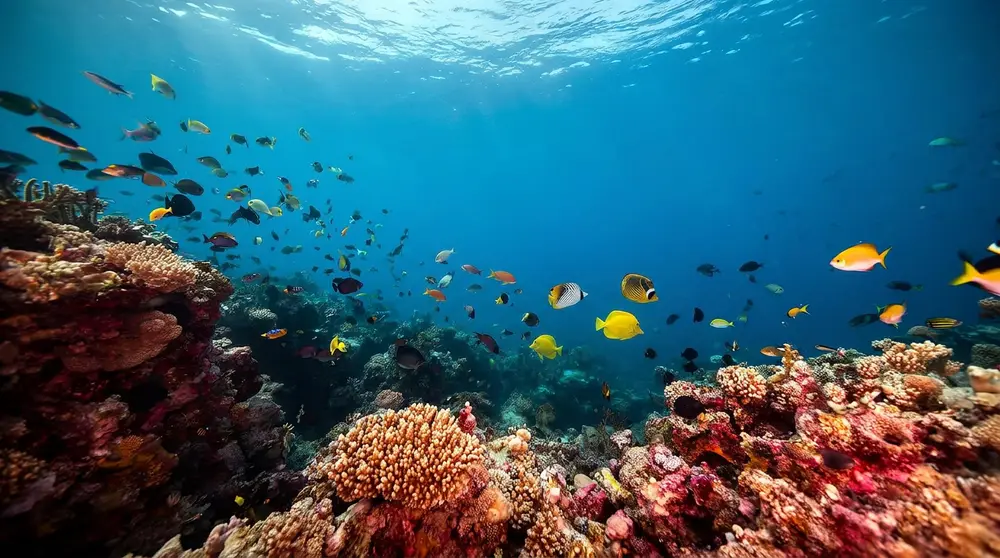
Anglerfish in its natural habitat — diving encounters and best destinations

Anglerfish

Unknown
5-20 years (species dependent)
Not Evaluated

Want to dive with this animal?

Only destinations where this animal occurs.

The Anglerfish at a glance

Anglerfishes, belonging to the diverse order Lophiiformes, are among the most morphologically bizarre and evolutionarily specialised predators in the world's oceans. While the group encompasses over 300 distinct species—ranging from shallow-water frogfishes (family Antennariidae) to deep-sea ceratioids—they are universally recognised by their globose, laterally compressed or flattened bodies, expansive mouths lined with inward-curving teeth, and modified dorsal fins. The foremost dorsal spine, termed the illicium, functions as an articulated rod tipped with the esca, a fleshy or bioluminescent lure designed to mimic worms, crustaceans, or small fish. Their scale-less skin is often textured with dermal spinules, warty tubercles, or cutaneous filaments that perfectly imitate surrounding substrates, including sponges, algae, and encrusted coral rock. Many shallow-water species exhibit remarkable colour polymorphism, shifting between bright yellows, mottled reds, cryptic browns, and deep blacks to match their immediate environment.

Behaviour & reproduction

Size
Unknown
Weight
Up to 40 kg (species dependent)
Lifespan
5-20 years (species dependent)
Status
Not Evaluated

Ecologically, anglerfishes occupy diverse marine zones, spanning warm tropical coral reefs, temperate coastal shallows, and abyssal oceanic depths plunging beyond 3,000 metres. Shallow benthic species, such as frogfishes, have evolved highly modified, limb-like pectoral and pelvic fins, allowing them to crawl, push, or anchor themselves onto dynamic reef surfaces rather than swim. In the pelagic bathypelagic zone, deep-sea anglerfishes drift passively through the water column, relying on photophores harbouring symbiotic bioluminescent bacteria to illuminate the pitch-black abyss. Reproduction across the order displays extreme specialisations: shallow species often produce large, gelatinous, buoyant egg rafts that drift in open water, whereas several deep-sea families exhibit extreme sexual parasitism, wherein dwarfed males bite into females, fusing their circulatory systems permanently to fertilise eggs.
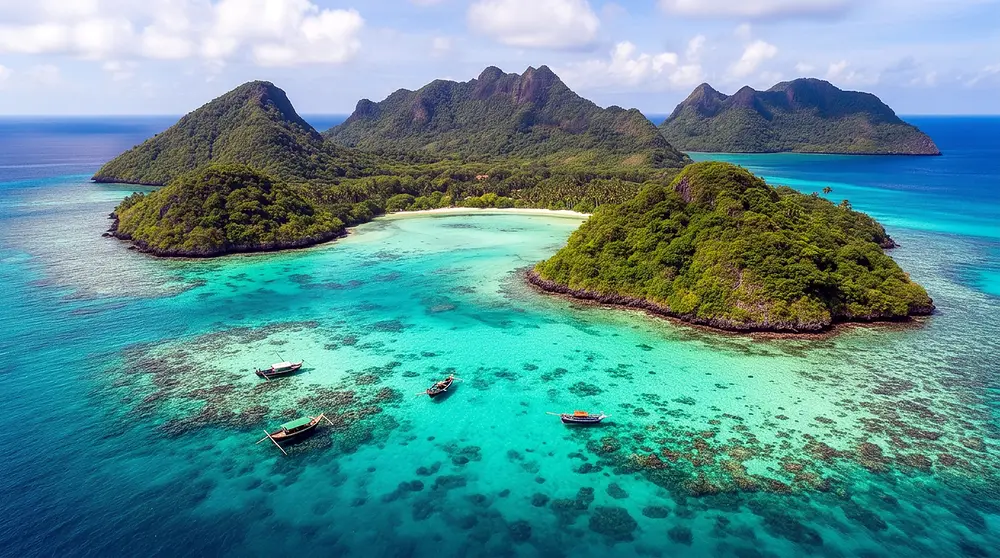

Where to dive with the Anglerfish: 29 top spots

Diving Tips

Finding and photographing benthic anglerfishes requires impeccable buoyancy control and a methodical, slow approach. Because these animals rely on camouflage rather than flight to avoid detection, they often remain motionless when approached; however, careless fin kicks can disturb the delicate silty or sandy substrates they often inhabit, ruining visibility. Divers should maintain a respectful distance, avoiding any temptation to touch or manipulate the fish, as their skin is delicate and easily stressed. For underwater photographers, a dedicated macro lens (60mm to 105mm on full-frame systems) combined with dual strobes mounted on long arms is ideal for capturing their cryptic textures and intricate lures without casting harsh shadows. Use manual flash settings to carefully balance ambient light against the subject, and take time to focus meticulously on the eyes or the esca. Avoid prolonged strobing, as repeated bright flashes can disorient the fish. A fine-tipped snoot can produce dramatic portraits that isolate the anglerfish from busy sponge or reef backgrounds.

Fun facts about the Anglerfish

  • The strike of a shallow-water frogfish takes just six milliseconds, making it one of the fastest feeding movements in the animal kingdom.
  • Some deep-sea anglerfish males permanently fuse their bodies and circulatory systems to the female in an extreme form of sexual parasitism.
  • Benthic anglerfishes walk along the seabed using modified pectoral and pelvic fins that articulate much like terrestrial limbs.
  • The illicium and esca are modified dorsal fin spines repurposed by evolution into an active fishing rod and lure.

Best time to see the Anglerfish

The premier destinations for recreational encounters with shallow-water frogfishes span the Indo-Pacific. In Indonesia, the sheltered muck sites of the Lembeh Strait and the vibrant coral reefs of Raja Ampat offer world-class sightings throughout the year, with optimal conditions between September and December and March to May. The coastal macro meccas of Dumaguete and the reefs of Anilao in the Philippines yield exceptional results, especially during the dry season from November to May. In Australia, temperate species like the smooth anglerfish are frequently observed under jetties in South Australia and Victoria from December to April, when water temperatures are comfortable. In the Western Atlantic and Caribbean, including Bonaire and the Bahamas, encounters with longlure and striated frogfish remain consistent across the calendar, with the calmest seas typically occurring from May to September.

Where the Anglerfish lives

Anglerfishes inhabit an extraordinary breadth of marine environments across the globe, spanning the Atlantic, Pacific, and Indian Oceans. Shallow-water representatives, particularly the frogfishes (Antennariidae), are benthic specialists found in coastal zones from the intertidal fringe down to roughly 100 metres. They frequent coral reefs, sponge gardens, rocky headlands, macro-algal beds, and rich muck-diving habitats characterised by silty volcanic sand, rubble, and artificial structures like jetty pilings and wrecks. In contrast, deep-sea ceratioid anglerfishes occupy the bathypelagic and abyssopelagic zones, living in mid-water or on abyssal plains at depths ranging from 300 to over 4,000 metres. The waters this animal calls home encompass the coral-rich shallows of the Indo-Pacific Coral Triangle, the Caribbean Sea, and the vast, sunless depths of the open world ocean.

What the Anglerfish eats

Anglerfishes are dedicated, highly specialised ambush predators whose diet consists primarily of small teleost fish, crustaceans such as crabs and decorative reef shrimp, and occasional cephalopods. Shallow-water frogfishes rely entirely on aggressive mimicry; when potential prey approaches, the fish twitches its esca to replicate the frantic movements of a viable food item. The strike is triggered when prey draws within striking distance, typically less than a body length away. By rapidly expanding its buccal cavity, the anglerfish creates a powerful vacuum that sucks the prey inside in as little as six milliseconds—one of the fastest biomechanical feeding actions known. Because of their distensible stomachs and flexible skeletal architecture, anglerfishes are capable of swallowing victims up to twice their own body size. In the bathypelagic realm, where food is exceptionally scarce, deep-sea anglerfishes feed opportunistically at all hours, capitalising on any organism attracted to their bioluminescent photophores.

Anglerfish: frequently asked questions

When is the best time to see Anglerfish?
The premier destinations for recreational encounters with shallow-water frogfishes span the Indo-Pacific. In Indonesia, the sheltered muck sites of the Lembeh Strait and the vibrant coral reefs of Raja Ampat offer world-class sightings throughout the year, with optimal conditions between September and December and March to May. The coastal macro meccas of Dumaguete and the reefs of Anilao in the Philippines yield exceptional results, especially during the dry season from November to May. In Australia, temperate species like the smooth anglerfish are frequently observed under jetties in South Australia and Victoria from December to April, when water temperatures are comfortable. In the Western Atlantic and Caribbean, including Bonaire and the Bahamas, encounters with longlure and striated frogfish remain consistent across the calendar, with the calmest seas typically occurring from May to September.
How big does Anglerfish get?
Anglerfish: Unknown
Is Anglerfish dangerous for divers?
Finding and photographing benthic anglerfishes requires impeccable buoyancy control and a methodical, slow approach. Because these animals rely on camouflage rather than flight to avoid detection, they often remain motionless when approached; however, careless fin kicks can disturb the delicate silty or sandy substrates they often inhabit, ruining visibility. Divers should maintain a respectful distance, avoiding any temptation to touch or manipulate the fish, as their skin is delicate and easily stressed. For underwater photographers, a dedicated macro lens (60mm to 105mm on full-frame systems) combined with dual strobes mounted on long arms is ideal for capturing their cryptic textures and intricate lures without casting harsh shadows. Use manual flash settings to carefully balance ambient light against the subject, and take time to focus meticulously on the eyes or the esca. Avoid prolonged strobing, as repeated bright flashes can disorient the fish. A fine-tipped snoot can produce dramatic portraits that isolate the anglerfish from busy sponge or reef backgrounds.
What is the conservation status of Anglerfish?
Anglerfish: Not Evaluated
Plan your trip

Ready to dive with these animals?

Choose a destination or search every available vessel to find the liveaboard that matches the marine life you want to see.