About El Jaruco Wreck
The El Jaruco wreck is a purposely scuttled ship located off the coast near Playa Larga, within the Bay of Pigs region of Cuba. This accessible dive site offers a unique opportunity for divers to explore an artificial reef that has become home to a variety of marine species. Its placement serves to enrich the underwater landscape and provide an engaging environment for exploration, making it a prominent feature for divers visiting the area. The wreck is part of the Bay of Pigs' diverse underwater offerings, which include wall dives and cenotes. While not as historically significant as some older wrecks, its deliberate sinking has created a thriving habitat. The structure is well-preserved, allowing divers to navigate through its various sections and observe the progression of marine growth and colonization. Marine life around El Jaruco includes numerous reef fish, with the possibility of larger pelagic species attracted to the structure. The consistent warm waters and good visibility typical of the Bay of Pigs enhance the diving experience. The site is generally suitable for divers with some experience, offering an intriguing blend of wreck penetration and reef observation. Typically, dives here are conducted from the shore or via short boat trips, making it an accessible option for those based in the Playa Larga or Girón areas. It often features as part of a wider itinerary exploring the natural and artificial dive attractions of the Bay of Pigs.
Highlights
Purpose-sunk wreck explorationArtificial reef habitatDeep dive opportunityBay of Pigs accessibilityVaried marine lifeShore-based diving access
Season calendar
Best months to dive here
Jan
Feb
Mar
Apr
May
Jun
Jul
Aug
Sep
Oct
Nov
Dec
Excellent
Good
Dive site facts: El Jaruco Wreck
- Depth
- 15-30m
- Current
- Mild
- Visibility
- 20-30m
- Water temperature
- 25-29°C
- Entry
- Shore / Boat
- Level
- Intermediate
- Dive type
- Wreck, Artificial Reef
- Region / port
- Playa Larga, Bay of Pigs
- Coordinates
- 22.075, -81.065
Conditions & Currents
Currents at the El Jaruco wreck are generally mild, making for a comfortable diving experience suitable for various skill levels. However, as with any open water site, conditions can occasionally vary, particularly with tidal shifts or weather changes. Visibility is often excellent, frequently extending up to 30 meters, which greatly enhances the wreck diving experience by allowing clear views of the structure and its inhabitants. The water temperature remains consistently warm, typically between 25°C and 29°C, eliminating the need for thick exposure suits. Entry to the site is usually straightforward, either directly from the shore or a short boat ride, contributing to its accessibility and ease of diving. Divers should still plan their gas consumption thoughtfully, especially if exploring deeper sections of the wreck, to ensure adequate reserves for the ascent and safety stop.
Marine life & sighting chances

Barracuda
occasional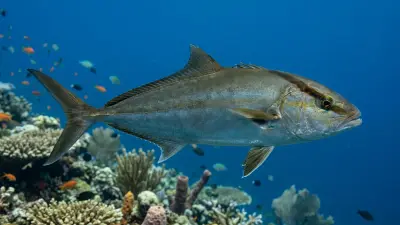
Jacks
common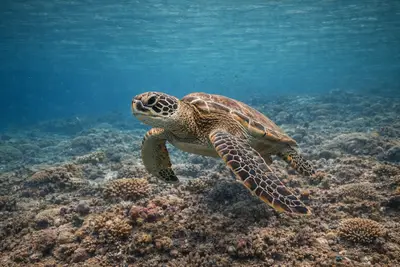
Turtles
occasional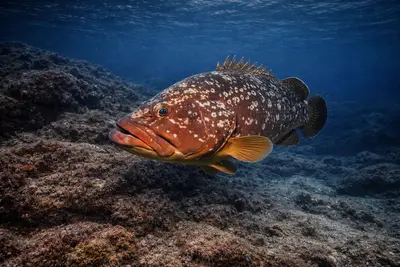
Groupers
occasional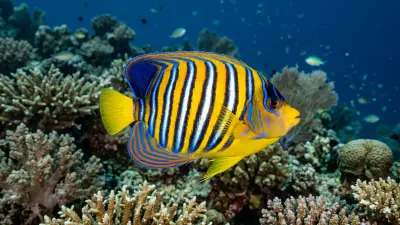
Angelfish
common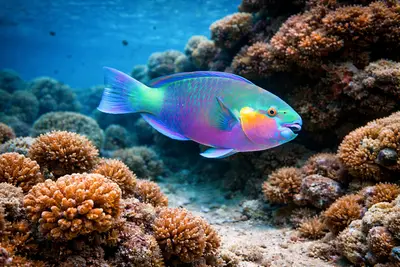
Parrotfish
common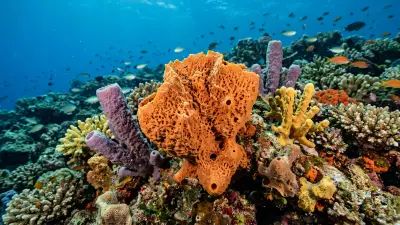
Sponges
common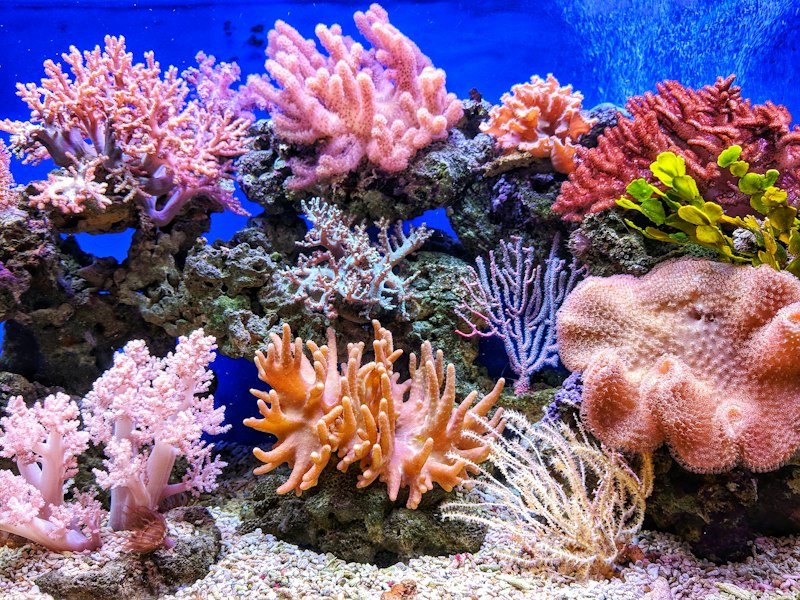
Soft Corals
commonDive profile & how the dive runs
Diving the El Jaruco wreck typically begins with a descent along a mooring line or directly over the wreck, depending on the boat's positioning. Upon reaching the wreck, which rests on the seabed at depths extending around 15 to 30 meters, divers can explore its exterior, observing the marine growth and fish life that have colonized the structure. The main route usually involves circling the wreck to appreciate its full scale and identify entry points for optional penetration. Interior exploration focuses on larger, safer compartments, requiring good buoyancy control and navigation skills to avoid stirring up silt. The dive proceeds with a gradual ascent, allowing for deeper sections first before returning to shallower parts of the wreck or nearby reef for extended bottom time. The turn point is determined by air consumption and no-decompression limits, with the safety stop usually conducted at 5 meters for at least three minutes, either on the ascent line or a suitable reef section.
Underwater photography
The El Jaruco wreck offers excellent opportunities for wide-angle photography, capturing the entire structure and its interaction with the surrounding marine environment. A wide-angle lens is ideal for showcasing the scale of the wreck, while strobes are essential to bring out the vibrant colors of the corals and sponges that have colonized it, especially at deeper sections. For closer shots of marine life sheltering within or around the wreck, a macro lens can be effective, though the primary focus remains the wreck itself. Given the generally good visibility, natural light can be effectively used for ambient shots in shallower areas. Divers should practice excellent buoyancy control to avoid disturbing silt, which can quickly ruin visibility for both photographers and fellow divers.
Combine with nearby dive sites
Getting there & logistics
Access to the El Jaruco wreck is typically arranged through dive centers located in Playa Larga or Girón, often as part of day trips from hotels or resorts in the Bay of Pigs area. Divers usually fly into José Martí International Airport (HAV) in Havana, followed by a two to three-hour drive to the Bay of Pigs. Accommodation options in Playa Larga and Girón range from guesthouses to small hotels, catering to independent travelers and those on a budget. Dive packages often include transfers, equipment rental, and guided dives. No specific national park fees are generally associated with diving the El Jaruco, but dive operators will include their service charges. Trips are flexible, allowing divers to combine the wreck with other local sites like wall dives and cenotes, making it suitable for shorter stays or as part of a longer road trip through Cuba.
Safety & environment
Diving at El Jaruco, while generally straightforward, requires adherence to standard safety protocols. The nearest recompression chamber is located in Havana, highlighting the importance of cautious diving and dive plan adherence. Evacuation from the Bay of Pigs region to Havana, while possible, involves significant travel time, emphasizing self-sufficiency and conservative dive planning. Comprehensive dive insurance, including coverage for medical emergencies and evacuation, is highly recommended. Site-specific hazards include potential entanglement in wreck debris, especially during penetration, and the need for excellent buoyancy control to prevent silting out the environment. Always dive with a certified guide, ensure your equipment is in good working order, and stay within your training limits to ensure a safe and enjoyable experience at El Jaruco.
Who it suits — and who it doesn't
Suited for
- Wreck enthusiasts
- Intermediate to advanced divers
- Underwater photographers
- Divers seeking shore-accessible sites
- Those interested in artificial reefs
Less suited for
- Absolute beginners
- Divers uncomfortable with confined spaces
- Those without proper wreck diving training for penetration
- Divers expecting pristine natural reefs only
FAQ
El Jaruco Wreck FAQ
What kind of wreck is El Jaruco?
El Jaruco is a purpose-sunk wreck, meaning it was intentionally scuttled to create an artificial reef and dive attraction. This makes it an ideal site for exploration, as it has been positioned to enhance the local marine environment and provide an interesting structure for divers to navigate.
What is the typical depth of a dive at El Jaruco?
Dives at the El Jaruco wreck typically range from 15 to 30 meters. This depth profile makes it accessible for intermediate divers and offers opportunities for extended bottom times while still reaching significant parts of the wreck structure.
Is El Jaruco suitable for beginner divers?
While the exterior of the El Jaruco wreck might be explored by confident open water divers, it is generally recommended for intermediate to advanced divers. This is particularly true if you wish to explore deeper sections or attempt any wreck penetration, which requires specific training and experience due to potential hazards like entanglement or silt-out.
What marine life can I expect to see around the wreck?
The El Jaruco wreck, acting as an artificial reef, attracts a variety of marine life. You can expect to encounter numerous reef fish such as angelfish, parrotfish, jacks, and barracuda. Occasionally, larger groupers or turtles might also be spotted patrolling the wreck structure.
How do I get to the El Jaruco dive site?
The El Jaruco dive site is located near Playa Larga in Cuba's Bay of Pigs. Access is typically arranged through local dive centers in Playa Larga or Girón, often involving a short boat ride or even shore entry, depending on the operator and conditions.
What are the water conditions like at El Jaruco?
Water conditions at El Jaruco are generally favorable, with mild currents and excellent visibility often reaching 20-30 meters. Water temperatures are warm, typically between 25-29°C, making for comfortable diving year-round, especially during the dry season from December to April.
Why dive El Jaruco Wreck from a liveaboard?
El Jaruco Wreck is one of Cuba's signature dive sites. A liveaboard sleeps you on the water and puts you in the water for three to four guided dives per day, including dawn and night dives that day-boat operators rarely offer. You skip the daily commute back to port and reach quieter, less-crowded sites in the same region on a single trip.
Below are the liveaboards that include El Jaruco Wreck on their Cuba itineraries.
Liveaboards diving El Jaruco Wreck
These liveaboards may visit El Jaruco Wreck on selected itineraries — the exact dive sites depend on departure, weather and conditions.
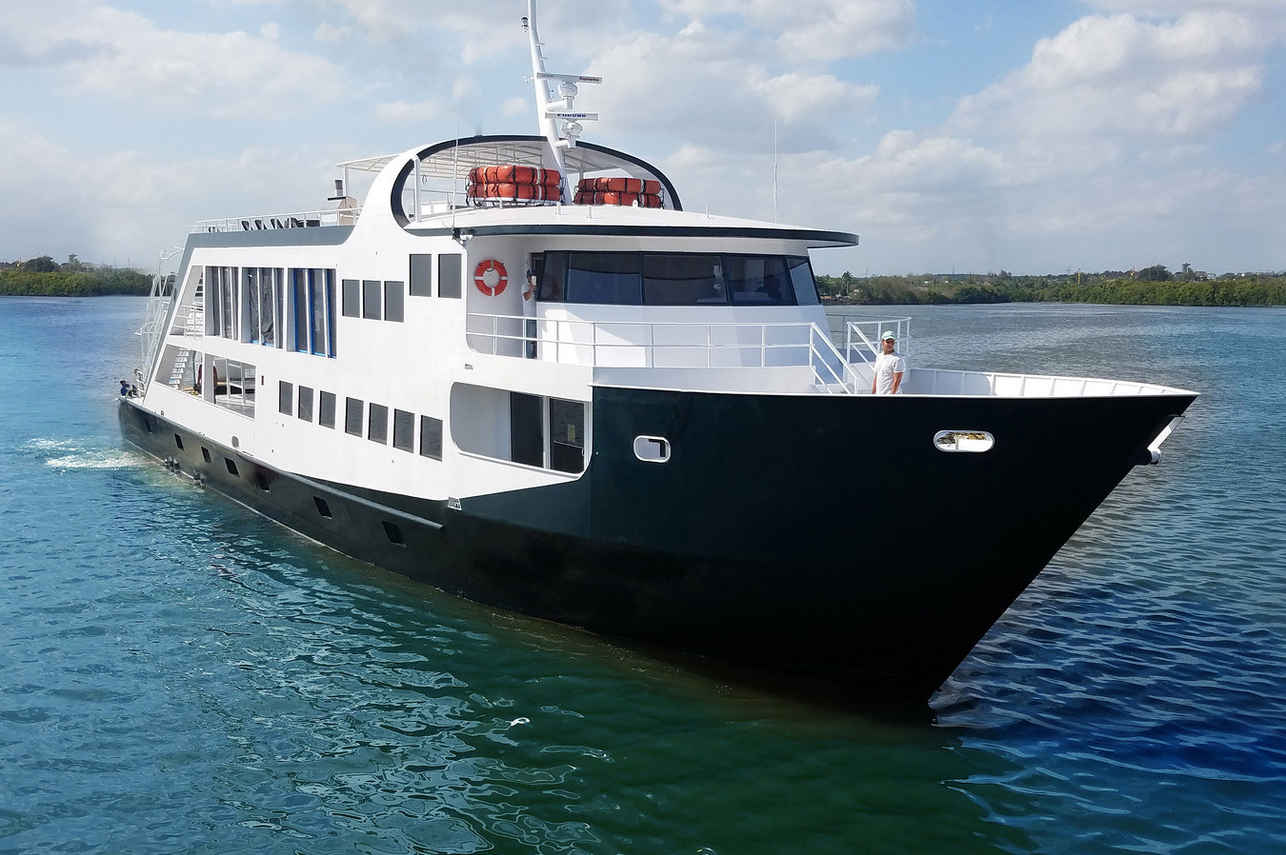
Jardines Avalon Fleet
Cuba
20 guests35.05 m
$494/day
Dive sites similar to El Jaruco Wreck
Same character, same waters — six more sites divers love for the exact same reasons.Compare seasons, access and liveaboard routes — then pick the site that fits your trip best.
El Almirante
Cuba
El Almirante is an advanced dive site located off the shores of Maria la Gorda, on Cuba's Guanahacabibes Peninsula.
- Suitable for
- Advanced
- Current
- Moderate
- Access
- Dayboat
- Depth
- 27–30 m
- Theme
- Wall / Reef
La Patana
Cuba
La Patana is a prominent dive site within the protected marine park of Jardines de la Reina, a vast archipelago stretching 150 kilometers off Cuba's southern coast.
- Suitable for
- Intermediate
- Current
- Mild
- Access
- Liveaboard only
- Depth
- 15–30 m
- Theme
- Reef / Wall
La Corona
Cuba
La Corona is a captivating dive site situated within the expansive 35-kilometer barrier reef off Playa Santa Lucía in Cuba's Camagüey province.
- Suitable for
- Beginner
- Current
- Mild
- Access
- Dayboat
- Depth
- 5–40 m
- Theme
- Reef / Wall
Montana Rusa
Cuba
Montana Rusa is a prominent dive site within Cuba's Jardines de la Reina marine park, an expansive protected area named by Christopher Columbus.
- Suitable for
- Intermediate
- Current
- Mild
- Access
- Liveaboard only
- Depth
- 16–42 m
- Theme
- Reef / Wall
Sueño de Pescador, meaning 'Fisherman's Dream', is an advanced dive site situated within Coiba National Park in Panama.
- Suitable for
- Advanced
- Current
- Strong
- Access
- Liveaboard only
- Depth
- ≤ 42 m
- Theme
- Reef / Wall
Yemayá
Cuba
Yemayá is a prominent dive site located in the María La Gorda region of Cuba, renowned for its exceptional wall diving experiences.
- Suitable for
- Advanced
- Current
- Strong
- Access
- Dayboat
- Depth
- 12–30 m
- Theme
- Wall / Reef