About Punta Perdiz
Punta Perdiz is a classic shore diving location situated in Cuba's Bay of Pigs, known for its clear Caribbean waters and direct beach access. This site offers a unique reef-to-wall profile, making it suitable for a range of diving preferences from relaxed sightseeing to more in-depth exploration. It stands out in the region for its easy entry and well-developed facilities. The underwater topography begins with shallow reef sections, ideal for newer divers and snorkelers, before dramatically dropping off into a deep wall. This wall descends to considerable depths, providing a more challenging and rewarding experience for advanced divers. The site features extensive hard coral formations, vibrant sea fans, and large sponges that create a rich habitat. Marine life at Punta Perdiz is diverse and abundant, with dense populations of tropical fish like parrotfish, angelfish, blue tangs, and creole wrasses. Divers frequently encounter nurse sharks, sea turtles, moray eels, lobsters, and eagle rays, with occasional sightings of tarpon and seahorses. While marine life is present year-round, conditions are most favorable from December to April. Diving here typically involves a shore entry into warm, clear waters. Currents are generally mild, but some sources indicate they can be strong, particularly at deeper sections of the wall. Facilities are excellent, and the site can be quite busy due to its popularity. It accommodates multiple dives per day, with equipment rental readily available.
Highlights
Reef-to-wall dive profilePristine hard coral formationsLarge schools of tropical fishNurse sharks and sea turtlesDirect shore entry accessVibrant sea fans and spongesExcellent beach facilities
Season calendar
Best months to dive here
Jan
Feb
Mar
Apr
May
Jun
Jul
Aug
Sep
Oct
Nov
Dec
Excellent
Good
Dive site facts: Punta Perdiz
- Depth
- Up to 25 m
- Typical dive
- 12–25 m, 50–60 min
- Current
- Mild
- Visibility
- 25–30 m
- Water temperature
- 25–29°C
- Entry
- Shore entry
- Level
- Beginner to Advanced
- Dive type
- Reef wall, shore dive
- Region / port
- Bay of Pigs, Matanzas
- Coordinates
- 22.065, -81.045
Conditions & Currents
Punta Perdiz typically features light currents, making it suitable for divers of all levels, including beginners. The calm conditions are generally stable, with flat calm surge near the shore. Entry is simple and direct from the beach, and the site usually maintains excellent visibility of around 25 meters, unhindered by strong flows. Divers should be mindful of depth on the wall sections, as it drops away quickly, but overall, current mitigation is not a primary concern here.
Marine life & sighting chances

Red Snapper
common
Conch
common
Squid
occasional
Purple sea fans
common
Stony coral
common
Yellow tube sponges
common
Christmas tree worms
commonBrain coral
common
Four-eye butterflyfish
common
Reef fishes
commonDive profile & how the dive runs
Diving at Punta Perdiz begins with an easy shore entry directly into shallow reef water. From there, you typically navigate over a vibrant, gradually sloping reef, observing numerous coral formations and small reef fish. This initial section is ideal for less experienced divers or for a relaxed start to the dive. As you proceed, the reef transitions into a dramatic wall drop-off, which can be followed to greater depths, usually up to 25 meters. Along the wall, you'll encounter a greater variety of marine life, including larger fish and more dramatic sponge and coral growth. There are also two swim-through tunnels and a sunken wreck on the sandy bottom, which serve as interesting points of exploration. The dive typically turns at a predetermined point or depth, and the safety stop is conducted back in the shallower reef section, enjoying the abundant life close to the surface before exiting at the same easy shore point.
Underwater photography
Punta Perdiz is an excellent site for underwater photography, particularly given its clear waters and diverse subjects. Wide-angle lenses are ideal for capturing the expansive reef wall, its two swim-through tunnels, and the overall healthy coral landscapes. For macro enthusiasts, the shallow reef section and crevices along the wall harbor numerous small creatures, such as Christmas tree worms and various nudibranchs, benefiting from dedicated macro lenses. Due to the general brightness and clarity, natural light photography is often viable in shallower areas, but strobes are recommended to bring out the true colors and detail on the deeper wall and inside swim-throughs. Maintaining good buoyancy is crucial to avoid stirring up the sandy bottom, especially around the sunken wreck, and to protect the fragile coral formations. Patience and a keen eye will be rewarded with striking images of both the seascape and its vibrant inhabitants.
Combine with nearby dive sites
Getting there & logistics
Punta Perdiz is readily accessible as a shore dive within the Bay of Pigs region, making it a convenient option for those exploring Cuba by road. Divers typically arrange their trips through local dive operators based in nearby towns like Playa Girón or Playa Larga. The closest international airport is José Martí International Airport (HAV) in Havana, approximately a two to three-hour drive away. Rental cars or pre-arranged transfers are common for reaching the Bay of Pigs. Dive packages usually include equipment rental and guided dives, often combining Punta Perdiz with other local sites like Cueva de los Peces or the El Jaruco Wreck. There are established beach facilities at Punta Perdiz, including local dive support, simplifying the logistics for a day of diving.
Safety & environment
Diving at Punta Perdiz is generally considered safe, but divers should always carry appropriate insurance that covers dive-related incidents. The shallow areas are very beginner-friendly, but the wall section drops off quickly, requiring divers to carefully monitor their depth and gas consumption. It is advisable to dive with local guides who are familiar with the site's specific features and any temporary conditions. While facilities are good, the nearest recompression chamber is typically located in a larger city like Havana, meaning evacuation could take several hours. Therefore, proactive safety measures, conservative dive planning, and adherence to dive center rules are paramount. Always dive within your certification limits and maintain excellent buoyancy control to protect yourself and the delicate marine environment.
Who it suits — and who it doesn't
Suited for
- Beginner divers seeking easy entry and calm conditions
- Underwater photographers looking for clear water and diverse subjects
- Divers interested in reef-to-wall profiles
- Travelers combining diving with a Cuban road trip
- Snorkelers and freedivers
Less suited for
- Divers exclusively seeking large pelagic encounters
- Those preferring remote, boat-access-only sites
- Divers who dislike busier dive sites
- Divers seeking strong current drift dives
FAQ
Punta Perdiz FAQ
How deep is Punta Perdiz?
Punta Perdiz features a diverse depth profile, starting with shallow reef areas perfect for beginners, which then transitions into a dramatic wall. Experienced divers can explore depths up to 25 meters along this wall, offering varied experiences within a single dive.
How do you reach Punta Perdiz?
Punta Perdiz is a shore-accessible dive site located in Cuba's Bay of Pigs. It is typically reached by car from nearby towns like Playa Girón or Playa Larga, with dive operators often providing transport. It is a convenient stop for those exploring the region by road.
Is Punta Perdiz a good snorkel site?
Yes, Punta Perdiz is considered one of the better snorkeling spots in the Bay of Pigs due to its exceptionally clear shallow waters and easy beach entry. Snorkelers can enjoy the vibrant reef and abundant marine life close to the surface, making it suitable for all ages and skill levels.
Is Punta Perdiz suitable for beginners?
Punta Perdiz is highly suitable for beginner divers. Its easy shore entry, calm and clear shallow reef areas, and generally mild currents provide a comfortable and safe environment for those new to diving or looking for a relaxed experience.
What conditions does Punta Perdiz usually have?
Punta Perdiz typically offers warm, clear water with excellent visibility, often around 25 meters. Currents are generally light, and the sea conditions are usually calm, making it a very pleasant dive site. These stable conditions contribute to its popularity year-round.
What marine life can you see at Punta Perdiz?
Divers at Punta Perdiz can expect to see a rich variety of Caribbean marine life. This includes a healthy population of reef fish, numerous types of corals such as stony and brain corals, colorful sponges like electric blue vase sponges, and invertebrates like Christmas tree worms, conchs, and squid.
Why dive Punta Perdiz from a liveaboard?
Punta Perdiz is one of Cuba's signature dive sites. A liveaboard sleeps you on the water and puts you in the water for three to four guided dives per day, including dawn and night dives that day-boat operators rarely offer. You skip the daily commute back to port and reach quieter, less-crowded sites in the same region on a single trip.
Below are the liveaboards that include Punta Perdiz on their Cuba itineraries.
Liveaboards diving Punta Perdiz
These liveaboards may visit Punta Perdiz on selected itineraries — the exact dive sites depend on departure, weather and conditions.
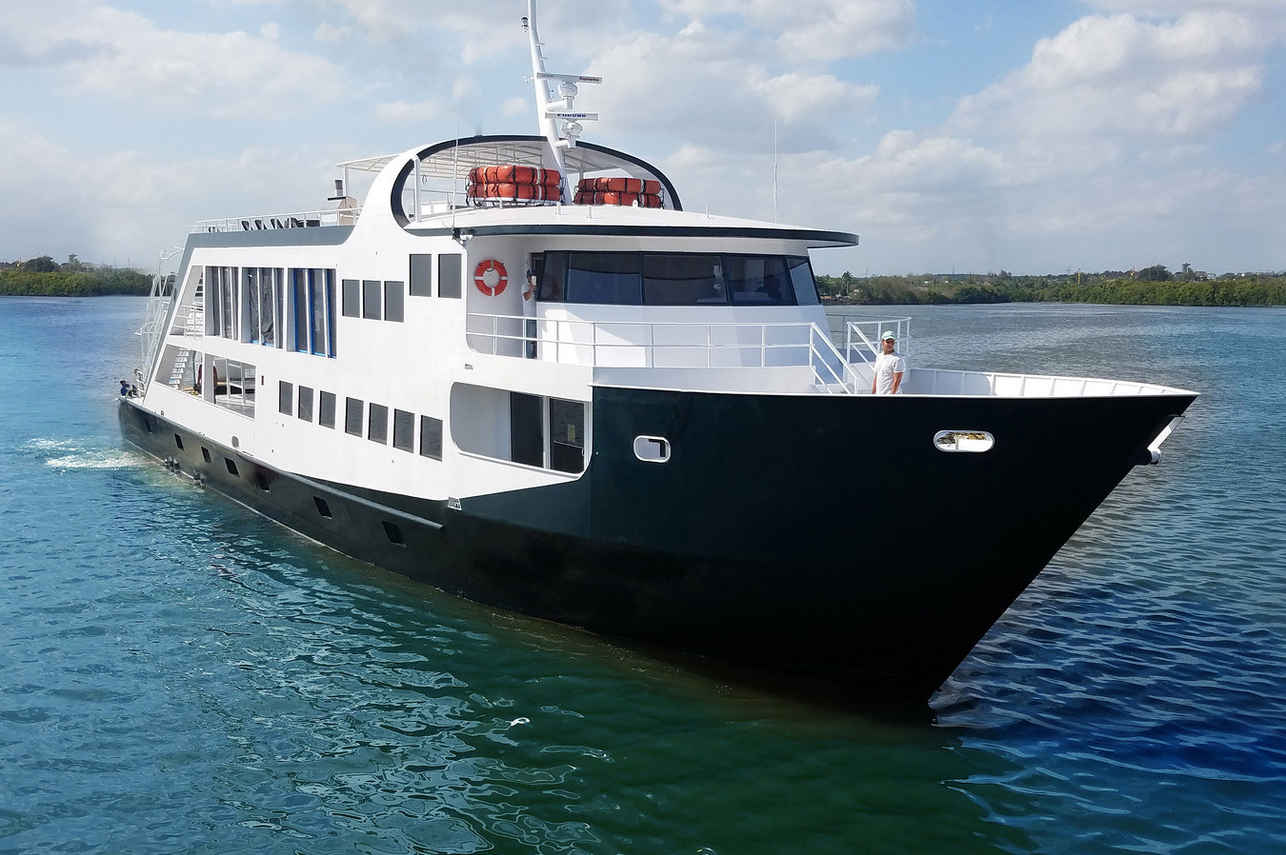
Jardines Avalon Fleet
Cuba
20 guests35.05 m
$494/day
Dive sites similar to Punta Perdiz
Same character, same waters — six more sites divers love for the exact same reasons.Compare seasons, access and liveaboard routes — then pick the site that fits your trip best.
© Esri — Maxar, Earthstar, GIS
El Almirante
Cuba
El Almirante is an advanced dive site located off the shores of Maria la Gorda, on Cuba's Guanahacabibes Peninsula.
- Suitable for
- Advanced
- Current
- Moderate
- Access
- Dayboat
- Depth
- 27–30 m
- Theme
- Wall / Reef
La Patana is a prominent dive site within the protected marine park of Jardines de la Reina, a vast archipelago stretching 150 kilometers off Cuba's southern coast.
- Suitable for
- Intermediate
- Current
- Mild
- Access
- Liveaboard only
- Depth
- 15–30 m
- Theme
- Reef / Wall
© Esri — Maxar, Earthstar, GIS
Arrecife Somero
Cuba
Arrecife Somero, located near Key Sigua within the UNESCO-recognized Zapata Swamp biosphere reserve, presents a unique reef crest forming a horseshoe shape.
- Suitable for
- Beginner
- Current
- Mild
- Access
- Liveaboard only
- Depth
- 2–5 m
- Theme
- Reef
© Esri — Maxar, Earthstar, GIS
Puente Escondido
Cuba
Puente Escondido is a notable dive site nestled within the Jardines de la Reina marine park, an expansive and highly protected area off Cuba's southern coast.
- Suitable for
- Beginner
- Current
- Mild
- Access
- Liveaboard only
- Depth
- ≤ 18 m
- Theme
- Reef
© Esri — Maxar, Earthstar, GIS
Black Coral Wall
Cuba
Black Coral I and II are prominent dive sites within Cuba's renowned Jardines de la Reina marine reserve, an area celebrated for its healthy reefs and crystal-clear waters.
- Suitable for
- Advanced
- Current
- Mild
- Access
- Liveaboard or dayboat
- Depth
- 15–40 m
- Theme
- Wall