About Montana Rusa
Montana Rusa is a prominent dive site within Cuba's Jardines de la Reina marine park, an expansive protected area named by Christopher Columbus. This site is situated where the reef meets the continental shelf, offering a dramatic underwater topography. It's renowned for its robust shark population, a common sight during nearly every dive, and an impressive abundance of large groupers, a rare encounter in many other Caribbean locations. The dive profile features a mini-wall commencing at 16 meters, descending steeply to 27 meters before transitioning into a gentle slope that continues to depths of 38 to 42 meters. Between the wall and the deeper abyss, large coral formations, some reaching 13 to 16 meters in height, act as gathering points for pelagic species and significant reef predators. The marine environment here is characterized by clear, warm waters, with exceptional visibility often exceeding 40 meters. This clarity, combined with the site's rich biodiversity, makes it a prime location for underwater photography, particularly from October to May. Divers can expect a dynamic experience, encountering various shark species and unusually bold groupers that show little fear of human presence. Accessibility to Jardines de la Reina, including sites like Montana Rusa, is primarily via liveaboard, often departing from mainland Cuba. The park's strict protection policies have helped preserve its pristine condition, making it a unique and biologically rich destination for divers seeking encounters with large marine life in a thriving ecosystem.
Highlights
Steep mini-wall topographyAbundant silky sharksFrequent Caribbean reef sharksLarge, fearless groupersTowering coral formationsExcellent water clarity
Season calendar
Best months to dive here
Jan
Feb
Mar
Apr
May
Jun
Jul
Aug
Sep
Oct
Nov
Dec
Excellent
Good
Dive site facts: Montana Rusa
- Depth
- 16–42 m
- Current
- Mild
- Visibility
- 40+ m
- Entry
- Liveaboard only
- Level
- Intermediate
- Dive type
- Wall, reef, big_animals
- Region / port
- Jardines de la Reina
- Coordinates
- 21.6267° N, 80.4646° W
Conditions & Currents
The dive sites within Jardines de la Reina, including Montana Rusa, are generally well protected from strong sea currents and winds, contributing to calm conditions. However, the presence of various shark species and pelagic fish indicates a healthy water flow that supports their ecosystem. Visibility at Montana Rusa is consistently excellent, frequently exceeding forty meters, ensuring clear views of the extensive coral structures and marine inhabitants. Water temperatures are warm, facilitating comfortable diving experiences. Divers should expect to encounter active marine life, with sharks and large groupers often showing little apprehension, which means maintaining situational awareness regarding their movements. The overall conditions support a relaxed dive, though standard dive planning for depth and duration should always be observed.
Marine life & sighting chances
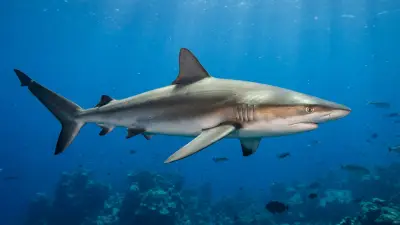
Silky shark
common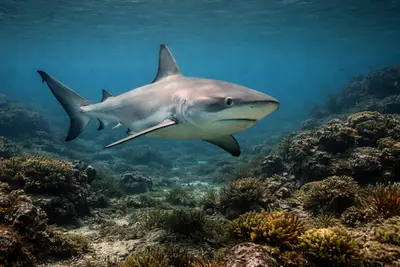
Caribbean reef shark
common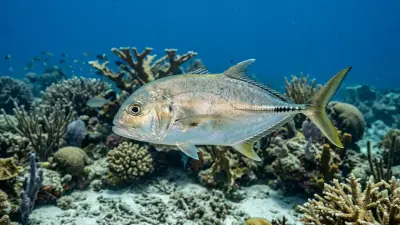
Horse-eyed jack
occasional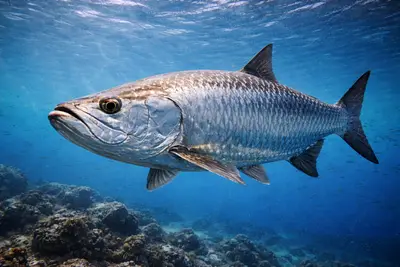
Tarpon
occasional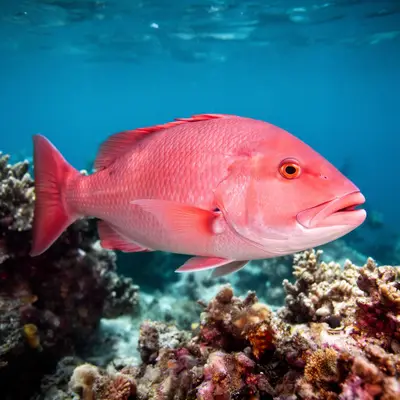
Cubera snapper
occasionalDog snapper
occasional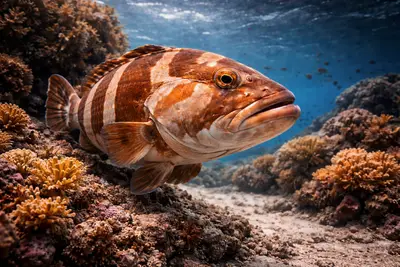
Nassau grouper
common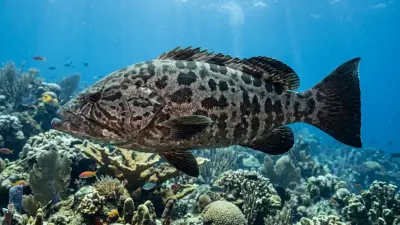
Black grouper
common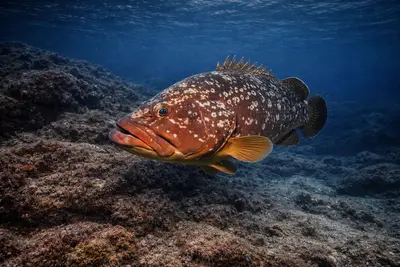
Yellowfin grouper
common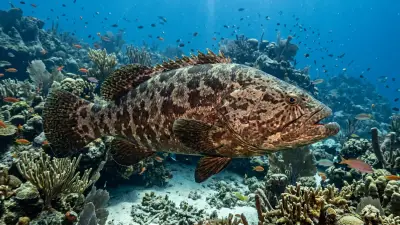
Goliath grouper
occasional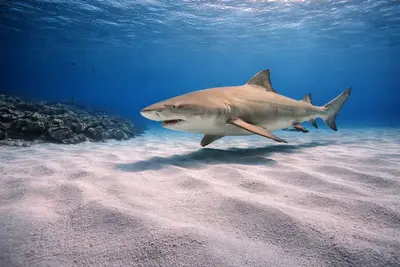
Lemon shark
occasional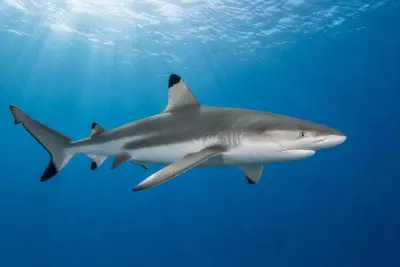
Blacktip shark
occasional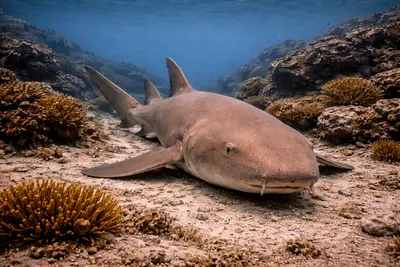
Nurse shark
occasionalDive profile & how the dive runs
Your dive at Montana Rusa begins above a reef that skirts the edge of the continental shelf. Entry will lead you towards a mini-wall that starts at a depth of 16 meters. This wall drops steeply down to 27 meters, after which the terrain transitions into a gentle slope that extends further to depths of 38 to 42 meters. Throughout the dive, you'll navigate between the wall and the deeper abyss, encountering a series of impressive coral formations that stand 13 to 16 meters tall. These structures are often frequented by silky sharks, Caribbean reef sharks, and large groupers. The dive typically involves following the contours of the wall and slope, allowing for exploration of the abundant marine life. Your safety stop will occur in the shallower parts of the reef before surfacing.
Underwater photography
Montana Rusa is an exceptional site for wide-angle photography, especially with the frequent presence of silky and Caribbean reef sharks, which often 'photo-bomb' shots of the majestic pillar corals. The towering coral formations, some 13 to 16 meters high, make excellent subjects for capturing the scale of the reef. Given the incredible visibility often exceeding 40 meters, you can comfortably use a wide-angle lens to capture the vast seascape and large pelagics. Strobe lighting will help bring out the true colors of the corals and fish, especially as you descend beyond 16 meters. Focus on capturing the interaction between the large, unafraid groupers and the divers, and be prepared for the dynamic movement of sharks. October to May offers the best water clarity for sharp, vibrant images.
Combine with nearby dive sites
- El Muchacho de Montana
Features hard coral with gorgonians and sponges, snappers, jewfish, and tarpon.
- El Farallon
El Farallon is a notable dive site located within Cuba's protected Jardines de la Reina marine park, an archipelago renowned for its…
- Los Pinos
Los Pinos is a dive site located within the pristine Jardines de la Reina marine park, an archipelago situated approximately 80 kilometers…
- Puente Escondido
Puente Escondido is a notable dive site nestled within the Jardines de la Reina marine park, an expansive and highly protected area off…
- Peruanos
Peruano I is a captivating dive site situated within the vast Jardines de la Reina archipelago off Cuba's southeastern coast.
- Five Seas
A shallow site with a small wreck and rich coral growth.
Getting there & logistics
Access to Montana Rusa and the broader Jardines de la Reina marine park is typically facilitated by liveaboard vessels, often operated by companies like Avalon Liveaboards. Travelers often arrive via flights into airports such as Camaguey, from where transfers are arranged to the liveaboard departure points. The journey from the mainland to the Gardens of the Queen can involve significant travel, highlighting the remote and protected nature of the destination. Trips generally last seven days, offering extensive diving opportunities across multiple sites within the national park. The park itself is a protected marine reserve, established in 1996 and designated a national park in 2010, which means strict regulations are in place to preserve its pristine environment. While specific permit fees are not detailed, conservation efforts are paramount. The dive site is commonly included in liveaboard itineraries that explore the diverse reefs, walls, and shark interaction sites of this unique Cuban archipelago.
Safety & environment
Diving at Montana Rusa, while generally calm and protected from strong currents, requires attention to standard safety protocols due to the depths and abundant large marine life. The nearest recompression chamber or advanced medical facilities would be located on mainland Cuba, implying a potentially lengthy evacuation process in case of an emergency. Comprehensive dive insurance, covering medical emergencies and evacuation, is therefore highly recommended. Divers should be mindful of the significant shark population, including silky and Caribbean reef sharks, and maintain a respectful distance, avoiding any actions that might alter their natural behavior. The presence of large, fearless groupers also means divers should move cautiously around these animals. Always dive within your certified limits, monitor your depth and no-decompression limits, and conduct thorough buddy checks. Adhering to the dive brief provided by your liveaboard or dive operator is crucial for a safe experience in this remote, pristine environment.
Who it suits — and who it doesn't
Suited for
- Experienced divers comfortable with deeper profiles
- Shark enthusiasts and big animal photographers
- Divers seeking pristine, protected marine environments
- Liveaboard adventurers
- Divers interested in unique grouper interactions
Less suited for
- Absolute beginner divers (due to depth and large pelagics)
- Divers uncomfortable with frequent shark encounters
- Those prone to seasickness on liveaboards
- Divers who prefer shore-based diving
FAQ
Montana Rusa FAQ
What kind of marine life can I expect to see at Montana Rusa?
Montana Rusa is famous for its abundant shark population, particularly silky sharks and Caribbean reef sharks, which you can expect to see on almost every dive. You'll also encounter impressive numbers of large groupers, including Nassau, black, and yellowfin species, which often show little fear of divers. Other common sightings include horse-eyed jacks, tarpon, cubera snapper, and dog snapper.
What are the typical dive depths at Montana Rusa?
The dive site features a mini-wall that begins at 16 meters and drops steeply to 27 meters. Beyond this, a gentle slope continues down to approximately 38 to 42 meters. This allows for a versatile dive profile, suitable for exploring both the shallower reef and the deeper wall sections.
When is the best time of year to dive Montana Rusa?
The prime diving season for Montana Rusa and the Jardines de la Reina is from October to May. During these months, the water clarity is at its best, often exceeding 40 meters, making it ideal for photography and general enjoyment of the vibrant marine life. While marine life is present year-round, these months offer optimal conditions.
Are there strong currents at Montana Rusa?
Montana Rusa is located within the Jardines de la Reina marine park, where dive sites are generally well-protected from strong sea currents and winds. This typically results in calm conditions, which contributes to the excellent visibility. However, like any open ocean site, conditions can vary, but strong, challenging currents are not a defining feature here.
What makes the groupers at Montana Rusa special?
The groupers at Montana Rusa, including Nassau, black, and yellowfin species, are notable for their unusually large size and lack of fear towards divers. Unlike many other Caribbean locations where large groupers are rare and wary, here they are abundant and often approach divers closely, offering unique interactive experiences. There's also a possibility of encountering the very large Goliath grouper.
Why dive Montana Rusa from a liveaboard?
Montana Rusa is one of Cuba's signature dive sites. A liveaboard sleeps you on the water and puts you in the water for three to four guided dives per day, including dawn and night dives that day-boat operators rarely offer. You skip the daily commute back to port and reach quieter, less-crowded sites in the same region on a single trip.
Below are the liveaboards that include Montana Rusa on their Cuba itineraries.
Liveaboards diving Montana Rusa
These liveaboards may visit Montana Rusa on selected itineraries — the exact dive sites depend on departure, weather and conditions.
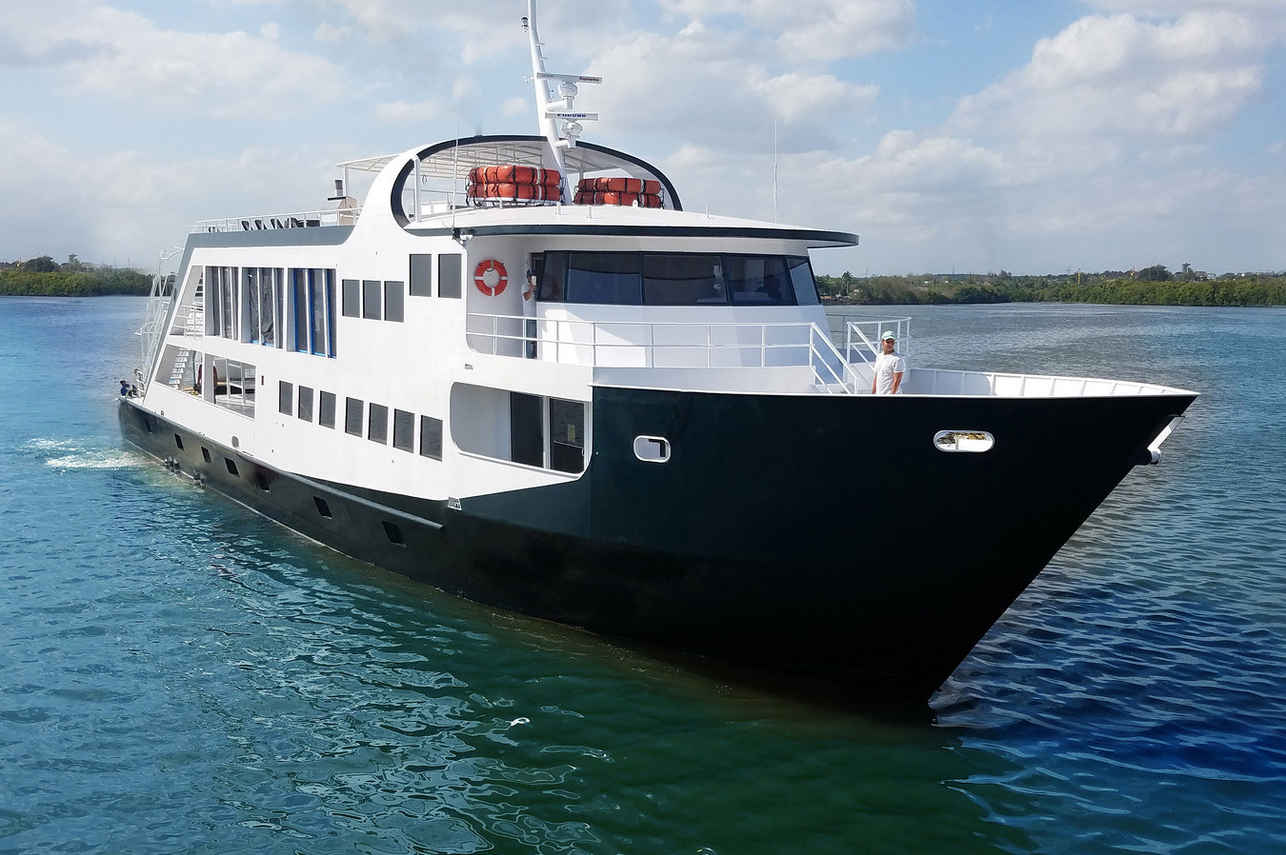
Jardines Avalon Fleet
Cuba
20 guests35.05 m
$494/day
Dive sites similar to Montana Rusa
Same character, same waters — six more sites divers love for the exact same reasons.Compare seasons, access and liveaboard routes — then pick the site that fits your trip best.
El Almirante
Cuba
El Almirante is an advanced dive site located off the shores of Maria la Gorda, on Cuba's Guanahacabibes Peninsula.
- Suitable for
- Advanced
- Current
- Moderate
- Access
- Dayboat
- Depth
- 27–30 m
- Theme
- Wall / Reef
La Patana
Cuba
La Patana is a prominent dive site within the protected marine park of Jardines de la Reina, a vast archipelago stretching 150 kilometers off Cuba's southern coast.
- Suitable for
- Intermediate
- Current
- Mild
- Access
- Liveaboard only
- Depth
- 15–30 m
- Theme
- Reef / Wall
Arrecife Somero
Cuba
Arrecife Somero, located near Key Sigua within the UNESCO-recognized Zapata Swamp biosphere reserve, presents a unique reef crest forming a horseshoe shape.
- Suitable for
- Beginner
- Current
- Mild
- Access
- Liveaboard only
- Depth
- 2–5 m
- Theme
- Reef
Puente Escondido
Cuba
Puente Escondido is a notable dive site nestled within the Jardines de la Reina marine park, an expansive and highly protected area off Cuba's southern coast.
- Suitable for
- Beginner
- Current
- Mild
- Access
- Liveaboard only
- Depth
- ≤ 18 m
- Theme
- Reef
La Corona
Cuba
La Corona is a captivating dive site situated within the expansive 35-kilometer barrier reef off Playa Santa Lucía in Cuba's Camagüey province.
- Suitable for
- Beginner
- Current
- Mild
- Access
- Dayboat
- Depth
- 5–40 m
- Theme
- Reef / Wall
Cueva del Negro
Cuba
Cueva del Negro is a notable dive site located near Cayo Largo, an island off Cuba's southern coast, known for its extensive underwater features.
- Suitable for
- Intermediate
- Current
- No current
- Access
- Liveaboard or dayboat
- Depth
- 8–8 m
- Theme
- Reef