About Los Pinos
Los Pinos is a dive site located within the pristine Jardines de la Reina marine park, an archipelago situated approximately 80 kilometers off the southern coast of Cuba. This area is renowned as the third-largest barrier reef system globally and is a highly protected marine sanctuary, contributing to its exceptional biodiversity and vibrant marine ecosystem. The park's strict conservation efforts have preserved its underwater environment, making it a world-class destination for liveaboard diving. The site itself is part of a larger system characterized by clear, warm waters and minimal human impact. The topography of Los Pinos features a seabed primarily composed of hard coral, richly adorned with numerous gorgonians and sponges. The site's depth ranges from a shallow 10 meters, sloping gradually, to a maximum of 18 meters. Divers will encounter a diverse array of fish species that reside among the corals. The overall region of Jardines de la Reina is famous for its vertical slopes and dramatic underwater scenery, though Los Pinos is noted for its gentle slope. Marine life at Los Pinos and throughout Jardines de la Reina is abundant, with frequent sightings of large, calm snappers, groupers (including the substantial jewfish and goliath grouper), and massive schools of tarpon and grunts. Lobsters are also found in considerable numbers. The area is a kingdom for sponges, displaying an incredible variety of colors such as yellow, violet, and purple, and diverse shapes like tubular and organ pipe forms. Sharks are a major draw, with encounters possible with silky, Caribbean reef, lemon, blacktip, and nurse sharks. Whale sharks can be seasonally observed in large quantities. The clear water allows for excellent visibility, often exceeding 40 meters, enhancing marine life viewing. Liveaboard trips are the primary way to access Jardines de la Reina, ensuring controlled visitor numbers and preserving the pristine environment. Dive operations are typically well-protected from strong winds and currents, making for generally comfortable diving conditions. The excellent visibility and abundant marine life make this site suitable for divers of various experience levels, offering superb opportunities for underwater photography.
Highlights
Pine-tree-shaped coral formationsUnique pillar and branching coralsMacro photography subjectsGroupers, snappers, nurse sharksCalm sea conditionsClear water visibilityIntermediate dive experience
Season calendar
Best months to dive here
Jan
Feb
Mar
Apr
May
Jun
Jul
Aug
Sep
Oct
Nov
Dec
Excellent
Good
Dive site facts: Los Pinos
- Depth
- Not specified for Varadero site (Jardines site is 18 m)
- Current
- Mild to moderate
- Visibility
- 18–30 m
- Water temperature
- 25–30°C
- Entry
- Boat dive
- Level
- Intermediate
- Dive type
- Reef, Macro
- Region / port
- Varadero, Cuba
- Coordinates
- 21.6827° N, 80.4566° W
Conditions & Currents
Los Pinos typically experiences calm to mild currents, making it suitable for intermediate divers. However, some reports indicate moderate currents can occur, particularly influencing the experience for divers. Visibility at the site is generally very good, often exceeding 25 meters, providing clear views of the distinctive coral architecture and marine life. Water temperatures are comfortably warm, ranging from 25°C to 30°C. Entry to the dive site is via boat, and divers can expect manageable conditions overall, though awareness of potential moderate currents is advised to ensure proper buoyancy control and gas planning.
Marine life & sighting chances
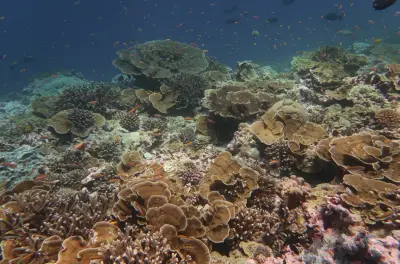
Small tropical fish
common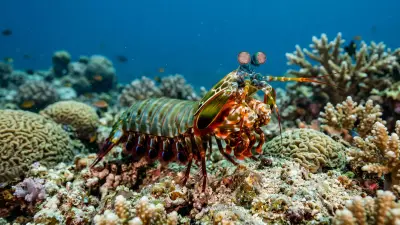
Shrimp
common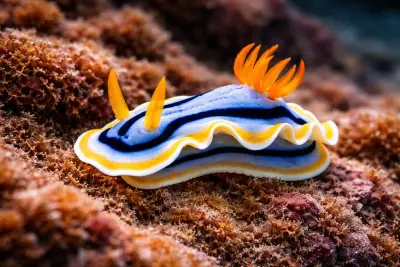
Nudibranchs
common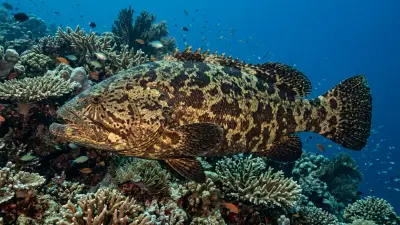
Groupers
common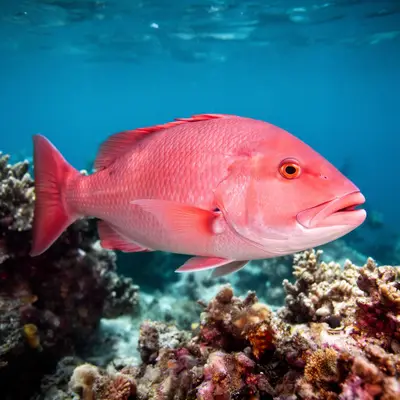
Snappers
common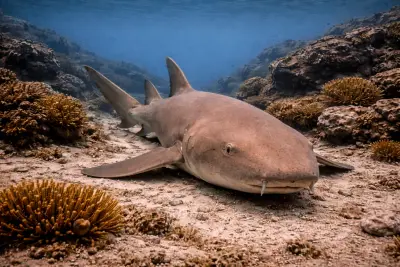
Nurse sharks
common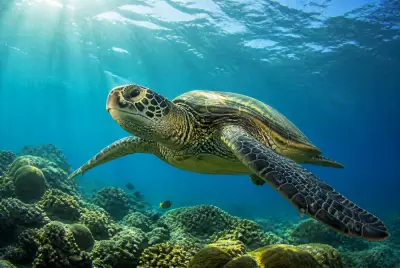
Sea turtles
occasional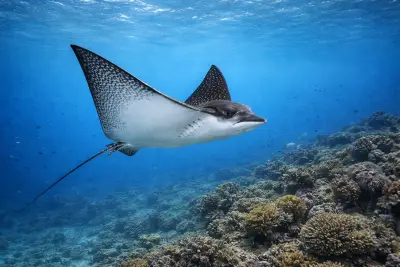
Eagle rays
occasional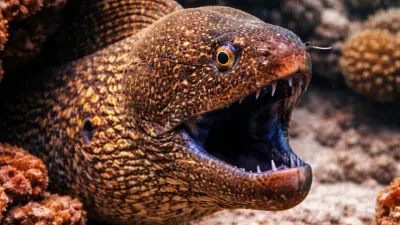
Moray eels
occasional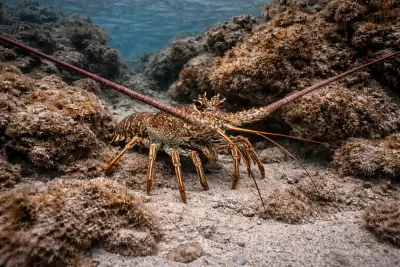
Lobsters
occasional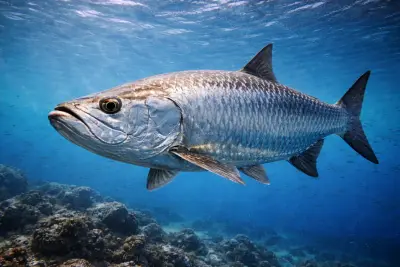
Tarpon
occasional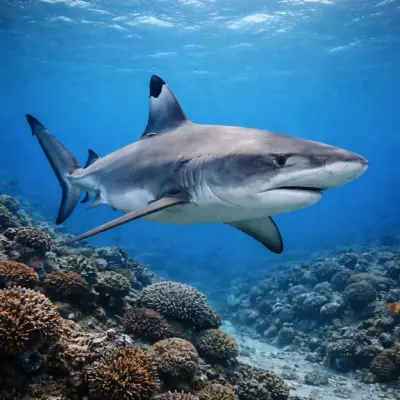
Reef sharks
occasional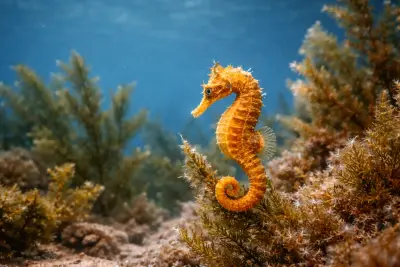
Seahorses
occasionalDive profile & how the dive runs
Dives at Los Pinos typically commence from a boat, anchoring close to the reef. Upon descent, divers are immediately immersed in the unique landscape of pine-tree-shaped coral formations that define the site. The dive often involves navigating through these distinctive pillar and branching coral structures, exploring the numerous nooks and crannies for macro life. Depths remain moderate, suitable for intermediate divers, allowing ample bottom time to observe small tropical fish, shrimp, and nudibranchs within the coral. The dive progresses along the reef, where divers can also scan the surrounding areas for larger inhabitants like groupers, snappers, and nurse sharks. Towards the end of the dive, the safety stop is conducted above the shallower parts of the reef, providing an opportunity for further observation of smaller marine creatures before ascending to the surface.
Underwater photography
Los Pinos is an excellent location for macro photography, thanks to the abundance of small tropical fish, shrimp, and nudibranchs nestled within its unique coral formations. A macro lens or close-up filters will capture intricate details of these tiny subjects. Wide-angle photography can also be rewarding to showcase the impressive pine-tree-shaped coral structures; however, ensure good visibility to capture the full scope. Maintaining excellent buoyancy is crucial to avoid damaging the delicate branching corals. Consider using off-camera strobes or a video light to illuminate subjects and bring out the vibrant colors of the corals and cryptic creatures without disturbing them.
Combine with nearby dive sites
- Paradise
Paradise Bay, located on the Antarctic Peninsula, offers divers a unique opportunity to explore a wilderness few will ever experience.
- Blue Hole - Sigua
The Blue Hole - Sigua is a remarkable dive site found near Cay Sigua, positioned precisely at the western end of a prominent reef crest.
- Barco Hundido
- Carbonera
- Canal
Saona Island Reef, located within Cotubanamá National Park off the southeastern coast of the Dominican Republic, is a well-regarded dive…
- Playa El Coral
Getting there & logistics
Access to Los Pinos is typically arranged through dive operators in Varadero, Cuba, as it is a boat dive. Travelers usually fly into Jose Marti International Airport (HAV) in Havana, then transfer to Varadero. Alternatively, Juan Gualberto Gómez Airport (VRA) in Varadero is closer. Day trips from Varadero are the standard for visiting this site. There is no specific information on permits or fees, but these are often handled directly by the dive centers. Dive excursions are generally combined with other nearby Varadero sites, allowing divers to explore various reef topographies within the region.
Safety & environment
While Los Pinos is considered an intermediate dive, divers should always carry appropriate insurance covering diving accidents and potential emergency evacuations. The nearest recompression chambers would likely be in Havana, necessitating careful planning for any serious incidents. Site-specific hazards are minimal due to typically calm conditions, but moderate currents can occur, requiring good buoyancy control and dive planning. Adherence to standard safe diving practices, such as buddy checks and monitoring air consumption, is essential. Divers should respect marine life and coral formations, avoiding contact to preserve the fragile ecosystem.
Who it suits — and who it doesn't
Suited for
- Intermediate divers seeking unique coral formations
- Macro photographers
- Divers interested in diverse reef fish and invertebrates
- Those looking for calm sea conditions
- Divers comfortable with boat entries
Less suited for
- Absolute beginner divers (due to intermediate rating)
- Divers seeking strong pelagic action exclusively
- Those who prefer shore dives
- Divers unwilling to manage potential moderate currents
- Individuals unfamiliar with reef etiquette
FAQ
Los Pinos FAQ
What makes Los Pinos unique?
Los Pinos is highly unique due to its distinctive coral formations that resemble pine trees. These pillar and branching corals create an "underwater forest" effect, providing an unusual and captivating dive landscape. This particular topography sets it apart from many other reef sites in the region.
What kind of marine life can I expect to see at Los Pinos?
Divers at Los Pinos can expect to encounter a variety of marine life, including small tropical fish, shrimp, and nudibranchs inhabiting the coral structures. Larger species such as groupers, snappers, and nurse sharks are also commonly seen. Occasional sightings of sea turtles, eagle rays, moray eels, and tarpon add to the biodiversity.
Is Los Pinos suitable for underwater photography?
Yes, Los Pinos is an excellent site for underwater photography, particularly macro photography. The abundance of small invertebrates like shrimp and nudibranchs, along with the intricate coral details, offers numerous subjects. Wide-angle shots can also capture the unique coral architecture, especially on days with good visibility.
What are the typical diving conditions at Los Pinos?
Diving conditions at Los Pinos are generally calm, making for a pleasant experience. Visibility is usually good to excellent, ranging from 18 to 30 meters. Water temperatures are warm, typically between 25°C and 30°C. While generally mild, divers should be prepared for the possibility of moderate currents.
How do I get to Los Pinos and what is the typical dive setup?
Los Pinos is accessed via a boat dive, typically from Varadero. Dive operators arrange trips to the site. The dive usually involves an entry from the boat, exploring the unique reef topography and marine life, and concludes with a safety stop before returning to the surface and boat. It is usually part of a day trip visiting multiple sites.
Why dive Los Pinos from a liveaboard?
Los Pinos is one of Cuba's signature dive sites. A liveaboard sleeps you on the water and puts you in the water for three to four guided dives per day, including dawn and night dives that day-boat operators rarely offer. You skip the daily commute back to port and reach quieter, less-crowded sites in the same region on a single trip.
Below are the liveaboards that include Los Pinos on their Cuba itineraries.
Liveaboards diving Los Pinos
These liveaboards may visit Los Pinos on selected itineraries — the exact dive sites depend on departure, weather and conditions.
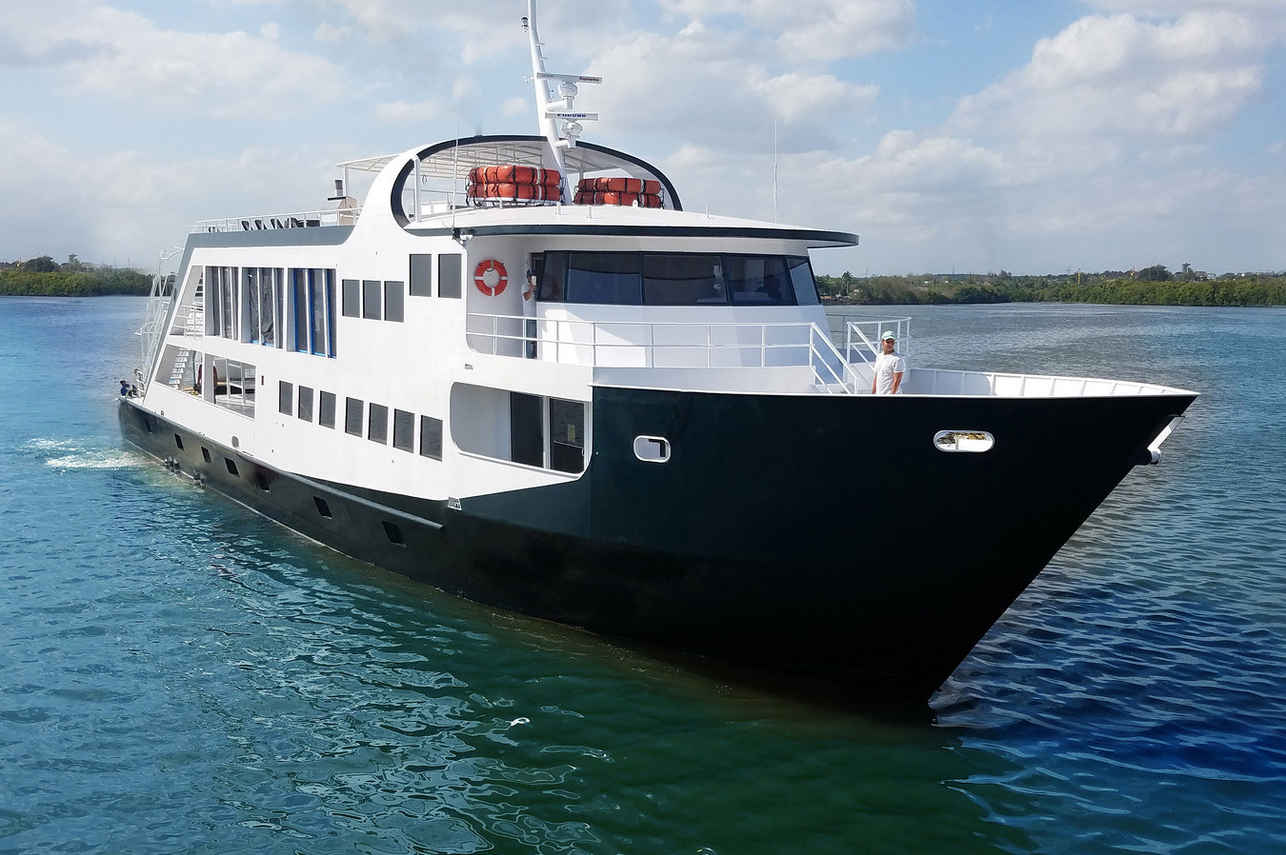
Jardines Avalon Fleet
Cuba
20 guests35.05 m
$494/day
Dive sites similar to Los Pinos
Same character, same waters — six more sites divers love for the exact same reasons.Compare seasons, access and liveaboard routes — then pick the site that fits your trip best.
© Esri — Maxar, Earthstar, GIS
El Almirante
Cuba
El Almirante is an advanced dive site located off the shores of Maria la Gorda, on Cuba's Guanahacabibes Peninsula.
- Suitable for
- Advanced
- Current
- Moderate
- Access
- Dayboat
- Depth
- 27–30 m
- Theme
- Wall / Reef
La Patana is a prominent dive site within the protected marine park of Jardines de la Reina, a vast archipelago stretching 150 kilometers off Cuba's southern coast.
- Suitable for
- Intermediate
- Current
- Mild
- Access
- Liveaboard only
- Depth
- 15–30 m
- Theme
- Reef / Wall
© Esri — Maxar, Earthstar, GIS
Arrecife Somero
Cuba
Arrecife Somero, located near Key Sigua within the UNESCO-recognized Zapata Swamp biosphere reserve, presents a unique reef crest forming a horseshoe shape.
- Suitable for
- Beginner
- Current
- Mild
- Access
- Liveaboard only
- Depth
- 2–5 m
- Theme
- Reef
© Esri — Maxar, Earthstar, GIS
Puente Escondido
Cuba
Puente Escondido is a notable dive site nestled within the Jardines de la Reina marine park, an expansive and highly protected area off Cuba's southern coast.
- Suitable for
- Beginner
- Current
- Mild
- Access
- Liveaboard only
- Depth
- ≤ 18 m
- Theme
- Reef
La Corona is a captivating dive site situated within the expansive 35-kilometer barrier reef off Playa Santa Lucía in Cuba's Camagüey province.
- Suitable for
- Beginner
- Current
- Mild
- Access
- Dayboat
- Depth
- 5–40 m
- Theme
- Reef / Wall
© Esri — Maxar, Earthstar, GIS
Cueva del Negro
Cuba
Cueva del Negro is a notable dive site located near Cayo Largo, an island off Cuba's southern coast, known for its extensive underwater features.
- Suitable for
- Intermediate
- Current
- No current
- Access
- Liveaboard or dayboat
- Depth
- 8–8 m
- Theme
- Reef