About Blue Hole - Sigua
The Blue Hole - Sigua is a remarkable dive site found near Cay Sigua, positioned precisely at the western end of a prominent reef crest. Its entrance, situated at a shallow 4 meters, is an opening measuring approximately 6 meters long by 3 meters wide, leading to a dramatic vertical descent. The walls of this blue hole plunge to an impressive depth of 83 meters, with one side almost sheer and the other featuring an overhang, causing the cavity to widen as divers go deeper. This unique geological formation is notable for the abundant marine life at its entrance, including lobsters, nudibranchs, yellow-headed snappers, and flamingo tongues. The topography around Cayo Sigua also features a sandy area at 12 meters that slopes into a wall with purple tunicates and round anemones. Just before the blue hole, the reef forms a large natural horseshoe, providing a well-known anchorage. The Blue Hole itself is located at the northwestern tip of the second ridge within this horseshoe, accessible by boat. While the sources do not specify seasonality for marine life encounters at this particular site, the region in general, especially the dry season from November to May, offers excellent visibility. The area hosts a diverse array of species due to its protected status and limited human activity. The blue hole’s entrance provides a rich habitat for smaller creatures. This site demands careful diving due to the risks associated with its depth and structure. Bubbles released by divers can stir up sediments, potentially reducing visibility within the cavity. Night dives are recommended for exploring the numerous organisms outside the cavity, leveraging the protection offered by the coral barrier, rather than entering the deep hole after dark. Its significant depth means it is typically considered an advanced dive, often part of liveaboard itineraries.
Highlights
Vertical shaft to 83 metersNarrow entry at 4 metersExpanding cavity geologyAbundant black coral coloniesYellow-headed snappersFlamingo tongue snailsProtected reef crest ecosystem
Season calendar
Best months to dive here
Jan
Feb
Mar
Apr
May
Jun
Jul
Aug
Sep
Oct
Nov
Dec
Excellent
Good
Dive site facts: Blue Hole - Sigua
- Depth
- 4–83 m
- Typical dive
- 4–32 m, 50–60 min (depending on exploration)
- Current
- Mild to moderate (outside cavity), negligible (inside)
- Visibility
- 20–30 m (outside), variable (inside)
- Water temperature
- 25–29°C
- Entry
- Liveaboard tender drop
- Level
- Advanced to Expert (for full depth)
- Dive type
- Wall, cave/cavern, reef
- Night dive
- Possible (at entrance/reef crest)
- Region / port
- Zapata Swamp, Cuba
- Coordinates
- 21.6427° N, 80.3446° W
Conditions & Currents
Blue Hole - Sigua is situated in an area where currents are typically mild to moderate, characteristic of the broader Cuban diving regions. While the blue hole itself is a sheltered cavity, divers must be aware of prevailing currents when approaching the entrance or exploring the adjacent reef crest. For liveaboard tender drops, a negative entry is often recommended to quickly reach the dive objective, though this is less critical for the shallow 4-meter entry of the Blue Hole. Inside the cavity, the primary concern is the potential for disturbed sediments due to bubbles from entering groups, which can rapidly diminish visibility and require meticulous buoyancy control. Water temperatures remain comfortably warm, ranging from 25°C to 29°C year-round, minimizing concerns about thermoclines. Divers should always consult their dive guides for real-time conditions and be prepared for potenti
Marine life & sighting chances
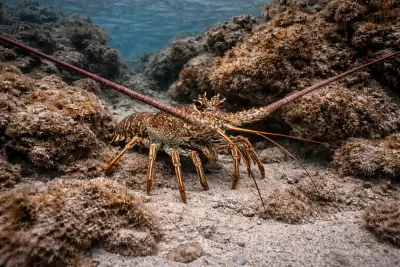
Lobster
occasional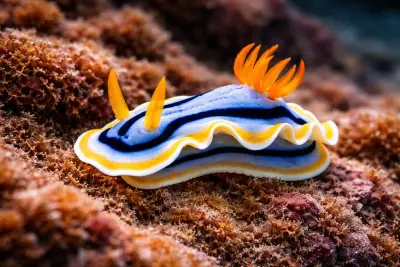
Nudibranch
occasional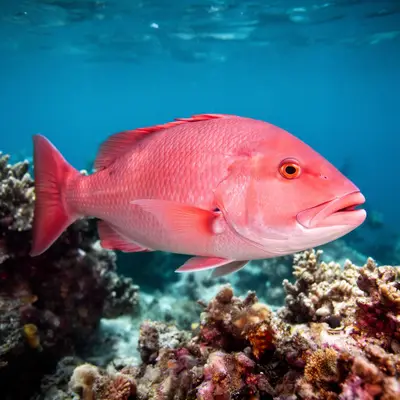
Yellow-headed snapper
occasional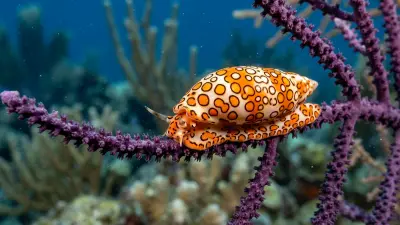
Flamingo tongue snail
occasional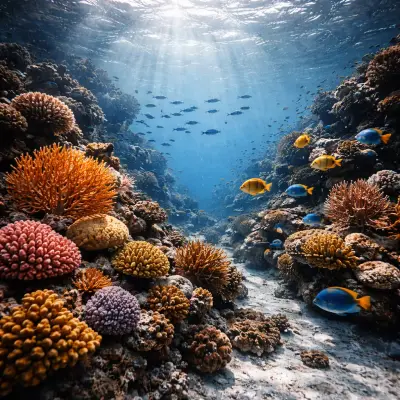
Black coral
common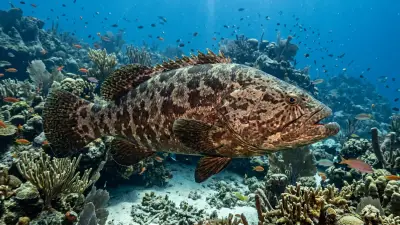
Goliath grouper
occasional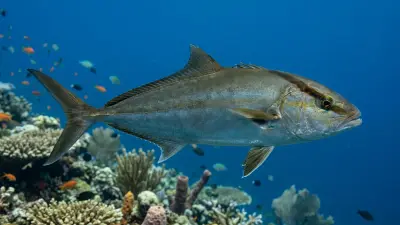
Jack
common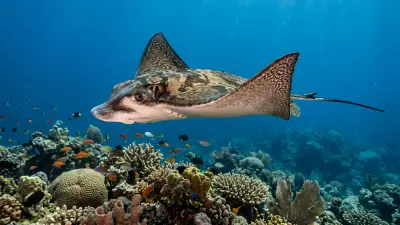
Ray
occasional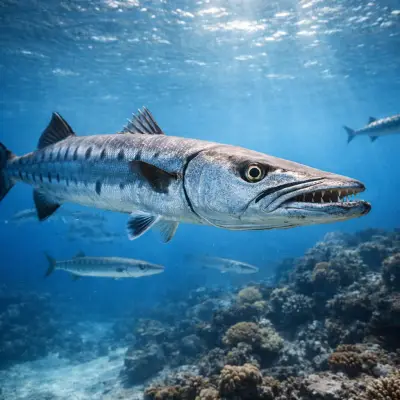
Barracuda
common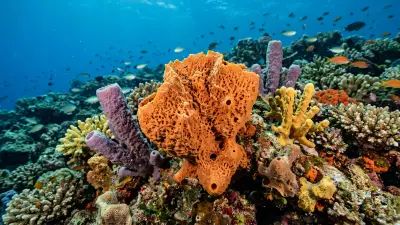
Sponge
common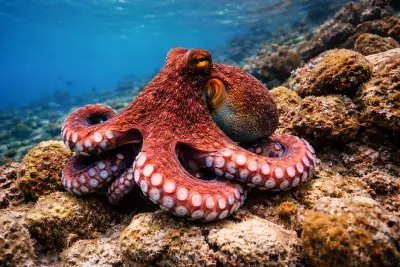
Octopus
night · occasional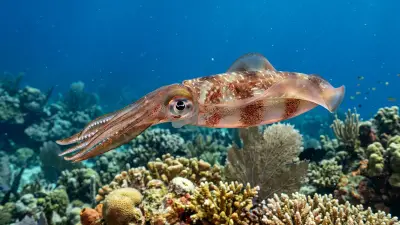
Squid
night · occasionalDive profile & how the dive runs
Diving at Blue Hole - Sigua begins with an entry at a shallow 4-meter opening, situated at the western end of a reef crest. The entrance is roughly 6 meters long and 3 meters wide, leading into a vertical cavity. Divers descend along the vertical walls, noting that one side is nearly sheer while the other features an overhang, causing the cavity to widen with depth. The shaft plummets to 83 meters, offering a deep blue hole experience. Due to the rapid depth progression and confined space, precise buoyancy is crucial, as bubbles can dislodge sediments, reducing visibility for following divers. Exploration often involves observing the unique geological features and marine life like lobsters and nudibranchs at the entrance. For night dives or less experienced groups, the recommendation is to remain outside the deep cavity, exploring the rich coral barrier that provides protection and hosts various organisms. The safety stop can be performed in the shallower reef crest area, which is abundant with coral formations.
Underwater photography
Blue Hole - Sigua presents distinct photographic opportunities. For wide-angle shots, a fisheye or wide-angle rectilinear lens is essential to capture the dramatic scale of the vertical shaft and the expanding cavity, especially when looking up towards the light-filled entrance. External reef sections and the surrounding coral barrier also provide excellent wide-angle subjects, showcasing healthy coral formations and schools of fish. For macro photography, focus on the entrance area and the shallower reef where nudibranchs, lobsters, and flamingo tongue snails can be found. A focus light is recommended for macro subjects, particularly during night dives. Due to potential sediment disturbance within the blue hole, maintaining excellent buoyancy control is paramount for clear shots. Consider using strobes to illuminate the darker sections of the cavity and bring out the vibrant colors of corals and sponges at the entrance.
Combine with nearby dive sites
- Cañón de Sigua
Features a seagrass bed and a vertical wall with black coral and large fish.
- Cayo Sigua
Sandy area with a wall drop-off, known for purple tunicates and round anemones.
- Arrecife Somero
A horseshoe-shaped reef crest ideal for snorkeling and night dives.
- Cañón de Cayo Blanco
Vertical wall starting at 7m, with a deep rupture and abundant sponges.
- Pared de Cayo Blanco
A vertical wall from 6m with stony corals, gorgonians, and staghorn corals.
Getting there & logistics
Access to Blue Hole - Sigua is primarily facilitated by liveaboards operating in the Zapata Swamp region of Cuba. Divers typically fly into international airports like Havana (HAV) or Cienfuegos (CFG), from where transfers to the liveaboard departure point, often near the San Lázaro Channel, are arranged. Trip lengths usually range from 7 to 10 days, allowing for comprehensive exploration of remote dive sites in the area. There are no specific individual permits mentioned for Blue Hole - Sigua, as liveaboard packages generally cover all necessary fees for diving within the UNESCO biosphere reserve. This site is commonly combined with other wall dives, reefs, and canyons in the Zapata area, providing a diverse itinerary of Cuban underwater experiences.
Safety & environment
Diving Blue Hole - Sigua requires a high level of caution and appropriate training due to the significant risks associated with its depth and confined nature. The nearest recompression chamber would typically be in Cienfuegos or Havana, necessitating a potentially lengthy evacuation for serious incidents. Divers must carry appropriate insurance that covers technical or deep diving if they plan to explore the full depth of the blue hole. Site-specific hazards include rapid depth changes, potential for sediment disturbance reducing visibility within the cavity, and the inherent risks of overhead environments. It is strongly recommended to dive with experienced guides, adhere strictly to no-decompression limits, and maintain excellent buoyancy control to prevent stirring the bottom. Night dives are suggested at the entrance or along the coral barrier, not within the deep cavity, to mitigate risks.
Who it suits — and who it doesn't
Suited for
- Advanced divers with deep diving experience
- Cavern or cave certified divers
- Divers comfortable in confined spaces
- Photographers seeking unique geological formations
- Divers interested in unique reef ecology at the entrance
Less suited for
- Beginner Open Water divers
- Divers without deep or specialty training
- Divers prone to claustrophobia
- Divers with poor buoyancy control
- Those who easily panic in low visibility
FAQ
Blue Hole - Sigua FAQ
How deep is the Blue Hole - Sigua?
The Blue Hole - Sigua is an impressive vertical shaft that plunges to a maximum depth of 83 meters. Its entrance is quite shallow, starting at only 4 meters, making it accessible but leading to a rapid and dramatic descent into the deep cavity.
What kind of marine life can I expect to see inside the Blue Hole?
Within the immediate entrance of the Blue Hole - Sigua, you might encounter lobsters, nudibranchs, yellow-headed snappers, and flamingo tongue snails. The surrounding coral barrier and adjacent reef crest also host abundant black coral, sponges, goliath groupers, jacks, barracudas, and rays.
Is it safe to dive to the full depth of Blue Hole - Sigua?
Diving to the full depth of Blue Hole - Sigua is considered high-risk and is only recommended for highly experienced and properly certified advanced or technical divers. The confined nature and extreme depth require specialized training, meticulous gas planning, and exceptional buoyancy control. Most recreational dives focus on the entrance and shallower parts of the blue hole or the surrounding reef.
Can I do a night dive at Blue Hole - Sigua?
Night dives are possible and recommended at Blue Hole - Sigua, but specifically at the entrance and along the adjacent coral barrier, not inside the deep cavity. The shallow reef area provides a safe and protected environment where nocturnal creatures like octopus, squid, moray eels, and various crustaceans become active, offering a different experience from day diving.
What are the visibility conditions like at Blue Hole - Sigua?
Outside the Blue Hole - Sigua, visibility is generally excellent, often reaching 20-30 meters or more during the dry season. However, inside the confined blue hole cavity, visibility can be significantly reduced. Bubbles from divers can easily stir up sediments, creating milky conditions, which underscores the need for perfect buoyancy skills.
Why dive Blue Hole - Sigua from a liveaboard?
Blue Hole - Sigua is one of Cuba's signature dive sites. A liveaboard sleeps you on the water and puts you in the water for three to four guided dives per day, including dawn and night dives that day-boat operators rarely offer. You skip the daily commute back to port and reach quieter, less-crowded sites in the same region on a single trip.
Below are the liveaboards that include Blue Hole - Sigua on their Cuba itineraries.
Liveaboards diving Blue Hole - Sigua
These liveaboards may visit Blue Hole - Sigua on selected itineraries — the exact dive sites depend on departure, weather and conditions.
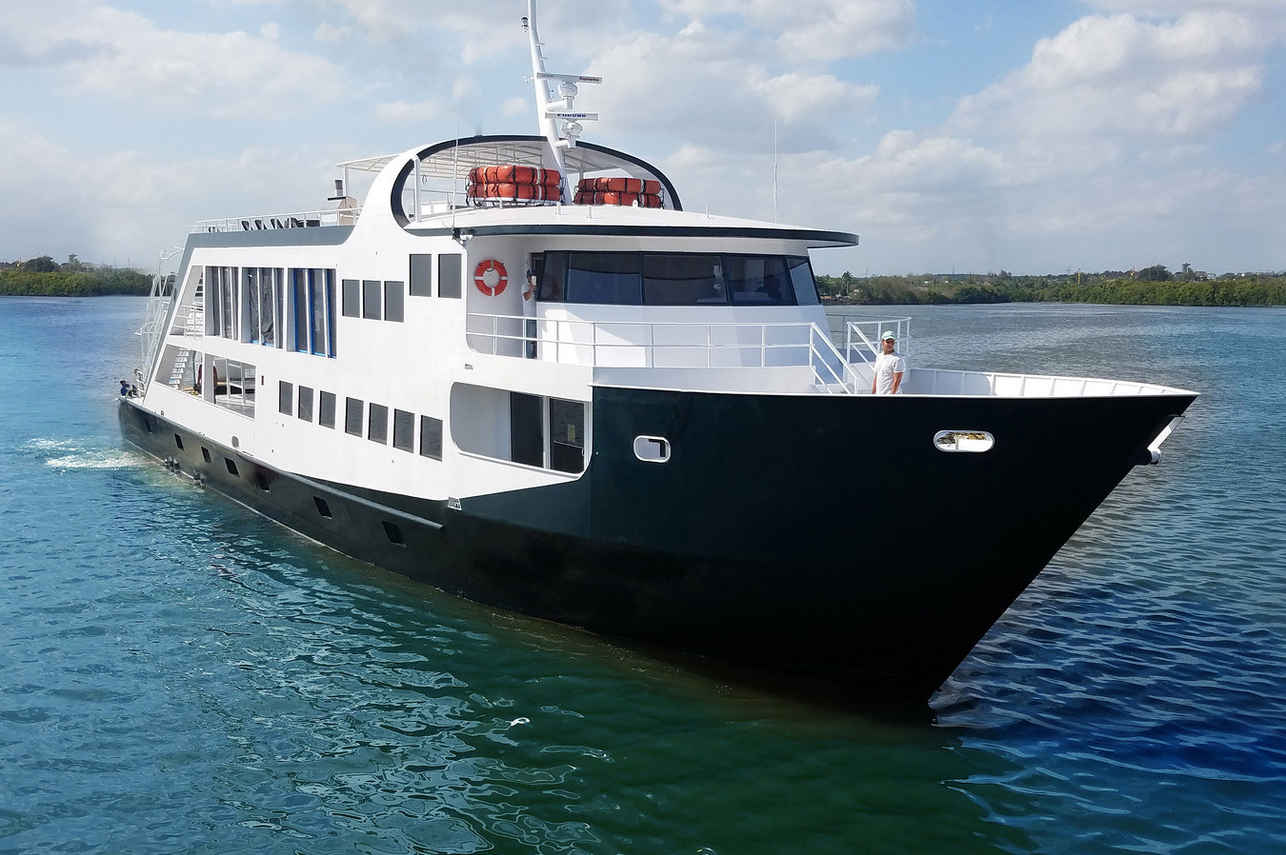
Jardines Avalon Fleet
Cuba
20 guests35.05 m
$494/day
Dive sites similar to Blue Hole - Sigua
Same character, same waters — six more sites divers love for the exact same reasons.Compare seasons, access and liveaboard routes — then pick the site that fits your trip best.
© Esri — Maxar, Earthstar, GIS
El Almirante
Cuba
El Almirante is an advanced dive site located off the shores of Maria la Gorda, on Cuba's Guanahacabibes Peninsula.
- Suitable for
- Advanced
- Current
- Moderate
- Access
- Dayboat
- Depth
- 27–30 m
- Theme
- Wall / Reef
La Patana is a prominent dive site within the protected marine park of Jardines de la Reina, a vast archipelago stretching 150 kilometers off Cuba's southern coast.
- Suitable for
- Intermediate
- Current
- Mild
- Access
- Liveaboard only
- Depth
- 15–30 m
- Theme
- Reef / Wall
© Esri — Maxar, Earthstar, GIS
Arrecife Somero
Cuba
Arrecife Somero, located near Key Sigua within the UNESCO-recognized Zapata Swamp biosphere reserve, presents a unique reef crest forming a horseshoe shape.
- Suitable for
- Beginner
- Current
- Mild
- Access
- Liveaboard only
- Depth
- 2–5 m
- Theme
- Reef
© Esri — Maxar, Earthstar, GIS
Puente Escondido
Cuba
Puente Escondido is a notable dive site nestled within the Jardines de la Reina marine park, an expansive and highly protected area off Cuba's southern coast.
- Suitable for
- Beginner
- Current
- Mild
- Access
- Liveaboard only
- Depth
- ≤ 18 m
- Theme
- Reef
La Corona is a captivating dive site situated within the expansive 35-kilometer barrier reef off Playa Santa Lucía in Cuba's Camagüey province.
- Suitable for
- Beginner
- Current
- Mild
- Access
- Dayboat
- Depth
- 5–40 m
- Theme
- Reef / Wall
© Esri — Maxar, Earthstar, GIS
Cueva del Negro
Cuba
Cueva del Negro is a notable dive site located near Cayo Largo, an island off Cuba's southern coast, known for its extensive underwater features.
- Suitable for
- Intermediate
- Current
- No current
- Access
- Liveaboard or dayboat
- Depth
- 8–8 m
- Theme
- Reef