About Todd's Last Dance
Todd's Last Dance is a recently established dive site located near Pablo's in West Bay, on Roatan's northern shore in Honduras. This site was specifically purchased to honor a dive buddy, contributing to the island's marine infrastructure through the 'Name a Dive Site' program which allows for new mooring installations. Roatan itself is part of the Mesoamerican Barrier Reef System, the world's second-largest barrier reef, known for its diverse marine ecosystem and dramatic underwater topography. While specific topographical details for Todd's Last Dance are not provided, dive sites in Roatan generally feature extensive fringing reefs that transition into steep walls, alongside vibrant shallow coral shelves. Divers can anticipate exploring areas with impressive coral formations, and the overall dive experience in the region often includes both reef and wall diving, with depths ranging from 5 meters to 60 meters. The Bay Islands are teeming with marine life, including various fish species, large barrel sponges, and captivating macro critters. The diverse reef system supports populations of seahorses, octopuses, groupers, parrotfish, and moray eels. Large pelagics like manta rays, whale sharks, and dolphins are also found in the area, with seasonal opportunities for encounters. Hawksbill turtles are commonly seen gliding along the reefs. Roatan offers an easy and relaxing dive experience, with the proximity of sites allowing for multiple dives per day. Typically, divers can expect to complete up to five dives daily, including night dives, depending on the itinerary. The region is suitable for various experience levels due to the range of dive profiles available.
Highlights
New dive siteWest Bay, Roatan locationMesoamerican Barrier ReefVibrant coral reefsDiverse marine lifePossible turtle sightingsWall and reef diving
Season calendar
Best months to dive here
Jan
Feb
Mar
Apr
May
Jun
Jul
Aug
Sep
Oct
Nov
Dec
Excellent
Dive site facts: Todd's Last Dance
- Depth
- 12–40 m+
- Typical dive
- 15–25 m, 50–60 min
- Current
- Mild to moderate
- Visibility
- 18–30 m
- Water temperature
- 25–29°C
- Entry
- Day boat / backward roll
- Level
- Open Water Diver+
- Dive type
- Reef, wall, coral garden
- Night dive
- Possible
- Region / port
- Roatan, Bay Islands, Honduras
- Coordinates
- 16.3263, -86.4952
Conditions & Currents
Currents at Todd's Last Dance are generally mild to moderate, making it a manageable site for various diver levels. The offshore barrier reef system surrounding Roatan effectively shelters many underwater areas, contributing to calm dive conditions and minimizing strong flows. Divers can expect a relatively easy drift, allowing ample time to observe the abundant marine life without battling significant resistance. Visibility is consistently excellent, often ranging from 18 to 30 meters (60-100 feet), though it can be affected by stirred sediments during the wet season. Water temperatures remain warm throughout the year, typically between 25-29°C (78-84°F), though they can drop slightly to 22°C (72°F) in January, potentially requiring a thicker wetsuit for some. Surface conditions are usually calm, particularly on the protected sides of the island, and entry is typically a simple backward
Marine life & sighting chances

Parrotfish
common
Angelfish
common
Butterflyfish
common
Seahorses
occasional
Nudibranchs
occasional
Barracudas
occasional
Groupers
occasional
Jacks
common
Sea turtles
occasional
Moray eels
occasionalDive profile & how the dive runs
Your dive at Todd's Last Dance typically begins with a backward roll from the day boat, leading you into clear, calm waters. You'll descend onto an upper reef plateau, which gradually slopes down to the main wall. The initial section often explores vibrant coral gardens and ridges at depths of 12-15 meters (40-50 feet). From there, the dive progresses along the dramatic wall, which drops steeply beyond recreational limits, allowing you to observe sponges and abundant marine life adhering to the vertical face. Your guide will navigate through the reef structures, pointing out specific species and features. The dive usually follows the wall, with divers gradually ascending as they consume air and approach their no-decompression limits. The safety stop is conducted in the shallower coral gardens, typically around 5 meters (15 feet), providing an opportunity to further observe reef fish in a colorful, sunlit environment before surfacing.
Underwater photography
Todd's Last Dance offers excellent wide-angle opportunities due to its dramatic wall topography and expansive coral formations. Consider a fisheye or wide-angle rectilinear lens to capture the grandeur of the reef drop-offs and large schools of fish. For macro subjects like seahorses or nudibranchs, a dedicated macro lens will be beneficial. Natural light photography is viable in the shallower areas, but strobes are recommended to bring out the true colors of corals and fish on the wall and at greater depths. Focus on maintaining excellent buoyancy control to avoid damaging delicate corals and to achieve sharp, well-composed shots. Be mindful of marine life, using a gentle approach to avoid disturbing subjects.
Combine with nearby dive sites
- Jack Neil Bight
Jack Neil Bight is a notable dive site located on the south side of Utila, Honduras, part of the Bay Islands archipelago, known for its…
- Gold Chain Reef
Gold Chain Reef is a celebrated dive site located off the coast of Roatan, Honduras, within the vast Mesoamerican Barrier Reef System, the…
- Inside Outside
The Inside Outside dive site in Roatan, Honduras, earns its name from the abundant cracks and swim-throughs that characterize its unique…
- Little French Cay
Little French Cay, also known as Little French Key, is a renowned private island retreat situated in French Harbour, on the southern side…
- Black Coral Wall
Black Coral I and II are prominent dive sites within Cuba's renowned Jardines de la Reina marine reserve, an area celebrated for its…
Getting there & logistics
Accessing Todd's Last Dance typically involves flying into Juan Manuel Gálvez International Airport (RTB) in Roatan. Most dive operators are based in areas like West End or West Bay, offering day boat trips to various sites. This particular site is usually reached via a short boat ride from these main departure points, often as part of a two-tank dive excursion. There are no specific park fees mentioned for individual dive sites, as most are part of the larger Roatan Marine Park system which may have overall conservation fees integrated into dive package costs. Trip lengths in Roatan commonly range from a few days to a week or more, allowing divers to explore numerous sites. Liveaboard options also exist, though day boats are the primary mode of transport for local diving. Ensure your dive operator provides all necessary gear and adheres to safety protocols for boat diving.
Safety & environment
For diving in Roatan, the nearest recompression chamber is located in Sandy Bay, at the Roatan Hyperbaric Chamber. In the unlikely event of a dive emergency, prompt evacuation would typically involve a boat transfer to the nearest shore and then ground transport to the chamber. Divers are strongly advised to have comprehensive dive insurance, such as DAN, which covers hyperbaric treatment and emergency evacuation costs, as medical services for dive-related incidents can be expensive. At Todd's Last Dance, site-specific hazards include potential mild to moderate currents; divers should always follow their guide's instructions regarding current management and entry/exit procedures. Maintaining proper buoyancy is crucial to protect the fragile coral formations. Always dive within your training limits and ensure your equipment is in good working order before each dive.
Who it suits — and who it doesn't
Suited for
- Open Water Divers seeking vibrant reef ecosystems
- Divers interested in wall diving with abundant marine life
- Underwater photographers capturing wide-angle reefscapes
- Divers comfortable with mild to moderate currents
- Nature enthusiasts observing diverse fish species
Less suited for
- Divers strictly preferring extreme macro photography
- Individuals seeking deep wreck penetration
- Divers uncomfortable with gradual depth progression
- Those new to drift diving in mild current conditions
FAQ
Todd's Last Dance FAQ
What kind of marine life can I expect to see at Todd's Last Dance?
At Todd's Last Dance, you can frequently spot colorful reef fish like parrotfish, angelfish, and butterflyfish. Occasional sightings include larger species such as barracudas, groupers, and schools of jacks, as well as sea turtles and moray eels. If you have a keen eye, you might also find smaller critters like seahorses and nudibranchs.
Are the currents strong at Todd's Last Dance?
The currents at Todd's Last Dance are generally mild to moderate. Roatan's barrier reef often provides shelter, resulting in calm conditions at many dive sites. Divers can typically enjoy a relaxed experience without encountering strong, challenging flows, making it accessible for various skill levels.
What is the typical depth and visibility at this dive site?
Todd's Last Dance features depths ranging from an upper reef plateau at about 12 meters (40 feet) down to a wall that extends well beyond 40 meters (130 feet). Visibility is consistently excellent, often ranging between 18 to 30 meters (60-100 feet) or even more, providing clear views of the vibrant reef.
Is Todd's Last Dance suitable for beginner divers?
Yes, Todd's Last Dance is generally suitable for Open Water certified divers. Its mild to moderate currents and clear water provide a comfortable environment. Beginners will appreciate the rich marine life and the opportunity to explore the reef wall in relatively calm conditions, making it an enjoyable experience for those still building confidence.
When is the best time of year to dive Todd's Last Dance?
The best time to dive Todd's Last Dance is during Roatan's dry season, from March through September. During these months, you can expect the calmest seas, optimal visibility often exceeding 30 meters, and warmer water temperatures. However, diving is excellent year-round in Roatan, with different seasons offering unique perks.
Why dive Todd's Last Dance from a liveaboard?
Todd's Last Dance is one of Honduras's signature dive sites. A liveaboard sleeps you on the water and puts you in the water for three to four guided dives per day, including dawn and night dives that day-boat operators rarely offer. You skip the daily commute back to port and reach quieter, less-crowded sites in the same region on a single trip.
Below are the liveaboards that include Todd's Last Dance on their Honduras itineraries.
Liveaboards diving Todd's Last Dance
These liveaboards may visit Todd's Last Dance on selected itineraries — the exact dive sites depend on departure, weather and conditions.
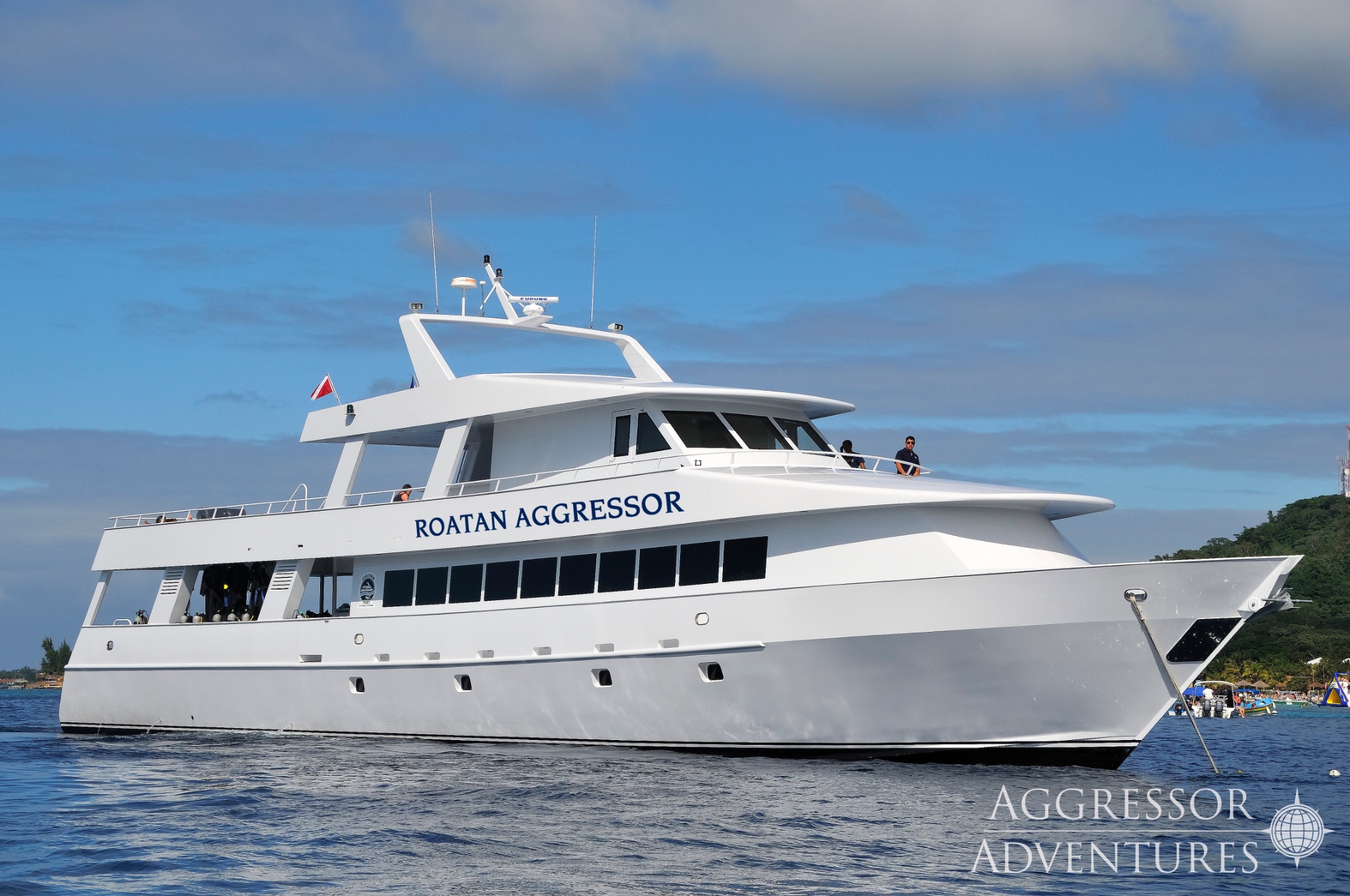
Roatan Aggressor
Honduras
18 guests31.1 m
$309/day
Dive sites similar to Todd's Last Dance
Same character, same waters — six more sites divers love for the exact same reasons.Compare seasons, access and liveaboard routes — then pick the site that fits your trip best.
© Esri — Maxar, Earthstar, GIS
Satoshi’s Grave
Honduras
Satoshi’s Grave is a distinctive wreck site located on the southern shore of Roatan, specifically the Wreck of Mr. Bud.
- Suitable for
- Beginner
- Current
- Moderate
- Access
- Liveaboard or dayboat
- Depth
- 18–18 m
- Theme
- Wreck / Reef
© Esri — Maxar, Earthstar, GIS
Addie's Garden
Honduras
Addie's Garden is one of 350 dive and snorkel sites located around Roatan, Honduras, within the Mesoamerican Barrier Reef System.
- Suitable for
- Intermediate
- Current
- Moderate
- Access
- Liveaboard or dayboat
- Depth
- 5–30 m
- Theme
- Reef
© Esri — Maxar, Earthstar, GIS
Marie's Kitchen
Honduras
Marie's Kitchen is a distinguished dive site located in Roatan, Honduras, forming a crucial part of the Mesoamerican Barrier Reef System, which stands as the world's second-largest coral reef.
- Suitable for
- Intermediate
- Current
- Moderate
- Access
- Liveaboard or dayboat
- Depth
- 5–30 m
- Theme
- Reef
© Esri — Maxar, Earthstar, GIS
Butcher's Bank
Honduras
Butcher's Bank is a celebrated dive site in Roatan, Honduras, widely regarded as one of the island's most enjoyable locations, particularly for novice divers.
- Suitable for
- Beginner
- Current
- Mild
- Access
- Dayboat
- Depth
- 12–18 m
- Theme
- Reef
© Esri — Maxar, Earthstar, GIS
Wreck of the Aguila
Honduras
The Wreck of the Aguila, affectionately known as 'The Eagle,' is a 60-meter (200-foot) cargo ship purposefully sunk in 1997 to create an artificial reef within recreational diving limits.
- Suitable for
- Intermediate
- Current
- Mild
- Access
- Dayboat
- Depth
- 20–33 m
- Theme
- Wreck / Reef
© Esri — Maxar, Earthstar, GIS
Al's Garden
Honduras
Al's Garden is a notable dive site located in Roatan, part of Honduras's Bay Islands, a region renowned for its vibrant underwater topography and diverse marine ecosystems.
- Suitable for
- Intermediate
- Current
- Moderate
- Access
- Liveaboard or dayboat
- Depth
- 9–40 m
- Theme
- Reef