About St. George Wreck
The St. George Wreck is a must-dive site off Bayahibe, Dominican Republic, widely considered one of the country's premier wreck dives. This impressive 73-meter (240-foot) cargo ship, originally built in Scotland in 1962, transported grain and barley before being abandoned and then intentionally sunk on June 12, 1999, to serve as an artificial reef. It was renamed after enduring Hurricane George in 1998. The wreck's topography makes it fascinating for divers; its upright position means the top rises into shallower waters while parts of the stern reach depths of up to 44 meters (144 feet). Over two decades, the St. George has transformed into a vibrant artificial reef, heavily colonized by hard and soft corals, sponges, and encrusting growth. The structure is teeming with marine life, including dense schools of sergeant major fish, blue chromis, barracuda, moray eels, shrimps, crabs, and even seahorses. Divers frequently spot angelfish, groupers, snappers, and have occasional sightings of nurse sharks, green turtles, and eagle rays. This is primarily an advanced boat dive, given the maximum depths and potential for wreck penetration. While the shallower sections of the wreck (around 15 meters/50 feet) are accessible to those with Open Water certification, exploring the deeper parts and interior requires advanced training and careful management of buoyancy, gas, and no-decompression limits. Current is typically light, and visibility is generally good, enhancing the experience of navigating this intricate and life-filled underwater structure. Safety considerations are paramount for penetration, which should only be attempted with an experienced guide.
Highlights
Wreck divePhotographyMarine life
Season calendar
Best months to dive here
Jan
Feb
Mar
Apr
May
Jun
Jul
Aug
Sep
Oct
Nov
Dec
Excellent
Good
Dive site facts: St. George Wreck
- Depth
- 15–44 m
- Typical dive
- 25–40 m, 25–30 min
- Current
- Light to modest
- Visibility
- 10–30 m
- Water temperature
- 26–30°C
- Entry
- Boat
- Level
- Advanced Open Water
- Dive type
- Wreck, artificial reef, deep
- Night dive
- Possible (check with operator)
- Region / port
- Bayahibe, Dominican Republic
- Coordinates
- 18.365, -68.835
Conditions & Currents
Currents at the St. George Wreck are typically light, a characteristic shared with much of the Caribbean coast diving in the Dominican Republic. While modest on most dives, divers planning penetration or exploring the open deck should be prepared for potential stronger challenges. Visibility is consistently good, often ranging from 10 to 30 meters, though it can be affected by recent winds and storms. Entry and exit are exclusively by boat, requiring careful buoyancy control, especially given the wreck's depth. Divers must manage their gas and no-decompression limits diligently due to the deep nature of the dive, making experience with deep diving and overhead environments essential.
Marine life & sighting chances
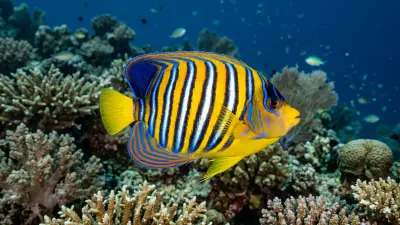
Angelfish
common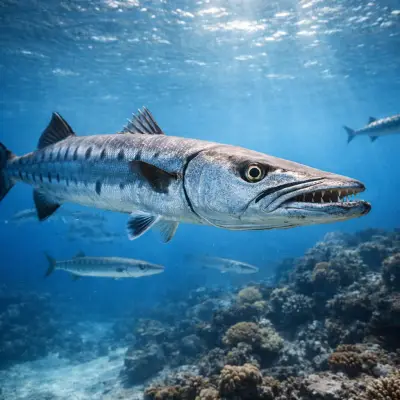
Barracuda
common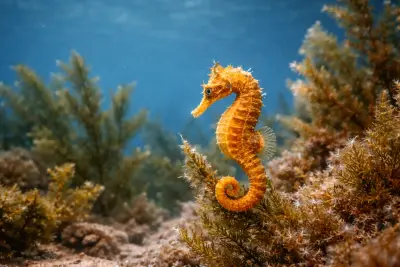
Common Seahorse
occasional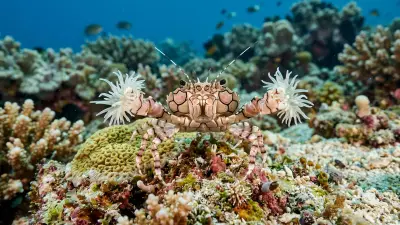
Crab
common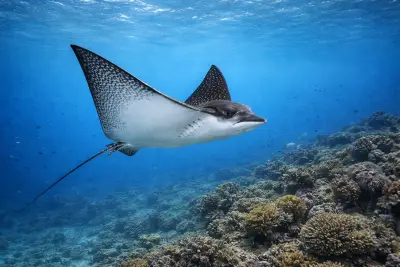
Eagle Ray
occasional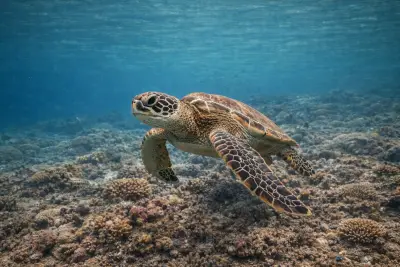
Green Turtle
occasional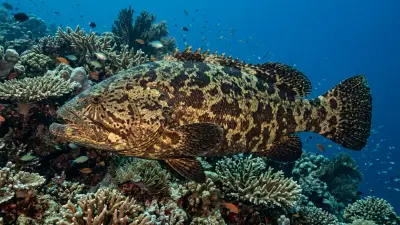
Grouper
common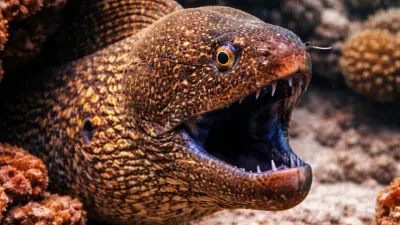
Moray Eel
common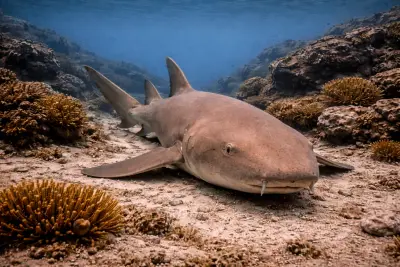
Nurse Shark
occasional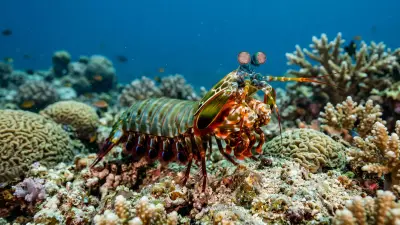
Shrimp
common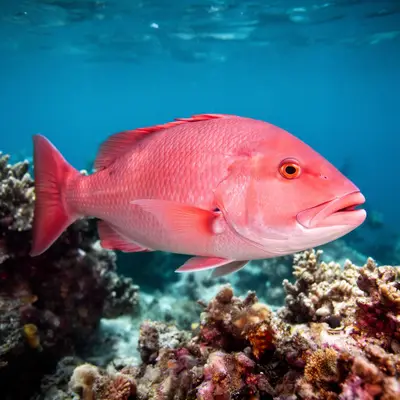
Snapper
common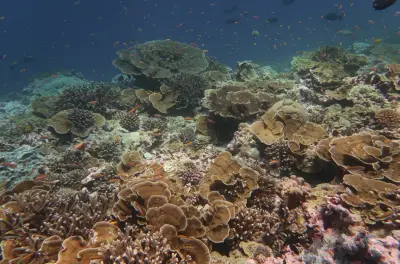
Tropical fish schools
commonDive profile & how the dive runs
Your dive at the St. George Wreck typically begins with a boat drop directly onto the wreck. Many dive operators will descend to the deepest point, around 40 meters, near the bottom of the hull. From there, you'll gradually ascend through the wreck, exploring various sections, rooms, and swim-throughs to maximize your no-decompression limit. The top of the wreck rises to about 15 meters, allowing for a progressive depth profile. For those opting for wreck penetration, an experienced guide is essential. The stern sits at approximately 30 meters, offering another significant area of interest. Safety stops are conducted in the shallower parts of the wreck or in the open water column, ensuring careful management of your ascent profile and bottom time, which can be as short as 25-30 minutes due to the depth.
Underwater photography
The St. George Wreck provides excellent opportunities for wide-angle photography, capturing the ship's massive structure, its dense coral growth, and the schooling fish around it. A wide-angle lens is ideal for showcasing the scale of the wreck and its transformation into an artificial reef. For capturing details of the vibrant coral and sponge colonization, as well as smaller inhabitants like sea horses, moray eels, and crabs, a macro lens can be rewarding in specific sections. Given the depth, external strobes are highly recommended to bring out the true colors of the corals and marine life, especially in deeper areas where natural light diminishes. Pay close attention to buoyancy to avoid disturbing the delicate coral growth and stirring up sediment, which can quickly reduce visibility for both you and other photographers. When penetrating the wreck, consider additional lighting or a snoot to highlight specific features while minimizing backscatter in enclosed spaces. Always prioritize safety and follow your guide's instructions, especially when navigating overhead environments.
Combine with nearby dive sites
- Atlantic Princess Wreck
A shallower wreck (12m) suitable for all levels, including snorkelers, with significant interior penetration opportunities.
- Viva Shallow
A shallow reef site (6-10m) known for Spanish cannons, seahorses, and healthy coral walls, ideal for beginners and skill practice.
- Dominicus Reef
A local Bayahibe reef offering diverse marine life.
- Catalina Island Wall
A Caribbean wall dive featuring black corals and sponges, with a shallow start and steep coral drop.
- El Peñon
Another dive site in Bayahibe known for its reef features.
Getting there & logistics
Diving the St. George Wreck requires boat access, typically departing from Bayahibe, which is considered the best scuba diving hub on the Caribbean side of the Dominican Republic. Many divers travel to Bayahibe from other areas like Punta Cana and Bavaro, with the new Coral Highway making travel more efficient. Most dive trips are double-tank dives, usually departing around 9 AM and returning between 12-1 PM, depending on the sites visited. Dive operators often offer flexible schedules and small group diving, without strict time limits, ensuring a relaxed experience. There are no specific park fees mentioned for this site, but it is located within protected park waters, so adherence to local rules is essential. Some liveaboards operating in the wider region, such as those visiting Silver Bank, may offer extensions or combinations with Bayahibe dives, though the St. George is primarily accessed via day boats.
Safety & environment
Diving the St. George Wreck is classified as an advanced deep wreck dive and requires careful attention to safety protocols. Key hazards include the overhead environment within the wreck and the potential for nitrogen narcosis at depths reaching 44 meters. Divers must meticulously manage their depth, gas consumption, and no-decompression limits, particularly as bottom time can be short. Penetration should only be attempted with an experienced guide and proper training. Many dive charters deploy drop tanks at depth as a safety measure. It is crucial to have appropriate certifications, such as Deep Diver, and to maintain excellent buoyancy control. Comprehensive dive insurance that covers deep and wreck diving is highly recommended. The nearest recompression chamber would typically be in Santo Domingo, necessitating a potentially lengthy evacuation process, so prevention of dive-related injuries is paramount. Always follow your dive operator's rules and guidance, as the wreck sits within protected park waters.
Who it suits — and who it doesn't
Suited for
- Advanced certified divers
- Wreck diving enthusiasts
- Photographers with wide-angle setups
- Divers comfortable with deep profiles
- Those seeking challenging dives
Less suited for
- Beginner divers
- Open Water certified divers
- Divers with limited buoyancy control
- Those prone to nitrogen narcosis
- Freedivers or snorkelers
FAQ
St. George Wreck FAQ
What is the history of the St. George Wreck?
The St. George was originally a cargo ship built in Scotland in 1962, used to transport grain and barley. After approximately 20 years of service, it was abandoned in Santo Domingo. It was damaged by Hurricane Georges in 1998, leading to its renaming. In June 1999, it was deliberately sunk to create an artificial reef for divers.
What kind of marine life can be seen at the St. George Wreck?
The wreck is a thriving artificial reef covered in coral and sponge growth, attracting abundant marine life. Divers commonly encounter dense schools of tropical fish, barracudas, moray eels, and sea horses. Other sightings include angelfish, groupers, snappers, crabs, shrimp, eagle rays, green turtles, and nurse sharks.
What are the typical diving conditions at the St. George Wreck?
Diving conditions generally feature good visibility, ranging from 10 to 30 meters, and warm water temperatures between 26-30°C year-round. Currents are usually light to modest, but can vary. The site is a deep wreck dive, with depths from 15 meters at the top to 44 meters at the bottom, making it suitable for advanced divers.
Is wreck penetration possible at the St. George Wreck?
Yes, wreck penetration opportunities exist at the St. George, including the engine room and other interior sections. However, it requires an experienced guide, excellent buoyancy control, and appropriate training due to the overhead environment. Dive operators often reserve deeper penetration for small groups of repeat customers with proven skill levels.
What certifications are required to dive the St. George Wreck?
Due to its depth and the nature of wreck diving, an Advanced Open Water certification is generally recommended as a minimum. For divers wishing to explore the deepest sections of the wreck or engage in penetration, a Deep Diver specialty certification and specialized wreck diving training are highly advisable.
Why dive St. George Wreck from a liveaboard?
St. George Wreck is one of Dominican Republic's signature dive sites. A liveaboard sleeps you on the water and puts you in the water for three to four guided dives per day, including dawn and night dives that day-boat operators rarely offer. You skip the daily commute back to port and reach quieter, less-crowded sites in the same region on a single trip.
Below are the liveaboards that include St. George Wreck on their Dominican Republic itineraries.
Liveaboards diving St. George Wreck
These liveaboards may visit St. George Wreck on selected itineraries — the exact dive sites depend on departure, weather and conditions.
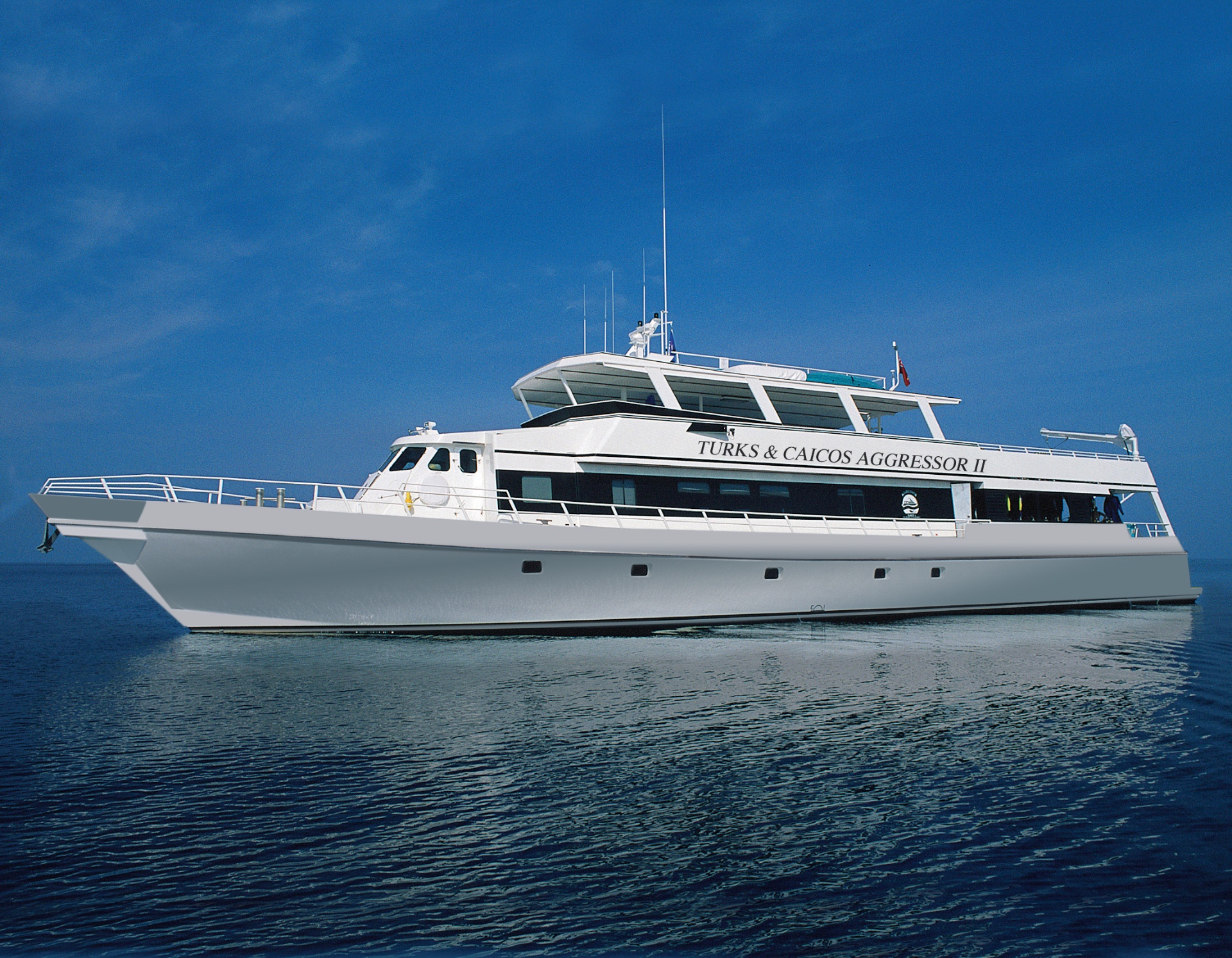
Turks & Caicos Aggressor II
Turks & Caicos
18 guests36.6 m
$287/day
Dive sites similar to St. George Wreck
Same character, same waters — six more sites divers love for the exact same reasons.Compare seasons, access and liveaboard routes — then pick the site that fits your trip best.
El Limón is a notable shipwreck site located within the La Caleta Underwater National Park, close to Santo Domingo.
- Suitable for
- Advanced
- Current
- Mild
- Access
- Dayboat
- Depth
- 30–30 m
- Theme
- Wreck / Reef
© Esri — Maxar, Earthstar, GIS
Atlantic Princess Wreck
Dominican Republic
The Atlantic Princess Wreck serves as a captivating artificial reef near Bayahibe, Dominican Republic.
- Suitable for
- Intermediate
- Current
- Moderate
- Access
- Liveaboard or dayboat
- Depth
- 20–40 m
- Theme
- Wreck
© Esri — Maxar, Earthstar, GIS
The Zingara Wreck
Dominican Republic
The Zingara Wreck, nestled in Sosua Bay on the Dominican Republic's North Coast, is an advanced dive site featuring a 36-meter (118 ft) coastal freighter intentionally sunk in 1993 to create an artificial reef.
- Suitable for
- Advanced
- Current
- Moderate
- Access
- Liveaboard or dayboat
- Depth
- 20–36 m
- Theme
- Wreck
While specific details for a dive site named "3 Riff" are not present in the provided sources, general diving conditions and characteristics for the Dominican Republic…
- Suitable for
- Advanced
- Current
- Mild
- Access
- Dayboat
- Depth
- 30–55 m
- Theme
- Reef
The dive site known as 3 Rocks is located off the coast of Sosúa in Puerto Plata, Dominican Republic, offering an accessible and lively underwater experience.
- Suitable for
- Beginner
- Current
- Mild
- Access
- Dayboat
- Depth
- 2–8 m
- Theme
- Reef