About Agustín Melgar shipwreck
The Agustín Melgar, also known as the C-54, is a 56-meter (185-foot) former minesweeper that rests on a sandy bottom at 24 meters (80 feet) south of Puerto Escondido within the Loreto Bay National Park. Sunk in 2000 to create an artificial reef, this vessel has since become the central Gulf's marquee structure dive, offering a unique blend of historical exploration and vibrant marine encounters. Its well-prepared structure allows for easy penetration and numerous swim-throughs. The wreck's upper deck lies at a depth of 12 to 18 meters (40 to 60 feet), making it accessible to a range of divers. The structure is adorned with hard and soft corals, sponges, and anemones that have flourished over two decades. The surrounding waters are part of a UNESCO World Heritage Site, ensuring protection for the diverse ecosystem it supports. From September through May, playful California sea lions are active in nearby sites and occasionally cruise through, while the wreck itself is home to schools of jacks, snappers, and groupers patrolling its decks. Moray eels are commonly found tucked into the railings and crevices. Visibility around the wreck typically ranges from 12 to 18 meters (40 to 60 feet), with mild currents enhancing the drift potential without posing significant challenges. Diving the Agustín Melgar offers an easy and relaxing experience, making it an ideal introduction to wreck diving in the southern Sea of Cortez. The site combines fascinating maritime history with abundant marine life, providing an immersive experience for those exploring the "Aquarium of the World."
Highlights
WWII minesweeper wreckArtificial reef ecosystemEasy penetration routesLoreto Bay National ParkHealthy coral coverSchools of jacks and snappersHistorical significance
Season calendar
Best months to dive here
Jan
Feb
Mar
Apr
May
Jun
Jul
Aug
Sep
Oct
Nov
Dec
Excellent
Good
Dive site facts: Agustín Melgar shipwreck
- Depth
- 12–24 m (40–80 ft)
- Current
- Mild
- Visibility
- 12–18 m (40–60 ft)
- Water temperature
- 18–29 °C (64–85 °F)
- Entry
- Boat
- Level
- Advanced
- Dive type
- Wreck, artificial reef
- Region / port
- Loreto, Baja California Sur
- Coordinates
- 25.8672, -111.3121
Conditions & Currents
Currents at the Agustín Melgar wreck are typically mild, making for a comfortable and relaxing dive. This allows for leisurely exploration of the wreck's exterior and interior without significant effort. Visibility around the C-54 usually ranges from 12 to 18 meters (40 to 60 feet), providing clear views of the structure and its marine inhabitants. Water temperatures vary seasonally, reaching the mid-80s Fahrenheit (around 29°C) in summer, with a thermocline dropping into the 70s Fahrenheit (around 21°C) at depths of 27 meters (90 feet). These conditions mean divers can often use thinner wetsuits. The dive is usually conducted from a boat, with the mild currents often aiding in a gentle drift along the wreck. Divers should be mindful of their air consumption and bottom time due to the depth of the wreck.
Marine life & sighting chances
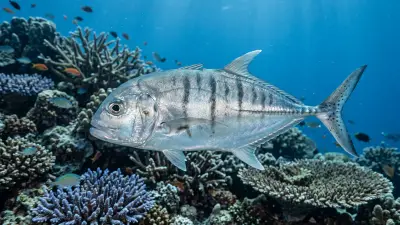
Bigeye trevally
common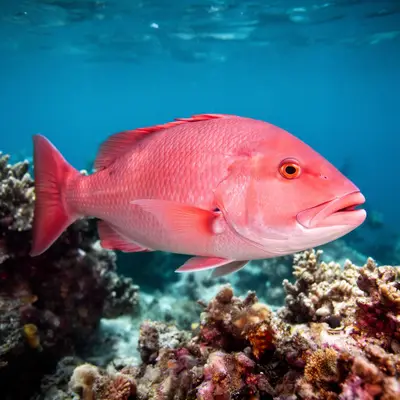
Snapper
common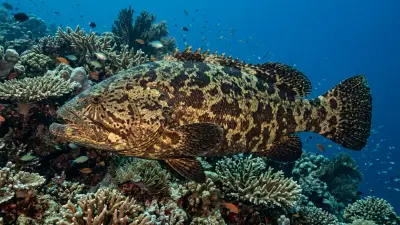
Grouper
common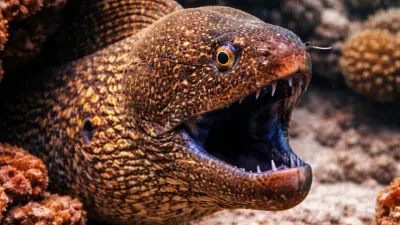
Moray eel
common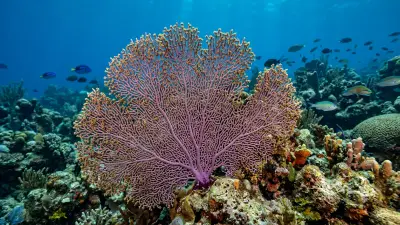
Sea fan
common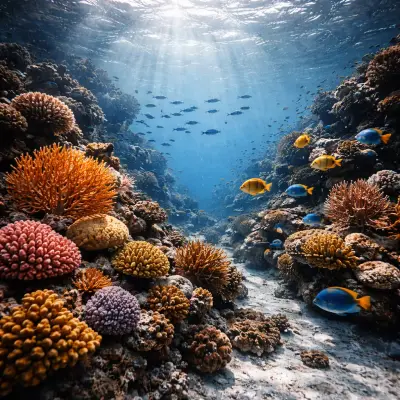
Black coral
occasional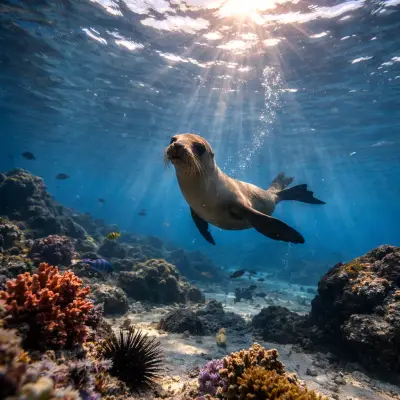
California sea lion
occasionalAngel shark
Summer and fall · occasional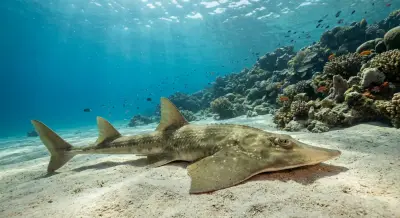
Guitarfish
Summer and fall · occasional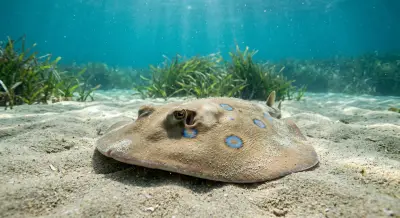
Torpedo ray
Summer and fall · occasional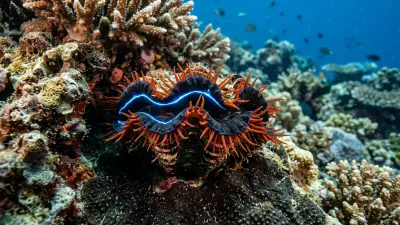
Electric ray
Summer and fall · occasional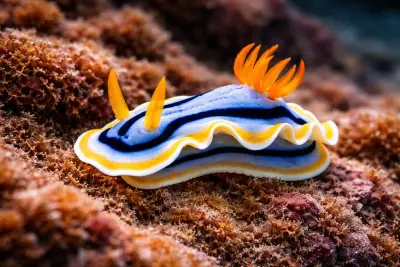
Nudibranch
occasionalDive profile & how the dive runs
Your dive begins with a boat entry, usually a short ride from Marina Puerto Escondido, placing you directly over the C-54 Agustín Melgar wreck. Descend to the upper deck, which sits at 12 to 18 meters (40 to 60 feet), allowing ample time to explore the main structure. The wreck rests upright on a sandy bottom at 24 meters (80 feet), providing a clear orientation. You'll navigate through large penetration openings and various swim-throughs, which are safe and designed for divers without specialized wreck training. Explore the interior corridors where schooling jacks and snappers often congregate, and keep an eye out for groupers on the deck and moray eels in the railings. The dive typically involves a circular or linear route around and through the vessel, with the turn point determined by air consumption and no-decompression limits. Your safety stop will be performed in the clear, blue waters above the wreck, often observing nearby reef fish.
Underwater photography
The Agustín Melgar wreck offers compelling subjects for both wide-angle and macro photography. For the overall structure and schooling fish, a wide-angle lens (e.g., 10-24mm or fisheye) is ideal, capturing the scale of the 56-meter vessel and its encrusting corals. External strobes are highly recommended to bring out the vibrant colors of the gorgonians, sponges, and anemones that adorn the wreck, especially in deeper sections where natural light diminishes. For interior shots and marine life within the wreck, a compact camera or a wide-angle setup with video lights can illuminate darker areas. Close-up shots of moray eels, nudibranchs, and smaller reef fish living on the wreck will benefit from a macro lens. Maintain excellent buoyancy control to avoid disturbing silt inside the wreck and to protect the delicate marine growth. Be patient with schooling fish, waiting for them to position themselves favorably for your composition.
Combine with nearby dive sites
- La Lobera
A wall and cavern system on Isla Coronado with California sea lions.
- Las Tijeretas
A sheltered site on Isla Coronado with a mini-wall, macro life, and occasional sea lions.
- Piedra Blanca
Known for drift diving and mobula ray encounters in late spring/early summer.
- Los Islotes
Famed for its large, playful California sea lion colony near La Paz.
Getting there & logistics
Diving the Agustín Melgar typically originates from Loreto, Baja California Sur, a quaint beach town with its own airport (Loreto International Airport - LTO), which receives flights via Mexico City or Guadalajara. Most dive trips are day boat excursions out of Marina Loreto, reached by local dive operators such as Blue Nation Baja. The site is located off Isla Danzante, south of Puerto Escondido, making for relatively short boat rides. Dive packages usually involve a marine park bracelet, covering access to the Bahía de Loreto National Park. Loreto offers a variety of accommodations within walking distance of the marina. It is common to combine wreck diving with explorations of nearby islands like Isla Coronado and Isla del Carmen, known for their walls, sea lion colonies, and diverse reef systems. Trips can range from single-day excursions to multi-day dive packages.
Safety & environment
Loreto is a well-established diving destination, but divers should always carry comprehensive dive insurance that covers recompression chamber treatment and medical evacuation. The nearest recompression chamber facilities would likely be found in larger cities like La Paz. For the Agustín Melgar wreck, while penetrations are described as easy, divers should be Advanced certified and possess good buoyancy control to avoid stirring up silt, which can significantly reduce visibility and disorient divers, particularly within confined spaces. Always dive with a reputable operator and a guide who is familiar with the wreck. Be mindful of potential thermoclines at deeper depths, which can cause sudden temperature drops. Maintain situational awareness regarding mild currents, ensuring you are comfortable with potential drift, though the site is generally calm. Emergency protocols should be clearly communicated by your dive operator before each dive.
Who it suits — and who it doesn't
Suited for
- Advanced divers seeking wreck exploration
- Divers interested in maritime history
- Underwater photographers targeting artificial reefs
- Divers comfortable with mild currents and depths up to 24m
- Those looking for unique dives in the Sea of Cortez
Less suited for
- Beginner Open Water divers
- Divers uncomfortable with overhead environments (even with easy penetration)
- Those seeking only large pelagic encounters
- Divers with poor buoyancy control
- Individuals not accustomed to boat entries/exits
FAQ
Agustín Melgar shipwreck FAQ
What is the history of the Agustín Melgar shipwreck?
The C-54 Agustín Melgar was originally commissioned as the USS Device (AM-220) in 1944, serving as a minesweeper in the US Navy during World War II and earning three battle stars. After the war, it was recommissioned as a training vessel and later sold to the Mexican Navy in 1962, where it was renamed ARM Cadete Agustín Melgar (C-54). In 2000, it was purposely sunk within the Loreto Bay National Park to create an artificial reef for divers.
What kind of marine life can I expect to see on the Agustín Melgar?
The wreck is a thriving artificial reef, attracting a variety of marine life. You can expect to see large schools of bigeye trevally and snapper congregating around the structure. Groupers often patrol the decks, and various moray eels can be found in the crevices and railings. The wreck is also adorned with vibrant hard and soft corals, sponges, and anemones, creating a colorful habitat for smaller reef fish and nudibranchs.
Is the Agustín Melgar wreck suitable for all diver levels?
The Agustín Melgar is recommended for Advanced certified divers due to its depth, with the deck at 12-18 meters (40-60 feet) and the bottom at 24 meters (80 feet). While it features large penetration openings designed for easy swim-throughs without specialized wreck training, good buoyancy control is essential. Open Water divers may find the depth challenging, and specific wreck experience is beneficial for optimal enjoyment and safety.
How do I get to the Agustín Melgar dive site?
The Agustín Melgar is typically accessed via day boat trips departing from Marina Loreto, in Loreto, Baja California Sur. Loreto has its own international airport (LTO), making it accessible for travelers. Local dive operators in Loreto offer guided excursions to the wreck, which is located off Isla Danzante, south of Puerto Escondido. The boat ride to the site is usually relatively short.
What are the diving conditions like at the C-54 Agustín Melgar?
Diving conditions at the C-54 Agustín Melgar are generally favorable. Visibility typically ranges from 12 to 18 meters (40 to 60 feet), offering clear views of the wreck. Currents are usually mild, making for a relaxed dive experience. Water temperatures vary seasonally, from around 18°C (64°F) in cooler months to 29°C (85°F) in summer. Thermoclines can be present at deeper depths, so a suitable wetsuit is recommended.
Why dive Agustín Melgar shipwreck from a liveaboard?
Agustín Melgar shipwreck is one of Mexico's signature dive sites. A liveaboard sleeps you on the water and puts you in the water for three to four guided dives per day, including dawn and night dives that day-boat operators rarely offer. You skip the daily commute back to port and reach quieter, less-crowded sites in the same region on a single trip.
Below are the liveaboards that include Agustín Melgar shipwreck on their Mexico itineraries.
Liveaboards diving Agustín Melgar shipwreck
These liveaboards may visit Agustín Melgar shipwreck on selected itineraries — the exact dive sites depend on departure, weather and conditions.
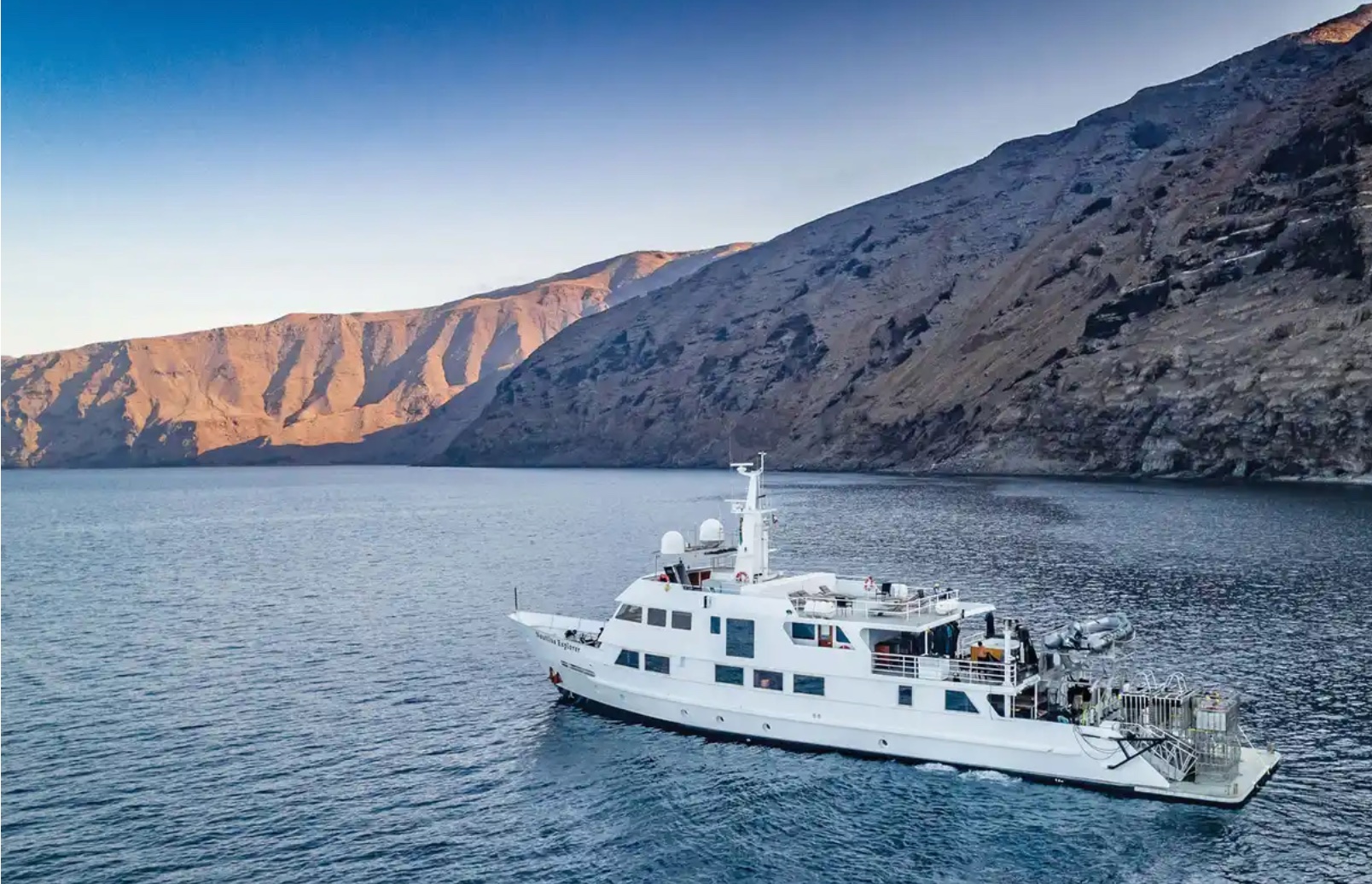
Nautilus Explorer
Mexico
25 guests44.8 m
$230/day
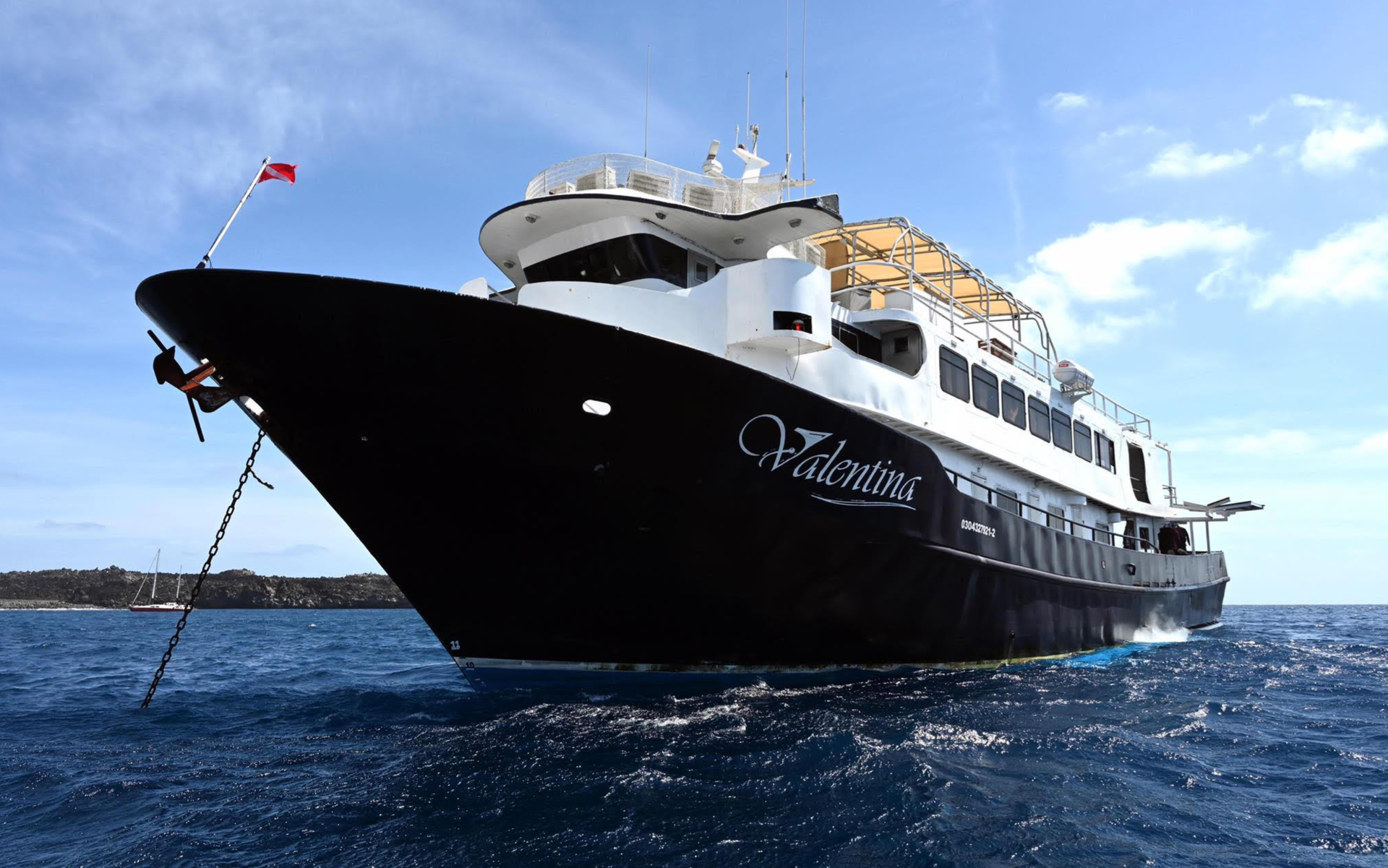
Valentina
Mexico
20 guests38.1 m
$430/day
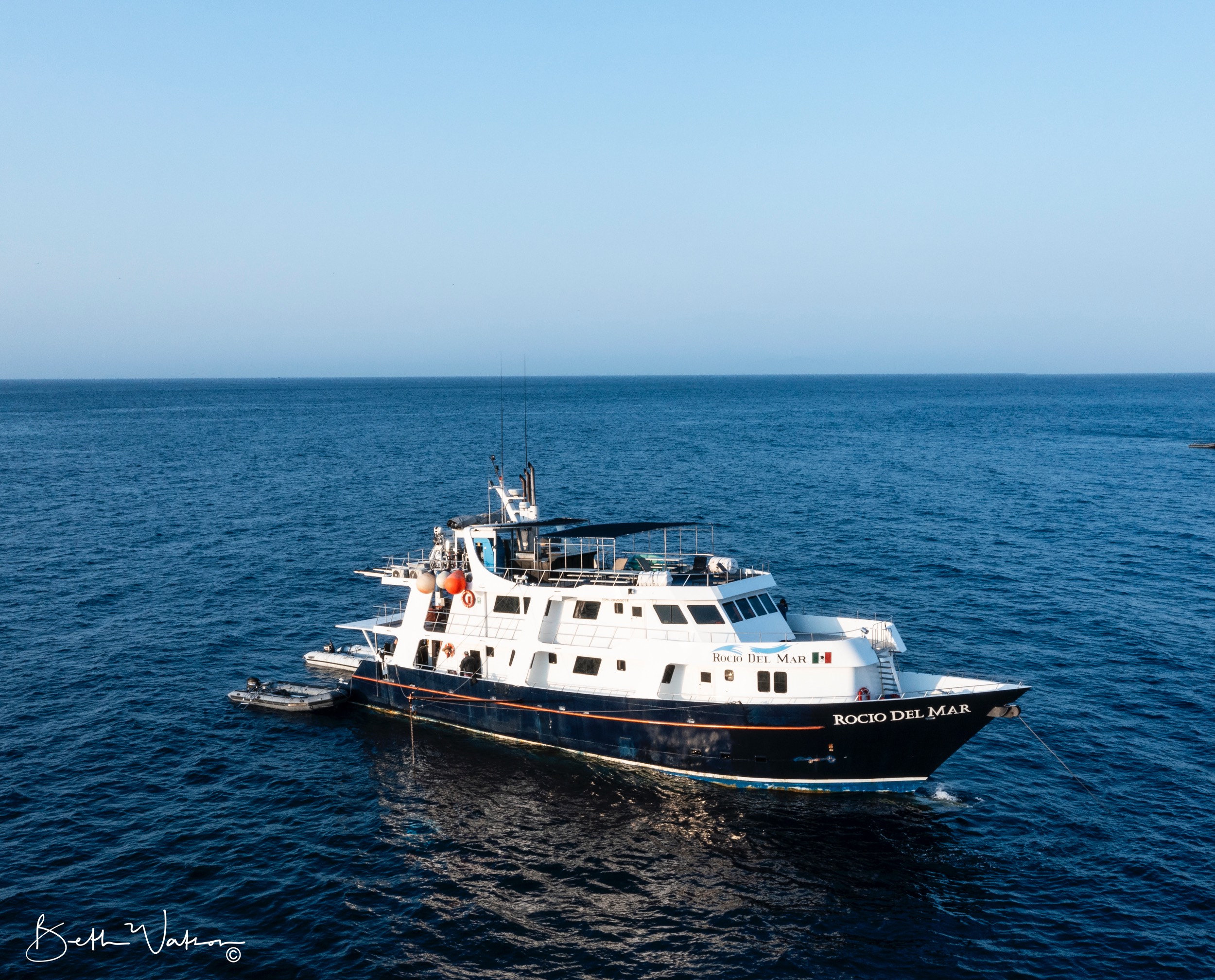
Rocio del Mar
Mexico
20 guests33.5 m
$392/day
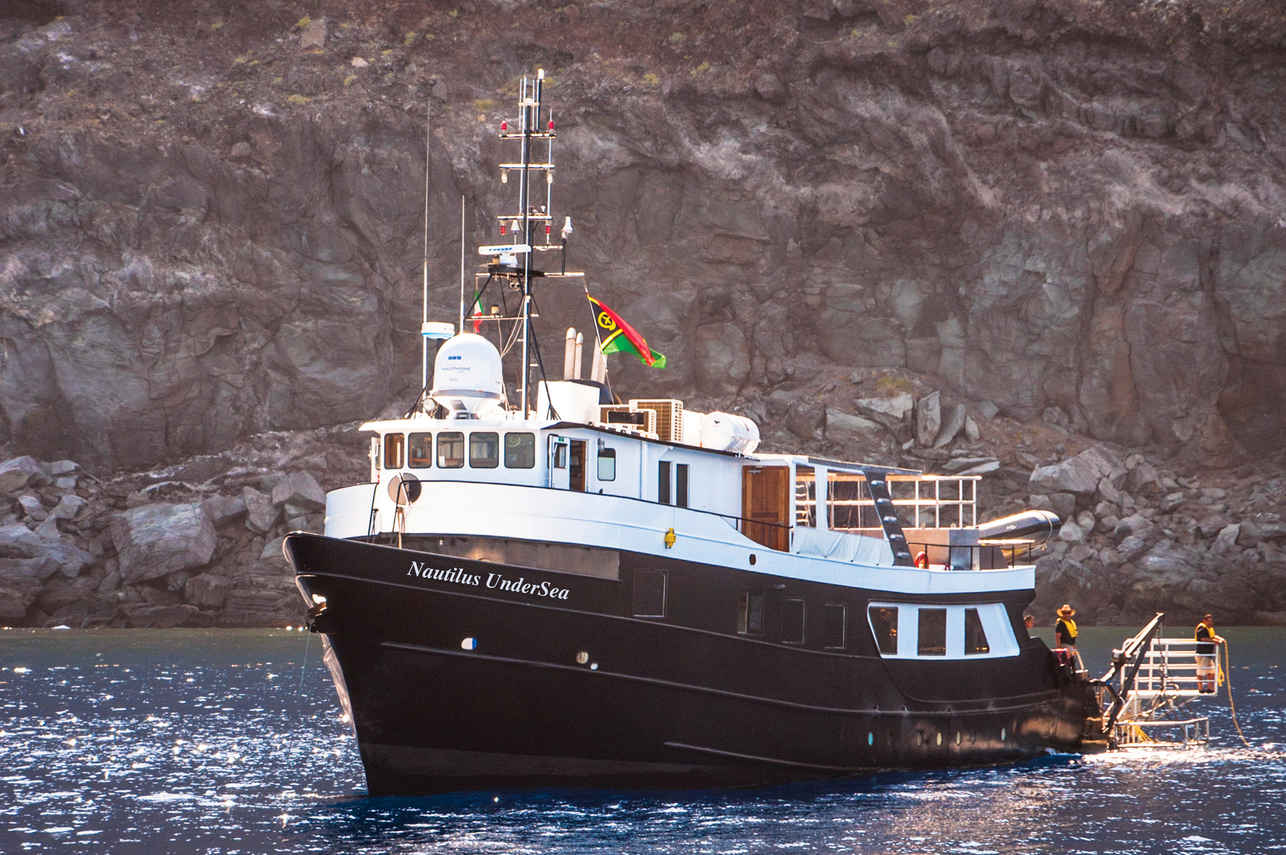
Nautilus Under Sea
Mexico
19 guests32 m
$261/day
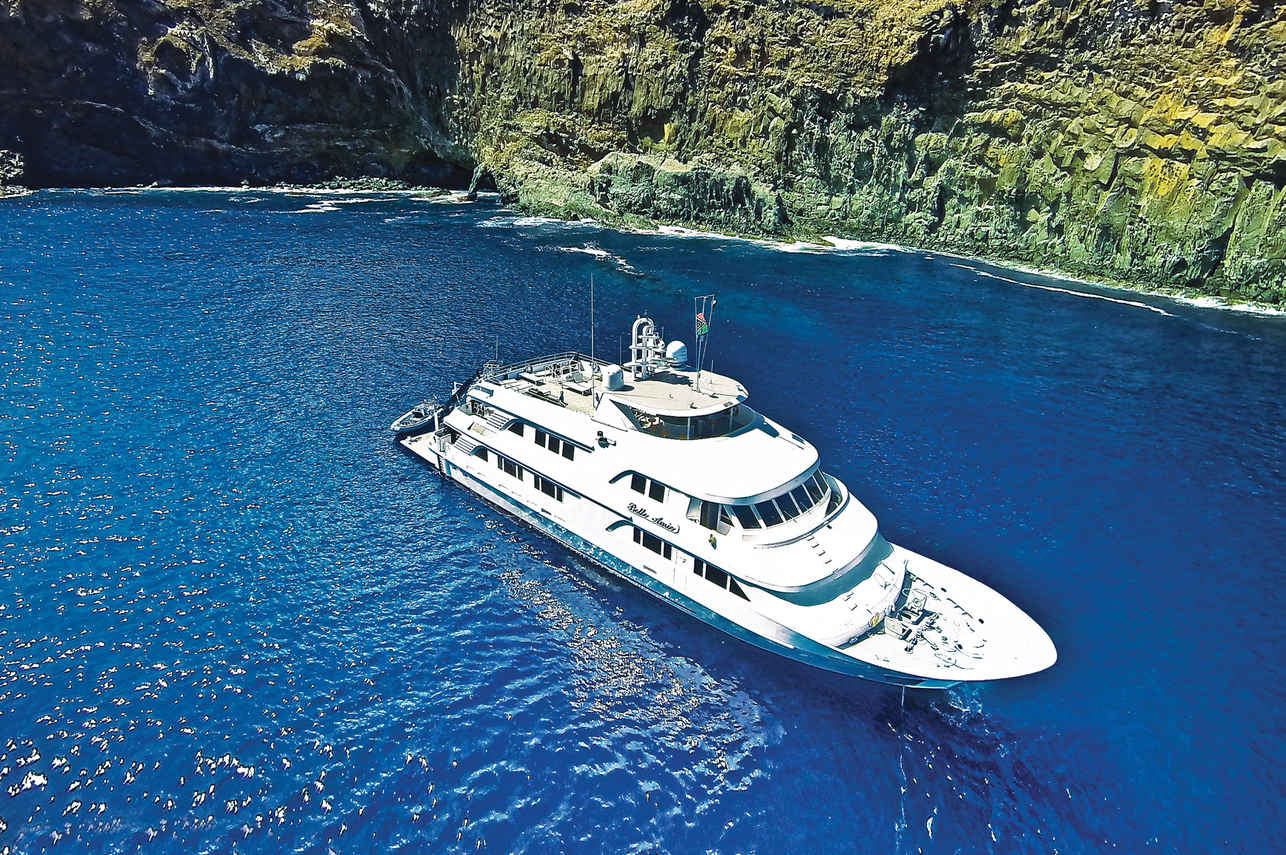
Nautilus Belle Amie
Mexico
32 guests44.8 m
$323/day
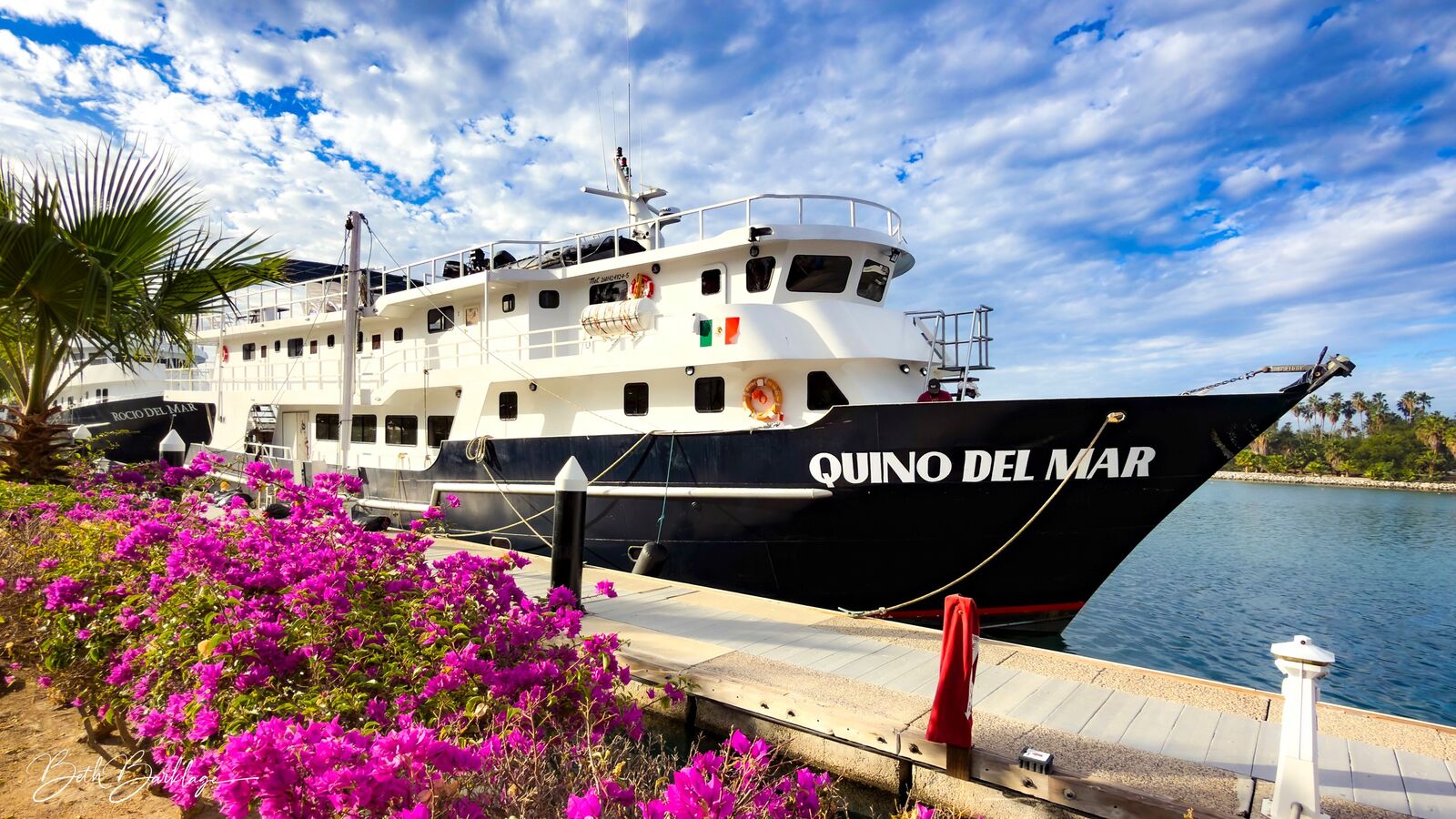
Quino del Mar
Mexico
20 guests36 m
$377/day
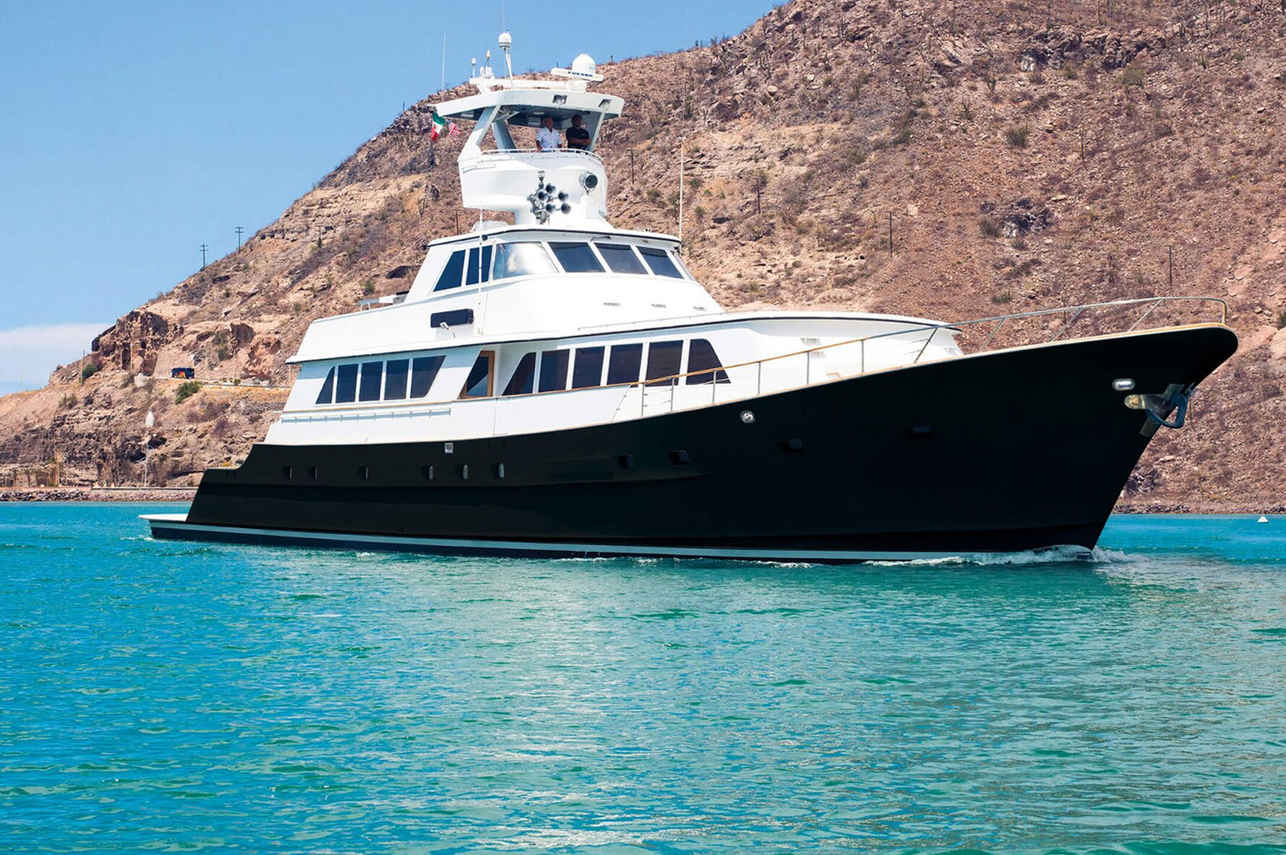
Nautilus Gallant Lady
Mexico
12 guests35.36 m
$332/day
Dive sites similar to Agustín Melgar shipwreck
Same character, same waters — six more sites divers love for the exact same reasons.Compare seasons, access and liveaboard routes — then pick the site that fits your trip best.
© Esri — Maxar, Earthstar, GIS
Land's End
Mexico
Land's End marks the meeting point of the Pacific Ocean and the Sea of Cortez, creating a dynamic dive environment.
- Suitable for
- Intermediate
- Current
- Moderate
- Access
- Liveaboard or dayboat
- Depth
- 9–24 m
- Theme
- Wreck / Channel
© Esri — Maxar, Earthstar, GIS
The C-58 Wreck, also known as the USS Harlequin or ARM DM-20, is a prominent artificial reef located off the coast of Cancún and Isla Mujeres.
- Suitable for
- Advanced
- Current
- Moderate
- Access
- Dayboat
- Depth
- 18–26 m
- Theme
- Wreck / Drift
© Esri — Maxar, Earthstar, GIS
C-58 Wreck
Mexico
The C-58 Wreck is a prominent artificial reef located in Bahía de Mujeres, the channel between Isla Mujeres and the Cancún coast.
- Suitable for
- Advanced
- Current
- Strong
- Access
- Dayboat
- Depth
- 18–26 m
- Theme
- Wreck / Drift
© Esri — Maxar, Earthstar, GIS
The C-53 Felipe Xicoténcatl wreck, an artificial reef just off the coast of Cozumel, Mexico, offers a unique blend of history and marine habitat.
- Suitable for
- Intermediate
- Current
- Strong
- Access
- Liveaboard or dayboat
- Depth
- 12–25 m
- Theme
- Wreck
© Esri — Maxar, Earthstar, GIS
Banco Chinchorro is a vast coral atoll rising from the Mexican Caribbean, a largely untouched marine reserve renowned for its pristine conditions.
- Suitable for
- Advanced
- Current
- Strong
- Access
- Liveaboard or dayboat
- Depth
- 5–20 m
- Theme
- Wall / Wreck
© Esri — Maxar, Earthstar, GIS
Mama Viña Wreck
Mexico
Mama Viña is Playa del Carmen’s primary local wreck dive, a former shrimp boat intentionally sunk in 1995 to form an artificial reef.
- Suitable for
- Advanced
- Current
- Strong
- Access
- Liveaboard or dayboat
- Depth
- 21–30 m
- Theme
- Drift / Wreck