About La Lobera
La Lobera is a unique dive site that features a sea lion colony, rather than a coral reef, with depths ranging from 3 to 9 meters. This site offers an incredible opportunity for interactive wildlife encounters, making it a highlight for many divers. The absence of extensive coral reef structures shifts the focus entirely to the fascinating behavior of the marine mammals and fish that inhabit the area. Common encounters at La Lobera include schools of surgeonfish and moorish idols, which frequent the waters around the colony. However, the main attraction is the seasonal presence of sea lions, which are known for their playful and curious nature, often interacting closely with divers. During certain seasons, large schools of sardines can also be observed, attracting other marine predators. There is also a possibility of encountering spotted eagle rays, adding to the diversity of marine life. This site is particularly recommended for those seeking memorable animal encounters in shallow, comfortable conditions. The playful sea lions make La Lobera an engaging and joyful dive experience.
Highlights
Sea lion colonyInteractive wildlife encountersSchools of surgeonfishSeasonal sardine aggregationsPossible spotted eagle rays
Season calendar
Best months to dive here
Jan
Feb
Mar
Apr
May
Jun
Jul
Aug
Sep
Oct
Nov
Dec
Excellent
Good
Nov – Apr (Peak)
Socorro season open (Nov–May) for giant mantas and hammerheads. Cozumel bull sharks Dec–Mar. Cenotes excellent year-round. Best overall conditions.
May – Oct (Transition & Sea of Cortez)
Socorro closing, Cozumel still good. Whale sharks arrive at Isla Mujeres Jun–Sep. From August, the Sea of Cortez comes alive: Midriff Islands offer massive sea lion colonies and schooling mobulas. September and October bring world-class diving around La Paz and Cabo Pulmo with whale sharks, hammerheads, and bull sharks on the Explore Baja route.
Dive site facts: La Lobera
- Depth
- 3–9 m
- Current
- Mild
- Entry
- Liveaboard or dayboat
- Level
- Beginner
- Dive type
- , Reef
- Region / port
- Mexico
- Coordinates
- 23.4705° N, 109.4343° W
Conditions & Currents
Currents are usually mild, which makes this a relaxed dive suitable for most certified divers. Dive profiles here run between roughly 3 and 9 metres, so plan your gas and no-decompression limits around the deeper part of the site. It is usually briefed as a dive for beginner divers. It can be dived from a liveaboard or a day boat, depending on where you start the trip. Tide, wind and season all shift the picture from day to day, so the crew's briefing on the boat always overrides any general description.
Why dive La Lobera from a liveaboard?
La Lobera is one of Mexico's signature dive sites. A liveaboard sleeps you on the water and puts you in the water for three to four guided dives per day, including dawn and night dives that day-boat operators rarely offer. You skip the daily commute back to port and reach quieter, less-crowded sites in the same region on a single trip.
Below are the liveaboards that include La Lobera on their Mexico itineraries.
Liveaboards diving La Lobera
These liveaboards may visit La Lobera on selected itineraries, the exact dive sites depend on departure, weather and conditions.
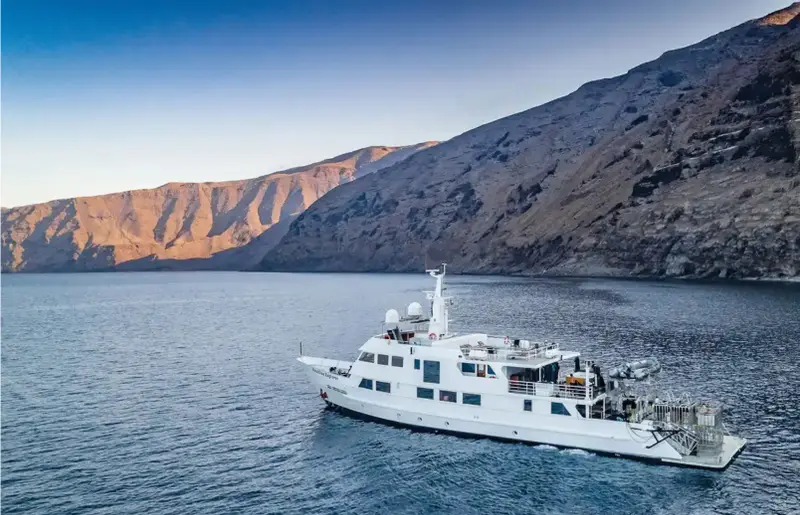
Nautilus Explorer
Mexico
25 guests45 m
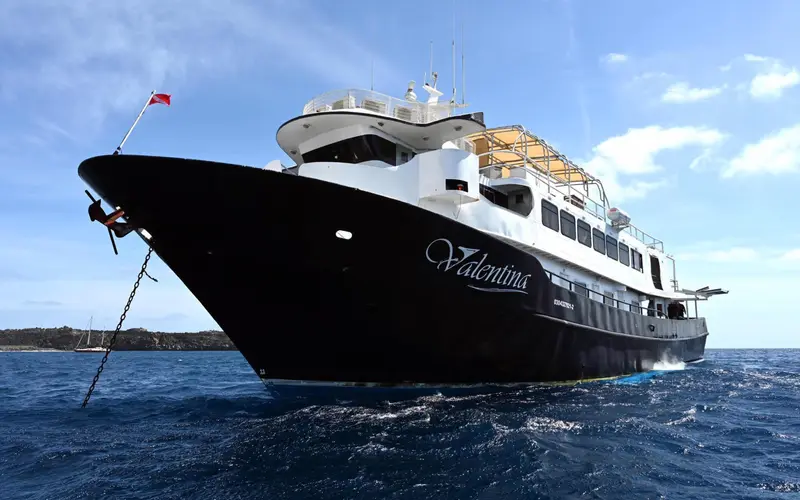
Valentina
Mexico
20 guests38 m
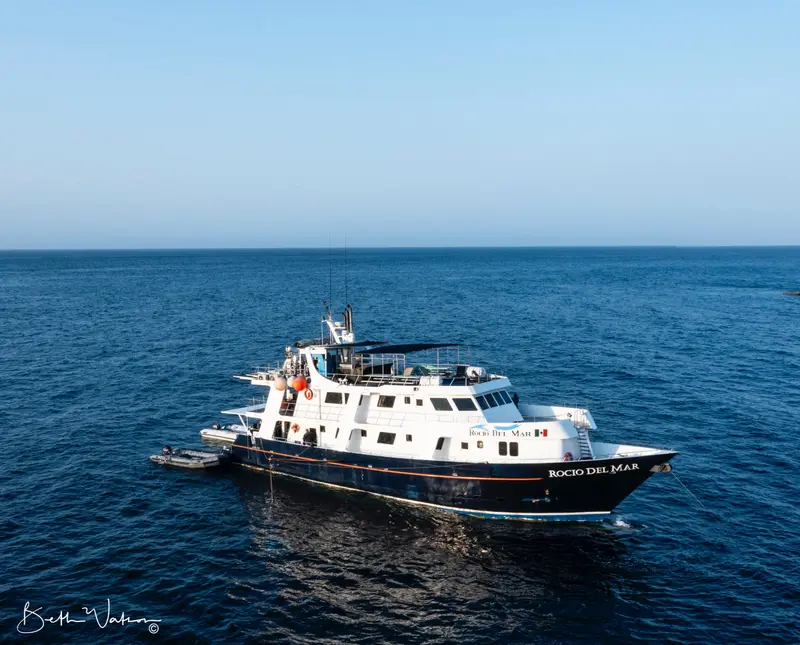
Rocio del Mar
Mexico
20 guests34 m
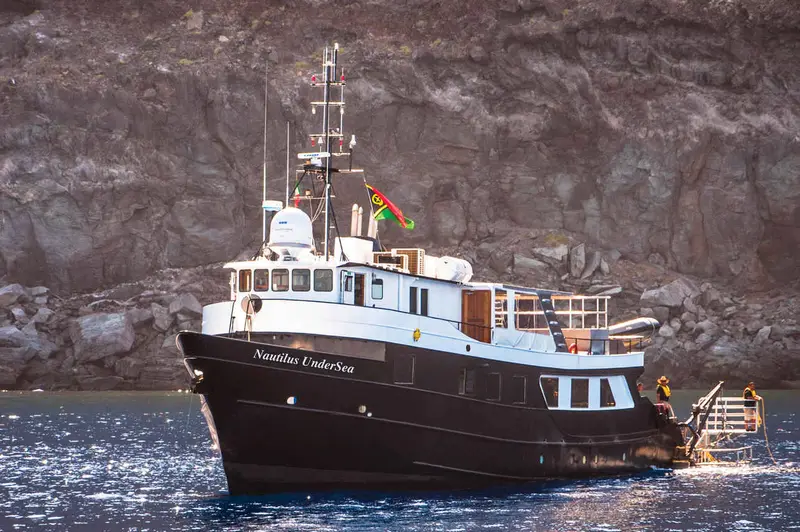
Nautilus Under Sea
Mexico
19 guests32 m
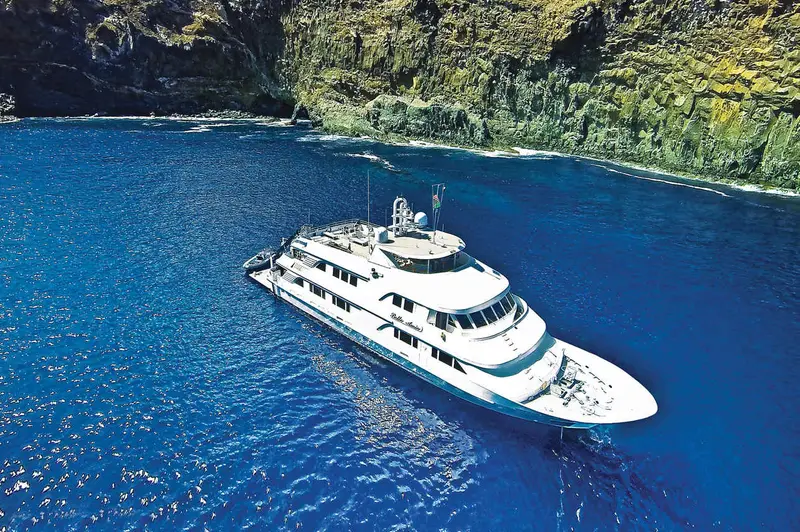
Nautilus Belle Amie
Mexico
32 guests45 m
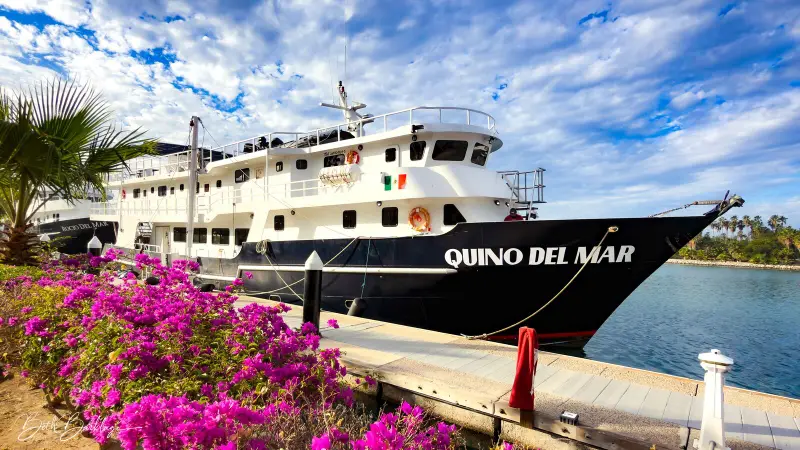
Quino del Mar
Mexico
20 guests36 m
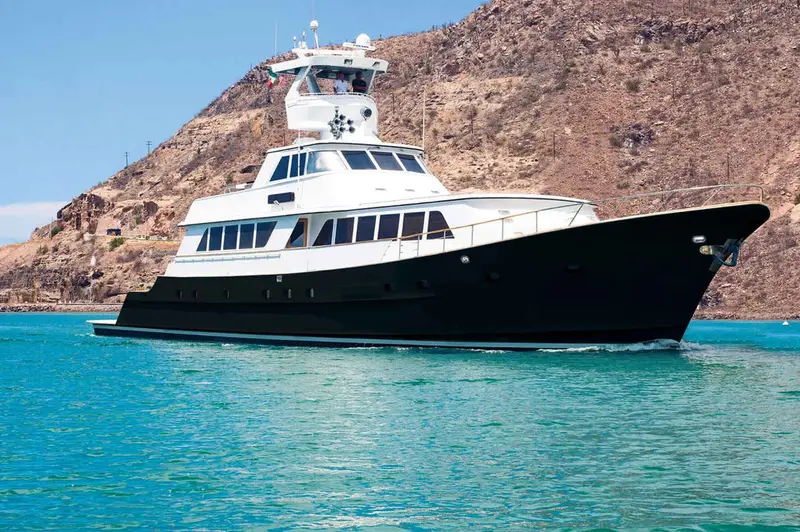
Nautilus Gallant Lady
Mexico
12 guests35 m
Dive sites similar to La Lobera
Same character, same waters, six more sites divers love for the exact same reasons.Compare seasons, access and liveaboard routes, then pick the site that fits your trip best.
© EsriMaxar, Earthstar, GIS
Agustín Melgar shipwreck
Mexico
The Agustín Melgar, also known as the C-54, is a 56-meter (185-foot) former minesweeper that rests on a sandy bottom at 24 meters (80 feet) south of Puerto Escondido within the Loreto Bay National Park.
- Suitable for
- Intermediate
- Current
- Mild
- Access
- Liveaboard only
- Depth
- 12–24 m
- Theme
- Wreck
Arco Iris, or "Rainbow" in Spanish, is a prominent dive site located near Brumel Island (Penahuaste), approximately 8km north of Playa Potrero in Costa Rica.
- Suitable for
- Beginner
- Current
- Moderate
- Access
- Dayboat
- Depth
- 9–30 m
- Theme
- Reef
© EsriMaxar, Earthstar, GIS
Bahía de La Paz
Mexico
Bahía de La Paz serves as the capital of Baja California Sur and the primary gateway to the Sea of Cortez, a region famously dubbed the "world's aquarium" by Jacques Cousteau due to its exceptional biodiversity.
- Suitable for
- Advanced
- Current
- Mild
- Access
- Dayboat
- Depth
- 17–27 m
- Theme
- Big animals / Reef
© EsriMaxar, Earthstar, GIS
Bahía de los Ángeles
Mexico
Bahía de los Ángeles, nestled in the northern Sea of Cortez, is a remarkable dive destination primarily known for its seasonal aggregations of whale sharks.
- Suitable for
- Intermediate
- Current
- Moderate
- Access
- Liveaboard only
- Depth
- 3–15 m
- Theme
- Reef
© EsriMaxar, Earthstar, GIS
Bajo Alcyone
Costa Rica
Bajo Alcyone, a submerged seamount near Cocos Island, stands as a world-renowned dive site.
- Suitable for
- Advanced
- Current
- Strong
- Access
- Liveaboard only
- Depth
- 25–40 m
- Theme
- Drift / Seamount
© EsriMaxar, Earthstar, GIS
Bajo de la Ballena
Mexico
El Bajo, often referred to as Bajo de la Ballena, is a prominent seamount situated approximately eight miles northeast of La Paz, Mexico.
- Suitable for
- Advanced
- Current
- Strong
- Access
- Liveaboard or dayboat
- Depth
- 18–35 m
- Theme
- Pinnacle