About Roca O'Neal
Roca O'Neal, also referred to as Hammerhead Central, is a prominent dive site located off Socorro Island in Mexico's Revillagigedo Archipelago. This site is renowned for its consistent large pelagic encounters, making it a highlight for divers seeking big animal action. Its remote volcanic location contributes to rich currents that attract diverse marine life, cementing its reputation as a world-class diving destination for experienced enthusiasts. The site features craggy, black rocks that break the surface and a shallow plateau extending outwards. This plateau drops off steeply on all sides to depths exceeding 30 meters, characterized by large boulders and rock formations. A distinctive feature is a beautiful archway, approximately 10 meters wide and over 10 meters high, providing a scenic swim-through and photo opportunity. While the shallow areas experience strong surf, these are easily avoided, allowing divers to explore the deeper sections where the topography transitions into dramatic underwater landscapes. Marine life at Roca O'Neal is abundant and diverse, with frequent sightings of hammerhead, Galapagos, and silvertip sharks. Divers can also spot diamond stingrays, lobsters, and occasionally large mobula rays. Giant trevally, known for their size and speed, are a notable presence, often seen patrolling the reef. For those interested in macro life amidst the pelagic spectacle, Glossodoris sedna nudibranchs can be found, offering a contrast to the larger creatures. Roca O'Neal is considered a site for advanced divers due to potentially strong currents and exposed conditions. Entry techniques often involve liveaboard tenders dropping divers directly into the action. While visibility can vary depending on conditions like algae in the water, it is typically good enough to appreciate the site's features. Divers should be comfortable with open ocean diving and prepared for encounters with powerful pelagics, making it an exhilarating experience for those seeking intense marine encounters.
Highlights
Hammerhead shark encountersGalapagos shark sightingsSilvertip shark presenceScenic archway swim-throughGiant trevally populationsDiamond stingraysLobsters on the plateauOccasional mobula rays
Season calendar
Best months to dive here
Jan
Feb
Mar
Apr
May
Jun
Jul
Aug
Sep
Oct
Nov
Dec
Excellent
Good
Dive site facts: Roca O'Neal
- Depth
- Up to 33 m (110 ft)
- Typical dive
- 27–33 m (90–110 ft), 40–60 min
- Current
- Strong
- Visibility
- 15–50 m (49–164 ft)
- Water temperature
- 21–28°C (70–82°F)
- Entry
- Zodiac / negative entry
- Level
- Advanced, comfortable in strong currents
- Dive type
- Pelagic, deep wall, drift
- Night dive
- Not permitted
- Region / port
- Revillagigedo Archipelago, Mexico
- Coordinates
- 18.735, -110.97
Conditions & Currents
Roca O'Neal is known for its seriously rough conditions, both on the surface and underwater, with currents and surge that can become unmanageable. Divers should anticipate moderate to strong flows, which necessitate drift diving techniques and robust buoyancy control. Due to the powerful surge, maintaining separation from other divers can occur, and it's imperative to have a clear plan for ascents. The boat's directive often prohibits blue water safety stops, as strong currents can rapidly move a diver away from the vessel. Thermoclines are common, indicating shifts in temperature and potentially affecting dive comfort and marine life distribution. Visibility is often good but can be influenced by oceanic conditions. This site is best suited for experienced divers comfortable with challenging open-ocean environments and adept at managing dynamic underwater conditions.
Marine life & sighting chances

Giant Pacific manta ray
All year · common
Silky shark
All year · occasional
White-tip shark
All year · occasional
Galapagos shark
All year · occasional
Bottlenose dolphin
January to March · occasional
Hammerhead shark
May · occasional
Humpback whale
January to April · occasional
Whale shark
November to December, April to May · occasional
Yellowfin tuna
May · occasionalDive profile & how the dive runs
Diving at Roca O'Neal typically begins with a Zodiac drop-off, often requiring a negative entry due to strong currents. The dive often targets depths of 27 to 33 meters (90 to 110 feet) to explore the deep wall and unique rocky arch. Divers navigate the rugged topography, often using the rock face for shelter or to observe pelagic action. Currents and surge can be significant, necessitating constant awareness and good finning technique. The dive progresses along the wall, with the turnaround point dictated by air consumption and bottom time, typically aiming for 40 to 60 minutes. Ascents are usually made into the blue, directly to the tender, as blue water safety stops are generally avoided due to the risk of being swept away by strong currents.
Underwater photography
Roca O'Neal is a prime location for wide-angle photography, focusing on its dramatic underwater scenery and large pelagic subjects. A fisheye or wide-angle lens is essential to capture the scale of the deep walls, rock formations, and the impressive marine megafauna like mantas and sharks. Given the often rough conditions and strong currents, maintaining good buoyancy is critical to avoid disturbing the environment and ensure clear shots. Fast shutter speeds are recommended to freeze the action of quick-moving sharks and other pelagics. Consider bringing a strong video light even for stills, as it can help define details in deeper sections or during overcast periods. Be prepared for challenging conditions; camera handling in Zodiacs and during strong surge requires practice and secure gear.
Combine with nearby dive sites
- Socorro - Cabo Pearce
Known for dolphins, humpbacks, and mantas.
- Socorro - Punta Tosca
Offers encounters with friendly bottlenose dolphins and silky sharks.
- Roca Partida
Famous for abundant sharks and schooling fish around an isolated pinnacle.
- San Benedicto Island - The Boiler
A renowned cleaning station for giant Pacific manta rays.
- San Benedicto - El Cañón
Popular for deep-water diving and various shark species.
Getting there & logistics
Access to Roca O'Neal and the wider Revillagigedo Archipelago is exclusively via liveaboard, departing primarily from Puerto Los Cabos Marina or Cabo San Lucas, at the southern tip of Baja California. The closest international airport is Los Cabos International Airport (SJD). The crossing to the islands is a significant journey, taking approximately 24 to 26 hours, often on rough open Pacific seas. Trip durations typically range from 8 to 10 days, with longer expeditions offering more dive time. There are no resort options; all accommodation and diving operations are conducted from the liveaboard vessel. Marine park fees apply and have seen substantial increases. Itineraries usually combine several dive sites across the Socorro, San Benedicto, and Roca Partida islands, offering a diverse pelagic experience.
Safety & environment
Diving at Roca O'Neal and throughout the Socorro Islands requires a high level of diver preparedness due to strong currents, potential surge, and remote location. It is crucial to have dive insurance that covers emergency medical evacuation, as the nearest recompression chamber is back on the mainland in Cabo San Lucas, a 24-hour boat journey away. Evacuation from the islands is complex and can be delayed by weather or sea conditions. Divers must be proficient in managing strong currents, comfortable with negative entries, and accustomed to performing safety stops in open water. Always carry a personal locator beacon (PLB) or dive safety sausage, ensuring it is in good working order. Listen carefully to dive briefings, follow dive guides, and respect marine life by maintaining a safe distance and not attempting to touch or feed animals.
Who it suits — and who it doesn't
Suited for
- Advanced divers comfortable in strong currents
- Divers seeking pelagic megafauna encounters
- Experienced drift divers
- Underwater photographers with wide-angle setups
- Those without significant seasickness issues
Less suited for
- Beginner divers or those new to current diving
- Divers prone to seasickness
- Individuals prioritizing macro photography or coral reefs
- Those looking for resort-based diving experiences
- Divers with fewer than 50 logged dives
FAQ
Roca O'Neal FAQ
What kind of marine life can I expect at Roca O'Neal?
Roca O'Neal is famous for its large pelagic encounters, including various species of sharks such as silky, white-tip, and Galapagos sharks. You can also expect to see giant Pacific manta rays, playful bottlenose dolphins, and during specific seasons, even humpback whales or whale sharks. It's truly a big animal paradise.
How strong are the currents at Roca O'Neal?
Currents at Roca O'Neal can be very strong and unpredictable, often accompanied by significant surge. This site is considered challenging, requiring divers to be proficient in current diving techniques and to maintain excellent buoyancy control. Dive operators typically advise against blue water safety stops due to the risk of being swept away.
What is the typical depth for diving at Roca O'Neal?
Dives at Roca O'Neal commonly extend to depths of 27 to 33 meters (90 to 110 feet). This allows exploration of the deep wall features and provides opportunities for encounters with pelagic species that frequent these depths. Divers should be comfortable with deeper profiles and manage their air consumption accordingly.
Is Roca O'Neal suitable for beginner divers?
No, Roca O'Neal is not suitable for beginner divers. Due to the strong currents, deep profiles, and challenging open-ocean conditions, it requires advanced diving skills and significant experience. Most liveaboards also mandate a minimum of 50 logged dives for the Socorro Islands.
How do I get to Roca O'Neal?
Roca O'Neal is located off Socorro Island in the remote Revillagigedo Archipelago, accessible only by liveaboard. These expeditions depart from ports like Cabo San Lucas or San Jose del Cabo, requiring a 24 to 26-hour boat journey. Once at the islands, divers are transported to the site via inflatable Zodiac tenders.
Why dive Roca O'Neal from a liveaboard?
Roca O'Neal is one of Mexico's signature dive sites. A liveaboard sleeps you on the water and puts you in the water for three to four guided dives per day, including dawn and night dives that day-boat operators rarely offer. You skip the daily commute back to port and reach quieter, less-crowded sites in the same region on a single trip.
Below are the liveaboards that include Roca O'Neal on their Mexico itineraries.
Liveaboards diving Roca O'Neal
These liveaboards may visit Roca O'Neal on selected itineraries — the exact dive sites depend on departure, weather and conditions.
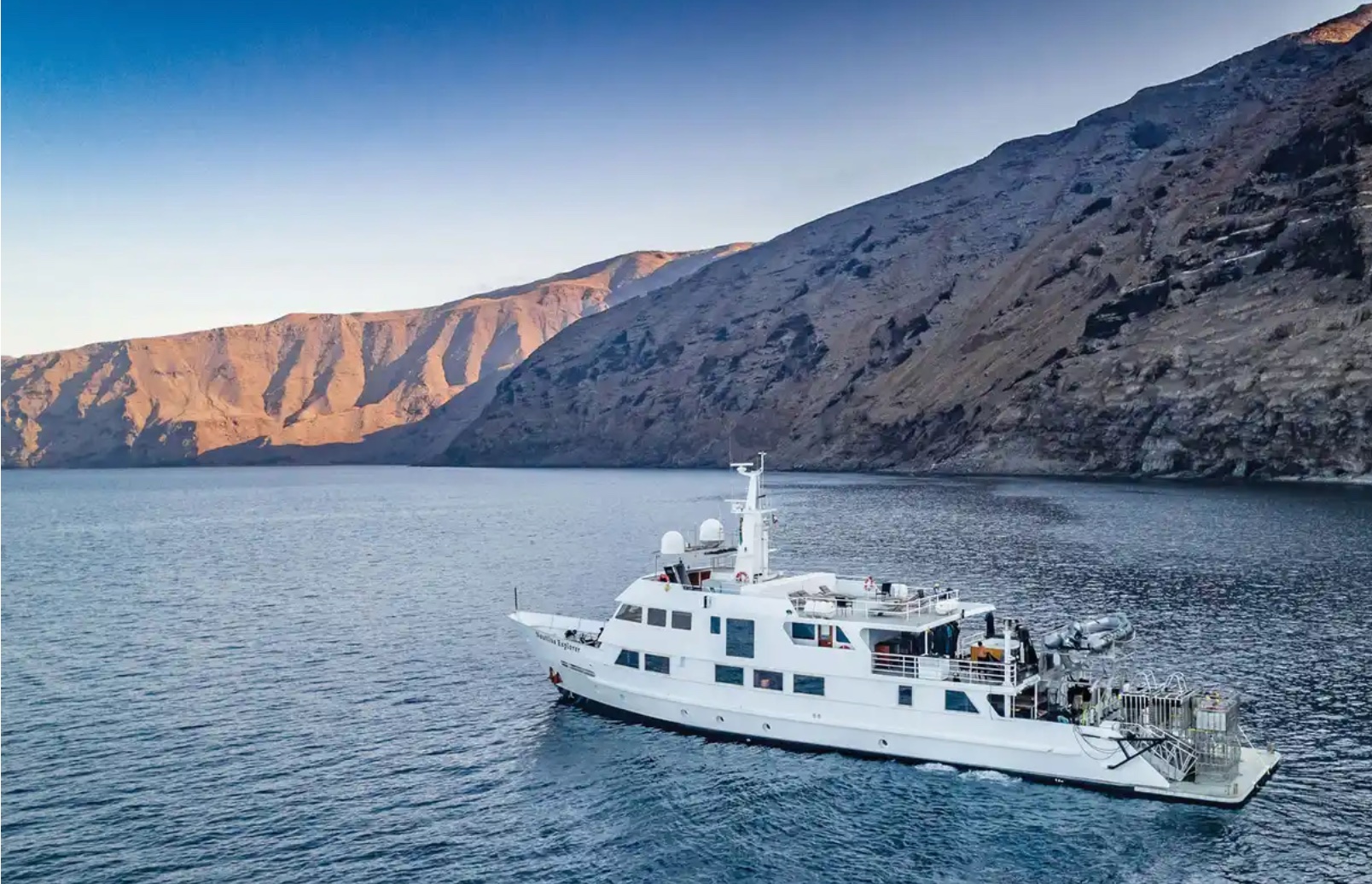
Nautilus Explorer
Mexico
25 guests44.8 m
$230/day
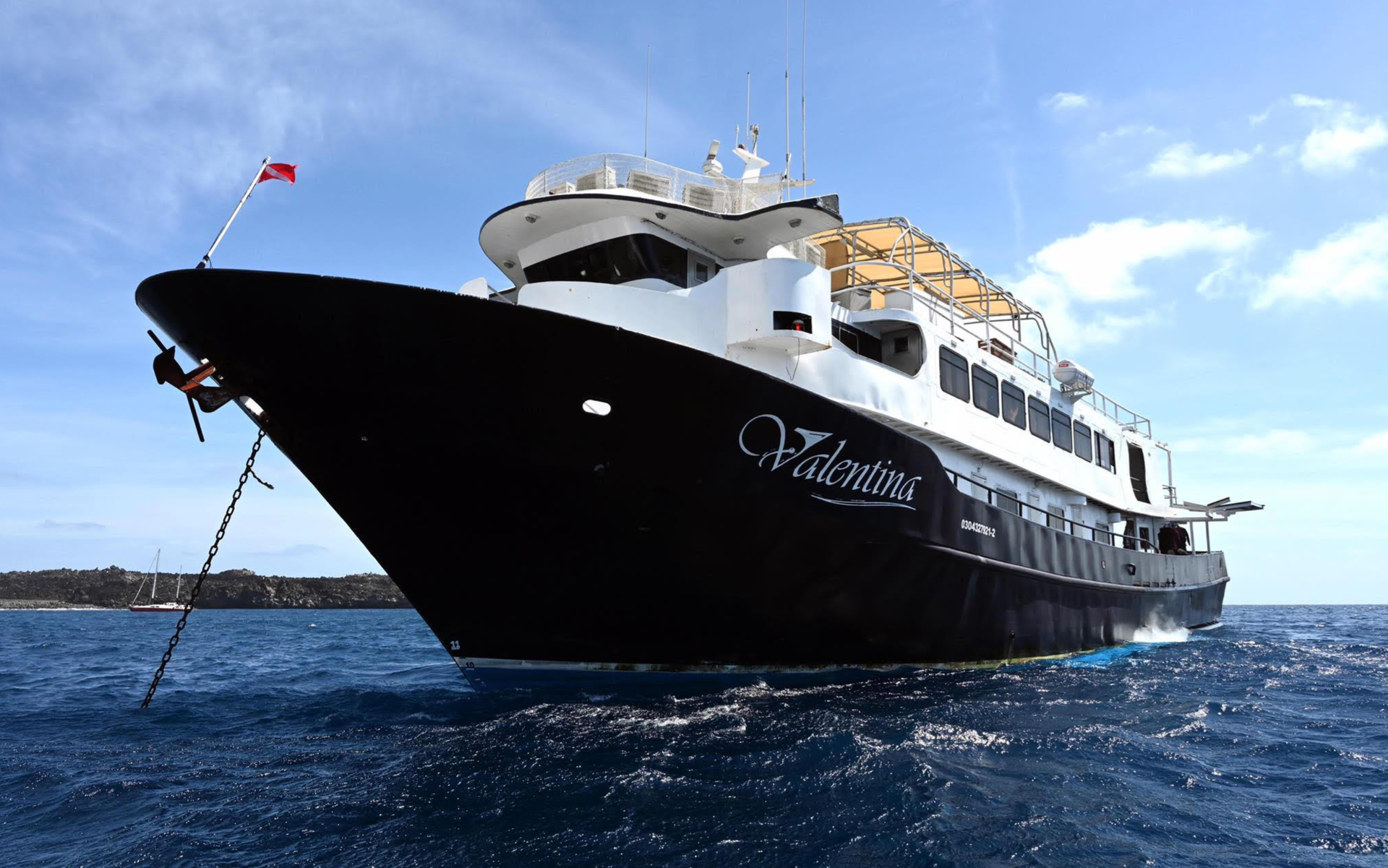
Valentina
Mexico
20 guests38.1 m
$430/day
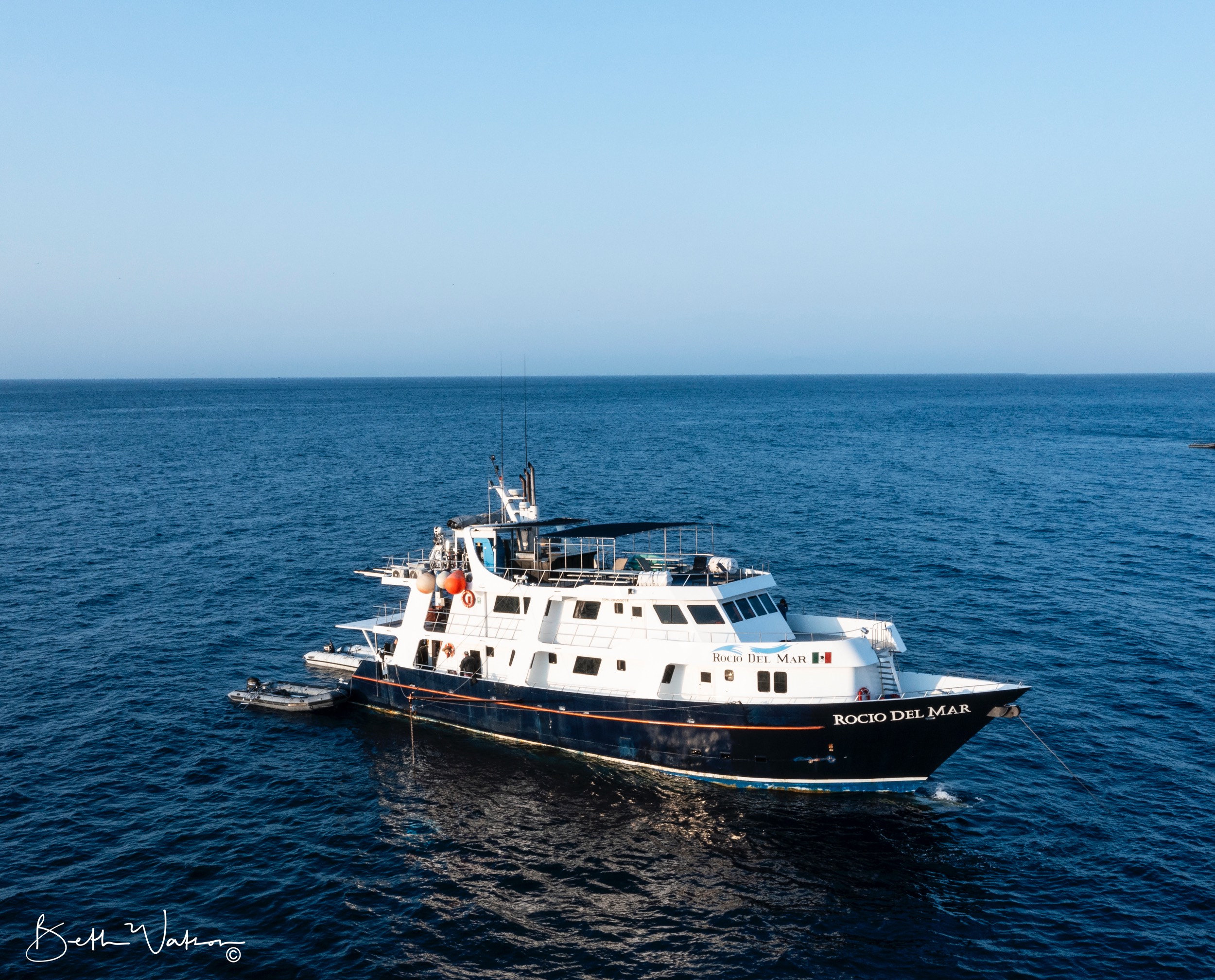
Rocio del Mar
Mexico
20 guests33.5 m
$392/day
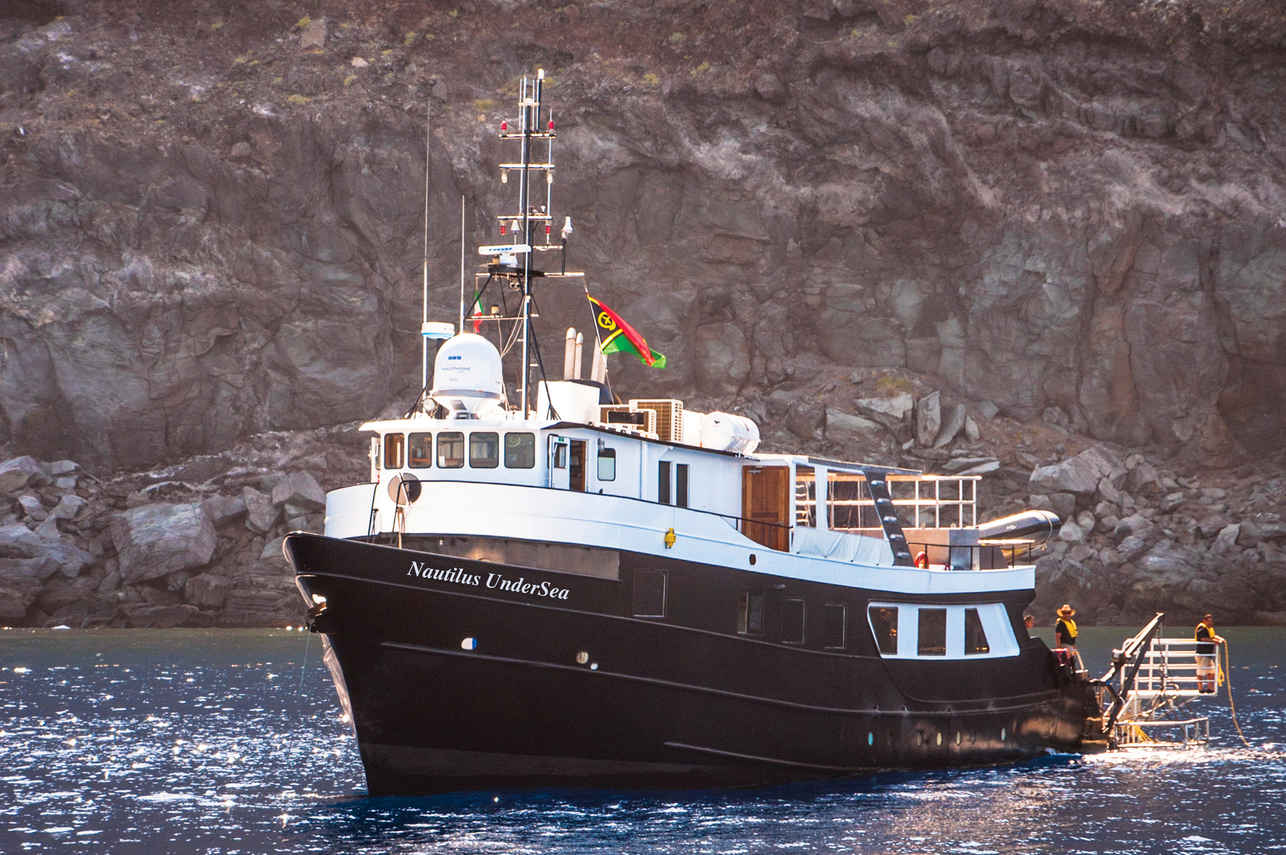
Nautilus Under Sea
Mexico
19 guests32 m
$261/day
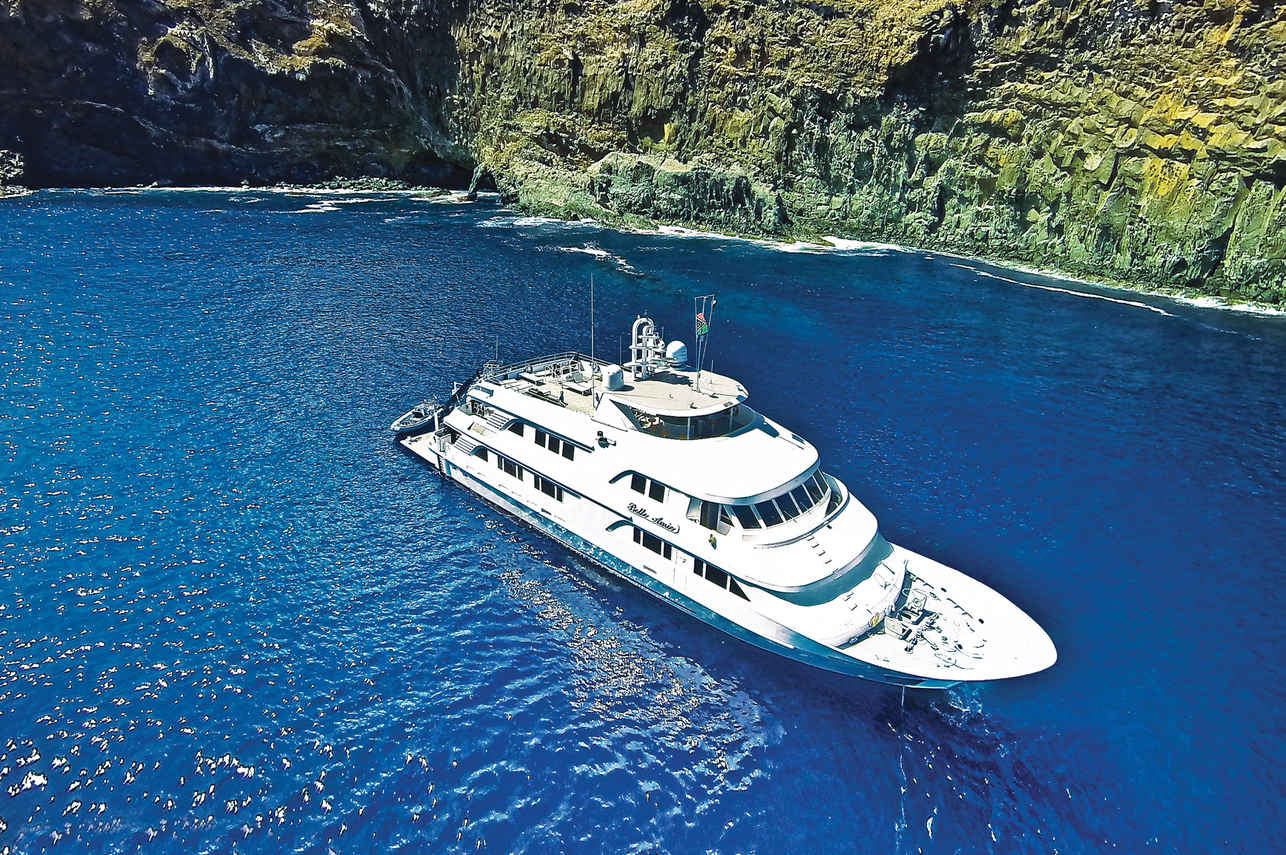
Nautilus Belle Amie
Mexico
32 guests44.8 m
$323/day
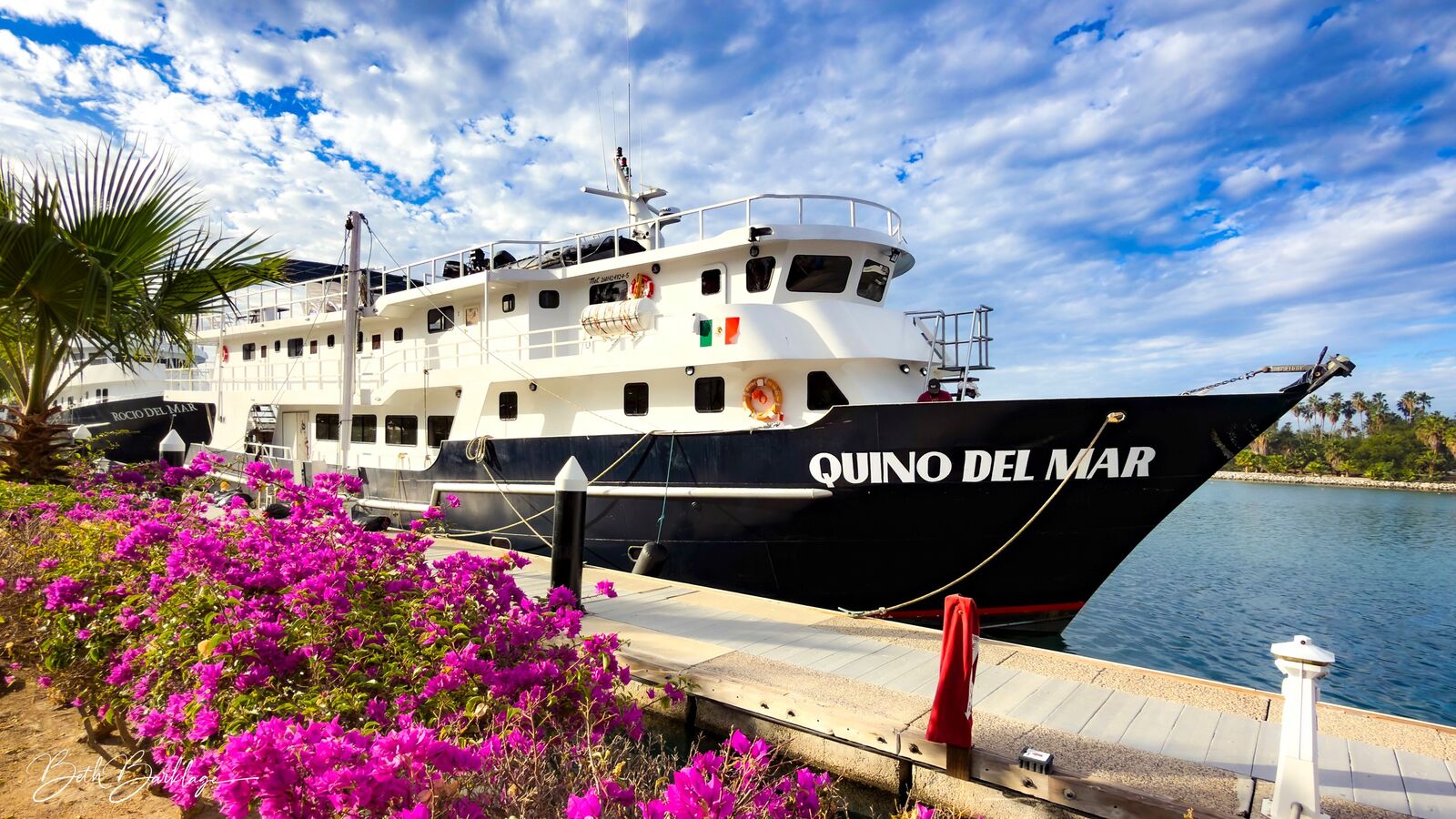
Quino del Mar
Mexico
20 guests36 m
$377/day
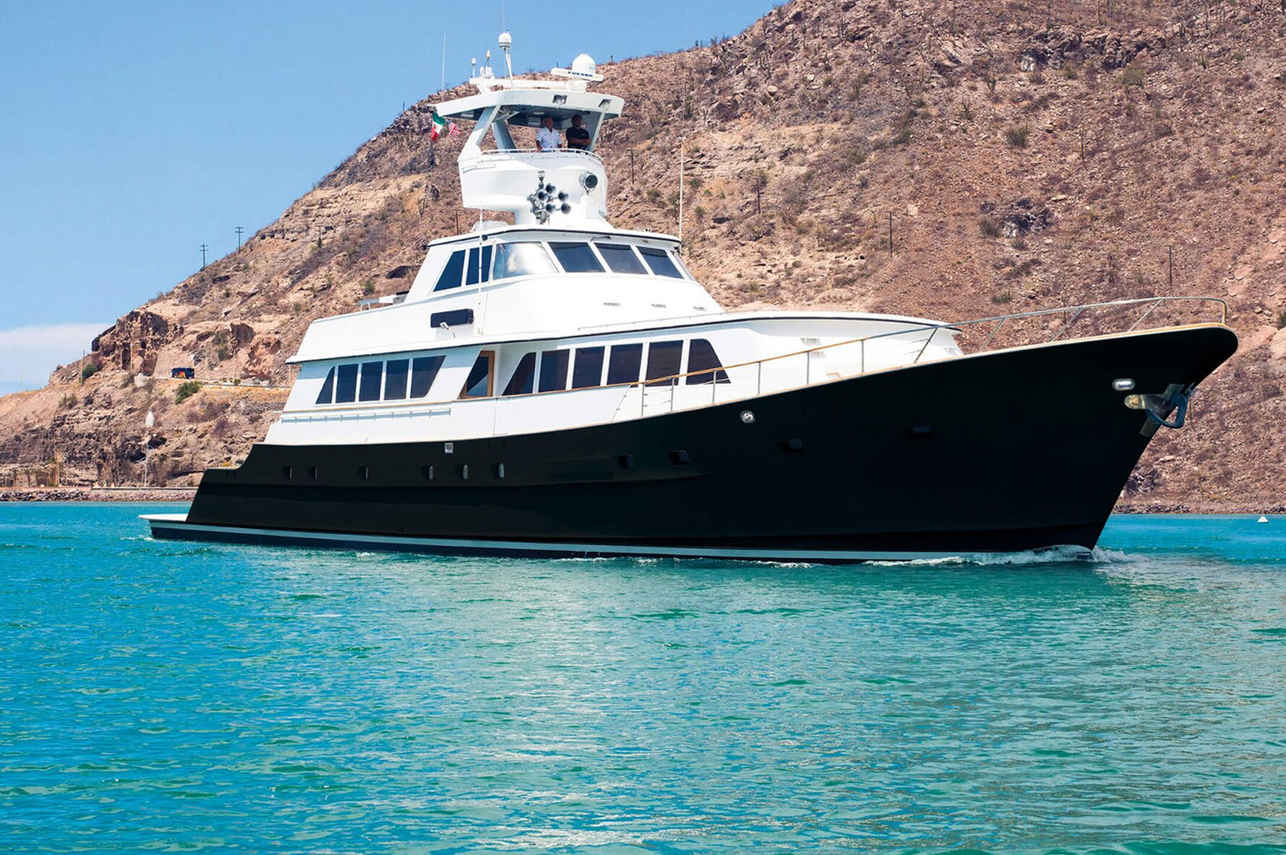
Nautilus Gallant Lady
Mexico
12 guests35.36 m
$332/day
Dive sites similar to Roca O'Neal
Same character, same waters — six more sites divers love for the exact same reasons.Compare seasons, access and liveaboard routes — then pick the site that fits your trip best.
© Esri — Maxar, Earthstar, GIS
Cenote Kukulkan, often referred to as Chikin Ha, is a captivating underwater cavern system located in the heart of the Yucatán Peninsula, approximately 25 kilometers (15 miles) from Playa del Carmen.
- Suitable for
- Intermediate
- Current
- No current
- Access
- Dayboat
- Depth
- 10–15 m
- Theme
- Cavern / Pinnacle
© Esri — Maxar, Earthstar, GIS
El Boiler, located off San Benedicto Island, stands as a premier dive site within Mexico's Revillagigedo Archipelago, often likened to the Galapagos for its abundant pelagic encounters.
- Suitable for
- Advanced
- Current
- Strong
- Access
- Liveaboard only
- Depth
- 5–35 m
- Theme
- Pinnacle
© Esri — Maxar, Earthstar, GIS
The Boiler is a world-renowned dive site located at Socorro Island, part of Mexico's Revillagigedo Archipelago, often referred to as Mexico's "Little Galapagos." This remote…
- Suitable for
- Advanced
- Current
- Strong
- Access
- Shore / dayboat
- Depth
- 15–30 m
- Theme
- Pinnacle
© Esri — Maxar, Earthstar, GIS
El Boiler is a world-renowned dive site situated off San Benedicto Island, part of Mexico's remote Revillagigedo Archipelago, also known as the Socorro Islands.
- Suitable for
- Advanced
- Current
- Strong
- Access
- Liveaboard only
- Depth
- 5–35 m
- Theme
- Pinnacle
© Esri — Maxar, Earthstar, GIS
El Bajo Seamount
Mexico
El Bajo Seamount, also known as Marisla Seamount, is a world-class advanced dive site located off La Paz in the Sea of Cortez.
- Suitable for
- Advanced
- Current
- Strong
- Access
- Liveaboard or dayboat
- Depth
- 18–40 m
- Theme
- Pinnacle / Seamount
© Esri — Maxar, Earthstar, GIS
Los Arcos, a National Marine Park situated off the coast of Puerto Vallarta near Mismaloya, stands as one of the region's most iconic and biologically rich dive destinations.
- Suitable for
- Beginner
- Current
- Strong
- Access
- Liveaboard or dayboat
- Depth
- 5–20 m
- Theme
- Cave & cavern / Pinnacle