About Susan's Reef
Susan's Reef is a highlight of Kimbe Bay, located on New Britain Island in Papua New Guinea, celebrated for its pristine condition and rich biodiversity. This dive site is composed of two seamounts that ascend close to the surface, connected by a natural saddle, creating a unique topography. The shallower of these seamounts culminates at approximately 5 meters, making it accessible for a range of divers. The entire structure is adorned with an impressive array of soft corals, sea fans, and anemones, creating a stunning visual display. When currents are present, the reef truly comes alive with vast numbers of small fish. Kimbe Bay itself is a designated Marine Protected Area and is part of the Coral Triangle, a region globally recognized for its exceptional marine diversity. It boasts an incredible seventy percent of all Indo-Pacific marine species, from minute invertebrates to larger pelagics like sharks and dolphins. This richness is sustained by nutrient-rich currents from the Bismarck Sea, which feed the bay's extensive coral ecosystems. The area acts as a crucial marine nursery, contributing to the prolific life found on reefs such as Susan's. Diving at Susan's Reef offers abundant opportunities for both macro and wide-angle photography. The site is particularly famous for its photogenic pink sea whips and spectacular red corals. Expect to encounter a variety of reef fish, nudibranchs, and various critters. Sightings of pygmy seahorses, including both Bargibanti and Denise species, are also a special draw. Walindi Plantation Resort serves as a primary access point to this site, providing comprehensive briefings and guided dives. The prevailing conditions in Kimbe Bay generally include excellent visibility, often ranging from 25 to 40 meters, and comfortable water temperatures averaging 26°C. While currents can occur and enhance marine life activity, the site is generally suitable for divers with varying experience levels.
Highlights
Two seamounts connected by a saddlePhotogenic pink sea whipsBargibanti and Denise pygmy seahorsesVibrant soft corals and sea fansAbundant small reef fishSpectacular red coralsExcellent wide-angle photographyRich macro life
Season calendar
Best months to dive here
Jan
Feb
Mar
Apr
May
Jun
Jul
Aug
Sep
Oct
Nov
Dec
Excellent
Dive site facts: Susan's Reef
- Depth
- 5–20 m
- Typical dive
- 12–18 m, 50–60 min
- Current
- Mild to moderate
- Visibility
- 25–40 m
- Water temperature
- 26–29°C
- Entry
- Tender / Liveaboard
- Level
- Beginner to Advanced
- Dive type
- Reef, wide-angle, macro
- Night dive
- Possible
- Region / port
- Kimbe Bay, New Britain
- Coordinates
- -5.438, 150.245
Conditions & Currents
Currents at Susan's Reef can vary from mild to moderate, often bringing in nutrient-rich waters that attract schools of small fish and enhance the vibrant marine ecosystem. While not typically a drift dive, divers should be prepared for potential currents, especially around the saddle connecting the two seamounts. Entry is usually via tender boat, allowing for precise placement near the reef.
Marine life & sighting chances
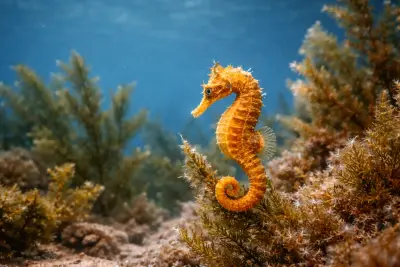
Bargibanti pygmy seahorse
occasionalDenise pygmy seahorse
occasional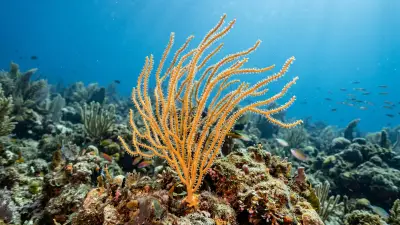
Pink sea whip
common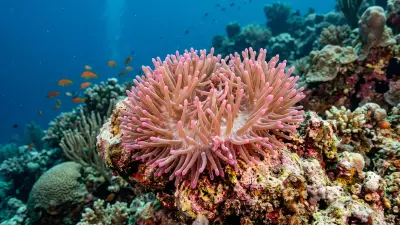
Anemone
common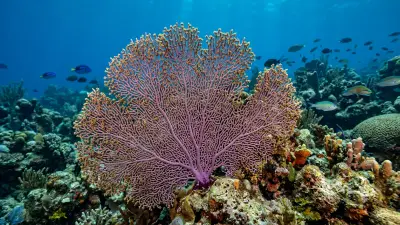
Sea fan
common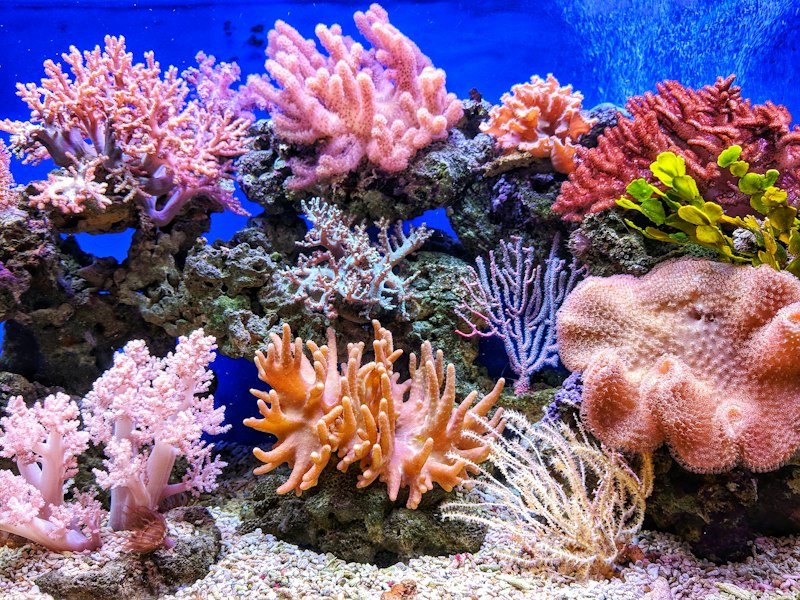
Soft coral
common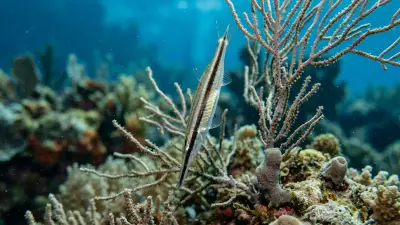
Razorfish
common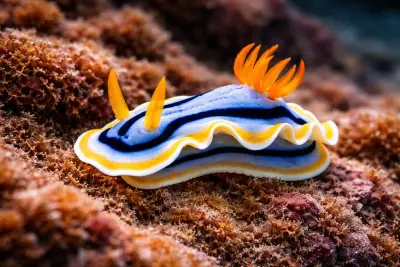
Nudibranch
occasional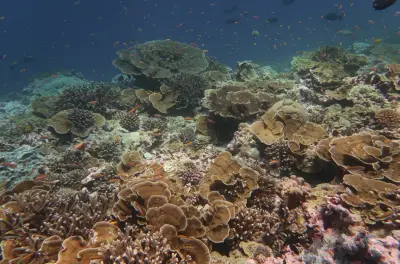
Small schooling fish
common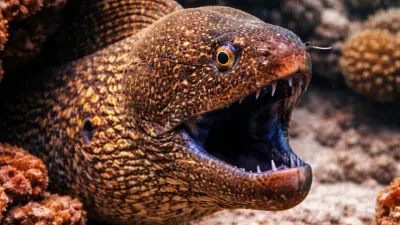
Eel
occasional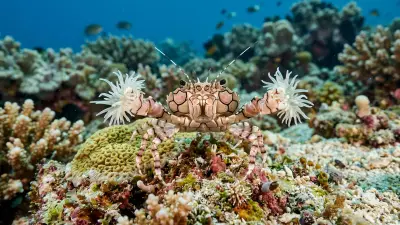
Crab
occasional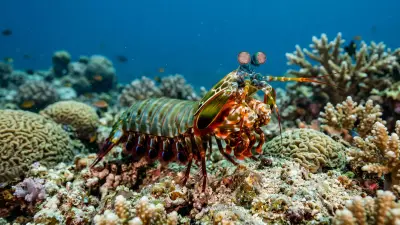
Shrimp
occasionalDive profile & how the dive runs
Your dive at Susan's Reef typically begins with a tender drop close to one of the seamounts, allowing for immediate exploration of the vibrant reef structure. The dive usually proceeds along the ridge and saddle connecting the two seamounts, where the most prolific soft corals and sea fan gardens are located. Depths often range between 5 to 20 meters, with the top of the shallower seamount sitting at around 5 meters, perfect for extended bottom time and wide-angle photography. As you navigate the reef, pay close attention to the smaller details for macro subjects like pygmy seahorses and nudibranchs. The turn point is generally determined by air consumption or NDL limits, with a gradual ascent along the reef slope. The safety stop is conducted in the shallow, coral-rich areas near the surface, offering additional opportunities for observing small reef fish and hard coral formations before surfacing for pick-up by the tender.
Underwater photography
Susan's Reef offers outstanding opportunities for both wide-angle and macro photography, making it a prime location to utilize a versatile setup or plan for multiple dives with different lens configurations. For wide-angle shots, a fisheye or rectilinear wide-angle lens is ideal to capture the expansive soft coral gardens, dramatic sea fan formations, and the overall reef topography, especially with the sunball behind your subject. Consider external strobes to bring out the vibrant reds and pinks of the corals, which can be muted at depth. For macro enthusiasts, a 100mm or 60mm lens paired with diopters is recommended to capture the intricate details of pygmy seahorses, nudibranchs, and other small critters. A snoot can be particularly effective here to highlight macro subjects against a clean background without disturbing the delicate reef. Excellent buoyancy control is paramount to avoid contact with the pristine corals, and patience is key when photographing shy subjects like pygmy seahorses.
Combine with nearby dive sites
- Fathers Reef
Iconic dive site with massive bommies, barracuda tornados, and whitetip reef sharks.
- Bradford Shoals
Prominent seamount known for abundant pelagic action, including barracuda, trevally, and sharks.
- Observation Point
Observation Point, situated on Normanby Island in Milne Bay, Papua New Guinea, stands out as a premier destination for macro diving.
- Der Yang Wreck
The Der Yang wreck, a Taiwanese long-line fishing vessel, rests on its starboard side at a depth of 30 meters near the Echuca Patch reef…
- Restorf Island
Features healthy reefs, resident giant barracuda, and blacktip reef sharks with good wide-angle and macro opportunities.
- Witu Islands - Circle of Stars
Famous for schooling fish, soft corals, and unusual critters.
Getting there & logistics
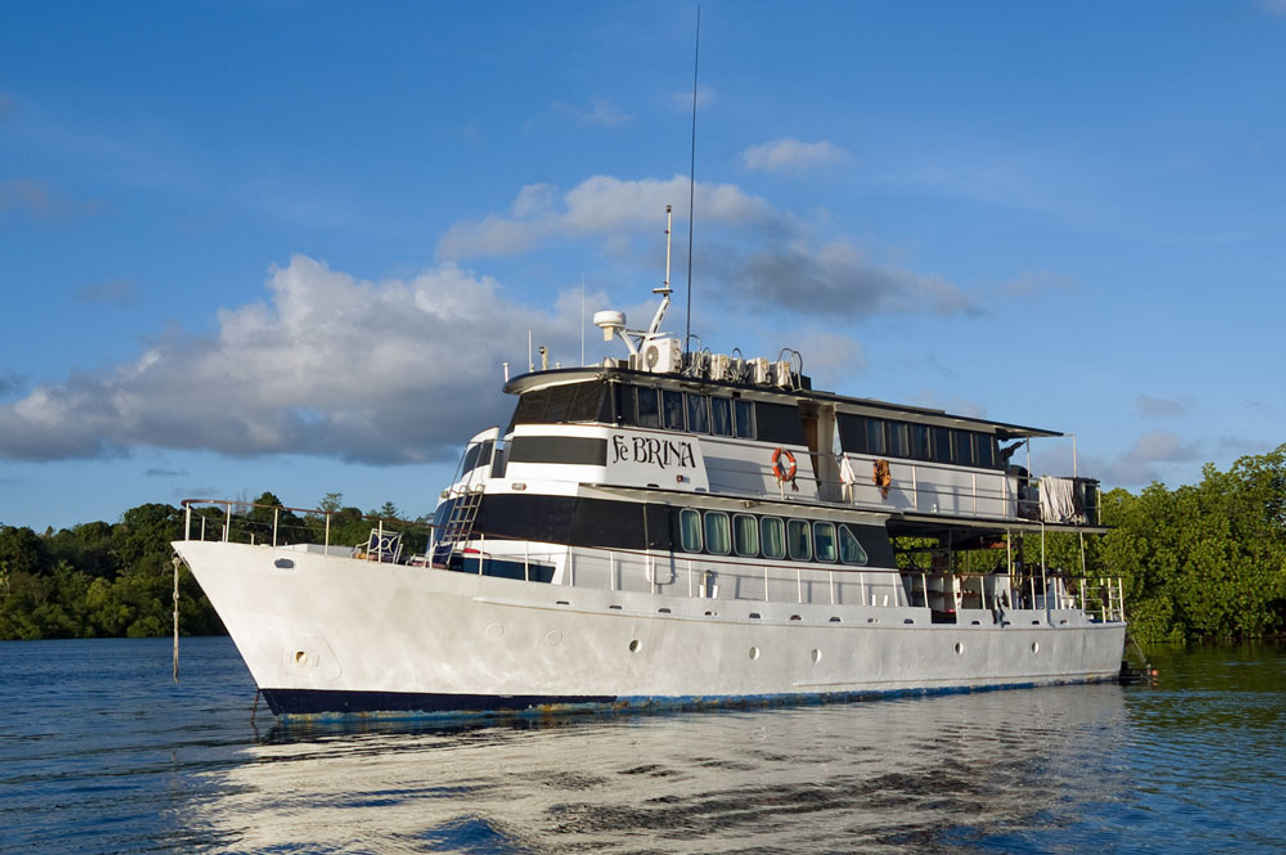
Access to Susan's Reef primarily involves flying into Port Moresby (Jacksons International Airport, POM), then taking a domestic connecting flight to Hoskins Airport (also known as Kimbe Airport) on New Britain Island. From Hoskins, it's approximately a 50-minute transfer to Walindi Plantation Resort, which is the main land-based operation for diving Kimbe Bay. Liveaboards like the MV FeBrina and MV Oceania also operate itineraries covering Kimbe Bay and the Witu Islands, typically offering 8- to 10-night trips. Dive trips are usually packaged to include transfers, accommodation, and guided dives. While there are no specific national park fees for diving Kimbe Bay, tour operators may include local community or conservation levies. It is common for Susan's Reef to be combined with other Kimbe Bay sites such as Fathers Reef, Bradford Shoals, and South Emma due to their proximity and complementary dive profiles.
Safety & environment
Diving at Susan's Reef is generally safe, but adherence to standard dive safety procedures is crucial. The nearest recompression chamber is located in Port Moresby, making evacuation a significant consideration in case of a serious dive emergency. Therefore, comprehensive dive insurance covering emergency evacuation and treatment is mandatory for all divers. Site-specific hazards include potential currents, which can vary in strength; divers should be proficient in current diving techniques or be guided by experienced professionals. Always maintain good buoyancy to avoid contact with the delicate coral structures. It is important to stay hydrated in the warm climate and to follow all instructions from your dive guide. Local dive operators at Walindi Plantation Resort provide thorough briefings for each site, including potential hazards and conduct rules, ensuring a well-prepared and safe dive experience.
Who it suits — and who it doesn't
Suited for
- Underwater photographers (macro and wide-angle)
- Divers seeking pristine coral reefs
- Enthusiasts of pygmy seahorse sightings
- Divers comfortable with mild to moderate currents
- Beginner to advanced divers
Less suited for
- Divers uninterested in macro life
- Those strictly seeking large pelagic action (though possible, not primary focus)
- Divers unwilling to travel remotely
- Divers who struggle with buoyancy control
- Those who prefer wreck diving exclusively
FAQ
Susan's Reef FAQ
What kind of marine life can I expect to see at Susan's Reef?
Susan's Reef is teeming with diverse marine life, making it excellent for both wide-angle and macro photography. You can frequently spot pygmy seahorses, including both Bargibanti and Denise species, along with numerous nudibranchs and small reef critters. The reef is also home to vibrant soft corals, sea fans, and schools of small fish, especially when currents are present.
Is Susan's Reef suitable for beginner divers?
Yes, Susan's Reef is generally suitable for beginner divers, especially those with good buoyancy control. The shallower seamount tops out at about 5 meters, offering easy access to much of the reef. While currents can occasionally be present, dive guides are experienced in managing dives to ensure a safe and enjoyable experience for all certification levels.
What are the water conditions like at Susan's Reef?
Water conditions at Susan's Reef are typically excellent, with visibility often ranging from 25 to 40 meters. The water temperature is consistently warm, averaging between 26-29°C, making for comfortable diving. Currents can vary from mild to moderate, contributing to the rich marine life, and local guides monitor them closely.
What kind of photography gear is best for Susan's Reef?
Susan's Reef is a dream for underwater photographers, accommodating both wide-angle and macro setups. For wide-angle, a fisheye or rectilinear lens is great for capturing the expansive coral gardens. For macro, a 60mm or 100mm lens with diopters will help you capture the intricate details of pygmy seahorses and nudibranchs. Strobes are highly recommended for vibrant color reproduction.
How do I get to Susan's Reef?
To reach Susan's Reef, you typically fly internationally into Port Moresby, then take a domestic flight to Hoskins Airport in Kimbe Bay. From there, transfers are usually arranged by your dive operator, such as Walindi Plantation Resort, or liveaboard. The dive site is then accessed by a short boat ride from your accommodation.
Are there any specific hazards to be aware of at Susan's Reef?
The primary hazard at Susan's Reef is the potential for variable currents, which can occasionally be strong. Divers should be comfortable with current diving or ensure they are accompanied by experienced guides. Always maintain excellent buoyancy control to protect the fragile coral ecosystems. As with any remote dive location, having comprehensive dive insurance is highly recommended.
Why dive Susan's Reef from a liveaboard?
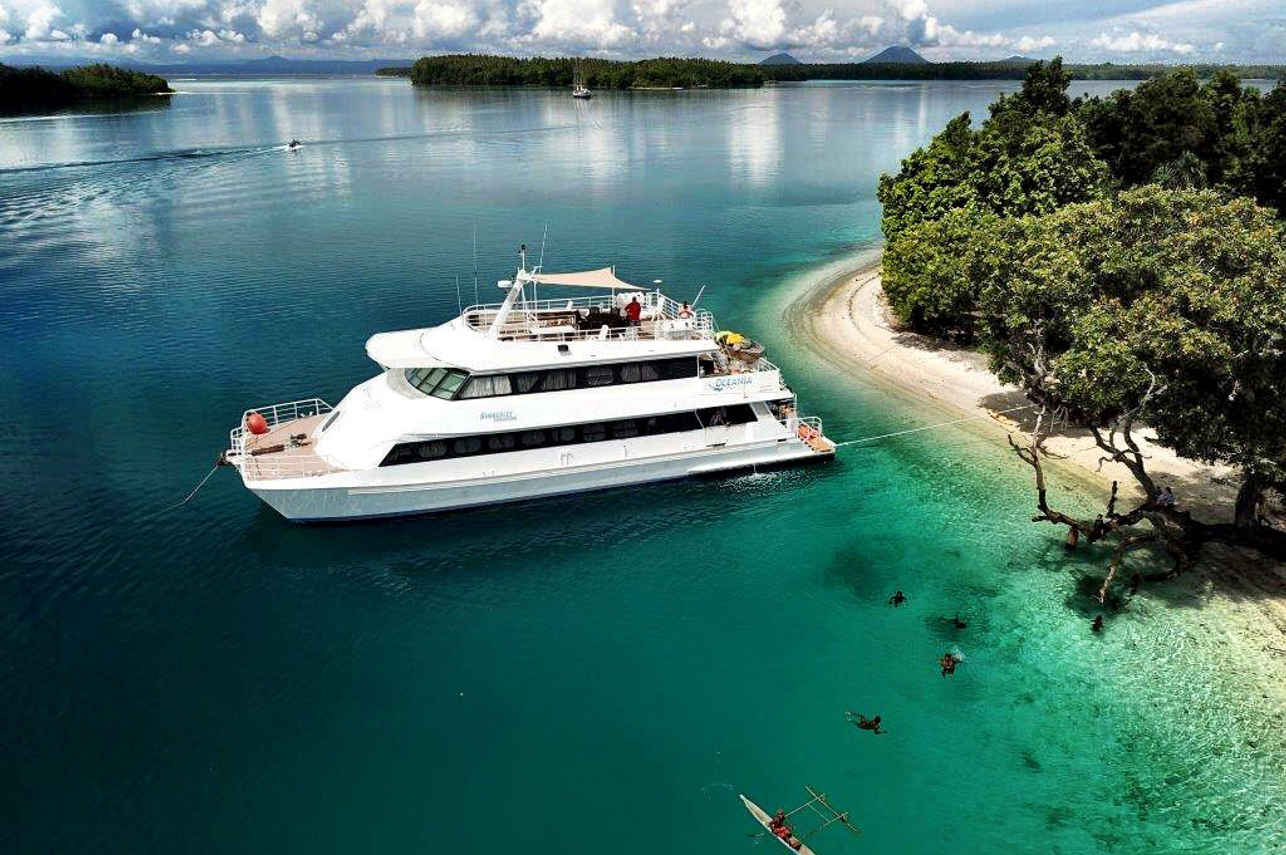
Susan's Reef is one of Papua New Guinea's signature dive sites. A liveaboard sleeps you on the water and puts you in the water for three to four guided dives per day, including dawn and night dives that day-boat operators rarely offer. You skip the daily commute back to port and reach quieter, less-crowded sites in the same region on a single trip.
Below are the liveaboards that include Susan's Reef on their Papua New Guinea itineraries.
Liveaboards diving Susan's Reef
These liveaboards may visit Susan's Reef on selected itineraries — the exact dive sites depend on departure, weather and conditions.
Dive sites similar to Susan's Reef
Same character, same waters — six more sites divers love for the exact same reasons.Compare seasons, access and liveaboard routes — then pick the site that fits your trip best.
© Esri — Maxar, Earthstar, GIS
Giants at Home
Papua New Guinea
Giants at Home is a unique dive site nestled in a protected, shallow bay within Milne Bay, Papua New Guinea, specifically known as a thriving manta ray cleaning station.
- Suitable for
- Beginner
- Current
- Mild
- Access
- Liveaboard only
- Depth
- 1–8 m
- Theme
- Reef
© Esri — Maxar, Earthstar, GIS
Lissenung Island Reef
Papua New Guinea
Lissenung Island Reef is the house reef surrounding approximately two-thirds of Lissenung Island, located near Kavieng in Papua New Guinea.
- Suitable for
- Beginner
- Current
- Moderate
- Access
- Shore / dayboat
- Depth
- 2–10 m
- Theme
- Reef
© Esri — Maxar, Earthstar, GIS
Banana Bommie
Papua New Guinea
Banana Bommie is a prominent and highly regarded dive site situated at the northern mouth of Milne Bay in Papua New Guinea.
- Suitable for
- Advanced
- Current
- Moderate
- Access
- Liveaboard only
- Depth
- ≤ 40 m
- Theme
- Reef / Pinnacle
© Esri — Maxar, Earthstar, GIS
End Bommie
Papua New Guinea
End Bommie is a renowned dive site located in Bootless Bay, near Port Moresby, Papua New Guinea.
- Suitable for
- Advanced
- Current
- Strong
- Access
- Liveaboard or dayboat
- Depth
- 6–30 m
- Theme
- Reef / Wall
Lauadi is a celebrated dive site within Milne Bay, Papua New Guinea, specifically recognized as the origin point of muck diving.
- Suitable for
- Beginner
- Current
- Moderate
- Access
- Shore / dayboat
- Depth
- 8–25 m
- Theme
- Reef
© Esri — Maxar, Earthstar, GIS
George's Wreck
Papua New Guinea
George's Wreck is a renowned dive site near Rabaul in Papua New Guinea, famous for its historical significance as a Japanese minelayer that reportedly ran aground after an Allied attack.
- Suitable for
- Advanced
- Current
- Moderate
- Access
- Liveaboard only
- Depth
- 12–60 m
- Theme
- Wreck / Reef