About Night Snapper
Alor's underwater topography is a diver's dream, featuring a dynamic blend of deep walls, vibrant coral gardens, and intriguing muck sites, all nourished by nutrient-rich currents flowing through the Pantar Strait. The region boasts some of Indonesia's most pristine and diverse reef systems, largely untouched by mass tourism. The upwellings, particularly noticeable after new and full moons, ensure a fresh and thriving environment for marine life, leading to outstanding visibility during the dry season. Divers here can expect a broad spectrum of experiences, from exploring healthy hard and soft coral formations teeming with reef fish to engaging in world-class macro diving on black sand slopes. The confluence of Pacific and Indian Ocean currents supports an extraordinary biodiversity, attracting both tiny critters and larger pelagic species. This unique environment makes Alor a captivating destination for underwater photography and exploration. The practical diving experience in Alor is characterized by its adaptability; while strong currents are a signature feature, many sites offer sheltered areas or opportunities for exhilarating drift dives. Water temperatures generally range from 26°C to 30°C, though thermoclines can bring cooler pockets. The season typically runs from March to December, with peak conditions offering exceptional visibility up to 40 meters. The remoteness of Alor contributes to its pristine nature, making each dive feel like an exploration of an unspoiled marine frontier. Resorts in Alor offer flexible diving packages, including boat dives to diverse sites and unlimited access to house reefs. The emphasis on preserving these ecosystems, championed by local communities, ensures a sustainable and enriching dive experience for all visitors.
Highlights
Pristine coral reefsDiverse marine ecosystemsDynamic current divingExceptional macro lifePotential pelagic encountersUncrowded dive sitesHealthy hard and soft coralsDramatic volcanic topography
Season calendar
Best months to dive here
Jan
Feb
Mar
Apr
May
Jun
Jul
Aug
Sep
Oct
Nov
Dec
Excellent
Good
Dive site facts: Night Snapper
- Depth
- 5–40 m
- Typical dive
- 12–30 m, 50–60 min
- Current
- Moderate to strong, often unpredictable
- Visibility
- 15–40 m
- Water temperature
- 24–30°C (with thermoclines)
- Entry
- Boat / tender
- Level
- Advanced Open Water, current experience recommended
- Dive type
- Wall, drift, coral garden, macro
- Night dive
- Possible
- Region / port
- Alor Archipelago, Indonesia
- Coordinates
- -8.155, 124.537
Conditions & Currents
Alor is renowned for its dynamic and often unpredictable currents, particularly within the Pantar Strait, where strong tidal flows are common. These currents, fueled by upwellings from the southern seas, are a defining characteristic of the diving here and contribute significantly to the rich marine biodiversity. Divers should anticipate varied current strengths, from gentle drifts along coral walls to exhilarating, fast-paced rides that necessitate proficient buoyancy control and drift diving techniques. The dive briefing is crucial for understanding the day's specific current directions, entry points, and exit strategies, ensuring safe and enjoyable dives. While currents bring abundant marine life, they also mean thermoclines are frequent, with water temperatures occasionally dropping to 20°C or even cooler, requiring adequate thermal protection. Visibility is generally excellent, ofte
Marine life & sighting chances

Ribbon eel
common
Leaf scorpionfish
occasional
Frogfish
occasional
Orangutan crab
common
Squat lobster
common
White-tip reef shark
occasional
Eagle ray
occasional

Mimic octopus
rare
Pygmy seahorse
occasional
Nudibranch
common
Mola mola
June-November · rare
Hammerhead shark
September-October · occasional
Dolphin
Year-round · commonDive profile & how the dive runs
A typical dive at Night Snapper, often a drift dive, begins with a tender drop-off upstream of the site's main feature. Divers perform a negative entry, quickly descending to the target depth to avoid being swept past the intended area by the strong currents. The route usually follows a vibrant coral wall or reef slope, with the current guiding divers along, allowing for minimal finning. Depths typically range from 12 to 30 meters, where the richest biodiversity and most dramatic topography are found. The dive progresses with divers maintaining close proximity to the reef, observing both macro life nestled within corals and larger reef fish swimming against the current. Turning points are often dictated by air consumption or reaching a designated end of the reef. The safety stop is conducted as a gradual ascent, either maintaining a mid-water position if the current allows, or sheltering behind a reef feature. Divers deploy SMBs for boat pickup, which tracks the group's drift.
Underwater photography
Alor's diverse dive sites, ranging from vibrant coral walls to rich muck sites, offer exceptional opportunities for both wide-angle and macro photography. For the extensive coral reefs and potential pelagic encounters, a wide-angle lens is ideal to capture the grandeur of the unspoiled seascapes and schooling fish. When targeting the celebrated macro critters like pygmy seahorses, frogfish, and nudibranchs, a macro lens is essential, often paired with a snoot to highlight subjects against the volcanic sand or intricate coral. Given the occasional strong currents, maintaining good buoyancy is critical to avoid stirring up sediment or damaging delicate corals. External strobes are highly recommended to bring out the true colors of the marine life and reefs, especially in deeper areas or during night dives where elusive creatures like flamboyant cuttlefish and mimic octopuses become active. Photographers should also be prepared for cooler thermoclines that can affect comfort during long dives.
Combine with nearby dive sites
- Pantar Strait
Renowned for strong currents and rich pelagic encounters.
- Mahi Point
A shallow reef paradise excellent for macro photography.
- The Arch
Features a natural underwater rock arch covered in soft corals.
- Clown Valley
Famous muck dive site teeming with macro life on black sand.
- Kal's Dream
Pristine coral wall with potential hammerhead shark sightings.
- Beang Abang
An excellent night dive location on a volcanic black sand slope.
Getting there & logistics
Accessing Alor typically involves flying to Kupang (KOE) from major Indonesian hubs like Jakarta or Bali, followed by a domestic flight to Alor's tiny airport. This journey can take a full day, involving multiple transfers. Liveaboards operating in the Alor region usually depart and conclude trips from Alor, offering itineraries of 7 or 9 nights to maximize diving time in this remote archipelago. Land-based resorts also provide airport pickups, with transfers often being a scenic one-hour drive. Currently, there are no specific national park fees for diving in Alor. Divers should confirm their exact itinerary as many trips combine Alor with other East Nusa Tenggara destinations, leveraging its position as a frontier diving area. Nitrox is often available and recommended for repetitive deep dives, enhancing bottom time.
Safety & environment
Diving in Alor, particularly with its strong and often unpredictable currents, necessitates advanced diving skills and adherence to strict safety protocols. Divers must be proficient in buoyancy control, drift diving techniques, and comfortable with deploying a delayed surface marker buoy (DSMB). It is highly recommended to have comprehensive dive insurance that covers emergency medical treatment and evacuation, as the nearest recompression chamber is not immediately accessible within Alor. Evacuation in a serious emergency could involve significant time and logistics to larger medical facilities. All divers should ensure their equipment is well-maintained and that they are medically fit for diving. Group awareness and following the dive guide's instructions are paramount to safely navigating the dynamic underwater conditions. Site-specific briefings will detail entry and exit procedures, current behavior, and emergency plans.
Who it suits — and who it doesn't
Suited for
- Experienced divers comfortable with strong currents
- Macro photography enthusiasts
- Divers seeking pristine, uncrowded reefs
- Advanced Open Water certified divers
- Liveaboard adventurers
Less suited for
- Beginner divers without current experience
- Those prone to seasickness in strong currents
- Divers unwilling to travel to remote locations
- Individuals seeking primarily large pelagic encounters (though possible, not guaranteed)
- Open Water divers without additional training
FAQ
Night Snapper FAQ
What is the water temperature like in Alor?
Water temperatures in Alor generally range from 26°C to 30°C. However, thermoclines are common, especially in deeper areas or specific dive sites, and can cause the temperature to drop to 20°C or even cooler. It's advisable to bring a 5mm wetsuit, and potentially a hood and gloves, especially if you tend to get cold easily.
Are the currents strong in Alor?
Yes, Alor is known for its strong and often unpredictable currents, particularly in areas like the Pantar Strait. These currents contribute to the rich marine life but require divers to have good buoyancy control and drift diving experience. Dive briefings provide crucial information on current direction and intensity for each site.
What kind of marine life can I expect to see in Alor?
Alor offers an incredible diversity of marine life, from world-class macro critters like pygmy seahorses, frogfish, and nudibranchs to larger pelagics such as white-tip reef sharks and eagle rays. Seasonal sightings of hammerhead sharks, mola mola, dolphins, and even whales are also possible, making each dive unique.
Is Alor suitable for beginner divers?
While Alor offers diverse diving, its strong currents mean it is generally best suited for advanced divers who are comfortable with such conditions. Open Water Divers may find some sheltered sites, but a PADI Drift Diver course or similar experience is highly recommended to fully enjoy the challenging and rewarding conditions.
How do I get to Alor?
Getting to Alor typically involves flying to Kupang (KOE) from major Indonesian cities like Jakarta or Bali, then taking a connecting domestic flight to Alor's local airport. This journey can be extensive, often taking a full day of travel. Liveaboards and resorts usually arrange transfers from the Alor airport.
What is the best time of year to dive in Alor?
The prime diving season in Alor runs from March to December, with peak conditions observed from April to June and September to November. During these months, divers can expect excellent visibility, generally favorable surface conditions, and a high abundance of marine life.
Why dive Night Snapper from a liveaboard?
Night Snapper is one of Alor's signature dive sites. A liveaboard sleeps you on the water and puts you in the water for three to four guided dives per day, including dawn and night dives that day-boat operators rarely offer. You skip the daily commute back to port and reach quieter, less-crowded sites in the same region on a single trip.
Below are the liveaboards that include Night Snapper on their Alor itineraries.
Liveaboards diving Night Snapper
These liveaboards may visit Night Snapper on selected itineraries — the exact dive sites depend on departure, weather and conditions.
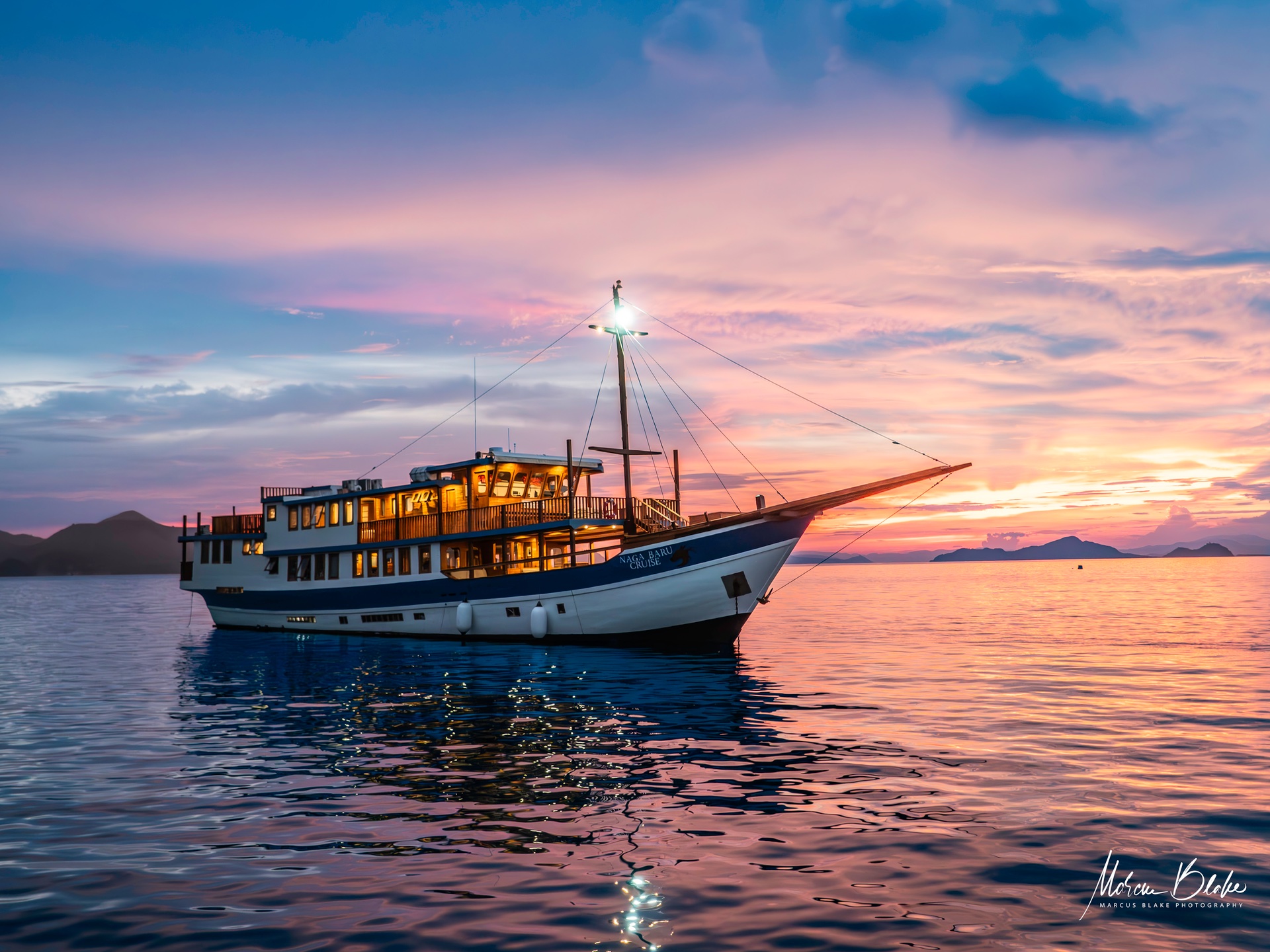
Naga Biru
Indonesia
12 guests40 m
$273/day
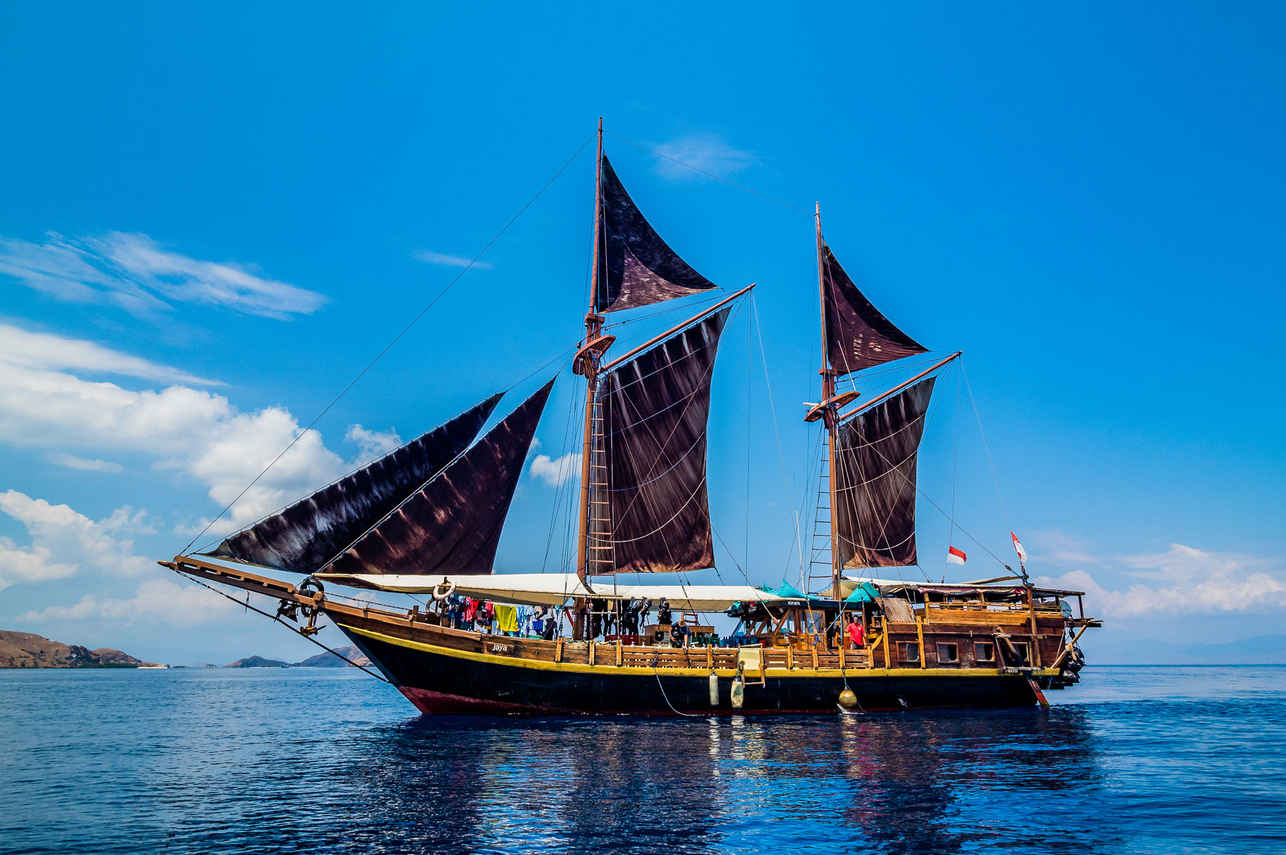
Jaya
Indonesia
14 guests23 m
$280/day
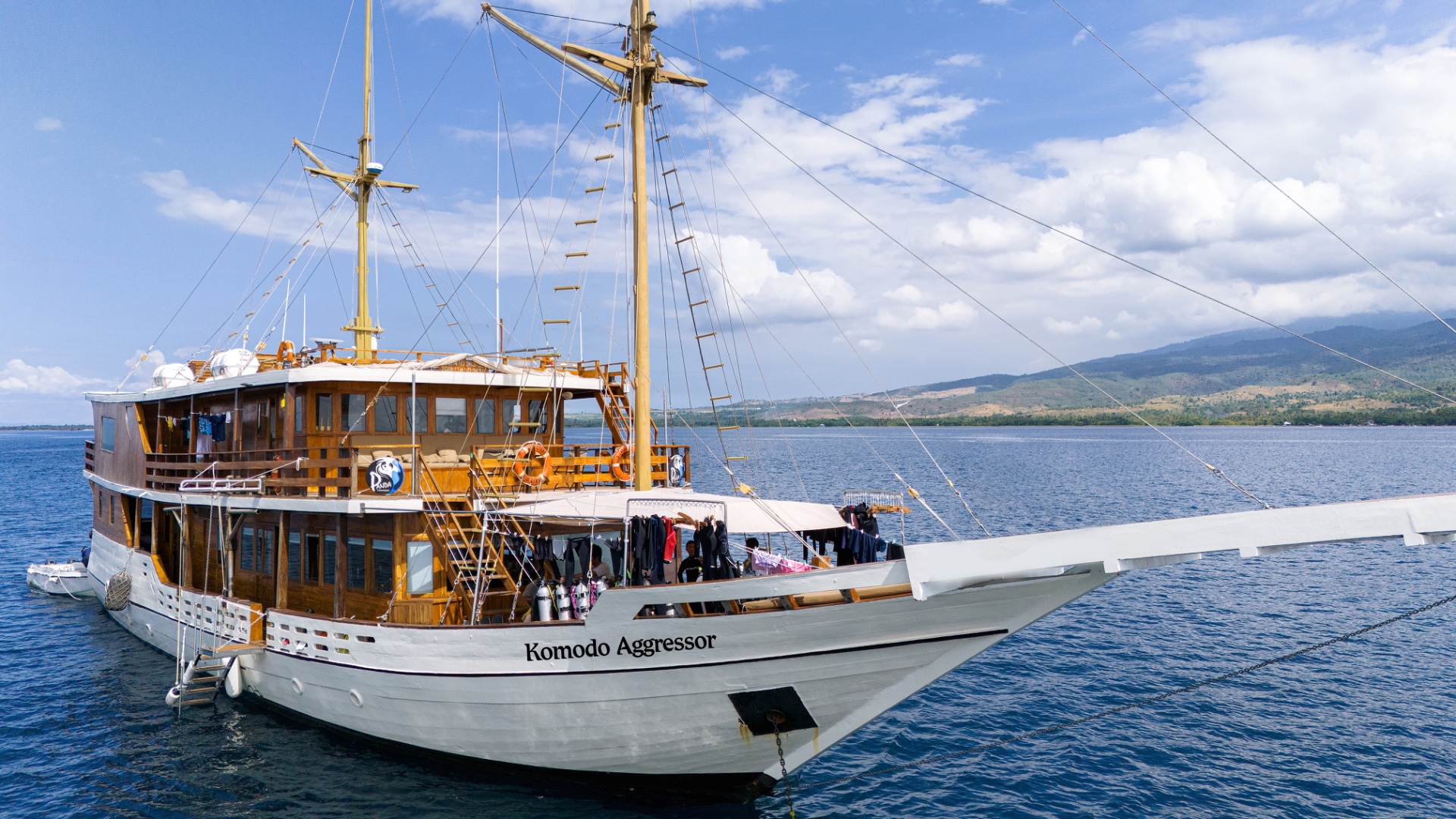
Komodo Aggressor
Komodo, Indonesia
16 guests29 m
$312/day
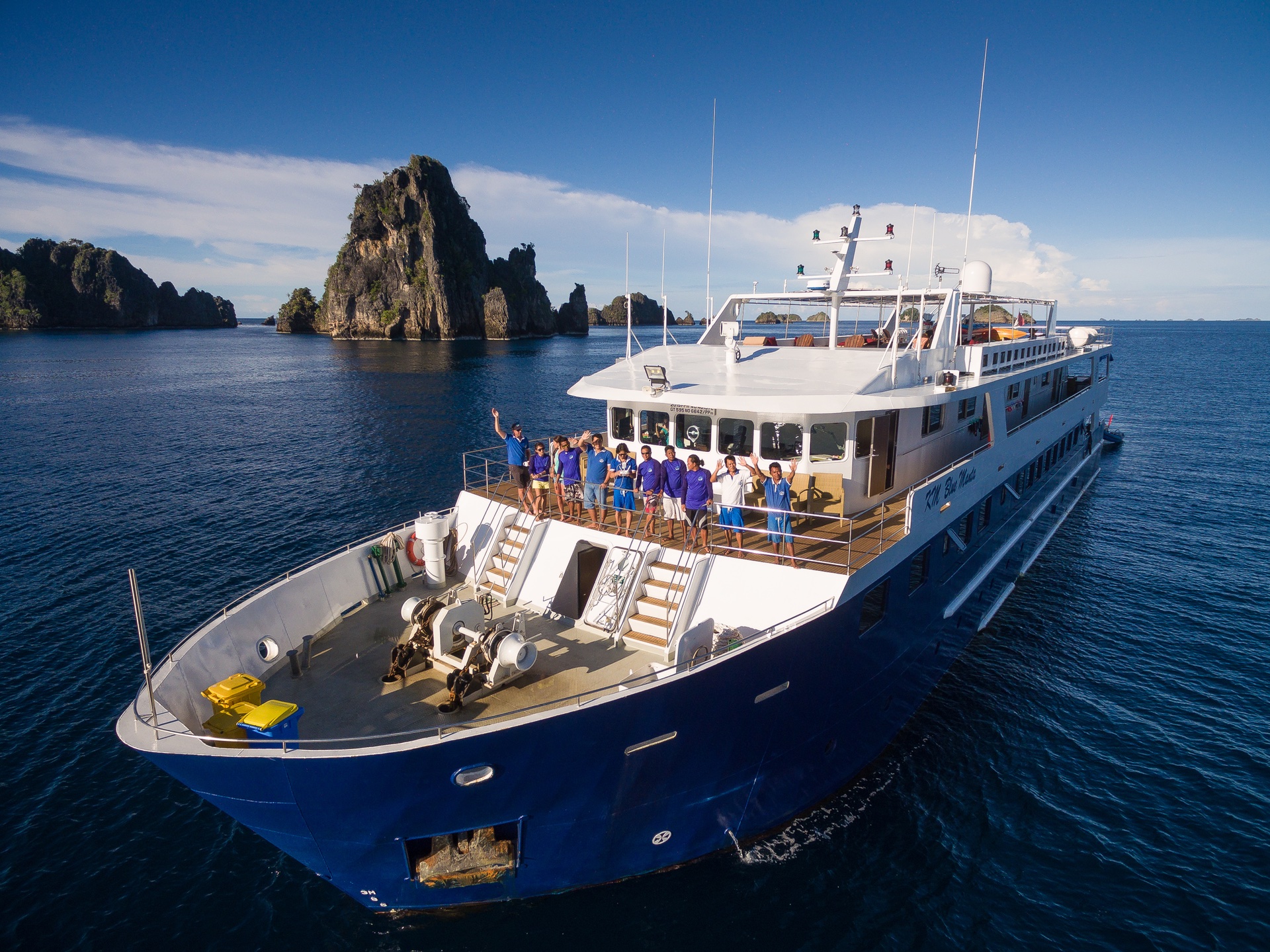
Blue Manta
Indonesia
20 guests45 m
$482/day
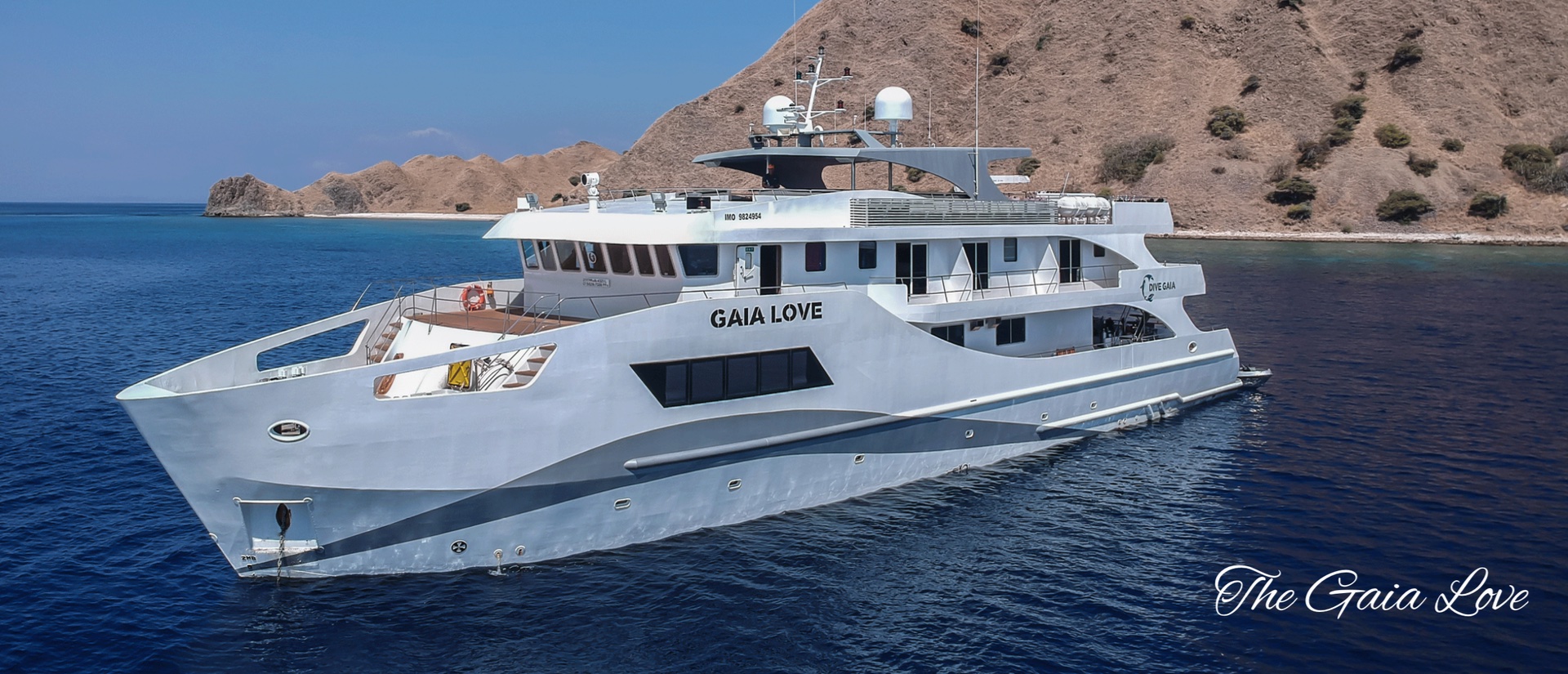
Gaia Love
Alor
20 guests
$554/day
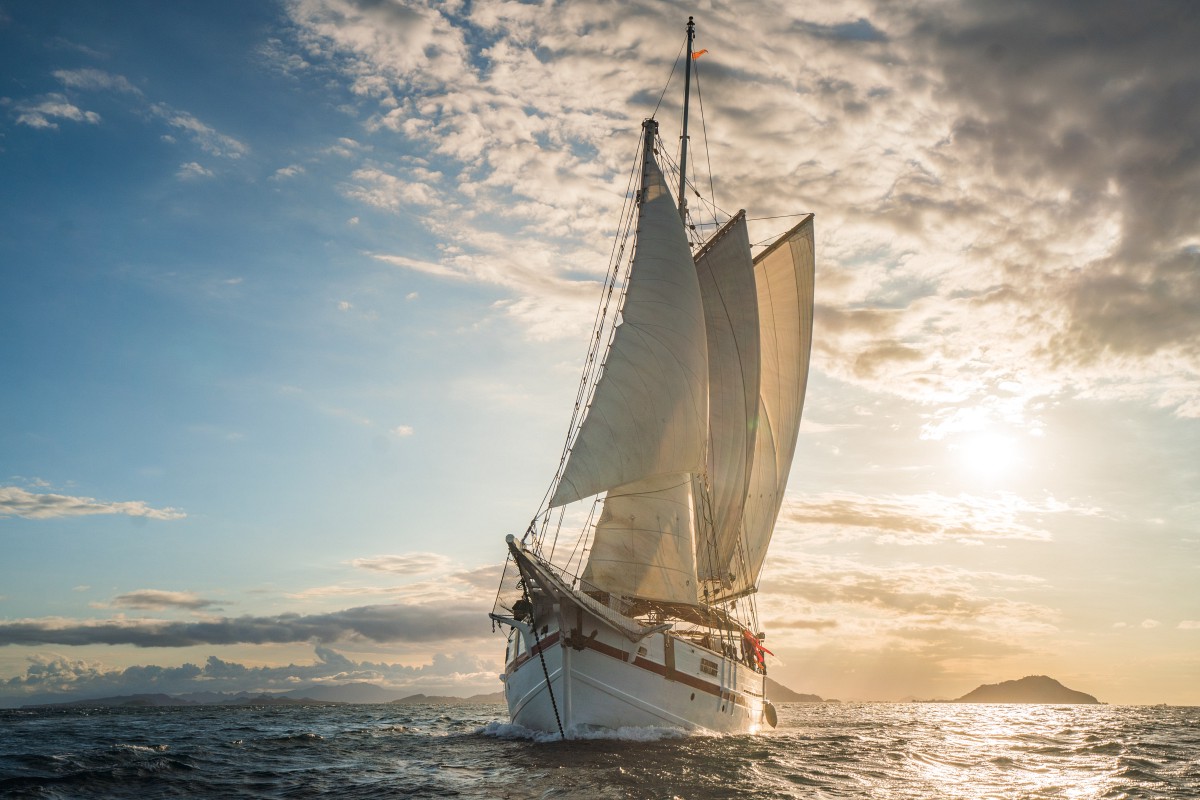
Emperor Raja Laut
Raja Ampat, Indonesia
12 guests31 m
$413/day
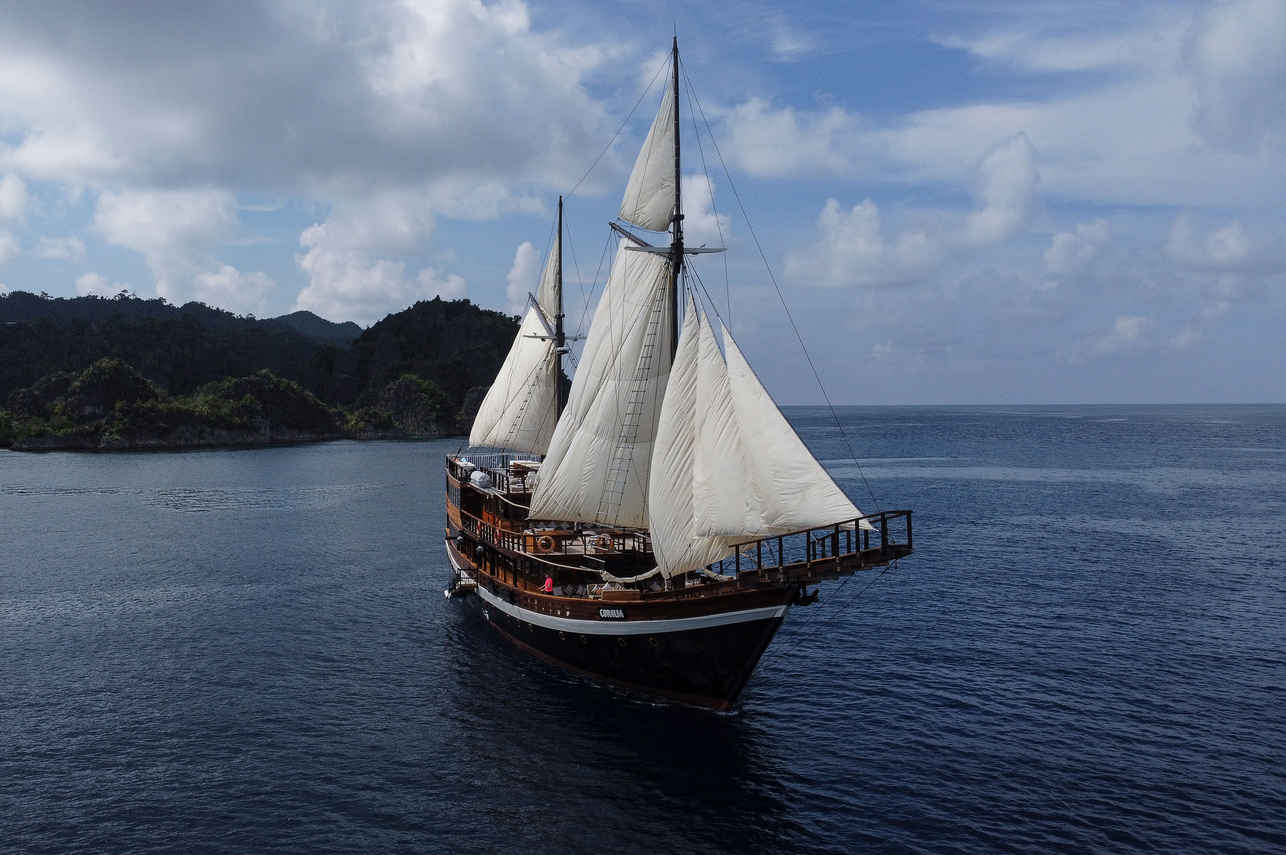
Coralia
Indonesia
16 guests48 m
$563/day
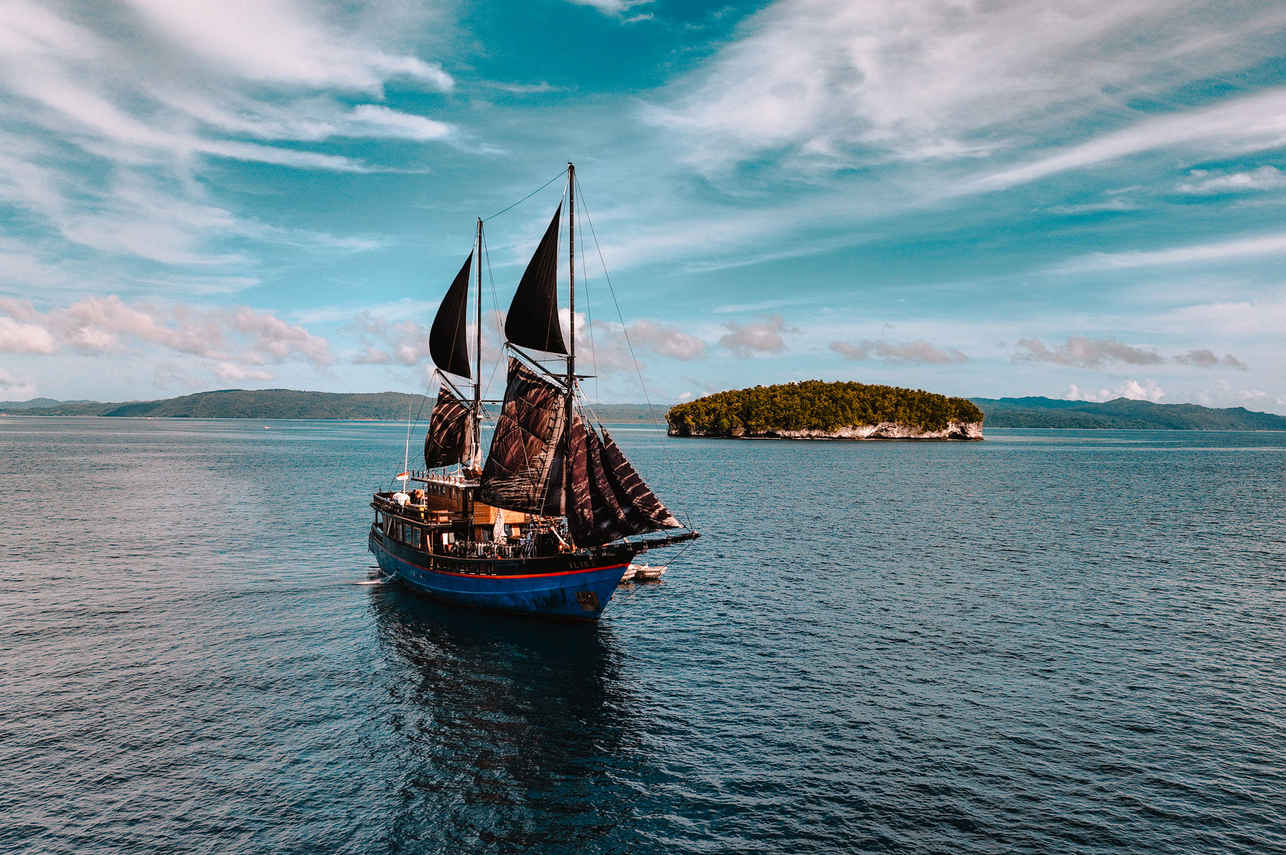
Ilike
Indonesia
16 guests40 m
$350/day
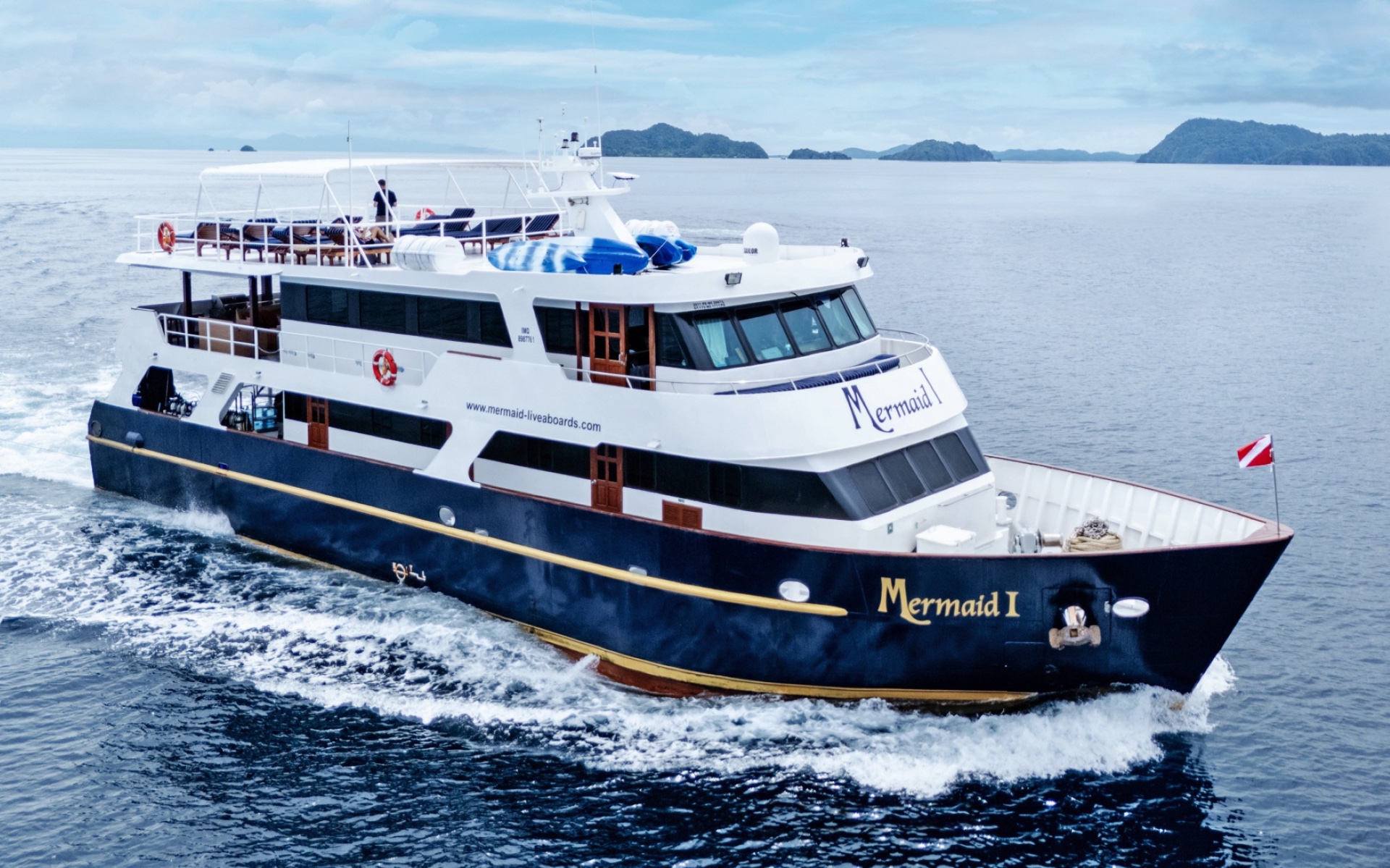
Mermaid I
Alor
15 guests28 m
$478/day
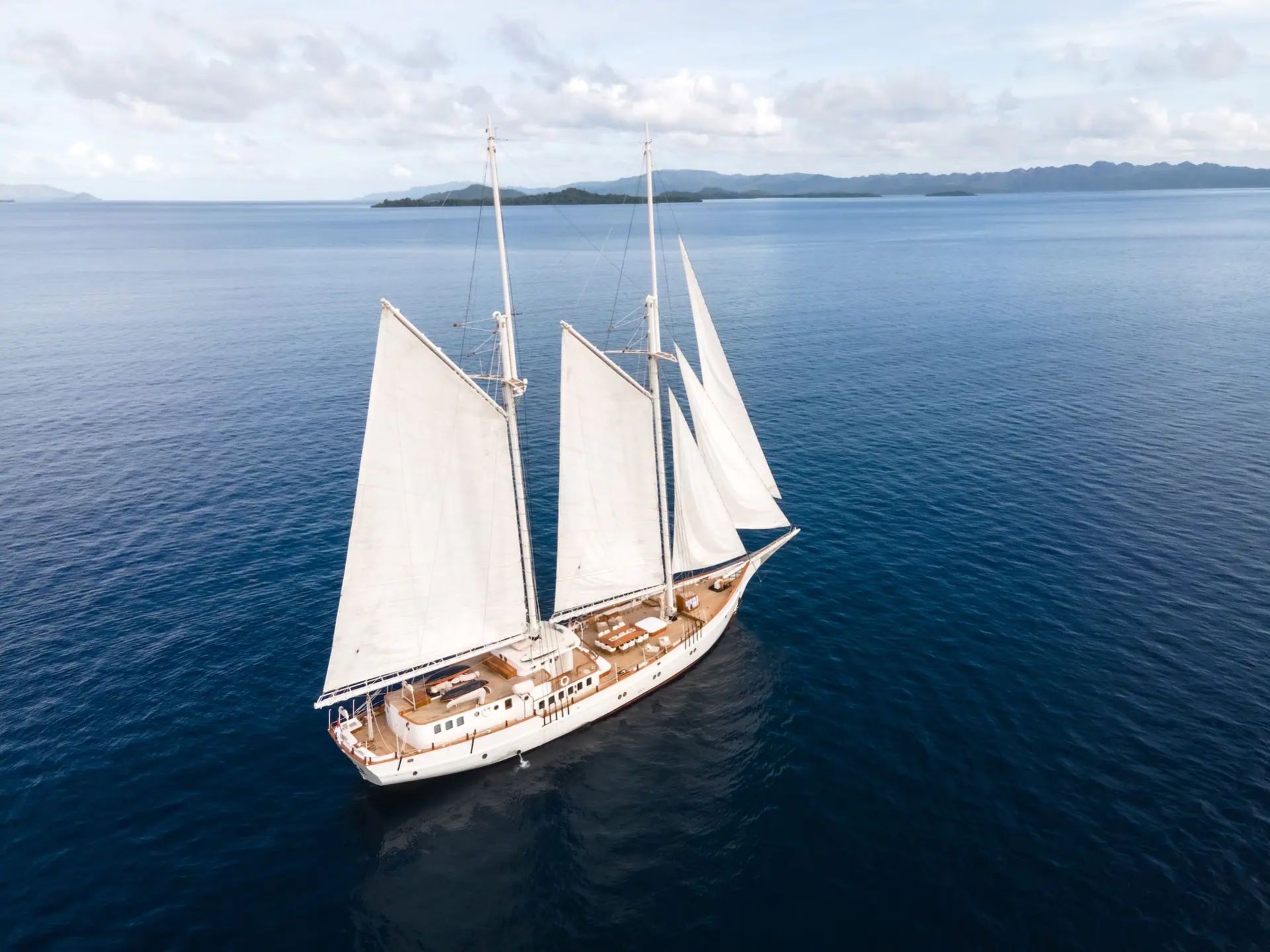
Mutiara Laut
Indonesia
14 guests46 m
$741/day
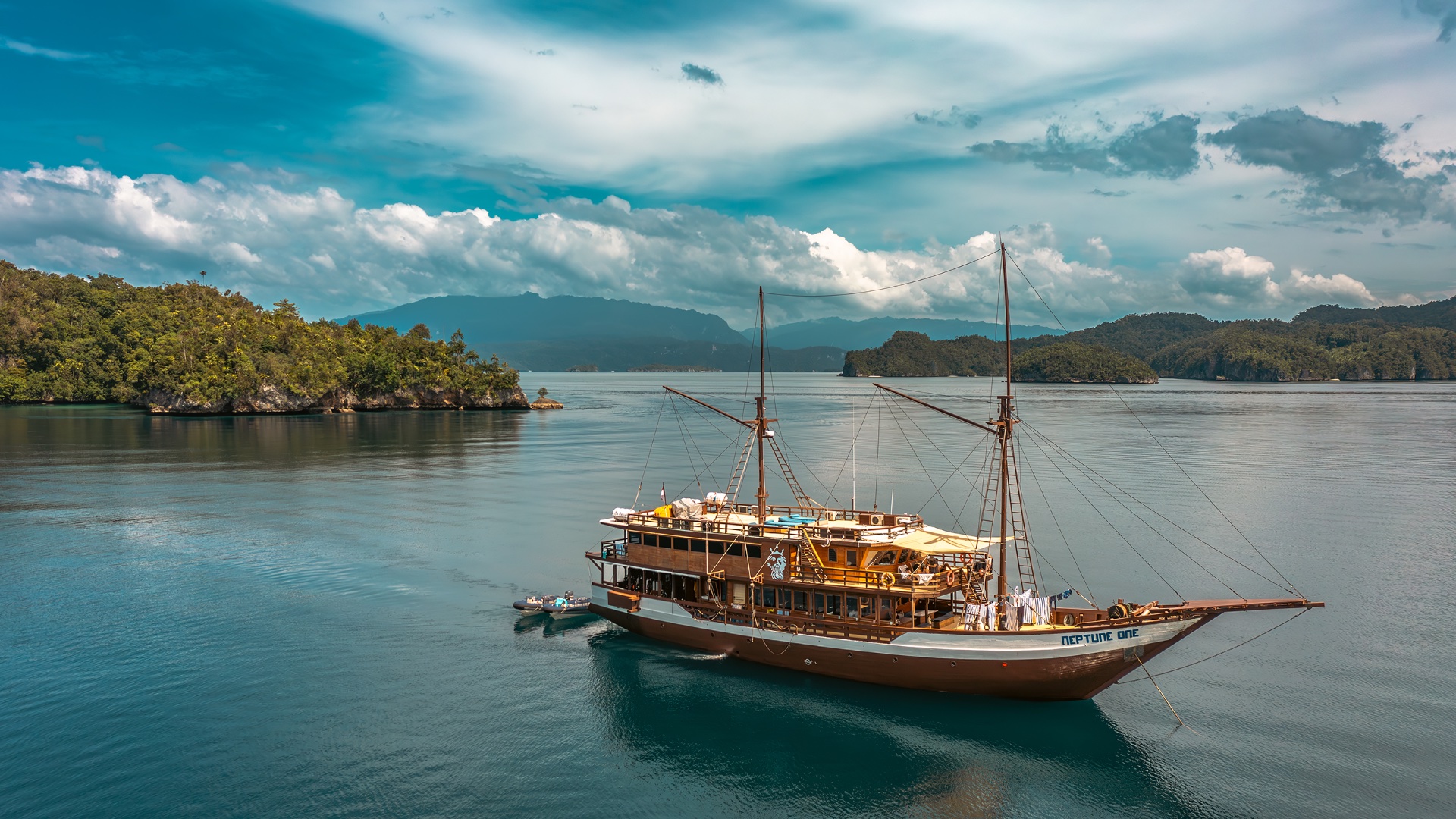
Neptune One
Indonesia
16 guests38 m
$332/day
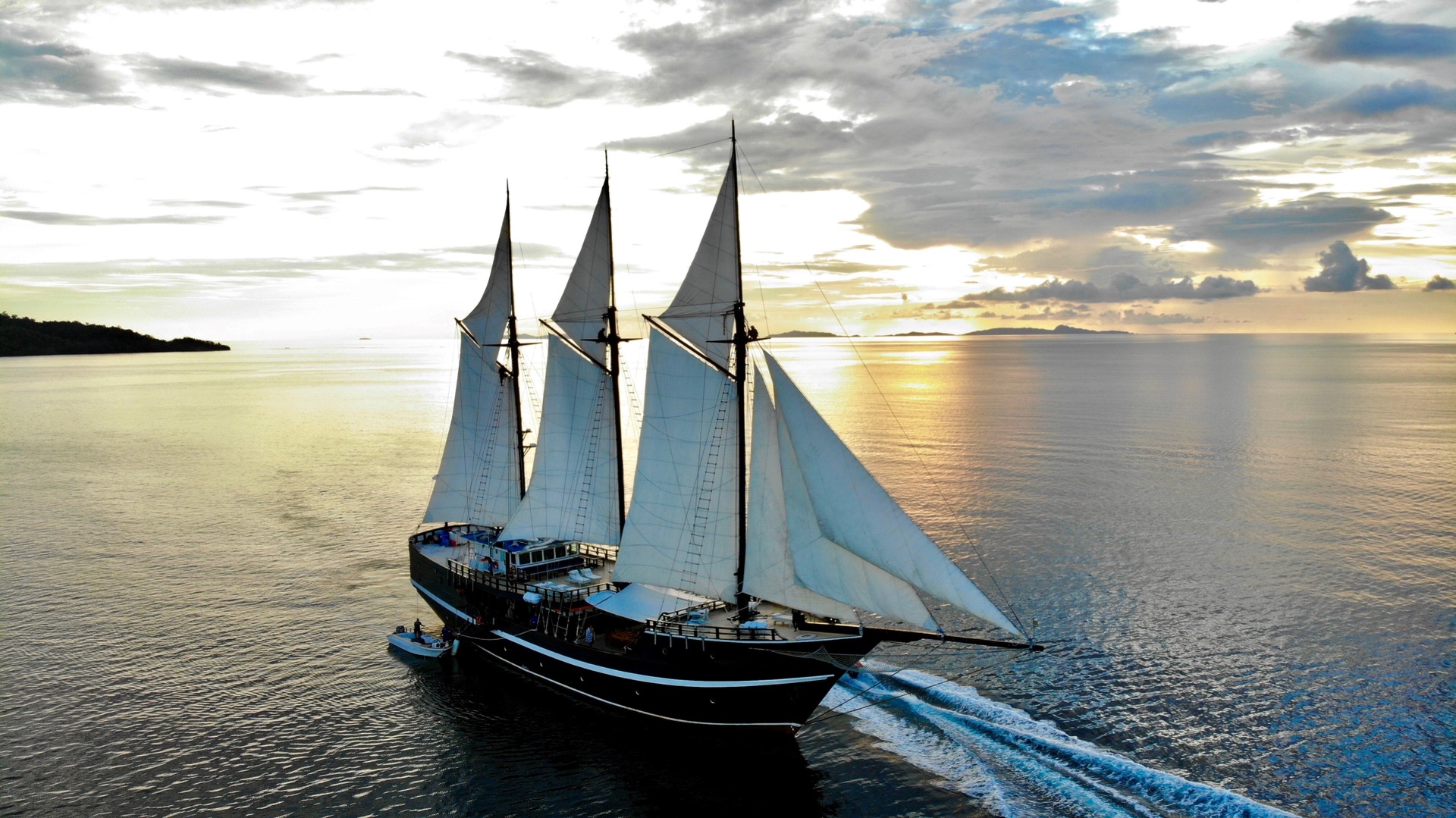
Dewi Nusantara
Indonesia
18 guests57 m
$599/day
Dive sites similar to Night Snapper
Same character, same waters — six more sites divers love for the exact same reasons.Compare seasons, access and liveaboard routes — then pick the site that fits your trip best.
Halerman is a prominent dive site located in the southern part of Alor, known for its distinct underwater landscape and varied marine life.
- Suitable for
- Advanced
- Current
- Strong
- Access
- Liveaboard or dayboat
- Depth
- —
- Theme
- Wall / Drift
© Esri — Maxar, Earthstar, GIS
Pasir Merah
Alor
Pasir Merah, or Red Sand, is a distinctive dive site situated north of Pura Island in the Alor Archipelago, East Nusa Tenggara.
- Suitable for
- Intermediate
- Current
- Moderate
- Access
- Liveaboard or dayboat
- Depth
- 5–35 m
- Theme
- Muck diving / Reef
© Esri — Maxar, Earthstar, GIS
Sharks Galore
Alor
Sharks Galore, an iconic drift-dive in Alor, offers thrilling encounters with diverse marine life.
- Suitable for
- Advanced
- Current
- Ripping
- Access
- Liveaboard or dayboat
- Depth
- 15–40 m
- Theme
- Channel / Drift
© Esri — Maxar, Earthstar, GIS
Yellow Corner
Alor
Yellow Corner, also known as Current Alley, is a challenging dive site specifically suited for advanced divers due to its strong and potentially ripping currents.
- Suitable for
- Advanced
- Current
- Strong
- Access
- Liveaboard only
- Depth
- 18–40 m
- Theme
- Drift
© Esri — Maxar, Earthstar, GIS
Goa Wolang
Alor
Goa Wolang, also known as Wolang Cave, is a distinctive dive site located in South Alor, renowned for its intriguing topography and diverse marine life.
- Suitable for
- Advanced
- Current
- Strong
- Access
- Dayboat
- Depth
- 5–30 m
- Theme
- Cavern / Wall
© Esri — Maxar, Earthstar, GIS
Masjid Ampera
Alor
Masjid Ampera, often referred to as Mucky Mosque, is a celebrated dive site located within Alor's sheltered Kalabahi Bay.
- Suitable for
- Beginner
- Current
- Mild
- Access
- Dayboat
- Depth
- 5–25 m
- Theme
- Muck diving