About L'Ilot
L'Ilot is a small, granite island located approximately half a kilometer from Mahé, easily accessible from Beau Vallon. This site is significant for its unique underwater topography, which continues the dramatic granite formations found above water, creating a diverse landscape for divers. The dive site allows for circumvention of the entire island, revealing underwater arches, swim-throughs, and boulder gardens formed by the granite. Depths typically range from 18 to 25 meters, reaching a maximum of 27 meters. Both coral reefs and varied rock formations host a rich array of marine species, with stronger coral growth and larger fish often found in deeper sections. Divers frequently encounter turtles, common dolphins, and a variety of colorful reef fish. The site is particularly renowned for whale shark sightings, especially between September and November. Other common marine life includes eagle rays and healthy gorgonian corals. L'Ilot is suitable for both beginner and advanced divers due to its clear waters and generally steady conditions. While currents can be medium (1-2 knots) and at times strong, requiring close attention to the dive guide, good visibility often extends up to 30 meters. Night diving is also a popular option, offering a chance to see corals "bloom." Many dive operators based in Beau Vallon provide short boat rides to this nearby location.
Highlights
Granite underwater archesWhale shark encountersHealthy gorgonian coralsTurtle sightingsSwim-throughs and boulder gardensCommon dolphin encountersVariety of reef fish
Season calendar
Best months to dive here
Jan
Feb
Mar
Apr
May
Jun
Jul
Aug
Sep
Oct
Nov
Dec
Excellent
Good
Dive site facts: L'Ilot
- Depth
- 5–30 m
- Typical dive
- 15–20 m, 50–60 min
- Current
- Moderate (1–2 knots)
- Visibility
- 20–30 m
- Water temperature
- 28–30°C
- Entry
- Boat / Tender
- Level
- All levels
- Dive type
- Reef, drift, granite formations
- Night dive
- Possible
- Region / port
- Mahé, Seychelles
- Coordinates
- -4.6, 55.38
Conditions & Currents
Currents at L'Ilot are generally moderate, typically ranging from 1 to 2 knots, making it manageable for divers of various experience levels. While not consistently strong enough to necessitate dedicated drift diving techniques, divers should be mindful of these moderate flows, especially when navigating around the granite formations. Visibility is a consistent highlight, frequently extending beyond 20 meters and reaching up to 30 meters during peak seasons. Water temperatures are comfortably warm, averaging around 29°C throughout the year, minimizing the need for thick wetsuits. Entry and exit are typically boat-based, often via tender, ensuring safe access to the site's unique underwater topography.
Marine life & sighting chances
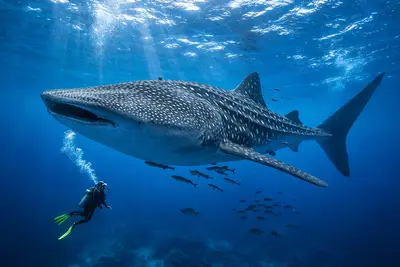
Whale shark
September to November · occasional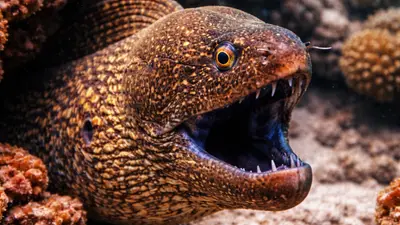
Moray eel
common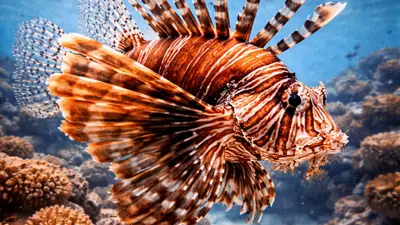
Lionfish
common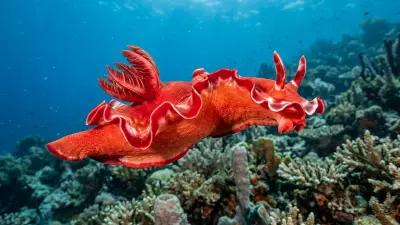
Spanish dancer
occasional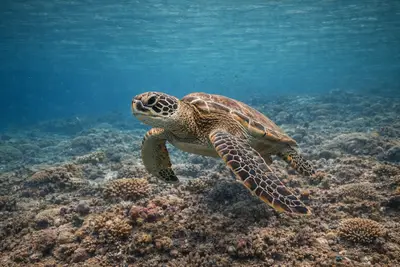
Green turtle
occasional
Dolphin
occasional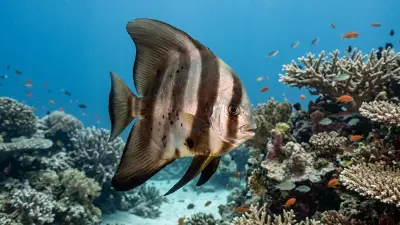
Batfish
common
Barracuda
occasional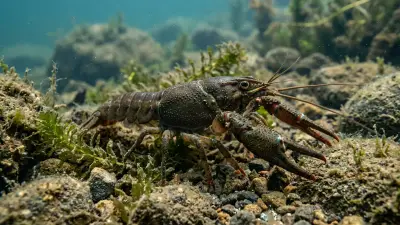
Crayfish
common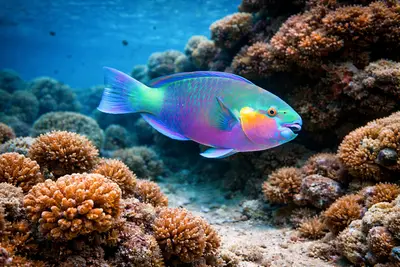
Parrotfish
commonDive profile & how the dive runs
Your dive at L'Ilot typically begins with a boat entry, dropping into the clear waters near the granite outcrop. The initial descent leads you along the sloping reef and into the realm of impressive granite boulders. You'll navigate through natural arches and swim-throughs, with depths varying between 5 and 20 meters, exploring the coral-encrusted walls for moray eels and lionfish. The route often circumnavigates the small island, allowing for a comprehensive view of its diverse topography and marine life. Deeper sections can reach up to 30 meters, particularly on the outer edges. The dive concludes with a gradual ascent, allowing for a safety stop at 5 meters, often conducted near the vibrant, shallower reef areas before surfacing for boat pick-up.
Underwater photography
L'Ilot offers excellent opportunities for wide-angle photography, capturing the dramatic granite formations, arches, and swim-throughs that characterize the site. A wide-angle lens will best convey the scale of these underwater landscapes. For macro enthusiasts, the coral-covered walls and crevices are home to smaller subjects like nudibranchs, crabs, and juvenile fish, making a macro lens equally rewarding. Due to the high visibility, natural light can be sufficient in shallower areas, but strobes are recommended to bring out the true colors of the corals and marine life, especially when shooting into the deeper blue or inside the swim-throughs. Maintaining excellent buoyancy is crucial to avoid disturbing the delicate coral growth and to navigate the tight spaces without contact.
Combine with nearby dive sites
- Ennerdale Wreck
A famous wreck dive for advanced divers, located northeast of Mahé.
- Twin Barges Wreck
A beginner-friendly wreck site off Beau Vallon with resident marine life.
- Brissare Rocks
Known for strong currents and pelagic sightings, 5km north of Mahé.
- Sainte Anne Marine Park
A protected marine park, excellent for turtles and easy diving.
- Shark Bank (Mahé)
A deep reef with granite pinnacles, attracting reef sharks and eagle rays.
Getting there & logistics
Access to L'Ilot is primarily from Mahé, with most dive operators departing from Beau Vallon Bay. The Seychelles International Airport (SEZ) on Mahé is the main international gateway, with flights from various global carriers. Dive trips to L'Ilot are typically day excursions, often combined with other nearby sites, lasting half a day or a full day. Liveaboards operating in the inner islands also frequently include L'Ilot in their itineraries, offering a more extensive diving experience across multiple sites. Marine park fees may apply, typically around $12 USD, which are often included in dive package pricing. No special permits are usually required beyond standard dive certifications.
Safety & environment
Safety at L'Ilot is generally straightforward, but divers should be aware of the moderate currents that can occasionally be encountered. Always dive with a reputable operator and follow your dive guide's instructions. The nearest recompression chamber is located on Mahé, approximately 5 km from Beau Vallon, providing essential medical support in case of emergencies. Dive insurance, covering medical evacuation and recompression, is strongly recommended for all divers visiting the Seychelles. While marine life is abundant, exercising caution and maintaining a respectful distance from all creatures, especially lionfish and moray eels, is advised. Avoid touching any marine life or corals to protect both yourself and the fragile ecosystem.
Who it suits — and who it doesn't
Suited for
- Beginner divers seeking easy reef experiences
- Intermediate divers exploring granite formations
- Underwater photographers looking for wide-angle opportunities
- Night divers interested in nocturnal marine life
- Divers keen on seeing seasonal whale sharks
Less suited for
- Divers unprepared for moderate currents
- Those strictly seeking deep wreck or technical dives
- Divers uncomfortable with boat entries
FAQ
L'Ilot FAQ
What kind of marine life can I expect to see at L'Ilot?
L'Ilot is teeming with diverse marine life. You can commonly spot moray eels tucked into crevices, colorful reef fish like parrotfish and batfish, and various invertebrates such as crayfish. During the right season, typically from September to November, whale sharks are also an occasional sight, making it a thrilling experience for divers.
Is L'Ilot suitable for beginner divers?
Yes, L'Ilot is suitable for divers of all experience levels, including beginners. The maximum depth of 30 meters allows for shallower profiles, and while currents can be moderate, they are generally manageable. Dive operators in the area are accustomed to guiding divers with varying skill sets, ensuring a safe and enjoyable experience for everyone.
Can I do a night dive at L'Ilot?
Night dives are possible at L'Ilot and are highly recommended if conditions permit. The site transforms after sunset, revealing nocturnal creatures like Spanish dancers and other invertebrates that are hidden during the day. Confirm availability with your chosen dive center, as night dive operations are subject to weather conditions and operator schedules.
What are the best months to dive L'Ilot?
The best conditions for diving at L'Ilot are typically found from April to May and again from October to November. During these periods, the seas are exceptionally calm, visibility often extends beyond 30 meters, and water temperatures are comfortably warm, averaging around 29°C. Diving is possible year-round, but these months offer peak conditions.
How do I get to L'Ilot?
L'Ilot is easily accessible by boat from Mahé, particularly from Beau Vallon Bay, which is a common departure point for dive trips. Many local dive centers organize daily excursions to this site. If you're on a liveaboard in the inner islands, L'Ilot is a frequent stop on itineraries, offering convenience and integrated travel.
What is the typical depth and visibility at L'Ilot?
The dive site features a maximum depth of 30 meters, with typical dive profiles often exploring the 15-20 meter range to maximize bottom time within the granite formations. Visibility is consistently good, usually between 20 to 30 meters, offering clear views of the vibrant marine life and unique underwater topography throughout your dive.
Why dive L'Ilot from a liveaboard?
L'Ilot is one of Seychelles's signature dive sites. A liveaboard sleeps you on the water and puts you in the water for three to four guided dives per day, including dawn and night dives that day-boat operators rarely offer. You skip the daily commute back to port and reach quieter, less-crowded sites in the same region on a single trip.
Below are the liveaboards that include L'Ilot on their Seychelles itineraries.
Liveaboards diving L'Ilot
These liveaboards may visit L'Ilot on selected itineraries — the exact dive sites depend on departure, weather and conditions.
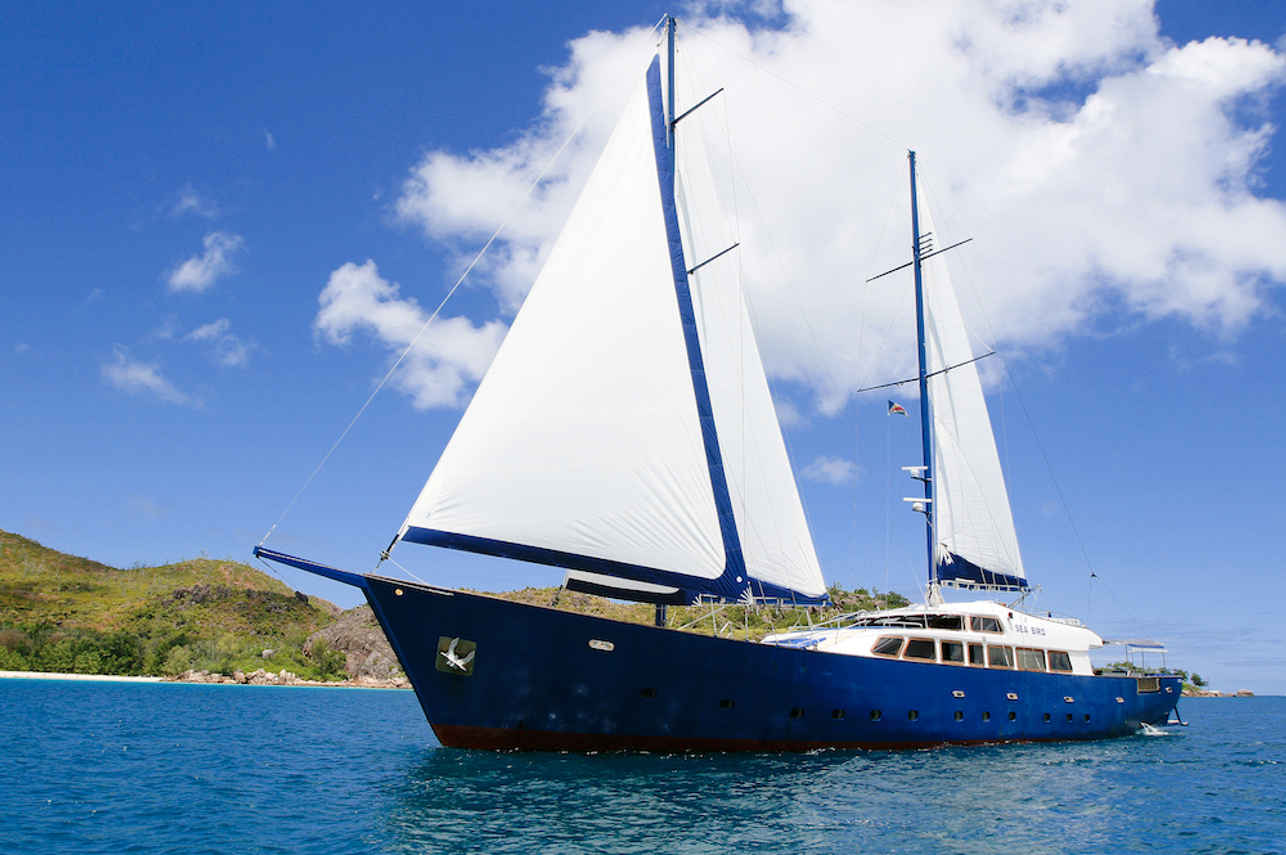
Sea Bird and Sea Star
Seychelles
18 guests42 m
$288/day
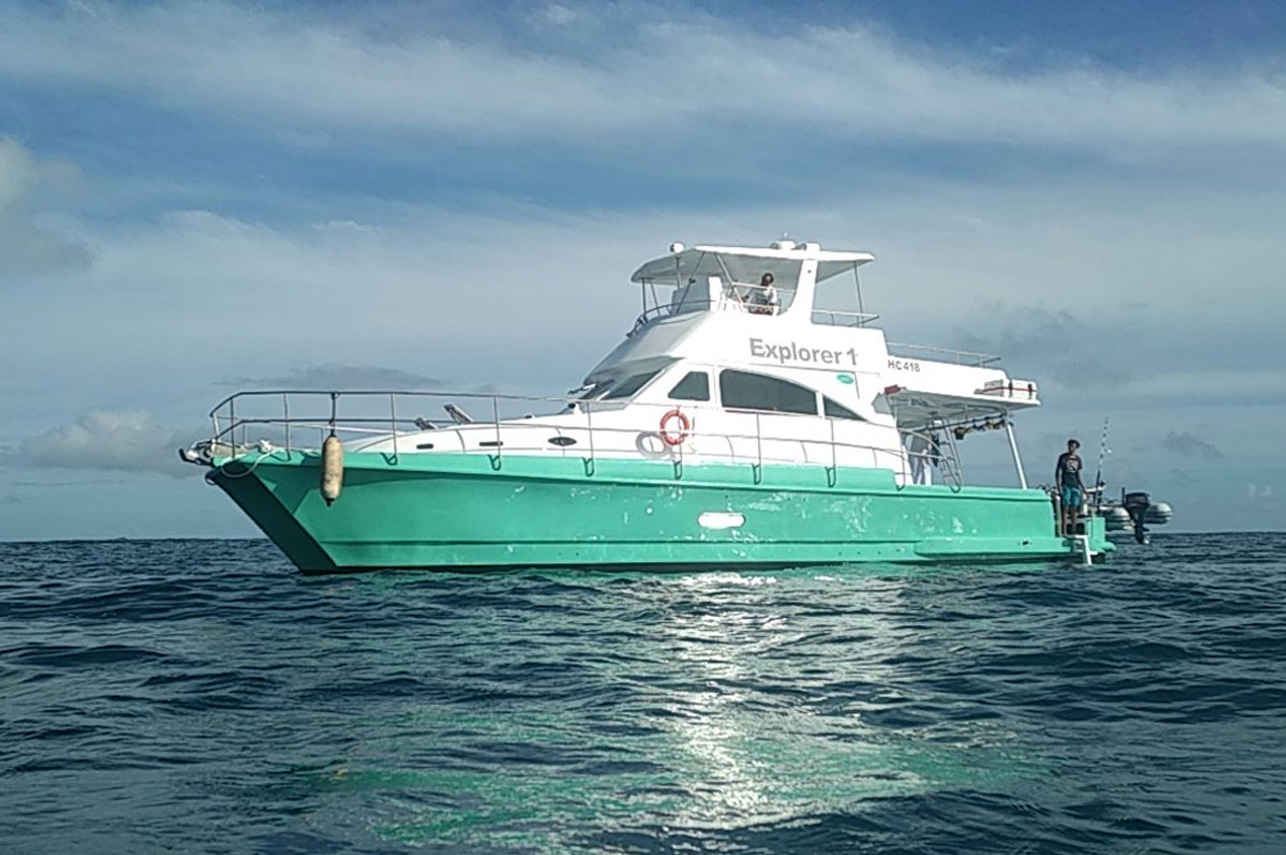
Explorer 1
Seychelles
6 guests17 m
$522/day
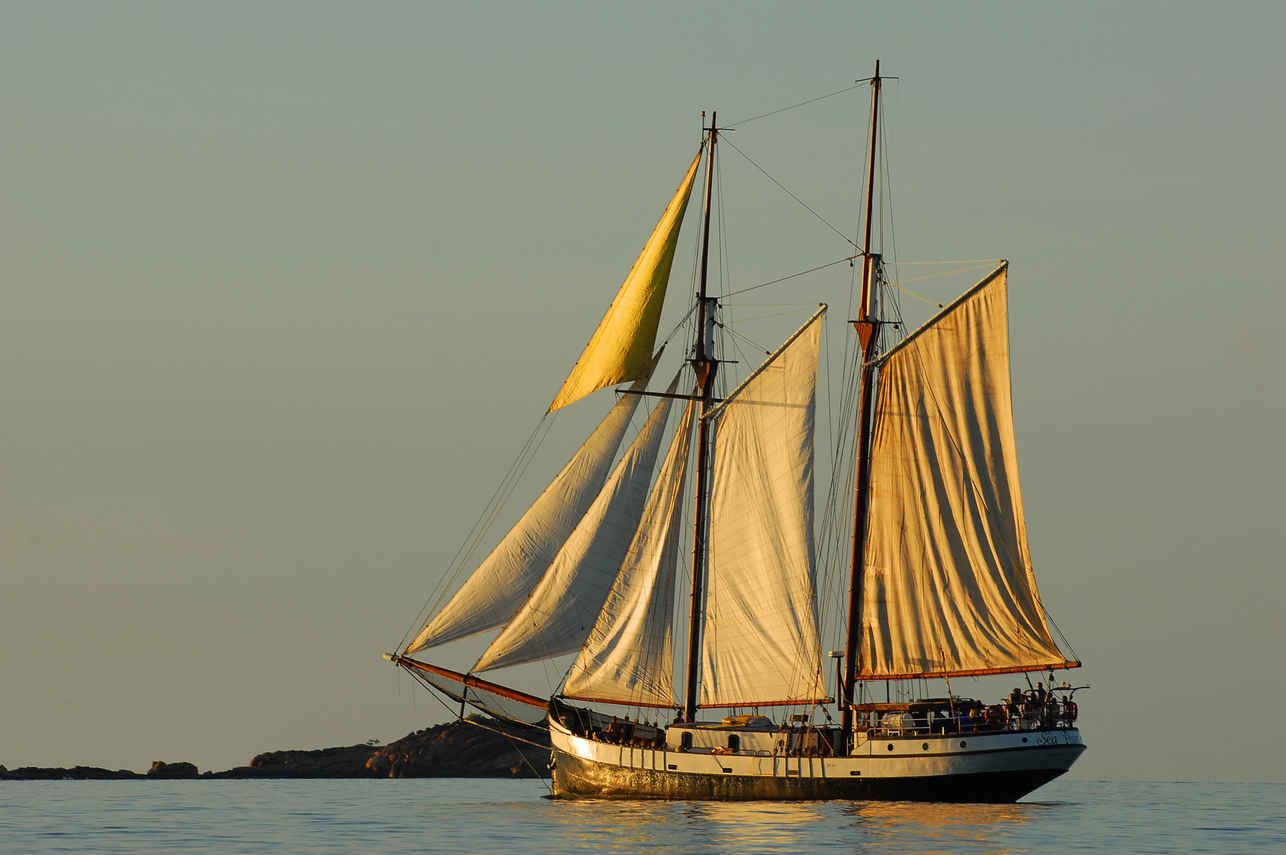
Sea Pearl
Seychelles
16 guests36 m
$211/day
Dive sites similar to L'Ilot
Same character, same waters — six more sites divers love for the exact same reasons.Compare seasons, access and liveaboard routes — then pick the site that fits your trip best.
© Esri — Maxar, Earthstar, GIS
Sister Bank
Seychelles
Sister Bank is a notable dive site situated in the Inner Islands of Seychelles, specifically near Praslin Island.
- Suitable for
- Intermediate
- Current
- Mild
- Access
- Liveaboard only
- Depth
- 15–30 m
- Theme
- Reef / Drift
© Esri — Maxar, Earthstar, GIS
Brissare Rocks (Mahé)
Seychelles
Brissare Rocks, located just north of Mahé, is a renowned dive site in Seychelles, widely considered one of Mahé's top five.
- Suitable for
- Intermediate
- Current
- Strong
- Access
- Liveaboard or dayboat
- Depth
- 8–20 m
- Theme
- Cave & cavern / Drift
© Esri — Maxar, Earthstar, GIS
Lighthouse Reef (Mahé)
Seychelles
Lighthouse Reef, situated near Mahé in the Seychelles, presents a captivating underwater experience characterized by thriving reef ecosystems.
- Suitable for
- Beginner
- Current
- Strong
- Access
- Liveaboard or dayboat
- Depth
- 5–18 m
- Theme
- Reef
Napoleon is a renowned dive site located off Alphonse Island in the Seychelles, celebrated for its rich biodiversity and stunning underwater topography.
- Suitable for
- Intermediate
- Current
- Moderate
- Access
- Liveaboard only
- Depth
- 8–30 m
- Theme
- Reef
© Esri — Maxar, Earthstar, GIS
One Tree Island
Seychelles
One Tree Island is a well-known, shallow dive site located off the coast of Mahé, the largest of the Seychelles' Inner Islands.
- Suitable for
- Beginner
- Current
- Moderate
- Access
- Liveaboard only
- Depth
- ≤ 12 m
- Theme
- Reef
© Esri — Maxar, Earthstar, GIS
St. Pierre
Seychelles
St. Pierre Islet is a distinctive granite pinnacle rising from depths of around 25 meters, situated north of Praslin.
- Suitable for
- Beginner
- Current
- Moderate
- Access
- Liveaboard only
- Depth
- 4–25 m
- Theme
- Reef