About Cocos Keeling Islands
The Cocos (Keeling) Islands, an Australian external territory, consist of 27 coral islands forming two atolls in the Indian Ocean. Located closer to Indonesia than mainland Australia, these remote islands offer diverse and pristine diving and snorkeling experiences. The dive sites feature spectacular hard and soft coral gardens, with visibility averaging 25 meters, creating a vibrant underwater landscape. The marine sanctuary surrounding the islands is one of the world's largest protected areas, safeguarding unique habitats and a high concentration of biodiversity. Divers regularly encounter pelagic species, including various sharks, schools of giant barracuda, big-eye trevally, dog-tooth tuna, and rainbow runners. Encounters with dolphins, turtles, and majestic manta rays are common, as is a sighting of the resident dugong affectionately named Kat. The smaller marine life is equally captivating, with colorful butterflyfish, damselfish, parrotfish, Napoleon fish, angelfish, nudibranchs, moray eels, and octopus contributing to the endless diversity. The terrain caters to all experience levels, from beginners to advanced divers. The islands maintain a consistent tropical climate year-round, with temperatures rarely dropping below 24°C, making it an ideal destination for diving throughout the year. Showers are most common at night, and the south-east trade winds prevail from May/June to September/October, with calmer doldrums from November to May. While the dive shop typically closes for about six weeks in October-November, the conditions outside this period are generally favorable. Dive operations involve hands-on participation from divers, including equipment setup and assistance with the boat.
Highlights
DolphinsPristine Coral40m Visibility
Season calendar
Best months to dive here
Jan
Feb
Mar
Apr
May
Jun
Jul
Aug
Sep
Oct
Nov
Dec
Excellent
Dive site facts: Cocos Keeling Islands
- Depth
- 5–40 m
- Current
- Mild to moderate
- Visibility
- 15–30 m
- Water temperature
- 26–29°C
- Entry
- Boat
- Level
- All levels, current experience helpful for some sites
- Dive type
- Reef, wall, wreck, pelagic
- Night dive
- Possible
- Region / port
- Indian Ocean, Australia
- Coordinates
- -12.0833, 96.8833
Conditions & Currents
Currents around the Cocos Keeling Islands are generally mild, making many sites accessible for various experience levels. However, certain locations, particularly those with drop-offs or near channels, can experience stronger currents, especially with incoming tides. Dive sites like "Enterprise" benefit from upwelling caused by incoming tides, leading to increased marine activity and potential for pelagic sightings. Divers should be prepared for drift dives at these locations and possess good buoyancy control. Visibility typically averages 25 meters but can vary with plankton blooms, which, while reducing clarity, often attract more pelagic life. Surface conditions are generally calm, but occasional rain and rougher seas can occur during the wet season, requiring appropriate entry and exit techniques from the dive boats. Water temperatures remain consistently warm, between 26–29°C, minim
Marine life & sighting chances
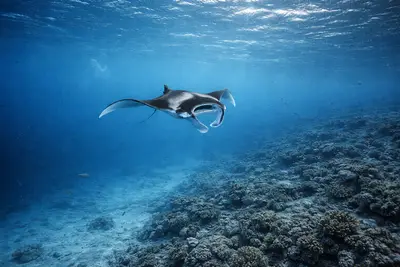
Manta Ray
occasional
Grey Reef Shark
commonWhite-tip Reef Shark
common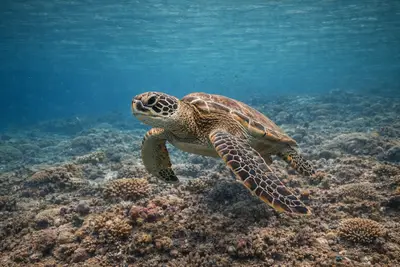
Green Sea Turtle
common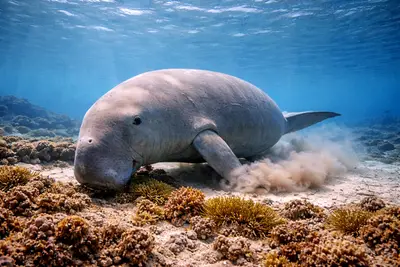
Dugong
occasional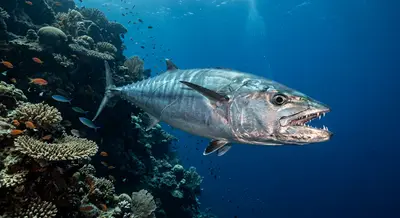
Dogtooth Tuna
occasional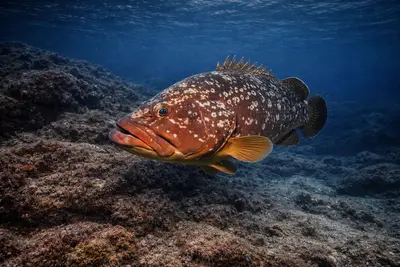
Grouper
common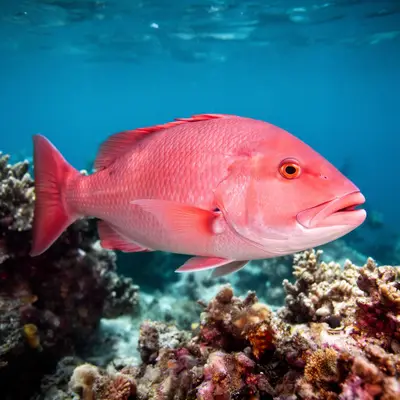
Paddle-tail Snapper
common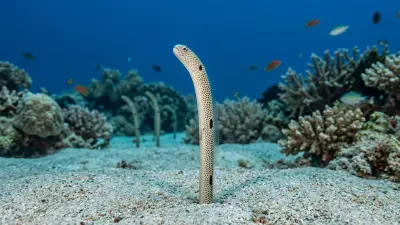
Garden Eel
common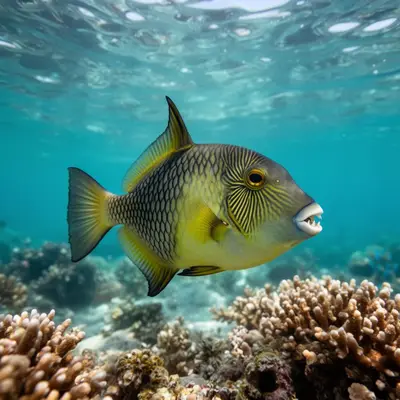
Giant Triggerfish
summer months · occasional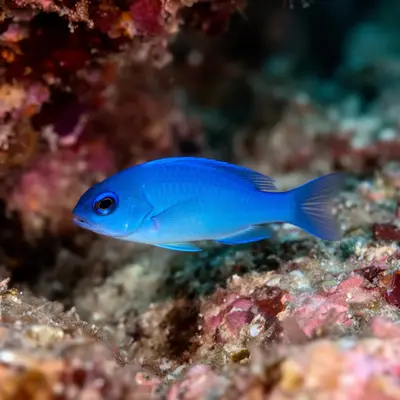
Damselfish
common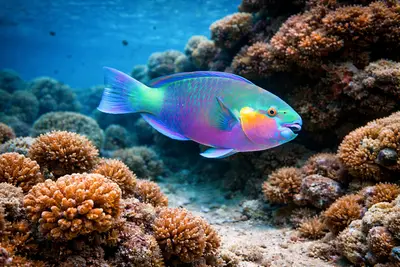
Parrotfish
common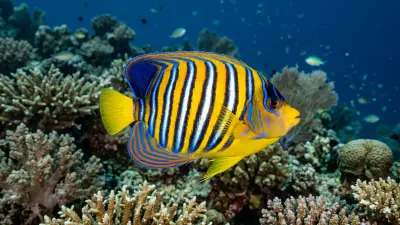
Angelfish
common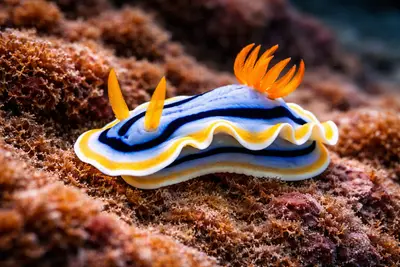
Nudibranch
occasionalDive profile & how the dive runs
A typical dive at Cocos Keeling Islands begins with a boat entry, often to a site like "Broccoli Patch" or "Cabbage Patch." For shallower dives, you'll descend gradually to a sandy bottom at 5-10 meters, focusing on buoyancy skills while observing reef life. Deeper dives, such as "Enterprise" or "Ski Run," involve descending along a wall or slope, starting around 15 meters and potentially reaching 30-40 meters. The route often follows the reef contour, exploring bommies and overhangs where larger fish and sharks are frequently sighted. Turn points are typically determined by air consumption and no-decompression limits, after which you'll slowly ascend along the reef, enjoying the shallower, brightly lit coral gardens. The safety stop is usually conducted in the 5-meter zone, often in a vibrant, current-protected area teeming with small reef fish.
Underwater photography
Cocos Keeling Islands offer incredible opportunities for both wide-angle and macro photography. For the expansive coral gardens, walls, and schooling fish, a wide-angle lens is essential, capturing the vibrant soft and hard corals in sites like "Rose Wall" and "Cabbage Patch." When pelagic encounters with manta rays, sharks, or dugongs occur, a wide-angle setup will allow you to capture their scale in the clear blue water. For macro enthusiasts, the reefs teem with tiny subjects like nudibranchs, garden eels, and various small reef fish; a macro lens will bring these details to life. Due to generally good visibility and abundant natural light in shallower areas, strobes are useful for color rendition and definition, especially when shooting into the deeper blue or in less illuminated crevices. Practice good buoyancy to avoid disturbing the pristine coral, and always maintain a respectful distance from marine life.
Combine with nearby dive sites
Getting there & logistics
Access to the Cocos Keeling Islands typically involves flying into the Cocos (Keeling) Islands Airport (CCK). Currently, the islands are served by flights from Perth, Western Australia, making it a remote but accessible destination. Once on the main island, local transport is available, and dive operators like Cocos Dive arrange boat transfers to the various dive sites, most of which are a short ride from shore. There is only one dive operator on the islands, so pre-booking your diving is highly recommended to secure your spot. Dive trips are usually day excursions, often including a surface interval at a tranquil spot like Direction Island. There are no specific marine park fees mentioned for diving, but it is part of a large protected marine park. Accommodations are available on the islands, and booking well in advance is advisable.
Safety & environment
Diving in the Cocos Keeling Islands is generally safe due to experienced local operators and calm conditions, but divers should still prioritize safety. It is advisable to have comprehensive dive insurance that covers medical emergencies and evacuation, given the remote nature of the islands. The nearest recompression chamber would be in Perth, Western Australia, which is a significant distance away, emphasizing the importance of conservative dive planning and adherence to dive limits. Divers should always follow the dive brief, maintain good buoyancy control to protect the pristine coral, and avoid touching or harassing marine life. Staying hydrated and being aware of your surroundings, especially in areas with potential currents, will contribute to a safe and enjoyable dive experience.
Who it suits — and who it doesn't
Suited for
- Divers seeking pristine, uncrowded reefs
- Underwater photographers looking for healthy coral and diverse marine life
- Divers interested in a mix of reef, wall, and wreck diving
- Those looking for pelagic encounters with sharks, rays, and turtles
- Divers comfortable with remote travel and limited infrastructure
Less suited for
- Liveaboard-only divers (as land-based diving is the norm)
- Divers expecting extreme adrenaline-pumping drift dives
- Those uncomfortable with remote medical facilities and long evacuation times
- Individuals seeking a bustling nightlife or extensive tourist amenities
FAQ
Cocos Keeling Islands FAQ
What is the best time of year to dive the Cocos Keeling Islands?
You can dive the Cocos Keeling Islands year-round due to consistently warm water temperatures between 26-29°C and generally calm conditions. The dry season from December to May typically offers the best visibility and calmer seas, while the wet season from June to November can bring more pelagic activity, though with potentially rougher surface conditions and slightly reduced visibility due to plankton blooms.
What kind of marine life can I expect to see?
The islands boast a rich array of marine life, including various sharks such as grey reef sharks and white-tip reef sharks, green sea turtles, and occasional sightings of manta rays and dugongs. You will also encounter large schools of reef fish like damselfish, parrotfish, and angelfish, along with dogtooth tuna, groupers, garden eels, and diverse macro life including nudibranchs and octopus.
Are there many dive operators on the Cocos Keeling Islands?
There is currently only one primary dive operator, Cocos Dive, run by local guide Dieter Gerhard. Due to the limited number of operators, it is highly recommended to book your diving excursions well in advance, especially during peak travel times, to ensure availability and secure your spot on guided trips.
What are the typical dive depths and conditions?
Dive depths range from shallow coral patches at 5-10 meters, ideal for beginners and buoyancy practice, to deeper walls and bommies extending to 35-40 meters for more experienced divers. Visibility is generally excellent, averaging around 25 meters, and water temperatures are consistently warm. Currents are typically mild, but some sites can experience moderate currents, requiring good buoyancy control.
Is Cocos Keeling Islands suitable for beginner divers?
Yes, many dive sites around the Cocos Keeling Islands are suitable for beginners, offering shallow, protected areas with easy descents and vibrant coral gardens. Sites like "Broccoli Patch" provide ideal conditions for new divers to practice buoyancy. However, some deeper wall dives with potential currents are better suited for more experienced or advanced certified divers.
How do I get to the Cocos Keeling Islands?
Travel to the Cocos Keeling Islands usually involves flying to the Cocos (Keeling) Islands Airport (CCK). Flights typically originate from Perth, Western Australia, making it a journey to a remote destination. Once on the main island, local transportation options are available, and your pre-booked dive operator will arrange boat transfers to the various dive sites.
Why dive Cocos Keeling Islands from a liveaboard?
Cocos Keeling Islands is one of Australia's signature dive sites. A liveaboard sleeps you on the water and puts you in the water for three to four guided dives per day, including dawn and night dives that day-boat operators rarely offer. You skip the daily commute back to port and reach quieter, less-crowded sites in the same region on a single trip.
Below are the liveaboards that include Cocos Keeling Islands on their Australia itineraries.
Liveaboards diving Cocos Keeling Islands
These liveaboards may visit Cocos Keeling Islands on selected itineraries — the exact dive sites depend on departure, weather and conditions.
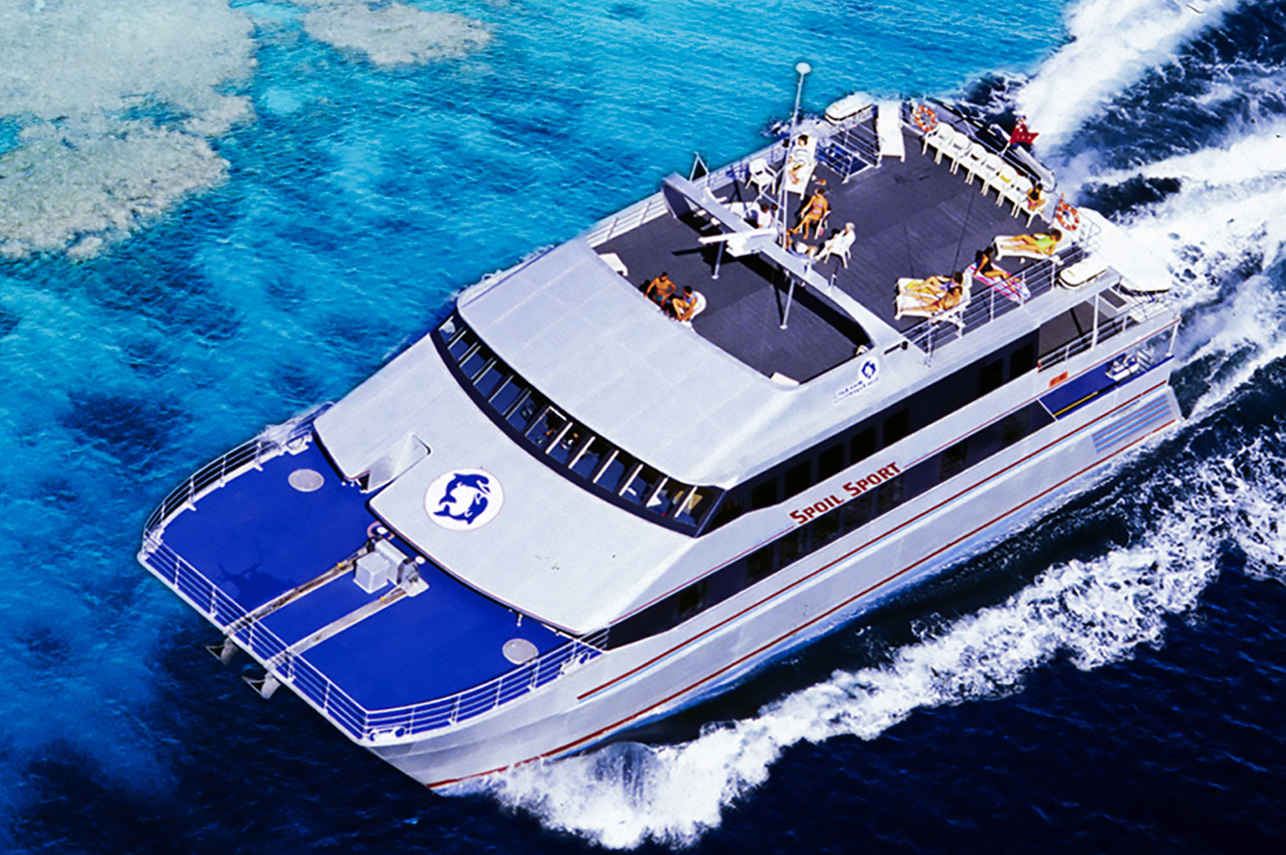
Spoilsport
Australia
28 guests30 m
$406/day
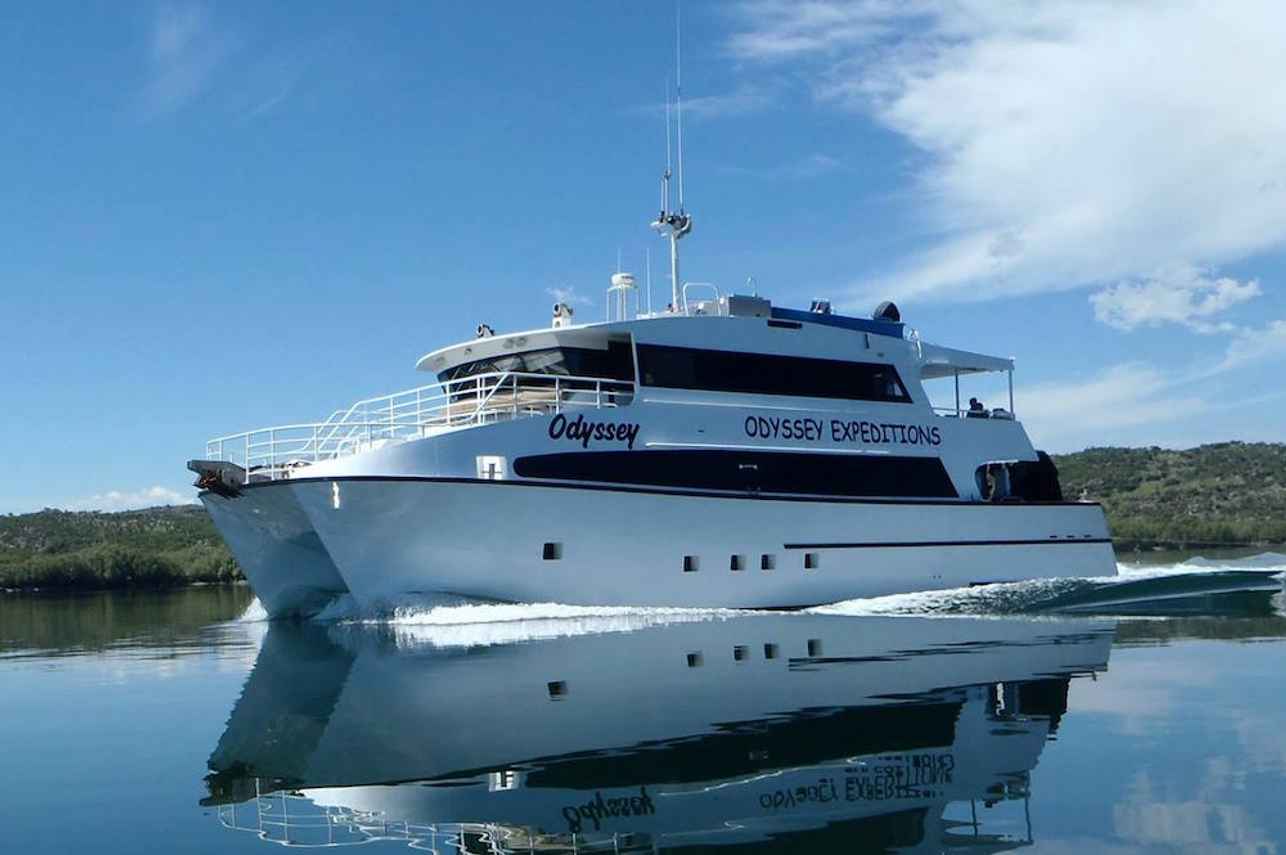
Odyssey Liveaboard
Australia
20 guests24 m
$392/day
Dive sites similar to Cocos Keeling Islands
Same character, same waters — six more sites divers love for the exact same reasons.Compare seasons, access and liveaboard routes — then pick the site that fits your trip best.
Agincourt Reef
Australia
Agincourt Reef sits on the outer edge of the Great Barrier Reef, roughly 60–72 km off Port Douglas in Far North Queensland, at the southern end of the true ribbon reefs that run…
- Suitable for
- Beginner
- Current
- Moderate
- Access
- Dayboat
- Depth
- 2–20 m
- Theme
- Reef / Wall
Cocos Keeling - Canons
Australia
Cocos Keeling - Canons offers a distinctive dive experience within the Cocos (Keeling) Islands lagoon, making it Australia's most remote dive destination.
- Suitable for
- Beginner
- Current
- Mild
- Access
- Dayboat
- Depth
- 8–12 m
- Theme
- Reef
Raine Island
Australia
Raine Island is a pivotal dive site located in the Far Northern Great Barrier Reef, approximately 85 kilometers east-north-east of Cape Grenville and just over 4 nautical miles south of the island itself.
- Suitable for
- Advanced
- Current
- Strong
- Access
- Liveaboard only
- Depth
- 5–40 m
- Theme
- Reef / Wall
Bare Island East
Australia
Bare Island East is a highly regarded shore dive in Sydney, celebrated for its diverse and colourful sponge gardens.
- Suitable for
- Intermediate
- Current
- Mild
- Access
- Shore / dayboat
- Depth
- 2–11 m
- Theme
- Reef
Cocos Keeling - Broccoli Patch
Australia
Broccoli Patch is a premier dive site nestled within the Cocos (Keeling) Islands lagoon system, offering a gentle yet captivating underwater experience.
- Suitable for
- Beginner
- Current
- Mild
- Access
- Dayboat
- Depth
- 5–10 m
- Theme
- Reef
Milln Reef
Australia
Milln Reef, located approximately 60km offshore from Cairns within the Great Barrier Reef, stands out as a highly favored outer reef destination for both divers and snorkelers.
- Suitable for
- Intermediate
- Current
- Moderate
- Access
- Liveaboard or dayboat
- Depth
- 4–22 m
- Theme
- Reef