About Koh Lipe — Stonehenge
Koh Lipe's Stonehenge dive site, located off the southern tip of Koh Talang, is renowned for its striking topography and rich marine life. Named for its resemblance to the ancient monument, hundreds of granite pinnacles emerge from the seabed, creating a labyrinth of archways, swim-throughs, and overhangs. These formations are densely covered in colorful soft corals, particularly purple and white varieties, which thrive alongside hard corals like table, staghorn, and brain corals, indicating excellent reef health within the Tarutao National Marine Park. The site's depth ranges from 5 to 30 meters, making it accessible for various certification levels, though the most dramatic features are found deeper. While currents can vary, they often bring in pelagic species, creating an exciting drift dive experience. The interplay of sunlight through the boulder gaps, casting shafts of light on the coral-covered rocks, creates a stunning visual for divers. Marine life here is abundant and diverse. Large schools of yellowtail snappers and barracuda are common, especially on incoming tides. You can also spot blacktip reef sharks patrolling deeper sections, along with occasional eagle rays and hawksbill turtles. The protected crevices and coral gardens harbor moray eels, frogfish, pipefish, nudibranchs, and lionfish, offering plenty for macro enthusiasts. Night dives transform the site, revealing nocturnal hunters like scorpionfish. Diving Stonehenge typically involves a short boat ride from Koh Lipe. Many dive shops visit daily, offering guided dives. The site offers both current-exposed areas that attract larger marine life and sheltered pockets for more relaxed exploration, ensuring a memorable experience for both wide-angle and macro photographers.
Highlights
Massive granite boulder formationsVibrant soft coral gardensSchools of yellowtail snappersLabyrinthine archways and swim-throughsOccasional blacktip reef sharksRich macro life in crevicesDramatic light play through boulders
Season calendar
Best months to dive here
Jan
Feb
Mar
Apr
May
Jun
Jul
Aug
Sep
Oct
Nov
Dec
Excellent
Good
Dive site facts: Koh Lipe — Stonehenge
- Depth
- 5–30 m
- Typical dive
- 8–25 m, 50–60 min
- Current
- Mild to strong, tide-dependent
- Visibility
- 15–30 m (peak season), 5–10 m (monsoon)
- Water temperature
- 27–30°C
- Entry
- Boat / Negative entry recommended
- Level
- Open Water (AOWD recommended for full exploration)
- Dive type
- Reef, topography, soft coral, drift, macro, pelagic
- Night dive
- Possible
- Region / port
- Koh Lipe, Andaman Sea, Thailand
- Coordinates
- 6.485, 99.235
Conditions & Currents
Currents at Stonehenge can vary significantly, ranging from mild to strong, depending on tidal cycles. Incoming tides often bring in nutrient-rich waters, attracting larger pelagic species, but also intensify the current, sometimes reaching 1-3 knots. Divers should be prepared for potential drift conditions and discuss current management with their guide, possibly using a reef hook in exposed areas. Negative entries are often recommended to avoid surface currents. While stronger currents enhance marine life sightings, protected pockets and swim-throughs offer calmer environments for those less comfortable with drift diving. Visibility is highly dependent on these tidal currents, generally improving during half-moon periods, and thermoclines are not typically a significant factor in the consistent water temperatures.
Marine life & sighting chances

Yellowtail Snappers
common
Moray Eels
common
Clownfish
common
Lionfish
occasional
Batfish
occasional
Barracuda
common
Nudibranchs
common
Pipefish
occasional
Frogfish
occasional
Blacktip Reef Sharks
occasional
Hawksbill Turtle
occasional
Eagle Ray
December-February · occasional
Scorpionfish
occasional
Whale Shark
Peak Season / May-September · rareDive profile & how the dive runs
Dives at Stonehenge typically begin with a negative entry due to potential currents, descending directly onto the top of the main boulder formations, which start around 5-8 meters. The dive then progresses downwards, weaving through the massive granite pinnacles that create numerous archways and swim-throughs between 12 and 22 meters. Divers can explore the coral-covered rocks, observing schools of fish and macro life. The deepest sections reach 24-30 meters along vertical walls, offering opportunities to spot blacktip reef sharks. The route is often planned to utilize the current, allowing for a drift past the most vibrant coral sections and areas where pelagics congregate. The turn point is determined by air consumption and bottom time, with the ascent usually guided towards the shallower plateau at 5 meters for a safety stop, providing an engaging area rich with life to observe during decompression.
Underwater photography
Stonehenge provides exceptional opportunities for both wide-angle and macro photography, demanding versatility in gear. Wide-angle lenses are ideal for capturing the dramatic scale of the granite boulder formations, their intricate archways, and the stunning light shafts that penetrate through gaps, particularly during late morning. For these shots, external strobes can enhance the vibrant colors of the soft corals and illuminate the swim-throughs. Macro photographers will find plenty of subjects hidden in the crevices and among the corals, including nudibranchs, pipefish, and tiny reef inhabitants; a snoot can be effective here for highlighting subjects against the busy background. Buoyancy control is paramount to avoid contact with the delicate soft corals that densely cover the rocks, especially when maneuvering through tight swim-throughs or positioning for close-up shots. Be mindful of potential currents, which can make precise framing challenging but also position schools of fish for dynamic wide-angle compositions.
Combine with nearby dive sites
- Koh Lipe — 8 Mile Rock
A deeper offshore pinnacle known for pelagic encounters, including whale sharks, with stronger currents.
- Hin Daeng
A submerged pinnacle off Koh Lanta, famous for vibrant red soft corals and pelagic sightings, including manta rays.
- Hin Muang
Paired with Hin Daeng, featuring stunning purple soft corals and attracting large pelagic species.
- Richelieu Rock
Considered one of Thailand's best sites, an isolated pinnacle teeming with macro life, schooling fish, and occasional whale sharks.
- Christmas Point
Another site in the region offering diverse reef structures and marine life.
Getting there & logistics
Accessing Koh Lipe and its dive sites like Stonehenge typically involves flying into Hat Yai International Airport (HDY). From there, a 2-3 hour minivan transfer takes you to Pak Bara Pier, followed by a 1.5-2 hour speedboat ride to Koh Lipe. Alternatively, travelers can arrive from Langkawi, Malaysia, with a direct 1.5-hour speedboat. Once on Koh Lipe, numerous dive shops offer daily trips to Stonehenge, usually a 15-30 minute journey by longtail or speedboat from Pattaya or Sunrise Beach. Dive trips typically include two dives and rental gear, costing between 2,800-3,500 THB. A Tarutao National Marine Park entry fee of 200 THB per person, plus a small boat fee, is also required. Many visitors combine diving with island relaxation, making for trips ranging from a few days to over a week.
Safety & environment
For diving at Stonehenge, standard dive safety protocols are essential, particularly given the site's variable currents. Divers should always carry a reef hook, be proficient in buoyancy control, and follow their guide's instructions, especially regarding negative entries. The nearest recompression chamber is located in Hat Yai, necessitating potentially lengthy evacuation times of several hours by boat and land. Therefore, comprehensive dive insurance covering emergency medical treatment and evacuation is highly recommended. Within Tarutao National Marine Park, strict no-touch rules are enforced to protect the coral, with fines up to 10,000 THB for coral damage. Lionfish and scorpionfish are present, so divers must maintain awareness of their surroundings and avoid touching anything on the reef.
Who it suits — and who it doesn't
Suited for
- Open Water divers comfortable with mild currents
- Advanced Open Water divers seeking deeper exploration
- Underwater photographers (wide-angle and macro)
- Divers interested in diverse reef topography and soft corals
- Divers who appreciate both pelagic and macro marine life
Less suited for
- Beginners nervous about current
- Divers expecting only calm, still water conditions
- Those uninterested in coral formations
- Divers looking exclusively for large pelagic action
FAQ
Koh Lipe — Stonehenge FAQ
What is Stonehenge like compared to 8 Mile Rock?
Stonehenge is characterized by its dramatic granite boulder formations, creating archways and swim-throughs, located closer to Koh Lipe. It's known for vibrant soft corals and diverse reef life. In contrast, 8 Mile Rock is a deeper offshore pinnacle that attracts larger pelagic species and often experiences stronger currents, offering a different type of dive experience.
Is Stonehenge suitable for Open Water certified divers?
Yes, Open Water divers can enjoy Stonehenge, as the top of the formations begins around 8 meters. However, to fully explore the most dramatic swim-throughs and deeper sections, which are typically between 14 and 22 meters, an Advanced Open Water certification is beneficial. Currents are generally mild enough for developing divers, but can sometimes be strong.
When is the best time to dive Stonehenge?
The prime diving season for Stonehenge is from November to April, when the Andaman Sea offers calm conditions and excellent visibility, often reaching 15-30 meters. February and March frequently provide the best combination of clear water and stable weather. The site is generally closed or has significantly reduced visibility during the monsoon season from May to October.
What kind of marine life can I expect to see at Stonehenge?
Stonehenge is rich in marine life, including large schools of yellowtail snappers and barracuda. You can also spot moray eels, clownfish, frogfish, pipefish, and numerous nudibranchs among the corals. Deeper areas may reveal blacktip reef sharks, while occasional sightings of eagle rays and hawksbill turtles are possible. During peak season, rare whale shark encounters have also been reported.
How do I get to Stonehenge from Koh Lipe?
Stonehenge is a short trip from Koh Lipe, typically reached by longtail boat in 15-30 minutes or by speedboat in a shorter time, depending on the operator and departure point. Most dive shops on Koh Lipe offer daily guided trips to the site. The area falls within Tarutao National Marine Park, so all dives are guided, and a park entry fee applies.
Why dive Koh Lipe — Stonehenge from a liveaboard?
Koh Lipe — Stonehenge is one of Thailand's signature dive sites. A liveaboard sleeps you on the water and puts you in the water for three to four guided dives per day, including dawn and night dives that day-boat operators rarely offer. You skip the daily commute back to port and reach quieter, less-crowded sites in the same region on a single trip.
Below are the liveaboards that include Koh Lipe — Stonehenge on their Thailand itineraries.
Liveaboards diving Koh Lipe — Stonehenge
These liveaboards may visit Koh Lipe — Stonehenge on selected itineraries — the exact dive sites depend on departure, weather and conditions.
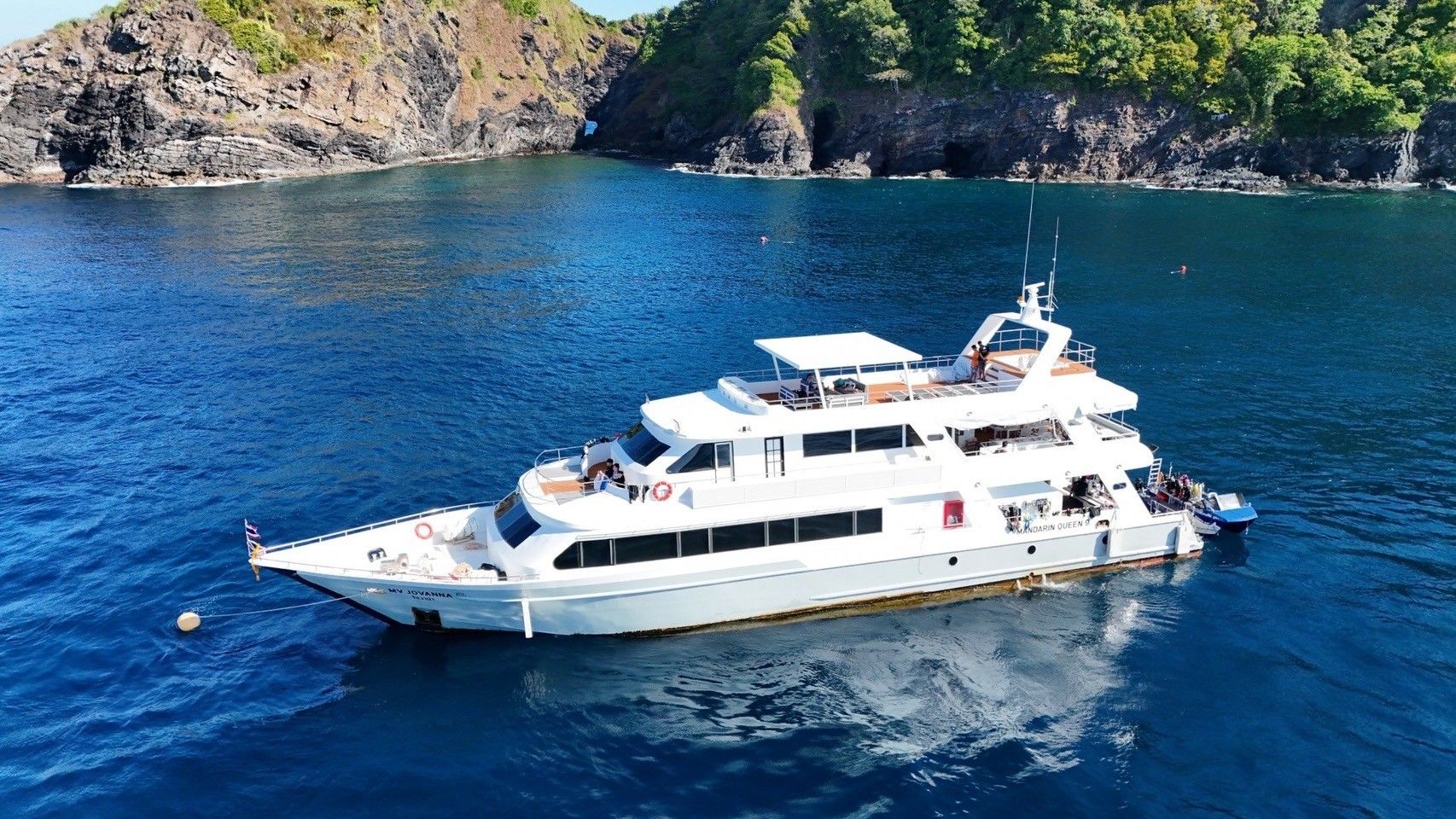
Mandarin Queen 9
Thailand
26 guests37.5 m
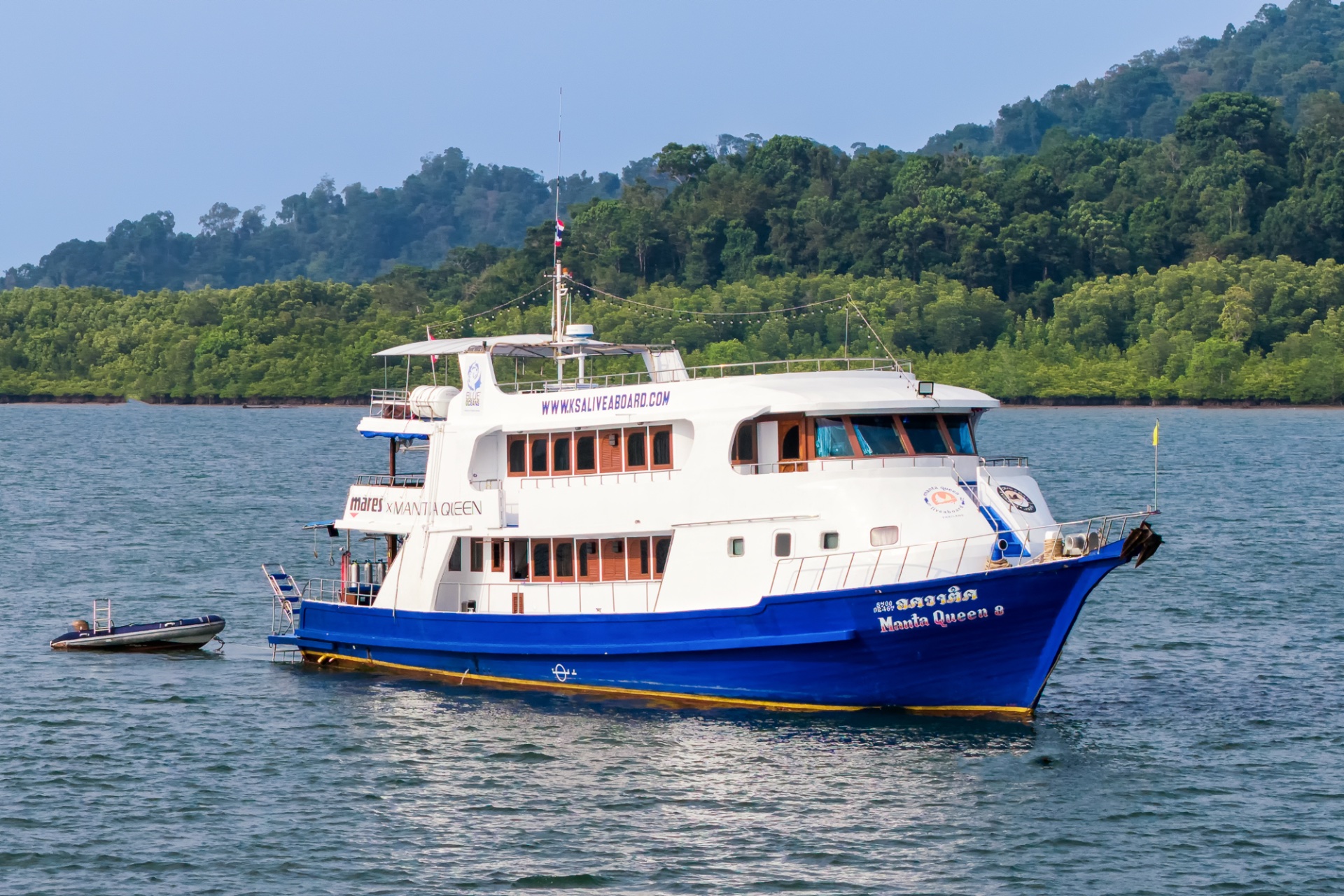
Manta Queen 8
Thailand
24 guests
$127/day
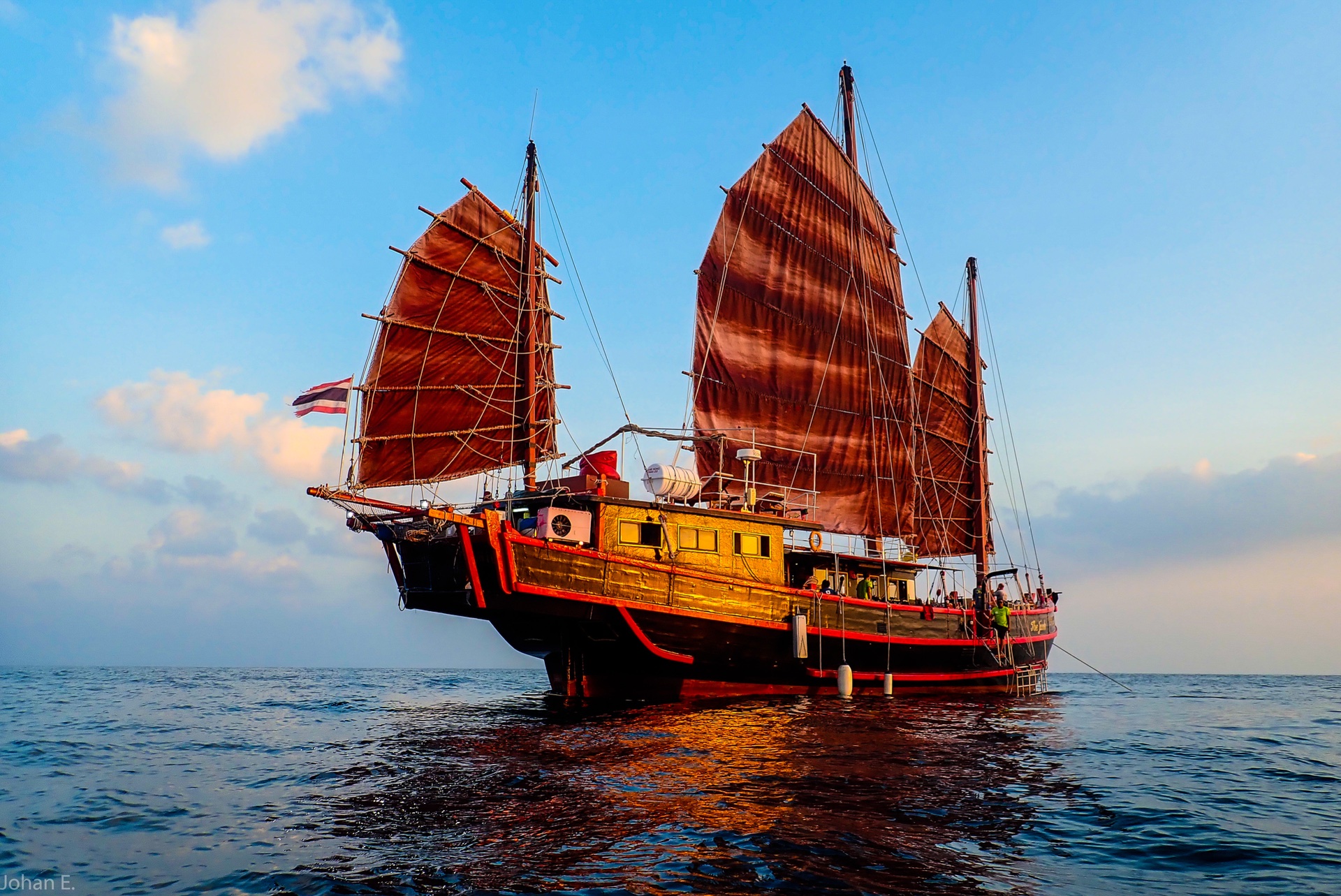
The Junk
Thailand
18 guests33 m
$163/day
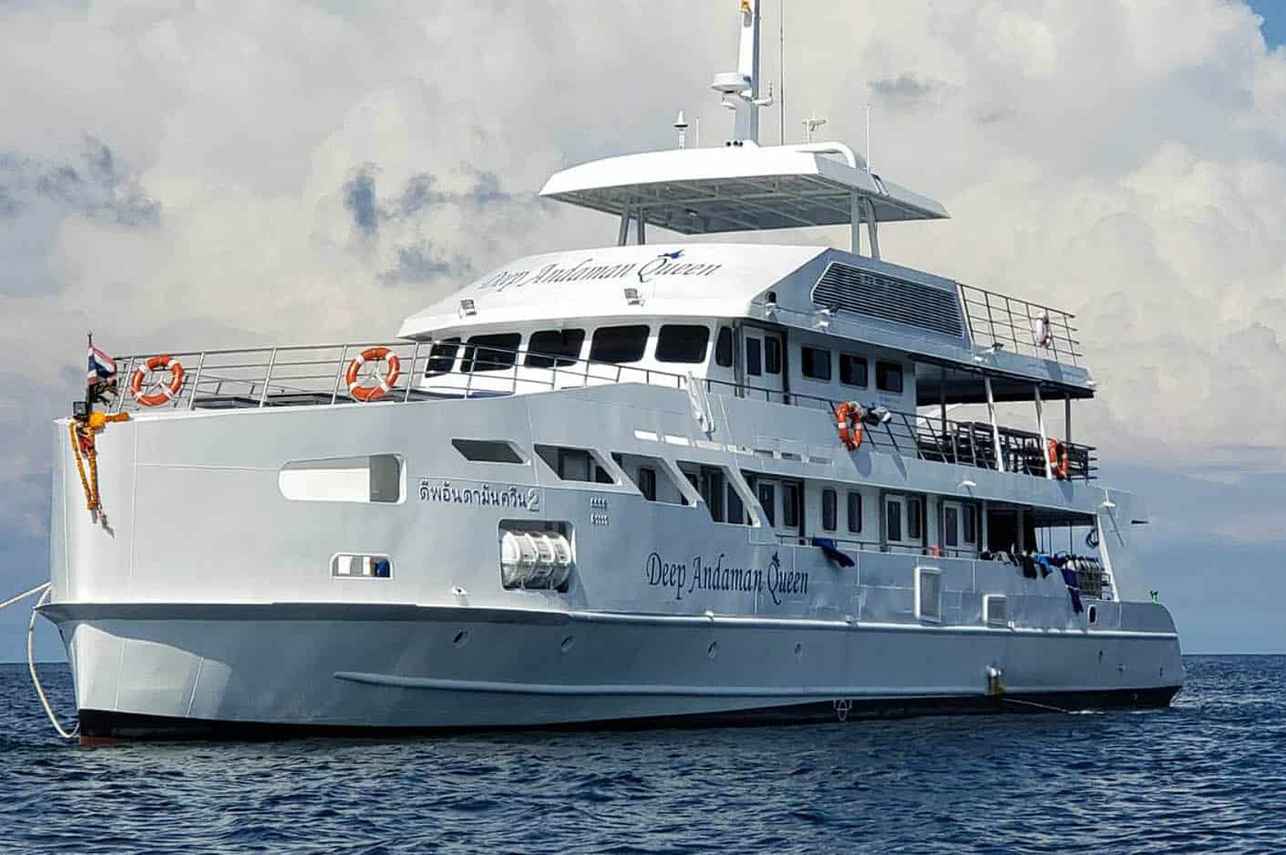
Deep Andaman Queen
Thailand
23 guests30.5 m
$194/day
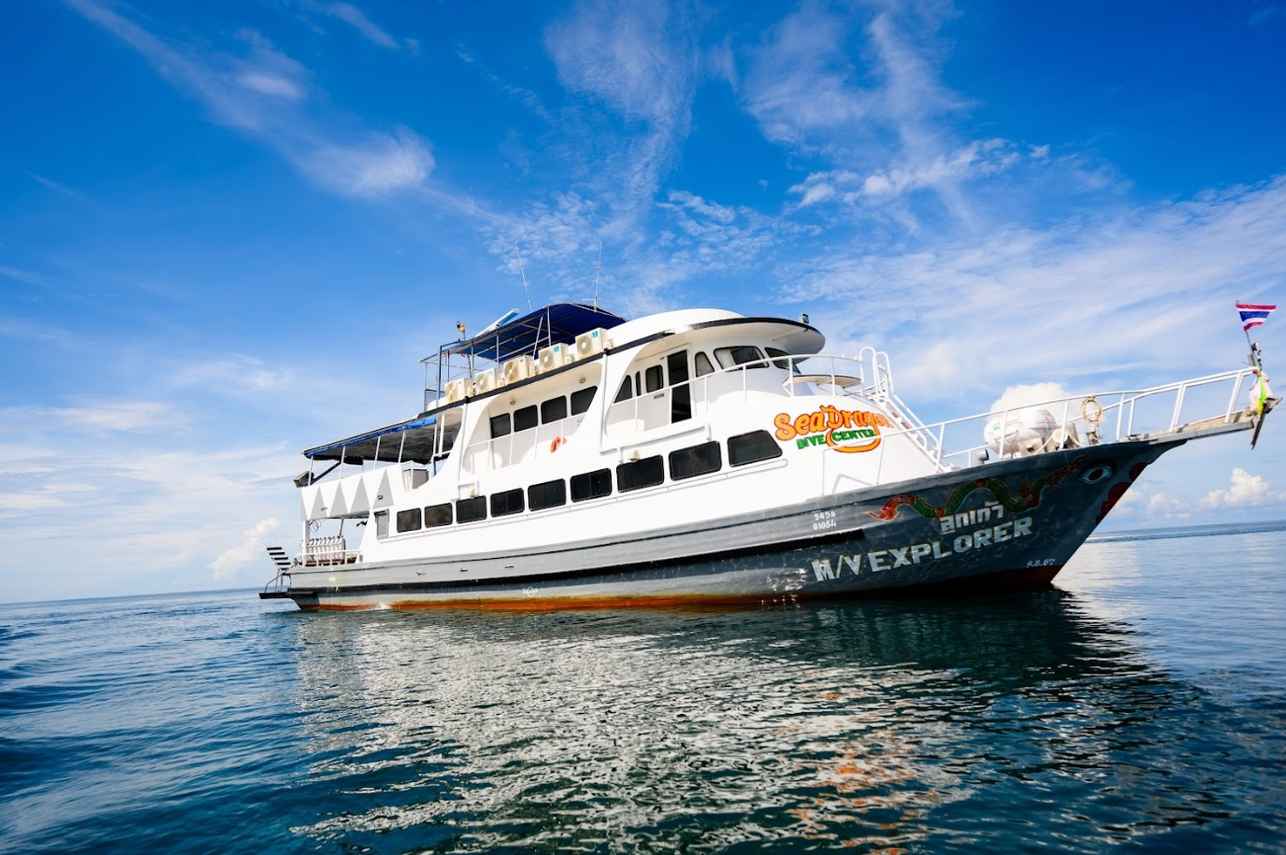
Explorer
Thailand
16 guests25 m
$150/day
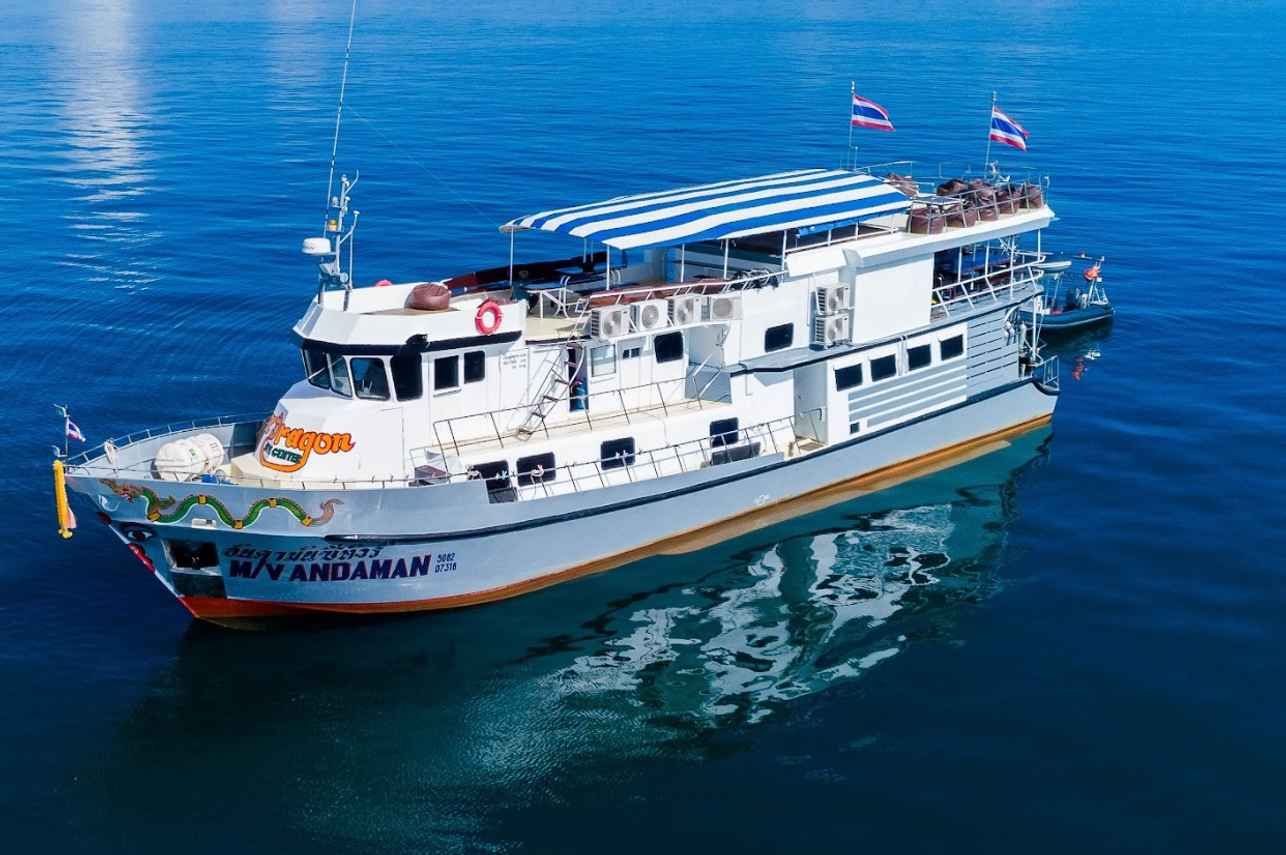
Andaman
Thailand
20 guests26 m
$108/day
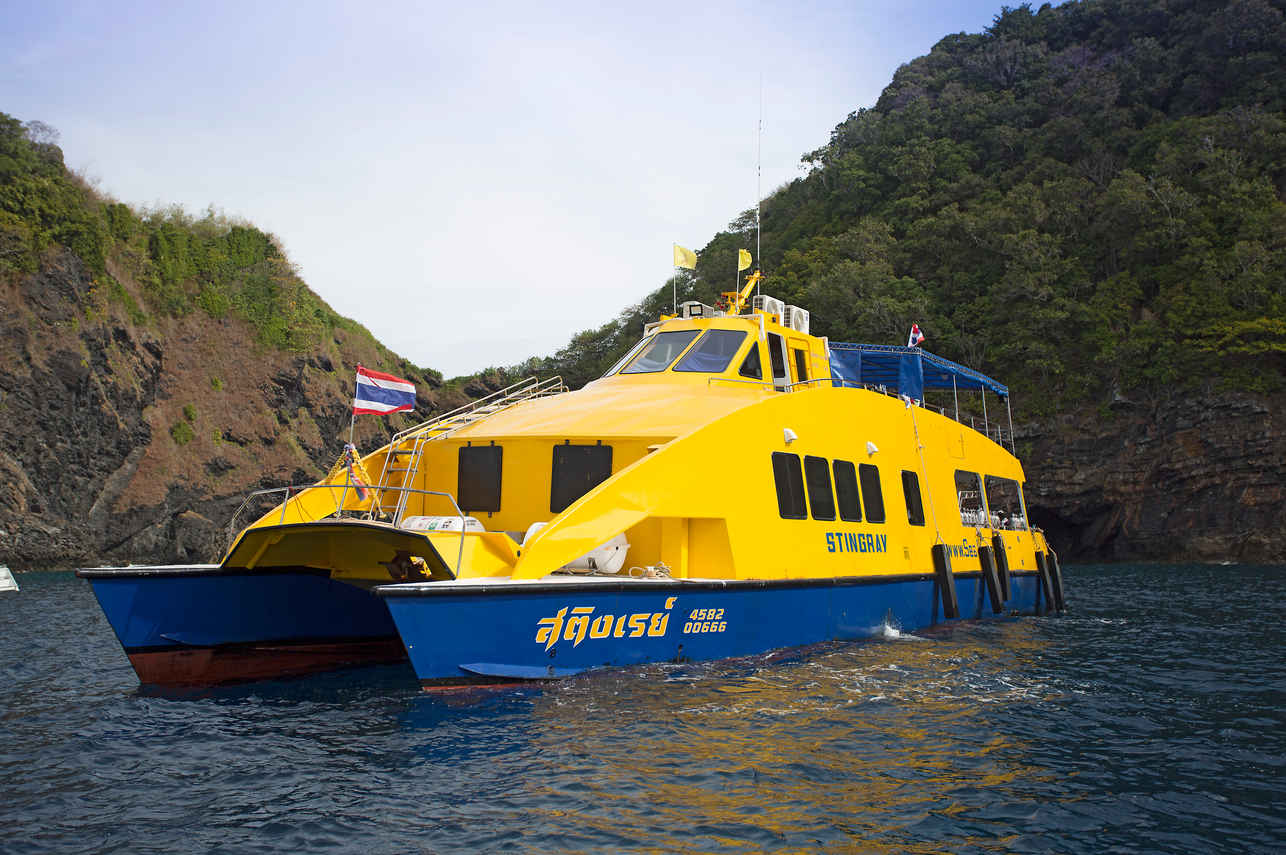
Stingray
Thailand
8 guests24 m
$245/day
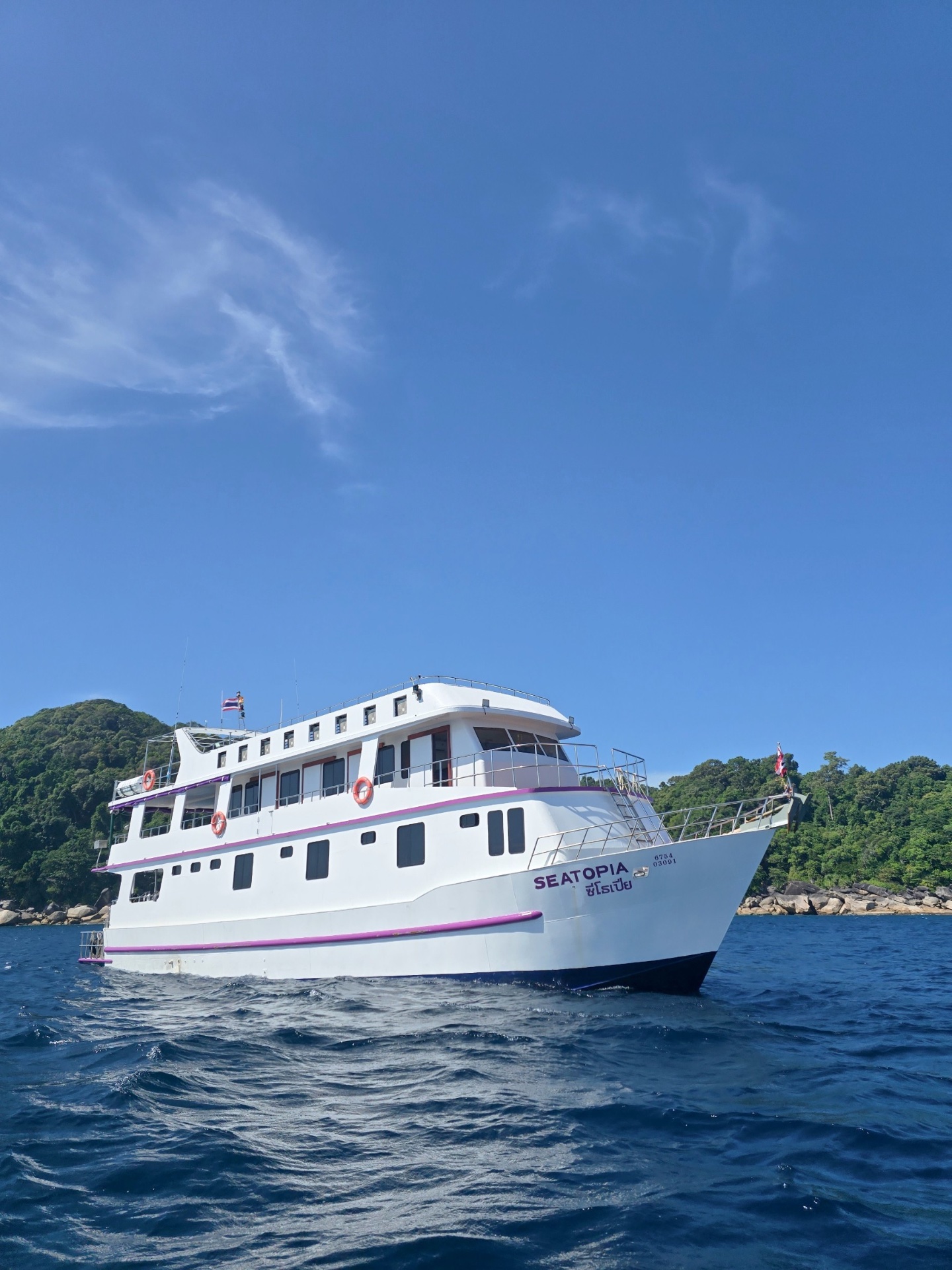
Seatopia
Thailand
24 guests24 m
Dive sites similar to Koh Lipe — Stonehenge
Same character, same waters — six more sites divers love for the exact same reasons.Compare seasons, access and liveaboard routes — then pick the site that fits your trip best.
Hin Raab is a prominent dive site located in the eastern Gulf of Thailand, near Koh Chang, offering an exceptional underwater experience with its rich coral biodiversity and thriving marine life.
- Suitable for
- Intermediate
- Current
- Moderate
- Access
- Dayboat
- Depth
- 5–22 m
- Theme
- Reef / Pinnacle
© Esri — Maxar, Earthstar, GIS
Christmas Point
Thailand
Christmas Point, located on Similan Island number 9 (Koh Ba-Ngu), stands out as one of the Similan Islands' most iconic dive sites.
- Suitable for
- Intermediate
- Current
- Strong
- Access
- Liveaboard or dayboat
- Depth
- 2–40 m
- Theme
- Pinnacle
© Esri — Maxar, Earthstar, GIS
Koh Tao — Twins
Thailand
Twins, a highly popular dive site near Koh Tao, Thailand, is renowned for its accessibility and rich marine life.
- Suitable for
- Beginner
- Current
- Mild
- Access
- Liveaboard or dayboat
- Depth
- 5–18 m
- Theme
- Pinnacle
© Esri — Maxar, Earthstar, GIS
Shark Point
Thailand
Shark Point, also known as Hin Musang, is a celebrated dive site located midway between Phuket and Phi Phi Islands in the Andaman Sea.
- Suitable for
- Intermediate
- Current
- Strong
- Access
- Liveaboard or dayboat
- Depth
- 5–24 m
- Theme
- Pinnacle
© Esri — Maxar, Earthstar, GIS
Southwest Pinnacle
Thailand
Southwest Pinnacle, located approximately 45 minutes by boat from Koh Tao's Mae Haad pier, is a renowned dive site in the Gulf of Thailand.
- Suitable for
- Intermediate
- Current
- Strong
- Access
- Liveaboard or dayboat
- Depth
- 8–26 m
- Theme
- Pinnacle / Wall