About Jepun (Ferry Channel)
Jepun (Ferry Channel) is a dynamic dive site located off Bali's east coast, renowned for its strong currents and the exciting drift diving opportunities they create. This site forms part of a crucial marine corridor where nutrient-dense waters fuel a rich ecosystem, supporting a diverse array of fish and invertebrates. The underwater topography primarily consists of sloping reefs and dramatic walls, adorned with healthy hard and soft corals that thrive in the consistent water movement. Divers here can expect to encounter large schools of pelagic fish, various reef sharks, and an impressive collection of macro life tucked into crevices and coral formations. While the site offers year-round diving, the dry season from April to November generally provides the best visibility and most stable conditions, though currents remain a defining feature. The unique interaction of currents, topography, and marine biodiversity makes Jepun a thrilling experience for divers seeking an active and visually rewarding underwater adventure. Access to Jepun is typically via local dive boats, often traditional jukungs, departing from nearby coastal towns. The experience is characterized by negative entries to quickly descend below the surface currents, followed by a guided drift along the reef. Divers must maintain excellent buoyancy control and be comfortable with the sensation of being carried by the water, making it a site best suited for intermediate to advanced divers.
Highlights
Dynamic drift diving experienceRich pelagic marine lifeHealthy sloping coral reefsAbundant macro creaturesThriving wall divingExhilarating current rides
Season calendar
Best months to dive here
Jan
Feb
Mar
Apr
May
Jun
Jul
Aug
Sep
Oct
Nov
Dec
Good
Dive site facts: Jepun (Ferry Channel)
- Depth
- 5–30+ m
- Typical dive
- 15–25 m, 45–60 min
- Current
- Strong, unpredictable drift
- Visibility
- 10–40 m
- Water temperature
- 27–30°C
- Entry
- Boat / negative entry
- Level
- Advanced, drift experience essential
- Dive type
- Drift, wall, reef, pelagic
- Night dive
- Occasional, with experienced guides
- Region / port
- East Bali / Padang Bai
- Coordinates
- -8.531, 115.507
Conditions & Currents
Jepun (Ferry Channel) is defined by its strong and often unpredictable currents, necessitating advanced drift diving techniques. Divers frequently perform negative entries to quickly descend beneath the surface chop and into the calmer water column, staying close to the reef to mitigate the strongest flows. These currents, while challenging, are responsible for the site's rich biodiversity, bringing in pelagic species and delivering nutrients to the corals. Visibility can range from 10m during the rainy season to an impressive 40m in the dry season, though strong currents can sometimes stir up sediment. While thermoclines are less common here compared to sites like Crystal Bay, water temperatures can vary, especially with depth. Divers must be proficient in buoyancy control, air consumption management in dynamic conditions, and be comfortable with safety stops in open water, as surfacin
Marine life & sighting chances
White-tip reef shark
occasional
Barracuda
common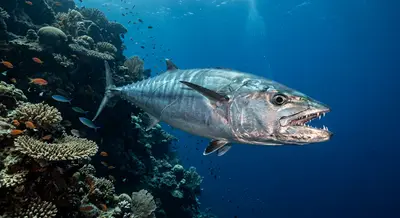
Tuna
occasional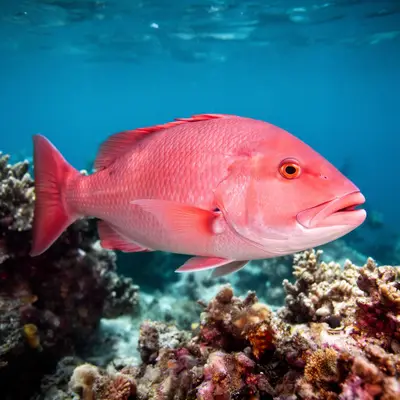
Snapper
common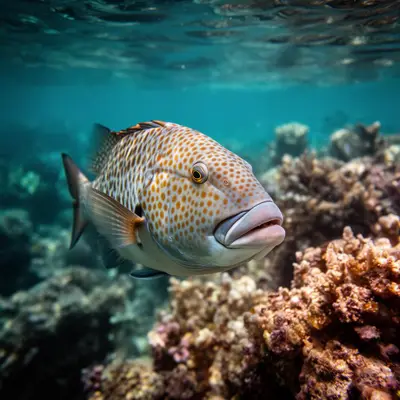
Sweetlips
common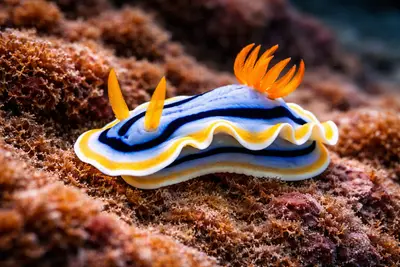
Nudibranchs
common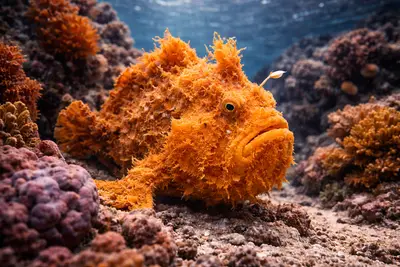
Frogfish
occasional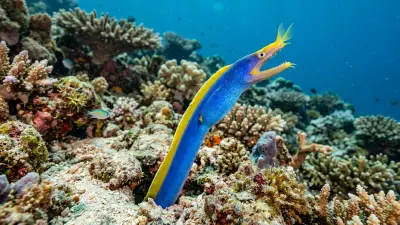
Ribbon eels
occasional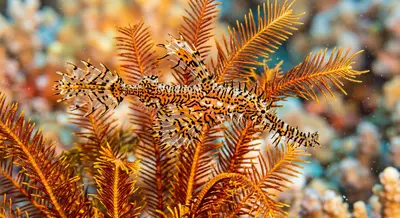
Ghost pipefish
occasional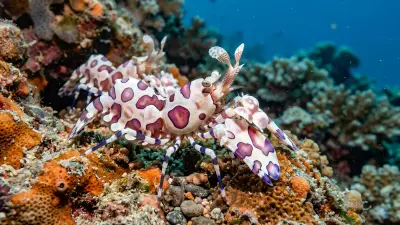
Harlequin shrimp
rare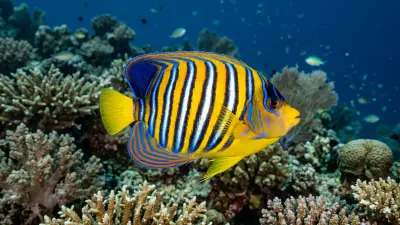
Angelfish
common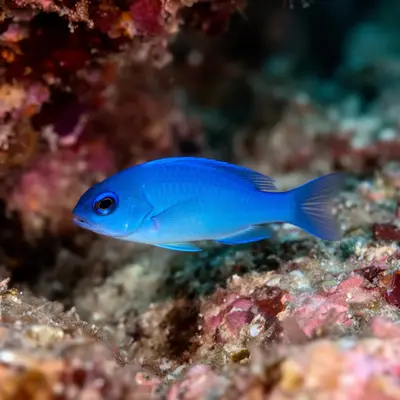
Damselfish
commonDive profile & how the dive runs
Your dive at Jepun (Ferry Channel) begins with a negative entry from a traditional jukung, ensuring a swift descent below the strong surface currents. Upon reaching approximately 5-10 meters, you'll find the primary reef slope, which gradually deepens to over 30 meters. The dive typically proceeds as a drift along the reef, with the current guiding you past vibrant coral gardens and dramatic wall sections. Your guide will lead the way, maintaining a course that optimizes marine life encounters while managing the current. Expect to maintain a depth between 15-25 meters for most of the dive, adjusting as needed to explore specific features or avoid stronger currents at certain points. The turn point is determined by air consumption and current conditions, with the safety stop usually conducted in the blue, deploying a surface marker buoy (SMB) for the boat to track your ascent and pickup.
Underwater photography
Jepun's dynamic conditions offer excellent opportunities for both wide-angle and macro photography, though the strong currents require careful planning. For wide-angle shots, consider capturing the expansive coral slopes and schools of pelagic fish. A fast shutter speed and good strobe placement are crucial to freeze action and bring out vibrant colors in moving subjects. For macro enthusiasts, patience and excellent buoyancy are essential to photograph smaller creatures tucked into coral crevices, as the drift will constantly move you. A focus light will aid in identification and sharp focus in shaded areas. Always be mindful of your fin kicks to avoid disturbing the reef or stirring up sediment, which can quickly ruin a shot and harm the environment.
Combine with nearby dive sites
- Blue Lagoon Padang Bai
Known for calmer waters and macro life, often combined with Jepun as a contrasting dive.
- Gili Tepekong
Another site near Padang Bai, famous for strong currents and pelagic encounters.
- Gili Mimpang
Located close to Gili Tepekong, offering similar challenging conditions and diverse marine life.
- SD Point
A popular drift dive site in Nusa Penida, sometimes combined with East Bali itineraries.
Getting there & logistics
Diving Jepun (Ferry Channel) typically involves day trips departing from coastal towns like Padang Bai or Sanur. The nearest international airport is Ngurah Rai International Airport (DPS) in Denpasar. From the airport, transfers to Padang Bai take approximately 1.5 to 2 hours, while Sanur is closer, around 30-45 minutes. Dive trips to Jepun are usually part of a 2-3 dive itinerary, often combined with other sites around Padang Bai or candidasa. Most dive centers provide transfers from major tourist areas, but staying closer to the departure ports minimizes travel time. There are no specific park fees for Jepun, but dive package costs usually cover boat fees, guide services, and equipment rental. Ensure your dive operator is reputable and experienced with strong current dives.
Safety & environment
Diving Jepun (Ferry Channel) requires a strong emphasis on safety due to its prevalent strong currents. It is imperative that divers are Advanced Open Water certified and have prior experience with drift diving. Always dive with a reputable operator, and ensure you are comfortable with negative entries and deploying a Surface Marker Buoy (SMB) for safety stops and surface pickup. The nearest recompression chamber is in Denpasar, approximately 1.5 to 2 hours away from Padang Bai. Evacuation in a dive emergency would involve immediate transport by boat to shore, followed by road transfer to the chamber. Comprehensive dive insurance is non-negotiable for all divers visiting this site. Always follow your dive guide's instructions precisely, maintain buddy contact, and respect your personal limits, especially regarding air consumption in strong currents.
Who it suits — and who it doesn't
Suited for
- Experienced drift divers
- Advanced Open Water certified divers
- Divers seeking strong current thrills
- Photographers with good buoyancy control
- Those interested in pelagic encounters
Less suited for
- Beginner divers
- Divers without drift diving experience
- Those uncomfortable with strong currents
- Divers prone to seasickness in choppy waters
- Anyone without comprehensive dive insurance
FAQ
Jepun (Ferry Channel) FAQ
What kind of currents can I expect at Jepun (Ferry Channel)?
Jepun (Ferry Channel) is known for its strong and often unpredictable currents. These can vary in strength and direction, making it an exhilarating drift dive. Divers must be comfortable with dynamic water movement and have experience with drift diving techniques.
Is Jepun (Ferry Channel) suitable for beginner divers?
No, Jepun (Ferry Channel) is not recommended for beginner divers. Due to the strong currents and the need for advanced buoyancy control and drift diving experience, it is best suited for Advanced Open Water certified divers or those with significant drift diving experience.
What marine life can I typically see at Jepun?
Jepun offers a rich variety of marine life, including schools of barracuda, snapper, and sweetlips. You might also spot white-tip reef sharks, tuna, and a range of macro creatures like nudibranchs, frogfish, ribbon eels, and ghost pipefish among the vibrant coral reefs.
What is the best time of year to dive Jepun?
The best time to dive Jepun (Ferry Channel) is during Bali's dry season, from April to November. During these months, you can generally expect better visibility and more stable weather conditions, although strong currents are a year-round feature of the site.
What kind of entry and exit procedures are used at Jepun?
Due to the strong currents, divers typically perform a negative entry from the dive boat, descending quickly to get below the surface chop. Exit involves ascending with a Surface Marker Buoy (SMB) for the boat to track and pick up, often some distance from the original entry point as you drift with the current.
Why dive Jepun (Ferry Channel) from a liveaboard?
Jepun (Ferry Channel) is one of Bali's signature dive sites. A liveaboard sleeps you on the water and puts you in the water for three to four guided dives per day, including dawn and night dives that day-boat operators rarely offer. You skip the daily commute back to port and reach quieter, less-crowded sites in the same region on a single trip.
Below are the liveaboards that include Jepun (Ferry Channel) on their Bali itineraries.
Liveaboards diving Jepun (Ferry Channel)
These liveaboards may visit Jepun (Ferry Channel) on selected itineraries — the exact dive sites depend on departure, weather and conditions.
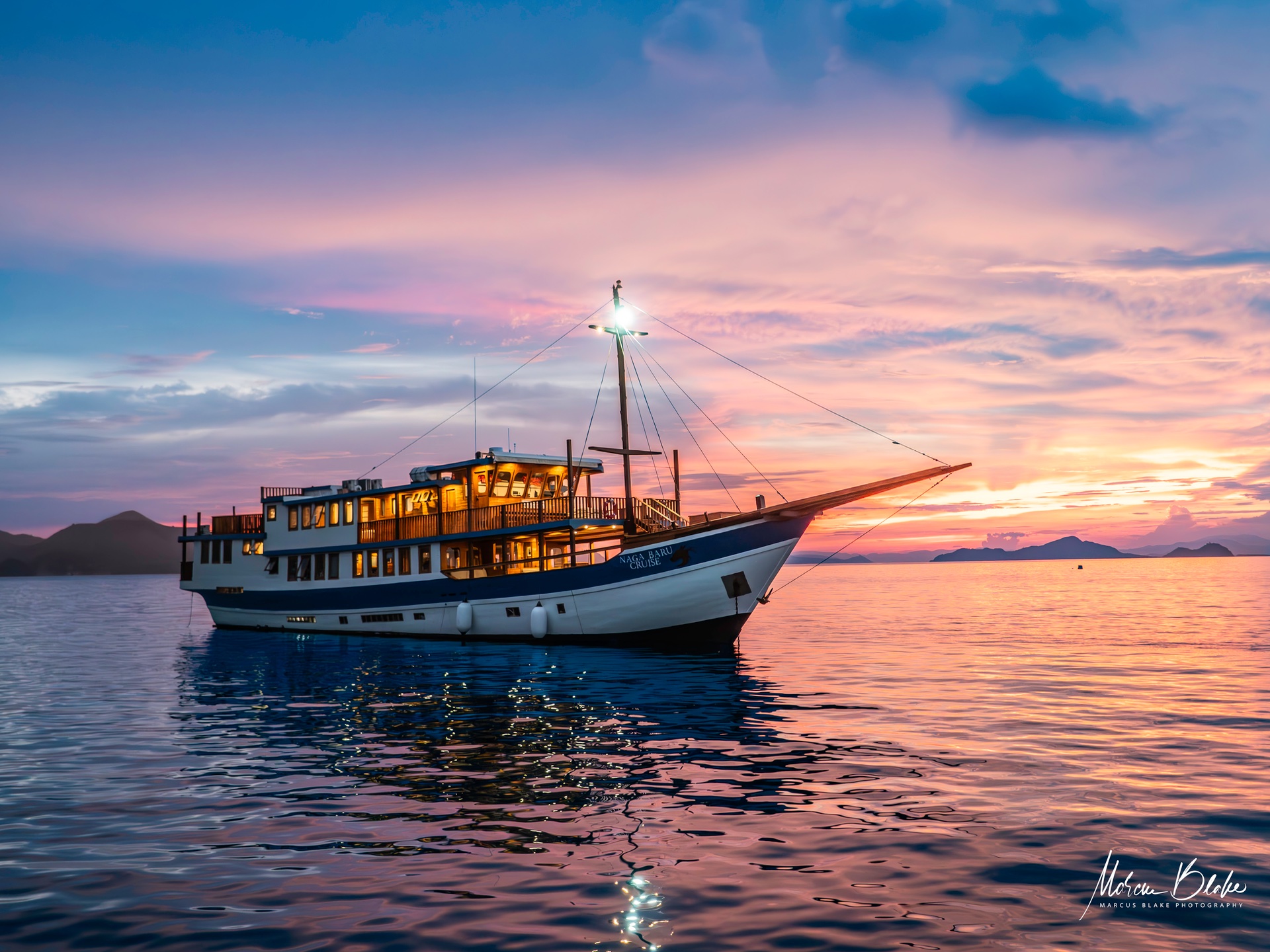
Naga Biru
Indonesia
12 guests40 m
$273/day
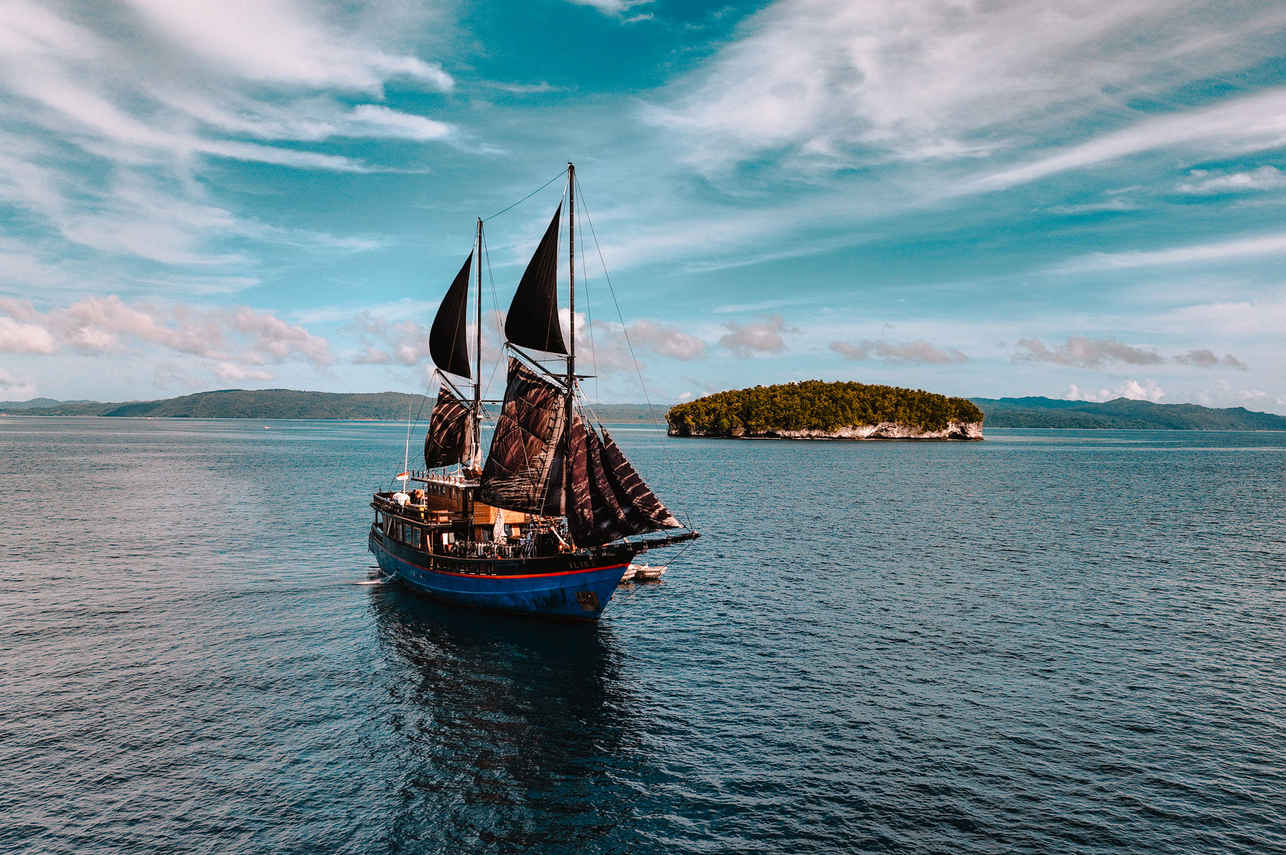
Ilike
Indonesia
16 guests40 m
$298/day
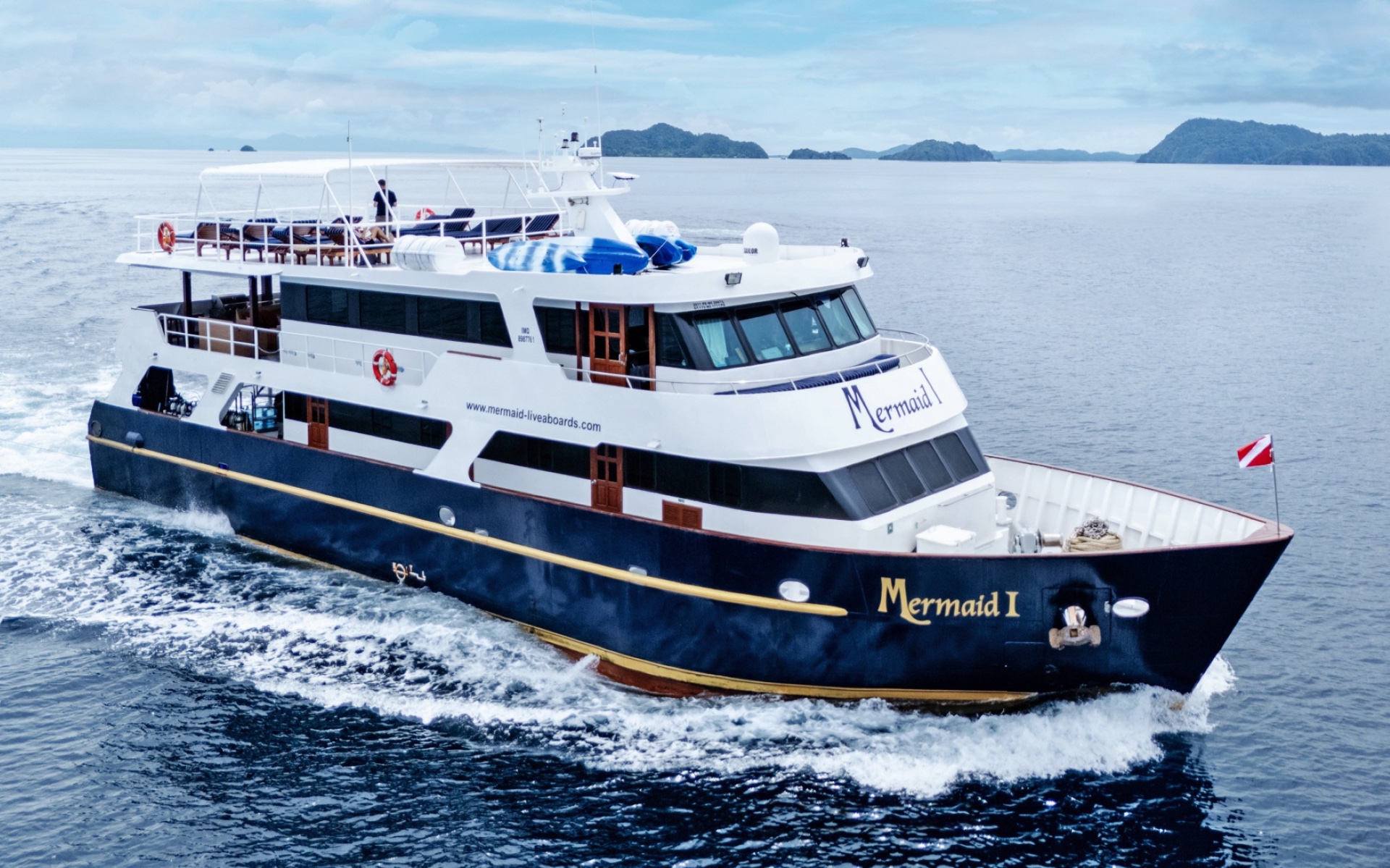
Mermaid I
Alor
15 guests28 m
$371/day
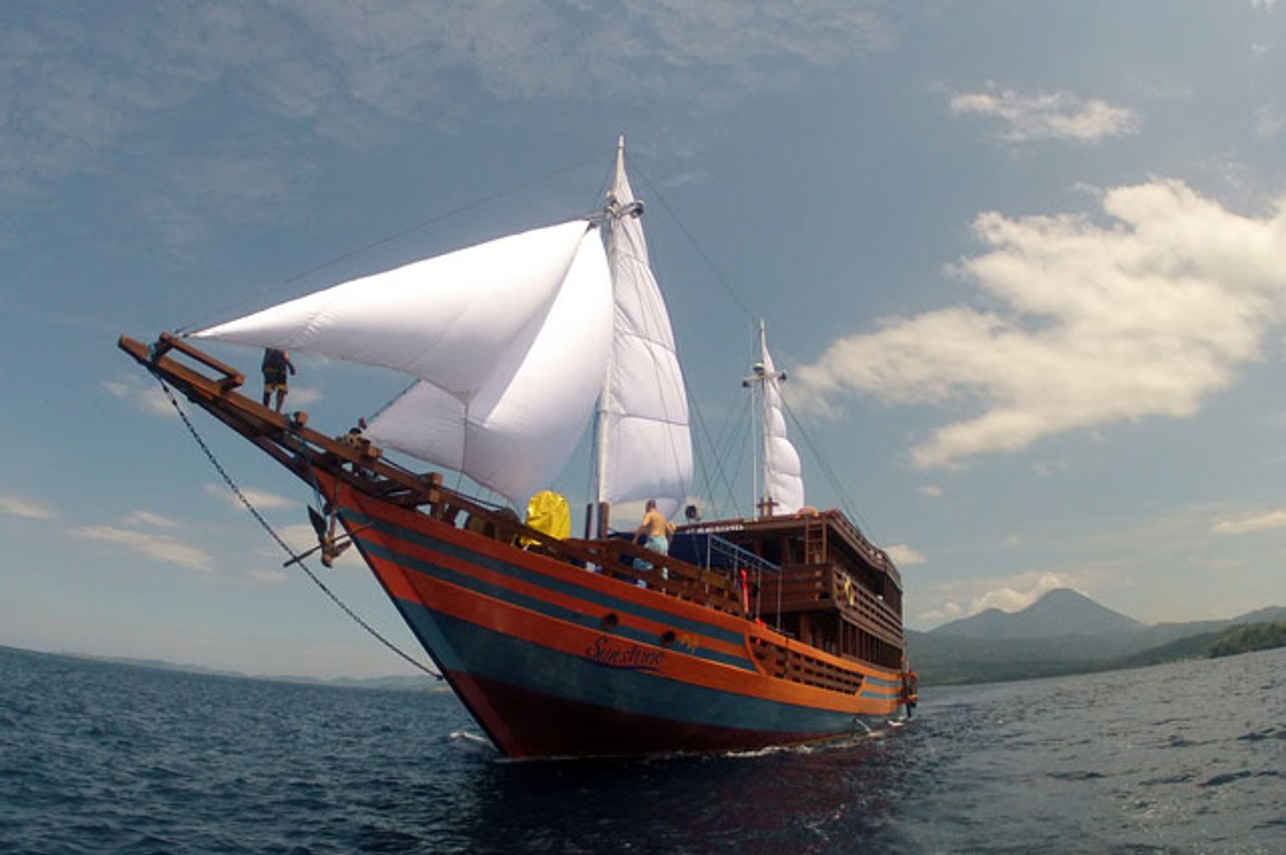
Sunshine Liveaboard
Indonesia
10 guests31 m
$191/day
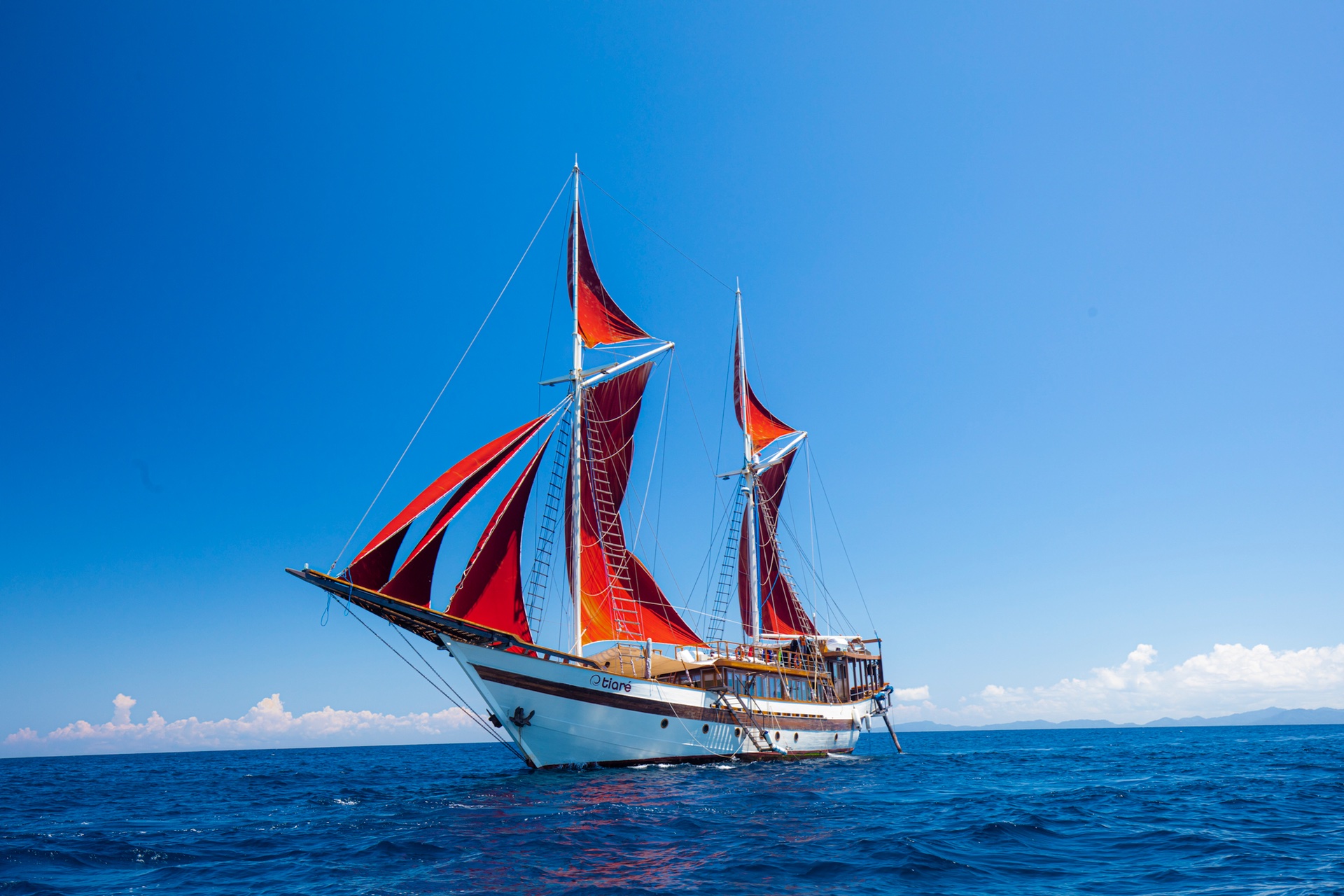
Tiare Cruise
Indonesia
12 guests36.5 m
$419/day
Dive sites similar to Jepun (Ferry Channel)
Same character, same waters — six more sites divers love for the exact same reasons.Compare seasons, access and liveaboard routes — then pick the site that fits your trip best.
Batununggul
Bali
Batununggul, also known as Suana or Batumulapan by some operators, is a dynamic wall and sloping reef dive site situated on the eastern side of Nusa Penida, Bali.
- Suitable for
- Advanced
- Current
- Strong
- Access
- Liveaboard or dayboat
- Depth
- 10–40 m
- Theme
- Wall
Lipah Bay
Bali
Lipah Bay is situated on Bali's northeast coast within the Amed area, nestled against the dramatic backdrop of Gunung Agung.
- Suitable for
- Beginner
- Current
- Mild
- Access
- Liveaboard or dayboat
- Depth
- 5–30 m
- Theme
- Reef / Drift
Eel Garden
Bali
Eel Garden is a renowned dive site located on the north-western side of Menjangan Island, a protected marine area within West Bali National Park.
- Suitable for
- Intermediate
- Current
- Moderate
- Access
- Liveaboard or dayboat
- Depth
- 8–40 m
- Theme
- Drift / Reef
Gili Tepekong
Bali
Gili Tepekong is one of three volcanic islets situated off the coast of Amuk Bay, near Padang Bai and Candidasa in East Bali.
- Suitable for
- Advanced
- Current
- Strong
- Access
- Liveaboard or dayboat
- Depth
- 10–40 m
- Theme
- Cave & cavern / Drift
Dream Wall
Bali
Dream Wall is one of Menjangan Island's premier dive sites, located within the protected West Bali National Park marine area.
- Suitable for
- Beginner
- Current
- Mild
- Access
- Dayboat
- Depth
- 10–60 m
- Theme
- Wall / Reef
Pura Ped
Bali
Pura Ped, located on the northern coast of Nusa Penida, is a celebrated dive site known for its extensive and healthy reef system.
- Suitable for
- Intermediate
- Current
- Strong
- Access
- Liveaboard or dayboat
- Depth
- 5–30 m
- Theme
- Drift / Reef