About Similan Islands — East of Eden
East of Eden is an exquisite dive site nestled within Thailand's Similan Islands, famed for its breathtaking coral formations and abundant marine life. This destination offers a captivating underwater journey through vibrant hard and soft corals, extending from shallow reefs to deeper sandy slopes. It's a true macro paradise, with tiny, fascinating creatures thriving amidst the expansive coral gardens. The site's topography features gently sloping reefs and drop-offs, creating a dynamic environment that caters to diverse marine species. The clear, nutrient-rich waters support extensive fields of sea anemones and a thriving fish population. Encounters with larger pelagics like leopard sharks and manta rays are also an exciting possibility. East of Eden is known for its generally mild to moderate currents, making it accessible and enjoyable for divers across all experience levels. The excellent visibility ensures optimal conditions for exploring this thriving ecosystem. As a prime Similan destination, it is typically accessed via liveaboard, allowing for multiple opportunities to immerse yourself in its wonders.
Highlights
Vibrant coral gardensRich marine biodiversityGhost pipefish and harlequin shrimpLeopard sharks and manta raysStunning underwater photographyGentle sloping reefsExpansive sea fans
Season calendar
Best months to dive here
Jan
Feb
Mar
Apr
May
Jun
Jul
Aug
Sep
Oct
Nov
Dec
Good
Dive site facts: Similan Islands — East of Eden
- Depth
- 5–30 m
- Current
- Mild to moderate
- Visibility
- 20–30 m
- Water temperature
- 28–31 °C
- Entry
- Liveaboard / dinghy
- Level
- All levels
- Dive type
- Coral gardens, reef, macro
- Region / port
- Similan Islands, Thailand
- Coordinates
- 8.6234, 97.6345
Conditions & Currents
East of Eden generally experiences mild to moderate currents, which makes it suitable for a wide range of diver experience levels. The currents are typically manageable, allowing for relaxed drifts over the sloping reefs and through the coral gardens. However, as with any open water site, currents can occasionally intensify, requiring divers to be mindful of their position and energy expenditure, particularly when navigating around coral formations. Visibility usually ranges from 20 to 30 meters, contributing to excellent underwater viewing, and is rarely impacted by strong surges or thermoclines due to the stable conditions during the main dive season. Divers should always listen to their dive brief, as local conditions can change.
Marine life & sighting chances

Leopard shark
occasional
Manta ray
occasional
Ghost pipefish
common
Harlequin shrimp
occasional
Frogfish
occasional
Nudibranch
common
Sea fan
common
Sea anemone
common
Reef fish
common
Octopus
occasionalDive profile & how the dive runs
East of Eden typically begins with a descent onto the shallow reef, where you can explore vibrant coral gardens brimming with macro life. The dive then gradually progresses down a gentle slope, allowing observation of diverse hard and soft corals extending to sandy areas at greater depths. Divers often follow the reef contour, letting the mild to moderate currents assist in a gentle drift. The turn point is determined by air consumption and bottom time, after which the return path usually involves a shallower trajectory along the reef. Safety stops are conducted in the protection of the reef's shallower sections, often amidst abundant fish life, before ascending to the surface.
Underwater photography
East of Eden is a dream location for underwater photographers, offering both wide-angle opportunities with its extensive coral gardens and stunning reefscapes, as well as macro subjects hidden among the corals. A wide-angle lens is ideal for capturing the grandeur of massive sea fans and the overall vibrancy of the reef. For macro enthusiasts, a dedicated macro lens will prove invaluable for seeking out ghost pipefish, harlequin shrimp, nudibranchs, and other small critters. Utilize strobes to bring out the true colors of the corals and marine life, ensuring balanced lighting. Practice excellent buoyancy control to avoid disturbing the delicate ecosystem and maintain ethical photography practices.
Combine with nearby dive sites
- Elephant Head Rock
Elephant Head Rock, locally known as Hin Pusa, is a renowned dive site in the Similan Islands, Thailand, located about 1 kilometer…
- Christmas Point
Christmas Point, located on Similan Island number 9 (Koh Ba-Ngu), stands out as one of the Similan Islands' most iconic dive sites.
- Koh Bon
Koh Bon is a distinguished dive site located north of Similan Island No.
- Richelieu Rock
Richelieu Rock, often celebrated as Thailand's premier dive site, is a majestic, isolated pinnacle located within Surin National Park in…
- North Point
North Point, the northernmost dive site of the Similan Islands, sits just north of Similan Island No.
- Deep Six
Deep Six, also known as Fanfare Point, is a captivating dive site situated at the northern tip of Similan Island No.7 in Thailand's Andaman…
Getting there & logistics
Access to East of Eden and the Similan Islands generally requires a liveaboard trip, as the sites are located approximately 65 km off the coast of Phang Nga province. Departure ports often include Phuket or Khao Lak. Liveaboard itineraries vary, typically ranging from 3 days/3 nights to 9 days/9 nights, with some extended trips combining the Similans with the Surin National Marine Park and Richelieu Rock. Visitors usually fly into Phuket International Airport (HKT), with transfers arranged by liveaboard operators. National Marine Park fees are applicable and usually included in liveaboard packages. It is advisable to book well in advance, especially for peak season travel.
Safety & environment
Diving in the Similan Islands, including East of Eden, is generally safe due to well-established liveaboard operations and experienced dive guides. The nearest recompression chamber is located in Phuket, highlighting the importance of proper dive planning and adherence to safety protocols to prevent decompression sickness. Divers should always carry valid dive insurance that covers emergency medical treatment and evacuation. Site-specific hazards are minimal, primarily revolving around managing mild to moderate currents and maintaining safe distances from marine life to avoid accidental contact. Always follow your dive leader's instructions and conduct thorough buddy checks before each dive.
Who it suits — and who it doesn't
Suited for
- Beginner divers
- Experienced divers seeking vibrant reefs
- Underwater photographers
- Macro enthusiasts
- Divers seeking gentle drift dives
Less suited for
- Divers uncomfortable with boat living
- Those prone to seasickness
- Divers seeking extreme current dives exclusively
FAQ
Similan Islands — East of Eden FAQ
What kind of marine life can I expect at East of Eden?
East of Eden boasts a rich array of marine life. You can anticipate seeing vibrant reef fish, numerous nudibranchs, and various shrimp species like harlequin shrimp. Occasional sightings of leopard sharks and manta rays also add to the excitement.
Is East of Eden suitable for beginner divers?
Yes, East of Eden is well-suited for divers of all experience levels, including beginners. The currents are typically mild to moderate, and the reef gently slopes, providing a comfortable and enjoyable diving experience for those still building their skills.
What are the typical dive conditions at East of Eden?
During the peak season from November to May, East of Eden offers excellent dive conditions. Visibility ranges from 20 to 30 meters, and water temperatures are warm, usually between 28-31°C. Currents are generally mild to moderate, enhancing the drift diving experience.
Can I do a night dive at East of Eden?
While East of Eden offers diverse marine life suitable for night dives, specific permissions and liveaboard itineraries dictate whether night dives are conducted at this particular site. It's best to confirm with your liveaboard operator, as some sites in the Similan National Park may have restrictions.
How do I get to East of Eden?
East of Eden is located within the Similan Islands National Marine Park and is primarily accessible via liveaboard tours. These tours typically depart from ports near Phuket or Khao Lak, offering multi-day itineraries that include several dive sites within the park.
What kind of coral formations are found at East of Eden?
East of Eden is renowned for its spectacular coral gardens, featuring an abundance of both hard and soft corals. Divers will encounter massive sea fans, colorful sponges, and extensive fields of sea anemones that contribute to the site's vibrant underwater landscape.
Why dive Similan Islands — East of Eden from a liveaboard?
Similan Islands — East of Eden is one of Thailand's signature dive sites. A liveaboard sleeps you on the water and puts you in the water for three to four guided dives per day, including dawn and night dives that day-boat operators rarely offer. You skip the daily commute back to port and reach quieter, less-crowded sites in the same region on a single trip.
Below are the liveaboards that include Similan Islands — East of Eden on their Thailand itineraries.
Liveaboards diving Similan Islands — East of Eden
These liveaboards may visit Similan Islands — East of Eden on selected itineraries — the exact dive sites depend on departure, weather and conditions.
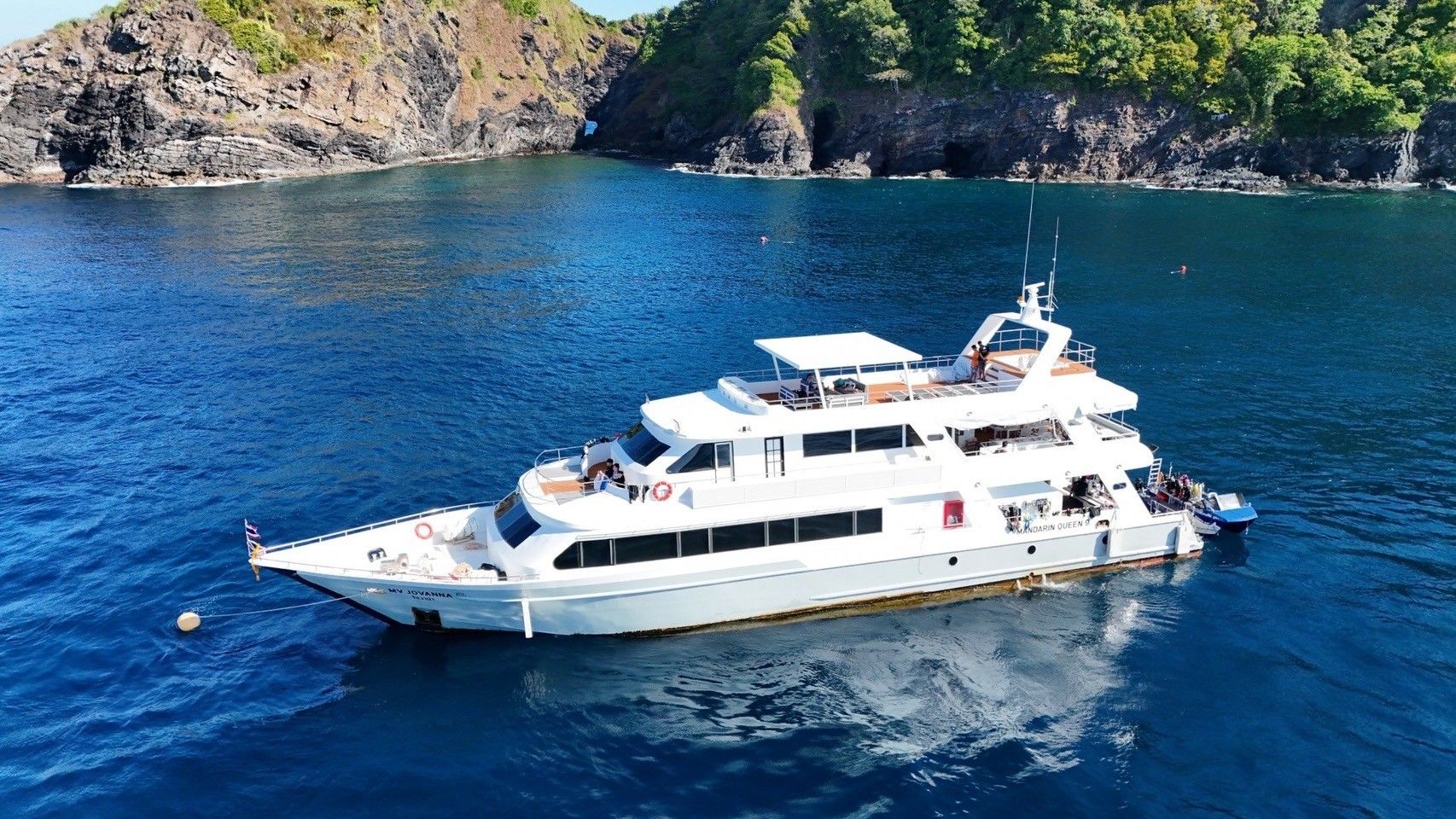
Mandarin Queen 9
Thailand
26 guests37.5 m
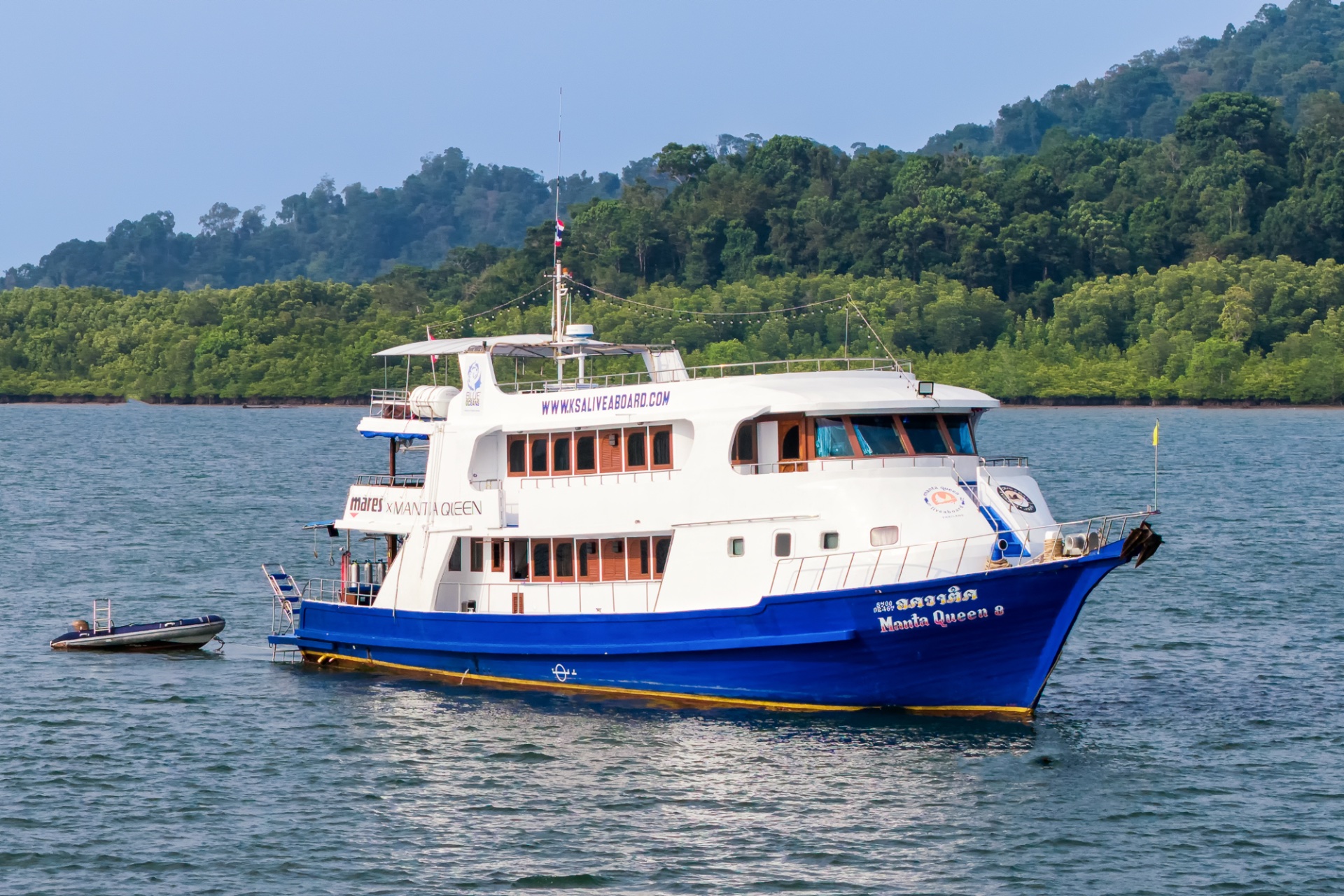
Manta Queen 8
Thailand
24 guests
$127/day
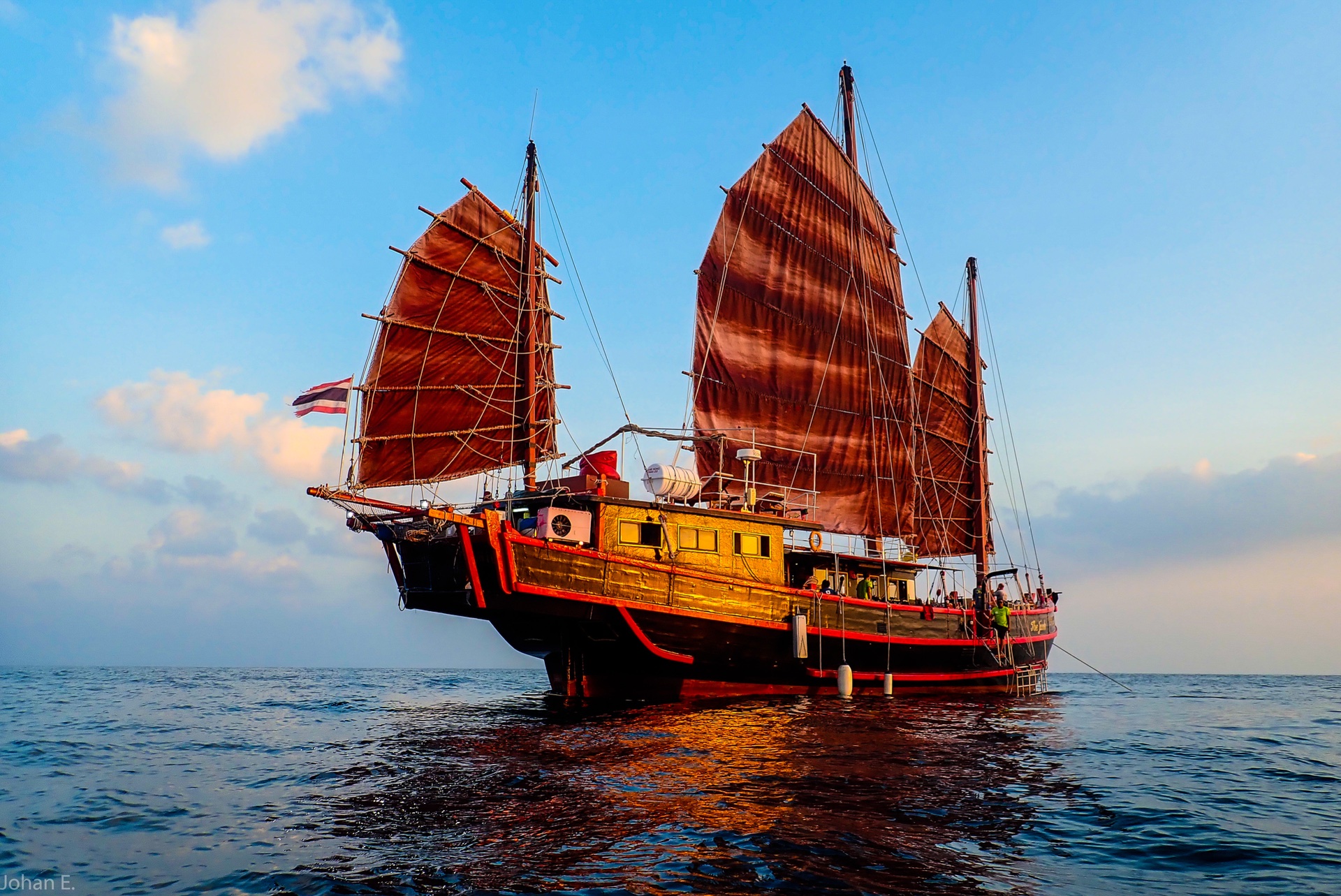
The Junk
Thailand
18 guests33 m
$163/day
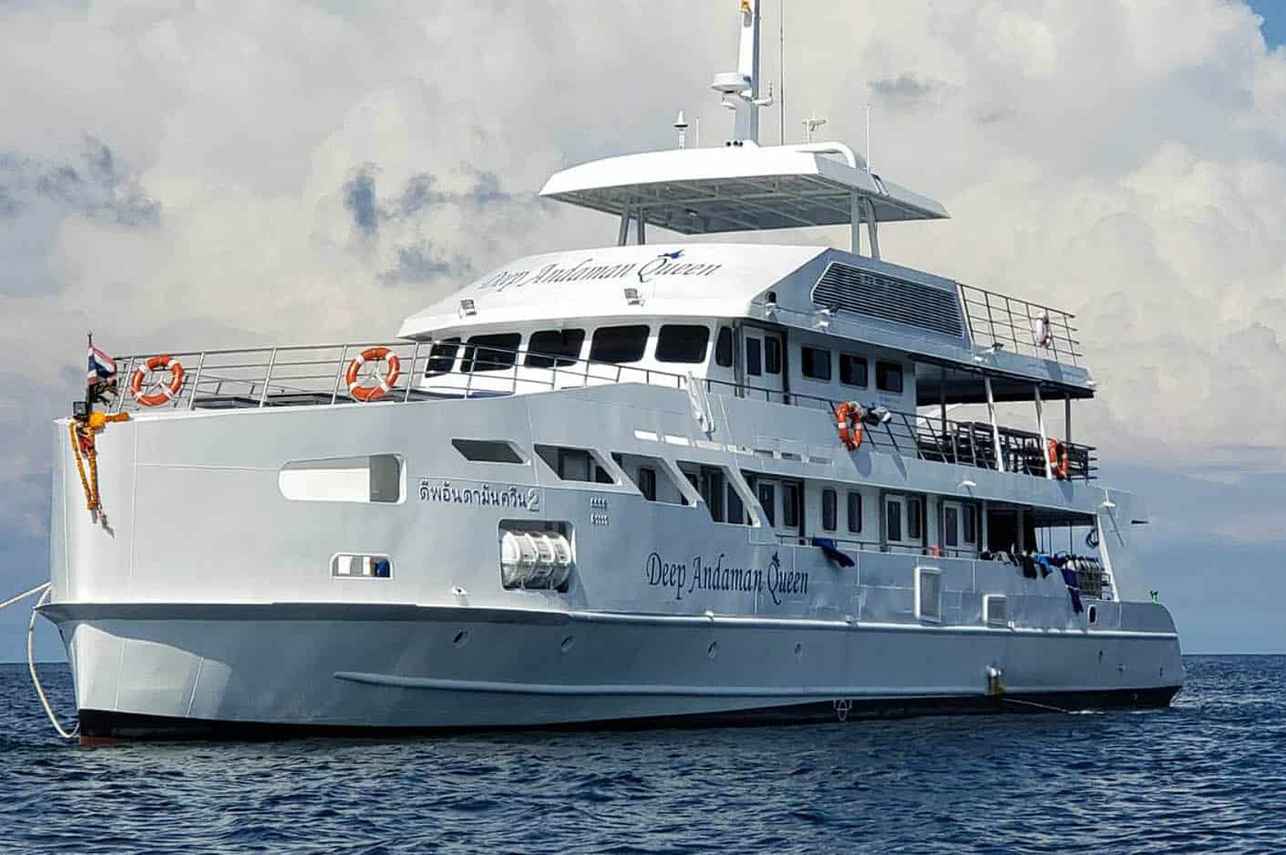
Deep Andaman Queen
Thailand
23 guests30.5 m
$194/day
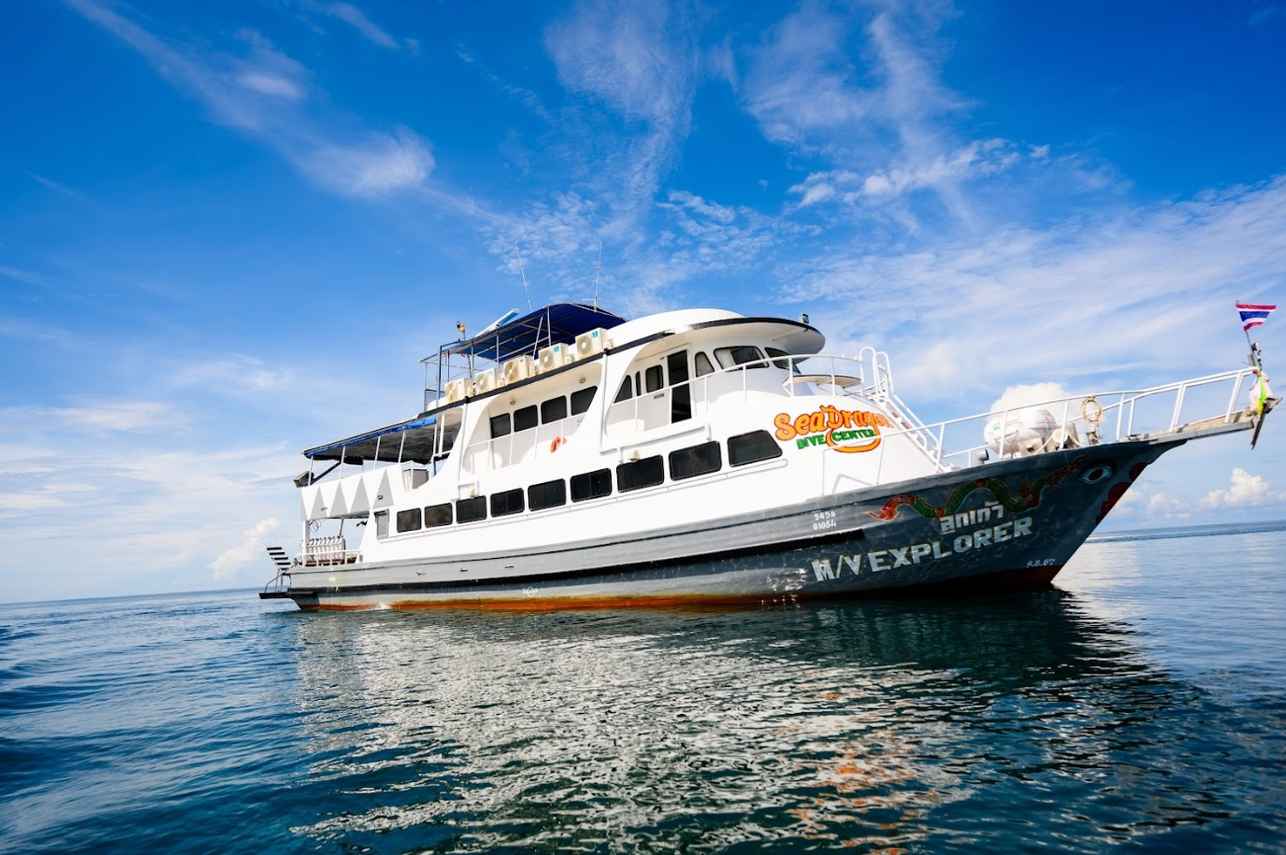
Explorer
Thailand
16 guests25 m
$150/day
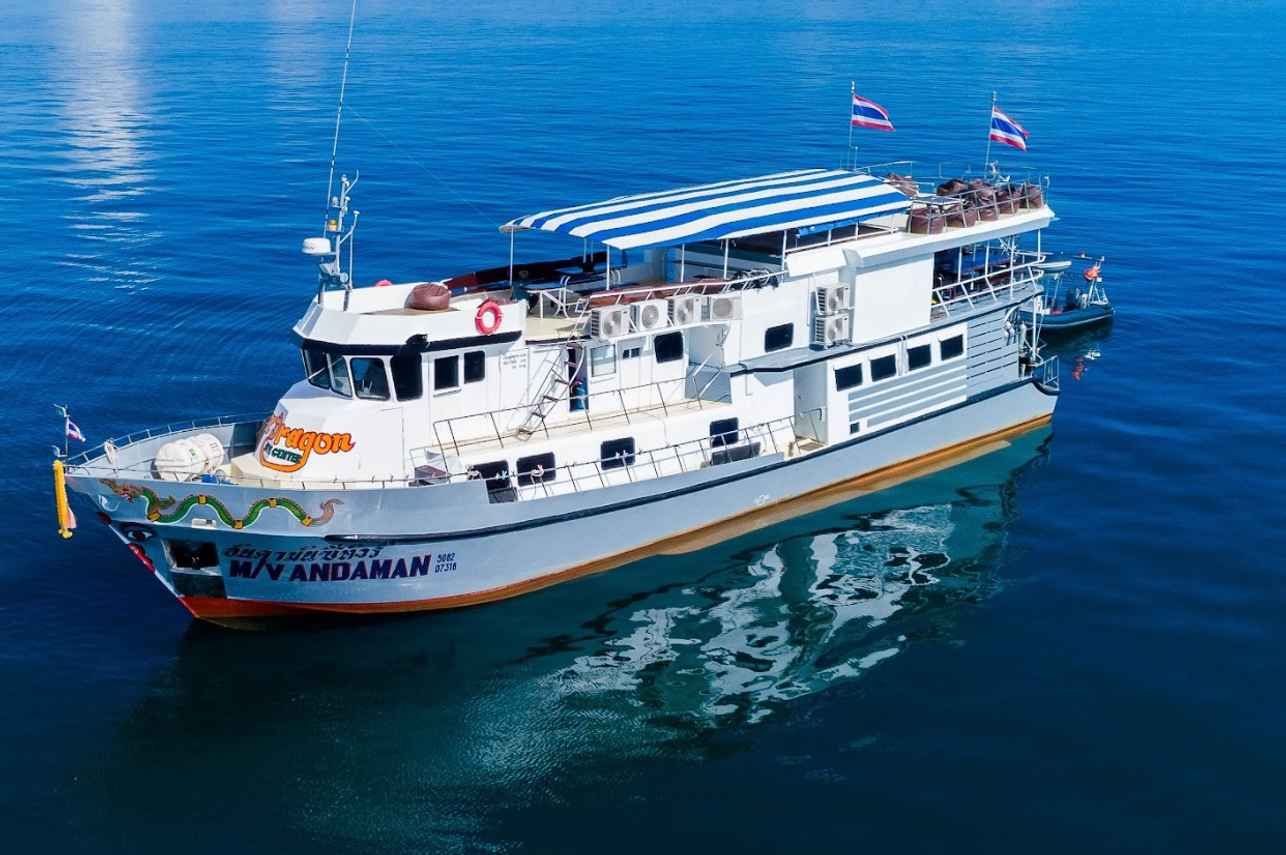
Andaman
Thailand
20 guests26 m
$108/day
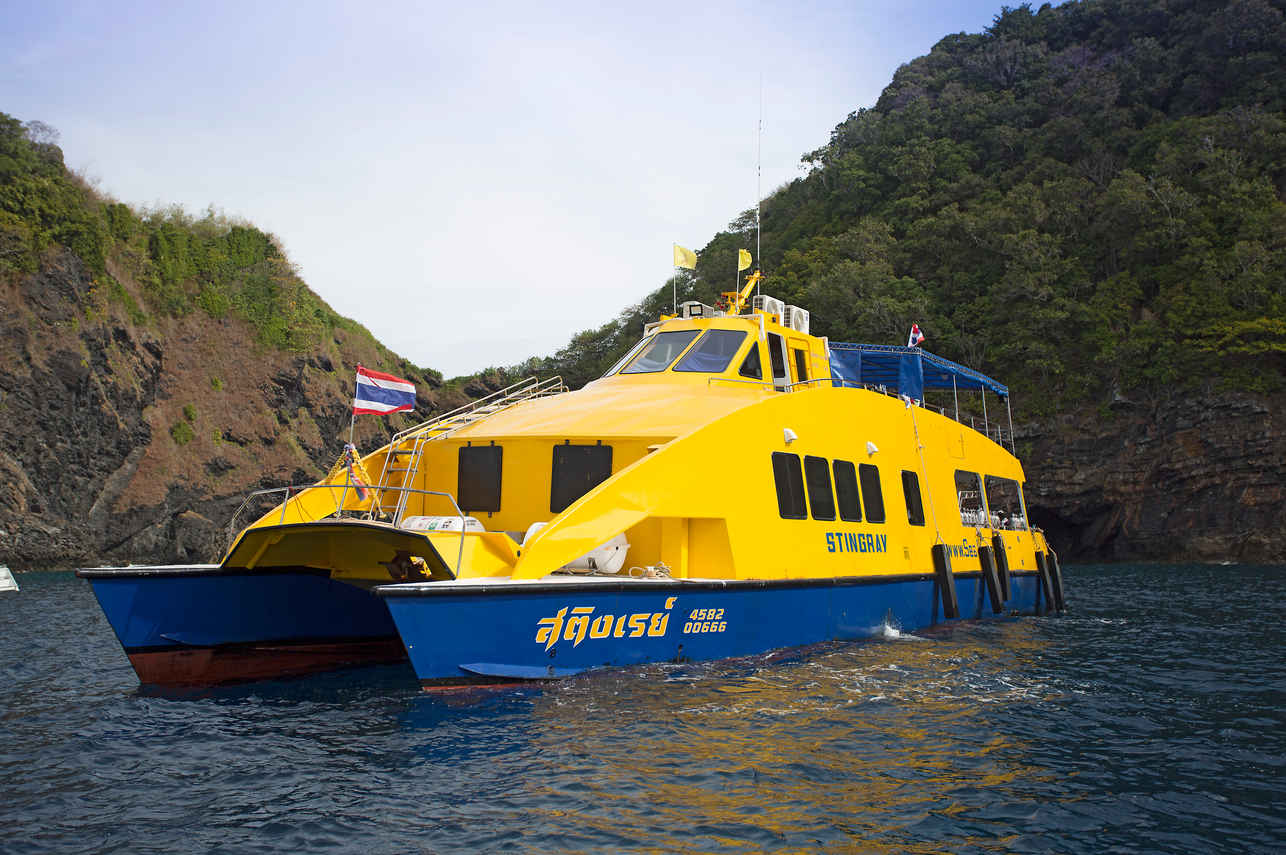
Stingray
Thailand
8 guests24 m
$245/day
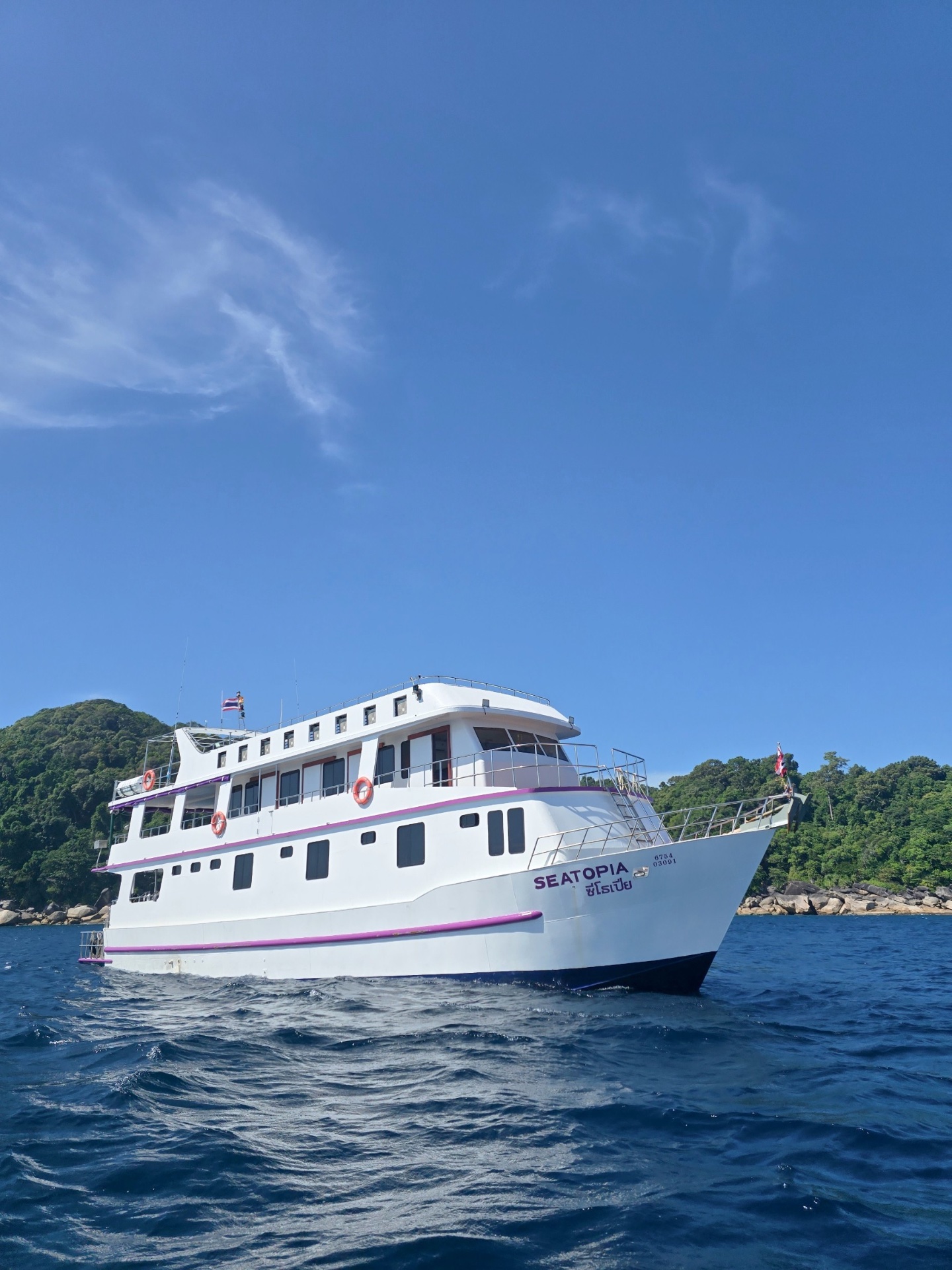
Seatopia
Thailand
24 guests24 m
Dive sites similar to Similan Islands — East of Eden
Same character, same waters — six more sites divers love for the exact same reasons.Compare seasons, access and liveaboard routes — then pick the site that fits your trip best.
Hin Raab is a prominent dive site located in the eastern Gulf of Thailand, near Koh Chang, offering an exceptional underwater experience with its rich coral biodiversity and thriving marine life.
- Suitable for
- Intermediate
- Current
- Moderate
- Access
- Dayboat
- Depth
- 5–22 m
- Theme
- Reef / Pinnacle
© Esri — Maxar, Earthstar, GIS
Koh Haa — Lagoon
Thailand
Koh Haa Lagoon is a picturesque and protected dive site formed by islands #2, #3, and #4 of the Koh Haa archipelago, approximately 1.45 hours by boat from Koh Lanta.
- Suitable for
- Beginner
- Current
- Moderate
- Access
- Liveaboard or dayboat
- Depth
- 2–25 m
- Theme
- Reef / Wall
© Esri — Maxar, Earthstar, GIS
Secret Reef
Thailand
Secret Reef, nestled adjacent to Hin Raab South, is a captivating dive site close to Koh Chang, forming a unified, diverse underwater ecosystem.
- Suitable for
- Beginner
- Current
- Mild
- Access
- Dayboat
- Depth
- 5–12 m
- Theme
- Reef
© Esri — Maxar, Earthstar, GIS
Southwest Pinnacle
Thailand
Southwest Pinnacle, located approximately 45 minutes by boat from Koh Tao's Mae Haad pier, is a renowned dive site in the Gulf of Thailand.
- Suitable for
- Intermediate
- Current
- Strong
- Access
- Liveaboard or dayboat
- Depth
- 8–26 m
- Theme
- Pinnacle / Wall
© Esri — Maxar, Earthstar, GIS
Turtle Rock (Similan)
Thailand
Turtle Rock is a renowned dive site nestled within the Similan Islands, situated on the western side of Island 8. This location is particularly notable for its distinctive rock…
- Suitable for
- Beginner
- Current
- Mild
- Access
- Liveaboard only
- Depth
- 5–30 m
- Theme
- Reef