About Saona Island Reef
Saona Island Reef, situated off the southeastern coast of the Dominican Republic within Cotubanamá National Park, is a celebrated dive destination known for its impressive coral formations and diverse marine life. This area stands out for its serene underwater environment, contrasting with more dramatic deep-water sites found elsewhere in the Caribbean. The reefs are generally shallow, providing extended bottom times and excellent light conditions for photography. The topography of Saona Island Reef is varied. The western side features protected, shallower reefs, while the eastern side, exposed to stronger currents, attracts larger pelagic species. Depths typically range from 9 to 26 meters, encompassing vibrant coral hills and wall sections. These gentle slopes and walls are adorned with a colorful array of soft corals, sponges, and sea fans, creating a visually stunning backdrop for underwater exploration. Marine life sightings are common and rewarding, with frequent encounters of tropical fish, sea stars, rays, and sea turtles. Occasional sightings include larger fish and various shark species, particularly in areas with stronger currents. The mild conditions make it an inviting location for both novice and experienced divers, as well as snorkelers. Access to Saona Island Reef typically involves boat excursions from Bayahibe, often combined with visits to the natural pool where divers can observe starfish in shallow waters. The calm, warm waters and excellent visibility throughout much of the year ensure a pleasant and fulfilling dive experience, making it a popular choice for day trips and longer stays in the region.
Highlights
Vibrant coral reef ecosystemsDiverse tropical marine lifeShallow, protected reefsOccasional pelagic encountersClear, calm Caribbean watersNatural pool with starfishAccessible for all diver levels
Season calendar
Best months to dive here
Jan
Feb
Mar
Apr
May
Jun
Jul
Aug
Sep
Oct
Nov
Dec
Excellent
Good
Dive site facts: Saona Island Reef
- Depth
- 9–26 m
- Typical dive
- 12–18 m, 50–60 min
- Current
- Mild to strong, site-dependent
- Visibility
- 15–30 m
- Water temperature
- 24–28°C
- Entry
- Boat
- Level
- All levels, AOWD for deeper/current sites
- Dive type
- Reef, wall, drift, photography
- Night dive
- Possible
- Region / port
- La Romana / Bayahibe
- Coordinates
- 18.175, -68.73
Conditions & Currents
Currents around Saona Island Reef vary; the western side generally experiences protected, gentle conditions, making it suitable for all divers. The eastern side, however, can have stronger currents, which are known to attract larger pelagic species and are better suited for experienced divers. Entry is typically by boat, with divers entering directly into the water.
Marine life & sighting chances

Tropical fish
common
Sea stars
common
Rays
occasional
Sea turtles
occasional
Nurse sharks
occasional
Reef sharks
occasional
Caribbean squid
occasional
Octopus
occasional
Lobsters
occasional
Seahorses
occasional
Eagle rays
occasional
Barracudas
occasional
Stingrays
occasional
Trumpetfish
commonDive profile & how the dive runs
Dives at Saona Island Reef typically begin with a boat drop directly onto the reef, often at sites like Punta Cacon or El Peñon. For Punta Cacon, you'll start at the top of a coral hill at around 9 meters, gradually descending along its slopes down to 26 meters. The dive usually follows the contours of the hill, allowing for exploration of the vibrant soft corals and sponges. For El Peñon, the dive explores a healthy coral reef system divided into three sections, with depths ranging from 12 to 18 meters. Divers often navigate through reef sections, keeping an eye out for hidden marine life among the corals and sandy patches. Both dives offer clear visibility and gentle to mild currents, making for a relaxed exploration. The turn point is determined by air consumption or time, with a gradual ascent back towards the boat. Safety stops are typically performed at 5 meters for 3 minutes, often with the boat waiting overhead, allowing for a relaxed final few moments observing shallow reef life before surfacing.
Underwater photography
Saona Island Reef offers excellent conditions for wide-angle and macro photography due to its clear, well-lit waters and diverse marine life. For capturing the expansive coral formations and overall reef health, a wide-angle lens is ideal. Consider using external strobes to bring out the vibrant colors of soft corals, sea fans, and sponges, particularly in deeper sections or when shooting against the sun. Buoyancy control is paramount to avoid disturbing the delicate reef structures and stirring up sediment. For macro subjects like arrow crabs, seahorses, or smaller reef fish, a macro lens with a snoot can create dramatic, focused lighting. Be mindful of marine life; approach slowly and avoid stressing animals for a shot. The abundant natural light in shallower areas means you can often achieve good results even without strobes for certain subjects, focusing on natural light photography.
Combine with nearby dive sites
- Atlantic Princess Wreck
A popular, accessible wreck dive often combined with Saona Island trips, suitable for all levels.
- Guaraguao Reef
Another vibrant reef in the Bayahibe area, known for its healthy corals and diverse fish.
- Dominicus Reef
A nearby reef offering gentle conditions and a variety of marine life, suitable for beginners.
- Catalina Island Wall
A renowned wall dive with excellent visibility and abundant marine life, typically a separate excursion.
Getting there & logistics
Access to Saona Island Reef is primarily via boat excursions originating from Bayahibe, a town on the Dominican Republic's southeast coast. Many dive operators in Punta Cana also offer full-day trips that include diving or snorkeling at Saona. The closest international airports are Punta Cana International Airport (PUJ) and La Romana International Airport (LRM), both providing convenient transfers to coastal resorts and dive centers. Trips to Saona Island are typically full-day tours, combining two dives with lunch on the island and a visit to the natural pool. Park fees are usually included in the dive package. While most dive operators handle all logistics, confirming inclusion of equipment rental and park fees is advisable. These excursions are often integrated into broader itineraries exploring the Bayahibe and La Romana diving regions.
Safety & environment
Diving at Saona Island Reef is generally considered safe, but divers should always adhere to standard safety protocols. The nearest recompression chamber is located in Santo Domingo, which can be a significant distance depending on the dive site. Therefore, robust dive insurance covering medical emergencies and evacuation is highly recommended. Site-specific hazards include occasional stronger currents on the eastern side of the island, which advanced divers should be prepared for. Always dive with a reputable operator, follow your dive guide's instructions, and respect marine life by maintaining a safe distance and avoiding contact with corals or animals, especially the protected sea stars in the natural pools. Pre-dive briefings will cover entry and exit procedures and any specific site concerns.
Who it suits — and who it doesn't
Suited for
- Beginner divers seeking calm conditions
- Underwater photographers looking for vibrant reefs
- Divers interested in diverse shallow reef ecosystems
- Families with snorkelers and divers
- Divers seeking relaxed, long bottom times
Less suited for
- Experienced divers solely seeking dramatic deep walls
- Those looking exclusively for large pelagic encounters (though occasional)
- Divers preferring extensive wreck penetration
- Individuals sensitive to boat travel for full-day excursions
FAQ
Saona Island Reef FAQ
What kind of marine life can I expect to see at Saona Island Reef?
Saona Island Reef is rich in tropical marine life. You can commonly spot colorful reef fish, sea stars, and various species of rays. Occasional sightings include sea turtles, nurse sharks, Caribbean squid, octopuses, and lobsters, especially around the vibrant coral formations.
Is Saona Island Reef suitable for beginner divers?
Yes, Saona Island Reef is highly suitable for beginner divers. Many sites, particularly on the western side, feature shallow depths, mild currents, and excellent visibility. This allows for a relaxed and enjoyable introduction to reef diving.
What are the typical dive depths at Saona Island Reef?
The typical dive depths at Saona Island Reef range from 9 to 26 meters. Many popular sites like El Peñon offer depths between 12 and 18 meters, while locations like Punta Cacon can reach deeper areas up to 26 meters along its slopes. This range accommodates various experience levels.
How do I get to Saona Island Reef for diving?
To dive Saona Island Reef, you typically take a boat excursion from Bayahibe, a town on the Dominican Republic's southeast coast. Many tour operators in Punta Cana also offer full-day trips that include transport to Bayahibe and then to Saona Island by boat for diving or snorkeling activities.
What is the visibility like at Saona Island Reef?
Visibility at Saona Island Reef is generally excellent, often ranging between 15 to 30 meters (50 to 100 feet). This clear water, combined with abundant sunlight in shallower areas, provides fantastic conditions for observing marine life and capturing underwater photographs.
Are there strong currents at Saona Island Reef?
Currents at Saona Island Reef can vary. The western side of the island is typically protected and experiences mild currents, ideal for all divers. However, the eastern side can encounter stronger currents, which are known to attract larger pelagic species and may be more suitable for experienced divers.
Why dive Saona Island Reef from a liveaboard?
Saona Island Reef is one of Dominican Republic's signature dive sites. A liveaboard sleeps you on the water and puts you in the water for three to four guided dives per day, including dawn and night dives that day-boat operators rarely offer. You skip the daily commute back to port and reach quieter, less-crowded sites in the same region on a single trip.
Below are the liveaboards that include Saona Island Reef on their Dominican Republic itineraries.
Liveaboards diving Saona Island Reef
These liveaboards may visit Saona Island Reef on selected itineraries — the exact dive sites depend on departure, weather and conditions.
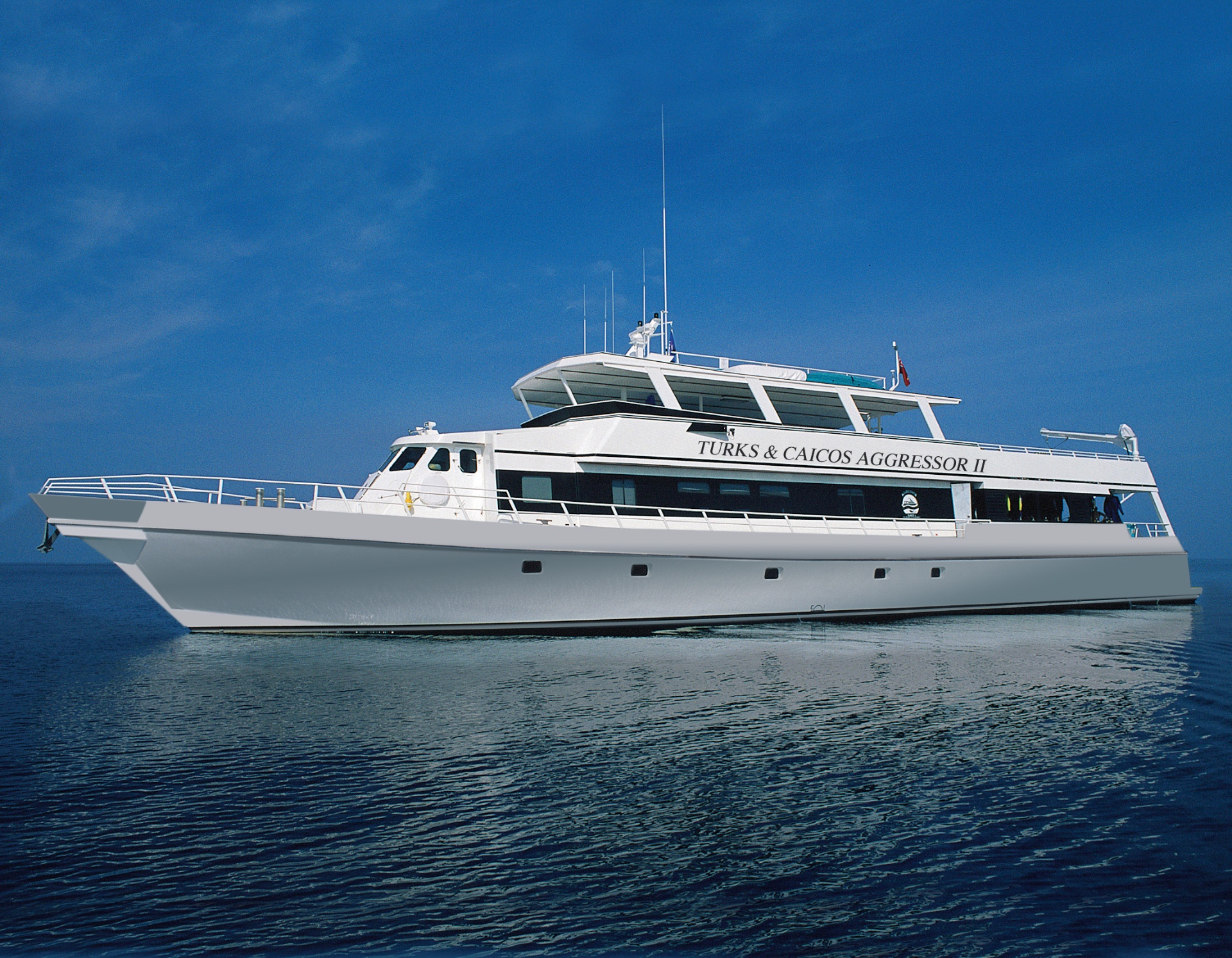
Turks & Caicos Aggressor II
Turks & Caicos
18 guests36.6 m
$287/day
Dive sites similar to Saona Island Reef
Same character, same waters — six more sites divers love for the exact same reasons.Compare seasons, access and liveaboard routes — then pick the site that fits your trip best.
© Esri — Maxar, Earthstar, GIS
Canal Saona
Dominican Republic
Saona Island Reef, located within Cotubanamá National Park off the southeastern coast of the Dominican Republic, is a well-regarded dive site known for its rich coral ecosystems and abundant marine species.
- Suitable for
- Intermediate
- Current
- Moderate
- Access
- Liveaboard or dayboat
- Depth
- 20–20 m
- Theme
- Reef
El Peñon is a highly-regarded dive site located within the protected Parque Nacional del Este, near Bayahibe in the Dominican Republic.
- Suitable for
- Beginner
- Current
- No current
- Access
- Dayboat
- Depth
- 7–28 m
- Theme
- Reef
The Polyxeni wreck is the remains of a Greek freighter, located within the Silver Bank, a designated marine mammal sanctuary approximately 70 to 85 miles north of the Dominican Republic's coast, near Puerto Plata.
- Suitable for
- Beginner
- Current
- No current
- Access
- Liveaboard only
- Depth
- ≤ 13 m
- Theme
- Reef
El Limón is a notable shipwreck site located within the La Caleta Underwater National Park, close to Santo Domingo.
- Suitable for
- Advanced
- Current
- Mild
- Access
- Dayboat
- Depth
- 30–30 m
- Theme
- Wreck / Reef
© Esri — Maxar, Earthstar, GIS
Sosua Marine Reserve
Dominican Republic
The Sosua Marine Reserve offers a premier diving experience directly accessible from Playa Sosua on the north coast of the Dominican Republic.
- Suitable for
- Beginner
- Current
- Mild
- Access
- Dayboat
- Depth
- 5–18 m
- Theme
- Reef
The Dominican Republic presents a varied underwater landscape, suitable for divers of all levels, with its calm Caribbean seas off the south coast providing ideal conditions for…
- Suitable for
- Intermediate
- Current
- Moderate
- Access
- Liveaboard or dayboat
- Depth
- 5–26 m
- Theme
- Reef