About Île Cocos Marine Park
Île Cocos Marine Park, designated in 1997, is a small yet significant protected area located near La Digue and Félicité islands. Spanning 18,000 square meters, it is composed of three miniature islets: Île Cocos itself, Île La Fouche, and Ilot Plate, with part of Félicité Island also within its boundaries. The park is celebrated for its pristine conditions, showcasing ancient granite rock formations that are believed to be some of the oldest ocean islands globally, remnants from the Gondwana supercontinent. This idyllic marine sanctuary features a rich coral reef ecosystem surrounded by clear turquoise waters, making it an exceptional destination for underwater enthusiasts. The topography provides a dynamic habitat that supports a diverse array of marine species. Depths vary, accommodating both snorkelers and divers, with plenty to explore in both shallower and deeper sections of the park. Marine life sightings are consistently rewarding, including abundant sea turtles, various species of fish such as eels and rays, and frequent encounters with juvenile sharks. Seasonally, the park is also known for sightings of the magnificent whale sharks. The vibrant coral gardens are home to countless smaller reef inhabitants, creating a captivating spectacle for all who visit. Access to Île Cocos is exclusively by boat, typically arranged from nearby Praslin or La Digue through local tour operators. The park maintains specific operating hours and an entry fee to support its conservation efforts. Visiting the park offers a unique opportunity to immerse yourself in the unspoiled natural beauty and rich biodiversity of the Seychelles' Inner Islands.
Highlights
Dramatic granite rock formationsAbundant sea turtlesDiverse fish speciesSeasonal whale shark sightingsRich coral reef ecosystemsPristine clear waters
Season calendar
Best months to dive here
Jan
Feb
Mar
Apr
May
Jun
Jul
Aug
Sep
Oct
Nov
Dec
Excellent
Good
Dive site facts: Île Cocos Marine Park
- Depth
- Surface to 30 m
- Current
- Mild
- Visibility
- Excellent, 15-30 m
- Water temperature
- 28-30 °C
- Entry
- Boat
- Level
- All levels, excellent for snorkeling
- Dive type
- Reef, marine life, topography
- Region / port
- La Digue / Praslin
- Coordinates
- -4.35, 55.8833
Conditions & Currents
Currents at Île Cocos Marine Park are generally mild, making it suitable for a wide range of divers and snorkelers. However, as with any marine environment, localized currents can occur, particularly around the granite formations and during tidal changes. Boat operators continuously monitor sea conditions, including currents and swell, to ensure safe entry and exit. While the clear waters typically offer excellent visibility, slight variations can happen due to plankton blooms that attract larger pelagic species. Divers should always follow their guide's instructions for entry and exit, often involving a boat-based operation. Due to the protected nature of the park, anchoring is regulated, and careful boat handling is paramount to preserve the fragile coral ecosystems.
Marine life & sighting chances

Sea turtles
common
Eels
common
Rays
commonJuvenile sharks
common
Whale sharks
occasional
Spotted eagle ray
occasional
Angelfish
common
Butterflyfish
common
Octopus
occasional
Lionfish
occasional
Green turtle
common
Hawksbill turtle
commonDive profile & how the dive runs
A typical dive at Île Cocos Marine Park begins with a boat entry, often directly over the vibrant coral gardens that surround the small granite islets. The dive often starts in shallower areas, around 5-10 meters, allowing for a gradual descent and time to appreciate the thriving reef fish and hard coral formations. Divers typically follow the natural contours of the granite boulders, exploring small caves and crevices where eels and smaller reef inhabitants seek shelter. The route progresses to slightly deeper sections, around 15-20 meters, where rays and various shark species might be observed cruising. Visibility is generally excellent, enhancing the experience of the dramatic topography. The dive concludes with a gradual ascent, often ending with a safety stop around 5 meters, surrounded by schools of colorful reef fish, before a live boat pick-up.
Underwater photography
Île Cocos Marine Park provides excellent opportunities for both wide-angle and macro photography, thanks to its clear waters and diverse marine life. For capturing the sweeping granite formations, expansive coral reefs, and larger pelagics like whale sharks or rays, a wide-angle or fisheye lens is highly recommended. The abundant reef fish and vibrant corals also benefit from external strobes to restore natural colors in deeper sections. When focusing on macro subjects, such as nudibranchs, small eels, or intricate coral details, a dedicated macro lens will be invaluable. Buoyancy control is paramount to avoid disturbing the fragile corals and stirring up sediment, ensuring clear shots. Always maintain a respectful distance from marine life, particularly sea turtles and rays, to capture natural behavior without causing stress.
Combine with nearby dive sites
Getting there & logistics
Access to Île Cocos Marine Park is primarily via organized boat excursions from the nearby islands of La Digue or Praslin, which serve as common departure points. Visitors typically arrive in the Seychelles through Seychelles International Airport (SEZ) on Mahé, with subsequent island-hopping flights or ferry services connecting to La Digue or Praslin. Day trips usually combine snorkeling or diving at Île Cocos with visits to other nearby attractions. A marine park fee of SCR 200 per non-resident person over 12 years old is applicable, which may or may not be included in your tour price, so it's advisable to confirm this with your operator. The park is open daily from 9:00 AM to 5:00 PM, and trips depend on suitable sea conditions.
Safety & environment
Diving and snorkeling at Île Cocos Marine Park are generally safe due to its protected nature and typically mild conditions. However, all visitors should prioritize safety by adhering to park rules and following their guide's instructions. Currents, while usually gentle, can be unpredictable, especially in specific areas or during tidal shifts, requiring good buoyancy control. It is crucial to respect the marine environment by avoiding contact with corals and marine life. The nearest recompression chamber is located on Mahé Island, which could be a significant distance and involves a boat transfer followed by land transport, underscoring the importance of adequate dive insurance covering emergency medical evacuation and treatment. Always ensure your equipment is in good working order and never dive beyond your certification level.
Who it suits — and who it doesn't
Suited for
- Snorkelers of all experience levels
- Beginner and intermediate divers
- Underwater photographers seeking diverse subjects
- Nature enthusiasts and marine life observers
- Families with children comfortable in the water
Less suited for
- Divers seeking challenging drift dives
- Those uninterested in reef and smaller marine life
- Individuals prone to seasickness on small boats
- Divers expecting extreme depths or technical dives
FAQ
Île Cocos Marine Park FAQ
What kind of marine life can I expect to see at Île Cocos?
Île Cocos Marine Park is teeming with diverse marine life. You can frequently spot various species of sea turtles, including green and hawksbill turtles, along with numerous colorful reef fish, eels, and rays. Juvenile sharks are also common, and during certain seasons, lucky visitors may even encounter majestic whale sharks.
Is Île Cocos suitable for beginner divers?
Yes, Île Cocos Marine Park is well-suited for beginner divers due to its generally mild currents and excellent visibility. The diverse marine life is present even in shallower areas, allowing new divers to enjoy the underwater scenery without challenging conditions. It's also an exceptional spot for snorkelers.
How do I get to Île Cocos Marine Park?
Access to Île Cocos Marine Park is exclusively by boat. Most visitors arrange excursions from the nearby islands of La Digue or Praslin. Various tour operators offer day trips that include snorkeling or diving at Île Cocos, often combined with visits to other picturesque locations.
Are there any fees to enter Île Cocos Marine Park?
Yes, there is an entry fee for Île Cocos Marine Park. Non-residents over 12 years old are typically charged SCR 200. It's advisable to confirm with your chosen tour operator whether this fee is included in your excursion price or if it needs to be paid separately upon arrival at the park.
What is the best time of year to visit Île Cocos for diving and snorkeling?
The ideal times to visit Île Cocos for diving and snorkeling are during the calmer inter-monsoon periods, specifically from April to May and from October to November. During these months, the seas are tranquil, water temperatures are pleasantly warm, and underwater visibility is at its best, enhancing the overall experience.
Can I expect to see whale sharks at Île Cocos?
While whale shark sightings are not guaranteed, they are known to occur seasonally at Île Cocos Marine Park. These magnificent creatures are an occasional highlight for visitors. The park's nutrient-rich waters contribute to the presence of these filter feeders, particularly during certain times of the year.
Why dive Île Cocos Marine Park from a liveaboard?
Île Cocos Marine Park is one of Seychelles's signature dive sites. A liveaboard sleeps you on the water and puts you in the water for three to four guided dives per day, including dawn and night dives that day-boat operators rarely offer. You skip the daily commute back to port and reach quieter, less-crowded sites in the same region on a single trip.
Below are the liveaboards that include Île Cocos Marine Park on their Seychelles itineraries.
Liveaboards diving Île Cocos Marine Park
These liveaboards may visit Île Cocos Marine Park on selected itineraries — the exact dive sites depend on departure, weather and conditions.
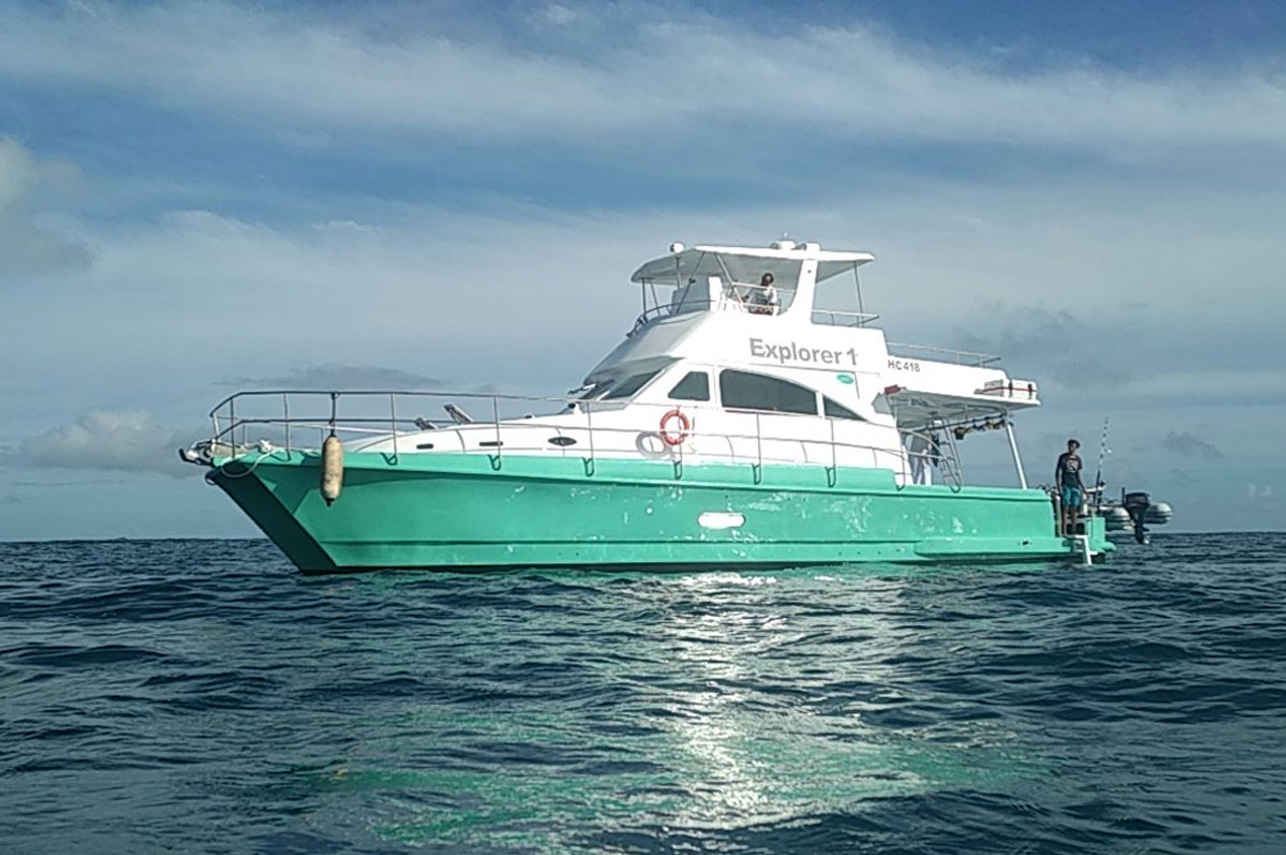
Explorer 1
Seychelles
6 guests17 m
$522/day
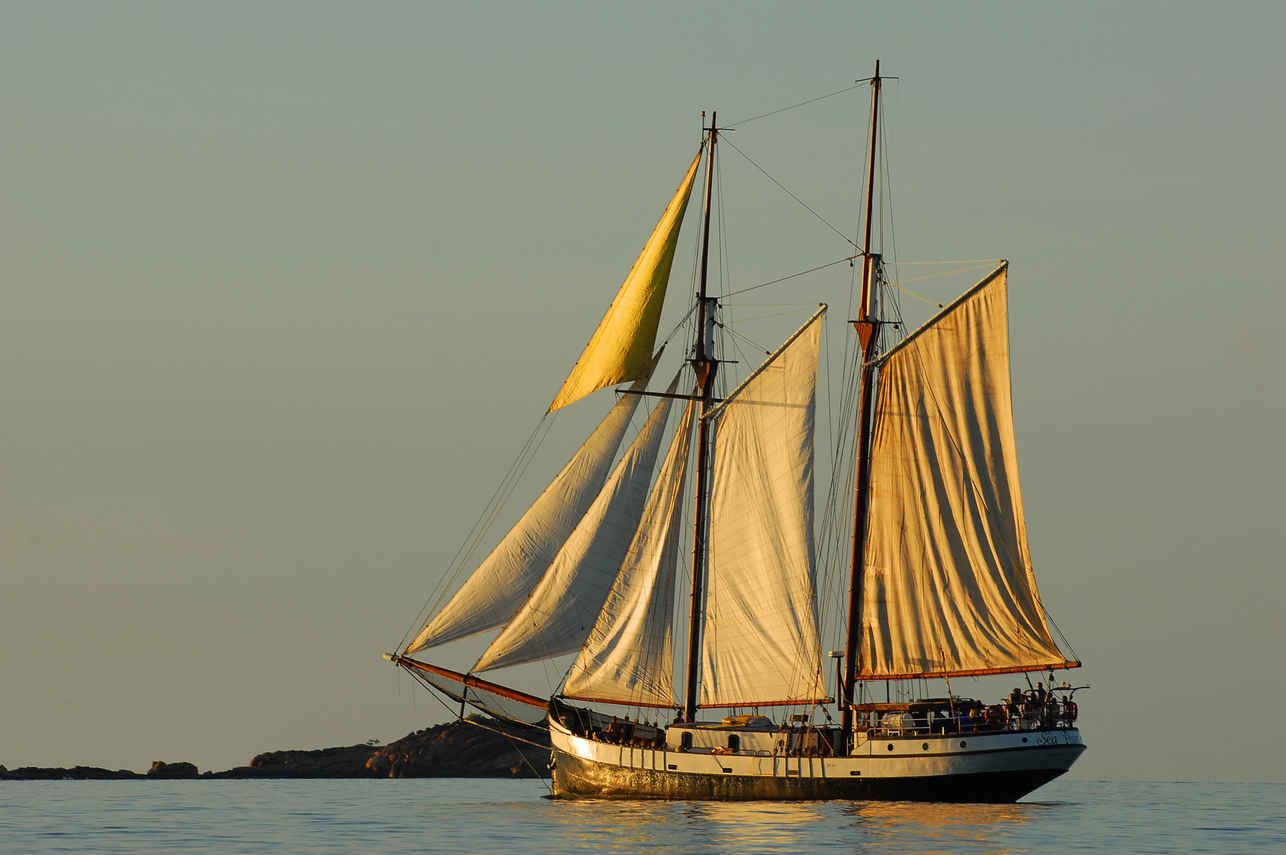
Sea Pearl
Seychelles
16 guests36 m
$212/day
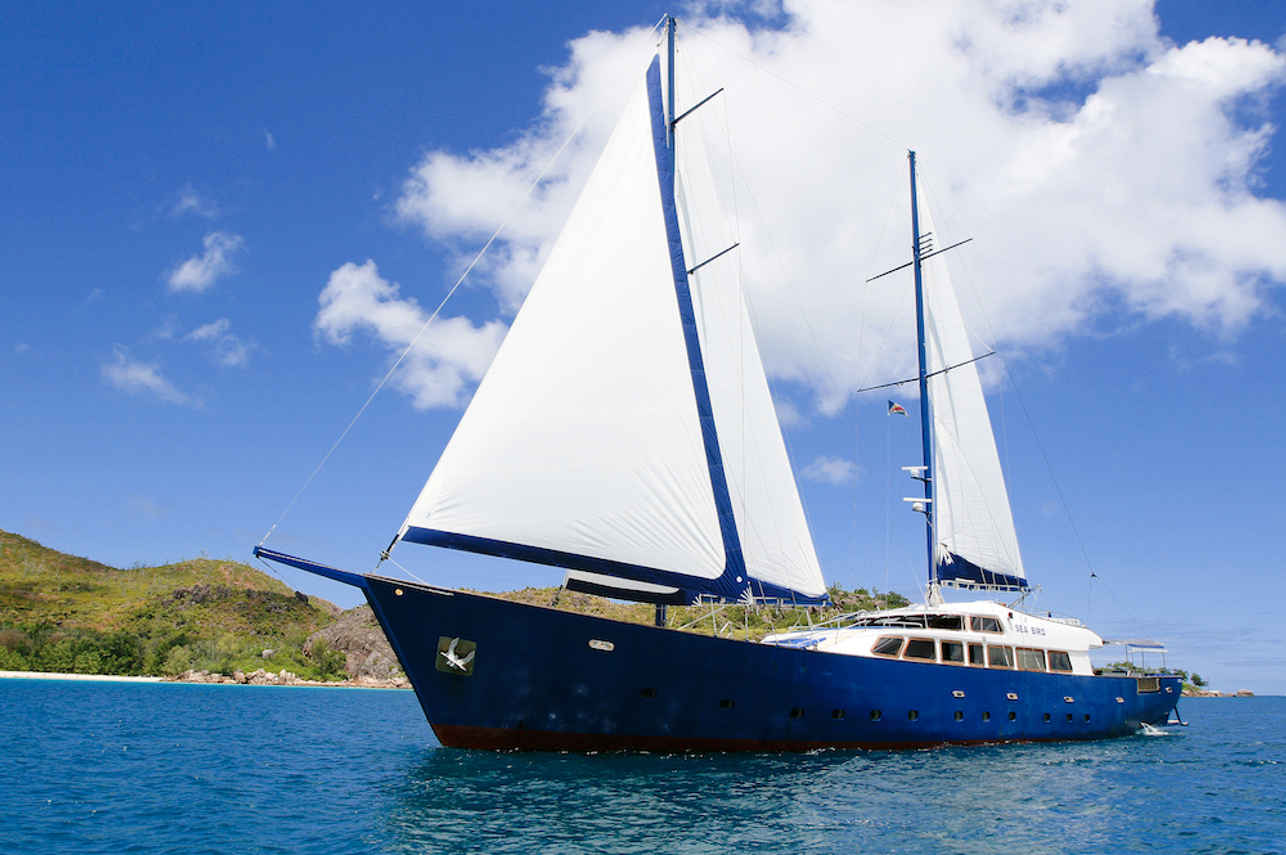
Sea Bird and Sea Star
Seychelles
18 guests42 m
$288/day
Dive sites similar to Île Cocos Marine Park
Same character, same waters — six more sites divers love for the exact same reasons.Compare seasons, access and liveaboard routes — then pick the site that fits your trip best.
© Esri — Maxar, Earthstar, GIS
Sister Bank
Seychelles
Sister Bank is a notable dive site situated in the Inner Islands of Seychelles, specifically near Praslin Island.
- Suitable for
- Intermediate
- Current
- Mild
- Access
- Liveaboard only
- Depth
- 15–30 m
- Theme
- Reef / Drift
© Esri — Maxar, Earthstar, GIS
Brissare Rocks (Mahé)
Seychelles
Brissare Rocks, located just north of Mahé, is a renowned dive site in Seychelles, widely considered one of Mahé's top five.
- Suitable for
- Intermediate
- Current
- Strong
- Access
- Liveaboard or dayboat
- Depth
- 8–20 m
- Theme
- Cave & cavern / Drift
© Esri — Maxar, Earthstar, GIS
Lighthouse Reef (Mahé)
Seychelles
Lighthouse Reef, situated near Mahé in the Seychelles, presents a captivating underwater experience characterized by thriving reef ecosystems.
- Suitable for
- Beginner
- Current
- Strong
- Access
- Liveaboard or dayboat
- Depth
- 5–18 m
- Theme
- Reef
Napoleon is a renowned dive site located off Alphonse Island in the Seychelles, celebrated for its rich biodiversity and stunning underwater topography.
- Suitable for
- Intermediate
- Current
- Moderate
- Access
- Liveaboard only
- Depth
- 8–30 m
- Theme
- Reef
© Esri — Maxar, Earthstar, GIS
One Tree Island
Seychelles
One Tree Island is a well-known, shallow dive site located off the coast of Mahé, the largest of the Seychelles' Inner Islands.
- Suitable for
- Beginner
- Current
- Moderate
- Access
- Liveaboard only
- Depth
- ≤ 12 m
- Theme
- Reef
© Esri — Maxar, Earthstar, GIS
St. Pierre
Seychelles
St. Pierre Islet is a distinctive granite pinnacle rising from depths of around 25 meters, situated north of Praslin.
- Suitable for
- Beginner
- Current
- Moderate
- Access
- Liveaboard only
- Depth
- 4–25 m
- Theme
- Reef