About Honiara - Iron Bottom Sound
Iron Bottom Sound, located between Guadalcanal, Tulagi, and the Florida Islands, is a legendary dive destination named for the vast amount of World War II wreckage that sank during the 1942-43 Guadalcanal Campaign. Hundreds of ships, aircraft, and submarines now rest on the seabed, transforming into vibrant artificial reefs. While many wrecks are in deep water beyond recreational limits, several are accessible to advanced divers, their hulls adorned with colorful corals and home to diverse marine species, including large groupers and reef sharks. Diving here offers a profound connection to history, with each wreck telling a story of specific battles and crews. Local guides enhance the experience by providing detailed historical context, turning every dive into an immersive living history lesson. The Solomon Islands are at the eastern tip of the Coral Triangle, boasting exceptional marine biodiversity due to powerful equatorial currents, which also feed the reefs of Iron Bottom Sound, creating a thriving ecosystem on these submerged relics. Accessibility ranges from shore dives for shallower wrecks to day boats and liveaboards for deeper sites. Honiara serves as the primary entry point, offering both land-based diving options for local wrecks and liveaboard departures to explore more remote sites within Iron Bottom Sound and beyond. The area seamlessly combines historical significance with rich marine biodiversity, making it a compelling destination for both history enthusiasts and passionate divers. This region is not a polished resort destination but an adventurous, history-rich, cash-based environment best navigated with local operators who understand customary land and reef ownership. The reward is unparalleled: deep WWII context both above and below the water, coupled with the warm, biodiverse waters of the Coral Triangle.
Highlights
WWII wreck divingHistorical war relicsCoral-encrusted hullsDeep-water submarinesAccessible aircraft wrecksThriving artificial reefsLarge groupersReef shark sightings
Season calendar
Best months to dive here
Jan
Feb
Mar
Apr
May
Jun
Jul
Aug
Sep
Oct
Nov
Dec
Excellent
Good
Dive site facts: Honiara - Iron Bottom Sound
- Depth
- 5–70 m
- Current
- Mild to strong
- Visibility
- 9–30 m
- Water temperature
- 28–30 °C
- Entry
- Shore / Tender
- Level
- Advanced Open Water recommended, current and wreck experience helpful
- Dive type
- Wreck, historical, reef, macro
- Night dive
- Possible
- Region / port
- Guadalcanal Province
- Coordinates
- -9.4333, 160
Conditions & Currents
Currents in Iron Bottom Sound can vary from calm conditions, particularly in sheltered bay areas or near some shore-accessible wrecks, to light or strong currents around deeper wrecks and reef sites. Sites like the PBY Catalina Seaplane and Tama Maru may experience light currents, while the Azumasan Maru and Twin Tunnels Reef can encounter strong currents, necessitating careful dive planning and potentially requiring reef hooks. Visibility can range from 9 meters at muck sites to 30 meters at deeper wrecks, influenced by weather and local conditions. Divers should be prepared for varying conditions and consult local guides for the most accurate, real-time current assessments at specific wreck sites, as currents can change quickly and significantly impact the dive profile and safety stop locations.
Marine life & sighting chances
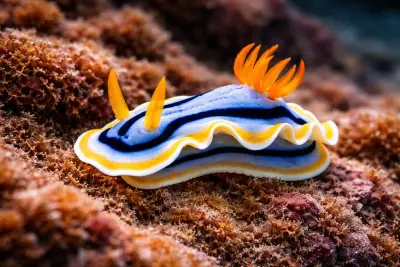
Nudibranch
occasional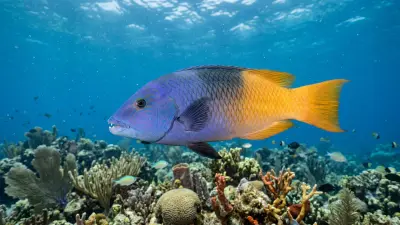
Wrasse
common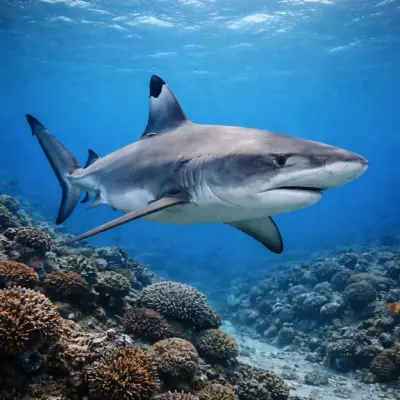
Grey Reef Shark
occasional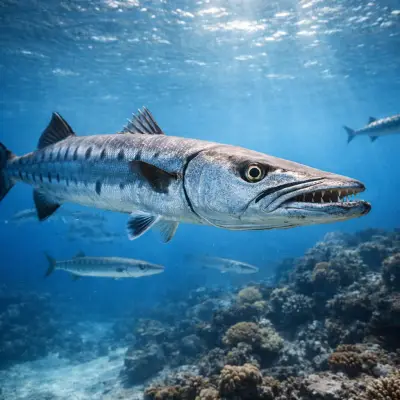
Barracuda
common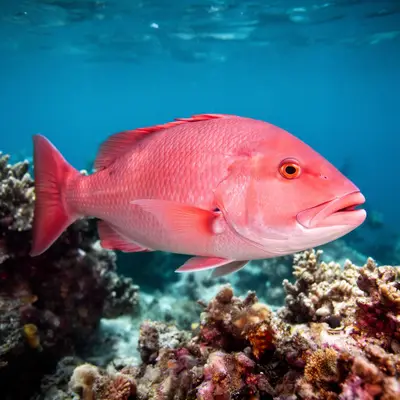
Snapper
common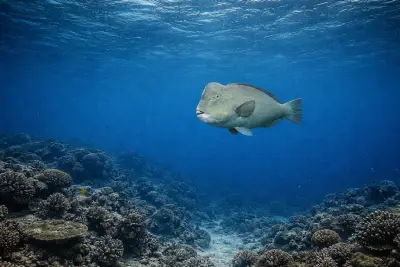
Bumphead Parrotfish
occasional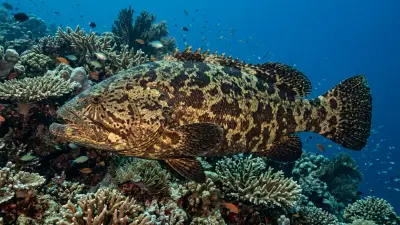
Grouper
commonReef Shark
occasional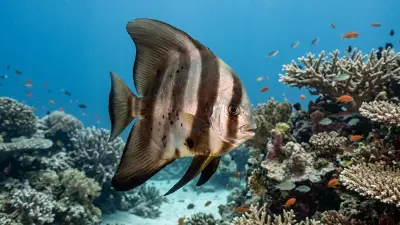
Batfish
occasional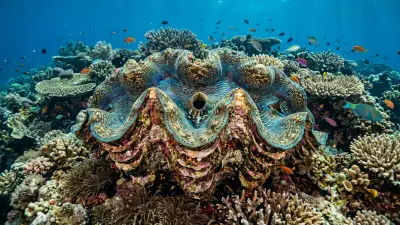
Giant Clam
occasional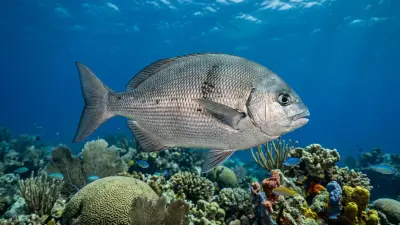
Chub
common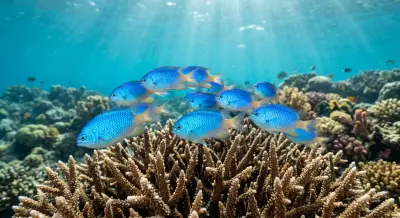
Damsel
common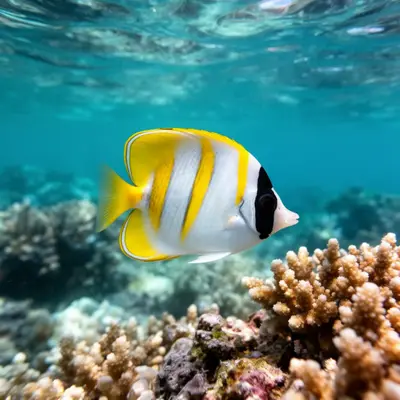
Butterflyfish
common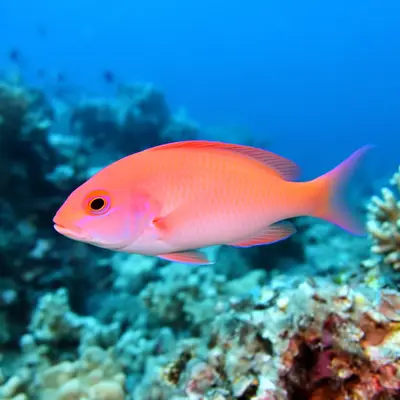
Anthias
commonDive profile & how the dive runs
Dive profiles in Iron Bottom Sound are highly site-specific due to the variety of wrecks and reef structures. For shore-entry wrecks like Bonegi I (Hirokawa Maru), you typically enter from the beach and navigate along the port side of the vessel. The bow starts in approximately 5 meters of water, descending gradually as you move along the deck structure, which is covered in corals and attracts schooling fish. Dives often involve exploring the exterior and accessible compartments, reaching depths of around 30 meters, before turning and ascending gradually back towards the shallows for a safety stop amidst the reef growth near the shoreline. For deeper wrecks accessed by boat, such as the USS Aaron Ward or Azumasan Maru, a descent line is typically used to reach the wreck. Divers will explore specific sections, maintaining awareness of depth and no-decompression limits, often following a guide along key features like gun turrets, cargo holds, or the stern. Ascent usually involves a slow, controlled rise along the descent line, with a mandatory safety stop conducted at 5 meters for 3 minutes, before surfacing to the boat. Current considerations are crucial for deeper dives, influencing entry and exit techniques.
Underwater photography
Iron Bottom Sound offers diverse photographic opportunities, from wide-angle wreck shots to macro critters on coral-encrusted relics. For large wreck subjects like the Hirokawa Maru or various aircraft, a wide-angle lens is essential to capture the scale and historical context. Natural light can be sufficient in shallower areas, but strobes are crucial for bringing out color and detail in deeper sections or inside compartments, especially with the intricate coral growth. For macro enthusiasts, a dedicated macro lens will highlight nudibranchs, pygmy seahorses, and small reef fish that inhabit the wrecks. Good buoyancy control is paramount to avoid disturbing delicate corals or stirring up sediment inside wrecks. Be respectful of the historical significance of the sites, avoiding contact with artifacts and maintaining a respectful distance to preserve these underwater museums.
Combine with nearby dive sites
- Bonegi I & II
Shore-accessible WWII Japanese transport wrecks
- Twin Tunnels
Volcanic reef with vertical lava tubes and diverse macro life
- Custom House Reef
Custom House Reef in the Solomon Islands is a highly regarded dive site, notable for its exceptional biodiversity and healthy coral…
- P-39 Airacobra Wreck
The P-39 Airacobra Wreck offers a unique connection to the Pacific War, providing a poignant and historically significant dive experience…
- Toa Maru
Massive Japanese transport ship wreck, accessible from Western Province
Getting there & logistics
Honiara International Airport (HIR) on Guadalcanal is the main gateway to Iron Bottom Sound, with international connections from Brisbane, Nadi (Fiji), Port Moresby, and Auckland. Most liveaboards depart from Honiara, offering itineraries that typically combine Iron Bottom Sound with the Russell Islands, Florida Islands, and potentially Mary Island. Land-based diving is also available from Honiara, with local operators providing day trips to nearby wrecks like the Bonegi sites. Trip lengths vary, from a few days of land-based diving to week-long or longer liveaboard expeditions. While specific park fees are not always separate, it's customary to respect local land and reef ownership, often involving small payments to local communities for access. Liveaboards handle most logistics, but independent travel requires planning for cash transactions and basic facilities outside Honiara.
Safety & environment
Diving in Iron Bottom Sound, particularly on deep wrecks, requires adherence to advanced diving protocols. The nearest recompression chamber is located in Honiara, but medical facilities in the Solomon Islands are generally limited. In case of a serious diving accident requiring evacuation, the reality is that it will be complex and potentially lengthy. Therefore, comprehensive dive insurance that includes remote-evacuation coverage is not just recommended but absolutely essential. Site-specific hazards include potential strong currents, sharp edges on wrecks, and overhead environments. Always dive with a reputable operator and a knowledgeable guide, follow their briefings, maintain conservative dive profiles, and ensure your equipment is in excellent condition. Malaria is present on Guadalcanal, so consult your doctor about prophylaxis before travel.
Who it suits — and who it doesn't
Suited for
- Experienced wreck divers
- WWII history enthusiasts
- Advanced Open Water divers
- Underwater photographers seeking unique subjects
- Divers comfortable with currents and deeper profiles
Less suited for
- Novice divers without advanced training
- Divers uncomfortable with overhead environments
- Those without comprehensive dive insurance
- Divers seeking only pristine coral reefs
- Those who prefer resort-style amenities and services
FAQ
Honiara - Iron Bottom Sound FAQ
What kind of wrecks can I expect to dive in Iron Bottom Sound?
Iron Bottom Sound is home to a vast collection of World War II relics, including Japanese transport ships, US destroyers, submarines, and various aircraft. Notable wrecks include the Hirokawa Maru, USS Aaron Ward, PBY Catalina seaplanes, and Japanese Kawanishi H6K 'Mavis' flying boats, providing a diverse range of historical subjects to explore.
Is Iron Bottom Sound suitable for beginner divers?
While some shallow parts of wrecks or adjacent reefs might be accessible, Iron Bottom Sound is generally recommended for experienced divers. Many significant wrecks lie at depths requiring advanced certifications, and conditions can sometimes include strong currents. Beginners should opt for guided dives on shallower sites or gain more experience before attempting the deeper wreck dives.
How do currents affect diving in Iron Bottom Sound?
Currents in Iron Bottom Sound can range from mild to strong, depending on the specific dive site and tidal conditions. Strong currents are present at some deeper wreck sites, which can enhance pelagic sightings but require advanced diving skills and proper current diving techniques. Always consult with local dive guides, who have up-to-date knowledge of site conditions.
What marine life can I see on the wrecks?
The wrecks of Iron Bottom Sound have transformed into thriving artificial reefs, attracting a rich array of marine life. You can expect to see large groupers, barracudas, reef sharks, and schools of fusiliers and jacks. The coral-encrusted structures also host a variety of smaller creatures like nudibranchs, butterflyfish, and damsels, along with occasional batfish and giant clams.
What is the best way to access the dive sites?
Dive sites in Iron Bottom Sound can be accessed via shore entry for certain shallow wrecks like Bonegi I & II, or by day boats operating from Honiara. The most comprehensive way to explore the region, especially deeper and more remote sites, is through liveaboard trips that depart from Honiara and include itineraries visiting the Florida and Russell Islands as well.
What is the visibility like in Iron Bottom Sound?
Visibility in Iron Bottom Sound is generally good, often ranging from 15 to 30 meters, particularly during the dry season from April to November. However, it can occasionally drop to around 9 meters at certain muck sites or closer to shore, especially after heavy rainfall. Deeper wrecks often boast clearer waters, offering excellent photographic opportunities.
Why dive Honiara - Iron Bottom Sound from a liveaboard?
Honiara - Iron Bottom Sound is one of Solomon Islands's signature dive sites. A liveaboard sleeps you on the water and puts you in the water for three to four guided dives per day, including dawn and night dives that day-boat operators rarely offer. You skip the daily commute back to port and reach quieter, less-crowded sites in the same region on a single trip.
Below are the liveaboards that include Honiara - Iron Bottom Sound on their Solomon Islands itineraries.
Liveaboards diving Honiara - Iron Bottom Sound
These liveaboards may visit Honiara - Iron Bottom Sound on selected itineraries — the exact dive sites depend on departure, weather and conditions.
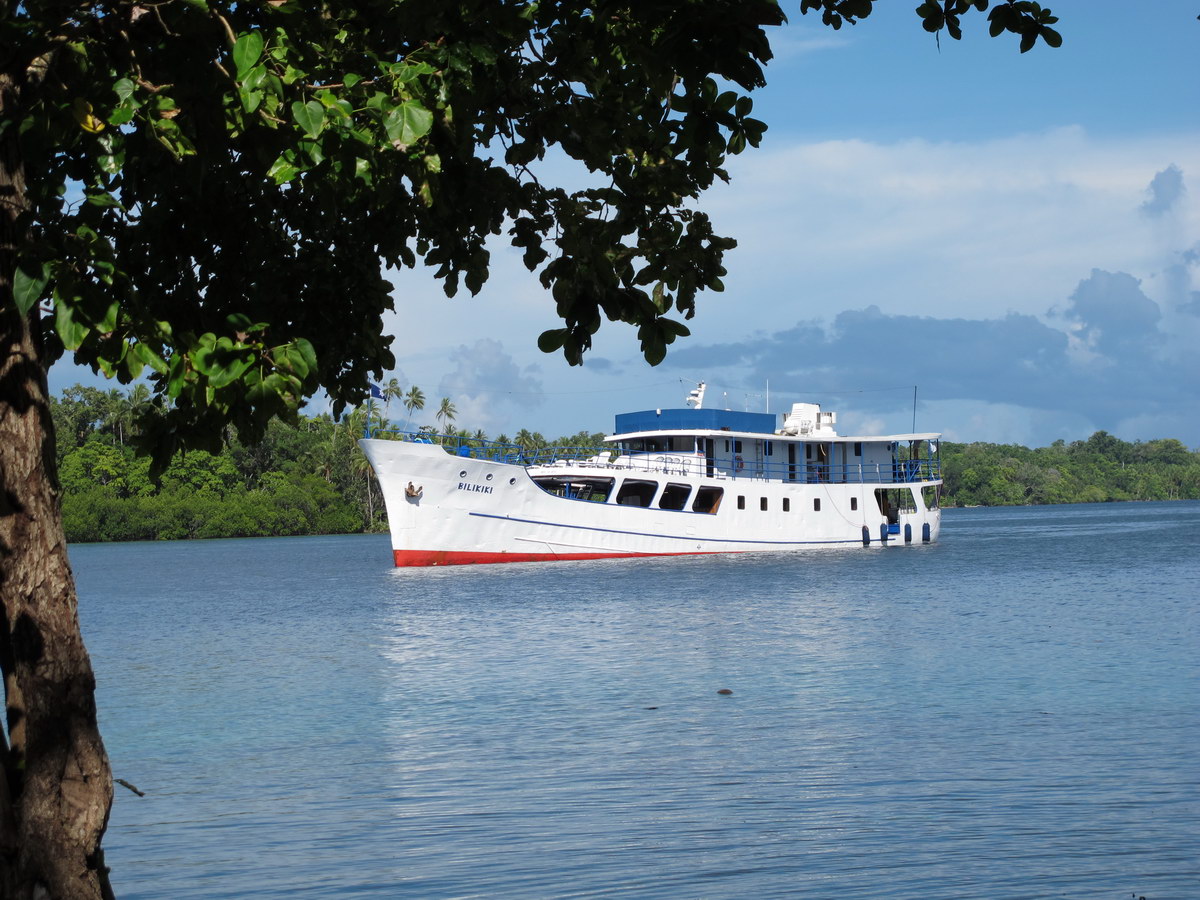
Emperor Bilikiki
Solomon Islands
20 guests38 m
$569/day
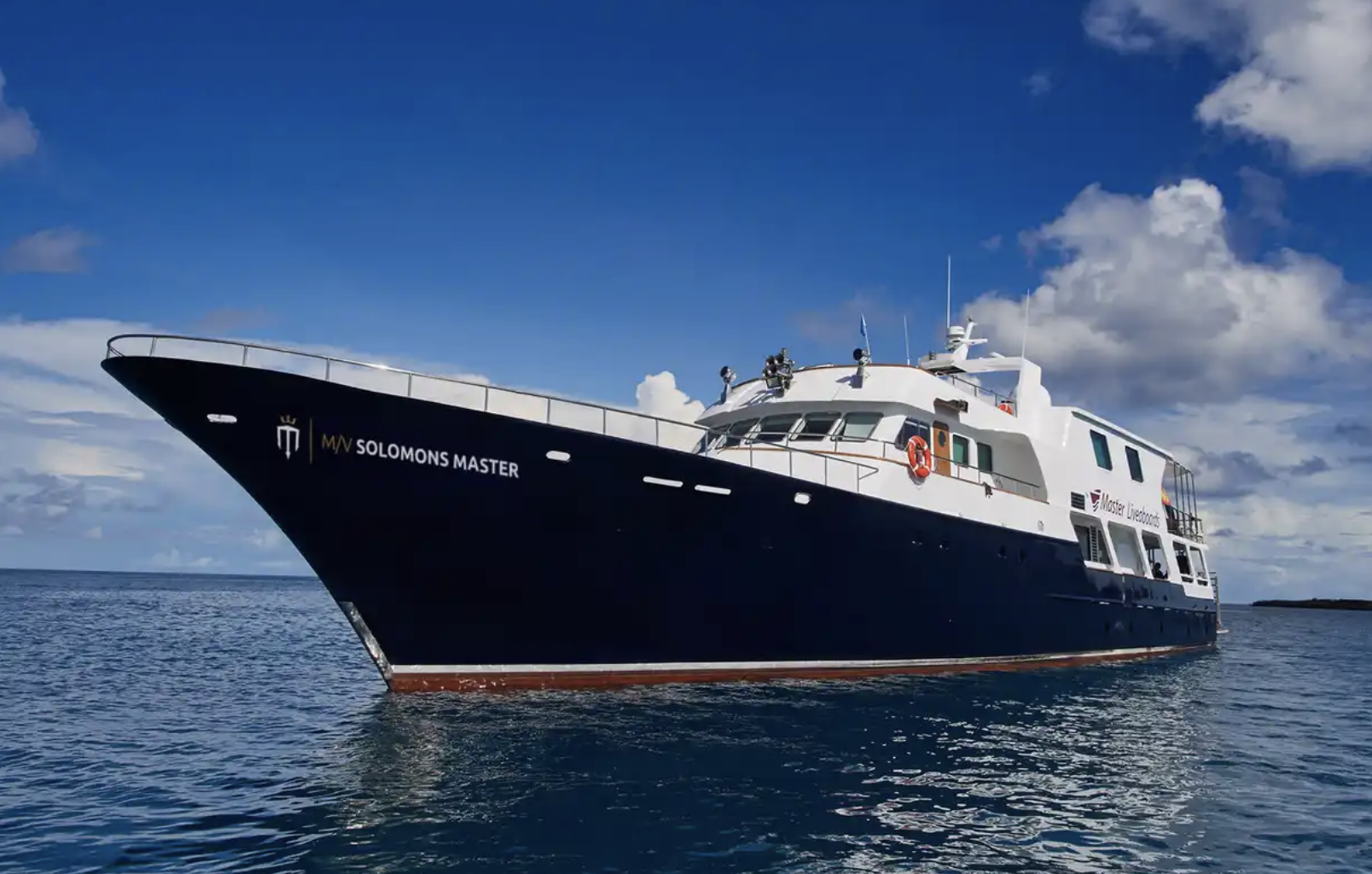
Solomons Master
Solomon Islands
16 guests
$401/day
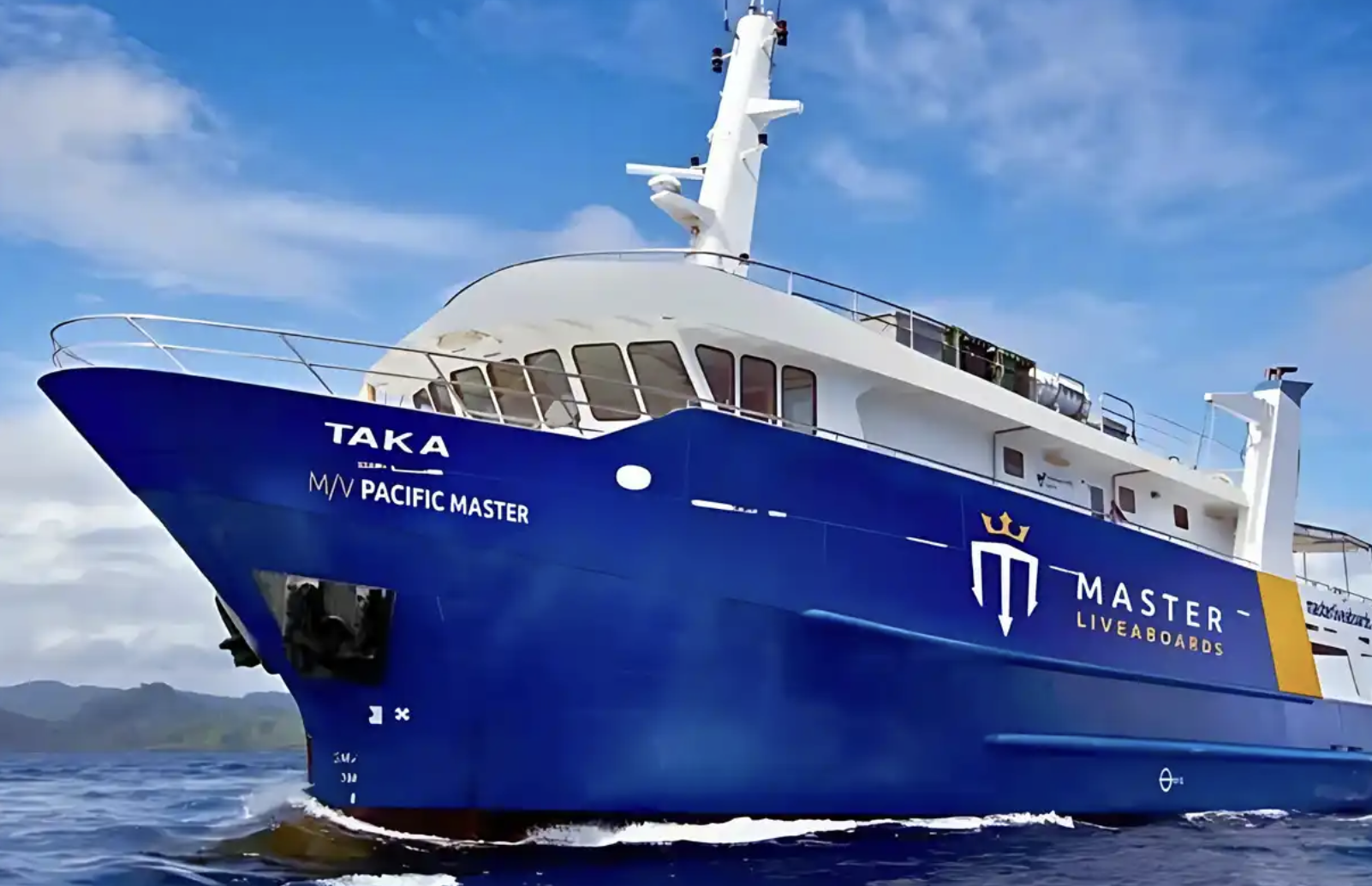
Pacific Master
Solomon Islands
20 guests30 m
$268/day
Dive sites similar to Honiara - Iron Bottom Sound
Same character, same waters — six more sites divers love for the exact same reasons.Compare seasons, access and liveaboard routes — then pick the site that fits your trip best.
© Esri — Maxar, Earthstar, GIS
Grumman Hellcat Wreck
Solomon Islands
The Grumman Hellcat Wreck offers a fascinating and easily accessible glimpse into World War II history beneath the waves of the Solomon Islands.
- Suitable for
- Beginner
- Current
- Mild
- Access
- Dayboat
- Depth
- 9–10 m
- Theme
- Wreck
© Esri — Maxar, Earthstar, GIS
P-39 Airacobra Wreck
Solomon Islands
The P-39 Airacobra Wreck offers a unique connection to the Pacific War, providing a poignant and historically significant dive experience in the Solomon Islands.
- Suitable for
- Advanced
- Current
- Mild
- Access
- Liveaboard only
- Depth
- 20–30 m
- Theme
- Wreck
© Esri — Maxar, Earthstar, GIS
Bonegi I & II
Solomon Islands
Bonegi I (Hirokawa Maru) and Bonegi II (Kinugawa Maru) are two Japanese transport ships resting off Guadalcanal's northwestern coast, approximately 12 kilometers west of Honiara.
- Suitable for
- Intermediate
- Current
- Mild
- Access
- Shore / dayboat
- Depth
- 3–55 m
- Theme
- Wreck
The Toa Maru is a prominent Japanese transport ship sunk during WWII off Gizo in the Solomon Islands' Western Province.
- Suitable for
- Advanced
- Current
- Mild
- Access
- Liveaboard only
- Depth
- 15–35 m
- Theme
- Wreck
© Esri — Maxar, Earthstar, GIS
White Beach WWII Dump Site
Solomon Islands
White Beach in the Solomon Islands offers a unique dive experience, serving as both a historical monument and a thriving artificial reef.
- Suitable for
- Beginner
- Current
- Mild
- Access
- Liveaboard only
- Depth
- 12–37 m
- Theme
- Wreck
© Esri — Maxar, Earthstar, GIS
White Beach
Solomon Islands
White Beach is located off Hanasivi Island, Russell Islands, Solomon Islands, and was an American military base during WWII where troops pushed equipment into the sea upon departure.
- Suitable for
- Intermediate
- Current
- Mild
- Access
- Liveaboard or dayboat
- Depth
- 5–29 m
- Theme
- Muck diving / Reef