About HMS Perth
The HMS Perth is a decommissioned missile destroyer scuttled as an artificial reef and dive site in 2001. This impressive wreck is located near Albany in Western Australia, resting on a sandy bottom off the south coast. The vessel measures 133 meters in length and stands 43 meters high, offering a substantial structure for exploration. Diving the HMS Perth reveals much of its original equipment, including a prominent big gun on the deck and visible holes in the hull from its four times under fire during service. An interpretive dive trail guides divers through key points of interest, providing historical context and information about the local marine life attracted to the wreck. The mast of the ship reaches within 8 meters of the surface, making it accessible across various depth ranges. While the wreck is situated at depth, its conditions are often favorable, attracting a beautiful array of marine life. This site caters to both beginner divers seeking an introduction to wreck diving and experienced divers interested in potential penetration opportunities, though caution is advised due to possible silt. Live webcams offer real-time surface and underwater views of the site, enhancing planning for your dive. Typically, the HMAS Perth is approached as a single dive experience, offering ample time to explore its significant features and diverse inhabitants.
Highlights
133-meter destroyer wreckVisible hull battle damageInterpretive dive trailBig gun on deckOriginal ship equipmentNo current conditions
Best Season
Diving around the Perth is possible year-round, with water temperatures ranging from 21-26°C. The south coast region, where the wreck is located, is generally best visited from Spring to Autumn, starting in September with 20°C and concluding in May with 22°C.
Dive site facts: HMS Perth
- Depth
- 25–35 m
- Current
- No current
- Entry
- Liveaboard or dayboat
- Level
- Advanced
- Dive type
- Wreck, Reef, Wreck
- Region / port
- Australia
- Coordinates
- 35.0450° S, 117.9500° E
Conditions & Currents
The HMAS Perth dive site is notably characterized by the general absence of strong currents, offering remarkably calm conditions for divers. This makes for a more relaxed experience, allowing ample time for exploration of the wreck. Visibility at the site is consistently outstanding, often exceeding 20 meters, which greatly enhances the diving experience. The favorable conditions and lack of significant current mean that the site is generally suitable for a wide range of diver skill levels, including those with less experience in strong water movement. Entry and exit techniques are typically straightforward, benefiting from the benign environment. While penetration is possible for experienced divers, the presence of silt warrants careful planning and execution.
Why dive HMS Perth from a liveaboard?
HMS Perth is one of Australia's signature dive sites. A liveaboard sleeps you on the water and puts you in the water for three to four guided dives per day, including dawn and night dives that day-boat operators rarely offer. You skip the daily commute back to port and reach quieter, less-crowded sites in the same region on a single trip.
Below are the liveaboards that include HMS Perth on their Australia itineraries.
Liveaboards diving HMS Perth
These liveaboards may visit HMS Perth on selected itineraries — the exact dive sites depend on departure, weather and conditions.
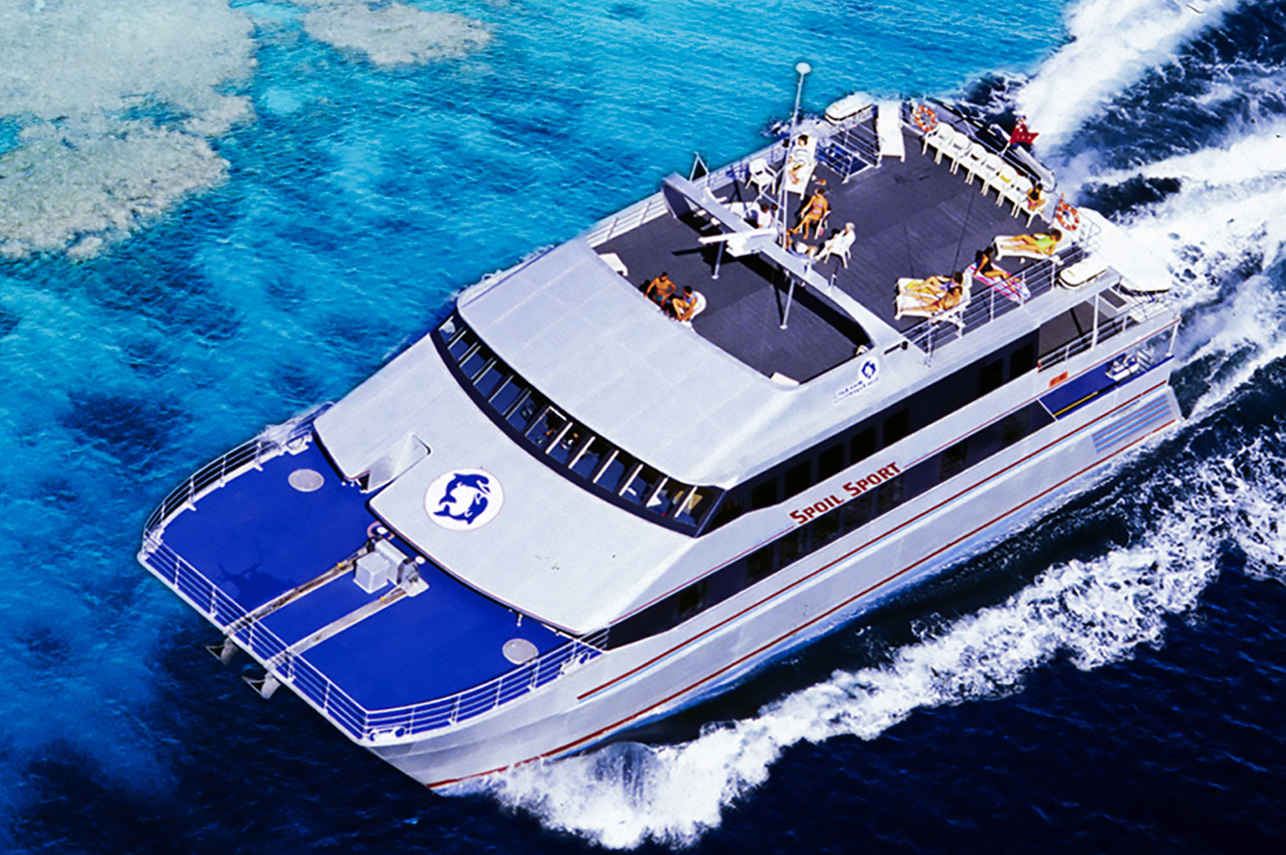
Spoilsport
Australia
28 guests30 m
$406/day
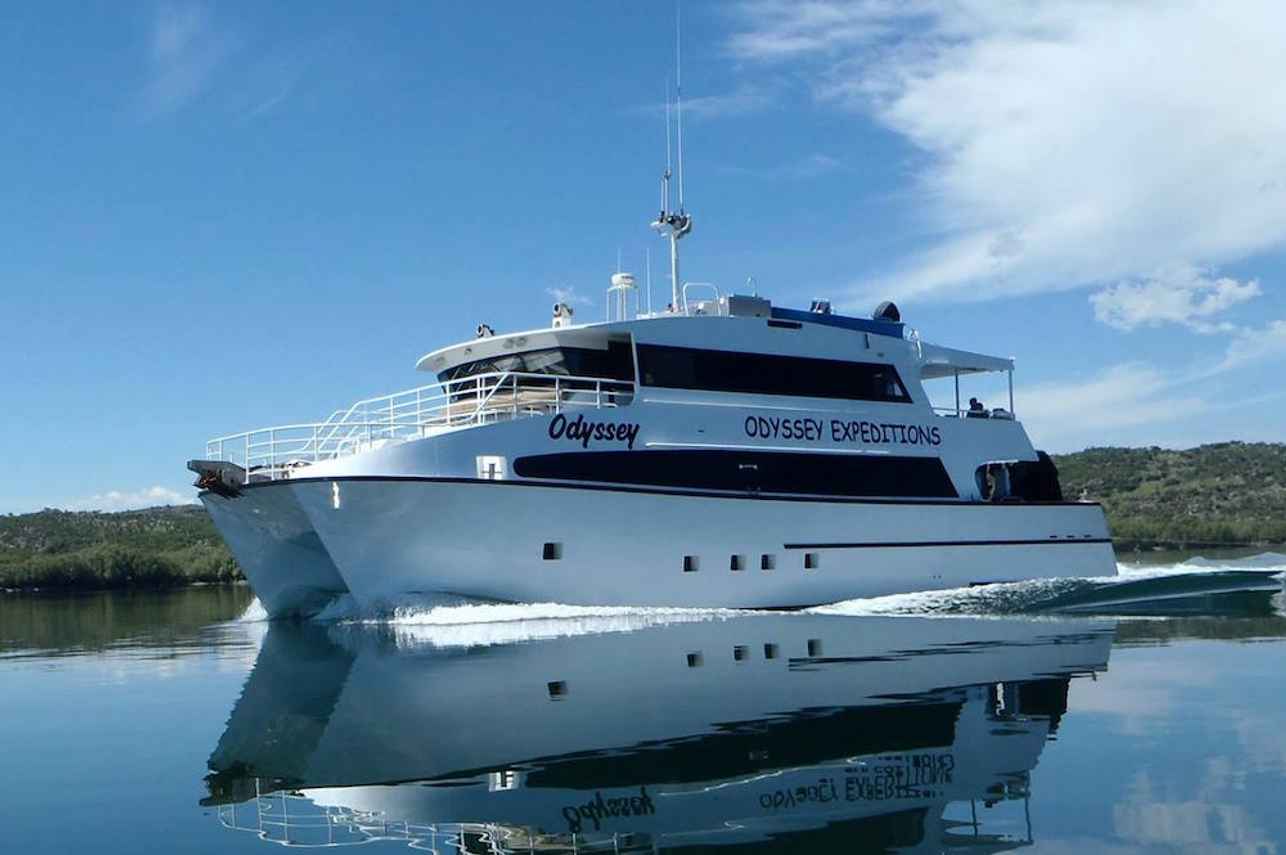
Odyssey Liveaboard
Australia
20 guests24 m
$392/day
Dive sites similar to HMS Perth
Same character, same waters — six more sites divers love for the exact same reasons.Compare seasons, access and liveaboard routes — then pick the site that fits your trip best.
© Esri — Maxar, Earthstar, GIS
Agincourt Reef
Australia
Agincourt Reef sits on the outer edge of the Great Barrier Reef, roughly 60–72 km off Port Douglas in Far North Queensland, at the southern end of the true ribbon reefs that run…
- Suitable for
- Beginner
- Current
- Moderate
- Access
- Dayboat
- Depth
- 2–20 m
- Theme
- Reef / Wall
© Esri — Maxar, Earthstar, GIS
Cocos Keeling - Canons
Australia
Cocos Keeling - Canons offers a distinctive dive experience within the Cocos (Keeling) Islands lagoon, making it Australia's most remote dive destination.
- Suitable for
- Beginner
- Current
- Mild
- Access
- Dayboat
- Depth
- 8–12 m
- Theme
- Reef
© Esri — Maxar, Earthstar, GIS
Raine Island
Australia
Raine Island is a pivotal dive site located in the Far Northern Great Barrier Reef, approximately 85 kilometers east-north-east of Cape Grenville and just over 4 nautical miles south of the island itself.
- Suitable for
- Advanced
- Current
- Strong
- Access
- Liveaboard only
- Depth
- 5–40 m
- Theme
- Reef / Wall
© Esri — Maxar, Earthstar, GIS
Bare Island East
Australia
Bare Island East is a highly regarded shore dive in Sydney, celebrated for its diverse and colourful sponge gardens.
- Suitable for
- Intermediate
- Current
- Mild
- Access
- Shore / dayboat
- Depth
- 2–11 m
- Theme
- Reef
© Esri — Maxar, Earthstar, GIS
Cocos Keeling - Broccoli Patch
Australia
Broccoli Patch is a premier dive site nestled within the Cocos (Keeling) Islands lagoon system, offering a gentle yet captivating underwater experience.
- Suitable for
- Beginner
- Current
- Mild
- Access
- Dayboat
- Depth
- 5–10 m
- Theme
- Reef
© Esri — Maxar, Earthstar, GIS
Milln Reef
Australia
Milln Reef, located approximately 60km offshore from Cairns within the Great Barrier Reef, stands out as a highly favored outer reef destination for both divers and snorkelers.
- Suitable for
- Intermediate
- Current
- Moderate
- Access
- Liveaboard or dayboat
- Depth
- 4–22 m
- Theme
- Reef